
Review · MEXICO
Puerto Vallarta Cooking Class Experience with Market Tour
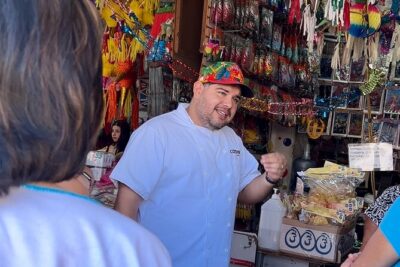
The best part of this Puerto Vallarta cooking class happens before you reach the kitchen. Chef Enrique takes you through Mercado Palmar de Aramara, explains how to choose produce, fish, chiles, and spices, then stops at a tortilla factory for fresh masa. You are not just handed a recipe. You learn where the food begins.
I especially like the small group of no more than eight and the chance to eat everything you help prepare. The class also has a warm home setting, with Enrique, his wife, and assistants guiding the work. The main consideration is that the market portion involves standing in the heat, and the return from the chef’s home is not included.
Key details at a glance
- Market-first format: Shop for the day’s ingredients at Mercado Palmar de Aramara before cooking.
- Fresh masa stop: Visit a tortilla factory and learn about the dough used for handmade tortillas.
- Menus change by day: Cook tacos, mole, seafood, chiles rellenos, tamales, or birria, depending on the schedule.
- Chef Enrique leads the class: His teaching covers food, Mexican customs, ingredient selection, and cooking methods.
- Your lunch is the food you make: The class ends with a sit-down meal, purified water, and a described tequila or mezcal tasting.
- Practical setup: Meet at 10:00 a.m., receive transport from the market to the chef’s home, and arrange your own ride back.
Why this class feels different from a standard cooking lesson
Many cooking classes begin with premeasured ingredients laid out on a counter. This one starts with a shopping trip. That small change matters. You see the produce, meat, seafood, dried chiles, cheeses, and spices before they become lunch, and you learn how a cook decides what is worth buying.
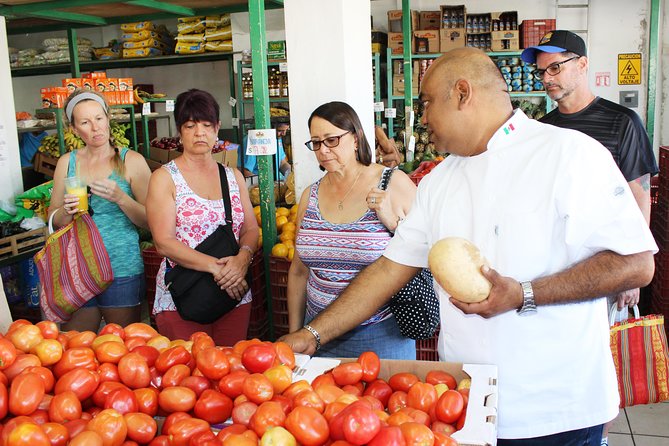
Chef Enrique also uses the market to explain food beyond the recipe. You might learn how to judge fish, select ripe fruit, distinguish fresh from dried chiles, or understand why a certain ingredient suits a dish. The market is part of the lesson, not simply a scenic stop.
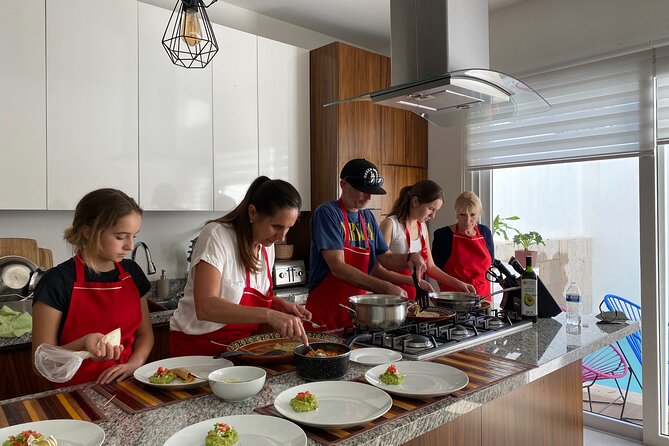
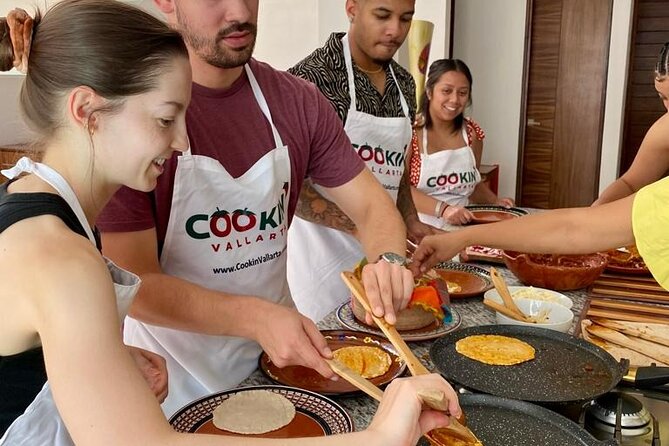
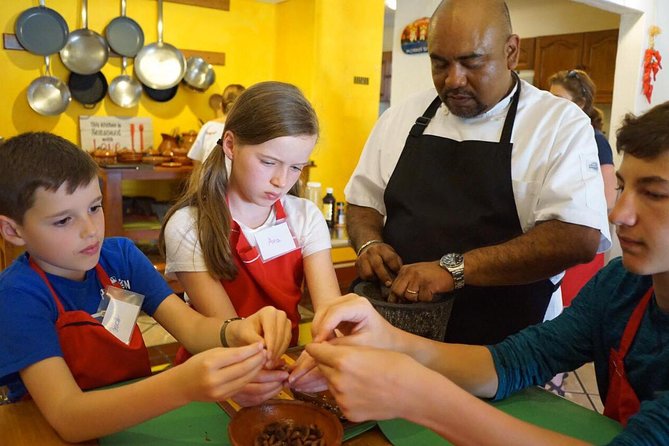
Then the setting changes completely. Instead of a restaurant kitchen built for demonstrations, you cook at Enrique’s home in a Mi Casa tu Casa atmosphere. His wife and assistants help keep the work organized, clean, and moving. You still get hands-on jobs such as chopping, grinding, peeling, rolling tortillas, preparing salsas, and assembling the main dishes.
The class is limited to eight people. That gives you a better chance to ask questions and take part, though the exact amount of cooking you do can depend on the group and the dish. You do not need to be an experienced cook. Tasks can be shared, and you may pass on anything that makes you uncomfortable.
More Cooking Classes with a Market Tour in Mexico
- Mexican Cooking Class with Food Market Visit in Mexico City
★ 5.0 · 506 reviews - Flavors of Oaxaca: Cooking Class with No Set Menu and Local Market Tour
★ 4.5 · 333 reviews - Taste of the Yucatan: Merida Cooking Class and Market Visit
★ 5.0 · 291 reviews
Starting at Mercado Palmar de Aramara
Your morning begins at 10:00 a.m. at Montero Produce Market, Palmar de Aramara Branch, on Océano Pacífico. You meet Chef Enrique there rather than being collected from your hotel. That makes the starting point important to plan around, especially if you are staying in another part of Puerto Vallarta.
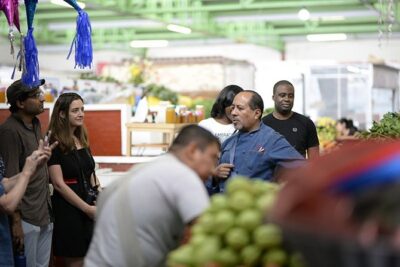
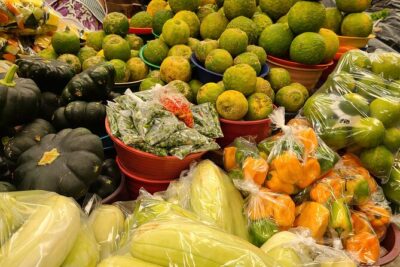
The first stop lasts about 45 minutes. Expect a working local market, not a polished food hall. Stalls may carry unfamiliar fruit, fresh vegetables, herbs, chiles, seafood, meat, and other ingredients used in Mexican kitchens. Enrique guides you through the choices and buys what the class needs for that day’s menu.
Bring water and a sun hat. You may spend much of this part standing, and the market can feel hot. Comfortable shoes are sensible too. This is not a long sightseeing walk, but you will be on your feet while moving through narrow market areas and pausing at different vendors.
I like this stop because it gives context to the cooking. A lesson on ceviche is more useful after you have seen how fish is selected. A discussion of mole makes more sense when you have handled dried chiles, cacao, and spices. Even if you already cook Mexican food at home, the shopping guidance can give you new ideas.
There is one practical tradeoff. The market can be crowded, and one person described always feeling in the way wherever they stood. That is part of shopping in a working market, but anyone who prefers quiet, spacious surroundings should know what to expect.
The tortilla factory and the lesson in masa
After the market, you stop at a local tortilla factory for about 15 minutes. The purpose is specific: you buy the dough needed for fresh tortillas. This is a short stop, but it connects the final meal to one of Mexico’s basic foods.
One useful detail from the class is the discussion of nixtamalization, the process that prepares corn for masa. You do not simply press store-bought tortillas onto a plate. You see where the dough comes from and then use it in the kitchen, rolling or shaping tortillas as part of the meal.
For many people, this will be one of the most memorable parts because tortillas are easy to take for granted. Here, the tortilla is treated as a key ingredient. It supports tacos, accompanies birria, and gives the meal a fresh texture that packaged tortillas cannot match.
The stop is brief, so do not expect a full factory tour with a long technical demonstration. Its value lies in seeing the source of the masa and carrying that ingredient into the next stage of the class.
Riding to Chef Enrique’s home
Once the shopping is complete, you ride with the group from the market to Enrique’s home. This is the only transportation included in the activity. The class ends in the Jardines de Las Gaviotas area, and you can take a taxi or Uber from the house to your resort afterward.
That detail affects the price calculation. At $144.81 per person, you are paying for a four-hour food and culture experience, a professional chef, market guidance, the meal, purified water, and transport between the two main locations. You should also leave room in your plans for the return ride and any alcoholic drinks, since alcohol is listed as not included.
The home setting is a major part of the appeal. You get a more personal class than you would in a large culinary school, and the cooking area is described as clean and well organized. Enrique’s family and assistants help with preparation and safety, so the work does not turn into a long wait while one dish cooks.
Same kitchen, a different dish:
- Cabo San Lucas Mexican Cooking Class Experience and Local Markets
★ 5.0 · 915 reviews - Mexican Cooking from Scratch in a Local Home in Tulum
★ 5.0 · 585 reviews - Authentic Mexican Legacy Cooking Class in Cabo San Lucas
★ 5.0 · 530 reviews - Authentic Mayan Cooking Class in Cozumel
★ 5.0 · 344 reviews
Choosing your cooking day
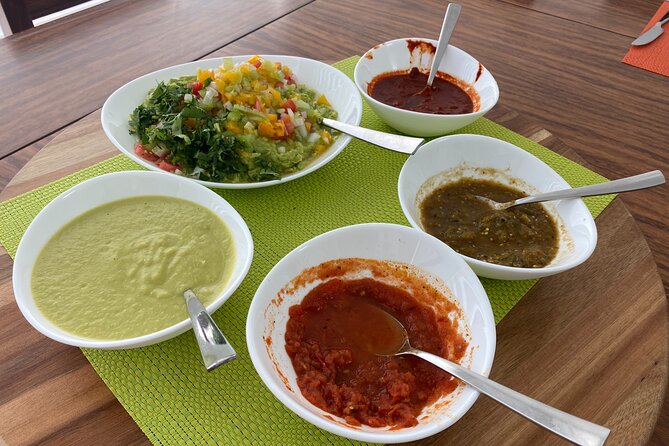
The menu changes with the day of the week. That is one of the most useful details to check before booking, since the choice of day can shape the entire meal.
Monday is taco day. You may prepare al pastor or pibil pork tacos, including the marinade, fresh tortillas, and salsas. This is a good pick if you want a classic Mexican meal with plenty of tortilla work and sauce preparation.
Tuesday focuses on mole poblano. You work with cacao, chiles, and spices to make the chocolate-based sauce from scratch. The recipe can involve more than 27 ingredients, so this is likely the most involved menu and the best choice for anyone curious about the careful layering behind mole.
Wednesday is seafood day. The catch of the day may become ceviche, fish, octopus tacos, shrimp aguachiles, enchiladas, tostadas, or another Mexican seafood dish. Freshness controls the menu, so the exact meal can change. If you enjoy seafood, this is the clearest day to target.
Thursday features chiles rellenos and tamales. These dishes come from traditional family recipes and give you a chance to work with fillings, chiles, masa, and steaming or preparation methods.
Friday brings Jalisco-style birria. You may make birria in adobo sauce with homemade tortillas and salsas. This is a fitting choice if you want a substantial regional feast rather than a lighter seafood meal.
The chef can change the menu based on what is fresh at the market. That flexibility is a strength because the meal follows available ingredients, but it also means you should not book expecting one dish with absolute certainty.
What you actually do in the kitchen
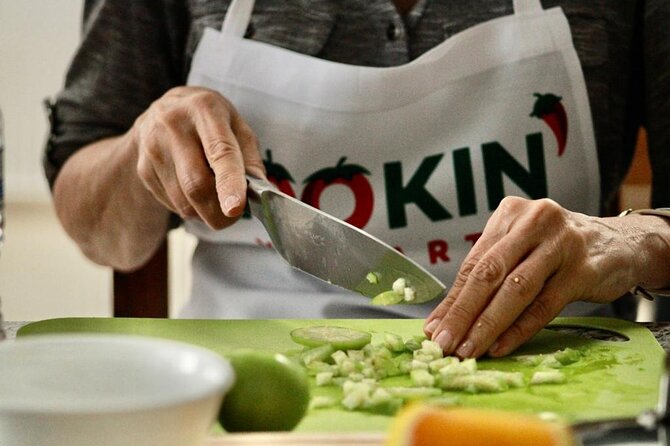
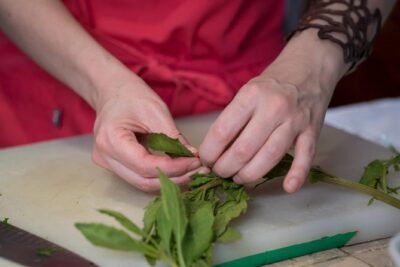
The work is hands-on, but it is not presented as an exam. Enrique explains each stage and lets the group share tasks. Depending on the menu, you may grind spices, prepare a marinade, make salsa in a molcajete, shape tortillas, chop vegetables, clean seafood, or assemble tamales and tacos.
The salsa de molcajete is a recurring part of the class. Fresh or dried chiles are ground with other ingredients into a sauce with direct, smoky heat. This is a useful technique to take home because it teaches you how texture and flavor change when ingredients are crushed rather than blended.
The recipes also give you a window into regional cooking. Birria introduces Jalisco flavors. Mole shows how cacao can work with chiles and spices. Seafood dishes reflect Puerto Vallarta’s coastal setting. The cooking is not separated from Mexican culture, language, and food customs.
The class suits mixed skill levels. Experienced home cooks can ask about techniques and ingredient choices, while beginners can follow step by step. Children can take part in some tasks, and a 10-year-old was able to join the activities, though very young children may find the market and kitchen less engaging. Teenagers and adults are likely to get the most from the full format.
Sitting down to eat what you made
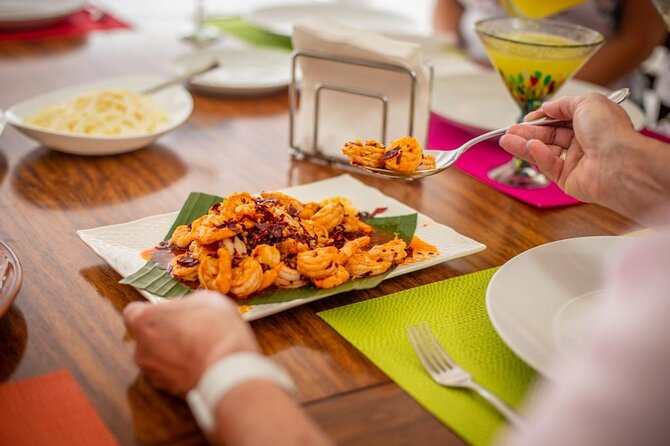
After the cooking, you sit down for lunch and eat the dishes prepared by the group. That makes the meal feel earned. You are not watching a chef produce lunch for you, then receiving a plate at the end. You have handled the ingredients and can taste the result with a better sense of how it came together.
There is enough food for a full meal, and the menu may include several components such as a main dish, tortillas, salsas, and dessert. Purified water is included. The description also includes tequila and mezcal tasting, while alcoholic beverages are listed as not included, so I would confirm exactly what is provided before counting on a full margarita or tasting flight.
This point is worth noting because one class member had an excellent day but did not receive a margarita. The experience normally refers to tequila or mezcal tasting and may include a margarita, but service can vary. If alcohol matters to you, ask before the class and bring identification if required. The minimum drinking age is 21.
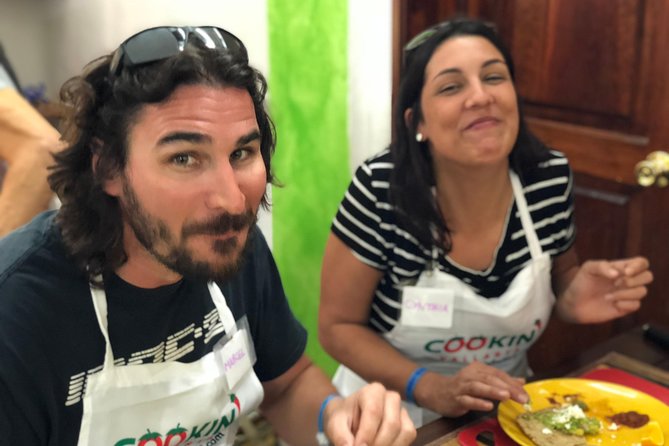
The lunch is also the social heart of the morning. You eat with the chef, his family or assistants, and the other members of the group. Solo visitors can fit in well, and families can share tasks across age groups. The small size helps keep the conversation personal rather than turning the meal into a formal presentation.
Price, group size, and practical value
At $144.81 per person, this is not the cheapest way to eat in Puerto Vallarta. You could have a fine Mexican meal for far less. The value comes from combining the market visit, instruction, ingredients, transportation to the home, and a four-hour cultural activity with lunch.
I think the price makes the most sense if you want more than a recipe. You are paying to learn how to shop, understand masa, handle chiles and spices, prepare a regional meal, and ask questions in a home kitchen. The recipe link provided afterward adds practical value because you can try the dishes again at home.
The maximum group size of eight is another reason the price can be justified. A very large cooking class often leaves you watching from the back. Here, the group is small enough for each person to take a turn, although the amount of work will still depend on the day’s menu and how the group shares tasks.
The class usually sells well in advance, with bookings averaging about 32 days ahead. If you want a certain weekday menu, especially seafood on Wednesday or birria on Friday, reserve early.
Who should book this experience
I would choose this class if you like food, local markets, and learning by doing. It suits couples, families with older children, friends, and solo visitors who want a structured way to meet people and see a working part of Puerto Vallarta.
It is also a good fit for cooks who want specific instruction. Enrique covers ingredient selection and techniques, not just the final recipe. Someone who already knows how to chop and follow instructions can still learn about chiles, fish, masa, marinades, and flavor building.
You should think twice if you dislike standing in heat, crowded markets, shared kitchen tasks, or uncertain menus. The class is also less suitable if you need hotel pickup and drop-off, want a guaranteed dish, or expect all drinks to be included.
Tell the operator about food allergies, dietary restrictions, and mobility issues when booking. Vegetarian, vegan, and gluten-free menus can be adapted, but the kitchen needs notice. The experience requires good weather and may be canceled if too few people book. In either case, an alternate date or a full refund is offered.
Should you book Chef Enrique’s cooking class?
Book it if you want Puerto Vallarta through its food rather than from a restaurant table. The market shopping, fresh masa, home kitchen, small group, and shared lunch give the morning a clear sense of place.
Pick your weekday based on the menu, bring water and sun protection, and plan your ride home from the chef’s house. If those details work for you, $144.81 buys a useful skill, a generous meal, and a personal look at how Mexican food moves from market stall to family table.
FAQ
Where does the Puerto Vallarta cooking class begin?
It begins at 10:00 a.m. at Montero Produce Market, Palmar de Aramara Branch, located at Océano Pacífico 151, Palmar de Aramara, Puerto Vallarta.
How long does the experience last?
The activity lasts approximately four hours. About 45 minutes are set aside for the market, 15 minutes for the tortilla factory, and about three hours for the cooking class and meal.
Is hotel pickup included?
No. You meet the group at the market. Transportation is provided from the market to Chef Enrique’s home, but hotel pickup and drop-off are not included.
What happens after the cooking class?
The class ends at Chef Enrique’s home in the Jardines de Las Gaviotas area. You can take a taxi or Uber from the house to your resort.
What food might I learn to cook?
The weekday menus include al pastor or pibil pork tacos, mole poblano, Mexican seafood, chiles rellenos, tamales, and Jalisco-style birria. Salsa de molcajete and dessert are also regular parts of the class. The chef may change the menu based on market freshness.
Can dietary restrictions be accommodated?
Menus can be adapted for vegetarian, vegan, and gluten-free participants. You should provide details about allergies, food restrictions, or mobility issues when booking.
Are drinks included?
Purified water and a described tequila or mezcal tasting are part of the experience, but alcoholic beverages are listed as not included. The minimum age to drink alcohol is 21.
New cooking classes around Mexico
- San Miguel de Allende: Mexican Cooking Class | Mole & Salsas★ 4.8 · 7 reviews
- San José del Cabo:Cooking Class +Margaritas & Mezcal tasting★ 4.8 · 12 reviews
- Puerto Escondido: Mexican Cooking Class, enjoy mexican food★ 5.0 · 9 reviews
- Playa del Carmen: Isa’s Authentic Mexican Cooking Class★ 4.9 · 18 reviews
- Playa del Carmen: Mexican Cooking Class★ 5.0 · 16 reviews
- PDC Traditional Mexican Cooking Experience★ 5.0 · 6 reviews
- Oaxaca: Traditional Oaxacan Cooking Class with Market Visit★ 4.9 · 80 reviews
- Oaxaca: Vegetarian Cooking Class★ 4.8 · 139 reviews
Mexico Cooking Classes, side by side.
Cabo San Lucas Mexican Cooking Class Experience and Local Markets
Read our review →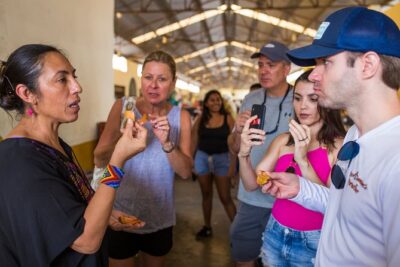
Mexican Cooking from Scratch in a Local Home in Tulum
Read our review →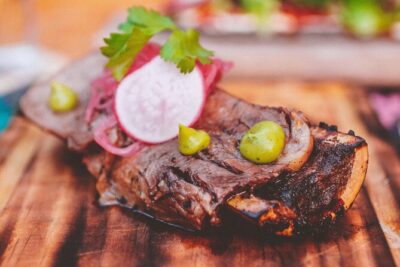
Mexican Cooking Class with Food Market Visit in Mexico City
Read our review →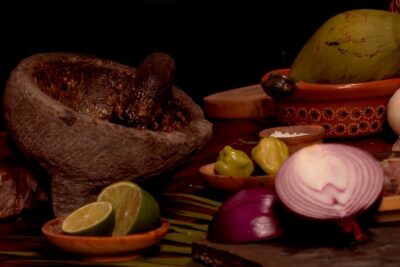
Flavors of Oaxaca: Cooking Class with No Set Menu and Local Market Tour
Read our review →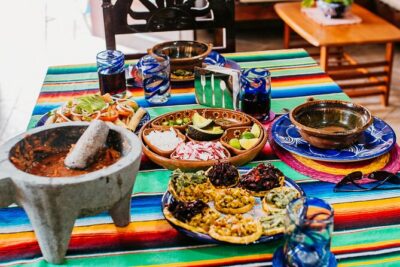
Taste of the Yucatan: Merida Cooking Class and Market Visit
Read our review →This kitchen also appears in