
Review · ROME
Rome : Cooking Class in a Real Roman Home in Trastevere
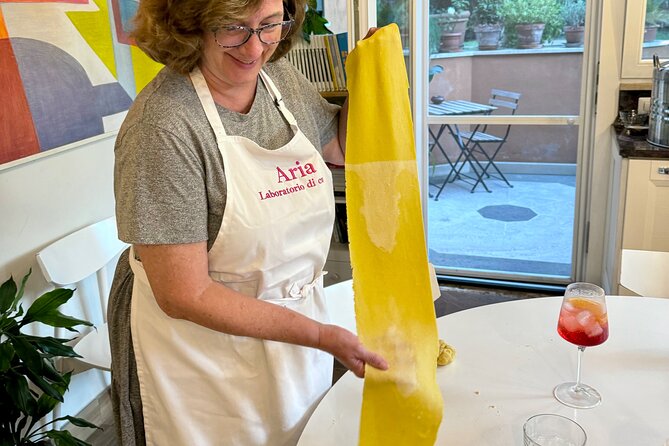
The best part of this Rome cooking class is that you are not simply shown how to make pasta. You work beside Ilaria Sparla in her own Roman home, shaping fettuccine, ravioli, and orecchiette before sitting down to eat what you made. I like the small group of no more than eight, and I like that the evening includes more than a standard pasta lesson: three sauces, appetizers, wine, and tiramisu are all part of the meal.
The main consideration is the price, $154.99 per person. That is a serious spend for three hours, though the amount of food, personal instruction, recipes, and home setting make it more than a basic cooking demonstration. You should also arrive hungry. The meal is generous.
Key points at a glance
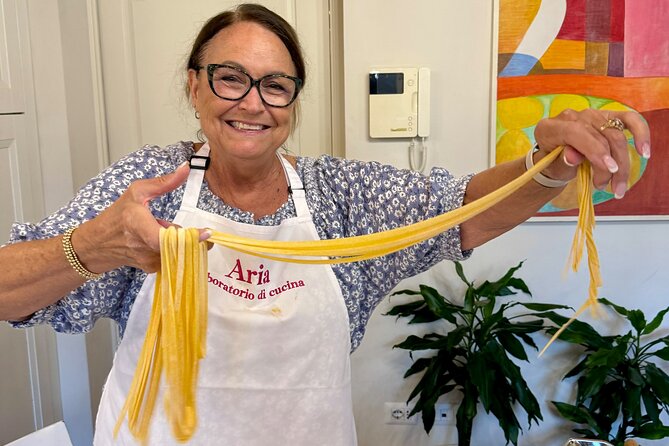
- Three pasta shapes in one class: Make fettuccine, ravioli, and orecchiette from scratch.
- A real family kitchen: Ilaria welcomes you into her home, with family members sometimes stopping in to say hello.
- Three Roman-style sauces: Prepare cacio e pepe, fresh tomato with basil, and Norma sauce.
- A full meal, not just a lesson: Appetizers, fried seasonal vegetables, wine, water, soft drinks, and tiramisu are included.
- Good for children and beginners: The pace is relaxed, and families with children as young as six have taken part.
- Small by design: The maximum group size is eight, which leaves room for questions and hands-on help.
What makes this Roman cooking class different
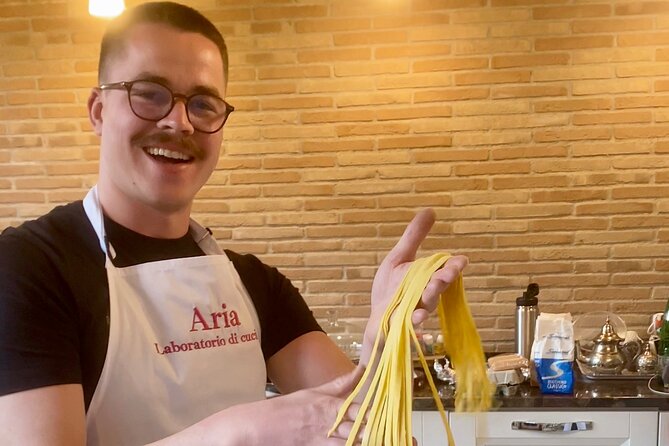
Many cooking classes in Rome take place in a professional teaching kitchen. This one happens in Ilaria’s home near Trastevere, at Via Garibaldi 39. That changes the mood right away. You are learning in the setting where family meals happen, not standing in rows behind a demonstration counter.
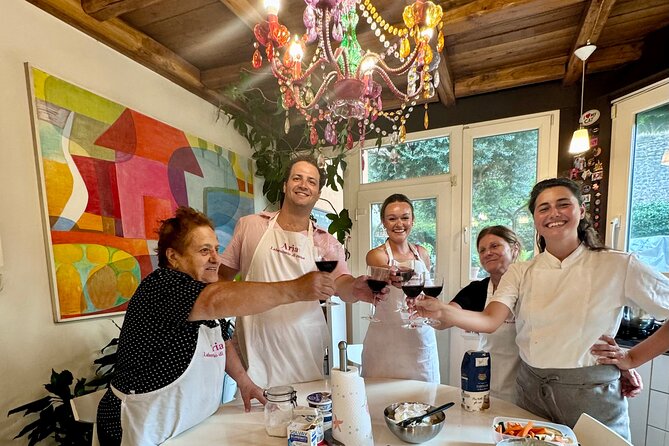
Ilaria teaches in English and keeps the tone informal. You can ask questions while you work, and the class is built around conversation as much as technique. Her husband Samuel and other family members may also be part of the evening, giving the gathering a warm, lived-in feel.
I especially like the balance between instruction and time at the table. You do not spend three hours rushing from one recipe to the next. Instead, the work is broken into manageable steps, followed by a shared meal. The cooking gives everyone something to do, while the meal gives you time to talk.
That setting will suit you if you want a personal introduction to Roman food and family life. It may not suit you if you prefer a formal culinary school, advanced chef training, or a tightly scripted demonstration.
More Home Cooking Classes in Italy
- Kitchen of Mamma: Pasta Cooking Class with market visit in Rome
★ 5.0 · 140 reviews - Home Cooking in Testaccio: Cacio e Pepe, Amatriciana, Carbonara
★ 5.0 · 91 reviews - Testaccio: Home Cooking Cacio e Pepe, Amatriciana, Carbonara
★ 4.9 · 57 reviews
Starting at Via Garibaldi in Trastevere
The class begins at Via Garibaldi 39, 00165 Rome, and ends back at the same meeting point. The only listed stop is Trastevere, so the evening stays focused rather than sending you between several locations.
Trastevere is a fitting part of Rome for a food-based activity. The neighborhood is known for its narrow streets, old buildings, restaurants, and evening atmosphere. You can make time before or after class to walk around, but the cooking itself takes place in the home.
The meeting address matters because this is not a restaurant meal or a cooking school with a large public entrance. Read your confirmation carefully and allow time to find the address. A mobile ticket is provided, and the area is near public transportation.
Once inside, expect an introduction to the kitchen, the hosts, and the evening’s plan. The small group size is important here. With up to eight people, you have a much better chance of getting direct help with dough, fillings, sauces, and shaping than you would in a large class.
Making fettuccine, ravioli, and orecchiette
The hands-on pasta work is the center of the class. You make fresh dough from scratch, then shape it in three different ways. Each pasta shows a different side of Italian cooking.
Fettuccine is familiar and rewarding. You roll and cut the dough into ribbons, then use it with cacio e pepe, the famous Roman sauce built around cheese and black pepper. It is a simple dish, but the technique matters. The right texture and the right amount of pasta water make a difference.
Ravioli adds another task because you prepare and fill the pasta. The filling is ricotta and spinach, followed by a fresh tomato and basil sauce. This part is especially useful if you want to repeat the meal at home. You learn not just how to make pasta sheets, but how to seal filled pasta without losing the filling in the pot.
Orecchiette gives the class a third shape and a different texture. The small ear-shaped pieces are served with Norma sauce, traditionally associated with tomato, eggplant, and cheese. Working with three shapes keeps the lesson interesting, but it also means the class covers a lot in three hours.
You do not need to arrive as an experienced cook. The class is designed for complete beginners as well as confident home cooks. Ilaria’s role is part teacher and part guide, giving you practical help without turning the evening into a technical exam.
The recipes are meant to be used again. Several parts of the meal are simple enough for a home kitchen, which is a real advantage. You leave with recipes and techniques, not just photographs of someone else preparing dinner.
Three sauces with different Roman character
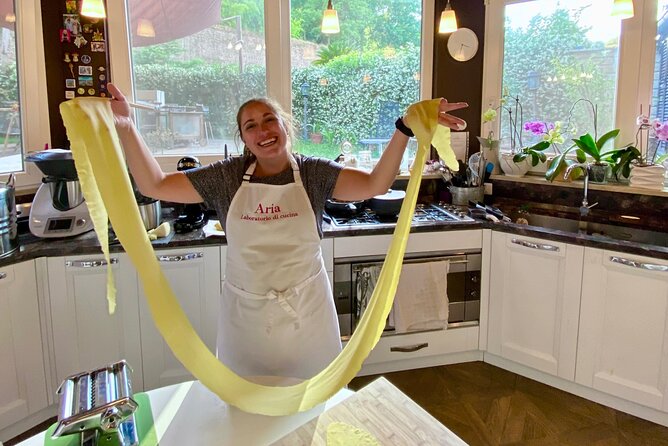
The sauces make this more than a basic pasta-and-tiramisu class. You prepare cacio e pepe, tomato sauce with basil, and Norma sauce, each paired with a different pasta.
Cacio e pepe teaches restraint. There are only a few ingredients, so the method matters. It is a good example of how Roman cooking can produce a powerful dish without a long ingredient list.
The tomato and basil sauce is paired with the ricotta and spinach ravioli. Its fresh flavor gives the filled pasta room to shine. This is also the kind of sauce you can easily make at home after returning from Rome.
Norma sauce brings a different combination of flavors and textures to the orecchiette. Cooking three sauces in one evening helps you see how pasta shape and sauce work together, rather than treating pasta as one generic dish.
Seasonal ingredients are part of the class, and the menu can include foods prepared by the group. You may help make vegetables fried in pastella, a light batter used for a crisp appetizer. The exact seasonal produce is not specified, so the fried vegetables may vary.
More Home Cooking Classes in Rome
- Rome: Market and Cooking Class at a Local’s Home
★ 4.0 · 3 reviews
Appetizers, wine, and a very full table
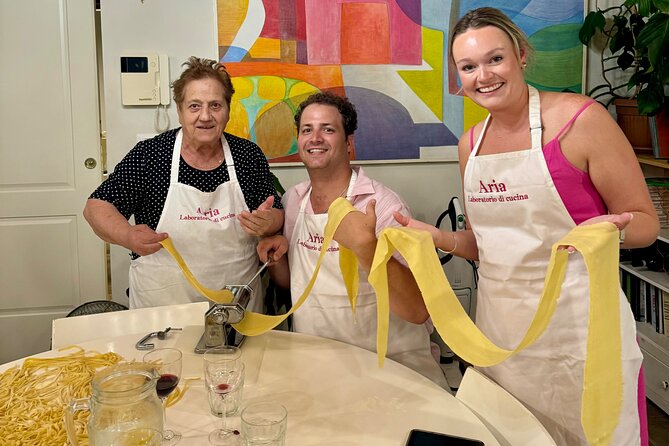
The meal begins with local appetizers such as bruschetta, fresh burrata, scamorza, tomatoes, and other small bites. These are not just filler while you wait for the pasta. They give you a chance to settle in, taste familiar Italian ingredients, and talk with the people around the table.
You also prepare the seasonal vegetables in pastella. That adds one more hands-on task before the main courses and gives the class a nice change of pace from pasta dough.
Wine, water, and soft drinks are included. The wine is part of the social side of the evening, but you are not required to drink it. Since the experience is served as a full meal, it is worth planning your day so you are not already full when you arrive.
The amount of food is one of the clearest practical points. You will taste several appetizers, three pasta dishes, and dessert. I would not schedule a late dinner afterward. The meal is intended to be the dinner.
Finishing with Ilaria’s family tiramisu
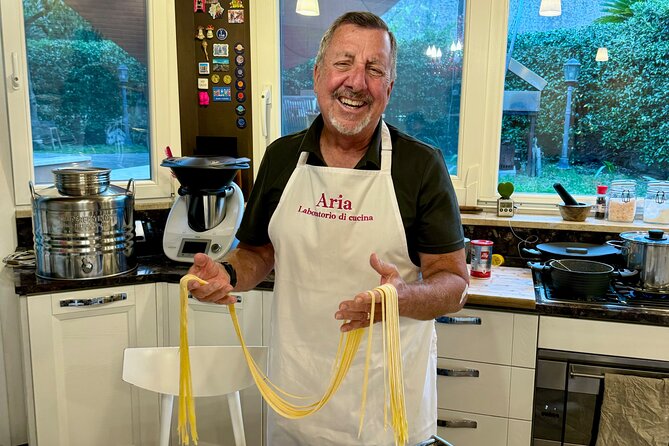
The final cooking task is tiramisu made with Ilaria’s family recipe. This is a fitting ending because it moves the class from pasta technique to a familiar Italian dessert.
The recipe is described as simple and honest rather than elaborate. That makes it useful for home cooks. You can take the method back to your own kitchen without needing unusual equipment or advanced pastry skills.
Tiramisu also gives the evening a natural finish. After working with dough, fillings, sauces, and vegetables, you prepare dessert and then sit down for the full meal. The class is not over when the last pasta is shaped. Sharing everything together is part of what you are paying for.
The family welcome and the home setting
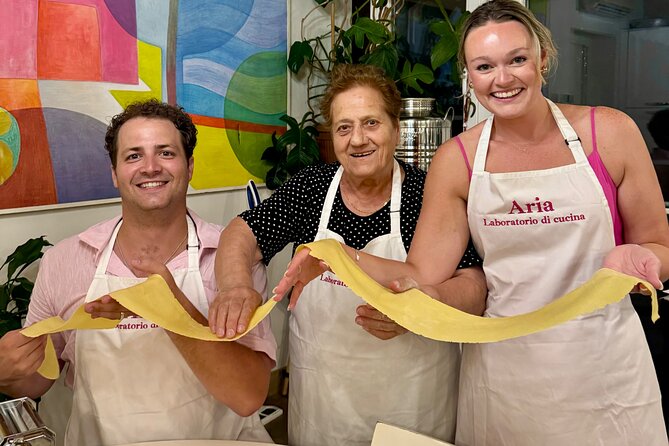
The strongest feature here is the sense of hospitality. Ilaria and Samuel host the class in their home, and family members may appear during the evening. Children, a mother-in-law, and other relatives have been part of the welcome described by people who took the class.
That personal contact is valuable if you want a closer look at everyday Italian family life. You are not only learning how chefs work in restaurants. You are seeing how a family kitchen can become a place for teaching, eating, and conversation.
The home setting also means the experience is less polished than a commercial cooking studio might be. That is not a flaw, but it is worth knowing. You are entering a private home, so the evening has a personal, domestic quality rather than a formal hospitality-school feel.
The small group helps protect that feeling. Eight is the maximum, and a smaller group may allow more direct time with Ilaria. The class works best when you are comfortable asking questions, sharing a table, and taking part in conversation.
A strong choice for families and first-time cooks
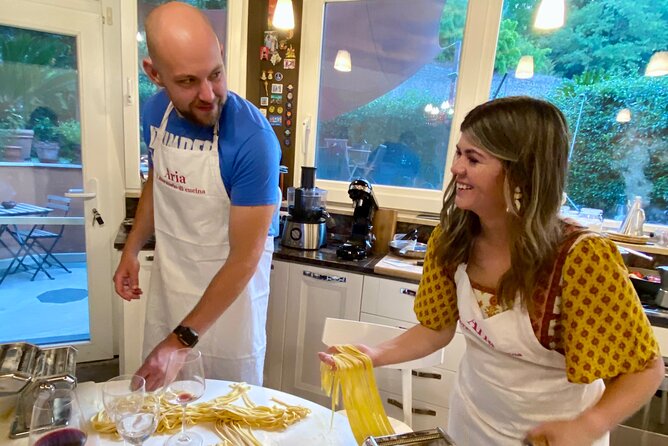
Families are particularly well matched to this activity. Children around school age and teenagers have taken part, and the tasks give them something tangible to do. Shaping pasta is more engaging than simply watching a chef prepare it.
Younger children may need help with dough and filling, but the class is built for beginners. Parents should still consider their children’s attention span during a three-hour meal-based activity. The slow pace is a strength for relaxed families, but children expecting constant action may find parts of the cooking quiet.
Couples can use the class as a social evening, while solo visitors have a natural way to meet others. The shared table makes it easier to talk than a standard sightseeing tour. The experience also works well near the end of a Rome trip, when you may want a slower evening after visiting major sights.
Vegetarians and people following halal diets can be accommodated according to the available information, but you should communicate dietary needs when booking. The stated menu includes cheese, vegetables, pasta, and tomato-based sauces, but specific substitutions are not listed.
Is $154.99 a fair price?
At $154.99 per person, this is not a budget meal. You are paying for a three-hour private-home setting, hands-on instruction, three pasta shapes, three sauces, appetizers, dessert, drinks, and a meal at the end.
The value is strongest if you would otherwise book both a cooking class and a substantial dinner. Here, the food you prepare becomes the meal, and the evening includes personal attention that is harder to provide in a large group.
The price is less compelling if you mainly want to learn one basic pasta recipe or eat cheaply. You will be covering a lot of dishes in a short period, so the class is best for people who value the full social and culinary experience, not just a single technique.
The recipes add lasting value. If you make fresh pasta at home after Rome, the class continues to pay off. Several families have returned to the recipes, which is exactly what you want from a practical cooking lesson.
Booking, timing, and cancellation
The class lasts about three hours and is offered in English. It is often booked well in advance, with an average booking lead time of 74 days, so you should not wait until the last moment if the date matters.
Confirmation is provided at booking. The activity accepts mobile tickets, allows service animals, and is near public transportation. It begins and ends at Via Garibaldi 39.
Free cancellation is available up to 24 hours before the start time for a full refund. Cancellations or changes made within 24 hours are not accepted and are not refunded. The cut-off uses Rome local time.
Should you book Ilaria’s Trastevere cooking class?
I would book this if you want a personal evening in a Roman home, not just a polished cooking lesson. It is especially well suited to couples, solo visitors, families, beginners, and anyone who wants recipes they can actually repeat at home.
I would think twice if $154.99 is beyond your food budget, if you dislike group meals, or if you prefer a formal culinary school. For most people who value hospitality, hands-on work, and a large shared meal, the combination is unusually complete.
Arrive hungry, leave room for conversation, and keep the rest of the evening free. The real reward is not only learning three kinds of pasta. It is sitting down afterward with Ilaria, Samuel, and the other cooks, eating what everyone made together.
FAQ
How much does the cooking class cost?
The price is $154.99 per person.
How long does the experience last?
The cooking class lasts approximately three hours.
Where does the class begin?
The meeting point is Via Garibaldi 39, 00165 Rome, Italy.
Where does the activity end?
The activity ends back at the meeting point.
Is the class offered in English?
Yes. The experience is offered in English.
How many people can join the class?
The maximum group size is eight people.
Which types of pasta will I make?
You will make fettuccine, ravioli, and orecchiette from scratch.
What food and drinks are included?
The menu includes local appetizers, fried seasonal vegetables, three pasta dishes, tiramisu, wine, water, and soft drinks.
Can I cancel for a full refund?
Yes. You can cancel at least 24 hours before the start time for a full refund. Cancellations or changes made less than 24 hours before the start time are not accepted and are not refunded.
New cooking classes around Rome
- ROME:Hands-On Lasagna & Marsala Tiramisu Cooking Experience”★ 5.0 · 3 reviews
- Rome: Vatican Food Tours, Cooking classes & Free Tours★ 4.9 · 11 reviews
- Rome: Traditional Pasta, Spritz & Tiramisu Cooking Class★ 4.9 · 279 reviews
- Rome: Trastevere Pasta Making Class★ 4.9 · 33 reviews
- Rome: Traditional Pasta and Tiramisu Cooking Class★ 5.0 · 4 reviews
- Rome: Small Group Pasta cooking class near Piazza Navona★ 4.9 · 8 reviews
- Rome: Traditional Cooking Class in the Jewish Ghetto★ 4.9 · 75 reviews
- Rome: “Rooftop Pasta and Cocktails Cooking Class”★ 5.0 · 12 reviews
Rome Cooking Classes, side by side.

3 in 1 Cooking Class near Navona: Fettuccine, Ravioli & Tiramisu
Read our review →
Rome: Pasta Making Class with Wine, Limoncello, and Dessert
Read our review →
Rome Cooking Class: Make Pasta and 3 Spritz Cocktails
Read our review →
Rome: 3-in-1 Fettuccine, Ravioli, and Tiramisu Cooking Class
Read our review →
Rome: Fettuccine Pasta Cooking Class in Rome’s City Center
Read our review →
Fettuccine & Tiramisù: Cooking Class with Wine & Limoncello
Read our review →
Pasta Cooking Class Near the Colosseum with 3 Spritz Cocktails
Read our review →
Enjoy Spritz and Pasta Making in Piazza Navona
Read our review →This kitchen also appears in