
Review · MEXICO
Cozumel: Cooking Class with Josefina
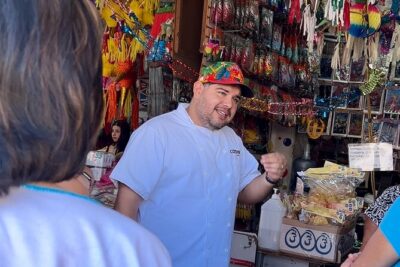
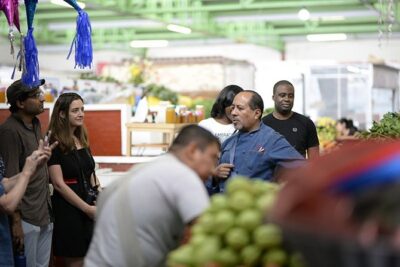
Cozumel’s best food experience may begin not in a polished restaurant, but at El Mercado, where Josefina or her son Jeronimo helps you choose peppers, spices, fruits, and vegetables alongside local shoppers. You then take those ingredients into a home kitchen and turn them into a full Mexican meal.
I like the market-to-table format, because it shows you how ingredients are selected before you cook them. I also like the personal teaching style: Jeronimo has helped cooks choose their main course and then explained each step with humor and care. The main consideration is simple: three hours can pass quickly when you are making several dishes, so this suits people who want to cook, not just watch.
Key points to know
- Start at El Mercado: Learn how local produce, peppers, spices, and fruit are chosen, with time to practice a little Spanish.
- Cook in a small group: The class is limited to eight people, allowing more direct help than a large demonstration.
- Use traditional tools: Try a molcajete, lime press, tortilla press, and comal while learning what each one does.
- Make a full spread: Dishes may include handmade tortillas, guacamole, salsas, beans, side dishes, drinks, and a main course.
- Meet the family behind the class: Josefina leads the experience, while her son Jeronimo may guide the market visit and kitchen lesson.
- Expect food, not a lecture: You take part in the preparation and eat what you make at the end.
From El Mercado to Josefina’s Kitchen
This experience gives you two views of Mexican food. First, you see the ingredients in their everyday setting. Then you learn how those ingredients become sauces, tortillas, drinks, and a shared meal.
The market visit is more than a quick stop for photographs. Jeronimo may ask what sort of main course you would like to prepare, then use that choice to guide your shopping. You can learn why one pepper is better for a certain sauce, how to select produce, and how spices, fruit, and vegetables work together.
That makes the market useful even if you already cook at home. A recipe can tell you to use a tomato or chile, but it rarely explains what to look for when you are standing at a produce stall. Here, the shopping itself becomes part of the lesson.
You can also pick up some Spanish vocabulary during the visit. The class is offered in both Spanish and English, so you do not need to speak Spanish to take part. Still, learning a few food words adds a pleasant local touch and helps you feel less like a passive sightseer.
The market may be lively and crowded, and this is one point to keep in mind. If you prefer quiet spaces and a carefully timed food tour, the market portion may feel informal. If you like seeing where people buy everyday ingredients, it is one of the strongest parts of the experience.
More cooking classes around Mexico:
- Cabo San Lucas Mexican Cooking Class Experience and Local Markets
★ 5.0 · 915 reviews - Puerto Vallarta Cooking Class Experience with Market Tour
★ 5.0 · 698 reviews - Mexican Cooking from Scratch in a Local Home in Tulum
★ 5.0 · 585 reviews
A Small Kitchen Class with Josefina and Jeronimo
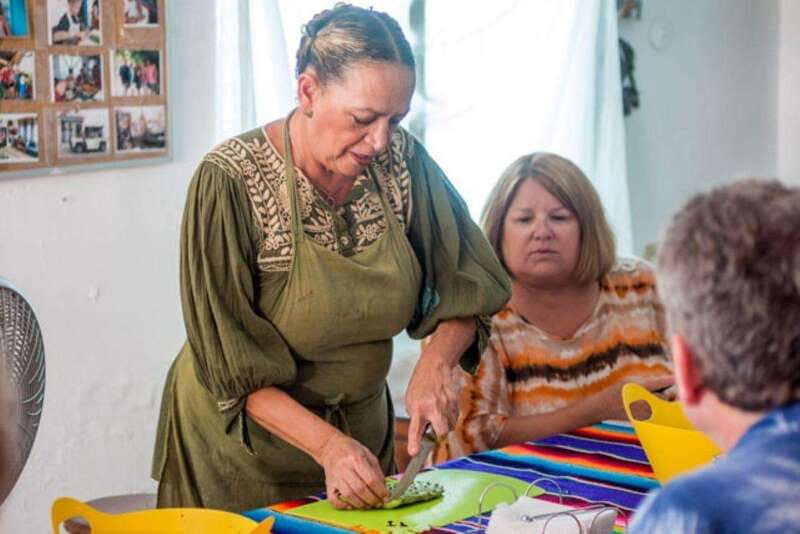
After the market, you return to the kitchen for the cooking lesson. The setting is described as comfortable, clean, and professional without losing its home-style feel. That balance matters. You are not simply watching a chef work behind a counter, but you are also not left guessing what to do next.
Josefina’s approach is tailored to the people in the group. Your experience level and dietary needs can shape the class, and allergies should be reported in advance so suitable substitutions can be considered. This is especially helpful when several dishes use peppers, vegetables, citrus, or other ingredients that may need adjustment.
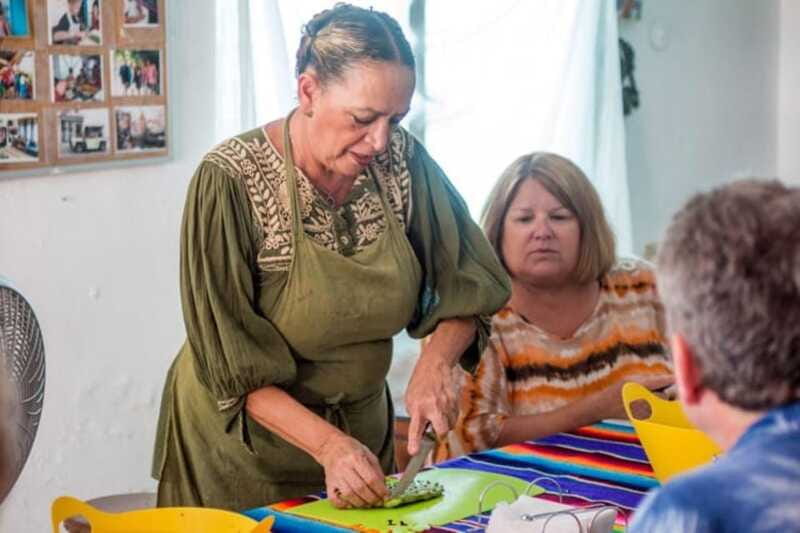
Jeronimo may lead the cooking session. He is a chef, teacher, and lively presence in the kitchen, which helps keep the lesson from feeling stiff. He explains the purpose of ingredients rather than rushing through a list of instructions. That is the difference between copying a dish once and understanding how to make it again.
The group limit of eight is a practical advantage. You should have more chances to ask questions, handle the tools, and get help with technique. A larger class might offer a lower price, but it would likely give you less time at the tortilla press, comal, or molcajete.
Mexican Tools You Can Actually Use
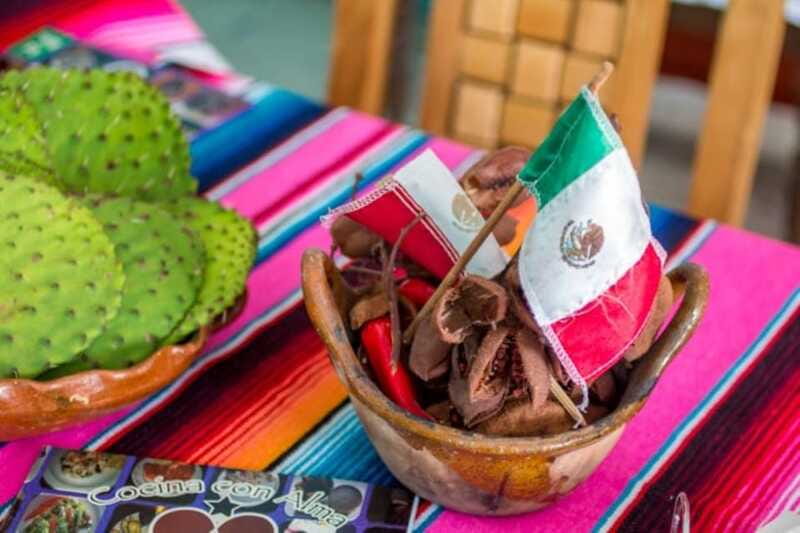
The class introduces several tools that are central to Mexican cooking. You learn how to use a molcajete, the stone mortar used for grinding and mixing. It is a simple tool, but working with it gives sauces and guacamole a different character than simply stirring everything in a bowl.
You also learn about the lime press, which makes quick work of citrus for guacamole, marinades, and drinks. The tortilla press helps shape masa into rounds, while the comal cooks tortillas and other ingredients on a hot, flat surface.
The tortilla lesson is likely to be one of the most memorable parts. A skilled tortilla maker can pat a tortilla almost paper-thin by hand, but you should not expect to master that trick immediately. The point is to feel how the dough behaves and learn what makes a tortilla cook properly.
This is the sort of instruction that travels well. You may not bring home a comal or molcajete, but you will understand why these tools matter and how Mexican cooking builds flavor through grinding, pressing, toasting, and cooking over heat.
Building a Meal, One Dish at a Time
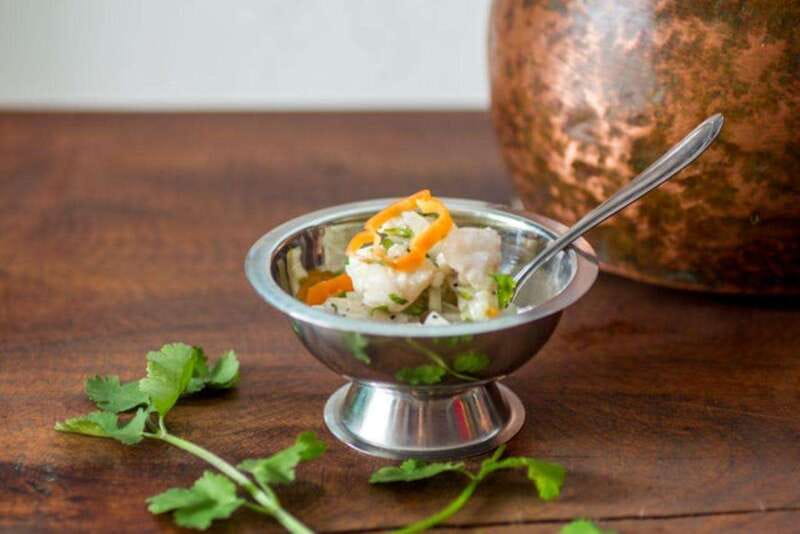
The menu is not limited to one main course. Depending on the day and the group, you may prepare handmade tortillas, traditional sauces, guacamole, side dishes, and beans along with a main dish.
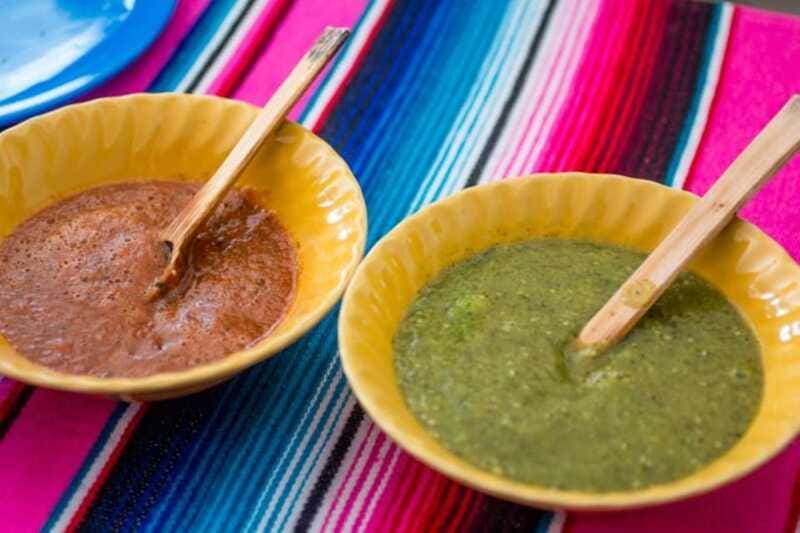
One reported menu included hummus, pico de gallo, roja salsa, guacamole, black refried beans, handmade tortillas, tempura fish, tempura squash, hibiscus tea, and a guava drink. That is a generous spread for a three-hour class, though the exact dishes can vary according to the group’s preferences and the available ingredients.
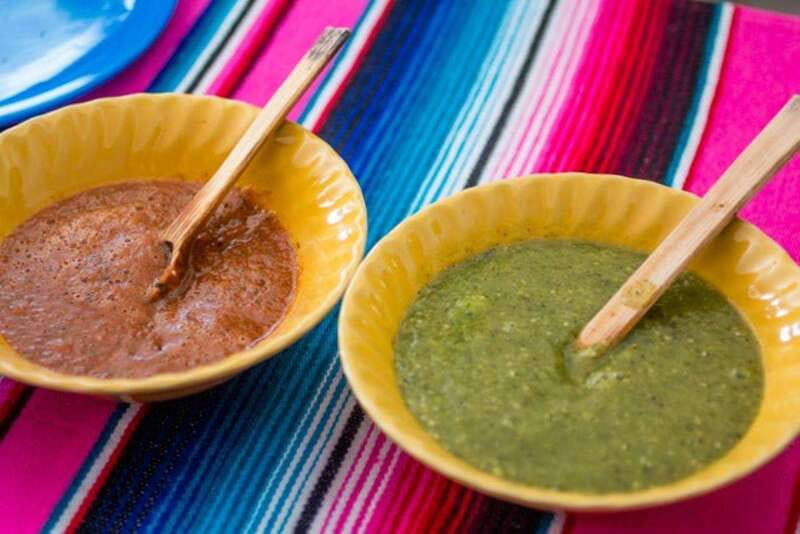
The variety is useful because each dish teaches something different. Pico de gallo shows how fresh ingredients can carry a dish without a long cooking time. Roja salsa gives you practice balancing peppers, tomatoes, seasoning, and heat. Guacamole depends on texture and freshness, while refried beans require patience and attention to consistency.
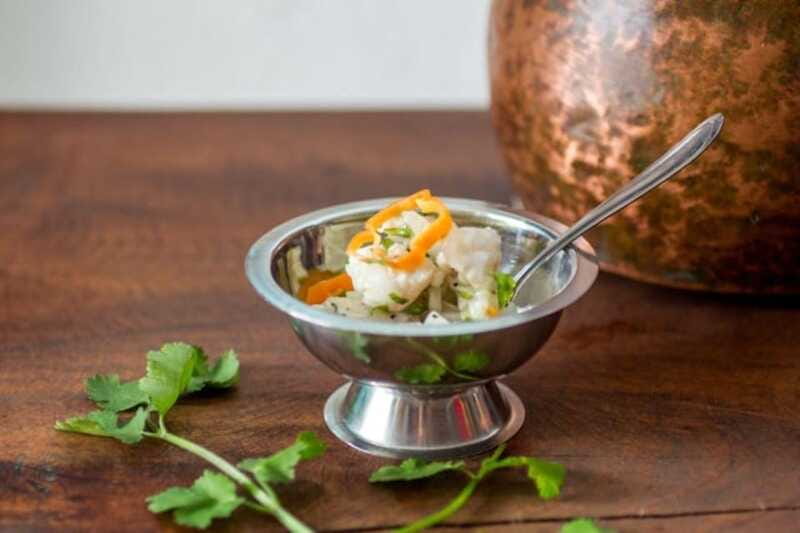
The fish and squash provide a contrast in texture. You learn how a light coating changes the way an ingredient cooks, while the vegetables show that the main dish need not be meat-centered. The inclusion of drinks also helps make the class feel like a complete meal rather than a collection of isolated recipes.
Do not expect a restaurant-style tasting menu with tiny portions. The goal is to make food together and sit down to eat it. One couple found the meal so filling that they were still full the next morning. That tells you something about the quantity and variety you may encounter.
Same kitchen, a different dish:
- Authentic Mexican Legacy Cooking Class in Cabo San Lucas
★ 5.0 · 530 reviews - Mexican Cooking Class with Food Market Visit in Mexico City
★ 5.0 · 506 reviews - Authentic Mayan Cooking Class in Cozumel
★ 5.0 · 344 reviews - Flavors of Oaxaca: Cooking Class with No Set Menu and Local Market Tour
★ 4.5 · 333 reviews
Margaritas, Jamaica, and Horchata
Drinks are part of the lesson, not an afterthought. You learn how to make a real Margarita and traditional agua frescas such as Jamaica and Horchata.
Jamaica is made with hibiscus and has a tart, refreshing flavor. Horchata is a sweet rice-based drink with a different texture and taste. Learning both gives you a better sense of the range of Mexican nonalcoholic drinks, rather than treating soda or bottled water as the only options.
A guava drink may also be part of the menu. Fruit-based drinks are a good match for a cooking class because they can be prepared alongside the food and served at the table. They also show how Mexican meals use fruit and flowers as well as peppers, herbs, and grains.
The Margarita lesson is a nice bonus for adults who want to reproduce the full experience at home. Still, the value is not just in the cocktail. The class connects drinks with the food, the climate, and the rhythm of a Mexican meal.
Why the Market Visit Adds Value
You could learn to make salsa from a cookbook or watch a video at home. What you cannot get as easily from a recipe is the connection between the ingredient and the place where it is sold.
At El Mercado, you can see how much attention goes into selecting fresh produce. You learn the names of ingredients, ask questions, and watch the guide interact with vendors. That local contact gives the food a setting and makes the cooking lesson easier to remember.
The market also helps you understand that Mexican cooking is not only about heat. Peppers may provide flavor as well as spice. Citrus can sharpen a dish. Herbs, fruit, tomatoes, beans, and corn each play different roles. The class gives you a chance to see those choices before they are chopped and combined.
I especially like this part for people who have already visited Mexico’s restaurants but want to understand the food at a more basic level. You are not only eating the finished plate. You are learning why the plate tastes the way it does.
What the Three Hours Feel Like
Three hours is enough time to visit the market, return to the kitchen, prepare several dishes, and sit down to eat. It is not enough time for a slow, professional culinary course covering every regional style of Mexico.
You should arrive ready to participate. You may chop, grind, press, mix, cook, and taste as the lesson moves along. The class is designed around doing, so it works best when you enjoy being involved and do not mind a little kitchen disorder.
The pace may feel full, especially if the group chooses a main course with several side dishes. That is part of the appeal, but it also means you should not plan another demanding activity immediately afterward. Leave yourself room to eat at a relaxed pace.
The activity does not include transportation to the meeting point. You will need to arrange your own way there, so check the exact meeting instructions before booking. That extra planning is minor, but it matters if you are staying far from the class or arriving from a cruise stop.
Is the $110 Price Fair?
At $110 per person, this is not the cheapest way to eat in Cozumel. It is also more than a simple cooking demonstration. The price covers a market visit, a three-hour lesson, instruction with traditional tools, hands-on preparation, and a substantial meal with drinks.
The value improves if you are traveling as a couple or small group and genuinely want to cook. You are paying for access to a local kitchen, personal instruction, ingredient selection, and the chance to ask questions. You also leave with techniques you can use beyond this one meal.
The price may feel high if your main goal is simply to sample Mexican food. In that case, a restaurant meal or food stall crawl could cost less and require less effort. This class earns its price through participation, not through luxury surroundings or formal service.
The small group helps justify the cost. With no more than eight participants, you are less likely to spend the whole lesson watching someone else handle the food. If you want a private class, confirm the group arrangement before booking, since the stated format is small group rather than automatically private.
Who Will Enjoy This Class Most?
I would recommend this experience to curious eaters, home cooks, couples, families with older children, and anyone who wants a closer look at everyday Mexican food. It is also a good choice if you enjoy meeting local people and prefer an activity with a personal feel.
You do not need advanced cooking skills. The class is adjusted to your experience level, and the guides explain the tools and methods as you go. Beginners can take part without feeling out of place, while experienced cooks can ask more detailed questions about technique and flavor.
Food-focused visitors will get the most from the class. If you are not interested in cooking, the hands-on format may feel like work rather than recreation. Likewise, someone seeking a polished restaurant setting should know that this is built around a home kitchen and active participation.
The class can also suit people with dietary concerns, provided you explain allergies in advance. Substitutions may be possible, but they should not be assumed at the last minute.
Booking Details Worth Knowing
The experience lasts three hours and is offered in English or Spanish. Starting times vary, so you will need to check availability for your chosen date.
Cancellation is free up to 24 hours before the activity for a full refund. You can also reserve now and pay later, which helps if your Cozumel schedule is still moving around.
The market tour and cooking class are included. Transportation to the meeting point is not included, so plan that part yourself.
The experience has a perfect rating from four verified bookings, with especially strong praise for the food, the market visit, the clean kitchen, and the warmth of Jeronimo’s teaching. A perfect score based on four reviews is encouraging, but it is still a small sample. I would treat it as a strong sign of personal service, not as a guarantee that every class will follow the same menu.
Should You Book Cozumel Cooking Class with Josefina?
Book it if you want to do more than eat Mexican food in Cozumel. The market visit, family teaching style, traditional tools, handmade tortillas, sauces, beans, drinks, and full meal give you a useful look at how the cuisine comes together.
I would skip it only if you dislike group cooking, have very limited time, or want a passive food tour. For everyone else, the $110 cost is reasonable for three hours of instruction and a generous meal, especially with a group capped at eight.
The best reason to choose this class is its sense of connection. You meet the people who guide it, see ingredients before they reach the kitchen, and take part in the work yourself. You arrive ready to cook and leave with more than recipes: you leave knowing how the market, tools, flavors, and shared table fit together.
FAQ
Where does the cooking experience take place?
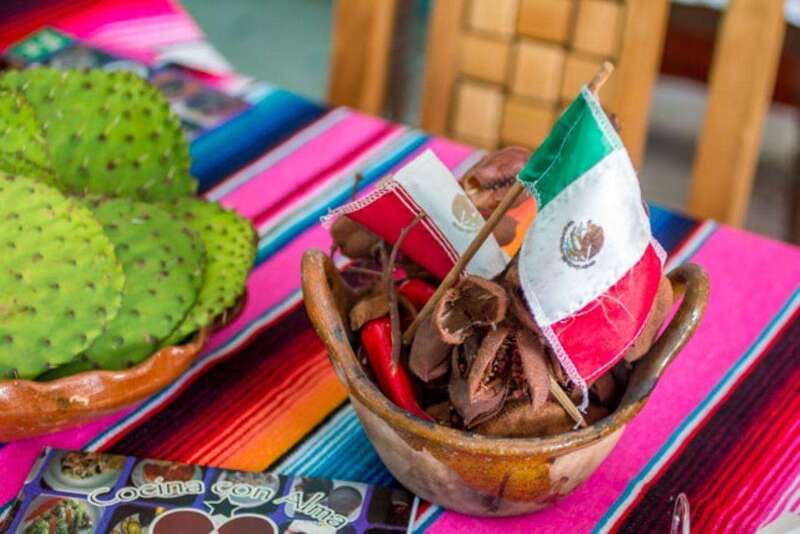
The experience takes place in Cozumel, in Quintana Roo, Mexico. It begins at El Mercado and continues in the kitchen at Josefina’s Cocina con Alma.
How long does the activity last?
The cooking experience lasts three hours.
What is included in the price?
The market tour and cooking class are included.
Is transportation included?
No. Transportation to the meeting point is not included.
What languages are available?
The activity is offered in English and Spanish.
How large is the group?
The activity is limited to eight participants.
Who leads the experience?
Josefina leads the cooking experience, and her son Jeronimo may guide the market visit and cooking lesson.
What dishes can I learn to make?
The class can include handmade tortillas, traditional sauces, guacamole, side dishes, beans, and a main course. Examples include pico de gallo, roja salsa, black refried beans, tempura fish, and tempura squash.
Will I learn to make Mexican drinks?
Yes. The class includes instruction for Margaritas and traditional agua frescas such as Jamaica and Horchata. A guava drink may also be included.
Can dietary needs or allergies be accommodated?
The class can be tailored to dietary preferences, and you should report allergies in advance so suitable substitutions can be considered.
Can I cancel for a refund?
Yes. You can cancel up to 24 hours in advance for a full refund.
Do I have to pay when I book?
No. A reserve now and pay later option is available.
New cooking classes around Mexico
- San Miguel de Allende: Mexican Cooking Class | Mole & Salsas★ 4.8 · 7 reviews
- San José del Cabo:Cooking Class +Margaritas & Mezcal tasting★ 4.8 · 12 reviews
- Puerto Escondido: Mexican Cooking Class, enjoy mexican food★ 5.0 · 9 reviews
- Playa del Carmen: Isa’s Authentic Mexican Cooking Class★ 4.9 · 18 reviews
- Playa del Carmen: Mexican Cooking Class★ 5.0 · 16 reviews
- PDC Traditional Mexican Cooking Experience★ 5.0 · 6 reviews
- Oaxaca: Traditional Oaxacan Cooking Class with Market Visit★ 4.9 · 80 reviews
- Oaxaca: Vegetarian Cooking Class★ 4.8 · 139 reviews
Mexico Cooking Classes, side by side.
Cabo San Lucas Mexican Cooking Class Experience and Local Markets
Read our review →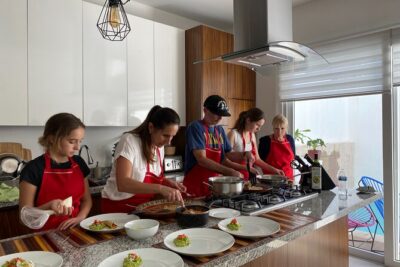
Puerto Vallarta Cooking Class Experience with Market Tour
Read our review →
Mexican Cooking from Scratch in a Local Home in Tulum
Read our review →
Mexican Cooking Class with Food Market Visit in Mexico City
Read our review →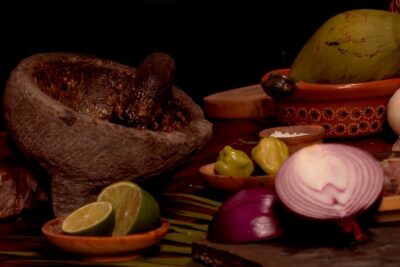
Flavors of Oaxaca: Cooking Class with No Set Menu and Local Market Tour
Read our review →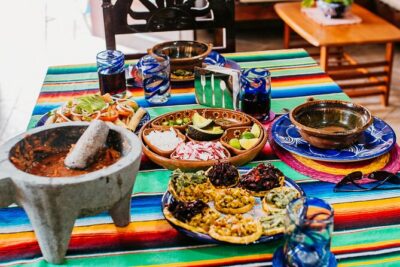
This kitchen also appears in