
Review · SARDINIA
Culurgiones Cooking Class Cagliari
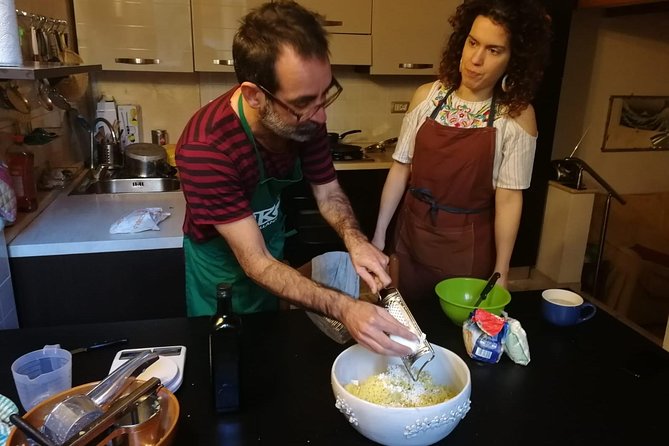
The best part of this Cagliari cooking class is that you do not simply eat culurgiones, you learn how to shape them by hand. With Damiano Usala guiding the work, you prepare the dough, mix the potato filling, and practice the distinctive braided seal before sitting down to eat what you made.
I like the small maximum group of eight, which gives you a fair chance to get help with the fiddly pasta work. I also like the meal that follows: Sardinian cheeses, seasonal vegetables, wine, your culurgiones, and a small glass of myrtle liqueur. The main thing to consider is that everyone’s filling may be seasoned differently, then the finished pasta is shared, so strong cheese lovers may have the easiest time.
Key details before you book
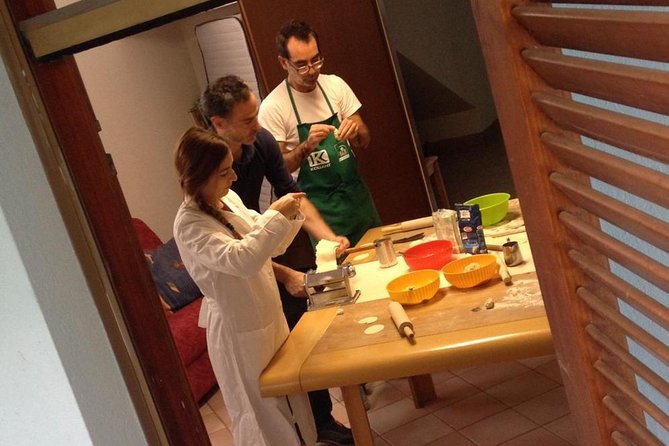
- You make the entire centerpiece by hand: Prepare the dough, filling, and sealed culurgiones rather than watching a demonstration from the sidelines.
- The ingredients are tied to Sardinia: The class uses local durum wheat flour, potatoes, mint, and cheese.
- The setting is personal: The lesson takes place in a home, with Damiano and, depending on the session, additional helpers such as Claudio, Mateo, or Marcus.
- The class ends with a full shared meal: Expect cheese, vegetable appetizers, wine, culurgiones, and myrtle liqueur.
- The timing works for lunch: Meet at Via Cettigne 20 at 11:00 a.m. for about three hours.
- It suits families and beginners: The minimum age is four, and the instruction is patient and hands-on.
Making Sardinia’s folded pasta in a Cagliari home
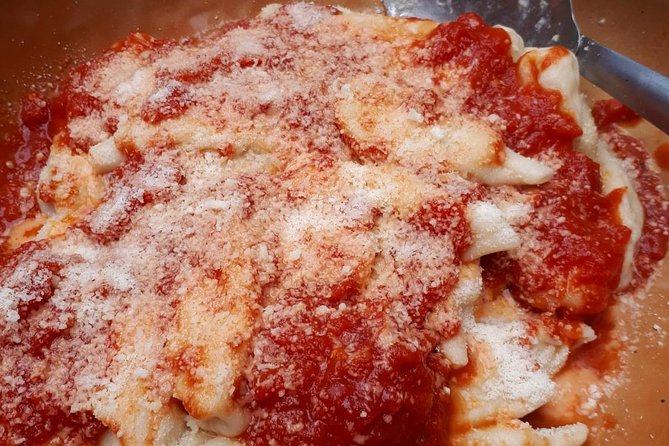
Culurgiones are among Sardinia’s most recognizable pasta dishes. They look like plump dumplings, often filled with potato, cheese, mint, garlic, and seasoning. Their edges are sealed with a hand-worked braid that gives them a small ear-of-wheat shape.
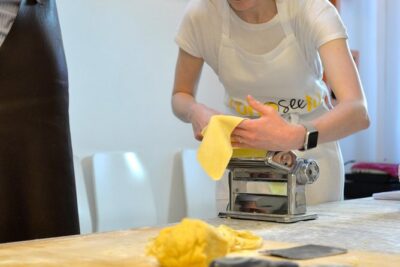
That seal is the skill you come to practice. It can feel awkward at first, especially if you are used to pressing ravioli with a fork or mold. Damiano shows you how to pinch and fold the dough, then offers individual corrections as you work. You do not need previous pasta-making experience. The class is built for beginners, and the repeated practice is part of the fun.
The cooking takes place in Damiano’s home, which changes the mood from a formal demonstration to a shared kitchen session. You sit around the work area with a small group, prepare food together, and chat while the dough and filling come together. That setting is a good fit if you want a cultural activity with food at its center, rather than a polished restaurant lesson.
The class is conducted in English. The instructors’ patience matters more than perfect culinary vocabulary here because they can show you the movements directly. Hands-on pasta is a visual skill, and the instruction includes personal tips on shaping, stuffing, and choosing a suitable sauce.
More Pasta Making Classes in Italy:
- Florence: Pasta Cooking Class with Unlimited Wine
★ 4.9 · 10,285 reviews - 3 in 1 Cooking Class near Navona: Fettuccine, Ravioli & Tiramisu
★ 5.0 · 7,376 reviews - Florence: Pasta & Tiramisu Cooking Class with Unlimited Wine
★ 4.9 · 6,708 reviews
11 a.m. start and the first stage of the lesson
The class begins at 11:00 a.m. at Via Cettigne 20 in Cagliari. It lasts about three hours and finishes at the same meeting point. That schedule leads naturally into lunch, so plan to arrive ready to cook rather than expecting a quick morning snack.
The first task is the pasta dough. Sardinian durum wheat flour is used, supplied by a local producer. You work with the dough while the potatoes and tomato sauce cook, allowing the lesson to move at a relaxed pace instead of rushing every stage.
This order also gives you a useful look at how a traditional Sunday meal comes together. The pasta is not an isolated craft project. It is one part of a larger meal, with the sauce and filling prepared alongside it.
You should expect to handle the dough yourself. That sounds simple, but the texture controls how well the finished dumpling seals. The instructors give tips as you work, and beginners may need a few attempts before the dough feels manageable. That is normal and, in this case, useful. You leave with a technique you can try again at home, not just a plate of food you have already eaten.
Potatoes, mint, cheese, and the filling
The filling centers on potatoes, cheese, mint, garlic, and seasoning. The ingredients come from local farmers, according to the class description, and the flavor profile is unmistakably Sardinian: soft potato, salty cheese, and fresh mint inside a sturdy pasta shell.
The filling stage is also where the main practical reservation comes in. Each person may season their own mixture to taste, but the finished culurgiones are then combined and served to the group. If you prefer a mild filling or do not care for much cheese, you may not love every dumpling that reaches your plate.
That said, the shared serving style is part of the point. You are not preparing a separate restaurant order for each person. You are contributing to a common meal, and the result reflects the group’s work. I would approach this as a communal cooking session rather than a class where you control every bite.
The ingredients are simple, which makes the technique more important. There is no long list of unusual products to distract from the basic lesson. You learn how potatoes, cheese, mint, flour, and a good sauce can produce a memorable dish when the dough is handled properly.
The art of sealing each culurgione
Shaping the dumpling is the signature moment. You place filling on a piece of dough, fold it over, and pinch the edges into the traditional braid. The pattern is decorative, but it also serves a practical purpose by keeping the filling inside during cooking.
Damiano’s instruction is especially useful at this point because small corrections make a big difference. You may start with uneven edges or an overfilled dumpling. With practice, the shape becomes cleaner. The class gives you enough repetition to see improvement during the session.
This is where the small group helps. A maximum of eight people means the instructor can move around the table and check your technique. Reports from the experience also describe Damiano and his helpers as patient, friendly, and willing to give each participant specific feedback.
Do not expect every piece to look like a professional pasta maker’s work. That would miss the charm of the activity. The first few may be lopsided, and the braid may vary from one side to the other. They still cook, and they still taste good. The pleasure comes from seeing a pile of handmade pasta grow in front of you.
More cooking classes around Italy:
- Florence: Pasta Cooking Class with Unlimited Wine
★ 5.0 · 6,413 reviews - Cooking Class and Lunch at a Tuscan Farmhouse with Local Market Tour from Florence
★ 5.0 · 4,831 reviews - Rome: Pasta Making Class with Wine, Limoncello, and Dessert
★ 4.9 · 3,177 reviews - Pastamania – Florence Pasta Making Class
★ 5.0 · 3,050 reviews
Appetizers, wine, and the meal you helped prepare
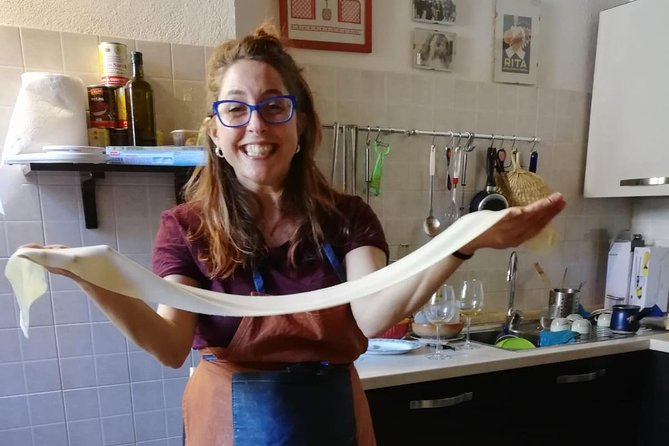
After the pasta is made, the table is set for lunch. The meal begins with a selection of at least two Sardinian cheeses, followed by seasonal vegetarian appetizers. These may include vegetables preserved in oil or pickled vegetables, along with other seasoned produce.
Wine is served with the meal, and the atmosphere is designed for conversation. You eat with the people who cooked beside you, which can make the class feel more social than a standard food demonstration. The group may include families, couples, or people from different countries, and the shared table gives the experience a natural meeting point.
Then comes the main course: the culurgiones prepared during the lesson. The pasta may be served with tomato sauce, olive oil, cheese, or another preparation used during the class. One memorable approach described for the meal is fresh pasta with little more than extra-virgin olive oil and grated Parmigiano Reggiano. That simplicity lets you notice the pasta itself.
The meal is generous in spirit because the more pasta the group makes, the more there is to eat. It is also a chance to compare the results of different shaping and seasoning choices. You can see how the filling behaves, how well the seals hold, and how the sauce changes the final dish.
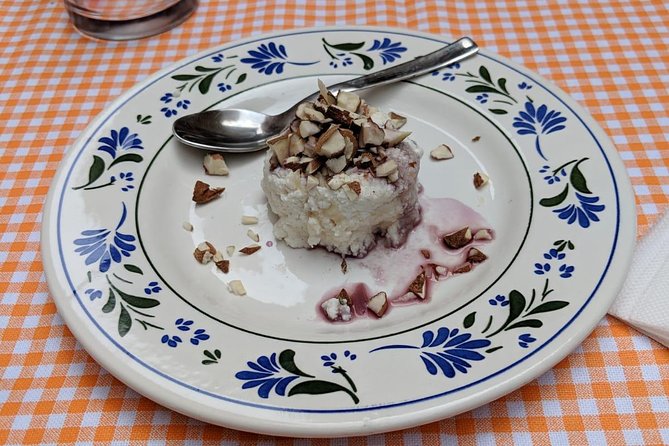
Dessert is a small glass of myrtle liqueur, known in Sardinia as mirto. It is a traditional digestif made from local berries and gives the meal a distinctly island finish. It is not a full dessert course, so keep that in mind if you are expecting sweets.
What the home setting adds
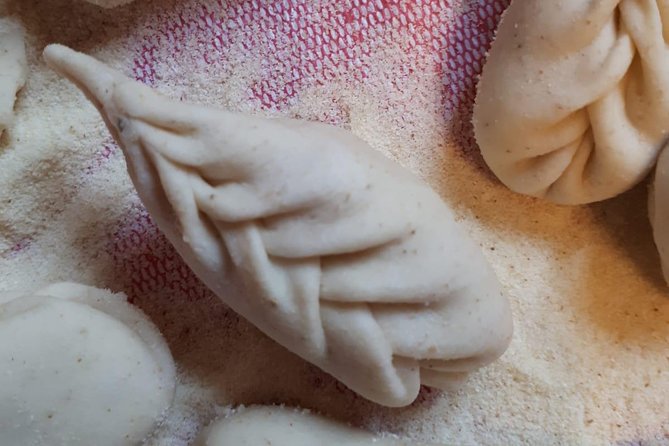
A home-based class has real advantages. You get a closer look at how a local family-style meal is organized, and the pace can feel less formal than a commercial kitchen. Damiano sits and eats with the group, which helps turn the lesson into a shared lunch rather than a service transaction.
The tradeoff is that a home is not the same as a large professional cooking school. Space may feel more intimate, and the activity depends on the group working together around the available table. That is usually a benefit for people who want conversation and personal help, but less ideal if you prefer a quiet, highly structured class.
The hosts prepare some elements in advance so that your time goes toward the interesting work: pasta, filling, shaping, and eating. This is a good choice for a three-hour activity. You learn enough to understand the process without spending the whole morning on basic preparation.
The strongest feature of the home setting is the sense of connection. You are not just collecting a recipe. You are being shown a dish associated with Sardinian mothers preparing pasta for a Sunday lunch, then taking part in that tradition in a small way.
Is $96.79 a fair price?
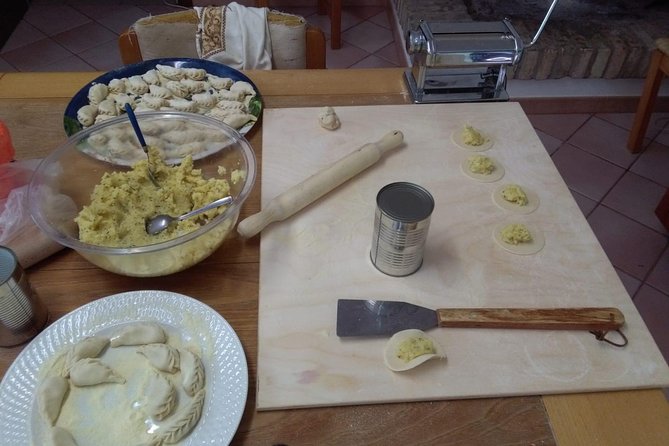
At $96.79 per person, this is not a cheap lunch, but the price covers more than the plate of pasta. You receive about three hours of instruction, hands-on work with the dough and filling, appetizers, cheese, wine, the completed culurgiones, and myrtle liqueur.
The value is strongest if you would otherwise pay for both a meal and a cultural activity during your time in Cagliari. The class combines those two expenses into one event and gives you a skill to take home. It is also more useful than a simple tasting if you want to understand how Sardinian food is made.
The value is weaker if you mainly want to eat culurgiones and do not enjoy cooking. You will spend a meaningful part of the morning rolling, filling, and sealing pasta. The class is friendly to beginners, but it is still a working meal rather than a passive food tour.
Group discounts may be available, which could help families or parties booking together. The maximum group size is eight, so the experience remains fairly small even when the class is full.
Getting there and planning your day
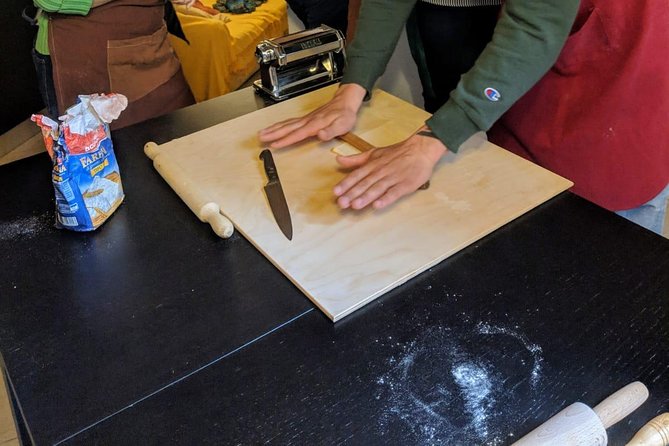
The meeting point is Via Cettigne 20, 09129 Cagliari. The activity ends at the same location. The class is near public transportation, and one account places the trip at roughly a 10-minute taxi ride from the port. If you are arriving from a cruise ship, allow time to leave the port area and reach the address before the 11:00 a.m. start.
The schedule works well as a lunch plan, but it can shape the rest of your day. After three hours of cooking, eating, wine, and myrtle, you may want an easy afternoon rather than a tightly timed museum schedule.
Confirmation is provided when you book. Free cancellation is available up to 24 hours before the start time for a full refund. Changes or cancellations within 24 hours are not accepted for a refund, and the cut-off uses local time.
The class is offered in English, has a minimum age of four, and allows service animals. If you are planning to attend with young children, remember that the activity involves dough, filling, shaping, and a shared meal. Children who enjoy hands-on tasks should have plenty to do, while very young children may need close help.
Who will enjoy this class most?
I would choose this experience for food-focused visitors who want a personal introduction to Sardinian cooking. It works particularly well for families, couples, small groups, and solo visitors who like meeting people around a table.
You do not need to be good at pasta making. Several parts of the class are designed for beginners, and the instructors offer patient, practical help. You should, however, enjoy trying food prepared by the group and be comfortable with a cheese-forward filling.
The class is also a good choice for cruise visitors because it fits into a morning and early lunch window, provided your ship schedule allows enough time. The port is reportedly a short taxi ride away, but you are responsible for planning your return.
I would choose something else if you want a private lesson, a strictly controlled menu, or a cooking class focused on many different dishes. This experience concentrates on culurgiones and the social meal around them.
Should you book the Cagliari culurgiones class?
Book it if you want to make one of Sardinia’s defining dishes, eat a local lunch, and spend time in a welcoming home kitchen. The strongest reasons are the small group, direct help with the tricky braided seal, and the chance to share the finished meal with the people beside you.
Think twice if you dislike cheese, want complete control over seasoning, or prefer a quiet restaurant meal. The shared filling and communal serving style mean that not every dumpling will suit every palate.
For most food lovers, families, and first-time pasta makers, the combination of instruction, local ingredients, wine, and lunch makes the $96.79 price reasonable. It gives you something to eat in Cagliari and something practical to remember after you leave.
FAQ
How long does the culurgiones cooking class last?
The class lasts approximately three hours. It begins at 11:00 a.m. and ends back at the meeting point.
Where does the class meet?
The meeting point is Via Cettigne 20, 09129 Cagliari CA, Italy. The activity also ends there.
What will I learn to make?
You will learn to prepare culurgiones, including the pasta dough, potato-based filling, and traditional hand-sealed edges.
What ingredients are used?
The class uses Sardinian durum wheat flour, potatoes, mint, and cheese. The ingredients are sourced from local producers and farmers according to the activity details.
Is lunch included?
Yes. The meal includes Sardinian cheese, seasonal vegetarian appetizers, the culurgiones made during the class, wine, and traditional myrtle liqueur.
Is the class taught in English?
Yes. The experience is offered in English.
How many people can join?
The activity has a maximum of eight participants.
What is the minimum age?
The minimum age is four years old.
Can I cancel for a refund?
You can cancel at least 24 hours before the start time for a full refund. Cancellations or changes made less than 24 hours before the start time are not accepted for a refund.
New cooking classes around Italy
- Sestri Levante: Pesto & Cooking Classes, Wine Tasting★ 4.9 · 56 reviews
- Sardinia Cooking Class: Fresh Handmade Pasta★ 5.0 · 53 reviews
- San Gimignano: Tuscan Cooking Class★ 5.0 · 2 reviews
- San Gimignano: Truffle Cooking Class with Wine Tasting★ 5.0 · 5 reviews
- San Gimignano: “Hands in dough” Cooking Class with Lunch★ 5.0 · 6 reviews
- Salento: Authentic Cooking Experience with Fresh Pasta and Local Products★ 5.0 · 8 reviews
- ROME:Hands-On Lasagna & Marsala Tiramisu Cooking Experience”★ 5.0 · 3 reviews
- Rome: Private Wine Tour and Pasta Making Class in a Winery★ 5.0 · 6 reviews
Sardinia Cooking Classes, side by side.
Alghero Home Cooking Pasta Class at a Farmhouse with Wine
Read our review →
Cooking Class in a Secret Courtyard – Culurgiones (Sardinian Pasta)
Read our review →
Cagliari Cooking Class: Sardinian Ravioli, Wine & Local Flavors
Read our review →This kitchen also appears in