
Review · SHANGHAI
Private Home Cooking Class with Shanghai Mama
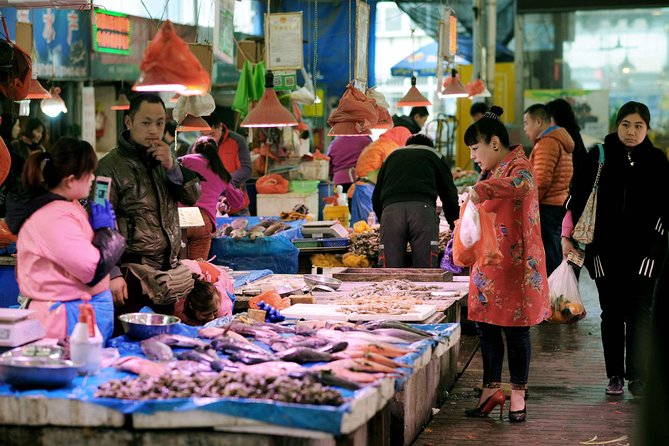
Shanghai’s food culture comes into focus at the market, where you can taste local snacks before seeing the ingredients behind them. Then you move into a private home cooking class, turning a sightseeing outing into a shared meal with a local family.
I like the personal format and the simple flow: market first, cooking second. I also like that the experience includes hotel pickup, private transport, snacks, and a full meal, not just a demonstration. The main consideration is price. At $199.11 per person, this is a special-occasion food experience rather than a low-cost market tour.
Key points at a glance
- Shanghai wet market visit: Browse vegetables, fruit, shrimp, meat, and hairy crabs while your guide explains how the food fits into local life.
- Snacks before the class: Your guide selects local market snacks for you to taste, so you get an introduction to Shanghai food before cooking.
- Private home setting: The class takes place in a typical local home dating from the 1950s to the 1970s, giving you a look at everyday domestic life.
- Personal attention: Your group has a private guide and private activity, with no unrelated participants joining.
- Meal included: You eat the lunch or dinner you helped prepare, with bottled water included.
- Easy city logistics: Pickup and drop-off are provided from central Shanghai, and private transport links the market with the home.
From Shanghai market stalls to a family kitchen
The appeal here is the change of setting. You begin in a working food market, surrounded by the ingredients people buy for daily meals. You finish in a home kitchen, where those ingredients become food you can sit down and eat.
That shift gives the experience more meaning than a cooking class held in a purpose-built studio. At the market, you see the raw materials and snack culture. At home, you see how food connects with family life and conversation.
The tour is private, so the guide can adjust the pace to your interests. If you want more time looking at produce, seafood, or unfamiliar snacks, you are not tied to a large group schedule. If you are eager to start cooking, the transition should feel direct rather than drawn out.
The experience is designed for roughly four hours. The published schedule includes a 10:00 am option and a 4:00 pm option, while the meeting information lists a 4:00 pm start. Confirm your chosen time when booking, especially if you are arranging dinner plans afterward.
More Home Cooking Classes in China:
- Shanghai-Cooking Dumpling & Meal in Local Family-w/Vegan
★ 4.9 · 36 reviews - Beijing: Vegan Home Cooking & Local Market Tour with Sanxia
★ 4.8 · 4 reviews - Khmer Cooking Class at a Local’s Home in Krong Siem Reap
★ 5.0 · 2,731 reviews
Seeing Shanghai through a wet market
The wet market is not treated as a quick photo stop. Your guide helps you recognize the food on display and explains the Chinese food culture connected to it.
You can expect to see fresh vegetables, fruit, shrimp, meat, and hairy crabs. For many visitors, the seafood and unfamiliar cuts of meat will be as interesting as the vegetables. The point is not simply to identify each item. It is to understand the market as part of ordinary shopping and meal preparation in Shanghai.
Your guide also chooses snacks for you to try. This is a useful touch because it removes some guesswork. You do not need to decide which unfamiliar food looks safe or appealing, and you get a chance to taste local specialties before sitting down to cook.
The snack stop may not suit every palate. One food-focused account described the selection as interesting, with some items easier to enjoy than others. That is a fair expectation. Market snacks can be unfamiliar, and this is not a carefully filtered Western-style tasting menu. If you are adventurous with food, the range adds to the fun. If you are cautious, tell your guide what you prefer.
Comfortable walking shoes matter. The market visit includes walking and standing, and Shanghai weather can be hot, cold, wet, or otherwise changeable. The tour operates in all weather, so dress for the forecast and choose shoes you can wear comfortably for several hours.
Entering a local home from the 1950s to the 1970s
After the market, private transport takes you to the cooking class. The class is held in a typical local home built between the 1950s and 1970s.
This detail gives the second half of the experience its character. You are not simply learning how to chop, stir, or season food. You are also seeing the kind of domestic space connected with the host family’s daily life. Your guide explains details about local living, making the home part of the cultural lesson.
That setting can feel more personal than a commercial cooking school. It also means you should arrive ready for a more intimate exchange. The experience is best for people who enjoy conversation, asking questions, and learning through ordinary details rather than watching a formal show.
The hosts named in one account were FeiFei, her mother, and Penny. Their hospitality was singled out as a major part of the evening, and their role appears to go beyond simply teaching recipes. They help create the social side of the meal, with conversation about Chinese culture and everyday life.
Because the exact dishes are not specified, do not book this expecting a fixed menu of named recipes. The food will be Chinese home cooking, but the precise lesson can vary. Your guide or the provider should be told about dietary needs when you book.
A hands-on class, not just a demonstration
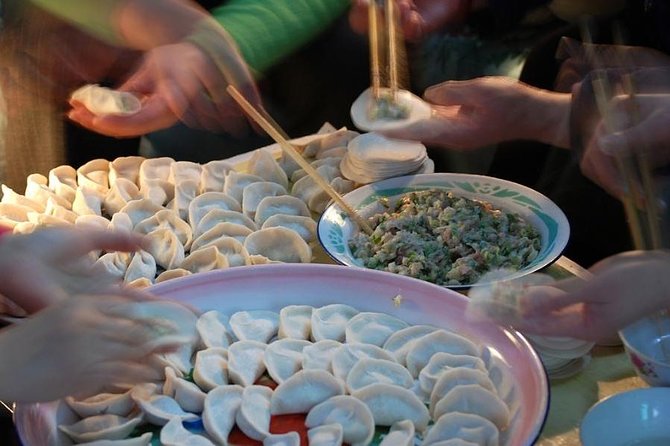
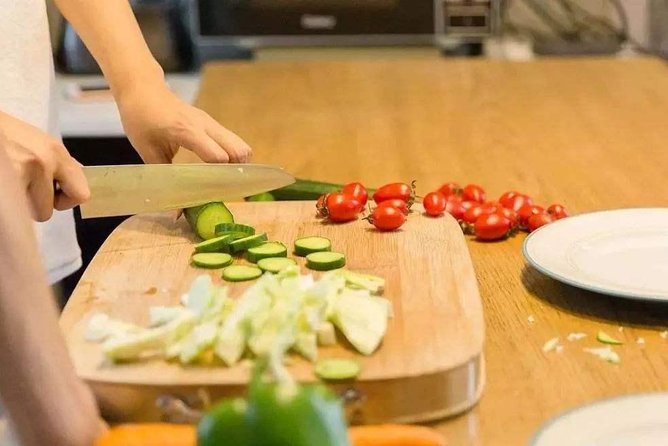
The cooking lesson is designed to involve you directly. You help prepare the meal, then eat it afterward as lunch or dinner.
That distinction matters. A demonstration can be entertaining, but a hands-on class gives you more chance to understand the process. You can watch how ingredients are handled, ask questions as you work, and connect the finished dishes with what you saw at the market.
I would approach the class as a cultural activity with cooking at its center, rather than as professional culinary training. The supplied details do not promise advanced technique, printed recipes, or a formal certificate. The value is in personal instruction and shared food.
The private format is especially useful if your group has mixed cooking experience. Someone who cooks often can ask more detailed questions, while a beginner can work at a slower pace without holding up a large class. Families, couples, and small groups who enjoy eating together are likely to get the most from it.
Vegetarian participation is available, but you must request it at booking. The same applies to other specific dietary requirements. Do not wait until the market or kitchen to mention an allergy or food restriction.
More Private Cooking Classes in China:
- Private Cooking Class: Make Your Own Dim Sum In Shanghai
★ 5.0 · 27 reviews - Private Hutong Culture Tour with Dumpling Cooking Class plus Cricket Fighting Game
★ 5.0 · 5 reviews - PRIVATE Authentic Balinese Cooking Class in Ubud at Putu’s Home
★ 5.0 · 644 reviews - Rome: Pasta Making Class with Tiramisu & Wine PRIVATE OPTION
★ 4.8 · 404 reviews
Eating the meal you helped make
The meal is included, and it is the natural payoff of the class. Depending on your start time, you will have lunch or dinner after cooking.
This arrangement also makes the four-hour duration feel well used. The outing is not only a lesson followed by a rushed snack. You have time for the market, the transfer, the cooking, and the meal.
The food is likely to feel more satisfying because you have seen the ingredients and taken part in preparing them. That connection is one of the strongest reasons to choose this activity over a standard restaurant meal. You are not just ordering an unfamiliar dish from a menu. You are learning where some of the ingredients come from and how they fit into a local household.
Bottled water is included. Market snacks are included as well, so you should not need to budget separately for the planned tasting. Personal expenses are not included, so bring money if you want to buy something beyond the provided food and drinks.
What the private format is worth at $199.11
At $199.11 per person, this tour costs considerably more than a basic food walk or independent market visit. You are paying for several things at once: a private guide, private vehicle, hotel pickup and drop-off, market snacks, a home cooking class, bottled water, and a meal.
The value improves if you are traveling as a small group that wants undivided attention. A private guide can explain unfamiliar foods, manage the market visit, and give your group more control over the pace. Private transport also saves you from sorting out the route between the market and the home.
The price is harder to justify if your main goal is simply to eat cheaply or browse a market. Shanghai has plenty of lower-cost food experiences. This one earns its price through access, convenience, and the home setting.
The available rating record is very strong, with a 5 out of 5 score and 100 percent recommendation from 14 ratings. That does not remove the need to consider your own travel style, but it supports the idea that the hospitality and personal contact are central strengths.
Timing, transfers, and practical planning
Pickup and drop-off are provided from central Shanghai. After the experience, your guide can return you to your hotel or another downtown location.
This is helpful after an evening class, when you may not want to find your way across the city after a full meal. It also makes the activity easier to fit into a first visit, especially if you are still learning Shanghai’s neighborhoods and transport system.
The meeting information lists a 4:00 pm start, which makes the experience a natural choice for dinner. Other details give 10:00 am and 4:00 pm as available start times, so check the confirmed time before making other plans.
Plan for about four hours, with some flexibility for the market and conversation. Comfortable walking shoes are advised, and you should dress for the weather because the activity operates in all conditions.
This is a private activity for your group only. That matters if you prefer a quieter outing or want to ask personal questions about Chinese food and daily life without speaking in front of strangers.
Who will enjoy this most
I would choose this experience if you want food to be a way into local culture. It suits people who like markets, home cooking, informal conversation, and meals that come with a story.
It is also a strong choice for:
- Couples looking for a personal evening in Shanghai
- Families who want a shared activity rather than a restaurant meal
- Food-focused visitors who enjoy tasting unfamiliar snacks
- First-time visitors who value hotel pickup and private transport
- Small groups who want the guide’s full attention
- Anyone curious about local homes and everyday Chinese life
You may want a different activity if you dislike unfamiliar foods, prefer a polished restaurant setting, or want a detailed professional cooking course with a guaranteed menu. The market snacks may include items that are not to your taste, and the cooking class is built around local hospitality rather than formal culinary instruction.
Should you book the Shanghai Mama cooking class?
Book it if you want an evening that combines a market visit, local snacks, home cooking, and direct contact with a Shanghai family. The best parts are the private format, the move from market ingredients to a shared meal, and the chance to see a typical home rather than only tourist sights.
Skip it if $199.11 per person feels too high for a food activity or if you need a precise menu in advance. For everyone else, this is a strong fit for a food-centered Shanghai itinerary, especially when personal attention and easy hotel transport are worth paying for.
Tell the provider about dietary needs when booking, confirm your pickup time, and wear comfortable shoes. If those details suit you, the class offers a warm, practical way to understand Shanghai through what people buy, cook, and eat at home.
FAQ
How long does the cooking experience last?
The experience lasts approximately four hours.
What time does the tour start?
Available information gives 10:00 am and 4:00 pm start options. The meeting information lists a 4:00 pm start, so confirm your selected time when booking.
Is hotel pickup included?
Yes. Hotel pickup and drop-off are included from central Shanghai.
Is transportation provided between the market and the cooking class?
Yes. Private transfer is included as part of the experience.
Is the experience private?
Yes. This is a private activity, and only your group participates.
Are food and drinks included?
Yes. Market snacks, bottled water, and lunch or dinner are included.
Can vegetarians join the cooking class?
Yes. A vegetarian option is available, but you must request it when booking.
What happens if I need to cancel?
You can receive a full refund if you cancel at least 24 hours before the experience start time. Cancellations or changes made less than 24 hours in advance are not accepted for a refund.
New cooking classes around China
- Shanghai: Authentic Chinese Cooking Class with Master Chef★ 5.0 · 2 reviews
- Online Cooking Class Hand Pulled Noodles by Sunflower Li★ 5.0 · 3 reviews
- Online Cooking Class Steamed Buns by Chef Sunflower Li★ 5.0 · 2 reviews
- Chengdu Sichuan Cuisine Cooking Class and Savor Local Snacks★ 4.4 · 2 reviews
- Beijing: Vegan Home Cooking & Local Market Tour with Sanxia★ 4.8 · 4 reviews
- Shanghai-Cooking Dumpling & Meal in Local Family-w/Vegan★ 4.9 · 36 reviews
- 2.5hrs Chinese Kitchen Cooking Class: Xiaolongbao Soup Dumplings★ 5.0 · 12 reviews
- Private Cooking Class: Make Your Own Dim Sum In Shanghai★ 5.0 · 27 reviews
Shanghai Cooking Classes, side by side.
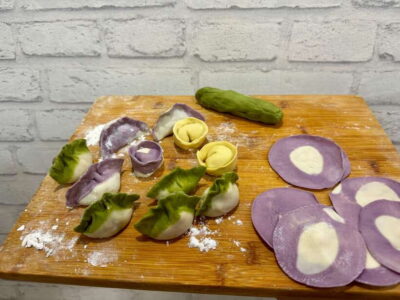
Shanghai-Cooking Dumpling & Meal in Local Family-w/Vegan
Read our review →Private Cooking Class: Make Your Own Dim Sum In Shanghai
Read our review →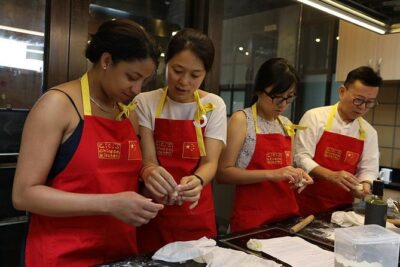
2.5hrs Chinese Kitchen Cooking Class: Xiaolongbao Soup Dumplings
Read our review →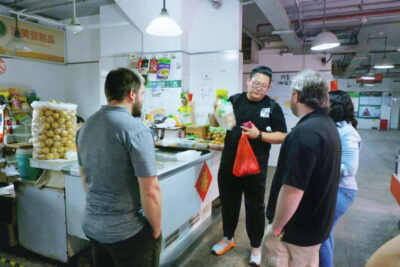
This kitchen also appears in