
Review · BEIJING
Online Cooking Class Hand Pulled Noodles by Sunflower Li
The most entertaining part of this class is also the part you may doubt at first: stretching homemade dough into long, wide noodles that slap against the work surface as you pull them. Chef Sunflower Li teaches the Xi’an specialty called Biáng Biáng noodles, often known as belt noodles because of their broad shape. I like the hands-on nature of the lesson, and I like that the finished meal includes a quick Chinese sauce that can make the dish taste far more special than its simple ingredients suggest.
I also like the private format. Your group gets the teacher’s attention instead of sharing a kitchen screen with strangers, and the flexible Beijing schedule can work for lunch or dinner in Europe and the United States. The main caution is timing: you book according to Beijing time, and the class can fall on a different calendar date for you. You must also buy and prepare the ingredients before class.
Key points at a glance
- Stretch real Xi’an-style noodles: Learn to make wide Biáng Biáng noodles from scratch, including the pulling technique.
- Cook with Chef Sunflower Li: The English-speaking instructor teaches both the recipe and pieces of Chinese culture and writing.
- Pay one group price: The $99 rate covers up to five people, making it good value for a family, friend group, or team.
- Prepare before the Zoom call: You supply the noodles ingredients, vegetables, seasonings, oil, salt, and other listed items.
- Use a flexible Beijing schedule: Class times can be adjusted for US and European lunch or dinner hours.
- Expect 90 minutes to two hours: Allow enough time for dough work, cooking, sauce preparation, and eating your result.
Why wide Biáng Biáng noodles make a good online class
Chinese noodles have a history of more than 1,800 years, and this particular style comes from Xi’an in northern China. Xi’an is also known for the Terracotta Army, but its food deserves attention in its own right. Biáng Biáng noodles are wide and substantial, with a belt-like shape that gives the dish a different feel from the thin noodles found in many Chinese restaurants.
The name is linked to the sound made when the dough is pulled and slapped against the work surface. That physical action gives the lesson its hook. You are not simply watching a chef boil packaged noodles while you stir a sauce. You are handling the dough, trying to stretch it evenly, and seeing how a basic mixture becomes something recognizable as a regional dish.
I find this kind of cooking lesson especially useful online because the central skill is easy to show on camera. Chef Li can demonstrate the motion, then watch you try it. The noodles do not need a complicated machine or specialist kitchen tool, so the class remains practical for a home cook.
The result is also suited to warm weather. The noodles are described as refreshing and particularly good for summer, though the lesson can be scheduled for any season. You finish with a meal rather than a demonstration that leaves you searching for dinner afterward.
More cooking classes around China:
- Half-Day Chengdu Cooking Class with a Local Market Visit
★ 5.0 · 465 reviews - Online Cooking Class Beijing Dumplings and Cuisine by Sunflowerli Renowned Chef
★ 5.0 · 65 reviews - Chengdu: Cooking Class with Fresh Market Half Day Experience
★ 5.0 · 42 reviews
Meeting Chef Sunflower Li on Zoom
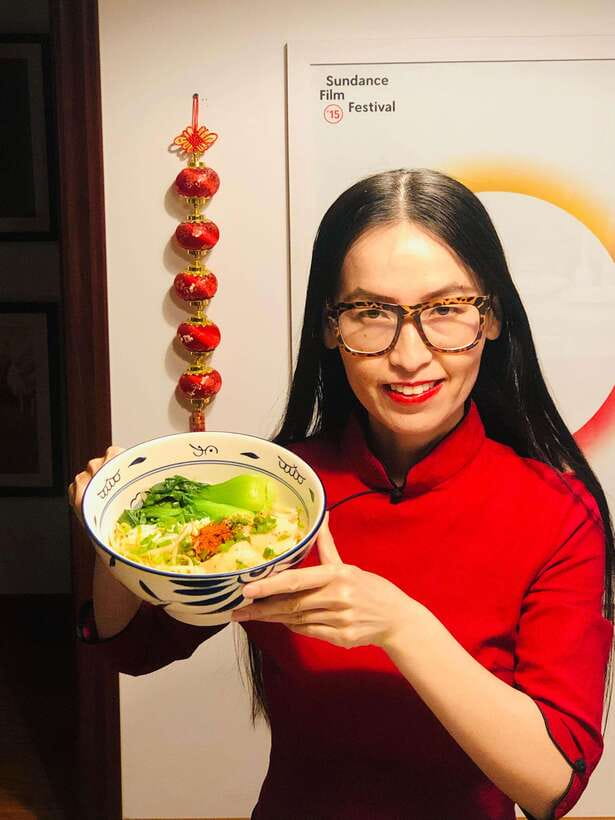
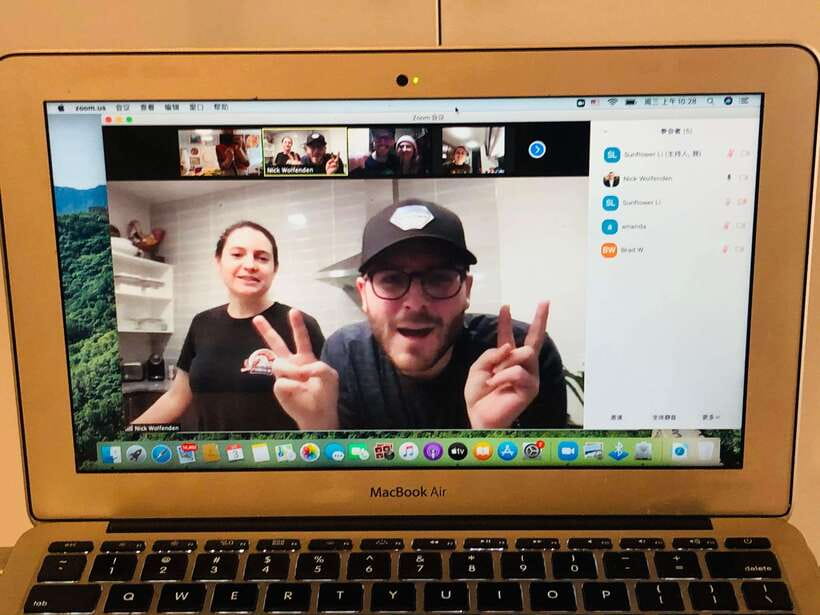
This is a private online class, not an in-person activity in China. You meet Chef Sunflower Li through Zoom, and the class is conducted in English. After booking, you receive the Zoom link and the ingredient list through WhatsApp or iMessage.
The private setup matters. A group of friends can talk openly, ask questions, and work at different speeds without worrying about strangers on the call. It also suits a birthday party, bridal shower, family activity, or corporate team event. The class has been used for team-building groups connected with companies such as LinkedIn, eBay, Meta, TikTok, Nuna, DoorDash, Paiger, and Block.
I would still make sure every person has a clear cooking space and a reliable way to view the screen. The supplied details do not list the equipment needed beyond the ingredients, so you should check the preparation instructions carefully once you book. The experience is wheelchair accessible, though you should still make sure your home kitchen setup works comfortably for anyone in your group.
Chef Li brings more than recipe instruction into the session. The class can include conversation about Chinese culture and writing, which gives the food a useful setting. That extra context helps explain why a regional dish from Xi’an is worth learning rather than treating it as just another noodle recipe.
Preparing the dough and pulling the noodles
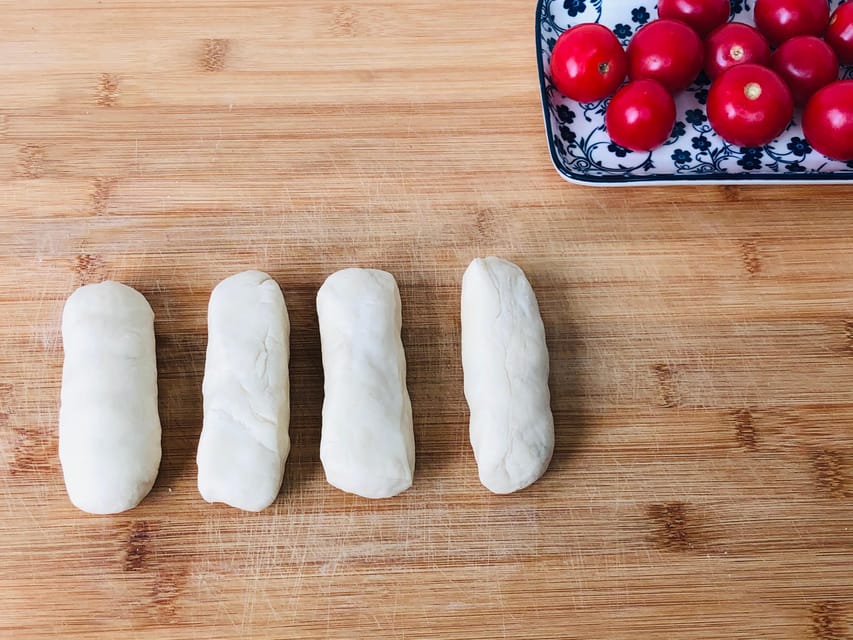
The class begins with food made from scratch. The dough is the main project, and your attention goes toward getting it ready for pulling. This is where the lesson differs from a standard virtual cooking demonstration. You are expected to work along with Chef Li, not simply watch her hands.
Hand-pulling noodles takes coordination. You need to follow the teacher’s pace and pay attention to how the dough changes as you work it. Some pieces may not look perfect on the first try. That is part of the fun, especially in a private group where you can laugh at uneven shapes and try again without pressure.
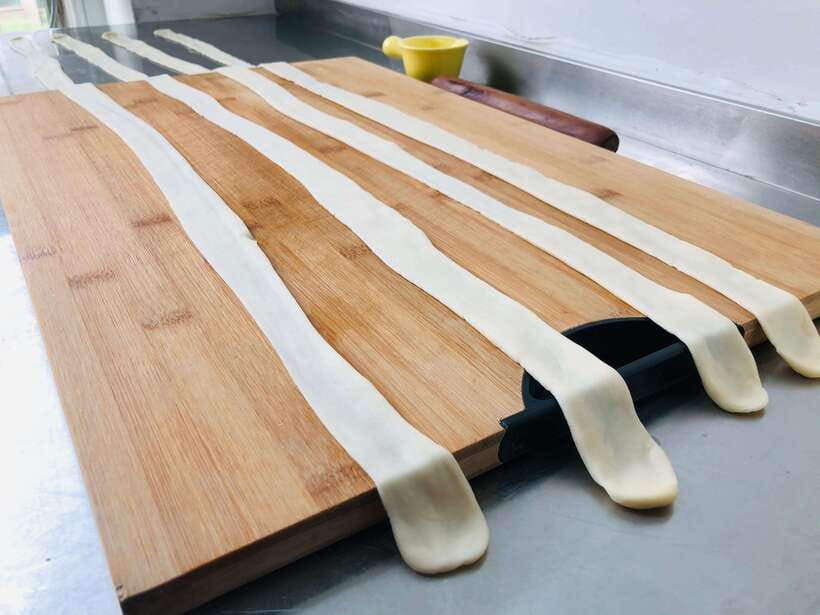
The finished noodles are very wide, closer to ribbons or belts than the narrow strands many people associate with noodle dishes. Their shape gives them plenty of surface area for sauce and seasoning. It also makes the cooking result easy to recognize: you can see the work you did before the noodles even reach the pot.
You should allow enough room for this stage. A crowded counter will make stretching awkward, and a small screen placed too far away may make it harder to follow the hand movements. These are sensible preparations for any online cooking lesson, but they matter even more here because pulling is the central technique.
Building the vegetables, seasonings, and sauce
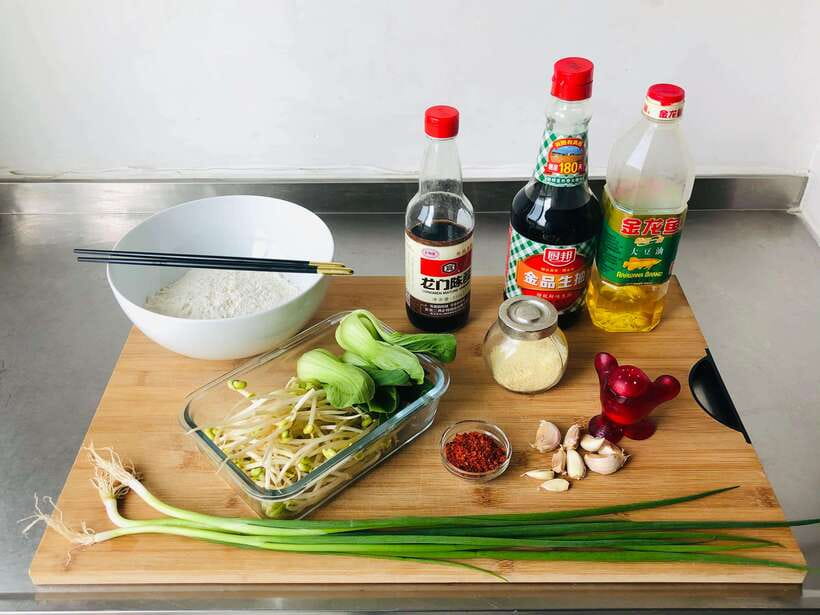
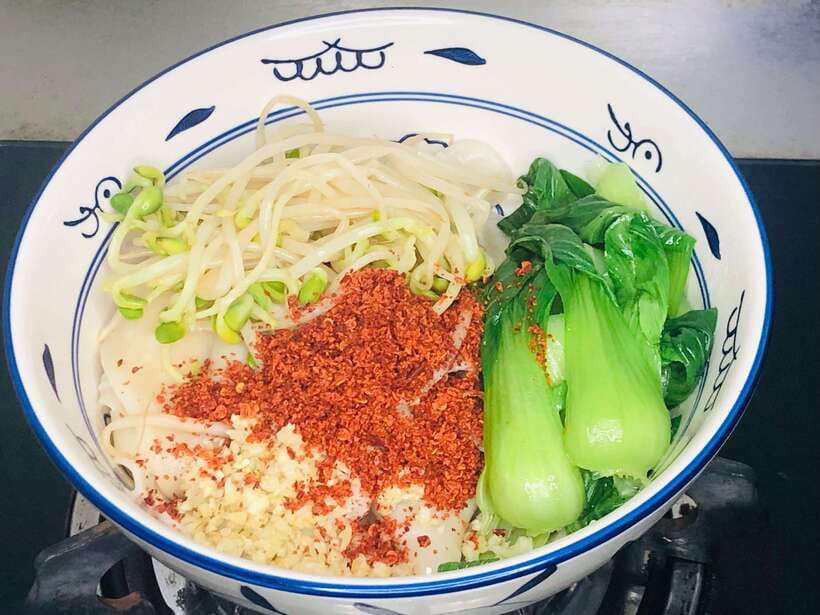
The ingredient list includes bean sprouts, bok-choy, diced green onion, minced garlic, chili powder if you want heat, toasted sesame seeds, vinegar, 13-spice or a five-spice substitute, olive oil, and salt. You need 4 ounces, or 112 grams, each of bean sprouts and bok-choy. The list also calls for 5 tablespoons of diced green onion and 4 tablespoons of minced garlic.
These details are worth checking before the class. The cooking ingredients are not included in the price, and missing one item could interrupt the lesson. You receive the preparation list after booking, so I would shop in advance and measure the items before the Zoom call. Chili powder is optional, which gives your group an easy way to control the heat.
The vegetables provide contrast to the broad noodles. Bean sprouts bring a crisp element, while bok-choy adds a fresh vegetable component. Green onion and garlic build the base, and sesame seeds add texture. Vinegar keeps the dish from becoming too heavy, while the spices and oil carry the main flavor.
Chef Li also teaches a quick Chinese sauce near the end. This became one of the most praised parts of the class for me because it offers a useful takeaway beyond the noodle technique. A simple sauce can be made again for other homemade noodles or vegetables, so you are learning a flexible kitchen idea, not only a single meal.
Same kitchen, a different dish:
- Flavors of Beijing: Eat Like A Real Chinese
★ 5.0 · 78 reviews - Shanghai-Cooking Dumpling & Meal in Local Family-w/Vegan
★ 4.9 · 36 reviews - Private Cooking Class: Make Your Own Dim Sum In Shanghai
★ 5.0 · 27 reviews - Half-Day steamed Buns Cooking Class with a Local Market Visit
★ 5.0 · 26 reviews
What the 90 to 120 minutes feel like
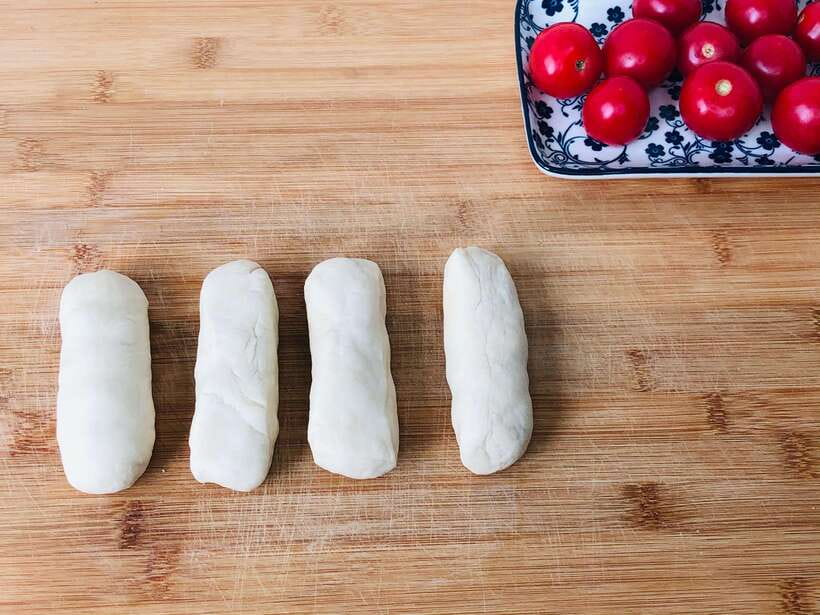
The advertised duration is two hours, while classes are usually 90 minutes to two hours. I would reserve the full two hours, especially if your group includes children, first-time cooks, or people working in more than one kitchen.
A typical flow begins with meeting Chef Li, confirming the ingredients, and preparing the dough. You then work through the hand-pulling technique, cook the noodles, prepare the vegetables and seasonings, and finish with the sauce. The exact pace can change because this is a private session rather than a fixed public tour.
The timing leaves room for questions. That matters in a dough lesson, where one person may need an extra explanation while another has already moved on. The class is designed for both children and adults, but younger children will likely need an adult nearby to help with hot cooking equipment and ingredient preparation. The supplied details do not specify a minimum age, so families should judge the activity by the child’s kitchen experience.
The class can be arranged for lunch or dinner in Europe or the United States. The flexible schedule is a genuine benefit, but remember that the instructor works from Beijing. One United States participant specifically noted that the chosen time was Beijing time and landed on a different date at home. Check the time conversion before confirming your appointment.
The value of $99 for up to five people
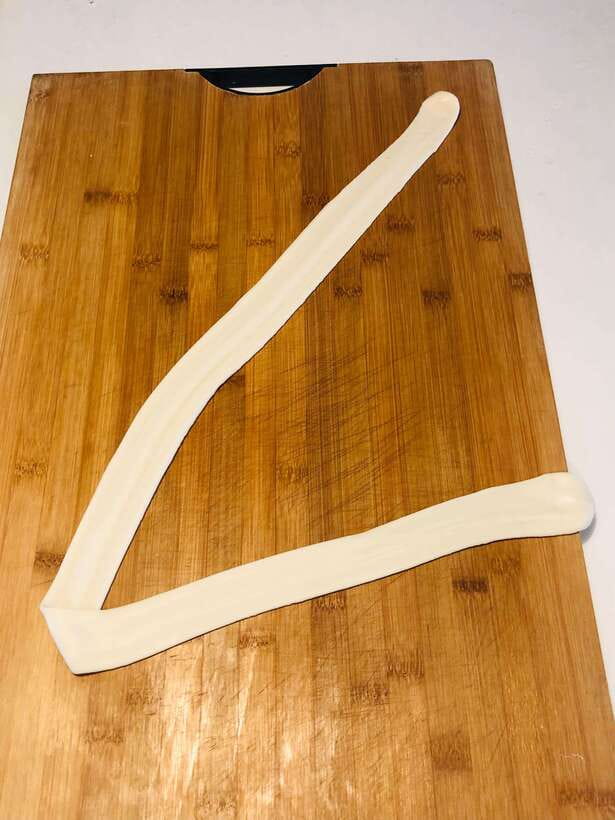
At $99 per group, the price covers as many as five people. If you fill all five places, the cost works out to $19.80 per person before ingredients. That is a fair price for a private lesson lasting up to two hours, particularly when you want an activity rather than a restaurant meal.
The value is strongest for a family or friend group that would otherwise need five separate tickets for an event. It also makes sense for a team-building session because the group can share one booking and cook from separate kitchens. A smaller group pays more per person, so a solo cook would get less financial value from the format.
You should add the cost of the ingredients and any items you do not already have at home. The supplied list includes vegetables, aromatics, spices, oil, salt, sesame seeds, and vinegar, but it does not give a total shopping cost. The practical advantage is that these are ordinary cooking ingredients rather than a special kit shipped to you.
The price also includes schedule flexibility and direct instruction from Chef Li. You are paying for a live class, not a recorded video. If you want a polished, hands-off cooking show, this may not be the right use of your money. If you want to make the dish yourself and ask questions along the way, the private rate is easier to justify.
Why the sauce and cultural details matter
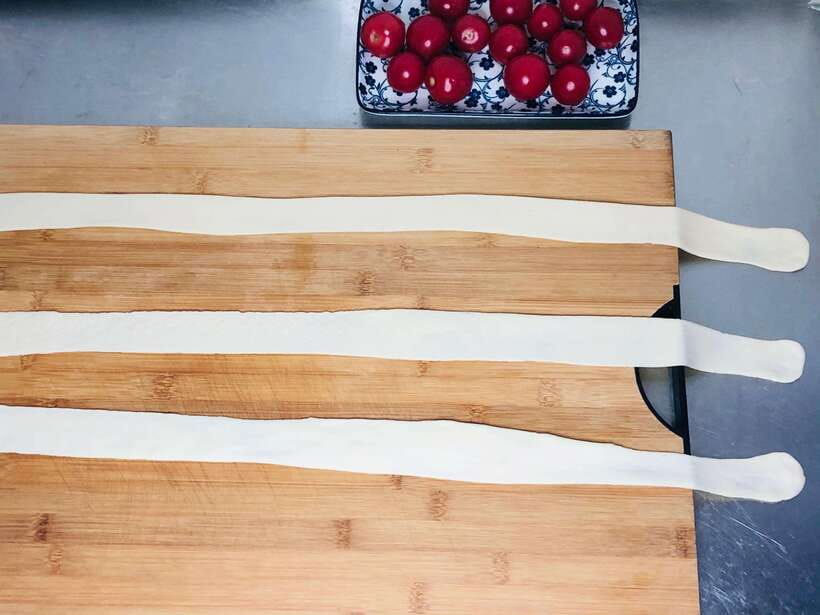
The noodle shape is the obvious reason to book, but I would not overlook the supporting instruction. The class can include Chinese culture and writing, giving you a small window into the setting behind the food. That is useful when you want a cooking experience with a sense of place, even though you are attending from home.
The sauce is another practical benefit. One class participant described it as authentic and unlike the sauces usually found in restaurants. You should treat that as an individual impression, but it points to a clear strength: Chef Li gives you a fast finishing recipe that helps the homemade noodles taste complete.
The seasoning list lets you adjust the dish to your group. Chili powder is optional, and vegan preparation is available. The provided information does not describe a separate meat version or specific substitutions beyond using five-spice in place of 13-spice, so ask about any dietary needs when you arrange the class.
Who should book this noodle class
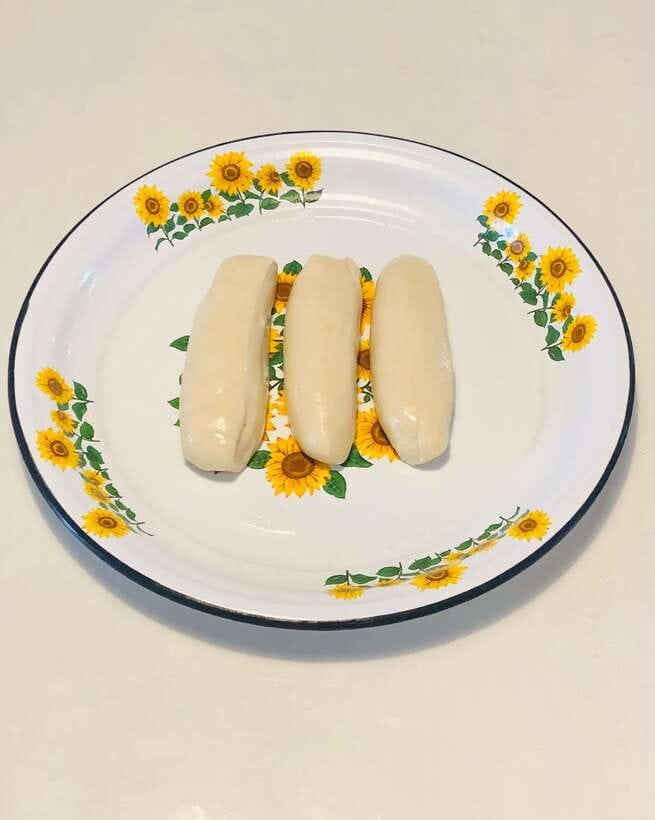
I would recommend it most for people who enjoy doing rather than watching. Families can make it a shared kitchen project, and children can take part in shaping and pulling the dough with adult supervision. Couples and small friend groups get a private activity with a clear result at the end.
It is also a good choice for a birthday party, bridal shower, or remote team event. The class gives people something to do with their hands, which can make online social time less stiff. A group that has never made this style of noodle will have a natural common challenge to work through.
Food-focused visitors to China may also appreciate the connection to Xi’an, especially if they want to learn a dish linked to the city before or after a trip. You will not be visiting Xi’an during the class, and you should not expect a full city tour. The cultural material is part of the cooking lesson, not a replacement for an in-person visit.
I would be less likely to recommend it to someone who wants a quick recipe under an hour or who does not want to shop and measure ingredients. The dough work requires attention, and the class is more rewarding when everyone joins in.
Booking details, cancellation, and timing
You can cancel up to 24 hours in advance for a full refund. A reserve-now, pay-later option is also available, which helps if you are arranging a group and still confirming everyone’s schedule.
The instructor speaks English, and the group type is private. There is no physical meeting point and no transport to arrange. You simply join through Zoom at the agreed time. Since the link and ingredient list arrive after booking through WhatsApp or iMessage, check that the contact details you provide are correct.
I would set a calendar reminder with both the local time and Beijing time. If you are in the United States, check whether the session falls on the previous or following date. That small step prevents the most avoidable problem with this experience.
Should you book Chef Li’s online noodle class?
Book it if you want a lively, hands-on food activity that teaches a distinctive Chinese dish rather than a standard stir-fry. The wide noodles, pulling technique, quick sauce, and cultural details give the class a clear identity. The $99 group rate is reasonable when five people share it, and the private format suits family events and team gatherings.
Think twice if you want the ingredients supplied, need a very short lesson, or dislike working from a kitchen checklist. You must prepare the food yourself, and the Beijing time schedule requires care. For the right group, though, this is a practical way to spend two hours making something unusual, edible, and tied to Xi’an.
FAQ
Where does the cooking class take place?
The class takes place online through Zoom. You do not meet Chef Sunflower Li in person.
Who teaches the class?
Chef Sunflower Li, also known as Chef Miss Li, teaches the English-language class.
How long does the class last?
Classes usually last between 90 minutes and two hours. The listed duration is two hours.
What does the $99 price include?
The $99 price covers one private online group of up to five people. Cooking ingredients and other expenses not listed as included are separate.
What ingredients should I prepare?
You should prepare bean sprouts, bok-choy, diced green onion, minced garlic, optional chili powder, toasted sesame seeds, vinegar, 13-spice or five-spice, olive oil, and salt. You receive the detailed ingredient list after booking.
Is a vegan option available?
Yes. The class offers a vegan option.
New cooking classes around China
- Shanghai: Authentic Chinese Cooking Class with Master Chef★ 5.0 · 2 reviews
- Online Cooking Class Steamed Buns by Chef Sunflower Li★ 5.0 · 2 reviews
- Chengdu Sichuan Cuisine Cooking Class and Savor Local Snacks★ 4.4 · 2 reviews
- Beijing: Vegan Home Cooking & Local Market Tour with Sanxia★ 4.8 · 4 reviews
- 2.5hrs Chinese Kitchen Cooking Class: Xiaolongbao Soup Dumplings★ 5.0 · 12 reviews
- Private Cooking Class: Make Your Own Dim Sum In Shanghai★ 5.0 · 27 reviews
- Private Home Cooking Class with Shanghai Mama★ 5.0 · 14 reviews
- Shanghai-Cooking Dumpling & Meal in Local Family-w/Vegan★ 4.9 · 36 reviews
Beijing Cooking Classes, side by side.
Online Cooking Class Beijing Dumplings and Cuisine by Sunflowerli Renowned Chef
Read our review →

Private Hutong Culture Tour with Dumpling Cooking Class plus Cricket Fighting Game
Read our review →
Beijing: Vegan Home Cooking & Local Market Tour with Sanxia
Read our review →
This kitchen also appears in