
Review · BEIJING
Online Cooking Class Steamed Buns by Chef Sunflower Li
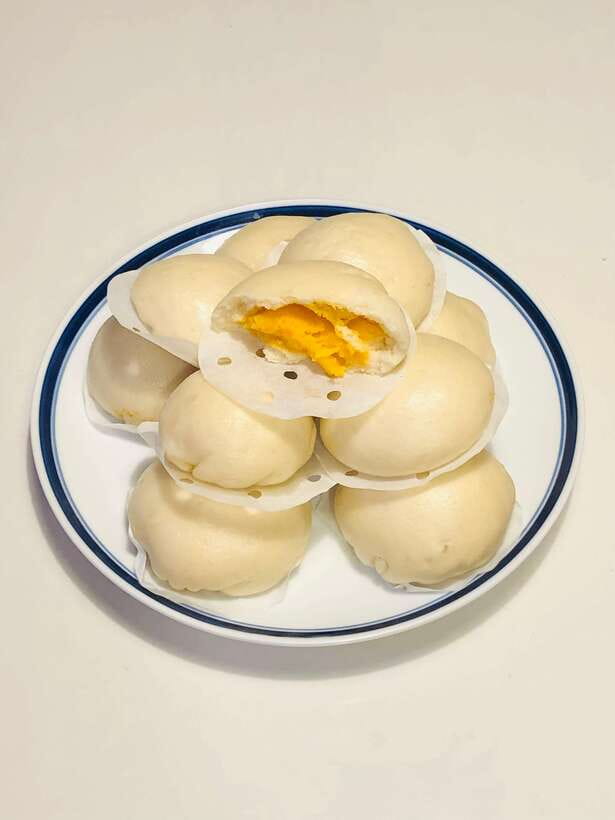
Northern Chinese steamed buns turn a few everyday ingredients into a hands-on food lesson. With Chef Sunflower Li, you learn how flour, yeast, seasoning, and steam come together, then make the dish in your own kitchen. It is a nice way to meet Chinese food culture without leaving home.
I like the private format, which lets your group set a suitable time and choose meat, vegetarian, or vegan fillings. I also like that the recipe comes afterward, so the class can become a repeat meal rather than a one-time screen activity. The main consideration is preparation: you must buy and measure the ingredients before class, and you need a kitchen ready for cooking.
Key points to know
- Learn a dish with more than 1,800 years of history: Steamed buns are a lasting part of everyday Chinese cooking.
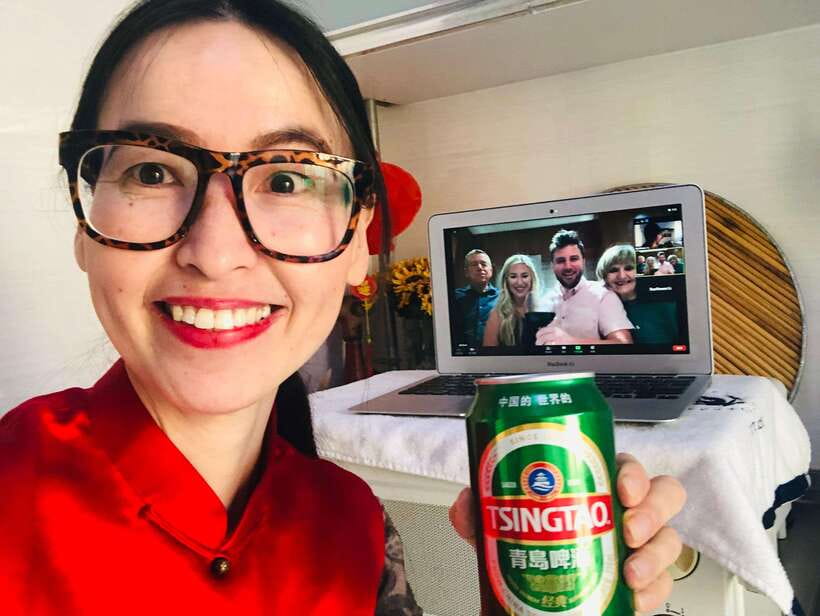
- Cook with Chef Sunflower Li: The English-language class is guided live through Zoom.
- Choose your filling: Meat, vegetarian, and vegan options are available.
- Plan for 90 minutes to two hours: The exact class length depends on the pace of your group.
- Good for private events: The class suits up to five people and works for birthdays, bridal showers, anniversaries, families, and team building.
- Bring your own ingredients: The $99 price covers the instruction, but not the food you will cook.
Making Northern Chinese steamed buns at home
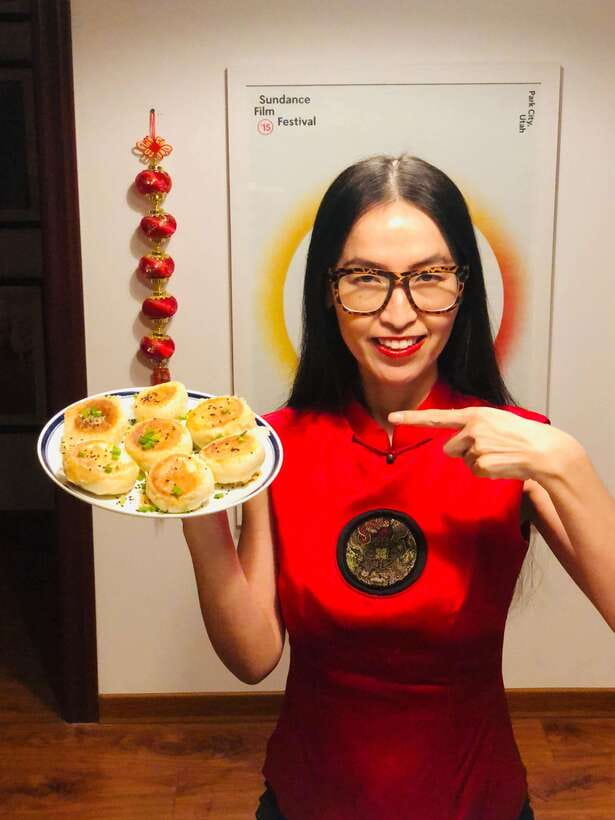
This is not a demonstration where you simply watch a chef work. You prepare the food alongside Chef Sunflower Li, using your own flour, yeast, fillings, and seasonings. That makes the class more useful for anyone who wants to repeat the dish later.
Steamed buns have been part of Chinese food culture for more than 1,800 years. In Northern China, wheat flour is especially important, and steamed buns are a familiar home food rather than a special restaurant production. The class gives you a practical look at that tradition through one dish.
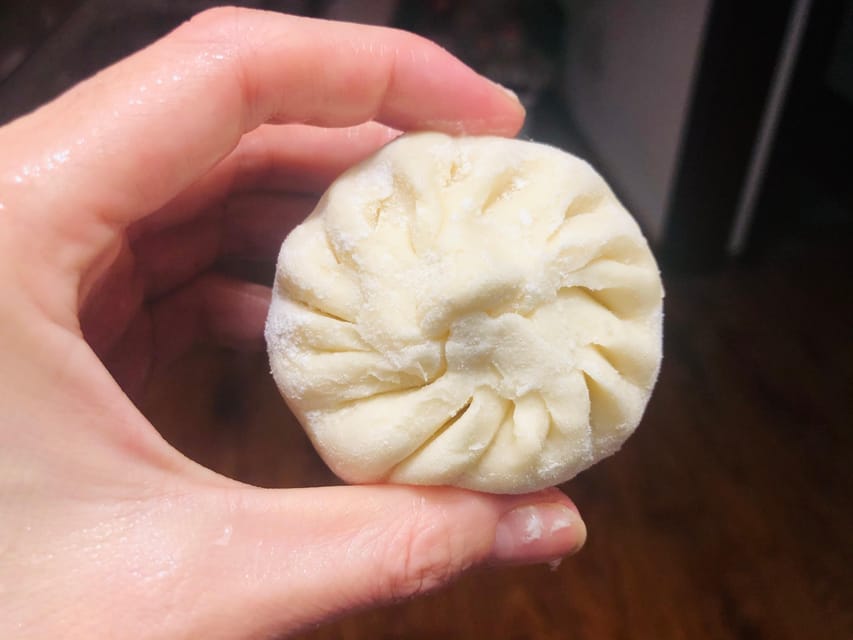
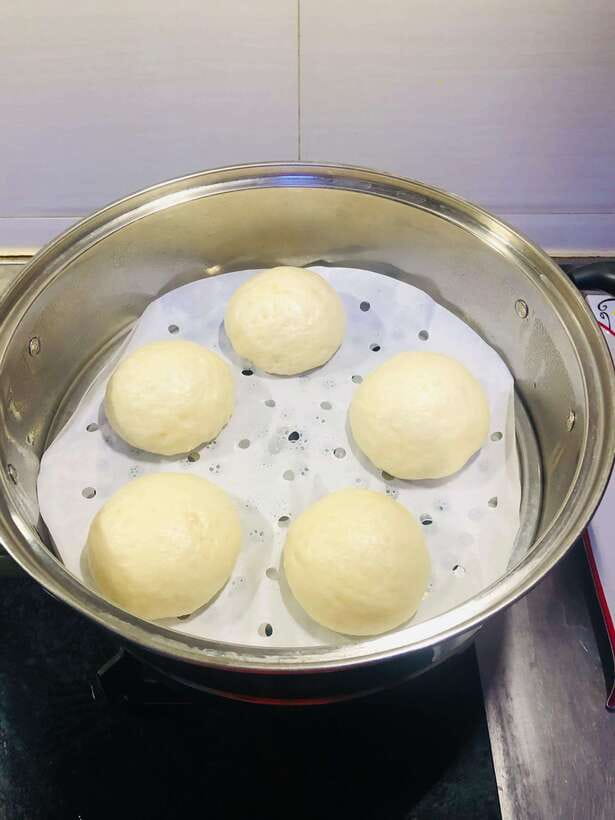
The focus is the science of dough. You learn how the flour and yeast behave, how the mixture changes as it is worked, and how shaping affects the final bun. The supplied information does not promise a set number of buns or a detailed minute-by-minute schedule, so you should expect a guided cooking session rather than a rigid professional kitchen lesson.
That flexible approach suits home cooks. You can ask questions, watch each stage, and keep pace with your own group. If someone in your party is new to yeast dough, the extra time may be useful. A confident cook may move faster, but the class is still a chance to learn the method directly from a chef.
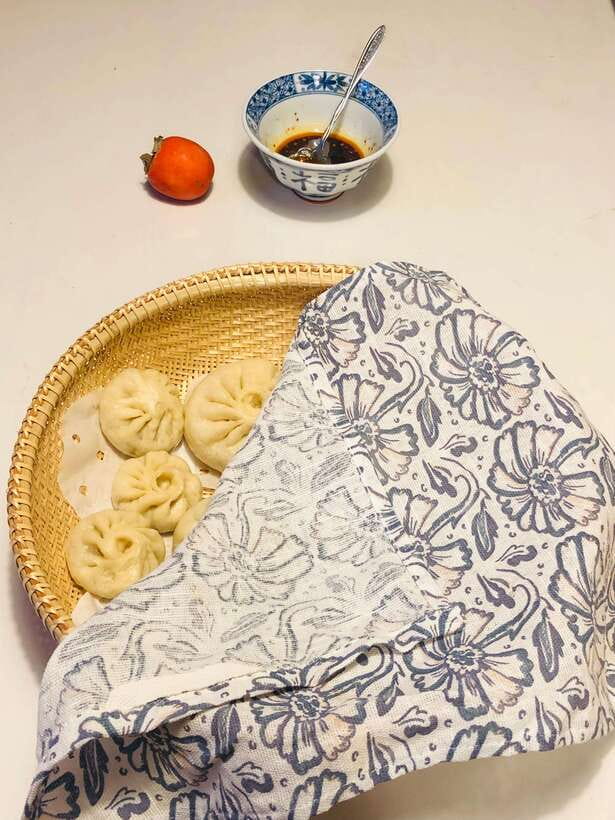
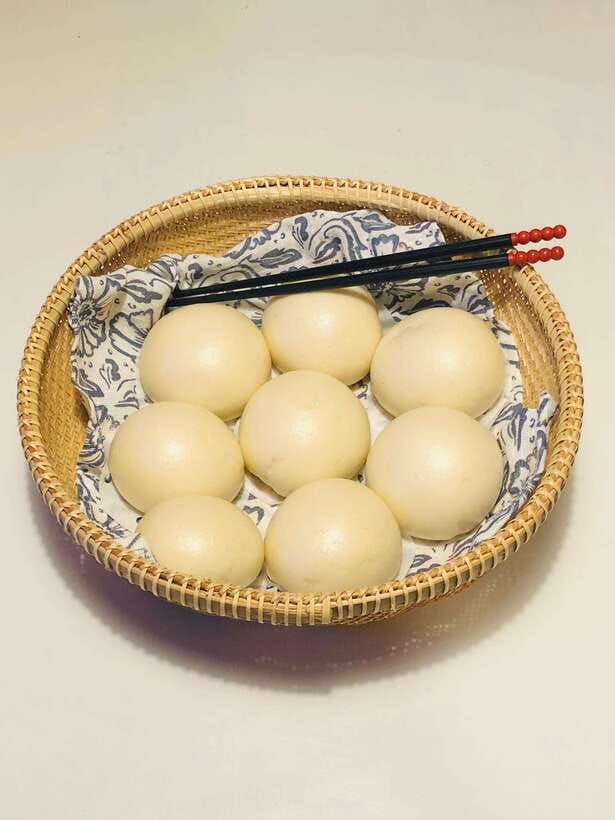
The finished food is the reward. You eat what you make, and the family recipe is shared afterward. I especially value that final recipe because it lets you practice again when the class is over. The first attempt may teach you the basic rhythm, while later attempts can help you improve shaping and seasoning.
More cooking classes around China:
- Half-Day Chengdu Cooking Class with a Local Market Visit
★ 5.0 · 465 reviews - Online Cooking Class Beijing Dumplings and Cuisine by Sunflowerli Renowned Chef
★ 5.0 · 65 reviews - Chengdu: Cooking Class with Fresh Market Half Day Experience
★ 5.0 · 42 reviews
What happens during the two-hour Zoom class
Your experience begins before the scheduled class. After booking, you receive the Zoom meeting link through WhatsApp or iMessage, along with the ingredient list. You should read that list carefully and shop before the class begins.
The class usually lasts from 90 minutes to two hours. The published duration is two hours, so I would keep the full block free. Timing is flexible, and the start time can be adjusted to suit your schedule and time zone. The class is designed to work for lunch or dinner in European and US time zones.
Once connected, Chef Sunflower Li guides you through the process in English. The class is private, so your group does not share the lesson with unrelated participants. That matters for a birthday or work event, since the pace and conversation can stay within your own party.
You will work with the dough and filling during the lesson. The supplied ingredient lists include the main items, but you should have them measured or easy to reach before the call. A clear work area and access to your cooking equipment are sensible preparations, although specific equipment details are not provided.
The class is best treated as an active kitchen appointment. You will have more fun if everyone joins from a place where they can cook, rather than from a sofa or office meeting room. For a work group, send the ingredient list early and check that everyone can shop for the same basics.
Choosing meat, vegetarian, or vegan fillings
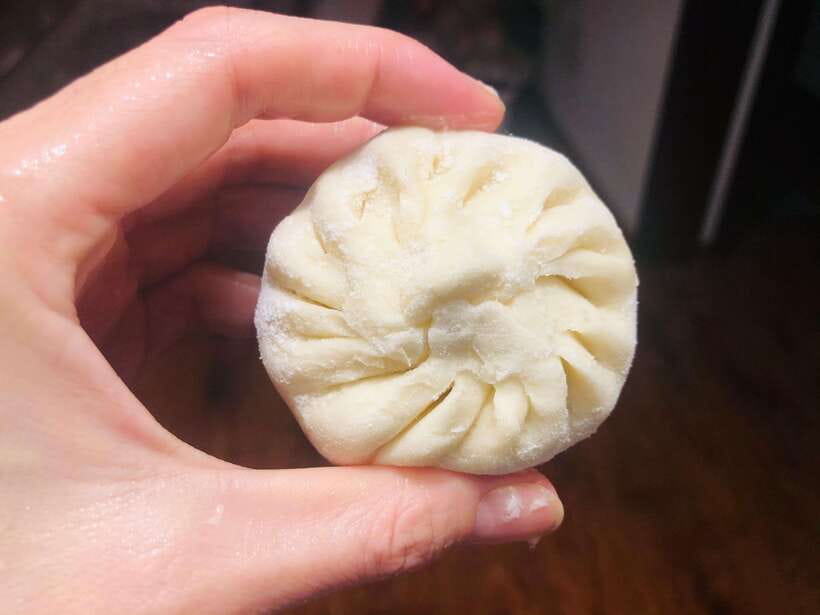
The meat version calls for two cups of all-purpose flour, yeast, and ground pork, beef, or chicken. You also prepare green onion, ginger, egg, soy sauce, vinegar, sesame oil, cooking wine, chicken bouillon, 13 spice or five spice, black pepper, salt, and optional Lao Gan Ma chili paste or a local substitute.
That list gives you a distinctly seasoned filling, with several classic Chinese pantry flavors. The chili paste is optional, so you can leave it out if your group prefers milder food. You should also note that chicken bouillon appears in the meat ingredient list, which may matter for dietary restrictions.
The vegetarian version replaces the meat with cabbage and carrot, while keeping green onion, ginger, egg, and the seasonings. Tofu can replace the egg. This is a helpful option for mixed groups, since not everyone needs to cook the same filling.
A vegan option is available. The information confirms that vegan cooking can be arranged, but it does not provide a separate complete vegan shopping list. If you need a fully vegan class, confirm the substitutions with Chef Sunflower Li before shopping, especially for the egg and any bouillon or prepared sauces.
I like the flexibility here, but you need to pay attention to the details. The class is not simply one fixed recipe with a token vegetarian alternative. You receive different filling paths, yet some ingredients need checking in advance if your group has allergies or strict dietary rules.
Why the private format works for groups
The class costs $99 per group of up to five people. That price is easier to judge when you calculate it by group rather than by person. Five people pay about $19.80 each before ingredient costs. A smaller group pays more per person, but receives a private lesson and a shared activity.
For a family, the value is in doing the work together. Kids and adults can both take part, although the adults in the group should handle any hot cooking tasks. The class creates a meal and a shared project, which is more engaging than another video call.
For team building, the format gives everyone a simple task and a common goal. Colleagues can prepare the same dish from separate kitchens, compare their progress, and finish with food they can eat. The class has been used for teams connected with companies including LinkedIn, eBay, Meta, TikTok, DoorDash, Block, and others, so it is suited to organized group events.
A birthday, bridal shower, or anniversary group can use the same structure. The flexible scheduling is useful when people live in different places. You can arrange a time that fits the group rather than forcing everyone into a fixed public class.
The limit of up to five people is important. If you are planning a larger event, this booking does not automatically cover a big audience. You would need to ask about arrangements for a larger group before paying.
Same kitchen, a different dish:
- Flavors of Beijing: Eat Like A Real Chinese
★ 5.0 · 78 reviews - Shanghai-Cooking Dumpling & Meal in Local Family-w/Vegan
★ 4.9 · 36 reviews - Private Cooking Class: Make Your Own Dim Sum In Shanghai
★ 5.0 · 27 reviews - Half-Day steamed Buns Cooking Class with a Local Market Visit
★ 5.0 · 26 reviews
Chef Sunflower Li’s teaching style
The class is conducted in English, with Chef Sunflower Li leading the instruction. The strongest praise attached to the experience focuses on her ability to make the session fun and educational while guiding cooks toward good results.
That combination matters for dough work. A recipe can tell you quantities, but it cannot always show how the dough should look or feel at each stage. Live instruction gives you the chance to follow along and ask for help when your dough seems too dry, too wet, or difficult to shape.
One participant, Cheryl from the United States, specifically found the results successful and planned to make the buns again. That is a useful sign for a home cook: the lesson aims at food you can reproduce, not just a chef’s performance that is hard to copy.
Stephanie from the United States found the session joyful, educational, and useful because the recipe could be made again. I would place that repeat value near the top of the reasons to book. The class has a clear end product, but its real worth comes after the call, when you try the family recipe on your own.
No special background in Chinese cooking is required in the information provided. Still, you should be comfortable following a live online lesson and cooking at the same time. If you are easily distracted by video calls, set up your ingredients in advance and keep your screen visible from the work area.
Timing, preparation, and practical limits
The most important practical point is that the ingredients are not included. The $99 fee covers the private Zoom class, not flour, yeast, meat, vegetables, sauces, or other shopping costs. The extra expense should be modest for a group, but it is still part of the total price.
Plan your shopping before the class. The ingredient lists include several items that may not be in every kitchen, such as 13 spice, five spice, cooking wine, sesame oil, and Lao Gan Ma chili paste. The chili paste is optional, and 13 spice can be replaced with five spice, which makes the list more manageable.
You should also check the list for your chosen version. Meat cooks need ground pork, beef, or chicken. Vegetarian cooks need cabbage, carrot, and possibly tofu if replacing the egg. The listed ingredients include egg in both the meat and vegetarian preparations, so do not assume the vegetarian version is vegan without confirming the substitutions.
The meeting takes place entirely online. There is no in-person meeting point or transport. You receive the Zoom link and ingredient details by WhatsApp or iMessage after booking. Make sure the contact information used for the reservation can receive those messages.
The activity is wheelchair accessible in its online format. Its private nature also means you can select a start time that works for your group. The class can be changed to suit your schedule and time zone, which is especially useful for people spread across North America, Europe, Asia, or Australia.
Free cancellation is available up to 24 hours before the class for a full refund. You can also reserve now and pay later, which helps if you are organizing a group and still confirming everyone’s schedule.
Who will get the most from this class
I would recommend this class first to families, food lovers, and small groups that want to cook rather than simply watch. It also fits people who enjoy learning the background of a familiar food while gaining a recipe they can use again.
It is a good match for a private celebration. A birthday group can make dinner together, a bridal shower can turn the recipe into a shared activity, and an anniversary couple can use it as a two-person cooking lesson. The group limit keeps the session personal.
It also works for company events, provided each person can prepare ingredients and join from a kitchen. The $99 group rate is reasonable for a small team, especially when compared with the cost of arranging an in-person food activity for five people.
I would be more cautious if you want a polished, restaurant-style cooking show with no preparation. This class requires shopping, measuring, mixing, shaping, and steaming. That effort is the point, but it may not suit someone who wants to sit back and be entertained.
The class may also be less convenient for anyone without access to the listed ingredients. Substitutions are available in some cases, but the available information does not guarantee that every local substitute will produce the same result. Ask about dietary needs before the date if your group has allergies or strict restrictions.
Is the $99 group price worthwhile?
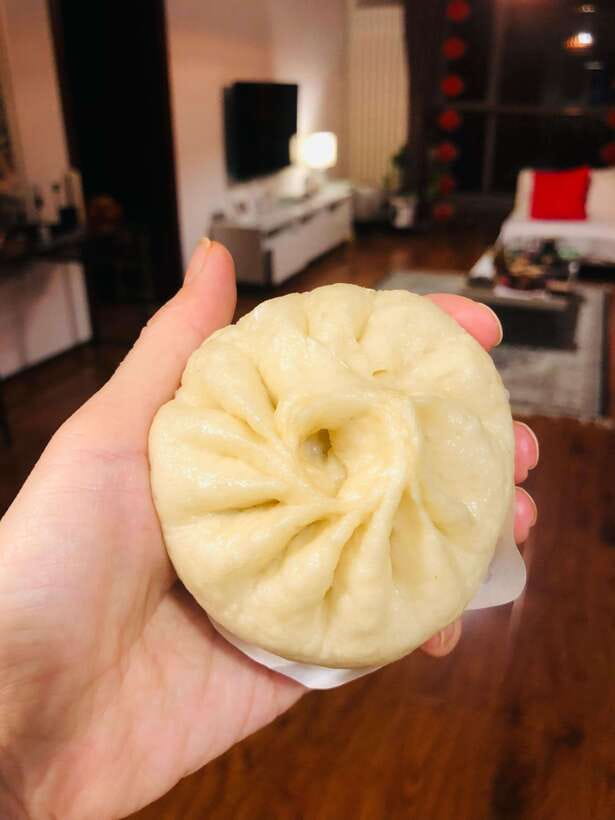
For five people, I think the price is strong. You receive a private two-hour English-language lesson, a cultural food lesson, hands-on cooking, and a family recipe to use later. The ingredients add a separate cost, but most of the listed items are standard pantry goods or easy food-shop purchases.
For two people, the value depends on how much you enjoy guided cooking. You are paying for private access to Chef Sunflower Li and a flexible schedule, not just for a recipe. If you want a relaxed shared activity with a finished meal, it can make sense. If you only want the recipe, the class may feel expensive.
The two available verified bookings both gave the activity five stars. The praise centers on three things I would care about: Chef Sunflower Li’s friendly guidance, the ability to achieve good results at home, and the usefulness of the recipe after class. Those are stronger reasons to book than the novelty of cooking on Zoom alone.
Should you book Chef Sunflower Li’s steamed bun class?
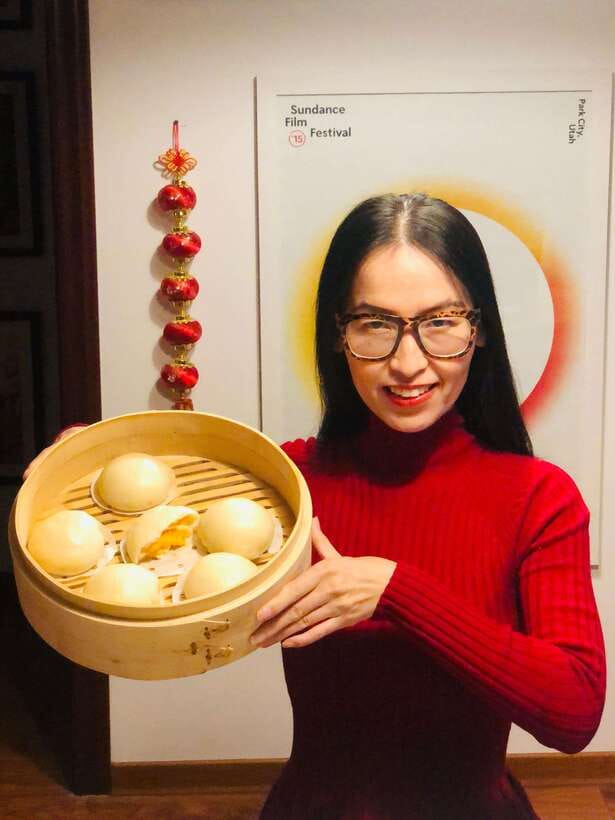
Book it if you want a private, active food experience and your group is willing to prepare ingredients beforehand. The best fit is up to five family members, friends, colleagues, or food lovers who want an authentic Northern Chinese dish and a recipe they can make again.
Think twice if you want an in-person tour, a restaurant meal, or a no-preparation event. This is a home cooking lesson, and its success depends on your shopping, kitchen setup, and willingness to work along with the chef.
For a small team or celebration, the flexible scheduling, meat and vegetarian choices, English instruction, and $99 group price make it a practical pick. The key is simple: buy the ingredients early, confirm dietary substitutions, and leave the full two hours free.
FAQ
Where does the steamed bun class take place?
It takes place online through Zoom. There is no in-person meeting point, and you meet Chef Sunflower Li virtually.
How long is the cooking class?
The class usually lasts from 90 minutes to two hours. The scheduled duration is listed as two hours.
How much does the private class cost?
The price is $99 per private group of up to five people. Cooking ingredients are not included.
What language is the class taught in?
The class is taught in English.
What ingredients do I need?
Meat cooks should prepare flour, yeast, ground pork, beef, or chicken, green onion, ginger, egg, soy sauce, vinegar, sesame oil, cooking wine, chicken bouillon, 13 spice or five spice, black pepper, optional chili paste, and salt.
Vegetarian cooks should prepare flour, yeast, cabbage, green onion, carrot, egg or tofu, ginger, soy sauce, vinegar, sesame oil, 13 spice or five spice, black pepper, optional chili paste, and salt.
Is a vegetarian or vegan option available?
Yes. Vegetarian and vegan options are available. The listed vegetarian ingredients include cabbage and carrot, and tofu can replace the egg. Confirm the exact vegan substitutions before class.
Can I choose the class time?
Yes. The timing is flexible and can be changed to suit your schedule and time zone. Classes are designed to work for lunch or dinner in European and US time zones.
Is the class suitable for a private event?
Yes. It is designed for private groups and suits team building, birthday parties, bridal showers, anniversaries, families, and food-focused gatherings.
Can I cancel or pay later?
You can cancel up to 24 hours in advance for a full refund. Reserve-now, pay-later booking is also available.
New cooking classes around China
- Shanghai: Authentic Chinese Cooking Class with Master Chef★ 5.0 · 2 reviews
- Online Cooking Class Hand Pulled Noodles by Sunflower Li★ 5.0 · 3 reviews
- Chengdu Sichuan Cuisine Cooking Class and Savor Local Snacks★ 4.4 · 2 reviews
- Beijing: Vegan Home Cooking & Local Market Tour with Sanxia★ 4.8 · 4 reviews
- 2.5hrs Chinese Kitchen Cooking Class: Xiaolongbao Soup Dumplings★ 5.0 · 12 reviews
- Private Cooking Class: Make Your Own Dim Sum In Shanghai★ 5.0 · 27 reviews
- Private Home Cooking Class with Shanghai Mama★ 5.0 · 14 reviews
- Shanghai-Cooking Dumpling & Meal in Local Family-w/Vegan★ 4.9 · 36 reviews
Beijing Cooking Classes, side by side.

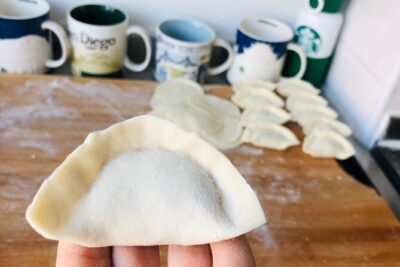
Online Cooking Class Beijing Dumplings and Cuisine by Sunflowerli Renowned Chef
Read our review →

Private Hutong Culture Tour with Dumpling Cooking Class plus Cricket Fighting Game
Read our review →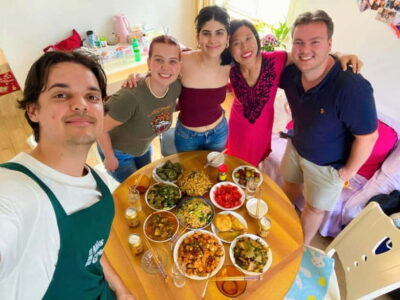
Beijing: Vegan Home Cooking & Local Market Tour with Sanxia
Read our review →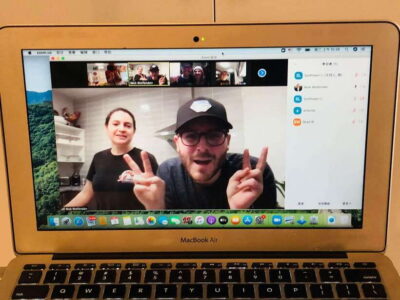
This kitchen also appears in