
Review · DA NANG
Da Nang Family Cooking Class – with Local Family in Da Nang
Vietnamese cooking makes the most sense when you learn it in a home, not just from a restaurant table. Here, you cook with a local family, hear about daily life in Da Nang, and finish with a meal you made yourself. I especially like the small-group limit of nine and the choice of two menus covering dishes from northern, central, and southern Vietnam.
The main drawback is the meeting point. You must first taxi to Sala Coffee on Han Thuyen Street, then walk one minute to the house. That is simple once you know the exact spot, but Da Nang has more than one Sala Coffee, so careful map checking matters.
Key points to know before booking
- Cook in a real family home: The setting gives the class a personal feel and a look at everyday Vietnamese life.
- Choose between two menus: One focuses on bánh xèo, fresh rolls, vegetables, and salad. The other adds beef pho.
- Eat what you prepare: Your cooking lesson becomes lunch or dinner, with tea and dessert included.
- Ask about dietary needs early: The family can adjust dishes when informed about restrictions or allergies in advance.
- Plan your arrival carefully: Taxi to 61 Han Thuyen first, then walk to 374/36 Nui Thanh.
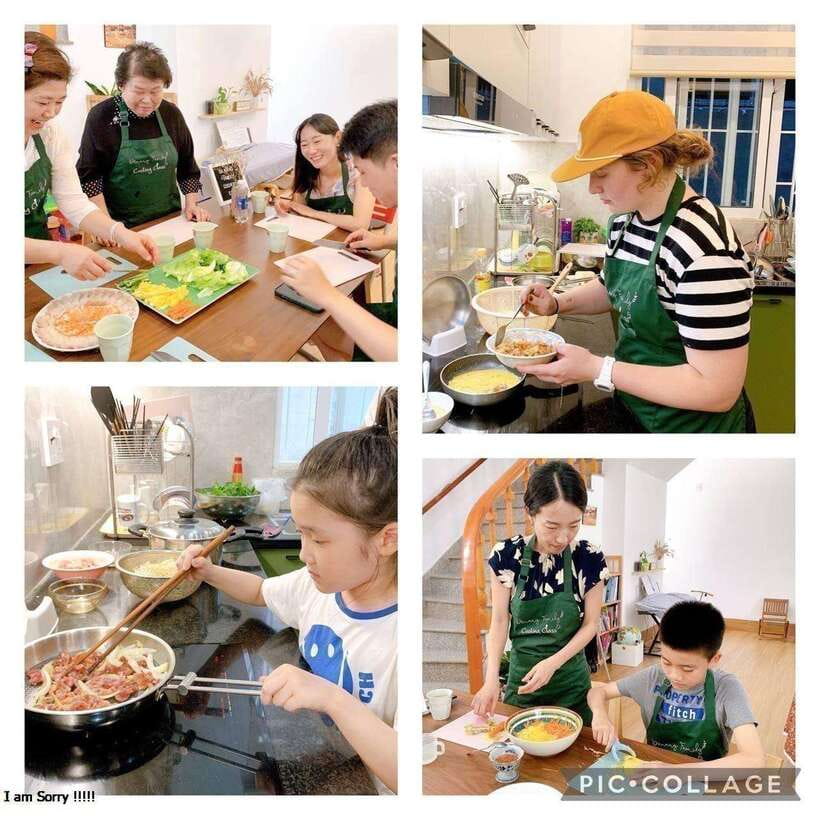
- Expect a compact lesson: The 150-minute session is hands-on, social, and limited to nine people.
A family kitchen instead of a cooking school
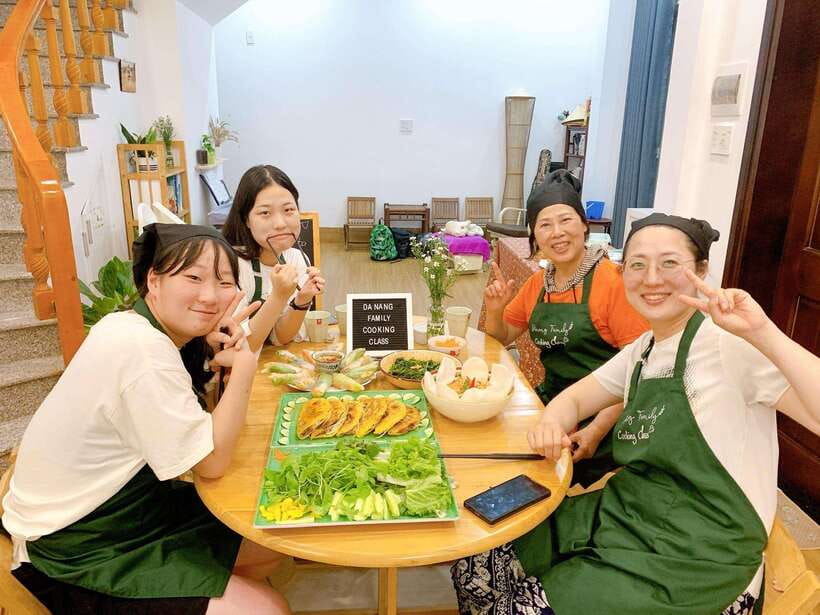
This class takes place at a local family home in Hai Chau District, rather than in a large commercial kitchen. That choice shapes the whole experience. You are not simply watching an instructor demonstrate recipes at the front of a room. You spend time with a host family, follow the cooking steps, and share the finished food in the same setting.
That home setting is useful if you want more than a list of recipes. The host speaks English, Chinese, and Vietnamese, so you can ask about ingredients, cooking habits, and local life as you work. The supplied information does not give the host’s personal name, but communication is built into the experience, not left to guesswork.
The group is capped at nine people. That is small enough for the host to provide help during the hands-on stages, though the exact feel will depend on how many people book your session. A private class is possible in some cases, as one couple had the lesson by themselves, but you should not assume a private booking unless it is confirmed.
More Home Cooking Classes in Vietnam
- Da Nang Authentic Home Cooking Class
★ 5.0 · 354 reviews - Hoi An: Traditional Cooking Class & meal with Local Family
★ 4.9 · 396 reviews - Hoi An: Vegetarian Cooking Class w Local Family and transfer
★ 4.9 · 145 reviews
Choosing between the two menus
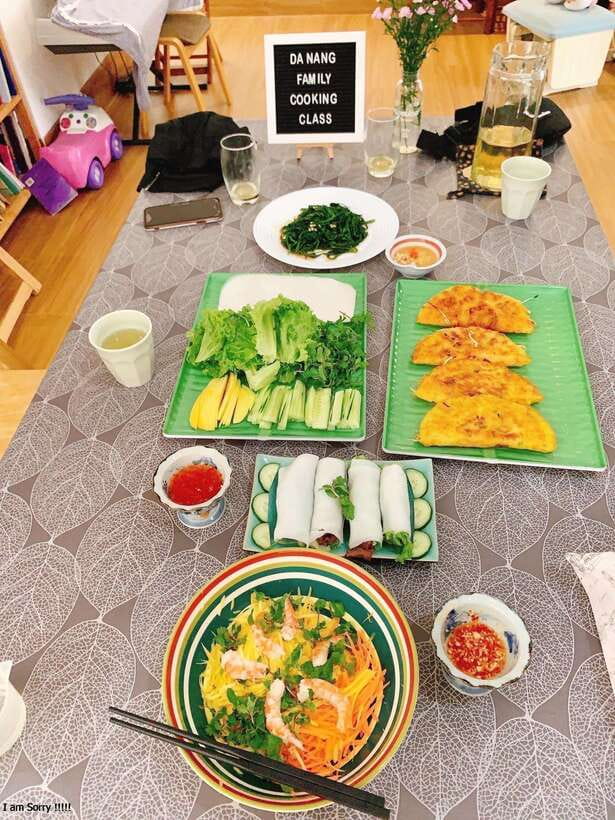
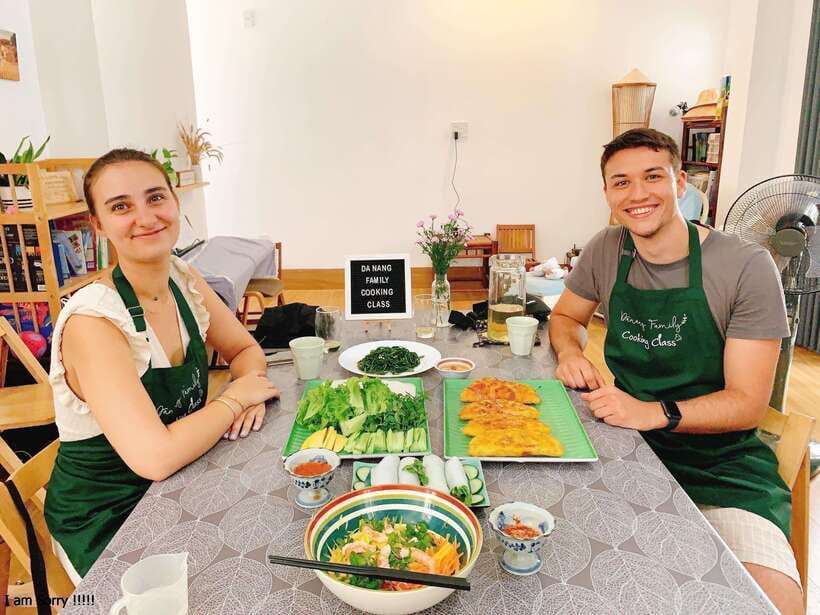
You select from two menus, and both begin with bánh xèo. This is a smart choice because the dish shows off several basic parts of Vietnamese cooking at once: batter, heat, herbs, fresh vegetables, and dipping sauce.
Menu I: bánh xèo, rolls, greens, and salad
The first menu gives you a broad tour of Vietnamese home cooking.
Bánh xèo is a crisp, savory Vietnamese crêpe or pancake. The name refers to the sizzling sound made when the batter meets the hot skillet. The crêpe includes shrimp and is served with lettuce, fresh mint, basil, and nước chấm, the sweet and savory fish sauce dip that ties the dish together.
This is more than a fried pancake. You learn how the crisp shell works with soft herbs and cool lettuce. The wrapping and dipping are part of the eating experience, so you get a lesson in balance as well as technique.
Next comes phở cuốn or gỏi cuốn, depending on the preparation. These are rice paper or rice noodle rolls with a northern connection. The filling can include stir-fried beef with onions, shell shrimp and pork, cilantro, and lettuce. The rolls come with either a sweet and sour fish sauce containing chopped garlic or a peanut sauce.
The supplied menu uses both names, so ask the host which version you will prepare on your date. That small distinction matters if you have dietary restrictions, dislike peanuts, or are avoiding pork or beef.
Rau muống xào tỏi, or morning glory stir-fried with garlic, is a common vegetable dish served across Vietnam. It is often eaten with rice in daily home meals. This course may seem plain beside bánh xèo, but it is one of the most useful dishes to learn if you want to recreate a simple Vietnamese meal at home.
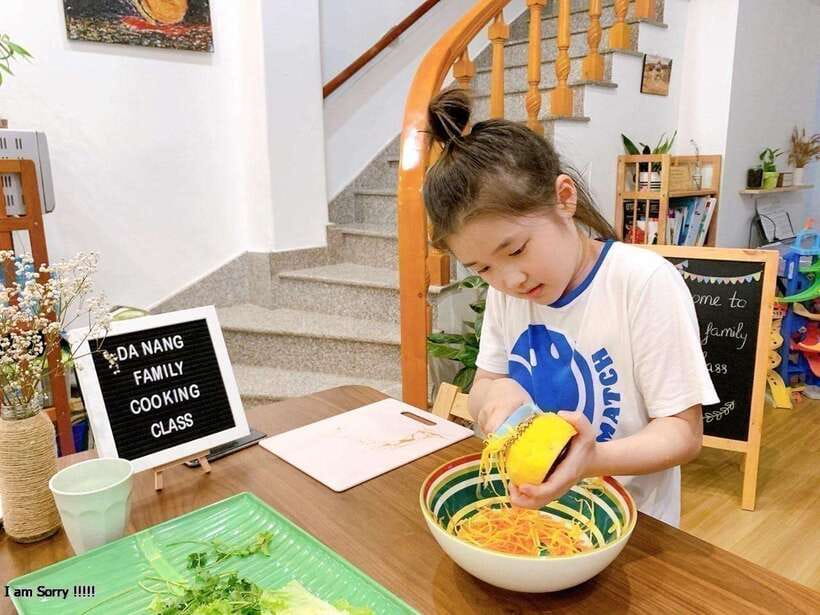
You finish with a mango or pomelo salad. The fruit is mixed with carrot and a sweet and sour fish sauce. It gives the meal a fresh, sharp finish and shows how Vietnamese cooking uses fruit, vegetables, herbs, and fish sauce in the same meal without making everything heavy.
Menu I suits you if you want several smaller preparations and a wider look at everyday Vietnamese food. It includes more assembly work than the pho menu, which can make it a good choice for families or friends who want to keep their hands busy.
Menu II: bánh xèo, fruit salad, and beef pho
Menu II keeps the bánh xèo and fruit salad but replaces the rolls and morning glory with phở bò, Vietnamese beef noodle soup.
Pho has northern origins and became popular throughout Vietnam and beyond. The dish combines beef-bone broth, flat rice noodles, beef, herbs, coriander leaves, green onions, and white onions. It is served with basil, bean sprouts, and lime juice, allowing you to adjust the final bowl to your taste.
This menu may appeal most if pho is the dish you have been hoping to understand. The class gives you a chance to see how the broth, noodles, meat, herbs, and garnishes come together rather than treating pho as a mysterious bowl that arrives at a restaurant table.
The supplied information does not promise a long broth-making session from raw bones. Since the total class lasts 150 minutes, you should think of this as a guided preparation lesson, not a full-day study of pho stock. Still, you will learn the dish’s main components and how the garnishes change the finished bowl.
Menu II is the better pick if you want one central soup dish and fewer separate roll-making steps. Menu I is more varied. Neither menu is automatically better, so choose based on the food you most want to make.
More Home Cooking Classes in Da Nang:
- Khmer Cooking Class at a Local’s Home in Krong Siem Reap
★ 5.0 · 2,731 reviews - Porto: Pastel de Nata Cooking Class with Grandma’s Recipe
★ 5.0 · 1,565 reviews - Siem Reap: Khmer Cooking Class at a Local’s Home
★ 5.0 · 1,108 reviews - Local Home Korean Cooking Class & Market Adventure in Seoul
★ 5.0 · 1,024 reviews
What the 150 minutes are likely to feel like
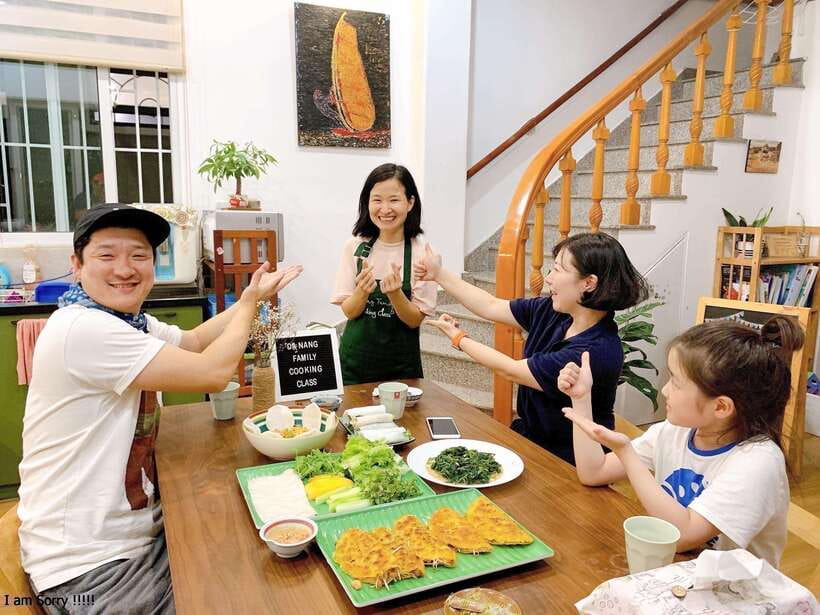
The class lasts two and a half hours, including cooking and eating. You should arrive five minutes early, since the family home is reached on foot from the taxi drop-off point.
The session begins with an introduction to the home and the dishes you will prepare. The host then gives step-by-step instructions and helps you work through the recipes. Because the class is hands-on, expect to take part rather than sit back and watch.
The exact order can vary by menu, but you will prepare the selected dishes, receive help during the cooking stages, and then sit down to eat. The final meal is not an add-on. It is the payoff for the work you have just done, and it also gives you time to talk with the family.
Tea and dessert are included. The dessert is not specified, so do not book this expecting a particular sweet. It is best understood as a small finishing touch after the main meal.
The pace should suit most visitors who want a relaxed introduction to Vietnamese food. If you are already an experienced cook and want advanced technique, the class may feel basic. If you are new to Vietnamese cuisine, the clear, guided format should be more useful.
The food lessons that matter most
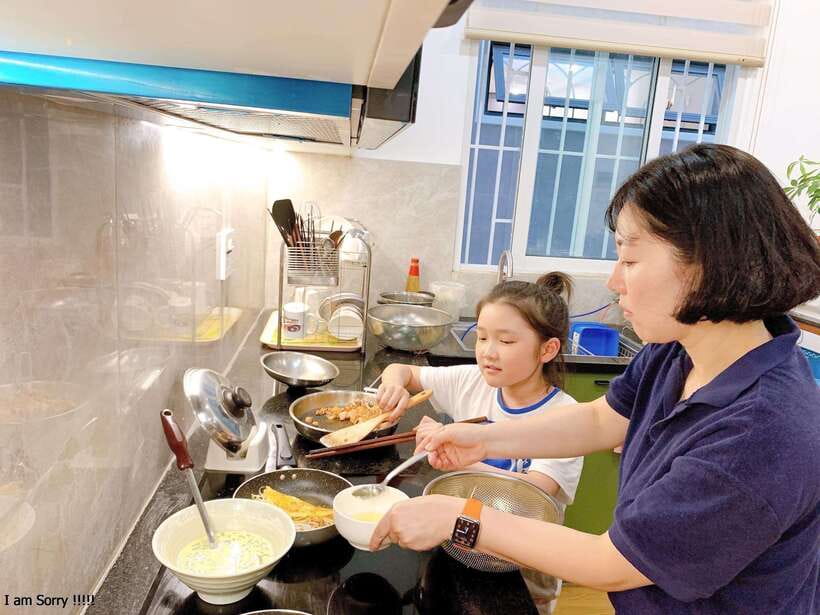
I like that the menu covers several parts of Vietnam’s food culture instead of repeating one regional style. Bánh xèo is associated with central and southern Vietnam, the rolls have a northern connection, and pho is identified with northern origins before spreading nationwide.
That regional mix gives you a better sense of how Vietnamese food changes from place to place. It also shows what remains consistent: herbs, rice products, fresh vegetables, fish sauce, lime, and careful contrasts between crisp, soft, fresh, sour, sweet, and savory.
The lesson also reaches beyond special-occasion food. Morning glory with garlic is a common daily vegetable dish. Mango or pomelo salad is fresh and practical. These are the kinds of recipes you may actually repeat at home because they do not require a large feast or complicated equipment.
The host’s explanations are an important part of the value. You learn not only what to put in a dish but how the family uses it and where it fits within Vietnamese meals. The experience includes local stories and insight into daily life, though the details will depend on the conversation and your questions.
Dietary restrictions and menu changes
Tell the host about allergies or dietary restrictions in advance. This is especially important because the menus can include shrimp, shellfish, pork, beef, peanuts, fish sauce, and other ingredients that may not suit everyone.
A couple who did not eat pork or beef had their menu adjusted, and the result was described as successful. That is encouraging, but it does not mean every request can be handled on the spot. Send your needs before the class so the family has time to plan suitable ingredients.
If you avoid meat entirely, need a strict vegan meal, or have a serious allergy, ask for confirmation before booking. The supplied information confirms that adjustments were made for one couple, but it does not provide a fixed vegetarian or allergy-free menu.
Getting to 374/36 Nui Thanh without confusion
Transportation is not included. You need to arrange your own taxi to 61 Han Thuyen, Hoa Cuong Bac, Hai Chau, Da Nang. At that location, look for Sala Coffee.
This is a meeting landmark, not the cooking house. From Sala Coffee, walk about one minute to 374/36 Nui Thanh, also shown as K374/36 Nui Thanh, Hoa Cuong Bac, Hai Chau, Da Nang.
This is the part of the booking that deserves the most attention. The directions warn that there is another Sala Coffee in Da Nang, and choosing the wrong one can leave you far from the activity. Tell your driver the full Han Thuyen address, check the map pin, and use the supplied Google Maps direction from Sala Coffee to the house if needed.
Contact the host before the class if you are unsure. Do not arrive at the first Sala you find without checking the street name.
The location is wheelchair accessible, according to the activity information. You still need to account for the short walk from the coffee shop and confirm any specific mobility needs with the provider.
Is $24 a fair price?
At $24 per person, the class offers good value if you want food, instruction, and cultural contact in one booking. The fee includes the cooking lesson, all ingredients, lunch or dinner, tea, and dessert.
The strongest value comes from the home setting and the meal. A restaurant meal alone would not give you the same chance to prepare the food, ask questions, and hear about family life. You also avoid paying separately for ingredients or a second meal after the class.
The price is less compelling if you only want a quick pho demonstration or a formal culinary course with advanced instruction. This is a friendly introduction, not a professional kitchen certification or a long technical workshop.
The small group helps justify the cost. With a maximum of nine people, the host can provide assistance during the cooking stages. If you are traveling as a couple, family, or group of friends, the experience also gives you a shared activity that ends with a meal.
Who will enjoy this class most?
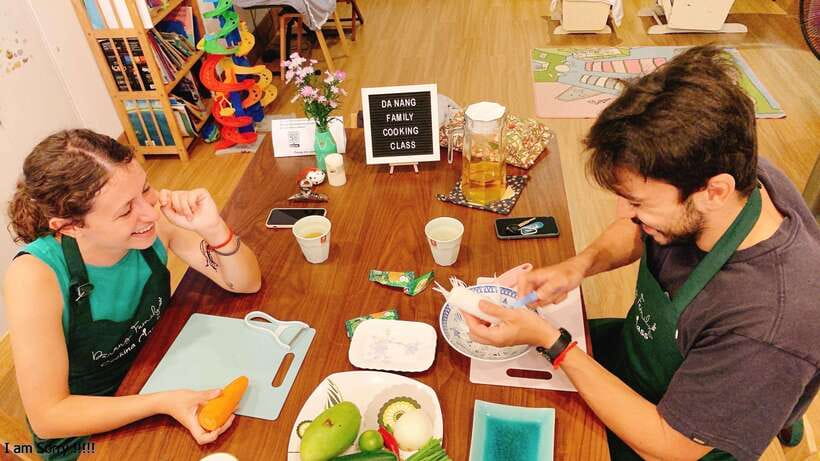
I would choose this class for visitors who want a personal look at Vietnamese food and home life. It works well for couples, families, and friends, especially those who enjoy eating together after making something with their own hands.
It also suits a first visit to Da Nang because the menus introduce several familiar Vietnamese dishes in one sitting. You can try bánh xèo, rolls, morning glory, salad, or pho, then decide which recipes you want to seek out elsewhere.
Families with children may find the hands-on format appealing, though the activity information does not give a minimum age. Ask before booking if you are bringing young children.
This is not the best match if you need hotel pickup, want a large professional kitchen, or prefer a tightly scripted class with a named celebrity chef. It is also not ideal for anyone who does not want to cook or who expects every detail of a recipe to be taught at an advanced level.
Booking details that can save you trouble
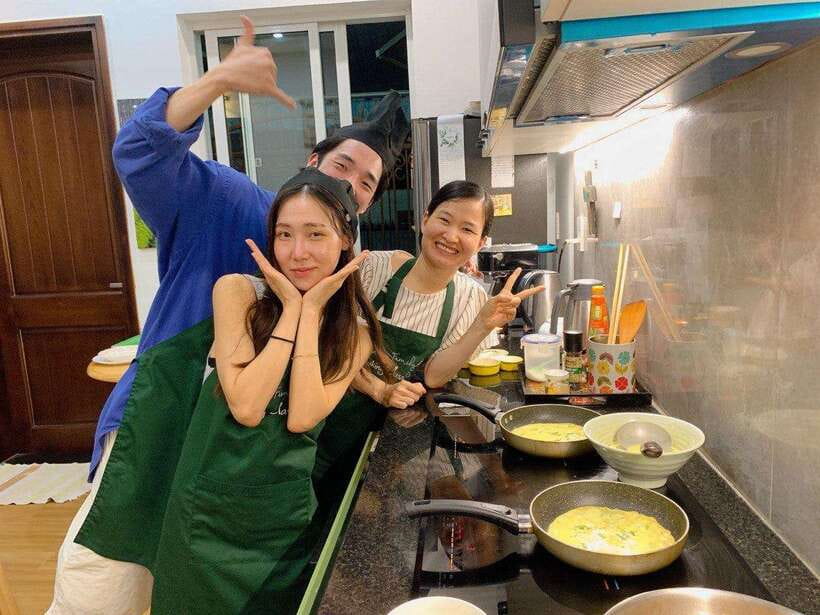
The class is offered in English, Chinese, and Vietnamese. It lasts 150 minutes and is available at different starting times, so check the date and time before paying.
You can reserve now and pay later, which helps if your Da Nang plans are still moving around. Free cancellation is available up to 24 hours before the activity for a full refund.
Smoking is not allowed indoors. Arrive five minutes early, bring your dietary information in advance, and save the correct address and map link before leaving your hotel.
The provider is Da Nang Family Cooking Class. Since no individual guide name is supplied, focus your questions on the menu, meeting point, language, and dietary needs when you contact them.
My call: book it if you want food with a personal connection
I would book this for the home setting, the small group, and the chance to eat a meal made during the class. The family atmosphere adds something a restaurant cannot, and the English and Chinese language support makes it easier to ask questions about food and daily life.
Choose Menu I for variety and several smaller dishes. Choose Menu II if learning pho matters most. Be careful with the Sala Coffee directions, and send dietary requests early.
Skip it if you want hotel transport, a highly technical culinary course, or a class centered on one long recipe. For a $24 introduction to Vietnamese home cooking in Da Nang, though, this is a practical and personal choice.
FAQ
Where does the cooking class take place?
The class takes place at a local family home at 374/36 Nui Thanh, Hoa Cuong Bac, Hai Chau, Da Nang. It is also shown as K374/36 Nui Thanh.
Where should I meet the host?
Take a taxi to 61 Han Thuyen, Hoa Cuong Bac, Hai Chau, Da Nang, and find Sala Coffee. From there, walk about one minute to the cooking class home.
Is Sala Coffee the cooking class location?
No. Sala Coffee is the meeting landmark. The cooking class is at 374/36 Nui Thanh, and you should walk there from the coffee shop.
How long does the activity last?
The cooking class lasts 150 minutes.
What languages does the host speak?
The host speaks English, Chinese, and Vietnamese.
How many people can join?
The activity is a small-group experience limited to nine participants.
What food can I prepare?
Menu I includes bánh xèo, phở cuốn or gỏi cuốn, stir-fried morning glory with garlic, and mango or pomelo salad. Menu II includes bánh xèo, mango or pomelo salad, and beef pho.
Is a meal included?
Yes. You eat lunch or dinner made during the class. Tea and dessert are also included.
Are ingredients included in the price?
Yes. All cooking ingredients are included.
Can the menu be adjusted for dietary restrictions?
You should inform the host about allergies or dietary restrictions in advance. Menu adjustments have been made for guests who did not eat pork or beef, but you should confirm your specific needs before booking.
New cooking classes around Da Nang
- Market Tour, Basket Boat Ride & Cooking Class by Hangcoconut★ 4.8 · 95 reviews
- HOI AN Cooking Class and Lantern Workshop★ 4.7 · 6 reviews
- Da Nang Vegetarian Cooking and coffee Class★ 4.6 · 11 reviews
- Da Nang: Cooking Pho & Vietnamese Dishes With Local Chef★ 5.0 · 5 reviews
- Da Nang: Cooking Class and tasting Pho with Local Girl★ 5.0 · 6 reviews
- Da Nang Cooking: Market tour, farming, and cooking class★ 4.8 · 13 reviews
- Da Nang: Coffee Making And Cooking Class★ 5.0 · 7 reviews
- Hoi An: Lantern Making, Basket Boat, and Cooking Class★ 4.9 · 233 reviews
Da Nang Cooking Classes, side by side.
5 Dishes Cooking Class with Market Trip in Da Nang
Read our review →
Da Nang Cooking Class with Coffee Tasting and Market Visit
Read our review →
Hoi An: Lantern Making, Basket Boat, and Cooking Class
Read our review →
Market Tour, Basket Boat Ride & Cooking Class by Hangcoconut
Read our review →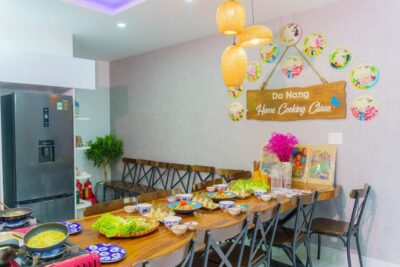
Da Nang Cooking: Market tour, farming, and cooking class
Read our review →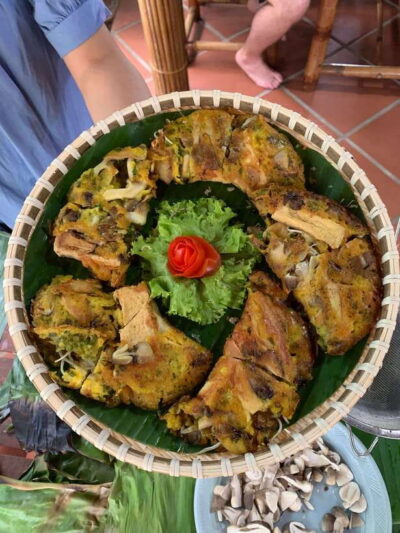
This kitchen also appears in