
Review · PORTUGAL
Porto: Pastel de Nata Cooking Class with Grandma’s Recipe
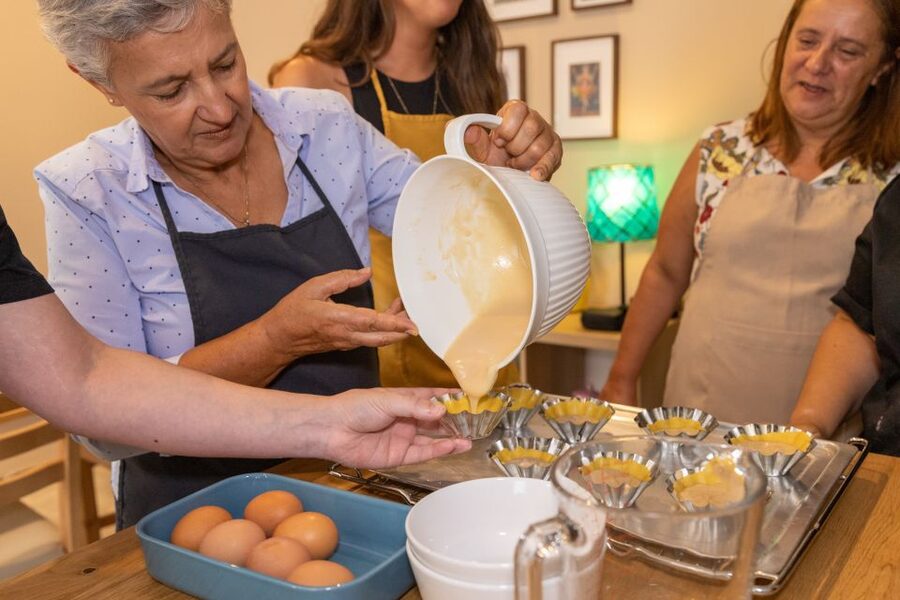
The best part of this Porto cooking class is that you make the pastry dough and custard from scratch, not just spoon prepared filling into ready-made shells. In Joana’s home, you learn a family recipe, hear about her Portuguese roots, and finish at a laid table with tarts still warm from the oven. I like the personal welcome and the fact that everyone gets a turn. I also like that the recipe is shared so you can try it again at home.
The main drawback is the address. The home is about 10 minutes by car from central Porto, and one traveler noted paying about €12 for an Uber. Public transport works, but it takes longer and the metro involves a 700-meter walk. The class also welcomes up to 10 people, so the setting is cozy rather than private.
Key Points at a Glance
- Joana teaches her grandmother’s recipe: You work through both the flaky pastry and creamy custard.
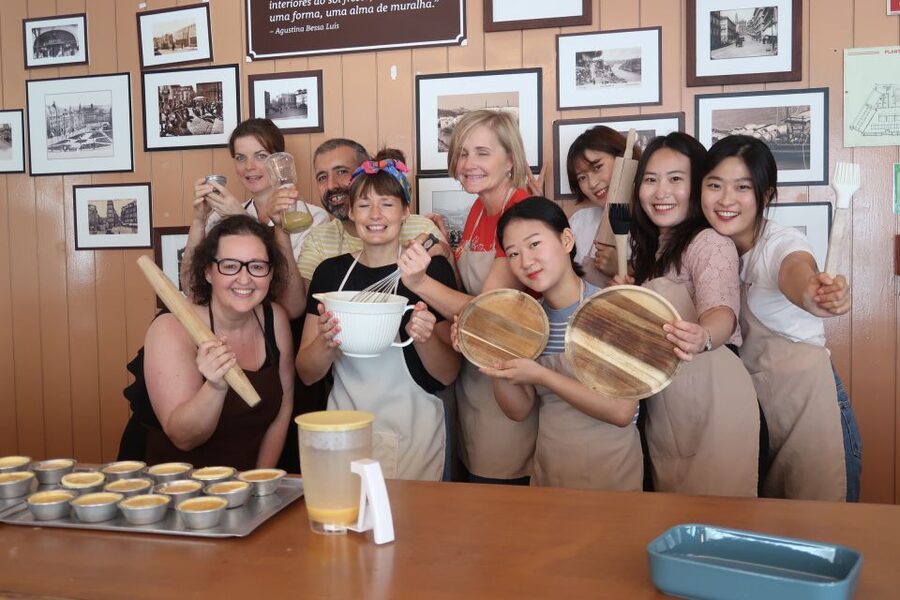
- Everyone takes part: The group uses a rotating system, allowing each person to help with different steps.
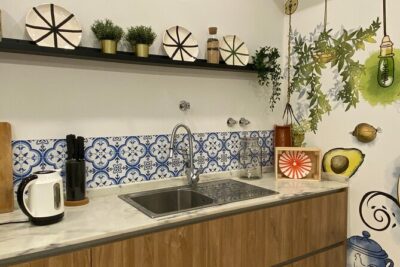
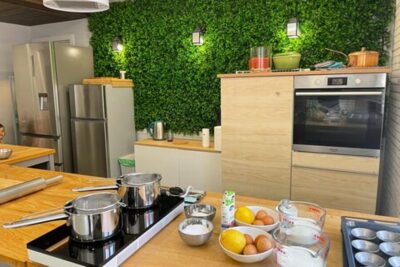
- The class takes place in a real home: Expect a warm kitchen, natural light, music, and a relaxed table setting.
- The tasting is part of the lesson: Fresh pastéis de nata come with coffee, tea, orange juice, and sometimes a taste of port wine.
- The location is outside central Porto: Bolt or Uber is easiest, but buses and the metro provide alternatives.
- The value is strong at $33: Ingredients, utensils, instruction, drinks, pastries, and the recipe are included.
Making Pastel de Nata in Joana’s Home
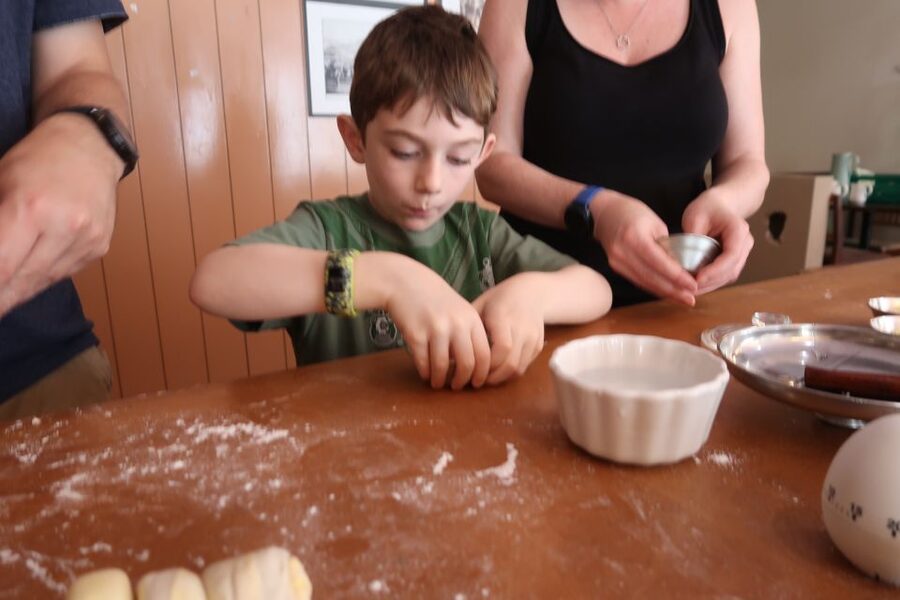
Pastel de nata is one of Portugal’s essential foods. You’ll find these small custard tarts in bakeries across Porto and Lisbon, but eating one tells you only part of the story. The real work is in the pastry, the custard, and the hot oven that gives the top its familiar browned spots.
Joana’s class lets you see that process from the inside. You arrive at her home, ring the doorbell marked 2 Andar, and meet the host before getting started. She introduces herself and shares details about her family and the recipe passed down by her grandmother.
That family connection gives the class more meaning than a standard pastry demonstration. You are not simply following a set of commercial instructions. You are learning a recipe that has been used in her family for years, in the same kind of home kitchen where Portuguese food is made every day.
The setting is part of the appeal. The kitchen is described as calm and naturally bright, and several people enjoyed the comfortable apartment, careful table setting, and background music. One especially nice touch is Joana’s record player, which helps the class feel social without turning into a staged performance.
More Tiramisu and Dessert Classes in Portugal:
- Lisbon: Pastel de Nata Baking Class
★ 4.9 · 2,106 reviews - Porto: Pastel de Nata Cooking Class with Port Wine – Sé
★ 4.8 · 888 reviews - Porto: Pastel de Nata Cooking Class from Scratch
★ 4.9 · 468 reviews
A Two-Hour Baking Session From Scratch
The class lasts about two hours, which is enough time to cover the main steps without making the afternoon feel too long. Joana provides the ingredients and cooking utensils, so you do not need to bring baking equipment.
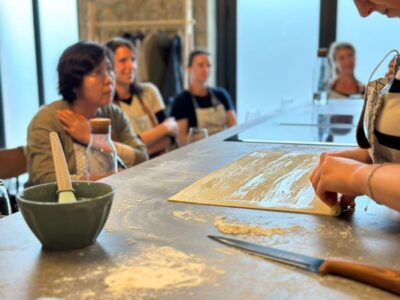
The first practical lesson is the pastry. This matters because some pastel de nata classes prepare the dough ahead of time and focus only on the filling. Here, you get to work through the pastry process as well, including the steps that create the flaky layers.
You then prepare the custard. The recipe produces the smooth, creamy filling that makes the finished tart so satisfying. Joana explains each stage clearly and adjusts her help to the group, so beginners can follow without feeling lost.
The class is designed to keep everyone involved. With a group of up to 10, people take turns or work in small teams. This is a sensible approach because it prevents one person from doing all the mixing and shaping while everyone else watches.
There is one small tradeoff. If you want to perform every single step yourself, a full group means you may not have time to handle all of them. One experienced baker appreciated learning the pastry but noted that making both pastry and custard can limit how much each person does at every stage.
Still, the class is practical rather than passive. You learn by handling ingredients, watching Joana’s technique, and asking questions as the work moves along. Her patient teaching style makes it suitable for first-time bakers, while experienced cooks can pay closer attention to the pastry method and family recipe.
Why the Family Recipe Matters
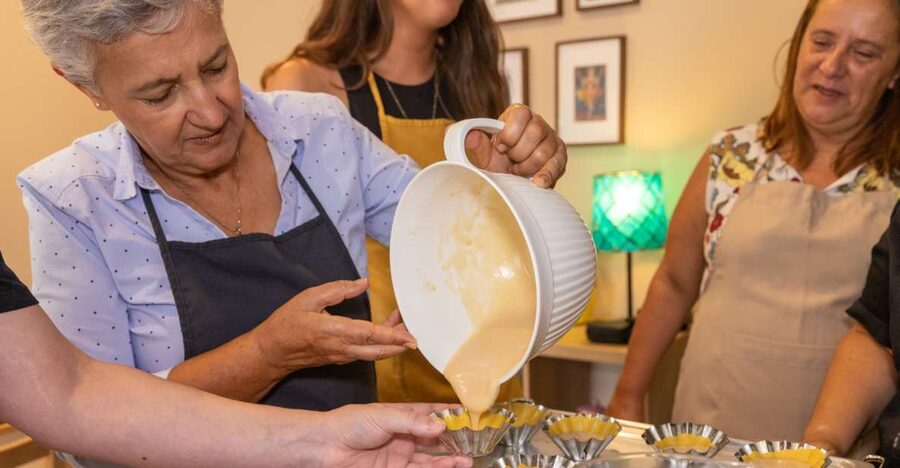
A pastel de nata recipe is not just a list of ingredients. Small details in rolling, shaping, and timing affect the final result. Joana’s method is taught with patience, and she makes sure the group understands the process before moving forward.
The family element also gives you a better sense of Portuguese food culture. The class includes time to learn about Joana and her family, not just instructions for making dessert. That personal exchange is valuable if you want an activity that connects food with everyday life.
The recipe is also a useful souvenir. Several people appreciated receiving it so they could reproduce the tarts at home. You leave with more than a snack, though the snack is a very good part of the deal. You leave with a recipe, new baking skills, and a better idea of why this pastry takes care and time.
Do not expect a formal culinary school setting. This is a home class, and that is exactly the point. The atmosphere is informal, friendly, and personal. If you prefer professional stainless-steel workstations and a tightly timed demonstration, you may find the apartment format less polished. If you like learning in someone’s home, it is a major advantage.
The Warm Pastry Finale
The class ends around the table, with the freshly baked pastéis de nata served warm. This is the moment when the earlier work pays off. You can see the flaky layers, break into the creamy custard, and compare the finished pastries with the ones you have tasted in Porto’s bakeries.
Drinks are included. You can choose from coffee, tea, and orange juice, all non-alcoholic. One person also mentioned being offered port wine, but treat that as an extra touch rather than a guaranteed part of the published inclusions.
The table setting adds to the sense of occasion. Instead of grabbing a tart at a counter and moving on, you sit down and share the results with the group. That makes the final tasting feel like a small Portuguese gathering.
It is also a good time to exchange Porto suggestions. Joana has shared local recommendations with people after the class, and the relaxed meal creates an easy opening for conversation. If you arrive alone, you are not left on the edge of the group. The format encourages people to work together and then eat together.
More Home Cooking Classes in Portugal:
- Khmer Cooking Class at a Local’s Home in Krong Siem Reap
★ 5.0 · 2,731 reviews - Siem Reap: Khmer Cooking Class at a Local’s Home
★ 5.0 · 1,108 reviews - Local Home Korean Cooking Class & Market Adventure in Seoul
★ 5.0 · 1,024 reviews - Marrakech: Moroccan Cooking Class with a Local Family
★ 4.9 · 668 reviews
A Small Group, But Not a Private Lesson
The class is limited to 10 participants. That is small enough for a home kitchen, but you should understand what small group means here. You will share the work, equipment, and teacher’s attention with other people.
The rotating system is a strong feature. It keeps the activity fair and gives the whole group a role. The pace also allows time for questions, help with technique, and conversation.
The social side can be a real bonus. People often attend with friends, partners, or family, but the class also works well if you are visiting Porto alone. The shared task gives you an easy way to meet people without the awkwardness of a formal group tour.
Families with older children may enjoy it, although the provided information does not specify a minimum age. The class is best for anyone comfortable standing and working in a kitchen. It is not suitable for wheelchair users, so check your needs before booking.
Getting to the Home From Central Porto
The home is roughly 10 minutes by car from Porto city center, but the fare can vary. Bolt or Uber is recommended, especially if you are a group of three or more. Splitting the ride can make this the fastest and cheapest option for a small party.
If you are driving, free street parking is available. That makes the class easier for visitors with a rental car, though you should allow enough time to find the house and arrive promptly.
Public transport is possible:
- From Bolhão, bus 800 or 801 takes about 20 minutes and stops across the street from the house.
- Bus tickets can be bought on board, but you need coins.
- From Trindade, take the Orange Metro Line to Fânzeres. The ride takes about 30 minutes, followed by a walk of about 700 meters, or roughly 10 minutes.
The bus is the most direct public option if the timing works for you. The metro is simple enough, but it takes longer than a car and ends with a walk. Build in extra time so you are not arriving flustered and late for a hands-on class.
Is $33 Good Value?
At $33 per person, this is a good-value food activity in Porto. The price includes the two-hour guided class, ingredients, cooking utensils, drinks, pastries, and the personal setting. You are paying for instruction and a meal-sized tasting, not just a bakery sample.
The recipe adds lasting value. A pastry class is more useful when you can repeat the dish after returning home, and Joana’s approach gives you the method rather than hiding the difficult parts. The fact that the dough is made during the class is important for anyone comparing this with shorter demonstrations.
You should also factor in transport. The class is not in central Porto, so a taxi or ride-hailing fare may add to the total. For a solo visitor, that extra cost matters more than it does for a group sharing a car. The public transport options keep the overall price reasonable, but they require more time.
For a rainy afternoon, this is especially practical. You get a warm indoor activity, a snack, and a chance to meet people instead of losing half a day to bad weather. It also suits a free morning or afternoon when you want something beyond churches, viewpoints, and walking tours.
Free cancellation up to 24 hours before the start gives you some flexibility, and you can reserve now and pay later. Starting times vary, so check availability for your dates.
Who Will Enjoy This Class Most?
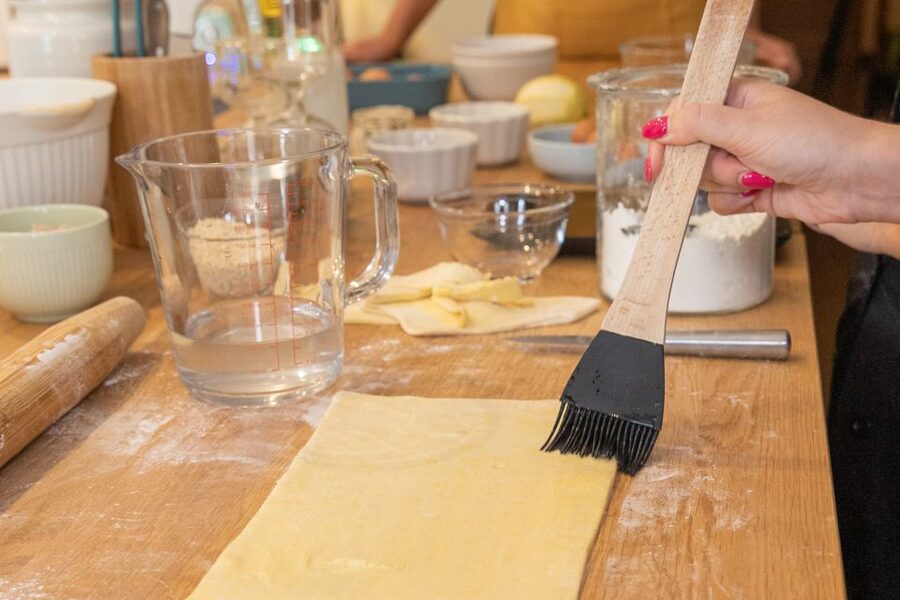
I would choose this class if you care about food, local homes, and doing rather than watching. It is a strong match for:
- Solo visitors who want an easy social activity
- Couples and friends looking for a shared food lesson
- First-time bakers who want patient guidance
- Experienced bakers curious about Portuguese pastry
- People who want a recipe they can use at home
- Anyone needing a cozy indoor plan for a rainy day
It may not suit you if you want a private class, a central location, or a fully professional kitchen. The class also requires a little flexibility because each person shares the tasks with the rest of the group.
The strongest qualities are Joana’s warm hosting, the hands-on format, and the chance to make the pastry from the beginning. The main compromises are the ride outside central Porto and the fact that a group of 10 means you may not personally complete every step.
Should You Book It?
Yes, if you want a personal food activity rather than a quick pastry tasting. The combination of Joana’s grandmother’s recipe, a real home kitchen, hands-on pastry work, and warm tarts at the end gives you a clear sense of place without taking over your day.
Book it with realistic expectations. Arrange transport in advance, bring coins if you plan to take the bus, and remember that this is a shared class, not a private baking lesson. For $33, the recipe and practical instruction make it one of Porto’s better-value food activities, especially if you plan to bake the tarts again at home.
FAQ
How long does the pastel de nata class last?
The class lasts two hours. Starting times vary, so check availability for your chosen date.
What is included in the price?
The price includes ingredients, cooking utensils, guided instruction, non-alcoholic drinks, and the finished pastries.
Is the class held in central Porto?
No. Joana’s home is about 10 minutes by car from Porto city center. You can also reach it by bus or metro, though public transport takes longer.
How can I get to the class by public transport?
From Bolhão, take bus 800 or 801, which takes about 20 minutes and stops across the street. From Trindade, take the Orange Metro Line to Fânzeres, then walk about 700 meters to the house.
Is the activity suitable for wheelchair users?
No. The activity is not suitable for wheelchair users.
Can I cancel or pay later?
You can cancel up to 24 hours in advance for a full refund. You can also reserve your place and pay later.
New cooking classes around Portugal
- Porto: Portuguese Cooking Class on the Terrace★ 5.0 · 2 reviews
- Porto: Cooking Class with Local Market Visit★ 5.0 · 15 reviews
- Porto: Local Market Tour & Cooking Class/Showcooking★ 4.9 · 32 reviews
- Porto: Coastal Villages Market & Seafood Cooking Tour★ 5.0 · 2 reviews
- Lagos: Market Tour and Cataplana Cooking Class★ 5.0 · 9 reviews
- Lisbon: Setúbal Market and Wine tour with Cooking class★ 5.0 · 4 reviews
- Lisbon: Traditional Portuguese Cooking Class★ 5.0 · 41 reviews
- Lisbon: Portuguese Cooking Class with Wine Tasting★ 5.0 · 4 reviews
Portugal Cooking Classes, side by side.
Porto: Pastel de Nata Cooking Class with Port Wine – Sé
Read our review →
Porto: Pastel de Nata Cooking Class from Scratch
Read our review →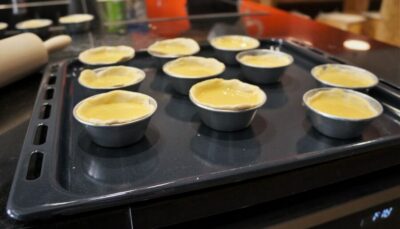
Lisbon Portuguese Cooking Class with 3-Course Dinner
Read our review →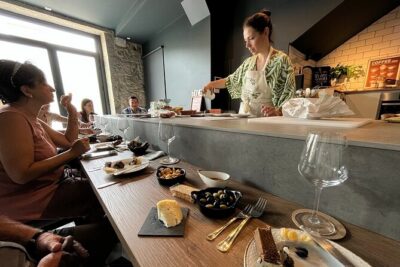
This kitchen also appears in