
Review · MEXICO CITY
Authentic Mexican Salsas Workshop
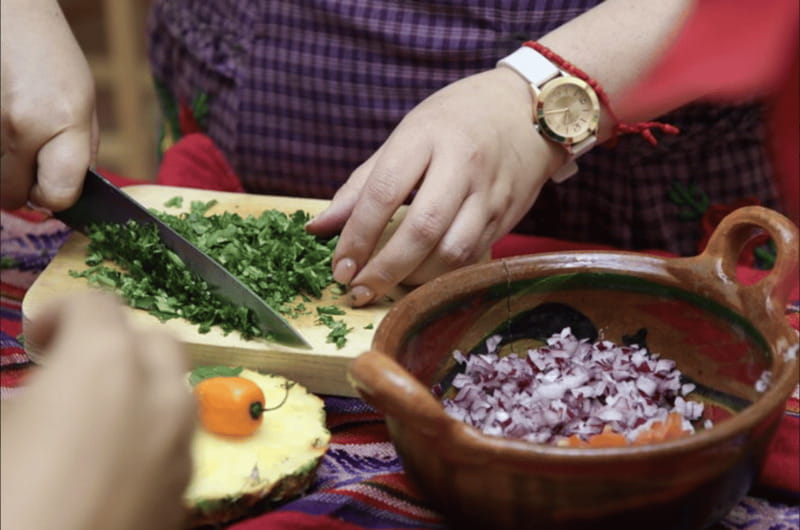
The best part of this 2.5-hour experience is that Mexican salsa becomes more than a dip. You start at Tacuba Market, choose fresh ingredients, then cook four styles of salsa: raw, fried, boiled, and roasted. Each method changes the taste, texture, chile heat, and personality of the finished dish.
I like the small group size, limited to 10 people, and the generous food. You make quesadillas to eat with the salsas, drink unlimited hibiscus tea, and take home a jar of fresh salsa. The main thing to consider is the setting: one rating found the walk between the plaza and cooking area uncomfortable, with homeless people along the route.
I also like that Oscar and Messli aim for a warm, personal class rather than a polished cooking show. The workshop is plant-based, recipes are included, and the price of $93 covers food, drinks, kitchen equipment, and the hands-on lesson, but not transportation.
Key points at a glance
- Four traditional salsa methods: Make raw, fried, boiled, and roasted versions, each with a different flavor and heat level.
- Tacuba Market shopping: Help choose fresh ingredients instead of finding everything already measured on a kitchen counter.
- Oscar and Messli as hosts: The class is led in Spanish and English, with a relaxed, friendly approach.
- A full meal is included: Eat quesadillas, totopos, salsa, snacks, and as much agua de Jamaica as you like.
- Take-home cooking: Leave with recipes and a jar of fresh salsa.
- A neighborhood setting: The meeting point is by an ancient church in Tacuba, but the walk to the cooking space may not suit everyone.
Starting at Tacuba’s ancient church
The experience begins at an ancient church in the heart of Tacuba. The meeting point matters because this is not a class hidden inside a hotel or a tourist-only cooking studio. You begin in a working Mexico City neighborhood, in a part of town whose history reaches back before the Spanish arrival.
From there, you walk a short distance to Tacuba Market. The supplied information does not give an exact walking time, so I would allow a little flexibility rather than arriving at the last second. Transportation is not included, so you need to make your own way to the church.
The location is also the main point that deserves honest attention. One participant from Mexico found the area unattractive and uncomfortable, particularly the walk between the plaza and the cooking location. The comment specifically mentioned homeless people along the route. That does not cancel out the food experience, but it is useful to know before booking. If you are sensitive to rougher urban surroundings, you may prefer to ask the host for precise meeting and cooking addresses before committing.
More Mexican Cooking Classes around Mexico:
- Cabo San Lucas Mexican Cooking Class Experience and Local Markets
★ 5.0 · 915 reviews - Mexican Cooking from Scratch in a Local Home in Tulum
★ 5.0 · 585 reviews - Authentic Mexican Legacy Cooking Class in Cabo San Lucas
★ 5.0 · 530 reviews
Shopping for ingredients at Tacuba Market
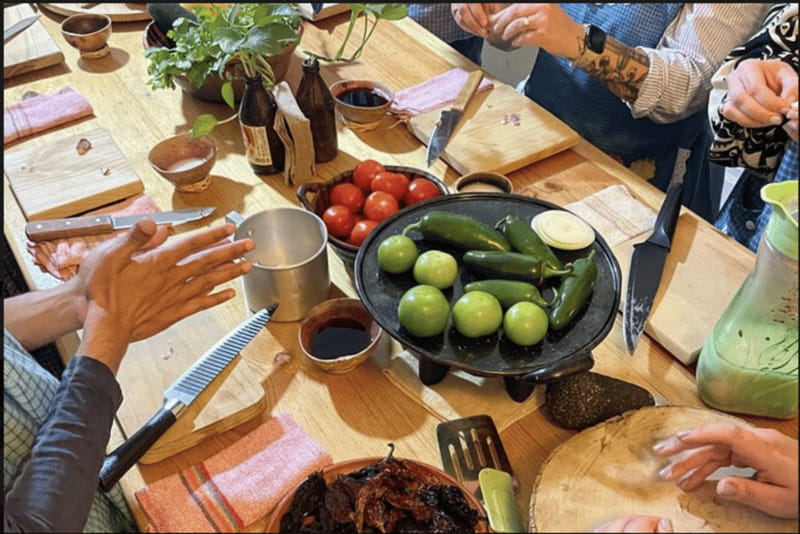
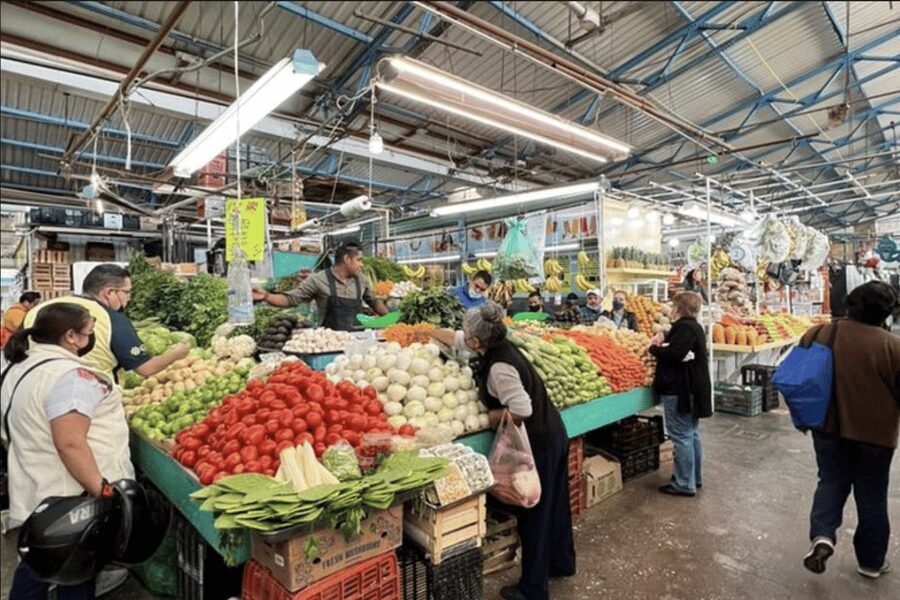
The market visit gives the class a practical beginning. Instead of simply receiving a bowl of tomatoes, chiles, and herbs, you see the ingredients before they reach the cooking table. You shop with the local chefs and learn what to look for when choosing produce.
That small step changes the lesson. Salsa is often treated as a simple mixture, but the result depends on the freshness of the ingredients and how the chile is handled. At the market, you can connect the finished food with what you saw in its original form.
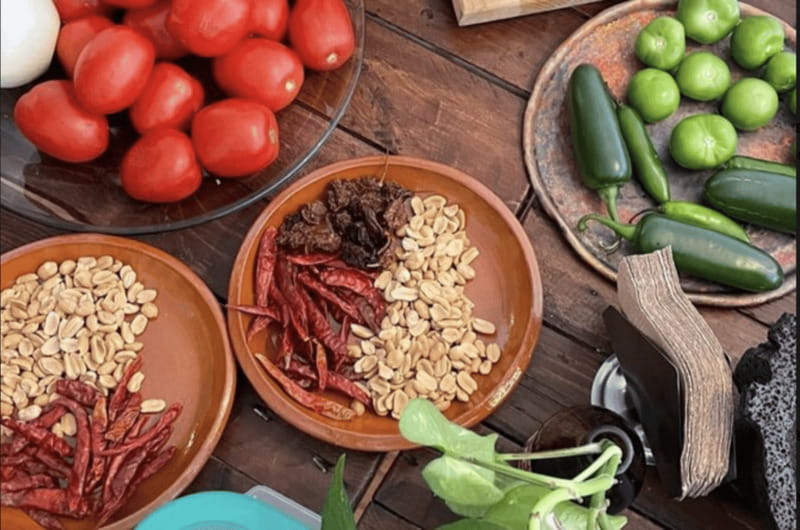
The class does not list every ingredient, so you should not expect a fixed menu of named salsas in advance. What is clear is that the group works with fresh market ingredients and prepares several plant-based salsas using different cooking methods.
The market also supports local commerce. Your spending is not limited to a cooking company or a private kitchen. Part of the experience is buying ingredients in a neighborhood market, which gives the activity a more direct local connection.
Four methods, four different salsas
The cooking lesson is built around four traditional methods: raw, fried, boiled, and roasted. This is the most useful teaching idea in the workshop because it shows you how technique shapes flavor.
A raw salsa keeps the fresh character of its ingredients. A fried salsa takes on a different depth as the ingredients meet hot oil. Boiling softens ingredients and creates another texture, while roasting brings a cooked, smoky quality. The host describes each salsa as different in personality, flavor, chile, and spicy level.
You are not just watching someone prepare the food. The class is hands-on, with instruction and taste-testing along the way. That gives you a chance to see how a salsa changes and to decide which style you prefer.
The tasting also helps with heat. The exact chile varieties and spice levels are not specified, so you should ask the hosts about the heat of the recipes if you are sensitive to spicy food. The class promises several levels of chile heat, but it does not promise that every salsa will be mild.
I like this format for a short cooking class because it gives you a clear framework without turning the session into a long culinary lecture. You learn four basic approaches, then take home recipes you can try again.
Quesadillas, totopos, and unlimited agua de Jamaica
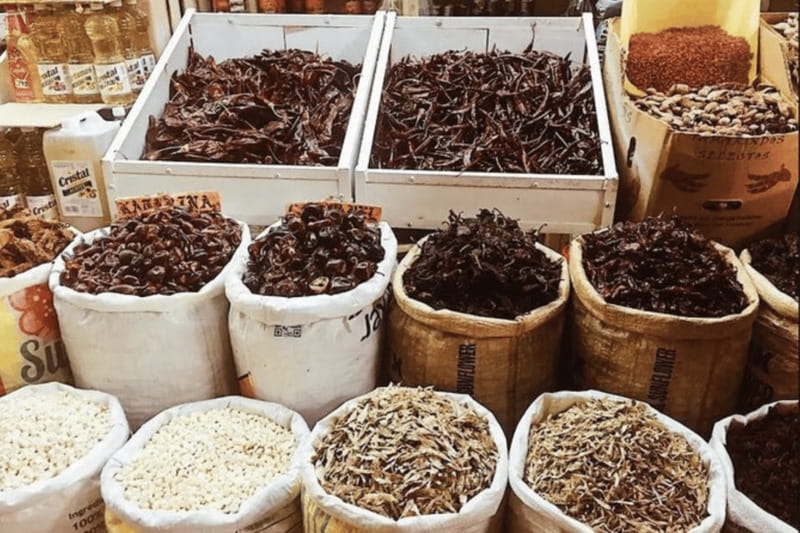
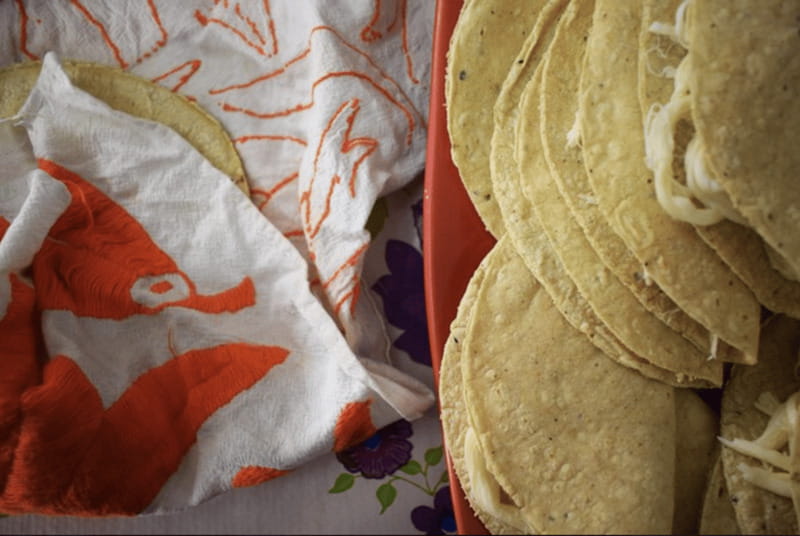
Once the salsas are made, the group cooks quesadillas together. You can eat as many as you want, so this is not a small tasting where you leave searching for dinner. Totopos, snacks, salsa, and agua fresca are also included.
The drink is agua de Jamaica, a hibiscus tea that adds a cool, tart balance to the chile and fried food. The amount is generous: unlimited Jamaica water is included during the experience. One highly positive account singled out the drink as a particularly good part of the meal.
The food is plant-based, including the salsas. The supplied information does not specify every quesadilla filling, so you should ask about ingredients if you have allergies or follow a strict diet. Plant-based does not automatically mean the food is free of every possible allergen.
The shared meal is a useful part of the class, not an afterthought. You eat the food you have just prepared, compare the salsas, and get a better sense of how each one works with a warm tortilla and crispy totopos.
Same kitchen, a different dish:
- Puerto Vallarta Cooking Class Experience with Market Tour
★ 5.0 · 698 reviews - Mexican Cooking Class with Food Market Visit in Mexico City
★ 5.0 · 506 reviews - Authentic Mayan Cooking Class in Cozumel
★ 5.0 · 344 reviews - Flavors of Oaxaca: Cooking Class with No Set Menu and Local Market Tour
★ 4.5 · 333 reviews
A small class with Oscar and Messli
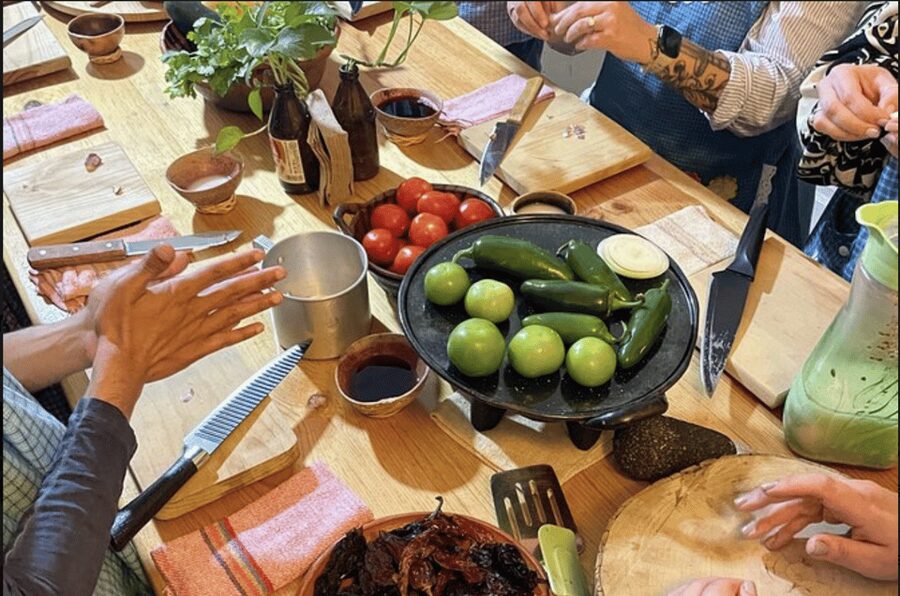
The group is limited to 10 participants. That is large enough for a social meal but small enough for direct instruction. In a cooking class, this matters. You want room at the work surface and a fair chance to handle ingredients rather than standing behind a crowd.
Oscar and Messli are the named hosts associated with the experience. Their style is described as warm, personal, and relaxed, with conversation and laughter built into the cooking. The class is offered in Spanish and English, and it may be conducted in more than one language at the same time.
That language point is worth considering. If the group includes both English and Spanish speakers, explanations may move between the two languages. For some people, that adds to the social feel. If you want a lesson entirely in one language, ask before booking.
The hosts can also arrange other private group menus, including burritos, tamales, pozole, ceviche, and fish tacos. Those are alternatives for private groups, not part of this standard salsa workshop, so do not assume you will cook them in the $93 session.
What the $93 price really covers
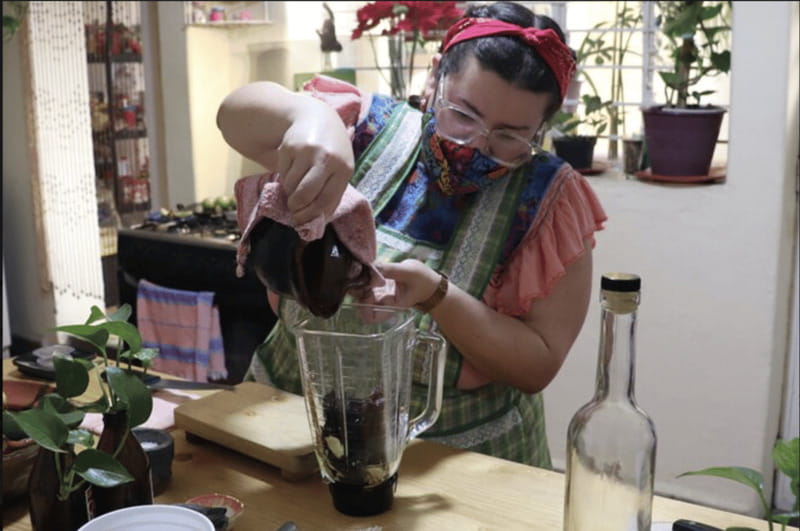
At $93 per person, this is not a bargain market snack or a quick demonstration. The value comes from the combination of a market visit, instruction, hands-on cooking, a filling meal, drinks, recipes, and a take-home jar of salsa.
You are paying for more than the final food. The experience includes time with local hosts, access to a neighborhood market, cooking equipment, ingredient shopping, and a lesson built around four different preparation methods. For a visitor who wants a practical food activity rather than another restaurant meal, that package is reasonable.
Still, the price is easier to justify for someone who will use the recipes later. If you only want to taste Mexican food, $93 may feel high. If you enjoy cooking and will repeat the salsa methods at home, the recipes and technique add lasting value.
Transportation is not included. Factor in the cost and time of reaching Tacuba on your own. The meeting point is an ancient church, not a hotel pickup, and no transfer service is provided.
A filling and useful souvenir
The class ends with two things you can carry away: recipes and a jar of fresh salsa. The jar is a more useful souvenir than a decorative trinket. You can eat it later, share it, or use it as a reminder to repeat the recipes at home.
The recipes are important because salsa depends on method as much as ingredients. Once you understand the difference between raw, fried, boiled, and roasted preparation, you have a base for experimenting with the produce available to you.
The jar also gives you an immediate taste of the class after you leave. Since the experience is built around fresh ingredients, follow any storage guidance the hosts provide. The available information does not state how long the salsa keeps or whether refrigeration is required.
Who will enjoy this experience most
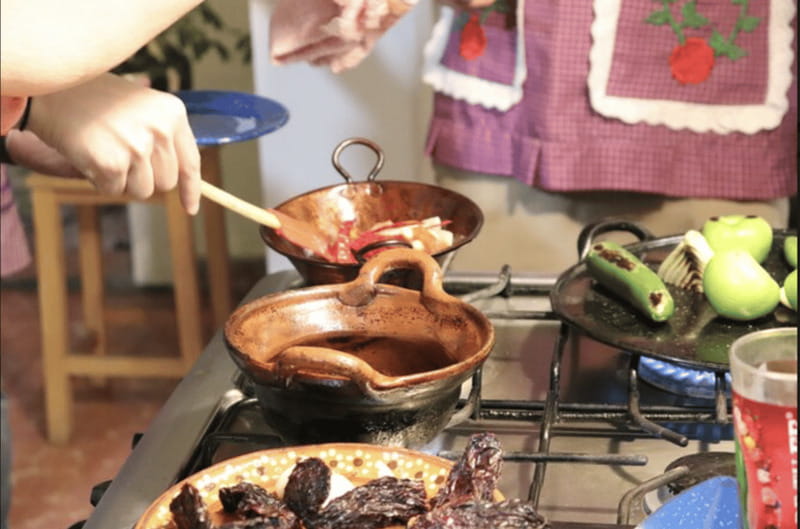
I would choose this workshop if you like food with a story, enjoy getting your hands busy, and want a meal that you help create. It also suits couples, families, friend groups, and company team-building sessions. The small group format should make it easier for people to work together.
It is a good fit for plant-based eaters because all the salsas are plant-based. It may also work well for mixed-language groups because instruction is offered in Spanish and English.
You may want to think twice if you prefer a polished culinary venue, dislike walking through rougher city areas, or want a fixed menu with exact dishes listed before arrival. The setting is part of the local character, but it is not the easiest choice for someone seeking a controlled, resort-style activity.
This is also not the right pick if you expect transportation, a private class, or a short tasting only. The standard format is a small shared group, and the full session lasts about two and a half hours.
Timing, cancellation, and planning tips
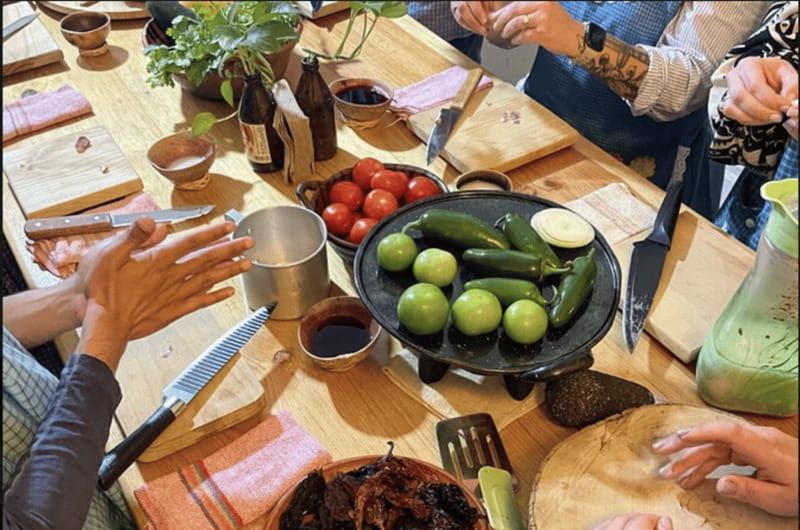
The activity lasts 2.5 hours, with starting times based on availability. You can cancel up to 24 hours ahead for a full refund, and you can reserve now and pay later. Those terms are useful if your Mexico City schedule is still changing.
I would wear comfortable clothing suitable for cooking and arrive ready to walk through the market. The listing does not provide a dress code or a detailed accessibility statement, so ask the host directly if you have mobility needs or require special arrangements.
If you have a food allergy, ask about the planned ingredients before the class. The food is plant-based, but the exact recipes, fillings, and preparation details are not listed in advance.
Should you book the salsa workshop?
Book it if you want hands-on Mexican cooking, a proper meal, and recipes you can use at home. The market stop, four salsa methods, friendly hosts, unlimited Jamaica water, quesadillas, and take-home salsa make this more substantial than a basic cooking demonstration.
Think carefully if the neighborhood setting concerns you. The food and hospitality receive very strong praise in the available ratings, but the location draws a clear warning from one participant. Ask for exact directions and the route between the church, market, and cooking space before booking.
For food-minded visitors, small groups, and team-building outings, I think the experience offers solid value at $93. It gives you something to eat, something to learn, and something to take home. Just choose it for the local setting as well as the salsas, because the two come together.
FAQ
Where does the salsa workshop take place?
The experience takes place in Tacuba in the State of Mexico, Mexico. You meet at an ancient church in the heart of Tacuba and then visit the nearby Tacuba Market before cooking.
How long does the experience last?
The workshop lasts 2.5 hours.
How much does the experience cost?
The listed price is $93 per person.
How many people can join the class?
It is a small-group experience limited to 10 participants.
Which languages are available?
Instruction is available in Spanish and English. The experience may be held in more than one language at the same time.
What kinds of salsa do you make?
You make four types of salsa using raw, fried, boiled, and roasted methods. The salsas differ in flavor, texture, chile, and spicy level.
Is food included?
Yes. The experience includes snacks, salsas, totopos, quesadillas, and agua fresca. Unlimited agua de Jamaica is included.
Do I take anything home?
Yes. You leave with a jar of fresh salsa and recipes.
Is transportation included?
No. You are responsible for reaching the meeting point and returning afterward.
New cooking classes around Mexico
- San Miguel de Allende: Mexican Cooking Class | Mole & Salsas★ 4.8 · 7 reviews
- San José del Cabo:Cooking Class +Margaritas & Mezcal tasting★ 4.8 · 12 reviews
- Puerto Escondido: Mexican Cooking Class, enjoy mexican food★ 5.0 · 9 reviews
- Playa del Carmen: Isa’s Authentic Mexican Cooking Class★ 4.9 · 18 reviews
- Playa del Carmen: Mexican Cooking Class★ 5.0 · 16 reviews
- PDC Traditional Mexican Cooking Experience★ 5.0 · 6 reviews
- Oaxaca: Vegetarian Cooking Class★ 4.8 · 139 reviews
- Oaxaca: Traditional Oaxacan Cooking Class with Market Visit★ 4.9 · 80 reviews
Mexico City Cooking Classes, side by side.
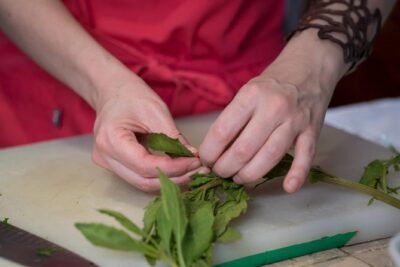
Mexican Cooking Class with Food Market Visit in Mexico City
Read our review →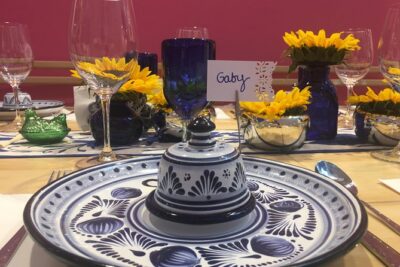
Essence of Mexico: Authentic Mexican Cooking Class & Market Tour
Read our review →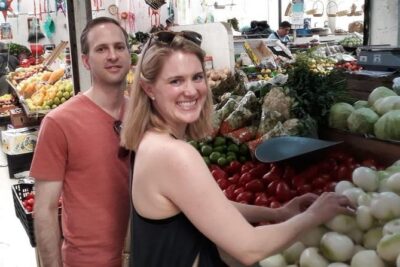
Mexican Cooking Class & Cocktails in Mexico City
Read our review →
Private Mexican Cooking Class with Gastronomic Historian, Lucia
Read our review →
Market tour, cooking class & three-course Mexican feast
Read our review →
Mexico City: Street Taco Cooking Class & Market Tour
Read our review →
Mexico City: Mexican Salsas Cooking Class and Market Tour
Read our review →This kitchen also appears in