
Review · BARI
Bari: Apulian Cooking Class – Fresh Pasta and Focaccia
Bari’s best food lesson gets you working with just a few humble ingredients: local semolina, water, flour, tomatoes, and good olive oil. With Juanita guiding you, you’ll shape orecchiette by hand, knead Bari-style focaccia, and sit down to eat the results with wine and coffee. You learn by doing, not by watching a chef perform behind a counter.
I like the central location, just minutes from Bari’s main station and near shopping streets and historic sights. I also like the warm family setting and Juanita’s patient teaching style, which includes practical tips you can use at home. The main consideration is the fixed 2.5-hour format: it gives you a taste of Apulian cooking, but not a full tour of Bari’s food culture.
Key points at a glance
- Handmade orecchiette: Mix semolina and water, then shape Bari’s famous ear-shaped pasta yourself.
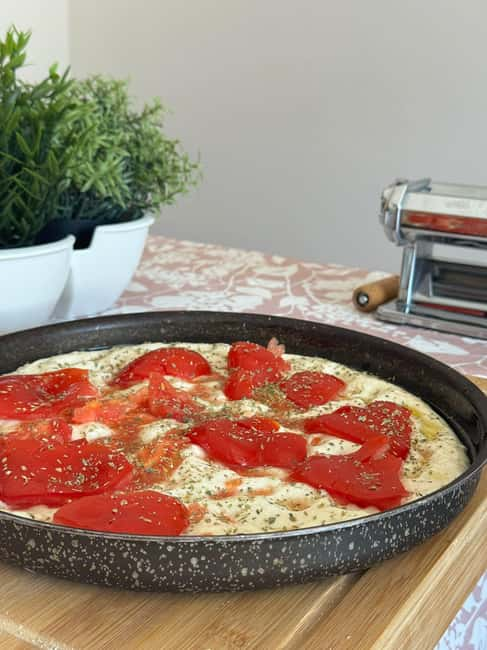
- Bari focaccia: Knead, top, and bake the local version, known for its crisp surface and soft center.
- Juanita’s instruction: Expect clear guidance in English or Italian, with traditional techniques linked to Apulian home cooking.
- Meal included: Eat your own pasta and focaccia with water, local wine, and coffee.
- Easy city location: The cooking lesson is close to Bari Centrale, shopping streets, and historic monuments.
- Flexible booking: You can cancel up to 24 hours ahead for a full refund, and reserve now without paying today.
Why this Bari cooking class feels personal
This is not a polished restaurant demonstration where you sit quietly and take notes. You work with the dough, make mistakes, adjust your technique, and learn why the texture matters. That hands-on approach is the real value.
The recipes are simple by design. Orecchiette needs semolina and water, while focaccia depends on dough, seasoning, and proper baking. Since the ingredient list is short, you can focus on the method. You are learning food that does not require a specialist pantry when you return home.
Juanita leads the lesson in English or Italian. Her teaching style is especially useful if you are new to fresh pasta. Clear instructions and patient correction matter when you are trying to make dozens of small pasta shapes by hand. You should expect an informal class rather than a formal culinary-school course.
The setting with a local family adds another layer. Apulian cooking is strongly tied to home kitchens, shared meals, and recipes passed from one generation to the next. The lesson gives you a practical look at that tradition without asking you to spend a full day outside the city.
More Pasta Making Classes in Italy:
- Florence: Pasta Cooking Class with Unlimited Wine
★ 4.9 · 10,285 reviews - 3 in 1 Cooking Class near Navona: Fettuccine, Ravioli & Tiramisu
★ 5.0 · 7,376 reviews - Florence: Pasta & Tiramisu Cooking Class with Unlimited Wine
★ 4.9 · 6,708 reviews
Starting with semolina and water for orecchiette
The pasta portion begins with the dough. You prepare it using local semolina and water, then work it until it reaches the right consistency. This is a good reminder that fresh pasta is less about fancy equipment than about touch.
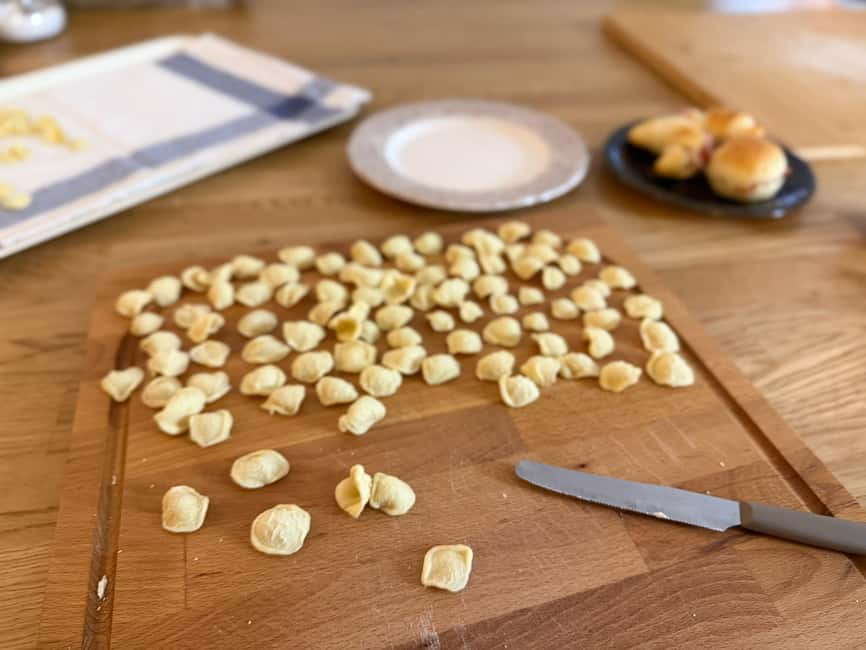
Orecchiette means little ears, and the shape is one of Bari’s signature foods. You will form small pieces and press or drag them into the familiar cup shape. It takes practice. Some pieces may look better than others, which is part of the fun and part of the lesson.
I like this section because it gives you a skill you can repeat at home. The useful takeaway is not only the shape, but also how the dough feels before you start cutting it. Juanita can show you the small adjustments that a written recipe cannot explain as well.
Do not expect to produce a restaurant-perfect batch immediately. Handmade pasta takes time, and the class is designed around the process. If you enjoy careful, repetitive work, you will likely find this relaxing. If you want instant results, the orecchiette section may feel slower than expected.
You also receive the recipes at the end. That matters because the class can become more than a holiday activity. You can use the instructions to practice again, perhaps with family or friends, once you are home.
Kneading and baking Bari-style focaccia
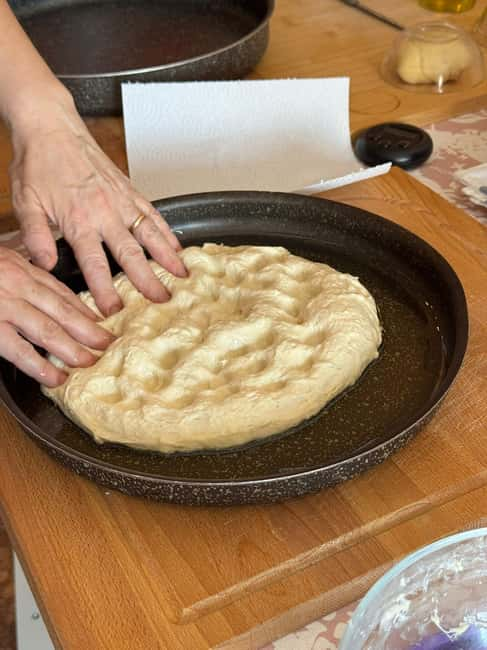
The focaccia section is more physical. You get your hands into the dough and learn how to prepare the Bari version, a local favorite with a crunchy outside and tender middle.
Focaccia is often treated as a simple snack, but the dough needs attention. Kneading, resting, topping, and baking all affect the final result. Juanita’s tips help you understand what to look for rather than blindly follow a list of measurements.
The Bari style is especially satisfying because the finished bread is meant to be eaten generously and casually. It works as a snack, part of a meal, or something to share at the table. The crisp texture also gives you a clear test of whether you handled the dough properly.
This part is well suited to people who enjoy cooking with their hands. You may end up with flour on your clothes or uneven edges on the bread. That is not a problem. The class is about learning the technique and enjoying the food, not creating a perfect photograph.
For anyone who has tried baking bread at home, the lesson can be useful because you receive direct advice on dough handling. For complete beginners, it offers a friendly introduction without committing you to a long baking course.
Sitting down to eat what you made
The class ends with a tasting of the dishes you prepared. You are served water, local wine, and coffee, along with a welcome drink during the visit.
This closing meal is important. Cooking becomes more memorable when you eat the results right away, while the process is still fresh in your mind. It also gives you time to enjoy the family atmosphere rather than rushing out as soon as the last dish is finished.
You may also receive additional homemade specialties. Juanita’s hospitality includes more than the two main recipes, according to the details of the experience. That makes the meal feel more like a shared table than a simple class tasting.
The wine is a natural match for the food, but you do not need to drink alcohol to take part. Water and coffee are included, and you should mention food allergies, intolerances, or ingredients you dislike before the lesson. Vegetarian options are available on request.
The class is a good pick for couples, families with older children, solo food lovers, and small groups of friends. It also suits you if you want an evening or midday activity that feels local but does not require a long transfer.
More Pizza Making Classes in Italy:
- Florence Cooking Class The Art of Making Gelato & Authentic Pizza
★ 5.0 · 2,053 reviews - Cooking Class in the Heart of Rome: Pizza and Tiramisu Making
★ 5.0 · 1,330 reviews - Rome: Traditional Pizza Cooking Class near Piazza Navona
★ 4.7 · 1,241 reviews - Rome: Combo Pizza and Pasta Cooking Class with Wine
★ 4.6 · 1,180 reviews
Location near Bari Centrale
The location is one of the most practical features. The class takes place just minutes from Bari’s central station and close to the city’s main shopping streets and historic monuments.
That makes it easy to fit into a city stay. You can schedule the lesson around a train arrival, a walk through the old center, or time spent shopping. Since the activity lasts 2.5 hours, you still have room in the day for other plans.
You should check the exact starting time when booking, since availability determines the schedule. The convenient location does not mean you can ignore timing, especially if you are arriving by train or planning a guided visit elsewhere.
Bari’s central setting also keeps the class focused. You are not spending much of the activity on transport. For a short stay, that is a real advantage. The lesson gives you a taste of local life while leaving the rest of the city open for exploration.
What the $101 price gives you
At $101 per person, this is not the cheapest way to eat pasta in Bari. You are paying for instruction, ingredients, a welcome drink, wine, water, coffee, the prepared meal, and the chance to learn recipes you can repeat later.
The value depends on what you want. If you only want lunch, a restaurant will likely cost less. If you want a personal food activity with practical instruction, the price is easier to justify. You are getting a meal plus a skill, and the recipe handout extends the value beyond the day itself.
The family setting also matters. A cooking class can feel generic when the instructor simply recites a script. Here, the focus on traditional techniques and home-style food gives the price more purpose. Juanita’s patient, detailed teaching is particularly valuable if you have never made orecchiette.
Still, you should book this for the activity, not just the meal. The class requires participation. You will knead, shape, and work with dough. If you prefer a relaxed tasting with no preparation, this is not the best use of your budget.
Timing, language, and practical details
The experience lasts 2.5 hours. That is long enough to cover both pasta and focaccia without taking up an entire day. You should allow extra time around the scheduled start if you have another appointment nearby.
Instruction is available in English and Italian. Some content may be presented in its original language, so you should be comfortable with a practical lesson that may include both languages.
Tell the provider about allergies, intolerances, or foods you do not eat before arriving. Vegetarian options are available on request, but specific dietary arrangements should not be left until the last minute.
The experience does not allow pets, except assistance dogs. Oversize luggage, bikes, scooters, mobility scooters, and several other large or wheeled items are not permitted. Smoking indoors is not allowed, and unaccompanied minors cannot attend.
The restrictions are worth noting if you are arriving directly from a train with heavy bags. Pack light for the class, and avoid bringing items that could get in the way while you work with dough.
You can cancel up to 24 hours in advance for a full refund. The reserve-now, pay-later option also helps if your Bari plans are still changing.
Who should book Juanita’s cooking class
I would choose this class if you want to meet a local host, learn two recognizable Apulian dishes, and eat a meal you helped prepare. It is especially good for food-focused visitors who want a break from museum visits and guided walks.
Families may like the tactile work of shaping pasta and kneading dough, though the no-unaccompanied-minors rule means children need to attend with an adult. Couples and friends get a shared activity with plenty of room for conversation during the meal.
The class also suits you if you want something practical. Orecchiette and focaccia are not just dishes to admire in Bari. They are recipes you can try again at home, and the included instructions give you a starting point.
I would think twice if you have severe dietary restrictions that make shared cooking difficult, or if you dislike hands-on food preparation. Also consider the language format if you need every explanation to be delivered only in English.
Should you book this Bari cooking class?
Book it if you want a personal, hands-on food lesson in a convenient central location. Juanita’s patient teaching, traditional methods, and homemade meal give the class more substance than a quick demonstration.
The main tradeoff is price. At $101, you are paying for instruction and hospitality as much as for food. That makes it worthwhile for anyone who values local contact and wants recipes to take home, but less appealing if your only goal is an inexpensive lunch.
For a short Bari visit, this is a smart way to spend 2.5 hours. You leave with full hands, a full stomach, and the know-how to make two Apulian staples again.
FAQ
How long does the Bari cooking class last?
The class lasts 2.5 hours. Check availability for the current starting times.
Where does the cooking class take place?
It takes place in Bari, just minutes from the central station and close to the city’s main shopping streets and historic monuments.
What dishes will I prepare?
You will prepare orecchiette using water and local semolina, then make and bake traditional Bari-style focaccia.
Is food and drink included?
Yes. The experience includes a welcome drink, water, local wine, coffee, and a tasting of what you prepare.
What languages are offered?
The instructor teaches in English and Italian. Some content may be shown in its original language.
Are vegetarian options available?
Yes. Vegetarian options are available on request. You should also share any allergies, intolerances, or foods you do not like before the class.
Can I cancel my booking?
Yes. You can cancel up to 24 hours in advance for a full refund.
Can I bring a pet or large luggage?
Pets are not allowed, except assistance dogs. Oversize luggage is also not allowed.
New cooking classes around Italy
- Sestri Levante: Pesto & Cooking Classes, Wine Tasting★ 4.9 · 56 reviews
- Sardinia Cooking Class: Fresh Handmade Pasta★ 5.0 · 53 reviews
- San Gimignano: Tuscan Cooking Class★ 5.0 · 2 reviews
- San Gimignano: Truffle Cooking Class with Wine Tasting★ 5.0 · 5 reviews
- San Gimignano: “Hands in dough” Cooking Class with Lunch★ 5.0 · 6 reviews
- Salento: Authentic Cooking Experience with Fresh Pasta and Local Products★ 5.0 · 8 reviews
- ROME:Hands-On Lasagna & Marsala Tiramisu Cooking Experience”★ 5.0 · 3 reviews
- Rome: Private Wine Tour and Pasta Making Class in a Winery★ 5.0 · 6 reviews
Bari Cooking Classes, side by side.
Bari: Pasta and Tiramisu Cooking Class with Wine
Read our review →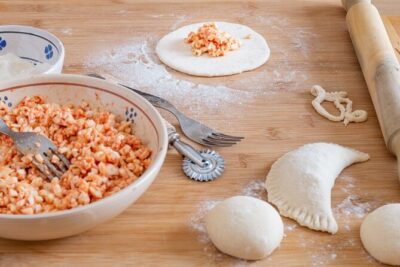
Apulian Cooking Class with Aperitif and Wine in Polignano a Mare
Read our review →
Bari Cooking Class: Traditional Focaccia & Orecchiette
Read our review →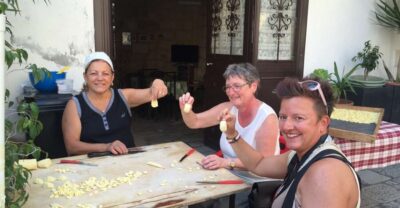
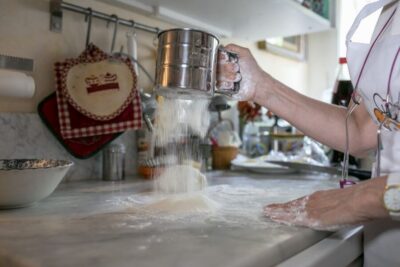
Bari: Pasta & Tiramisu Cooking Class at a Local’s Home
Read our review →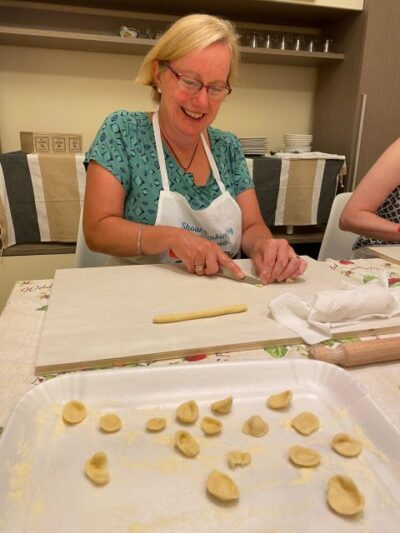
Cooking Class for Pasta Lovers in Polignano a Mare
Read our review →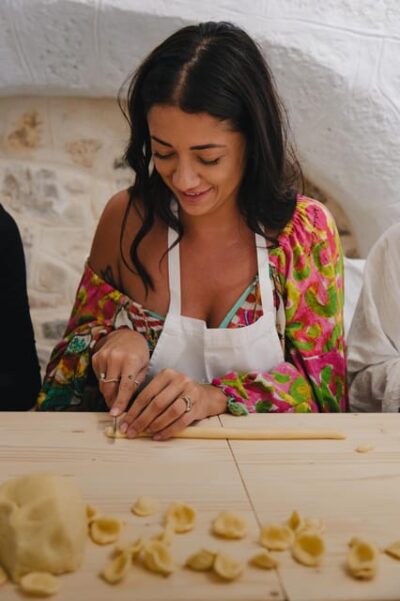
From Bari: Half-Day Polignano Tour & Apulian Cooking Class
Read our review →
This kitchen also appears in