
Review · ITALY
Brindisi: Cooking Class and Tasting in the Olive Grove
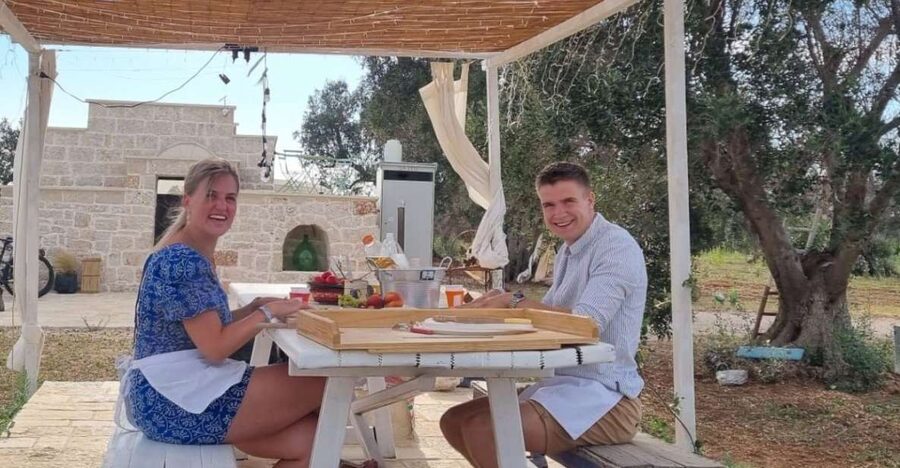
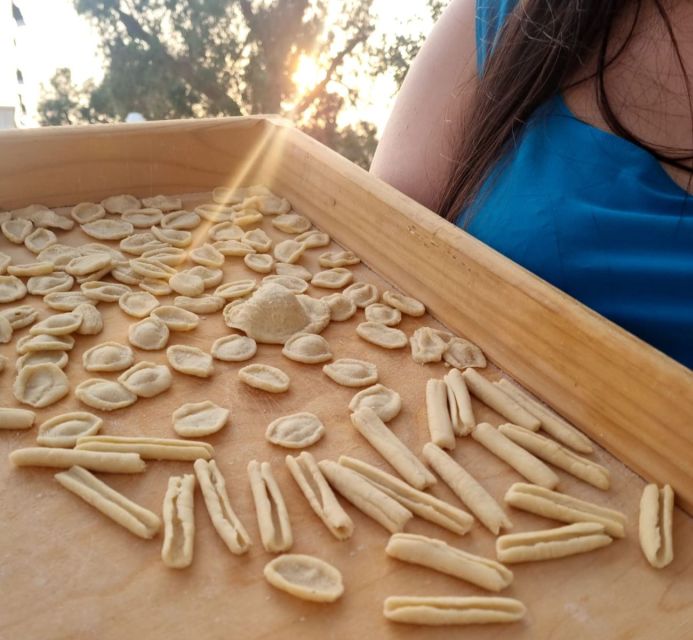
The best part of this Brindisi experience is that you do not simply watch pasta being made. You shape two famous Apulian forms with your own hands, then sit down to eat them among centuries-old olive trees. Orecchiette take their familiar shell shape, while strascinati keep a rougher, more rustic look.
I like the outdoor countryside setting and the fact that lunch or dinner is included, not added as an afterthought. I also like the small group size, which gives you more room to follow Antonella’s instructions and ask questions. The main consideration is practical: hotel pickup is not included, and the meeting point is identified by a signboard along the way, so you need to plan your arrival carefully.
Key points to know before booking
- You make two traditional pastas: Learn the shell-shaped orecchiette and the rough, hand-formed strascinati.
- The setting is rural and outdoors: Class takes place at a typical house surrounded by old olive trees and cultivated fields.
- Antonella leads the lesson: She teaches in Italian and English and explains the pasta-making process step by step.
- You eat what you prepare: Your class ends with lunch or dinner featuring the orecchiette and strascinati you made.
- Oil tasting is part of the experience: Local wine and water are also included.
- The group is limited to 10: This keeps the lesson personal without making it a private class.
Making pasta in a Puglian olive grove
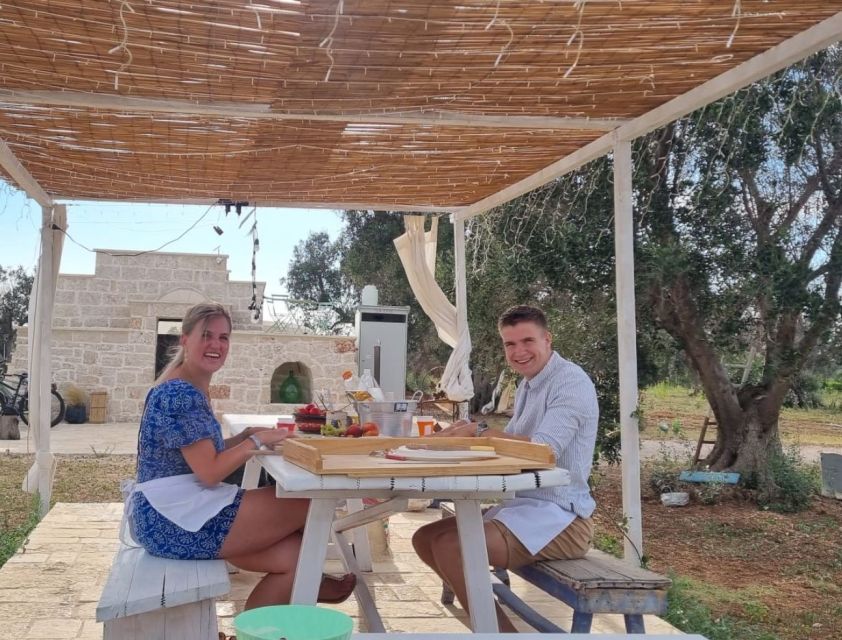
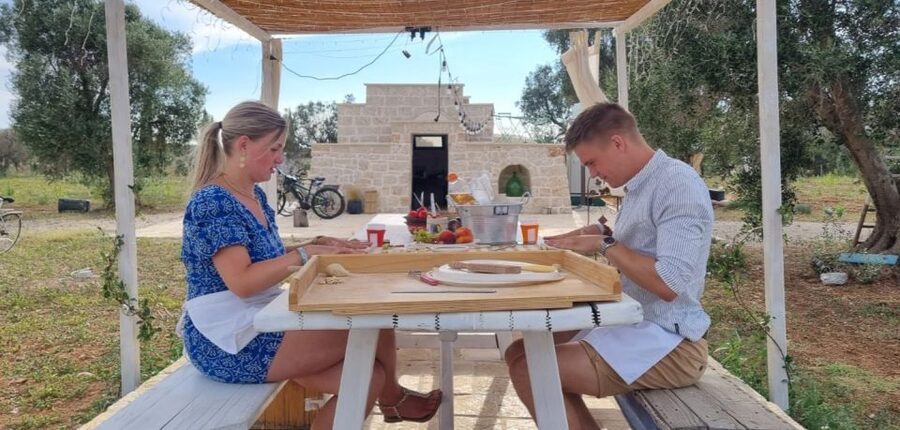
Puglia’s pasta tradition is wonderfully direct. The dough, the hands, the knife, and a little patience do most of the work. This class gives you a close look at that tradition in a rural home surrounded by old olive trees and working fields.
That setting matters. You are not sitting in a formal restaurant kitchen or watching a polished demonstration from several yards away. You are working in a countryside home where the food connects naturally with the land around you. The olive trees provide the backdrop, and the finished meal gives the class a clear purpose.
The experience lasts about two and a half hours. That is long enough to learn the basic motions, shape a good amount of pasta, and enjoy the result without turning the class into an all-day commitment. Starting times vary, so check the available session before you book.
Antonella leads the instruction in Italian and English. Her teaching style comes through in the details: she explains how to make perfect orecchiette and also introduces other pasta shapes during the lesson. That gives you more than a single recipe. You come away with a better sense of how small changes in pressure, motion, and shape affect fresh pasta.
More Farm Cooking Classes in Italy
- Cooking Class and Lunch at a Tuscan Farmhouse with Local Market Tour from Florence
★ 5.0 · 4,831 reviews - Hands-On Cooking Class & Farmhouse Tour on the Amalfi Coast
★ 5.0 · 956 reviews - Florence: Cooking Class at a Tuscan Farm & Local Market Tour
★ 4.9 · 354 reviews
Learning the shell shape of orecchiette
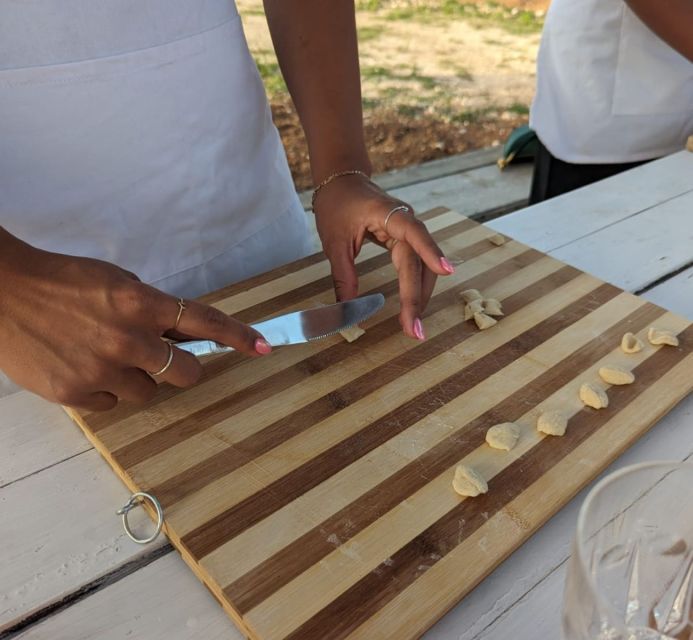
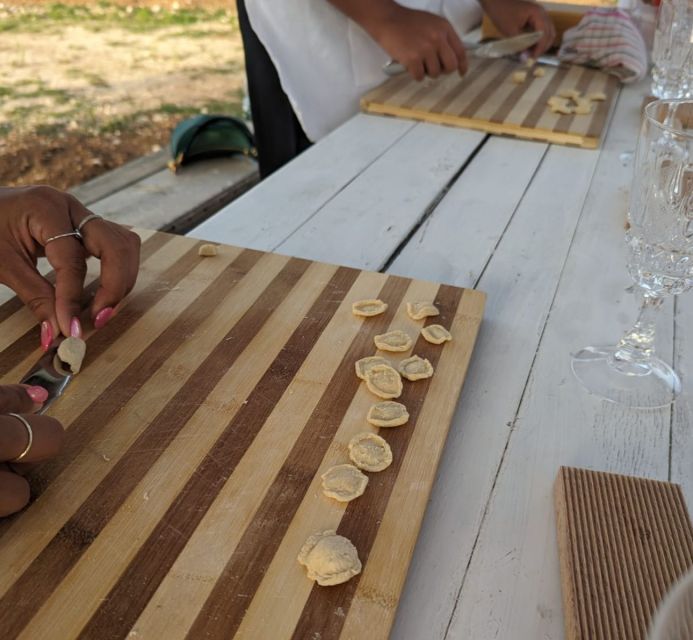
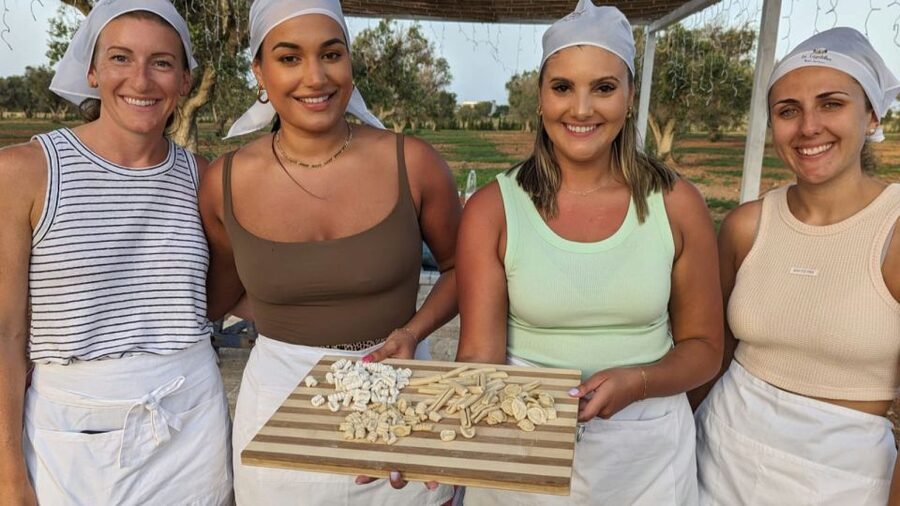
The first pasta, orecchiette, is the one most people recognize. Its name means little ears, and the shape is made by pressing and turning a small piece of dough until it forms a shallow shell with a slightly thicker rim.
The technique looks easy when a practiced hand does it. Your first few pieces may be uneven, too thick, or not quite shell-like. That is part of the fun, and the small group helps here. With no more than 10 people, you should have a reasonable chance to watch the movements closely and get help when your fingers need correcting.
The class takes you through the full process, starting with the raw ingredients. You learn how the dough is mixed, then how it is divided and shaped. The value is in the repetition. After a few attempts, the motion begins to feel less mysterious and more like a practical kitchen skill.
Do not expect factory-perfect pasta. Handmade orecchiette have personality, and the slightly varied shapes are part of their appeal. The goal is not to produce identical pieces. It is to understand the technique well enough to make the pasta again at home.
Giving strascinati their rustic form
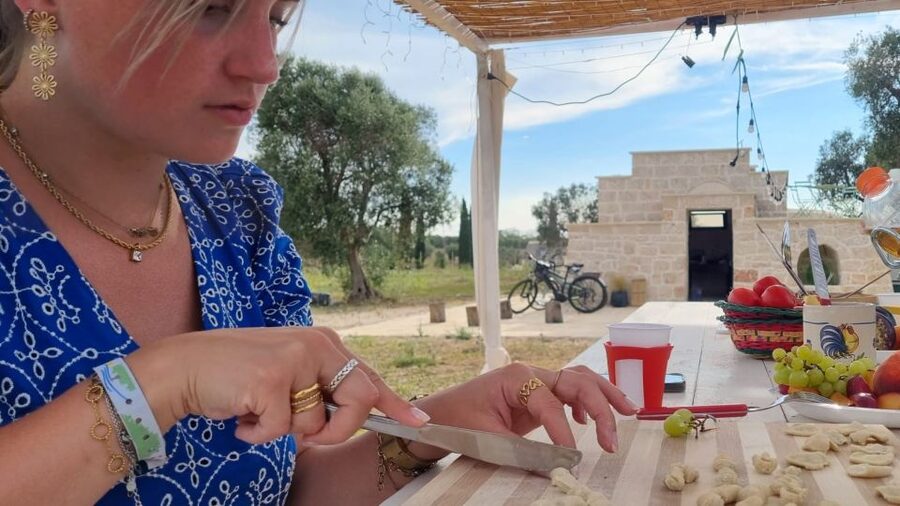
Strascinati provide a useful contrast to orecchiette. Instead of the neat shell shape, they have a rough, artisanal appearance created by pulling or dragging the dough across the work surface.
This second pasta keeps the class from feeling repetitive. You learn how the same basic dough can become something quite different through another hand movement. The result is less polished in appearance but just as traditional, and it gives sauces a different surface to cling to.
I like this pairing because it shows the range of everyday pasta-making in Puglia. Orecchiette teach you control and shape. Strascinati are more relaxed and rustic. Together, they make the class feel like a lesson in local cooking rather than a single novelty activity.
The supplied ingredients are included, so you do not need to bring raw materials or organize the cooking separately. Your job is to listen, practice, and keep making pasta until there is enough for the meal.
Eating your own pasta after class
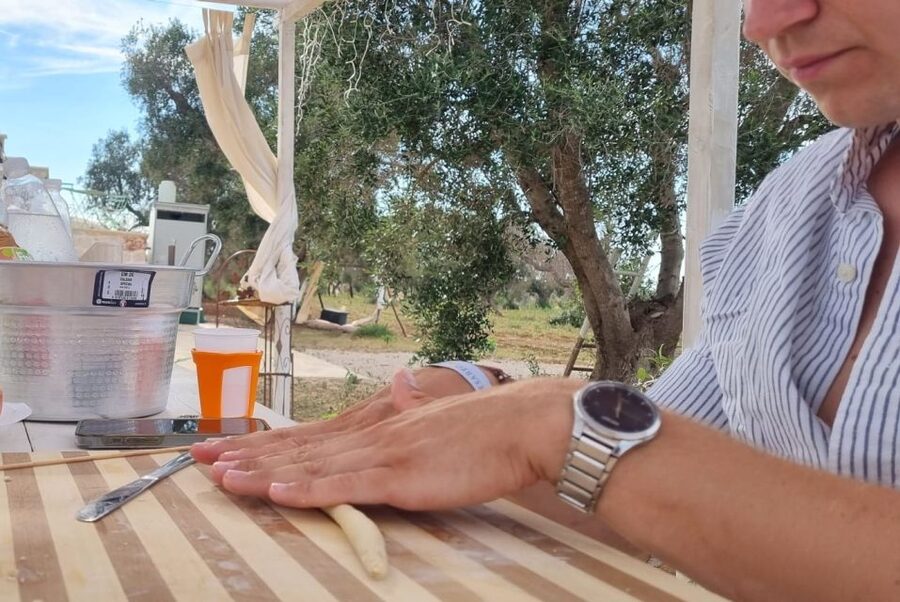
The class ends with the most important step: you eat the pasta you made. The included lunch or dinner features your orecchiette and strascinati, turning the lesson into a complete food experience rather than a demonstration followed by a quick goodbye.
That meal also gives you a chance to see how the two shapes work on the plate. The orecchiette’s little hollows and ridges have a different texture from the rough strascinati. Since you helped shape both, you will notice those differences more clearly than you would in a restaurant.
Local wine and water are included. The wine adds a simple Puglian touch to the meal, while the water keeps the arrangement straightforward. The experience is not presented as a long tasting menu. It is a homemade-style meal built around the pasta you have just prepared.
One useful point: do not treat the class as a snack stop. The advertised experience includes lunch or dinner, and the instruction specifically tells you to eat everything you make. Plan to be comfortably hungry when you arrive.
Same kitchen, a different dish:
- Florence: Pasta Cooking Class with Unlimited Wine
★ 4.9 · 10,285 reviews - 3 in 1 Cooking Class near Navona: Fettuccine, Ravioli & Tiramisu
★ 5.0 · 7,376 reviews - Florence: Pasta & Tiramisu Cooking Class with Unlimited Wine
★ 4.9 · 6,708 reviews - Florence: Pasta Cooking Class with Unlimited Wine
★ 5.0 · 6,413 reviews
Tasting Apulian olive oil among old trees
The oil tasting is another important part of the experience. Puglia is closely tied to olive growing, and the class takes place among centuries-old olive trees. Tasting oil in that setting gives the activity a stronger local connection than a generic cooking class in a city kitchen.
The available information does not specify how many oils you will taste or whether bread or other foods accompany them, so you should not expect a formal tasting flight with a fixed number of samples. What is clear is that oil tasting is included as part of the class, along with the pasta meal, wine, and water.
Pay attention to the setting as much as the tasting itself. The olive grove and cultivated fields explain why olive oil is such a central part of Puglian cooking. This is one of the quiet pleasures of the experience: the surroundings help you understand the food without needing a long lecture.
The rural house is described as typical and welcoming, but the experience is not presented as a tour of a farm or olive-oil production facility. Book it for the combination of cooking, eating, and tasting, not for a full agricultural visit.
What the two-and-a-half-hour schedule feels like
A two-and-a-half-hour class moves at a comfortable pace. You have time to receive instruction, practice both pasta shapes, and sit down for the meal. It is long enough to feel substantial but short enough to fit into a Brindisi sightseeing day.
The exact order of each activity is not specified, so the session may vary slightly. You can expect the main flow to include an introduction to the ingredients, dough preparation, shaping orecchiette and strascinati, cooking, the olive-oil tasting, and the shared meal.
Do not arrive expecting a quick photo stop. The hands-on part requires attention, especially when learning the shell shape. You will get more from the class if you put your phone away for a while and focus on the movement of the dough.
The timing also makes this a flexible choice for couples, families, and small groups looking for a food activity that does not take an entire day. Since starting times vary, check the schedule before arranging other plans around it.
Why the small group size matters
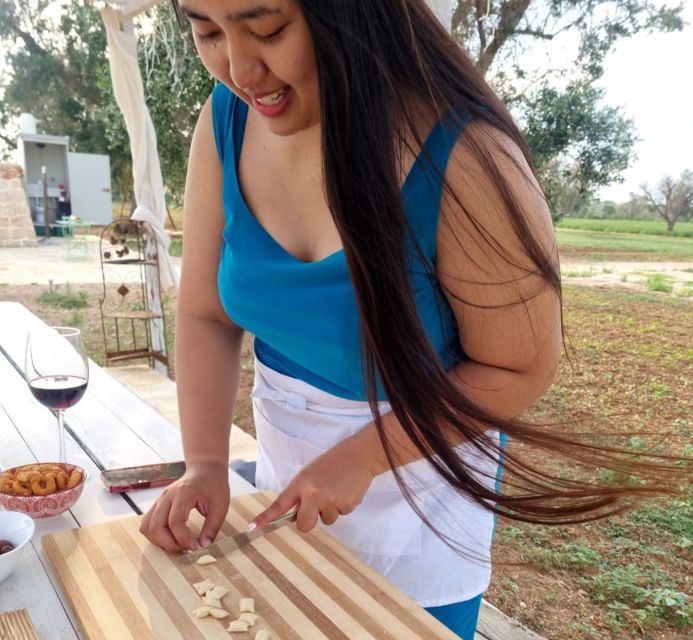
The group is limited to 10 participants. That is not the same as booking a private lesson, but it is small enough to make personal instruction possible.
For a pasta class, group size affects the experience more than it might at a standard cooking demonstration. You need to see the hand motion clearly, and you may need Antonella to correct the shape of a piece that does not look quite right. A smaller group gives you a better chance of receiving that kind of help.
The class is offered in Italian and English. That is useful if you do not speak Italian, especially during the technical sections on shaping the dough. The local language remains part of the setting, but English instruction is available.
Antonella is the key personal element here. Her teaching includes information about orecchiette, other noodle types, and the process behind the food. Her warmth and passion are repeatedly emphasized in the supplied comments, so you can expect the host herself to be a major part of the experience rather than simply someone managing the schedule.
Price, inclusions, and the real value
The listed price is $104.22 per person. At first glance, that may seem high for a two-and-a-half-hour activity, but the price includes more than instruction.
You receive the cooking class, all raw materials, the meal made from your pasta, an olive-oil tasting, local wine, and water. That combination makes the cost easier to assess. You are paying for a hands-on lesson, a countryside setting, and a prepared meal, not just a short demonstration.
The value is strongest if you enjoy food activities that leave you with a skill. You will not merely taste Puglian pasta. You will learn the basic motions for making two traditional shapes, and you can repeat them later with a little practice.
The value is weaker if you mainly want a formal olive-oil tasting, a large menu, or a full tour of an olive farm. Those features are not promised. The experience is centered on pasta-making, with oil tasting as an important extra.
Hotel pickup and drop-off are not included. You need to arrange your own way to the meeting point, which is marked by a signboard along the way. Since the exact transport details are limited, check the location carefully and allow time to find the sign before the class begins.
Who will enjoy this class most
I would recommend this experience to anyone who likes to understand a place through its food. You do not need advanced cooking skills. In fact, beginners may get the most from the class because the lesson begins with basic shaping techniques.
It is also a good fit for couples and small groups who want a shared activity that ends with a proper meal. The class gives you something to do together, and the handmade pasta provides an easy subject for conversation.
Families may enjoy it as well, though the supplied information does not state a minimum age or specific child arrangements. If you are booking with children, confirm the age policy before paying.
This is less suitable for someone who wants a passive tasting or a quick stop between major attractions. You will be handling dough and following instructions. The activity rewards participation.
It may also be a poor match if getting to a rural meeting point is difficult for you, since transportation from your hotel is not provided. The signboard meeting arrangement requires you to pay attention to directions and arrival details.
Practical booking advice
The experience allows free cancellation up to 24 hours before the start time for a full refund. You can also reserve now and pay later, which helps if your Brindisi plans are still shifting.
Before confirming, check three things:
- Starting time: Sessions vary, so match the class with your day’s plans.
- Meeting point: Look for the signboard along the way and confirm the directions in advance.
- Language: Instruction is available in Italian and English.
Wear something suitable for a hands-on cooking activity, though no specific clothing requirements are given. Since you will be shaping dough and eating a full meal, arrive ready to participate rather than dressed for a quick sightseeing stop.
The overall score is 4.9 from 18 ratings, and the strongest praise centers on Antonella. The comments describe her as a kind, enthusiastic teacher who explains the pasta carefully and adds information about other noodle shapes. That personal instruction is the strongest reason to choose this class over a larger, more commercial cooking demonstration.
Should you book the Brindisi pasta class?
Book it if you want a personal introduction to Puglian food, enjoy making things with your hands, and like the idea of eating your own work beneath old olive trees. The combination of orecchiette, strascinati, local wine, and oil tasting gives you a clear sense of the region’s everyday cooking.
Think twice if you need hotel transport, want a detailed farm tour, or prefer a formal tasting with a fixed menu and technical explanations. Those are not the focus here.
For most food-minded visitors, the price is reasonable because it covers instruction, ingredients, dinner or lunch, wine, water, and oil tasting. The small group and Antonella’s warm teaching style make the class feel personal. Just confirm the rural meeting point and starting time before you book.
FAQ
Where does the cooking class take place?
The class takes place at a typical rural house in the Puglian countryside, surrounded by centuries-old olive trees and cultivated fields.
How long does the experience last?
The cooking class and tasting last about 2.5 hours.
What pasta will I learn to make?
You will learn to make orecchiette, shaped like small shells, and strascinati, which have a rougher, more artisanal appearance.
Will I eat the pasta I make?
Yes. Lunch or dinner with the orecchiette and strascinati you prepare is included.
Is an olive-oil tasting included?
Yes. The experience includes an oil tasting, along with local wine and water.
What languages are available?
The instructor offers the class in Italian and English.
Is transportation from my hotel included?
No. Hotel pickup and drop-off are not included. You meet at the designated point, identified by a signboard along the way, and the activity ends back there.
New cooking classes around Italy
- Sestri Levante: Pesto & Cooking Classes, Wine Tasting★ 4.9 · 56 reviews
- Sardinia Cooking Class: Fresh Handmade Pasta★ 5.0 · 53 reviews
- San Gimignano: Tuscan Cooking Class★ 5.0 · 2 reviews
- San Gimignano: Truffle Cooking Class with Wine Tasting★ 5.0 · 5 reviews
- San Gimignano: “Hands in dough” Cooking Class with Lunch★ 5.0 · 6 reviews
- Salento: Authentic Cooking Experience with Fresh Pasta and Local Products★ 5.0 · 8 reviews
- ROME:Hands-On Lasagna & Marsala Tiramisu Cooking Experience”★ 5.0 · 3 reviews
- Rome: Private Wine Tour and Pasta Making Class in a Winery★ 5.0 · 6 reviews
Italy Cooking Classes, side by side.
Florence: Pasta Cooking Class with Unlimited Wine
Read our review →
3 in 1 Cooking Class near Navona: Fettuccine, Ravioli & Tiramisu
Read our review →
Cooking Class and Lunch at a Tuscan Farmhouse with Local Market Tour from Florence
Read our review →
Rome: Pasta Making Class with Wine, Limoncello, and Dessert
Read our review →

Rome Cooking Class: Make Pasta and 3 Spritz Cocktails
Read our review →
Rome: 3-in-1 Fettuccine, Ravioli, and Tiramisu Cooking Class
Read our review →
Rome: Fettuccine Pasta Cooking Class in Rome’s City Center
Read our review →This kitchen also appears in