
Review · CRETE
Cretan Cooking Class and Olive Oil Tasting
The heart of this experience is not a polished restaurant kitchen. It is a family farm near Moires, where Marianna and her mother, Mama Stella, guide you through Cretan cooking beside the olive trees. You prepare the food yourself, then sit down together for a generous meal with local wine.
I like the small maximum group of 12, which gives you a real role rather than leaving you to watch a demonstration. I also like the olive oil tasting, because it teaches you how to spot good oil and avoid bland or defective bottles later. The main consideration is transport: private pickup is not included, so you must make your own way to Cretan Vibes.
Key points to know before booking
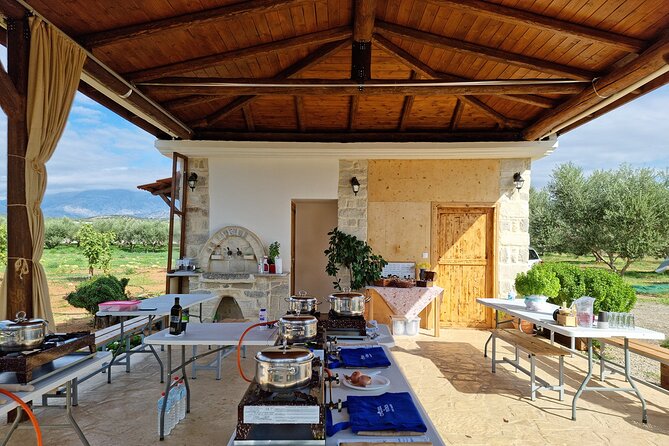
- Cook beside the olive trees: The class takes place in a purpose-built outdoor cooking and dining area on a family farm.
- Meet Marianna and Mama Stella: This mother and daughter team teaches the recipes and shares family traditions.
- Prepare a full Cretan meal: Expect dishes such as dakos, stuffed grape leaves, zucchini flowers, lamb, vegetables, and cheese-filled pastries.
- Taste olive oil with a purpose: You learn about aroma, bitterness, defects, extra virgin quality, and smart shopping.
- Leave with more than memories: Recipes arrive by email, photos are provided, and leftovers are packed for you.
- Plan for a rural meeting point: The class begins and ends at Cretan Vibes, near Moires, with no private transportation included.
A farm kitchen instead of a tourist performance
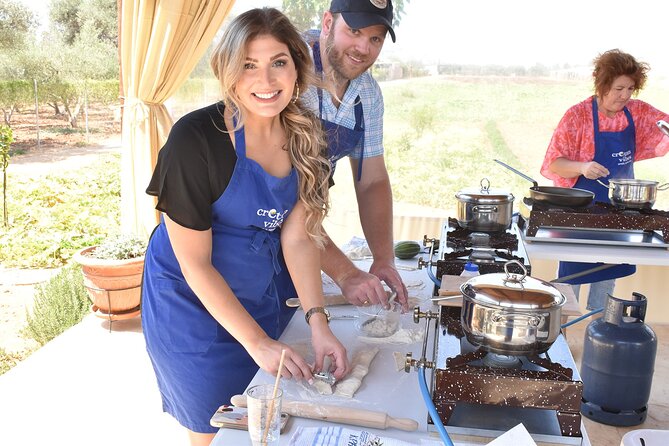
This Cretan cooking class works because you are not simply shown a few dishes and sent on your way. You chop, stuff, stir, season, and cook alongside the hosts. The class is designed for beginners, but experienced home cooks will also find useful ideas in the traditional methods.
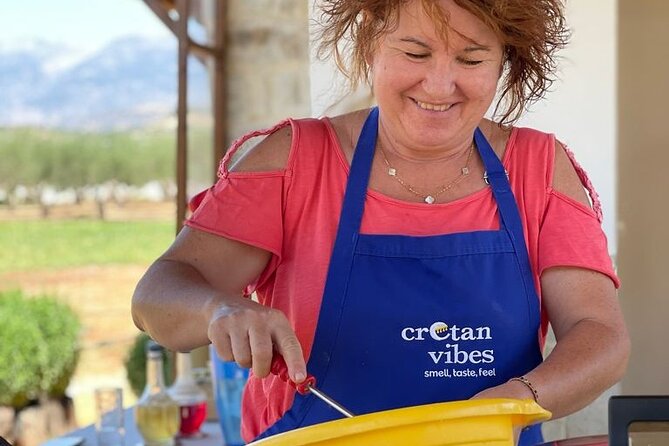
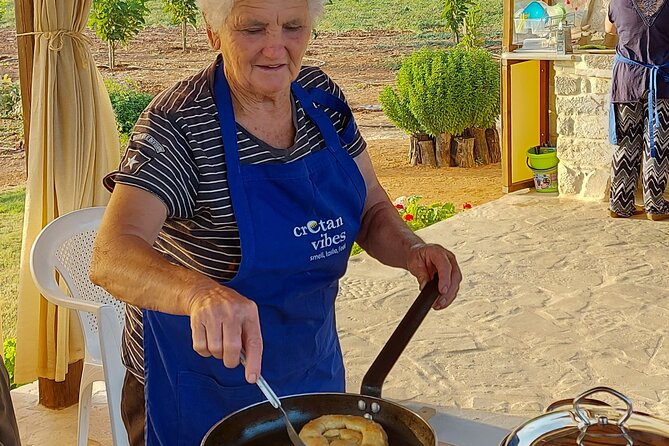
Marianna leads the class with Mama Stella, whose family recipes include cheese and other ingredients made at home. The family connection matters here. You are learning how food is prepared in one Cretan household, not following a generic Greek cooking script designed for a hotel kitchen.
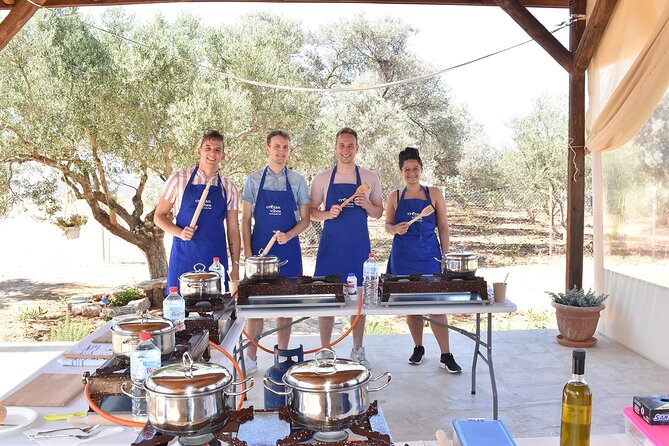
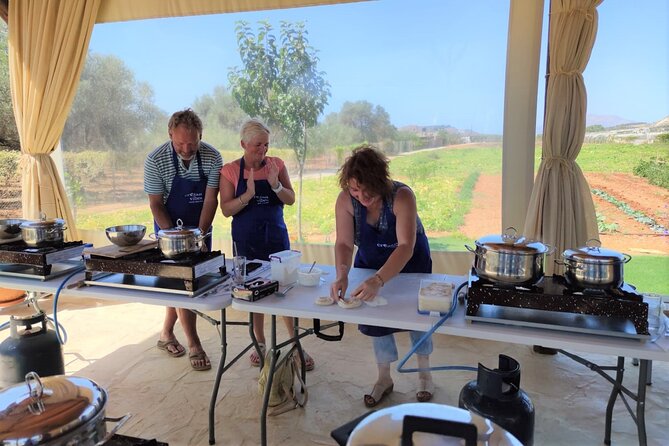
The setting adds a great deal. The cooking and dining area sits among olive trees and gardens, with an open, modern design that fits the farm. Several people have singled out the beauty of the kitchen and the calm atmosphere. If your Cretan holiday has mostly involved beaches, archaeological sites, and busy resort streets, this gives you a slower look at rural life.
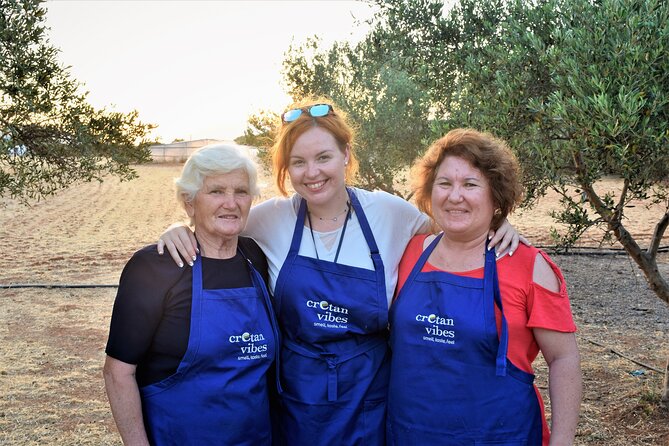
You may also meet other members of the family, including the grandmother connected with some of the homemade cheese. Family dogs and sunset views have added to the atmosphere for some groups, though the exact scene will depend on the season and weather.
More Greek Cooking Classes around Greece:
- Greek Cuisine Cooking Class in Santorini with Recipes and Wine
★ 5.0 · 969 reviews - Greek Cooking Class in Athens Including Rooftop Dinner with Acropolis View
★ 5.0 · 826 reviews - Greek Small-Group Athens Cooking Class & Dinner
★ 5.0 · 574 reviews
What the four-hour class feels like
The experience lasts about four hours, but it is not a four-hour lecture. The pace is organized and active, with enough time to prepare several dishes and still sit down for a proper meal.
On arrival, you receive a warm welcome, along with homemade refreshments such as Mama Stella’s lemonade, cinnamon drinks, coffee, tea, and water. Aprons and cooking ingredients are supplied, so you do not need to arrive with equipment.
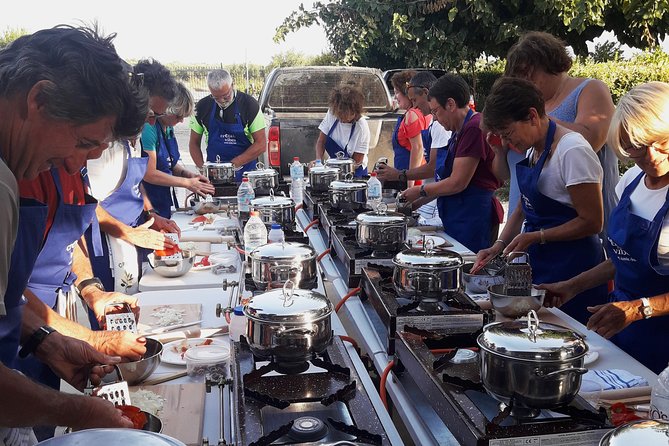
The class is 100 percent hands-on. You work at your own cooking station with utensils and pots, according to the group arrangements described for the experience. The hosts explain each step, then let you take part. That makes this a good choice if you want to understand technique rather than simply collect a recipe card.
The menu can change with the season. That is a strength, since Cretan cooking is tied closely to what grows locally. You might prepare artichokes picked from the garden, green beans, zucchini, tomatoes, fennel, grape leaves, or seasonal greens. You should not assume every listed dish will appear at every session, but you can expect a multi-course meal built around Cretan ingredients and methods.
The dishes you may prepare
The starter course may include Cretan dakos, one of the island’s most recognizable simple dishes. A crisp barley rusk is softened with fresh tomato, then topped with mizithra cheese, oregano, and extra virgin olive oil. It is a useful introduction to Cretan cooking because a few strong ingredients do most of the work.
Stuffed grape leaves, known locally as dolmadakia, add a more involved task. You learn how to fill and roll the leaves, then cook them so they hold together without becoming tough. Stuffed zucchini flowers provide another hands-on project and are described as a particularly special Cretan dish.
The main course depends on the session. Vegetarian and vegan preparations may include giaxni, made with green beans, potatoes, zucchini, tomato sauce, and ksinoxondros, a traditional Cretan product prepared by the family. This gives plant-based diners a substantial meal rather than a token side dish.
Meat-based dishes may include lamb with artichokes, potatoes, fennel, and tomato sauce. Other possibilities include avgolemono with pork or free-range chicken, leek or lettuce, potatoes, dill, eggs, and fresh lemon juice. Cretan stifado may be prepared with chicken, rabbit, or snails, while lamb with stamnagathi offers another classic local combination.
The menu has a real Cretan character, but some choices may be unfamiliar. If snails or rabbit are offered, you can decide how adventurous you want to be. Dietary restrictions have been accommodated for individual participants, but you should communicate them before the class rather than assuming substitutions will be possible on the day.
Dessert may be sarikopites or kalitsounia, pastries filled with fresh Cretan cheese and often finished with cinnamon. The dough is fried in the family’s own extra virgin olive oil. These are not complicated sweets, but they show how cheese, pastry, and olive oil appear across both savory and sweet cooking.
Why the olive oil tasting matters
Many visitors buy olive oil in Greece without knowing what they are tasting. This class gives you a practical way to judge it.
As an olive-growing family, the hosts explain how to recognize authentic extra virgin olive oil. You learn to notice aromas, flavor, and bitterness, and to identify defects found in lower-quality oils. The point is not to turn you into a professional taster. It is to help you choose a better bottle at a market or grocery store once you leave Crete.
The tasting also puts the meal into context. Olive oil is not just a finishing touch on the dakos or a cooking medium for dessert. It is one of the foundations of Cretan food, agriculture, and family life. You also watch a video about the family olive harvest, which offers a look behind the scenes of how the oil begins.
I consider this one of the best parts of the experience for practical value. A cooking class gives you recipes to recreate. An olive oil lesson gives you a skill you can use every time you shop.
More cooking classes around Greece:
- Athens: Classic Cooking Class with Market Visit and Wine
★ 5.0 · 1,101 reviews - Athens: Food Market Visit and Cooking Class with Wine
★ 4.9 · 1,087 reviews - Naxos: Half-Day Cooking Class at Basiliko Family Tavern
★ 5.0 · 887 reviews - Exclusive Cooking Experience in our Cave Home by Petra Kouzina
★ 5.0 · 572 reviews
The meal after the cooking
Once the cooking is finished, you sit down to eat what the group has made. Local wine is included, along with handmade refreshments, coffee, tea, and water.
The meal is described as full and generous, not a few sample bites. Groups have had enough food to take leftovers away, and the hosts pack them carefully. That is a welcome touch, especially if you are staying in an apartment or want a late-night snack after returning to your accommodation.
The shared table is also a social part of the class. Group size can reach 12, so you may be cooking and dining with people from several countries. At quieter times, the class may be much smaller, even just two couples or one small party. A smaller group means more direct help and a more personal exchange, while a full group brings more conversation and energy.
This is not the right pick if you want a private meal with no interaction. It is a sociable experience by design. You are expected to work together, talk, and share the food at the end.
Setting, timing, and practical planning
The meeting point is Cretan Vibes, at Ethniki Odos in Moires, Crete, postal code 704 00. The activity returns to the same meeting point. Private transportation is not included, so check your route carefully before booking.
The location is rural and beautiful, but that also means you should not treat it like a central Heraklion activity. The class is particularly convenient if you are staying near Moires or arranging your own transport from the Heraklion area. Public transportation is nearby, but the supplied details do not specify a pickup service or exact bus directions.
The activity is offered in English, and confirmation is provided when you book. A mobile ticket is accepted. It is wise to allow extra time for reaching the farm, since arriving late could mean missing the opening instructions or the first cooking task.
The class needs good weather because much of the appeal comes from the open-air setting. If poor weather cancels it, you can receive a different date or a full refund. The experience also requires a minimum number of participants, so a cancellation for that reason is handled with a new date, another experience, or a full refund.
Service animals are allowed. The maximum group size is 12, which keeps the class relatively personal without promising a private lesson.
Is the $114.93 price fair?
At $114.93 per person, this costs more than a simple restaurant meal, but the comparison is not quite fair. You are paying for about four hours of instruction, a full meal, local wine, refreshments, ingredients, an olive oil tasting, recipes, photos, and packed leftovers.
The value is strongest if you care about food and want an experience you can take home. You are not only eating traditional dishes. You are learning how they are assembled, hearing why ingredients matter, and getting recipes by email afterward.
The price is less attractive if you are mainly looking for a quick tasting or a low-cost evening meal. You also need to cover your own transport to Moires. Still, the amount of food, the length of the session, and the personal teaching make the cost reasonable for a half-day cultural activity.
The class is booked an average of 41 days ahead, so advance planning makes sense, especially if your Crete schedule is fixed. That booking pattern also means you should not wait until the last few days of a short holiday.
Who will enjoy this most?
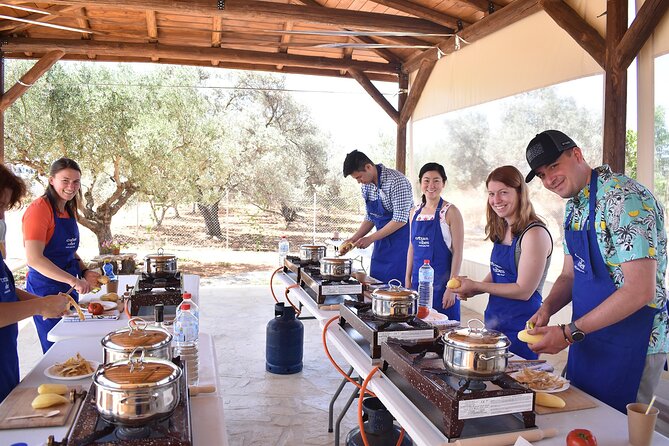
I would choose this class if you like to cook, eat generously, and meet people at a shared table. Beginners are welcome, and the hosts are patient with people who lack confidence in the kitchen. You do not need advanced skills to take part.
Families can also enjoy it. A group ranging from children aged nine to adults in their seventies has taken part successfully, and the hands-on format gives different ages something to do. Parents should still consider whether their children will enjoy several hours of food preparation.
Vegetarians and vegans have a clear path through the menu because giaxni is one of the possible main dishes. People with allergies or other dietary restrictions should contact the hosts in advance. One dietary restriction was accommodated with care, but it is better to confirm your needs before arrival.
This is also a good fit if you want to get away from the crowds. The farm setting, family hosts, olive harvest video, and garden ingredients offer a more personal view of Crete than a standard city food tour.
Who may want a different activity?
You may prefer another option if your schedule cannot spare four hours, if you dislike group activities, or if you want a fixed menu with no seasonal changes. The class involves active preparation, so it is not a sit-back-and-watch demonstration.
It may also be inconvenient if you are relying entirely on arranged hotel transfers. Since private transportation is not included and the meeting point is near Moires, check the journey before paying.
Finally, open-air cooking depends on the weather. A cancellation policy protects you if conditions are poor, but it can still disrupt a tightly planned itinerary.
Should you book Cretan Vibes?
Book it if you want to understand how Cretan food works at home, not just taste it in a restaurant. Marianna and Mama Stella offer a warm mother and daughter teaching team, a beautiful farm setting, active cooking, and a useful olive oil lesson.
The strongest reasons to go are the personal instruction, the chance to prepare several dishes, and the practical extras: emailed recipes, photos, wine, and leftovers. Just arrange your own transport, allow enough time to reach the farm, and confirm any dietary needs before you arrive.
For food lovers, families, and curious first-time visitors to Crete, this is a well-rounded half-day experience with real value. If you want a fast tasting or a city-center activity, choose something else.
FAQ
How long does the Cretan cooking class last?
The experience lasts approximately four hours.
Where does the class begin and end?
It begins and ends at Cretan Vibes, located on Ethniki Odos in Moires, Crete, postal code 704 00.
Is private transportation included?
No. Private transportation is not included, so you must arrange your own way to and from the meeting point.
How many people can join the class?
The maximum group size is 12 people.
Is the class offered in English?
Yes. The experience is offered in English.
What food will I prepare?
Possible dishes include dakos, stuffed grape leaves, stuffed zucchini flowers, vegetarian giaxni, lamb with artichokes, avgolemono, stifado, lamb with stamnagathi, and cheese-filled pastries. The menu may vary by season.
Is a full meal included?
Yes. You eat a full meal after the class, accompanied by local wine.
Is the olive oil tasting included?
Yes. A premium olive oil tasting is included, along with instruction on aromas, flavors, bitterness, defects, and choosing olive oil when shopping.
Do I receive recipes after the class?
Yes. Recipes are sent to you by email. Photos of the experience are also provided.
Can I take food home?
Yes. Leftovers are packed for you to take with you.
What happens if bad weather cancels the class?
You will be offered a different date or a full refund if poor weather causes the cancellation.
Can I cancel my booking?
You can cancel up to 24 hours before the start time for a full refund. Cancellations or changes made less than 24 hours before the experience are not accepted for a refund.
New cooking classes around Greece
- Savor Rhodes: 11-Dish Wine Pairing and Cooking Adventure★ 4.4 · 12 reviews
- Santorini: Hands on Cooking Class with a Chef★ 4.7 · 16 reviews
- Santorini: Cooking Class with a Professional incl. Full Meal★ 5.0 · 2 reviews
- Santorini: Vineyard and Winery Tour with Cooking Class★ 4.9 · 5 reviews
- Santorini: Greek Cooking Class with Wine Tasting★ 5.0 · 7 reviews
- Santorini Cooking Class with Wine Tasting & Lunch★ 4.9 · 36 reviews
- Santorini: Cooking Class with a Chef at the Ftelos Brewery★ 4.8 · 33 reviews
- Rhodes: Winery Tour, Tasting and cooking with the Winemaker★ 4.8 · 21 reviews
Crete Cooking Classes, side by side.
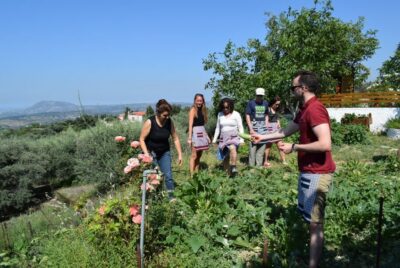
Chania: Authentic Cooking Class in the White Mountains
Read our review →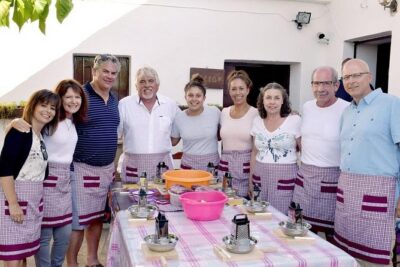
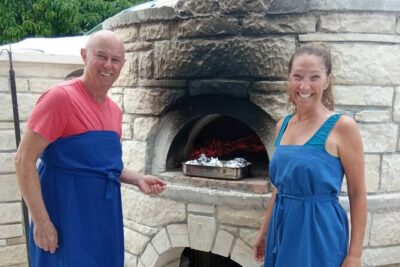
Chania Cooking Class-The Authentic Enjoy traditional Cretan meal
Read our review →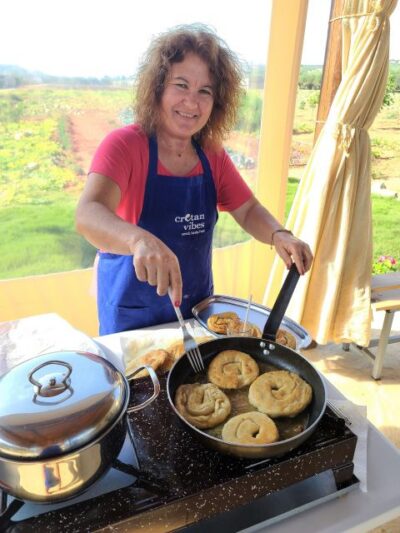
Moires: Cooking Class and Olive Oil Tasting at a Family Farm
Read our review →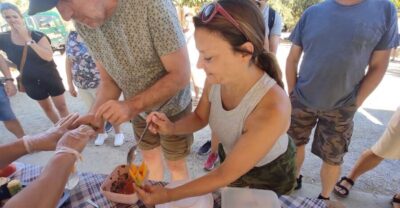
Crete: Sightseeing Day Trip with Cooking Lesson and Lunch
Read our review →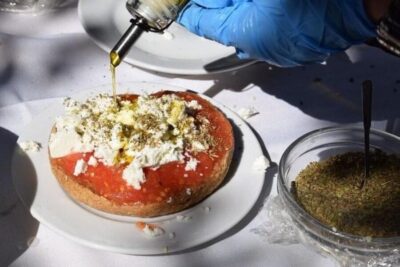
Heraklion: Cretan Cooking Lesson with Lunch in Arolithos
Read our review →
This kitchen also appears in