
Review · GENOA
Genova Cooking Class with Tasting
The heart of this Genoa experience is the chance to make pesto Genovese the proper way, with fresh basil and pine nuts, then eat it with the other dishes you prepare. I like that the class puts local professionals in charge, and that the group is limited to 10 people, so the cooking should feel personal rather than factory-line.
I also like the mix of hands-on work and tasting. You work the focaccia dough, prepare thin cheese-filled focaccia, and make Canestrelli biscuits from the hills near Genoa. The main drawback is that the class is not suitable for wheelchair users, and you should contact the local partner ahead of time about any food allergy.
Key points at a glance
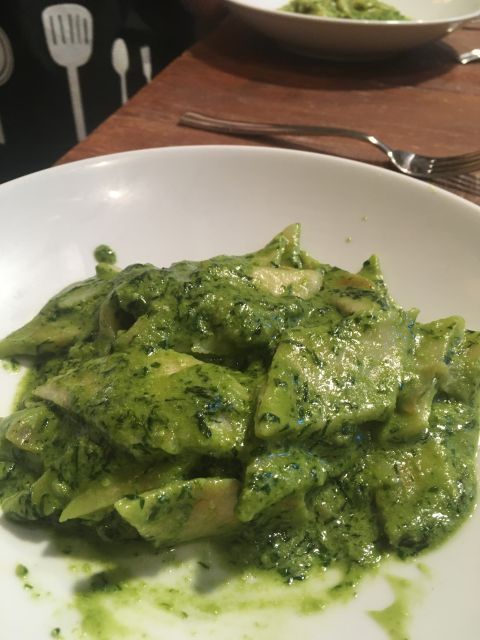
- Pesto made in Genoa: Learn the small details behind the city’s famous basil and pine-nut sauce.
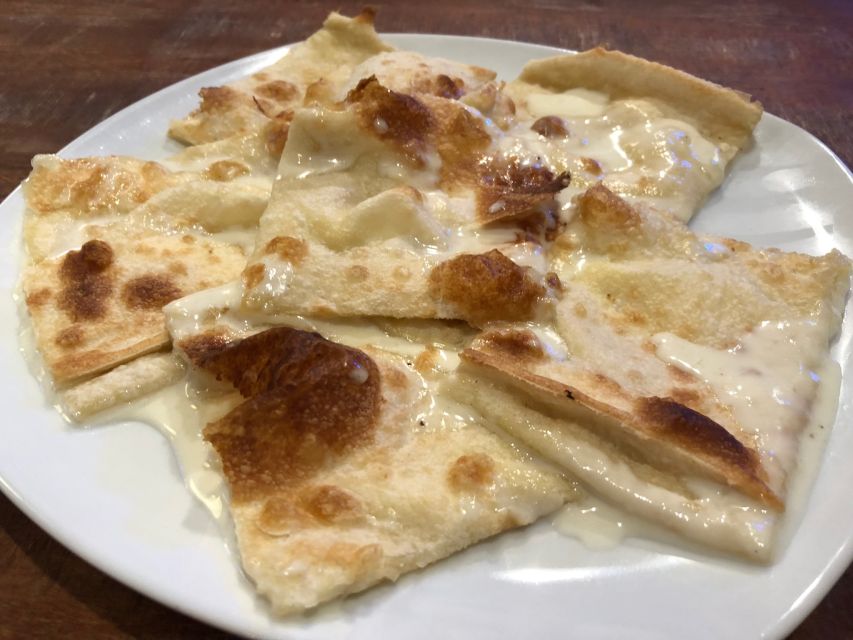
- Hands-on focaccia work: Handle the dough for cheese focaccia made with two very thin layers and Stracchino.
- Canestrelli from Torriglia: Prepare handmade biscuits linked to a hill village behind Genoa.
- Small group setting: With no more than 10 participants, you get a better chance to ask questions and take part.
- 3.5 hours of cooking and tasting: The class gives you enough time to prepare several dishes and eat them together.
- Central meeting point: Start in front of Christopher Columbus’ House on Via di Porta Soprana.
Why this class works well in Genoa
Genoa can be hard to understand from its streets alone. Its old center is full of narrow lanes, grand buildings, and food shops, but the local cooking tells you something more direct about the city. Basil, pine nuts, soft cheese, thin dough, and simple biscuits all point to Liguria’s coastal and hill-country traditions.
This class gives you a practical way into that food culture. You are not just handed a plate of pesto and told it is typical. You learn how the sauce comes together, prepare several traditional foods, and taste the results at the end.
That makes the experience especially useful early in a Genoa visit. After the class, you will recognize pesto as more than a green sauce for pasta. You will also have a better sense of how Ligurian cooking uses a few local ingredients with care.
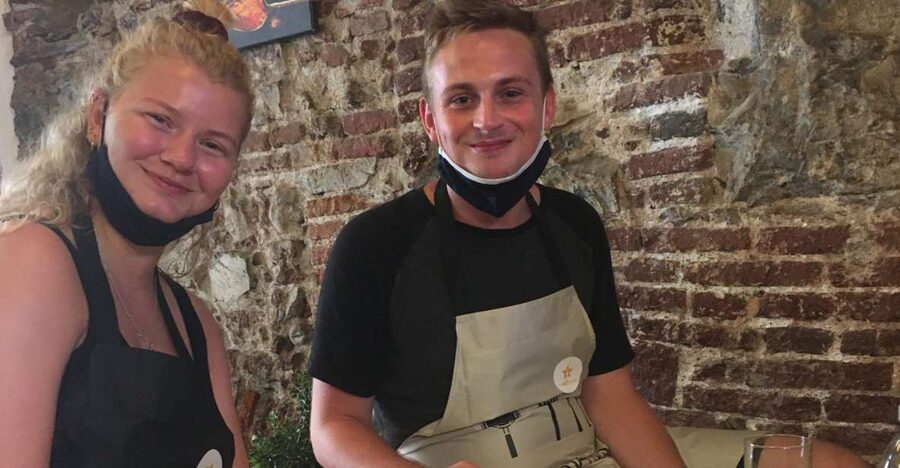
The setting is described as a small local restaurant, which adds to the appeal. You get a working food environment instead of a large demonstration kitchen built only for tours. The atmosphere should feel relaxed and social, with fellow participants cooking beside you.
More cooking classes around Italy:
- Florence: Pasta Cooking Class with Unlimited Wine
★ 4.9 · 10,285 reviews - 3 in 1 Cooking Class near Navona: Fettuccine, Ravioli & Tiramisu
★ 5.0 · 7,376 reviews - Florence: Pasta & Tiramisu Cooking Class with Unlimited Wine
★ 4.9 · 6,708 reviews
Meeting at Columbus’ House in the old center
The meeting point is in front of Christopher Columbus’ House on Via di Porta Soprana. The location is central, with coordinates listed as 44.40557861328125, 8.935159683227539.
This is a useful place to meet because it puts you near some of Genoa’s best-known old-center sights. Allow enough time to find the exact spot, particularly if you are walking through the historic lanes. The class begins at a set starting time, and the available times vary by date.
You should arrive wearing comfortable shoes. Cooking often means standing, moving around a work area, and handling ingredients, so this is not the morning for stiff dress shoes. Large bags and luggage are not allowed, which matters if you are going straight from a train arrival or checking out of accommodation.
The activity does not include stated transport from the meeting point. Plan to make your own way there and keep your belongings light.
Starting with Ligurian recipes and local guidance
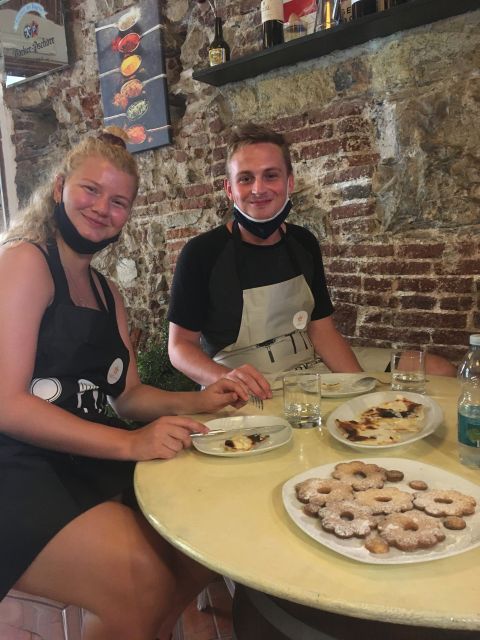
Once the class begins, your guides lead you through four traditional recipes from Genoa and Liguria. The exact fourth recipe is not specified in the available details, but the class clearly centers on familiar regional food rather than generic Italian cooking.
The guide team has included Veronica, Bernardo, and Marco. They focus on the small choices that affect the final dish, especially in the pesto. That is the sort of instruction that can make a cooking class useful at home, since it goes beyond simply handing you ingredients and a printed recipe.
The class is offered in English and Italian. A live guide explains the techniques and the background of the food as you work. If you are comfortable with either language, you can choose the session that suits you when checking availability.
The group limit of 10 is important. Cooking classes become less useful when everyone is crowded around one counter and only two people get to touch the food. A group this size should give you a fair chance to take part, ask questions, and watch the technique up close, though the exact amount of personal attention can vary depending on the group.
Making pesto with Genoa’s essential ingredients
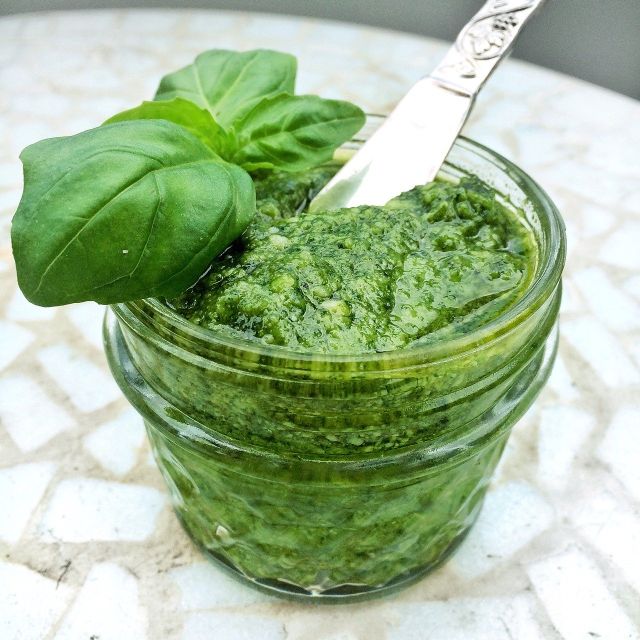
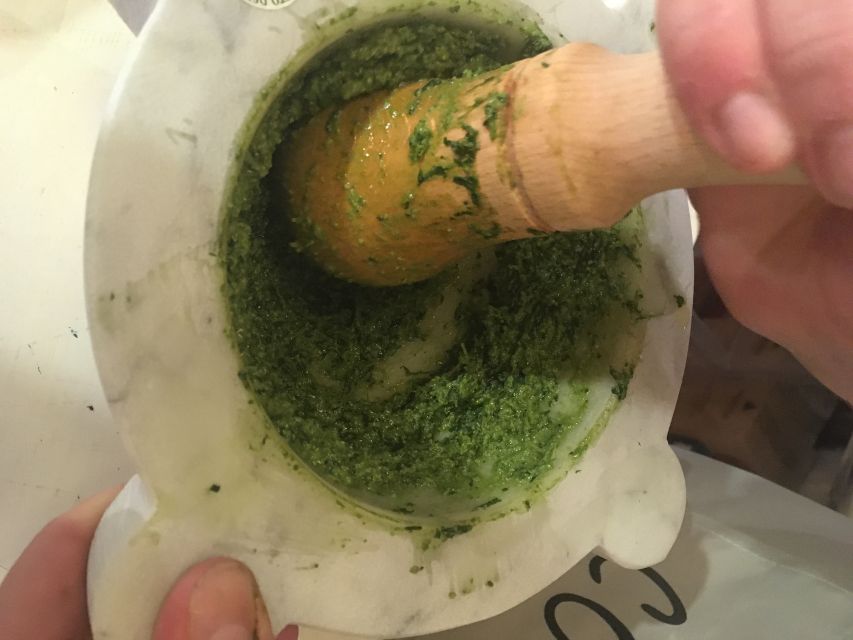
Pesto is the centerpiece. Genoa is recognized as the birthplace of this classic basil sauce, and the class teaches you how to prepare an authentic version using local fresh basil and pine nuts.
The valuable part is the focus on details. Pesto can look simple, but the balance of basil, pine nuts, and the other ingredients matters. Veronica, Bernardo, and Marco have emphasized the small steps that help produce a better Pesto Genovese, so pay close attention rather than treating this as a quick mix-and-stir task.
You will prepare the sauce yourself and taste it during the class. That gives you a clear comparison between freshly made pesto and the jarred versions many people know at home.
The class description does not list every ingredient or state exactly what equipment you will use. Do not expect a full technical lesson on every variation of pesto. The main promise is a traditional Genoese preparation, guided by local professionals and included as part of the shared meal.
For me, this is the strongest reason to book. Pesto is one of the few regional foods you can easily make again after returning home, provided you remember the method and ingredient balance.
Same kitchen, a different dish:
- Florence: Pasta Cooking Class with Unlimited Wine
★ 5.0 · 6,413 reviews - Cooking Class and Lunch at a Tuscan Farmhouse with Local Market Tour from Florence
★ 5.0 · 4,831 reviews - Rome: Pasta Making Class with Wine, Limoncello, and Dessert
★ 4.9 · 3,177 reviews - Pastamania – Florence Pasta Making Class
★ 5.0 · 3,050 reviews
Working the dough for cheese focaccia
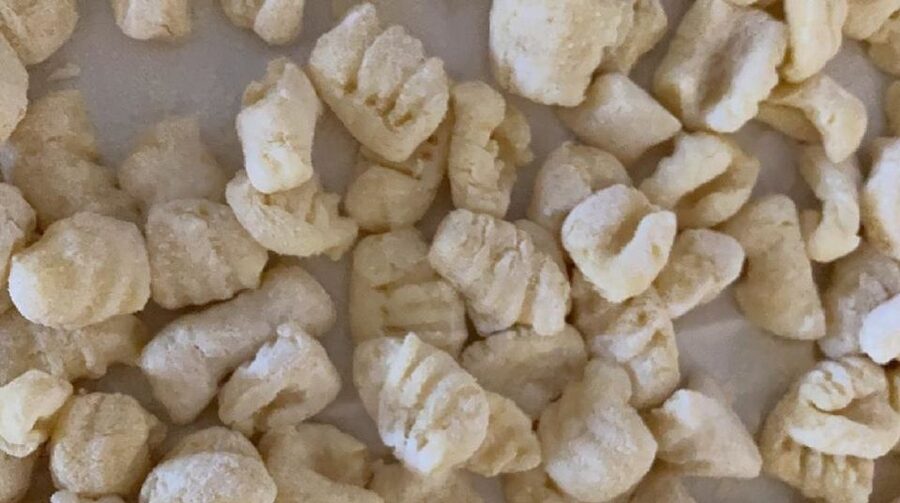
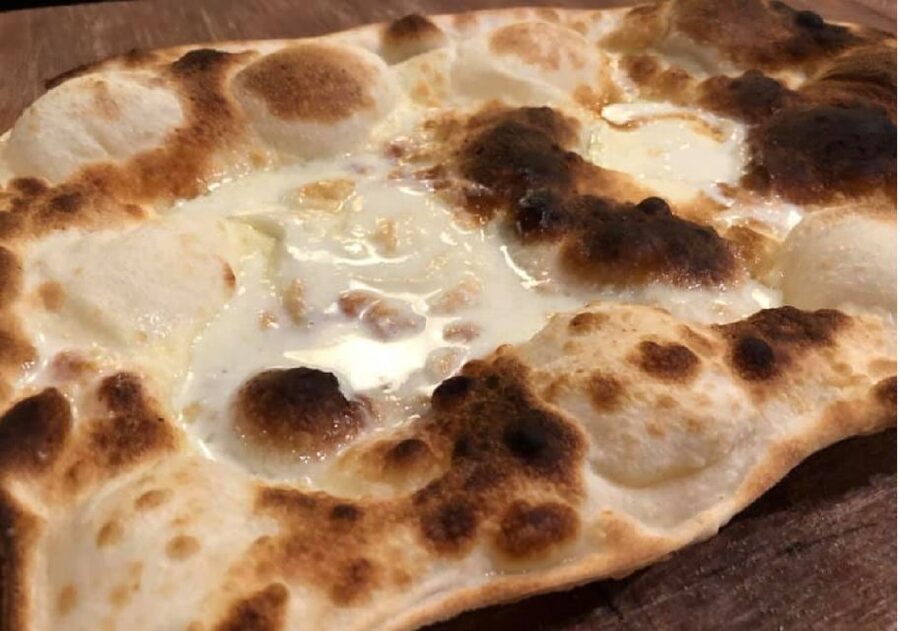
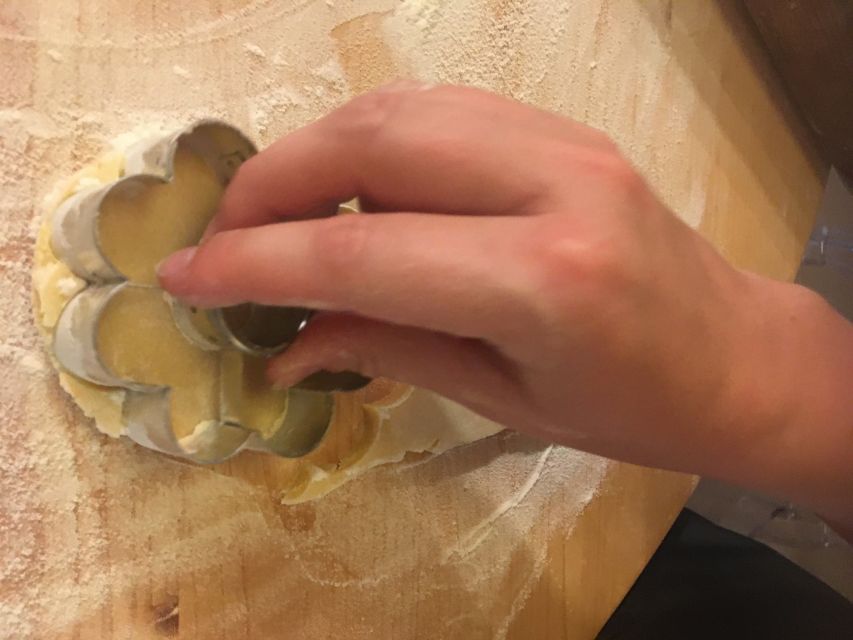
The focaccia portion gives the class a different kind of hands-on task. You work the dough for focaccia with cheese, made from two very thin layers filled with Stracchino, a soft Italian cheese.
The dough work is a good test of patience and touch. One of the named participants in the class described having fun handling the focaccia dough, and that makes sense. This is not just a tasting of finished bread. You get involved in the physical process that gives the dish its texture.
Cheese focaccia is also distinct from the thicker, oilier focaccia many visitors may expect. The two thin layers and soft cheese filling make it a more specific Ligurian specialty. You will get more from this part if you watch how the dough is handled and ask questions about thickness.
The details provided do not promise that every participant will make an individual full-size focaccia. In a small group, preparation may be shared or divided between participants. Still, the class is designed as hands-on, so you should expect to work with the dough rather than only observe.
Making Canestrelli from the hills behind Genoa
Canestrelli are handmade biscuits associated with Torriglia, a small village in the hills behind Genoa. Their inclusion rounds out the class with something sweet and gives you a taste of Ligurian food beyond pesto and bread.
This is a useful regional detail. Genoa’s food identity is not limited to the port and the coastline. Torriglia connects the class to the nearby hills, where local baking traditions have their own character.
The class prepares and tastes the biscuits as part of the four-recipe session. The available information does not specify the exact shape, ingredients, or baking time, so you should not book expecting a detailed pastry course. Think of Canestrelli as one part of a broad regional cooking lesson.
I like this addition because it gives the meal a natural finish. You move from savory pesto and cheese focaccia to a traditional biscuit, with the whole group tasting the results together.
Sitting down to taste what you made
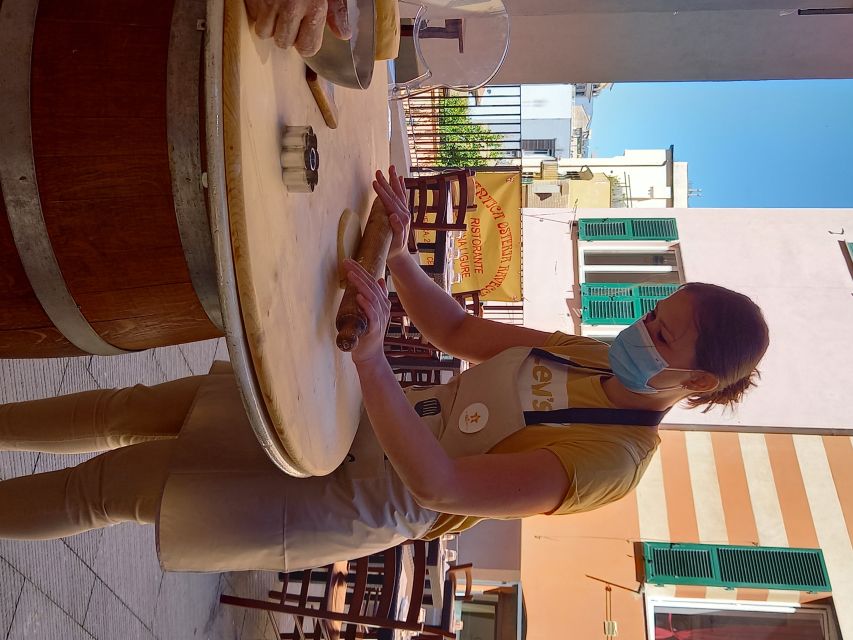
The tasting is not an extra add-on. It is part of the class, and you eat the prepared foods with your fellow participants after the cooking work is finished.
That shared meal is one of the better reasons to choose a class over a standard food tasting. You have context for every dish because you helped prepare it. You can connect the feel of the dough, the scent of the basil, and the final flavor on the plate.
The setting is a small local restaurant, described as a beautiful and friendly place for the class. The information does not confirm a wine pairing, drinks, or a full restaurant menu, so do not assume those are included. The stated focus is on tasting the traditional recipes you prepare.
At 3.5 hours, the experience is long enough to feel like a proper activity rather than a quick cooking demonstration. It also takes up a good part of a morning or afternoon. Check the start time before booking, especially if you have a museum visit, shore excursion, or train planned on the same day.
Who will get the most from the 10-person format
This class suits you if you want food to be a central part of your Genoa visit. It is a good choice for couples, friends, solo visitors who enjoy meeting people, and families with participants who can comfortably stand and work in a cooking space.
You do not need to be an experienced cook. The experience is built around traditional recipes and guidance from local professionals, not advanced culinary training. The most useful attitude is simple: be ready to handle dough, prepare ingredients, listen to instructions, and share the finished food.
The small group limit helps people who want interaction. You can ask about pesto, focaccia, and Canestrelli while working, rather than waiting through a lecture. It also makes the class a reasonable choice if you prefer a quieter activity to a large food tour.
It may be less suitable if you want a full sightseeing tour of Genoa. The class begins near major old-center sights, but the activity itself is focused on cooking. You should not expect guided visits to Columbus’ House or other city attractions as part of the session.
The experience is not suitable for wheelchair users. The provider also asks you to report food allergies of any kind in advance. That is important here because the class works with several ingredients and may not be able to adjust the recipes at the last minute.
Is the experience good value?
No price is provided here, so I cannot judge whether the booking cost is low, average, or high for Genoa. The value depends on what the final price includes and how much you want the instruction, food, and social setting.
The package does include a 3.5-hour guided class, preparation of four traditional recipes, and a tasting of the food you make. You are also paying for access to local instruction and a small group capped at 10, not just for a restaurant meal.
That can be good value if you want a skill you can take home. Pesto is the clearest example. The focaccia and Canestrelli lessons add variety, while the shared tasting turns the class into a complete half-day activity.
I would compare the price with a normal meal and a separate food tour in Genoa. If you mainly want to eat without working, a restaurant may be simpler. If you want to understand how Ligurian dishes are made and spend time with a small group, the class offers more active value.
Flexible booking also helps. You can reserve and pay later, and cancellation is allowed up to 24 hours before the activity for a full refund. Read the final booking terms for your date, but this policy is useful when your Genoa plans are still changing.
Small details that can affect your choice
The class is offered in English and Italian, with a live guide. Confirm the language and starting time when selecting your date, since availability can change.
Wear comfortable shoes and leave luggage or large bags elsewhere. Pets are not allowed. These rules are easy to follow, but they can matter if you are fitting the class between transport connections.
The public information gives the meeting point but not the exact cooking venue address. Follow the meeting instructions carefully and avoid arriving with a suitcase. If you have allergies, contact the local partner before the day of the class, not after you arrive.
The perfect group experience also depends on the other people attending. With a maximum of 10, the setting is limited enough for interaction, but you are still sharing the work and meal with strangers. That is part of the social appeal, but it may not suit someone who wants a private lesson.
Should you book this Genoa cooking class?
Book it if you want to do more than photograph Genoa’s food. The pesto lesson is the main draw, while cheese focaccia and Canestrelli give you a wider taste of Ligurian cooking. The small group and 3.5-hour format make it a solid choice for hands-on learning without committing to a full-day course.
I would be especially keen to book this early in a Genoa stay. You can use what you learn when choosing food later, and the central meeting point makes it easy to pair the class with time in the old center.
Skip it if you need wheelchair access, dislike shared cooking, or want a sightseeing tour rather than a food activity. For everyone else, this is a practical and tasty way to meet Genoa through its kitchens, with enough instruction to make the experience useful after you leave Italy.
FAQ
Where does the Genoa cooking class meet?
The meeting point is in front of Christopher Columbus’ House on Via di Porta Soprana in Genoa.
How long does the cooking class last?
The class lasts 3.5 hours.
What foods will I prepare?
You will learn four traditional recipes from Genoa and Liguria. The named dishes include pesto Genovese, cheese focaccia with Stracchino, and Canestrelli biscuits from Torriglia.
Will I taste the food I prepare?
Yes. The dishes are tasted together with the other participants after the cooking activities.
Is pesto included in the class?
Yes. You will prepare and taste pesto Genovese using fresh local basil and pine nuts.
Is the activity available in English?
Yes. The live guide can conduct the class in English or Italian.
How large is the group?
The class is limited to 10 participants.
What should I bring?
Wear comfortable shoes. Pets, luggage, and large bags are not allowed.
Can people with food allergies join?
You should inform the local partner about any food allergies in advance. The available information does not confirm which allergy adjustments are possible.
Is the class suitable for wheelchair users?
No. The activity is not suitable for wheelchair users.
New cooking classes around Italy
- Sestri Levante: Pesto & Cooking Classes, Wine Tasting★ 4.9 · 56 reviews
- Sardinia Cooking Class: Fresh Handmade Pasta★ 5.0 · 53 reviews
- San Gimignano: Tuscan Cooking Class★ 5.0 · 2 reviews
- San Gimignano: Truffle Cooking Class with Wine Tasting★ 5.0 · 5 reviews
- San Gimignano: “Hands in dough” Cooking Class with Lunch★ 5.0 · 6 reviews
- Salento: Authentic Cooking Experience with Fresh Pasta and Local Products★ 5.0 · 8 reviews
- ROME:Hands-On Lasagna & Marsala Tiramisu Cooking Experience”★ 5.0 · 3 reviews
- Rome: Private Wine Tour and Pasta Making Class in a Winery★ 5.0 · 6 reviews
Genoa Cooking Classes, side by side.
Genoese cooking lesson in the with lunch in the terrace
Read our review →
Genoa: Hands-On Home cooking Class Pasta Pesto and more with wine
Read our review →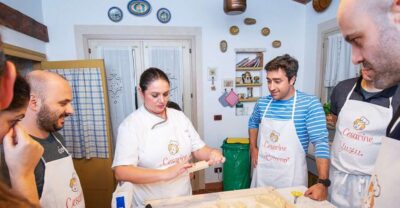
Genoa: Pasta & Tiramisu Cooking Class at a Local’s Home
Read our review →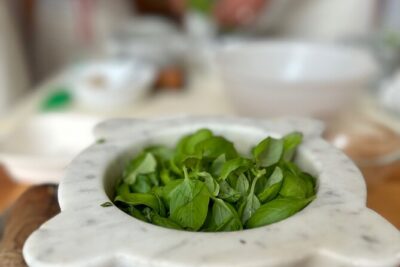
With Tiziana Cooking Class for Pesto , Gnocchi and Tiramisù
Read our review →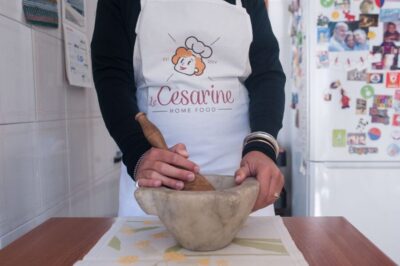
Genoa: Market and Cooking Class at a Local’s home
Read our review →This kitchen also appears in