
Review · ITALY
Gioia del Colle: Apulian Cooking Class in a Masseria
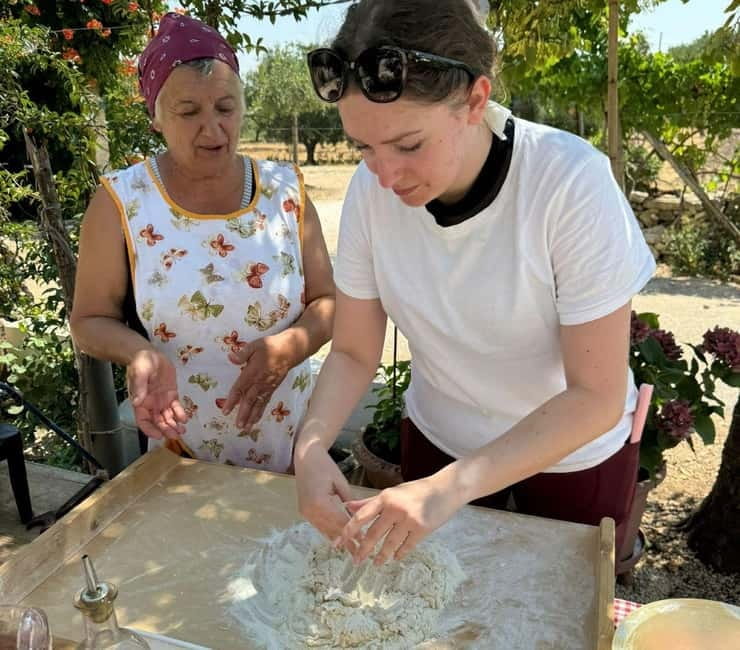
The best part of this experience is that you cook in a working Apulian masseria, not a polished studio made to look rustic. Gian, Roberto, Carmella, and their family connect the food to the farm, garden, dairy products, and local table.
I like the choice of three useful skills: orecchiette, panzerotti, or focaccia. I also like the small size, with no more than eight people, plus the full meal and wine included. The main drawback is transport: the meeting point is in Gioia del Colle, and the masseria transfer costs extra if you do not have a car.
Key points before you book
- Choose your cooking lesson: Make hand-shaped orecchiette, fried panzerotti, or Bari-style focaccia.
- Cook at a real family farm: The masseria is surrounded by olive trees and vineyards, with garden and local dairy products part of the food story.
- Eat a complete meal: Your dish comes with seasonal specialties, rustic bread, water, and a glass of wine.
- Keep the group small: The class is limited to eight people, with private arrangements available on request.
- Plan your transport: You meet first at the provider’s headquarters in Gioia del Colle, then continue to the partner masseria.
- Allow three to three and a half hours: This is a relaxed food experience, not a quick demonstration followed by a rushed bite.
Why this masseria cooking class feels different
Apulia is a place where food often begins with a few humble ingredients: flour, water, tomatoes, olive oil, cheese, vegetables, and time. This class lets you work with that simple formula in the setting where it makes the most sense, a countryside masseria surrounded by olive trees and vineyards.
I like the fact that the experience is family-style. You are not simply watching a chef perform in front of a group. You are guided through traditional recipes by local hosts, then sit down at a long rustic table to eat what you made with other local foods.
That setting matters. A masseria is more than a country house. It links the kitchen to the land and to the people who produce the ingredients. Here, the food can include products from the garden and dairy specialties, giving you a better sense of how Apulian meals are built.
The class has a top rating from eight published bookings, with especially strong praise for the welcome, the food, and the family atmosphere. I would not treat a rating as a guarantee of your exact day, but the pattern is clear: the hosts are a major part of the experience.
More Farm Cooking Classes in Italy
- Cooking Class and Lunch at a Tuscan Farmhouse with Local Market Tour from Florence
★ 5.0 · 4,831 reviews - Hands-On Cooking Class & Farmhouse Tour on the Amalfi Coast
★ 5.0 · 956 reviews - Florence: Cooking Class at a Tuscan Farm & Local Market Tour
★ 4.9 · 354 reviews
Getting from Gioia del Colle to the countryside
Your starting point is the provider’s headquarters in Gioia del Colle. Look for the sign on the door, where you will receive directions to the partner masseria.
That arrangement is worth noting when you plan your day. You are not meeting at the farm itself, so leave enough time to find the headquarters and organize the onward trip. If you have a car, this should be fairly simple once you receive the directions. If you arrive by train or do not want to arrange transport, a round-trip transfer from Gioia del Colle station can be requested for an additional fee.
The transfer is not included in the $106 price. I would ask about it when booking, especially if your schedule depends on a train. The class lasts three to three and a half hours, and starting times vary by availability.
The extra transport cost is the clearest practical weakness of the experience. It does not make the class poor value, but you should include it in your budget instead of assuming the advertised price covers the whole journey from the station.
Choosing between orecchiette, panzerotti, and focaccia
Your main decision is which Apulian specialty to learn. The class offers three options, each with a different rhythm and payoff.
Orecchiette and the art of hand-shaped pasta
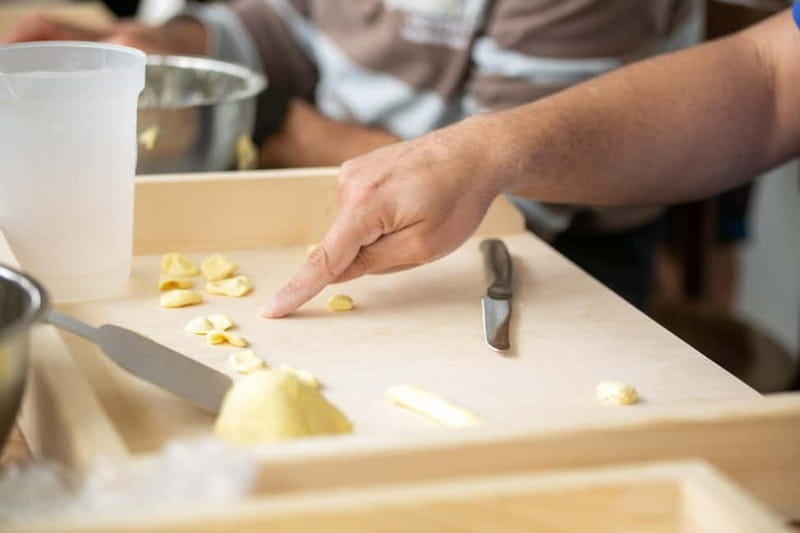
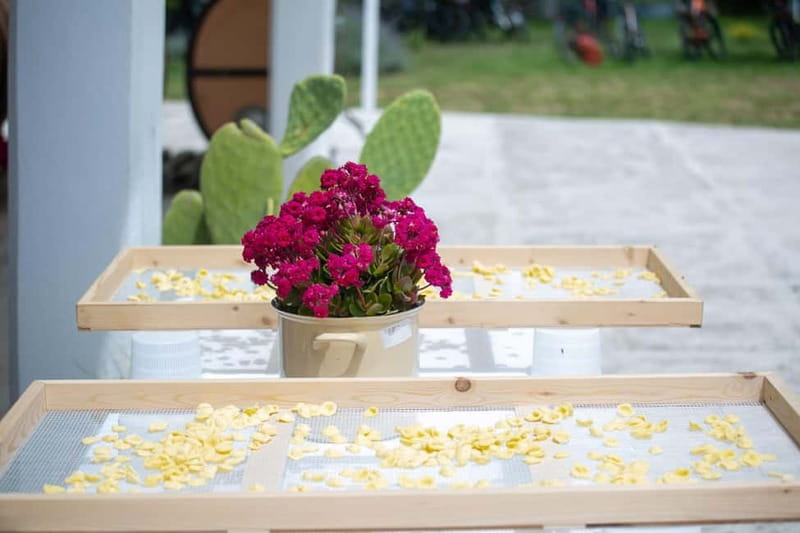
Orecchiette are small, ear-shaped pasta pieces made by hand. The class follows old family techniques, so you learn the physical process rather than simply receiving a plate of finished pasta.
This is the best choice if you want a lasting skill you can repeat at home. The ingredients are basic, but the shaping takes practice. You will get a feel for the dough, the pressure of your fingers, and the small motion that gives the pasta its familiar form.
The orecchiette session also seems to connect most directly with the farm. A garden visit and picking products can be part of the experience, as one account describes, giving you a clearer link between the ingredients and the final meal.
Choose this option if you care about traditional technique and want the most classic Apulian cooking lesson. It may be less satisfying if you prefer a fast, highly visual dish that comes together in one dramatic step.
Same kitchen, a different dish:
- Florence: Pasta Cooking Class with Unlimited Wine
★ 4.9 · 10,285 reviews - 3 in 1 Cooking Class near Navona: Fettuccine, Ravioli & Tiramisu
★ 5.0 · 7,376 reviews - Florence: Pasta & Tiramisu Cooking Class with Unlimited Wine
★ 4.9 · 6,708 reviews - Florence: Pasta Cooking Class with Unlimited Wine
★ 5.0 · 6,413 reviews
Panzerotti for a more hands-on, fried specialty
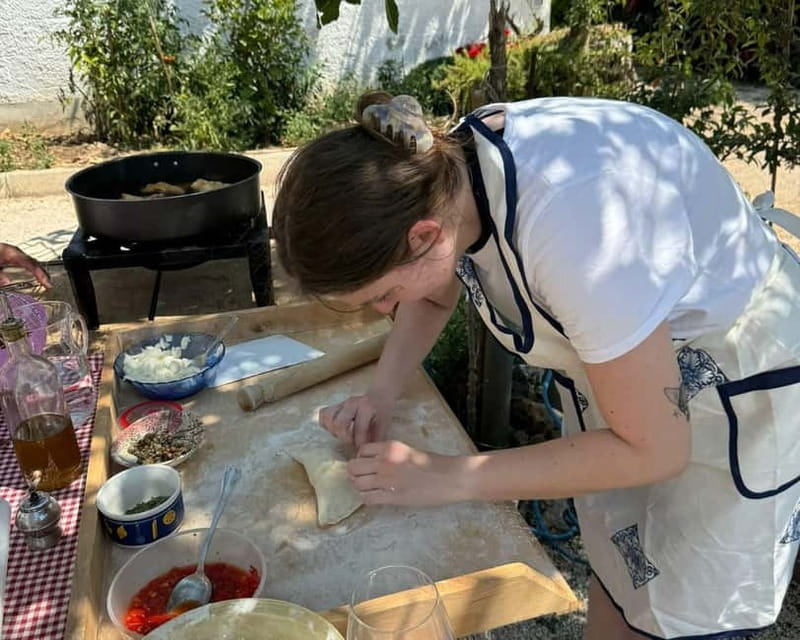
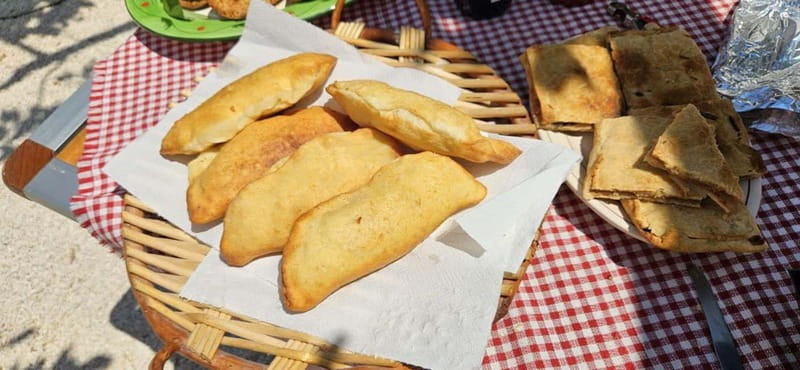
Panzerotti are folded pockets filled and fried until golden. This class covers the shaping, filling, and cooking process.
I would choose panzerotti if you want something lively and immediate. You can see the dough change as it is filled and folded, and the finished result is easy to share at the table. The experience is also a good fit for families, since the activity has been described as suitable for children.
The panzerotti choice has a connection to the wider food program offered by the provider. One booking description links the workshop with EBIKE RENTAL & TOUR PUGLIA, but this cooking class itself is centered on the masseria and the family hosts. You do not need to add a cycling activity to take part in the class.
Keep in mind that panzerotti are fried. If you prefer a lighter meal or want to focus on pasta technique, orecchiette may suit you better.
Focaccia for a Bari-style classic
The focaccia option focuses on a Bari-style version, topped and baked until ready to serve. It is the most appealing choice if you want to learn a familiar bread that works well as a snack, side dish, or simple meal at home.
Focaccia also gives you a good reason to pay attention to toppings and local ingredients. The class description does not list the exact topping choices, so you should ask the host what will be used on your date.
This is likely the easiest option to share with the table, though the class is still hands-on. Choose it if bread is your main interest or if you have already made pasta and want a different Apulian staple.
From farm products to the long table
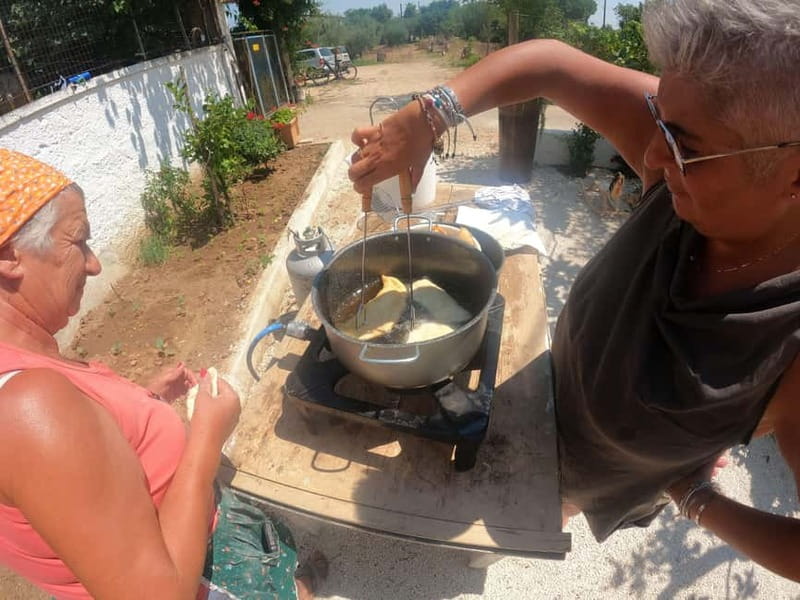
The cooking lesson is only part of the experience. Your dish is served with seasonal specialties from the dairy and garden, rustic bread, water, and a glass of wine.
The additional food makes the $106 price easier to judge. You are not paying only for instruction and ingredients. You are also receiving a full meal in a private-feeling country setting, with local products that would be difficult to sample in the same context at an ordinary restaurant.
The food can include mozzarella and other dairy products, as well as vegetables and produce from the farm. One especially nice detail is the mention of a homemade lemon cake offered by the host. It is not listed as a guaranteed part of every booking, so think of it as a possible family touch rather than a promised course.
A glass of wine is included. Other alcoholic drinks are not, although a wine upgrade is available. If you want more than the included glass, ask about the upgrade before the class begins.
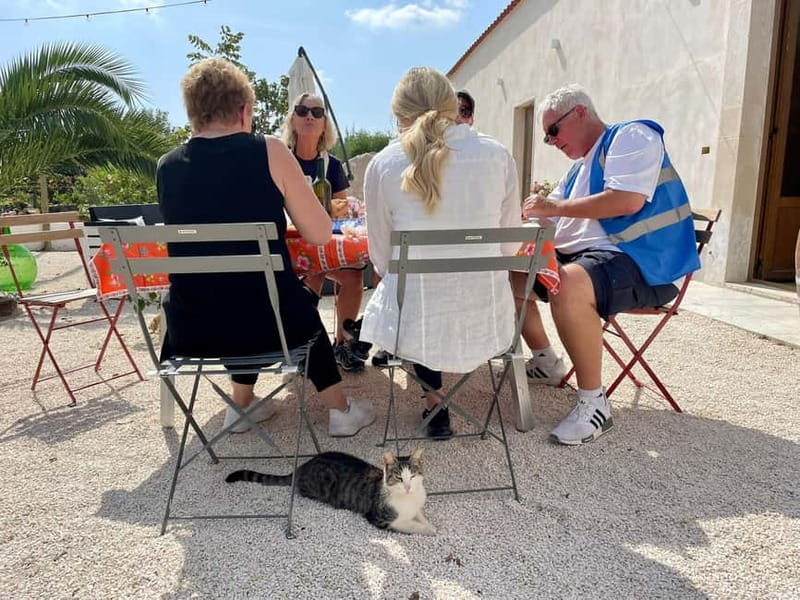
The meal takes place at a shared long table. This is where the class changes from a lesson into a social meal. You get to eat your own work, try the accompanying specialties, and talk with the hosts and the other people in your group.
That communal format will suit you if you enjoy meeting people and eating at an unhurried pace. It may not suit you if you want a private table or a tightly timed culinary demonstration. A private class can be arranged on request, but the price and exact conditions are not provided, so ask before booking.
What the three to three and a half hours are likely to feel like
The schedule begins with the meeting in Gioia del Colle and the transfer or directions to the masseria. Once there, you can expect an introduction to the setting and the food, followed by your chosen preparation.
The class is designed around participation. You receive the ingredients and equipment, then work with the host rather than simply watching. The exact order of activities can vary, but the experience can include seeing the garden and learning about the farm’s products before sitting down to eat.
The cooking portion leads into the meal. Your pasta, panzerotti, or focaccia is served with the seasonal additions, bread, water, and wine. Plan on staying for the full three to three and a half hours. This is not an activity to squeeze into a short gap between train connections.
English and Italian are offered. That makes the class workable for many international visitors, though food terms and hand gestures are likely to be part of the fun. If you have allergies, dietary restrictions, or ingredients you avoid, ask about them in advance. The supplied details do not explain how special diets are handled.
You should bring biodegradable sunscreen and biodegradable insect repellent. The class takes place in the countryside, so those items are sensible even though no exact weather conditions are promised.
Is $106 good value?
At $106 per person, this is not a budget lunch. It becomes better value when you count everything included: the cooking class, ingredients, equipment, a full meal, seasonal farm products, rustic bread, water, and a glass of wine.
You are also paying for a small group, limited to eight participants. That can make a real difference in a practical lesson. With fewer people, you have a better chance of seeing the technique clearly, asking questions, and receiving help with pasta shaping or dough work.
I would consider the price fair for someone who wants a personal food experience rather than a cheap meal. The value is strongest if you choose orecchiette, panzerotti, or focaccia because you want to learn the method, not just eat the final dish.
The calculation is less favorable if your main goal is a restaurant meal. You may find it expensive for food alone, especially after adding transport from the train station. The class earns its price through the setting, the hosts, the instruction, and the range of food served around your main dish.
Who will enjoy this most
Families should give this class serious thought. The hands-on format can work well for children, and panzerotti may be especially appealing because the dough is filled, folded, and fried. A private option could also make sense for a family that wants more control over the pace.
Couples will find the setting appealing if they prefer a small, personal activity to a large group tour. One booking even had only two participants, creating a very intimate session with the family. Group size can vary, so do not assume you will have the masseria to yourself.
Food-focused visitors should choose based on the skill they want to take home. Pick orecchiette for pasta tradition, panzerotti for a filled fried specialty, and focaccia for baking.
You should be comfortable with a rural setting and a shared table. This is not a formal restaurant meal or a polished cooking school. Its appeal comes from the family home, the farm products, and the chance to eat in a relaxed setting.
Small details that improve the day
Meet at the headquarters first, even if you already know the general location of the masseria. That is the designated starting point, and the hosts will direct you onward.
If you rely on public transport, request the station transfer before the day of the class. Transfers are available as an add-on, not part of the base price.
Wear something suitable for cooking and the countryside. The official information only requires biodegradable sunscreen and insect repellent, but practical clothing will make the hands-on work easier.
Ask which specialty is planned when you book if the choice is not already fixed. Also ask about the wine upgrade, dietary needs, private arrangements, and transfer cost. These details can affect both comfort and the final price.
Free cancellation is available up to 24 hours before the activity for a full refund. You can also reserve now and pay later, which helps if your Apulia plans are still moving around.
Should you book this Gioia del Colle cooking class?
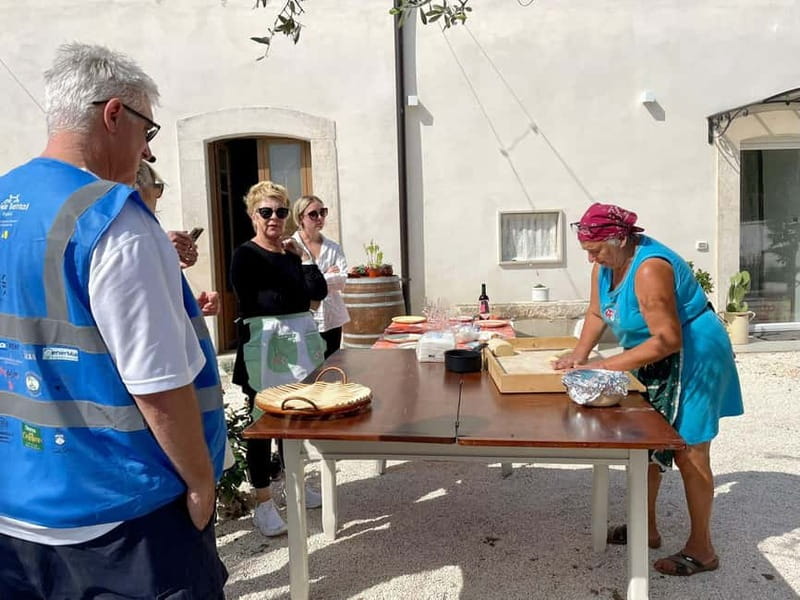
Book it if you want to learn a real Apulian recipe, eat farm products, and spend several hours with a local family in the countryside. The strongest reasons are the small group, the choice of three dishes, and the full meal served at the long table.
I would choose orecchiette for the most traditional pasta lesson, panzerotti for a family-friendly session, or focaccia if bread is your main interest. Include the transfer cost in your planning if you are arriving by train.
Skip it if you only want a quick food tasting, dislike shared meals, or need a highly structured class with a fixed menu and guaranteed transport. For everyone else, this is a thoughtful way to meet Apulia through the hands, the table, and the people who make the food.
FAQ
Where does the cooking class take place?
The class takes place at a partner masseria in the countryside near Gioia del Colle, surrounded by olive trees and vineyards.
Where do I meet the hosts?
You meet first at the provider’s headquarters in Gioia del Colle. A sign on the door makes the office easy to identify, and you will then receive directions to the masseria.
What can I learn to cook?
You can choose between fresh orecchiette pasta, panzerotti, and Bari-style focaccia.
How long does the experience last?
The cooking class and meal last about three to three and a half hours.
How many people can join the class?
The group is limited to a maximum of eight participants. Private classes can be arranged on request.
Is transportation to the masseria included?
No. Transfers are not included in the price, but a round-trip transfer from Gioia del Colle station can be arranged as an add-on.
What food and drinks are included?
The price includes your cooked dish, seasonal specialties, rustic bread, water, and one glass of wine. A wine upgrade is available, while other alcoholic drinks are not included.
Which languages are available?
The hosts teach in English and Italian.
Can I cancel the booking?
You can cancel up to 24 hours in advance for a full refund. Reserve now and pay later is also available.
New cooking classes around Italy
- Sestri Levante: Pesto & Cooking Classes, Wine Tasting★ 4.9 · 56 reviews
- Sardinia Cooking Class: Fresh Handmade Pasta★ 5.0 · 53 reviews
- San Gimignano: Tuscan Cooking Class★ 5.0 · 2 reviews
- San Gimignano: Truffle Cooking Class with Wine Tasting★ 5.0 · 5 reviews
- San Gimignano: “Hands in dough” Cooking Class with Lunch★ 5.0 · 6 reviews
- Salento: Authentic Cooking Experience with Fresh Pasta and Local Products★ 5.0 · 8 reviews
- ROME:Hands-On Lasagna & Marsala Tiramisu Cooking Experience”★ 5.0 · 3 reviews
- Rome: Private Wine Tour and Pasta Making Class in a Winery★ 5.0 · 6 reviews
Italy Cooking Classes, side by side.
Florence: Pasta Cooking Class with Unlimited Wine
Read our review →
3 in 1 Cooking Class near Navona: Fettuccine, Ravioli & Tiramisu
Read our review →
Cooking Class and Lunch at a Tuscan Farmhouse with Local Market Tour from Florence
Read our review →
Rome: Pasta Making Class with Wine, Limoncello, and Dessert
Read our review →

Rome Cooking Class: Make Pasta and 3 Spritz Cocktails
Read our review →
Rome: 3-in-1 Fettuccine, Ravioli, and Tiramisu Cooking Class
Read our review →
Rome: Fettuccine Pasta Cooking Class in Rome’s City Center
Read our review →This kitchen also appears in