
Review · ITALY
Gubbio: Authentic Cooking Class at a Local’s Home
Gubbio’s best food lesson may happen away from a restaurant, at the kitchen table of a local family. This private three-hour class has you prepare a starter, pasta, and dessert, then sit down with your host to eat what you made alongside local wine.
I like the personal setting and the chance to learn from family cookbooks rather than a standard demonstration. I also like that the host can explain local history and cooking methods as you work. The main consideration is the price, $164.26 per person, which makes the experience a better fit for people who value a private meal and personal instruction.
Key points to know before booking
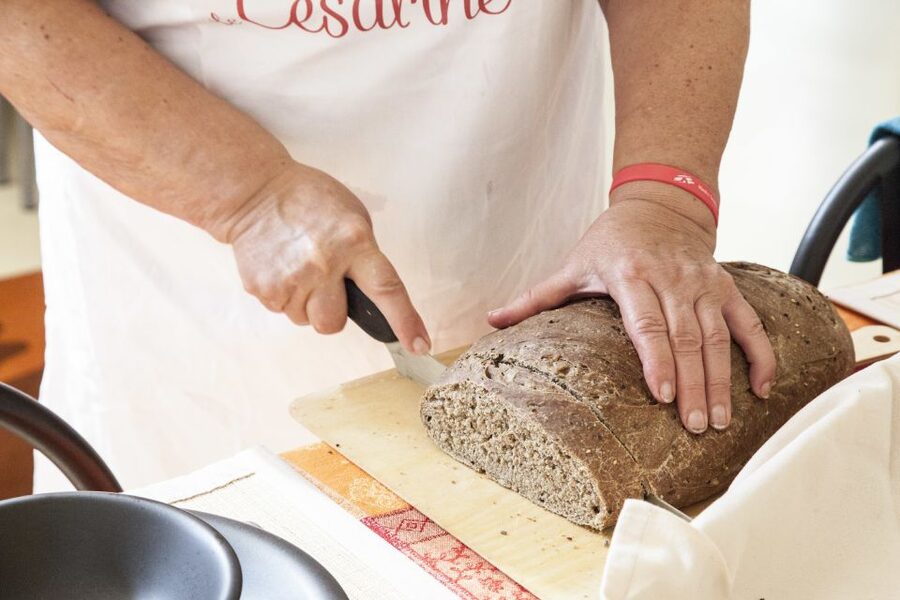
- Three-course cooking lesson: Prepare a starter, pasta, and dessert with a certified home cook.
- Private home setting: You meet your host at a real local residence in Gubbio, not at a busy cooking school.
- Paola may be your host: One host connected with this experience is Paola, who has been praised for sharing recipes, methods, and local history.
- Wine is part of the meal: Water, selected local wines, and coffee are included as you taste the food you prepared.
- Flexible timing: Classes usually begin at 10:00 AM or 5:00 PM, though other times may be possible with advance notice.
- Dietary needs can be arranged: Tell the host about requirements when you book.
Why a Gubbio home kitchen makes the difference
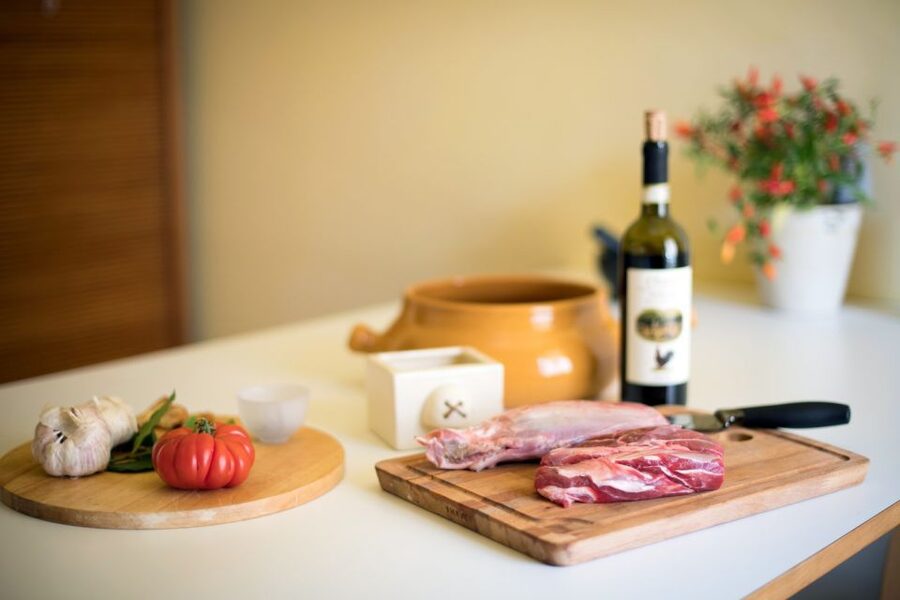
A cooking class in a local home gives you something a restaurant cannot: a look at how food is prepared in an ordinary Italian household. You are not only watching someone plate a finished dish. You are handling ingredients, following family methods, and seeing how the host organizes the meal.
That setting also changes the pace. A three-hour class leaves room for instruction, cooking, conversation, and eating. You are not being rushed through a short demonstration before the next group arrives.
Gubbio is in Umbria, a region known for hearty home cooking and strong local food traditions. The class focuses on three recipes rather than a broad survey of Italian cuisine. That is a sensible approach. You leave with a clearer understanding of how a meal comes together, from first course to dessert.
The private format matters here. You can ask questions as you work, repeat a technique, and get help without competing with a large group. If you are cooking with a partner or family member, you can also divide the tasks in a relaxed way.
More Home Cooking Classes in Italy
- Pasta Cooking Class: Mastering Nonna’s Recipes
★ 5.0 · 554 reviews - Pastamama, Home Cooking Classes at Grace’s Home
★ 5.0 · 521 reviews - Traditional Home Cooking Experience in Venice
★ 5.0 · 377 reviews
Arriving at your host’s home in Gubbio
The exact address is provided after booking, along with your host’s mobile number. When you arrive, ring the doorbell and your host will welcome you into the home. Since transportation is not included, you need to arrange your own way to the address.
This is one point to plan carefully. A home meeting point is more personal than a central shop or restaurant, but it also means you should allow time to find the address. Keep the host’s phone number available, and check the starting time and location before leaving your accommodation.
The class usually starts at 10:00 AM or 5:00 PM. The morning option works well if you want the cooking class to become your main lunch plan. The afternoon option makes more sense for a relaxed evening meal.
The time can be flexible with advance notice. Do not assume that every time is available, but ask when you make the booking if you need something outside the usual morning or afternoon schedule.
Learning three dishes from family recipes
The lesson covers three local recipes: a starter, pasta, and dessert. The exact dishes are not specified in advance, so you should think of this as a regional cooking experience rather than a class built around one named specialty.
That uncertainty can be part of the appeal. Your host chooses dishes connected to local traditions and family cooking. You get a meal that reflects the household and area instead of a fixed menu repeated for every group.
The class is hands-on. Your host shows you the method, then guides you as you put it into practice. This is useful if you want to remember the process after returning home. A recipe is easier to recreate when you have also seen the texture, timing, and small adjustments involved.
The lesson is described as suitable for different cooking skill levels because your host supplies the equipment and instruction you need. You do not need to arrive with special tools or professional experience. Still, this is an active class, not a passive tasting. Be ready to take part.
A particularly nice feature is the family cookbook angle. Recipes passed through a household often carry small habits that do not appear in a standard recipe card. Your host may explain why a step is done a certain way, how the dish fits into a local meal, or how the family has prepared it over time.
If Paola is your host, you can also expect conversation about local history alongside the cooking. That adds useful context without turning the class into a formal lecture.
From first course to pasta and dessert
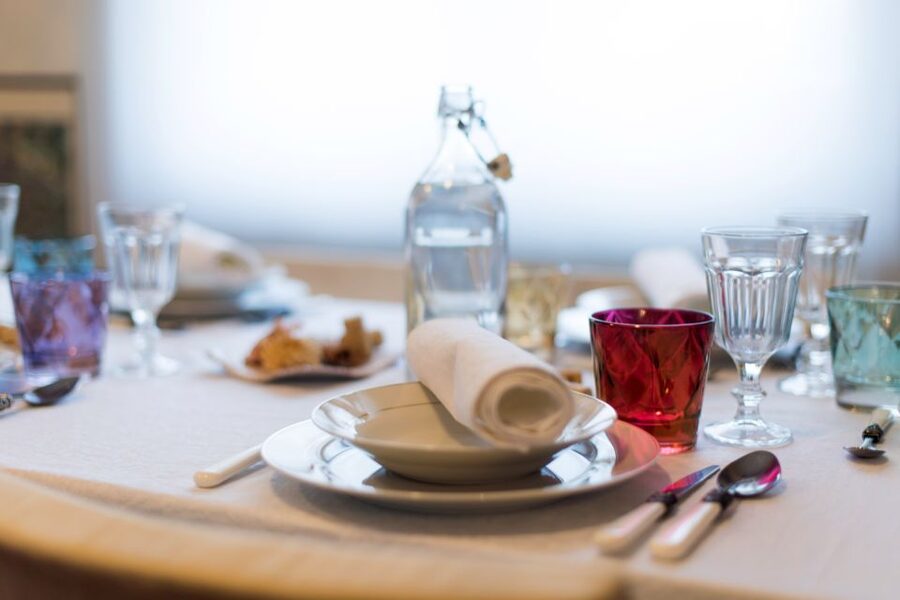
The starter begins the meal and gives you a chance to get comfortable with the kitchen and the host’s working style. You will learn the first recipe under direct instruction, then taste it as part of the final meal.
Pasta is likely to be the central teaching moment because it requires closer attention to technique. The experience promises a genuine local recipe, but it does not specify the pasta shape or sauce. That means you should not book this expecting one particular dish. Book it for the chance to learn the host’s version of a regional pasta course.
Dessert completes the cooking sequence. Preparing all three parts of the meal helps you understand the rhythm of a home kitchen. You work through the menu in stages, then sit down to enjoy the result instead of sampling one isolated dish.
The class does not promise a printed cookbook, take-home ingredients, or a formal certificate. Its value is in the instruction, conversation, and meal itself. If you want recipes to make later, ask your host during the class whether the methods can be written down or shared.
Same kitchen, a different dish:
- Florence: Pasta Cooking Class with Unlimited Wine
★ 4.9 · 10,285 reviews - 3 in 1 Cooking Class near Navona: Fettuccine, Ravioli & Tiramisu
★ 5.0 · 7,376 reviews - Florence: Pasta & Tiramisu Cooking Class with Unlimited Wine
★ 4.9 · 6,708 reviews - Florence: Pasta Cooking Class with Unlimited Wine
★ 5.0 · 6,413 reviews
Sitting down to eat what you prepared
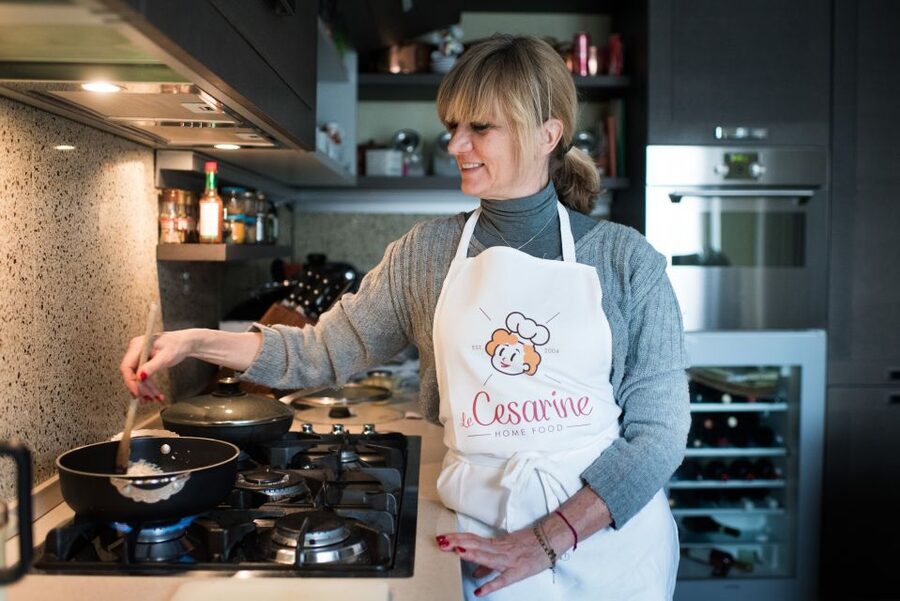
After the cooking is complete, you eat the starter, pasta, and dessert with your host. Water, local wine, and coffee are included. This changes the class from a lesson into a shared meal, which is one of its strongest features.
The table is where the experience becomes social. You can ask about the ingredients, compare techniques, and talk about life in Gubbio while tasting the food. One piece of direct feedback describes feeling like part of the family and learning both recipes and local history. That is the right expectation: personal conversation is a major part of the value.
The wine is selected by your host. The experience does not specify labels, varieties, or how many glasses are served, so do not book it as a formal wine tasting. Think of the wine as a local accompaniment to the meal.
Coffee is also included at the end. It is a small detail, but it rounds out the Italian meal and gives you time to finish the conversation before returning to your day.
What the $164.26 price really covers
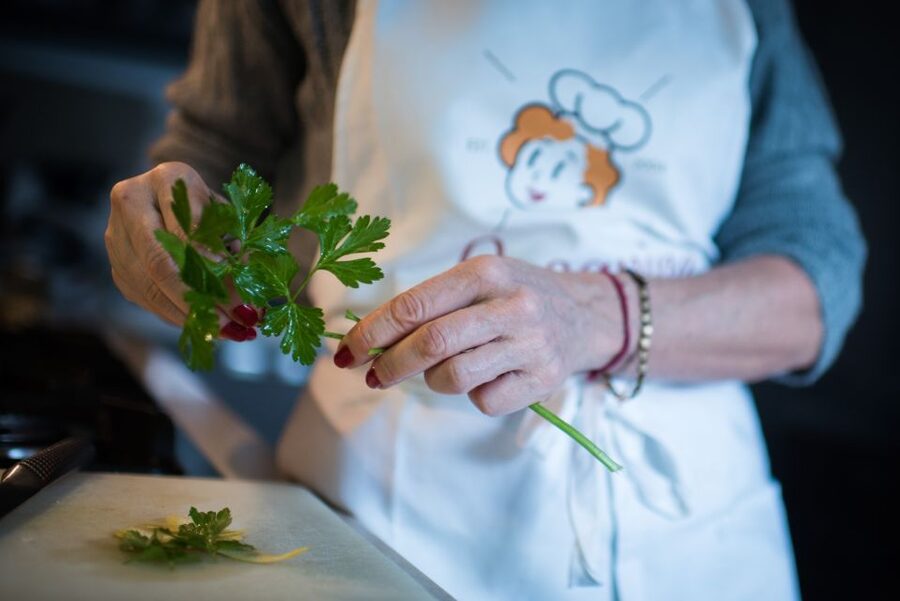
At $164.26 per person, this is not a cheap way to eat lunch or dinner. You are paying for more than the food. The price includes a private class, the host’s time and instruction, three prepared dishes, water, wine, coffee, and access to a local home.
For someone who would otherwise book a private meal and a cooking lesson separately, the cost can make sense. The three-hour duration gives you time to cook and eat, rather than squeezing both into a quick session.
The value is strongest for people who care about contact with local residents. If your main goal is simply to eat inexpensive Umbrian food, a restaurant will cost less and require less time. If you want to understand how a local family prepares a meal and have a private setting for questions, this class offers more.
The private group format is another reason the price is higher than a large group class. You are not paying for a crowded room or a general demonstration. You are paying for attention directed toward your own group.
Keep in mind that transportation is not included. Add the cost and time of reaching the host’s home when comparing this with a centrally located class.
Who will enjoy this class most
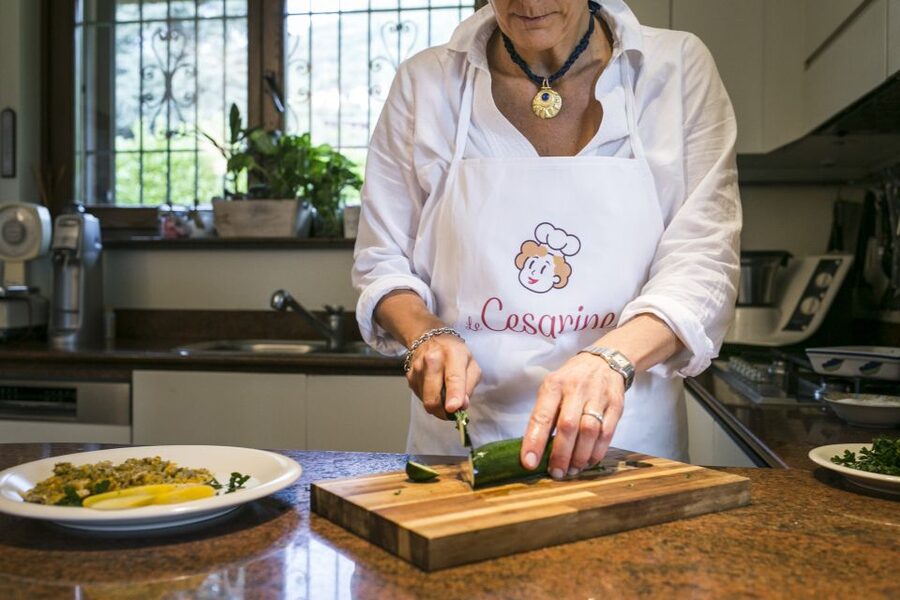
I would recommend this experience to couples, families, and small groups who want a slower food activity in Gubbio. It suits people who enjoy participating rather than simply being served.
It is also a good choice if you want to meet a local person without committing to a full-day excursion. Three hours is long enough to feel substantial, but short enough to fit around other plans.
Food-minded visitors will get the most from it, especially those who enjoy learning practical methods. You do not need to be an accomplished cook. Curiosity and willingness to follow instructions matter more.
The class can also suit people who have already seen major sights in Umbria and want an activity that feels personal. It gives you a reason to spend time in a home rather than moving from one public attraction to another.
It may not suit you if you want a fixed menu, a named chef, professional kitchen equipment, or a formal culinary school atmosphere. The exact dishes and host are not guaranteed in the basic description, so flexibility is important.
Dietary needs and language options
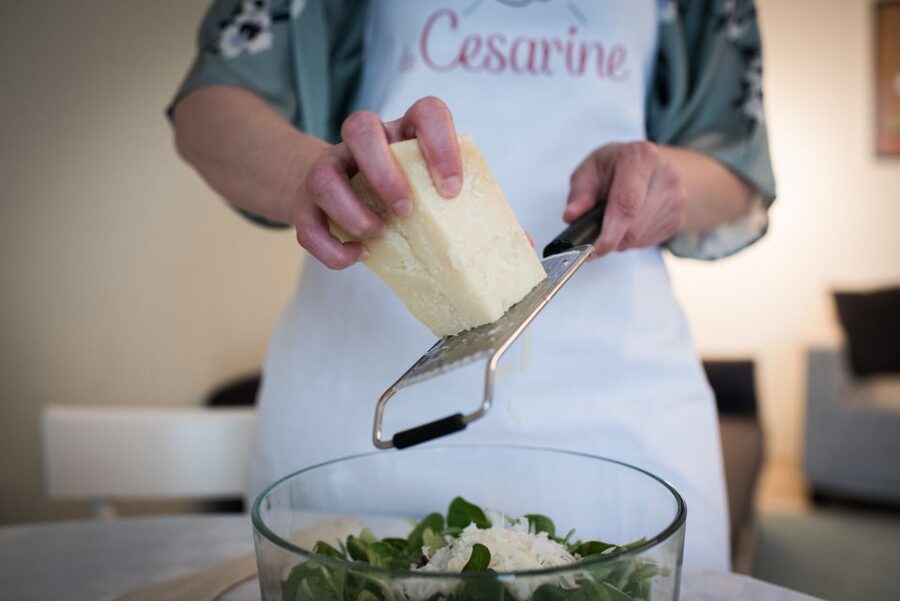
The host can accommodate dietary requirements when requested in advance. Make those needs clear during booking rather than waiting until you arrive. The class includes three courses, so the host needs time to plan suitable versions of the recipes.
Instruction is available in English or Italian. This makes the class accessible to English-speaking visitors, while Italian speakers can use the experience as a chance to practice conversation in a natural setting.
The language arrangement is especially useful in a private class. You can ask your host to repeat a step or explain a cooking term without holding up a large group. If you have a food allergy, be precise about it when you contact the host.
Booking details that matter
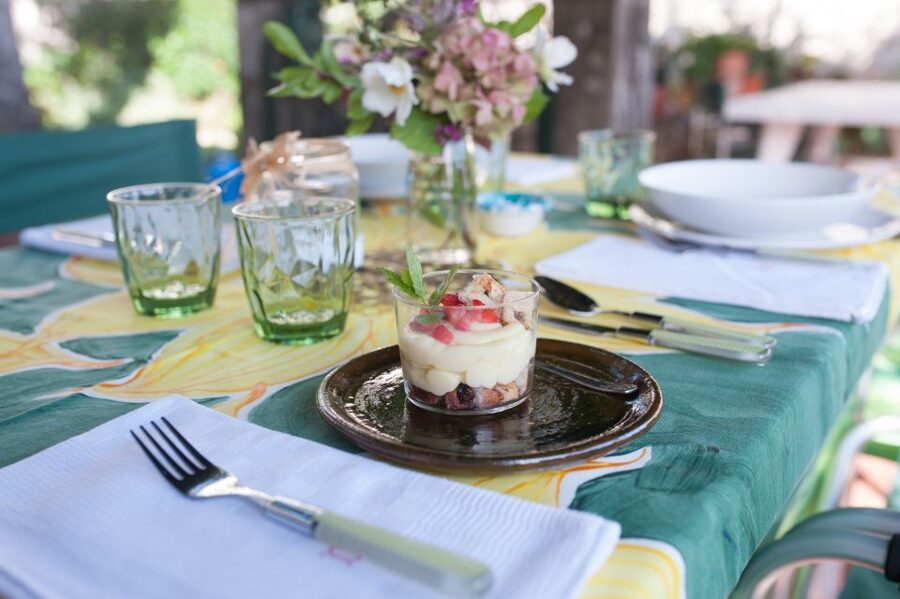
The experience lasts three hours and returns you to the same meeting point, your host’s home. Since the activity ends there, plan your onward transportation from that location.
You can reserve the class and pay later, which helps if you are still arranging your Umbria schedule. Cancellation is free up to 24 hours before the start time for a full refund.
The provider is Cesarine, a service built around cooking experiences with local home cooks. The exact host and address are confirmed after booking. If having a particular host matters to you, ask whether Paola is available, but do not assume that she will lead every class.
Because this is a private group, availability may be more limited than for a standard group tour. The usual start times are 10:00 AM and 5:00 PM, with some flexibility if arranged ahead of time.
My take: should you book it?
Book this class if you want a personal food experience and are happy to pay for instruction, conversation, wine, and a private meal. The strongest parts are the home setting, the three-course format, and the chance to learn methods connected to a real family kitchen.
The $164.26 price is fair for a private three-hour class with food and drinks, but it is not the right choice for a budget meal. You should also be comfortable finding a private address and accepting that the exact dishes may depend on the host.
For most people, the best reason to book is the human connection. If you want to sit at a local table, cook under a host’s guidance, and finish with food you helped prepare, this is one of Gubbio’s more personal activities.
FAQ
Where does the cooking class take place?
The class takes place at your host’s home in Gubbio. The exact address and the host’s mobile number are provided after booking.
How long does the experience last?
The cooking class lasts three hours.
What time does the class begin?
It usually begins at 10:00 AM or 5:00 PM. The time may be flexible with advance notice.
What dishes will I prepare?
You will prepare three authentic local recipes: a starter, a pasta dish, and a dessert. The exact dishes are not specified in advance.
Is the class private?
Yes. The activity is offered as a private group experience.
Which languages are available?
The instructor can teach in English or Italian.
Are food and drinks included?
Yes. The experience includes the three dishes you prepare, water, local wines selected by the host, and coffee.
Can dietary requirements be accommodated?
Yes. Dietary requirements can be catered to when requested in advance.
Is transportation included?
No. You are responsible for reaching the host’s home.
Can I cancel for a refund?
You can cancel up to 24 hours before the activity for a full refund.
New cooking classes around Italy
- Sestri Levante: Pesto & Cooking Classes, Wine Tasting★ 4.9 · 56 reviews
- Sardinia Cooking Class: Fresh Handmade Pasta★ 5.0 · 53 reviews
- San Gimignano: Tuscan Cooking Class★ 5.0 · 2 reviews
- San Gimignano: Truffle Cooking Class with Wine Tasting★ 5.0 · 5 reviews
- San Gimignano: “Hands in dough” Cooking Class with Lunch★ 5.0 · 6 reviews
- Salento: Authentic Cooking Experience with Fresh Pasta and Local Products★ 5.0 · 8 reviews
- ROME:Hands-On Lasagna & Marsala Tiramisu Cooking Experience”★ 5.0 · 3 reviews
- Rome: Private Wine Tour and Pasta Making Class in a Winery★ 5.0 · 6 reviews
Italy Cooking Classes, side by side.
Florence: Pasta Cooking Class with Unlimited Wine
Read our review →
3 in 1 Cooking Class near Navona: Fettuccine, Ravioli & Tiramisu
Read our review →
Cooking Class and Lunch at a Tuscan Farmhouse with Local Market Tour from Florence
Read our review →
Rome: Pasta Making Class with Wine, Limoncello, and Dessert
Read our review →

Rome Cooking Class: Make Pasta and 3 Spritz Cocktails
Read our review →
Rome: 3-in-1 Fettuccine, Ravioli, and Tiramisu Cooking Class
Read our review →
Rome: Fettuccine Pasta Cooking Class in Rome’s City Center
Read our review →This kitchen also appears in