
Review · THAILAND
Koh Samui: Thai Cooking Masterclass by the Sea
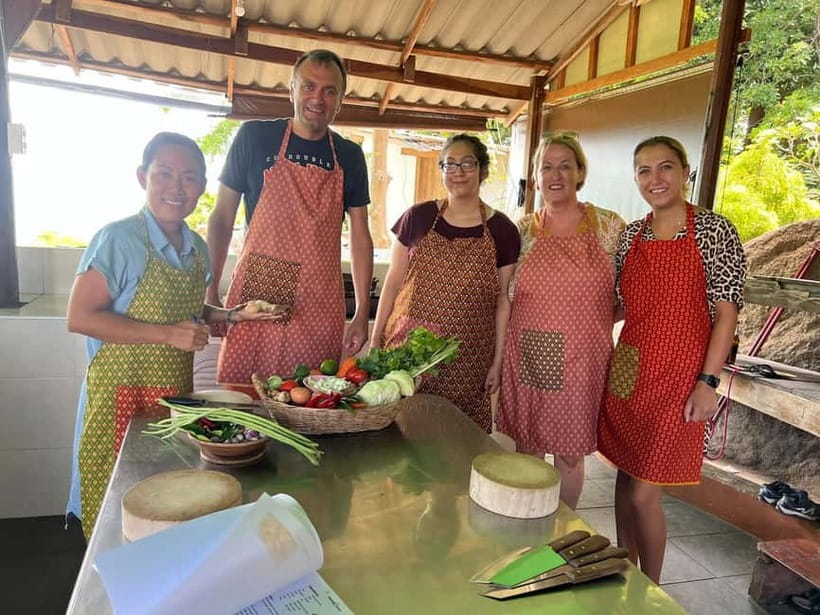
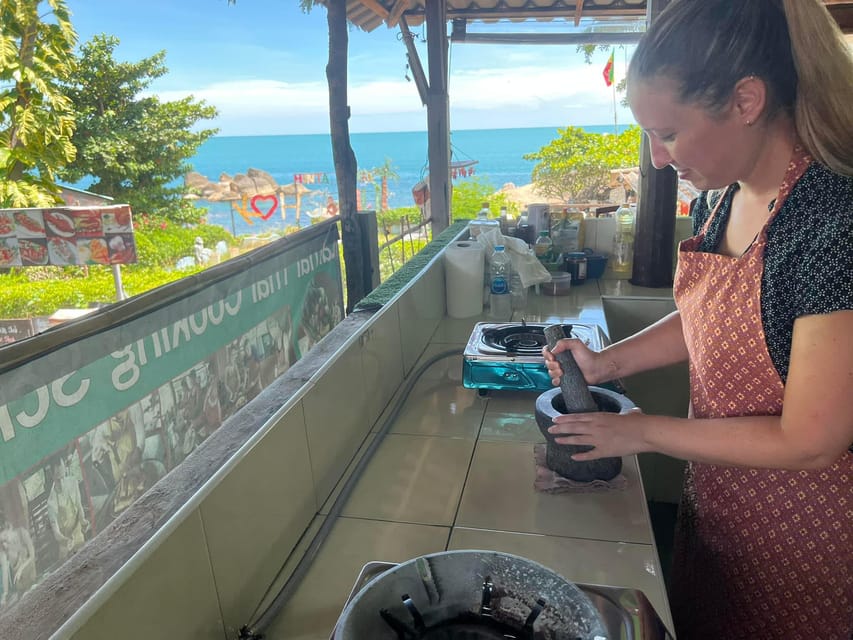
At Lamai Thai Cooking School, the sea is part of the kitchen. You cook five Thai dishes in an open-air space near Lamai Beach, with fresh ingredients, a gentle breeze, and chef Um guiding each step. It feels more personal than a large demonstration class, especially when the group is as small as six.
I like the individual work spaces and the chance to choose your own dishes, including chicken, fish, seafood, curries, noodles, and dessert. I also like the recipe book, which includes more than the dishes you prepare, giving you a useful way to keep cooking Thai food at home.
The main caution is the transfer time if you stay in Bophut. One participant found the ride back long because of several hotel drop-offs, so the class is a better fit if you are staying near Lamai or do not mind spending extra time on the road.
At a glance
- Five dishes, one class: Choose an appetizer, two main courses, another main or stir-fry, and a coconut dessert from the morning or afternoon menu.
- Chef Um leads the cooking: The instructor is also referred to as Om or Aom in some booking details, and provides friendly, clear help for beginners.
- Open-air cooking by Lamai Beach: You prepare food with sea views, a coastal breeze, and vegetables that may come from the garden beside the kitchen.
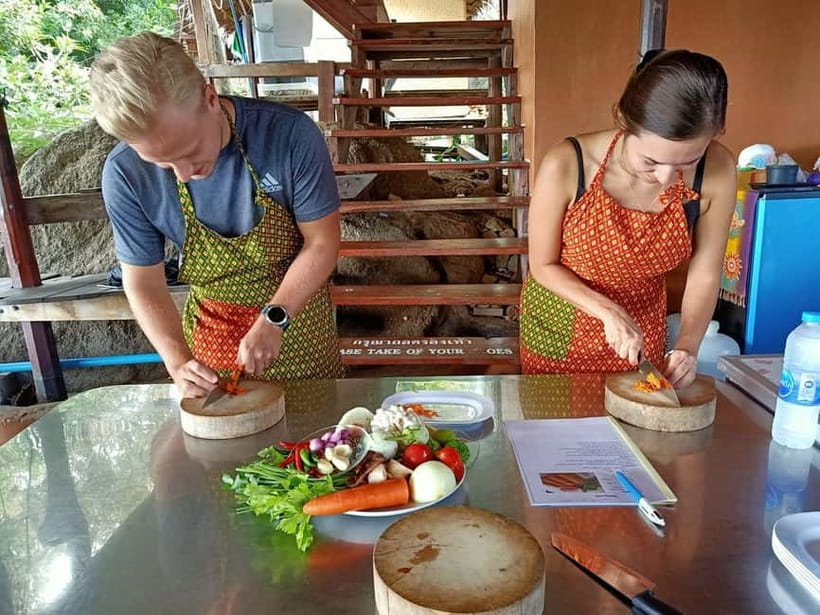
- Small groups feel personal: Classes are designed for close guidance, with individual cooking stations and a group size reported as six.
- Everything is provided: Hotel transfers, ingredients, equipment, drinks, seasonal fruit, and a recipe book are included in the $78 price.
- Choose morning or afternoon: The two menus offer different Thai dishes, so check the menu before selecting your class.
Cooking Thai food with the Gulf of Thailand in view
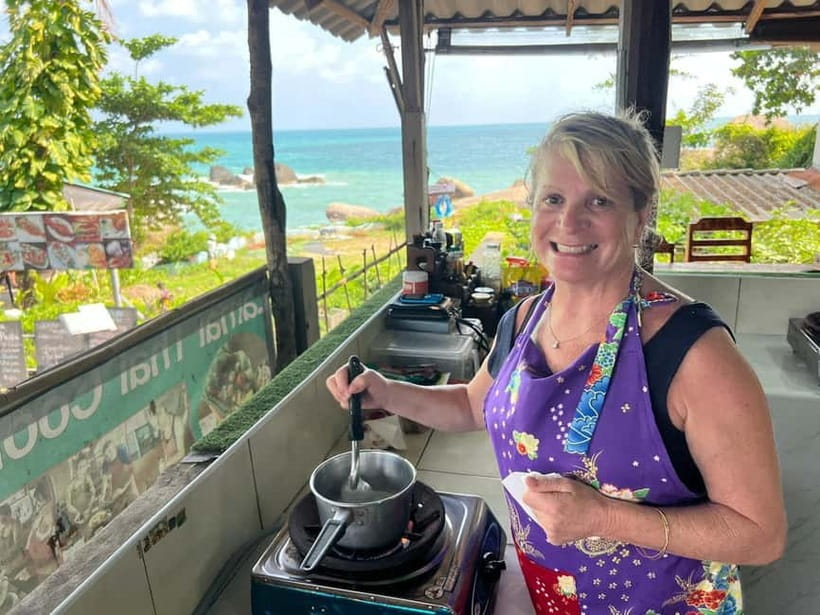
Many cooking classes begin in a plain indoor kitchen. This one begins with sea air and an open view. At Lamai Thai Cooking School, you work in an open-air kitchen near Lamai Beach, where cooking feels connected to daily island life rather than separated from it.
That setting matters. Thai cooking relies on fresh herbs, curry pastes, coconut milk, seafood, vegetables, and quick work over heat. In an outdoor kitchen, you get a more direct sense of the food’s setting. One participant noted that some ingredients grow beside the cooking area, while another described cooking in the instructor’s home with vegetables from the garden.
You begin with a hotel pick-up, then receive a herbal drink on arrival. Coffee, tea, drinking water, and seasonal fruit are also provided. The class is taught in English and Thai, and the cooking equipment and ingredients are included, so you do not need to bring anything beyond an appetite and perhaps a notebook.
The school aims for a relaxed, friendly mood. It is not presented as a formal chef-training course. Instead, you learn by preparing food yourself, asking questions, and working through each recipe with guidance close at hand.
More Thai Cooking Classes around Thailand:
- Half-Day Thai Cooking Class at Organic Farm in Chiang Mai
★ 5.0 · 19,087 reviews - Chiang Mai: Cooking Class, Market & Thai Herbs Garden Tour
★ 4.9 · 4,824 reviews - Thai and Akha Cooking Class in Chiang Mai
★ 5.0 · 4,358 reviews
Your five-dish menu
The exact dishes depend on whether you choose the morning or afternoon class. You select five dishes from the menu, with choices covering an appetizer, curries and soups, a stir-fry or noodle dish, and dessert.
The morning menu includes:
- Chicken satay or glass noodle salad
- Massaman curry or red curry
- Tom Kha Gai or Tom Yum Goong
- Stir-fried chicken with cashew nut and onion or stir-fried fish with sweet and sour sauce
- Pumpkin in coconut milk or banana in coconut milk
The afternoon menu includes:
- Spring roll or seafood salad
- Panang curry or green curry with chicken
- Tom Kha Gai or Tom Yum Goong
- Fried shrimp with tamarind sauce or Phad Thai
- Pumpkin in coconut milk or banana in coconut milk
This selection gives you a useful spread of Thai flavors. Massaman and Panang are gentle, creamy curries. Red and green curries offer a stronger herb and chili character. Tom Kha Gai brings coconut milk and galangal into the mix, while Tom Yum Goong is sharper and more sour.
The stir-fry and noodle choices keep the meal from becoming a parade of curries. Chicken with cashew and onion gives you a familiar combination with Thai seasoning. Sweet-and-sour fish, tamarind shrimp, and Phad Thai each show another side of Thai cooking.
Dessert is simple but worthwhile. Pumpkin or banana cooked in coconut milk makes a soft, sweet finish and gives you a dish that is easy to repeat at home.
Check the menu carefully when booking. The morning and afternoon choices are not identical, and selecting your five dishes is an important part of shaping the experience.
Chef Um’s teaching style
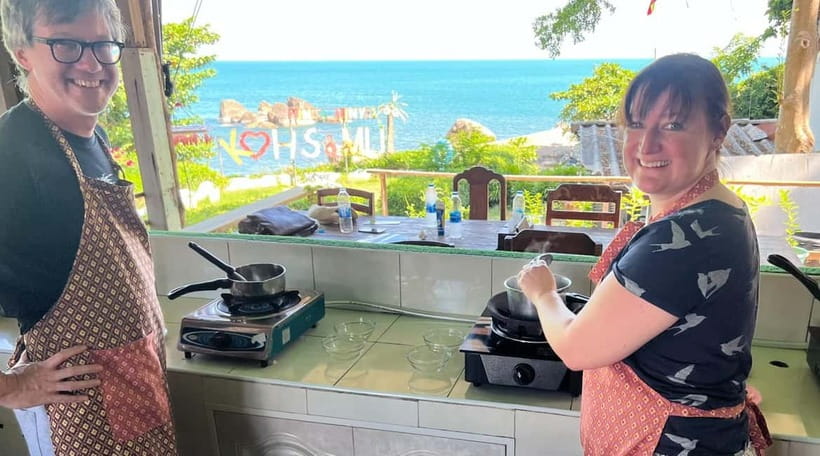
The strongest part of this class is the close help from the instructor. Chef Um is described as warm, lively, and easy to follow. Several people specifically praised the clear explanations and friendly manner, while beginners appreciated that the instructions made each step feel manageable.
That is important if you are not confident in the kitchen. Thai recipes can look complicated because they combine many ingredients, but the class breaks the work into small tasks. You learn how the ingredients come together instead of simply watching a chef prepare a finished plate.
The teaching also suits people who already cook. You can ask about Thai flavors, ingredient choices, and ways to adjust the recipes at home. One participant noted that the cooking time allowed room for questions, while another said the instructor explained the recipes in the book as the class progressed.
The class is not just about following directions. The atmosphere encourages you to learn through doing. You chop, stir, season, and assemble the dishes at your own station, with help available when you need it.
Food can be adjusted for children. A family noted that the instructor adapted the dishes so they were not too strong for the kids. That does not mean every dish will be mild, so families should still mention their preferences to the chef.
Why the small group makes a difference
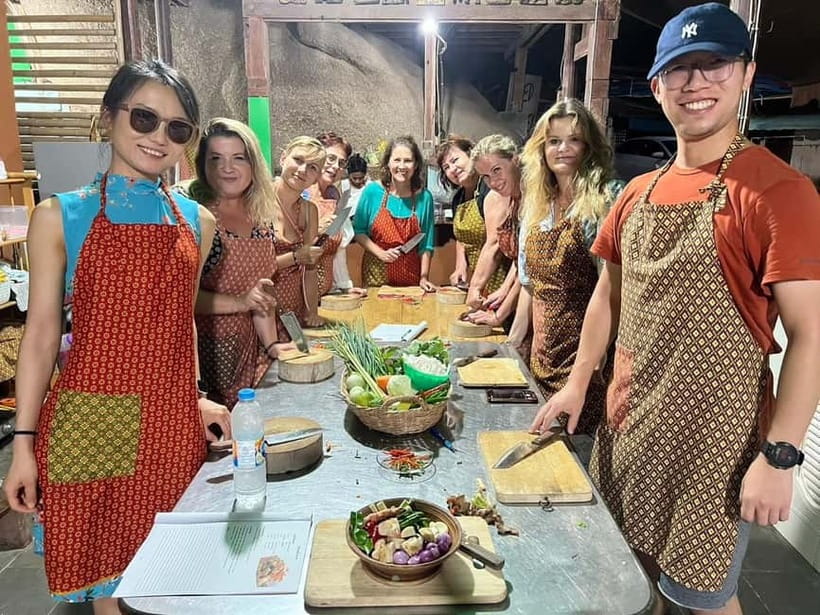
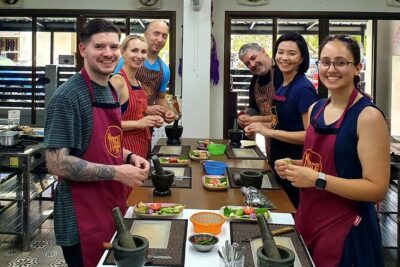
A small class changes the pace. In a crowded demonstration, you may spend much of the time watching from the back. Here, each participant has an individual work space, and the class is designed for personal guidance.
A group of six was specifically praised as a comfortable size. You can see what the chef is doing, keep up with the recipe, and ask for help without waiting through a long line of questions.
Small groups also make the meal more social without making it feel like a bus tour. Couples can cook together, solo visitors can meet other people, and families can work at their own stations while still sharing the table afterward.
The informal setting is part of the appeal. This is a good choice if you want a class with a local, home-style feel rather than a polished culinary studio. The trade-off is that the surroundings may feel less formal and structured than a purpose-built cooking school.
More cooking classes around Thailand:
- Chiang Mai: Authentic Cooking Class with Market & Farm Visit
★ 4.9 · 4,546 reviews - Phuket Thai Cooking Class with Market Tour Option
★ 5.0 · 2,665 reviews - Bangkok: Hands-on Thai Cooking Class and Market Tour
★ 4.9 · 1,614 reviews - Chiang Mai: Cooking Class with Market and Pickup
★ 4.9 · 1,365 reviews
From prep work to the final meal
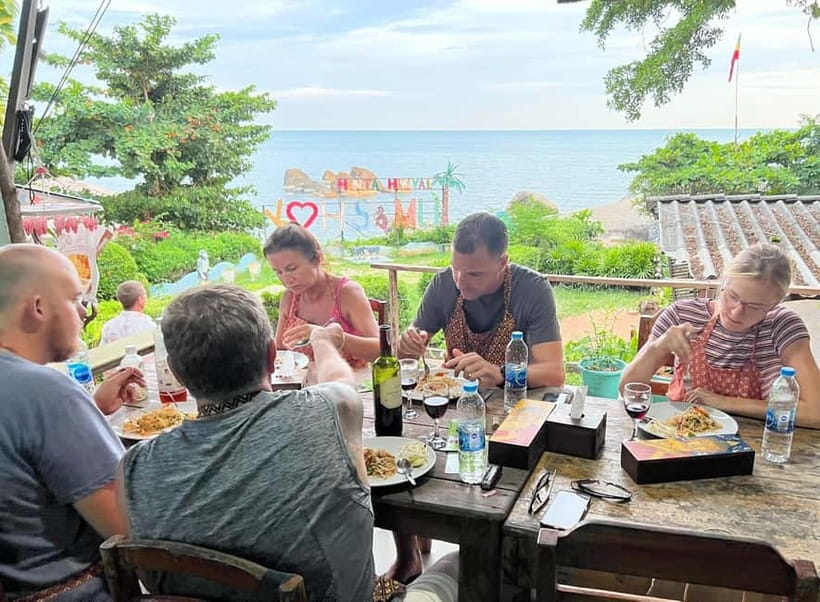
The cooking portion moves through the selected menu with guidance from the chef. You prepare each recipe, learning the steps as you go, then sit down to eat what you have made.
That final meal is more satisfying because you know the work behind it. You have handled the ingredients, followed the seasoning, and watched the dishes change from raw components into a full Thai spread.
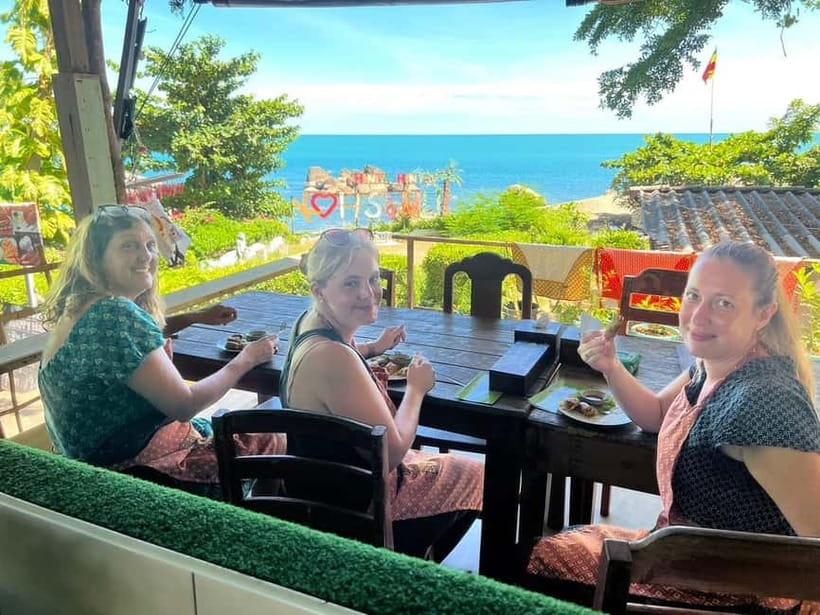
The coastal setting adds to the meal. You eat your homemade dishes with views toward the sea rather than at a standard indoor restaurant table. The setting is especially appealing for a morning class, when the experience can fit naturally into a relaxed day around Lamai.
The class does not appear to rush the main cooking period. One participant praised the balance between preparation, eating, and time for questions. Another felt the afternoon session became a little hurried at the end. That suggests the pace can depend on the group and how quickly the selected dishes come together.
You should expect a hands-on activity rather than a long sit-down meal. If you prefer a slow lunch with no work involved, this will feel active. If you like understanding what you eat, the cooking adds real value.
Fresh ingredients and a useful recipe book
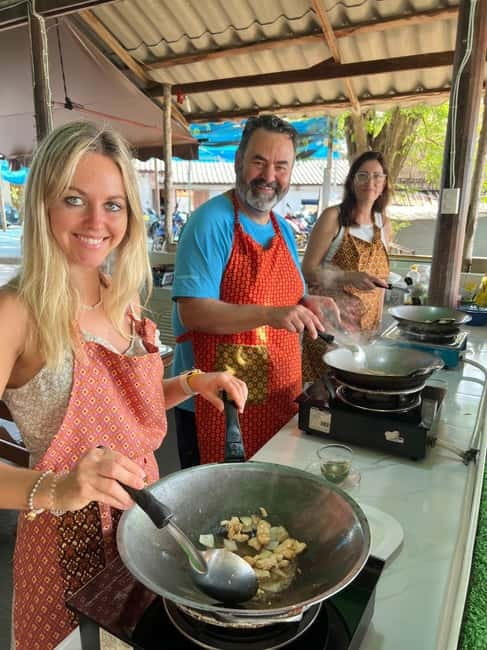
The recipe book is one of the best practical extras. You receive recipes for the dishes you cook, along with recipes from the wider menu. That gives you more to work with than a short handout covering only one curry.
The book is used during the class, so you are not left with unfamiliar pages after returning home. You can follow along while cooking and make notes about ingredient swaps or preferred spice levels.
This matters because Thai cooking often depends on balance. Sour, salty, sweet, spicy, creamy, and aromatic flavors need to work together. Learning the process in class makes the recipes easier to understand than simply downloading a list of ingredients.
The ingredients are included, and the school supplies the equipment. Drinks and seasonal fruit help keep the session comfortable, especially in an open-air kitchen.
You may not find every ingredient easily at home, but the recipe book still gives you a foundation. It is a stronger souvenir than a fridge magnet, and it lets you recreate the meal for friends and family.
Is $78 a fair price?
At $78 per person, this is not the cheapest food activity on Koh Samui. But the price includes hotel pick-up and drop-off, all ingredients, cooking equipment, drinks, fruit, instruction from certified Thai chefs, five dishes, and the recipe book.
That package makes the price easier to justify. You are paying for a meal, but also for several hours of guided instruction and a cultural experience in a distinctive setting. The hotel transfer is useful if you are staying near Lamai and would otherwise need to arrange transport yourself.
The value is strongest for people who will actually use the recipes afterward. If you enjoy cooking, the book and practical instruction can continue to pay off after your holiday. If you only want to eat Thai food without preparing it, a good local restaurant will cost less and require less effort.
Families may also find the price reasonable because the activity gives everyone something to do together. Couples get a shared experience with a finished meal, while solo visitors receive a social setting without needing to organize a private class.
The biggest value question is location. If you are based in Bophut, the return transfer can take a long time with several drop-offs. Ask yourself if the sea setting and cooking format are worth the extra road time. For a Lamai-based stay, the equation is more favorable.
Who will enjoy this class most?
I would recommend this experience to:
- First-time cooks who want clear guidance
- Experienced home cooks interested in Thai flavors
- Families looking for a hands-on activity
- Couples who prefer an activity to a standard restaurant meal
- Solo visitors who enjoy small-group classes
- Anyone who wants recipes to use after returning home
The class suits all cooking levels, but it is not suitable for people with back problems. Cooking involves standing and working at a station, so this is worth considering before booking.
It is also a better fit for people who enjoy an informal setting. The kitchen is open-air and connected to a local home-style environment. That gives the class character, but it may not suit someone expecting a sleek, air-conditioned cooking studio.
Booking tips for choosing the right session
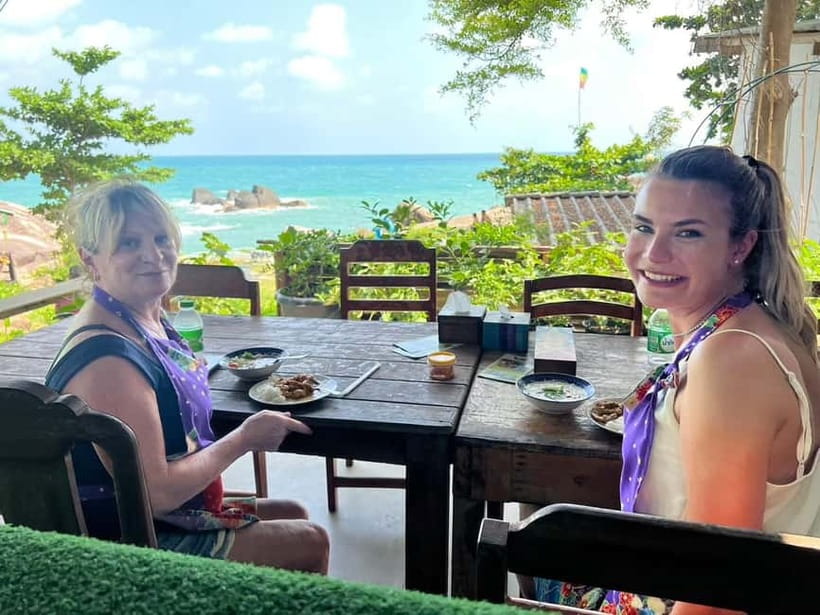
Choose the morning class if you want Massaman curry, red curry, chicken satay, glass noodle salad, or the cashew chicken and sweet-and-sour fish options.
Choose the afternoon class if Phad Thai, green curry, Panang curry, spring rolls, seafood salad, or tamarind shrimp appeal more. Tom Kha Gai, Tom Yum Goong, and the two coconut desserts appear in both menus.
Tell the chef about food preferences and spice levels early, especially if you are cooking for children. The instructor has adapted food for younger participants before, but the menu includes seafood, shrimp, fish, chicken, and several dishes with chili.
Hotel pick-up and drop-off are included, but allow extra time if you are staying far from Lamai. The class is in the Gulf of Thailand setting, and the transfer may involve several hotel stops on the way back.
You can cancel up to 24 hours before the activity for a full refund, and you can reserve now and pay later. Those options are useful if your island plans are still changing.
Should you book the Lamai Thai Cooking School class?
Book it if you want to do more than order Thai food. The combination of five dishes, personal instruction, and a sea-view kitchen gives you a real activity with something useful to take home.
I especially recommend it for families, beginners, and anyone staying near Lamai. Chef Um’s friendly teaching style, the small groups, and the recipe book make the class approachable without making it feel shallow.
Think twice if you are staying in Bophut and dislike long transfers, or if standing and cooking is difficult for you. Otherwise, $78 is a fair price for a hands-on meal, hotel transport, ingredients, and recipes you can use long after your Koh Samui holiday.
FAQ
How many dishes do I cook?
You choose and prepare five Thai dishes from the menu available for your selected morning or afternoon class.
What dishes can I make in the morning class?
Morning choices include chicken satay or glass noodle salad, Massaman or red curry, Tom Kha Gai or Tom Yum Goong, a chicken cashew stir-fry or sweet-and-sour fish, and pumpkin or banana in coconut milk.
What dishes can I make in the afternoon class?
Afternoon choices include spring roll or seafood salad, Panang or green curry with chicken, Tom Kha Gai or Tom Yum Goong, tamarind shrimp or Phad Thai, and pumpkin or banana in coconut milk.
Are hotel transfers included?
Yes. Transfer from and back to your hotel is included. If you stay in Bophut, allow extra time for the return journey because several hotel drop-offs may be scheduled.
Is the class suitable for beginners and children?
Yes. The class is designed for all skill levels, and the instructor can provide clear guidance. Food has also been adapted for children so it is not too strong. People with back problems should not book this activity.
What is included in the $78 price?
The price includes hotel transfers, ingredients, cooking equipment, a herbal drink, coffee, tea, drinking water, seasonal fruit, chef instruction, small-group service, individual work spaces, and a recipe book.
New cooking classes around Thailand
- Sathon: Hands-on Thai Cooking Class & Market Tour in Bangkok★ 5.0 · 19 reviews
- Railay: Hands-On Thai Cooking Class at Railay Beach★ 4.9 · 30 reviews
- Phuket: Thai Cooking Class with Market Tour★ 5.0 · 2 reviews
- Phuket: Pum Thai Cooking School with Meal★ 5.0 · 3 reviews
- Phuket: Rawai Thai Cooking Class with Local Chef★ 4.8 · 23 reviews
- Phuket foodie tour+ Thai cooking class + Local food tasting★ 5.0 · 4 reviews
- Phuket: Half Day Thai Cooking Experience with Market Tour★ 5.0 · 11 reviews
- Phuket: Authentic Thai Cooking Class★ 4.8 · 145 reviews
Thailand Cooking Classes, side by side.
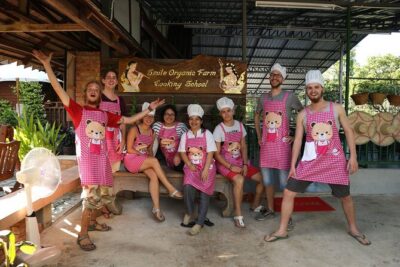
Half-Day Thai Cooking Class at Organic Farm in Chiang Mai
Read our review →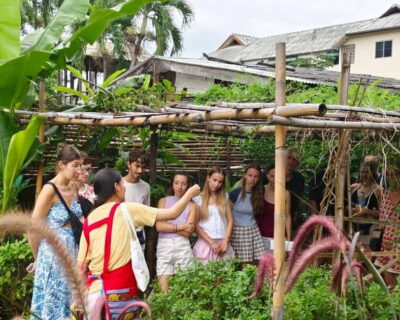
Chiang Mai: Cooking Class, Market & Thai Herbs Garden Tour
Read our review →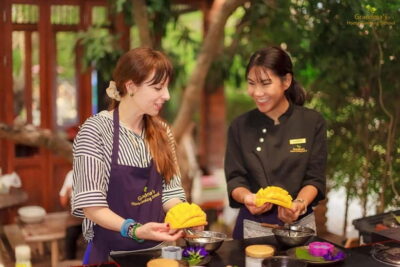
Chiang Mai: Authentic Cooking Class with Market & Farm Visit
Read our review →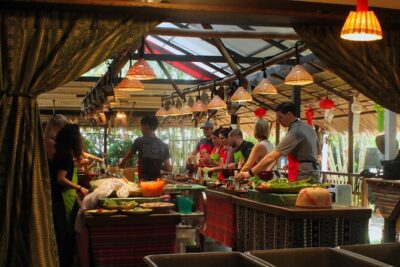
Phuket Thai Cooking Class with Market Tour Option
Read our review →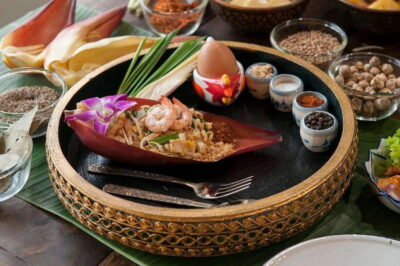
Bangkok: Hands-on Thai Cooking Class and Market Tour
Read our review →
Chiang Mai: Cooking Class with Market and Pickup
Read our review →
Bangkok: Tingly Thai Cooking School Half-Day Cooking Class
Read our review →This kitchen also appears in