
Review · INDONESIA
Lombok Traditional Pottery Experience and Village life
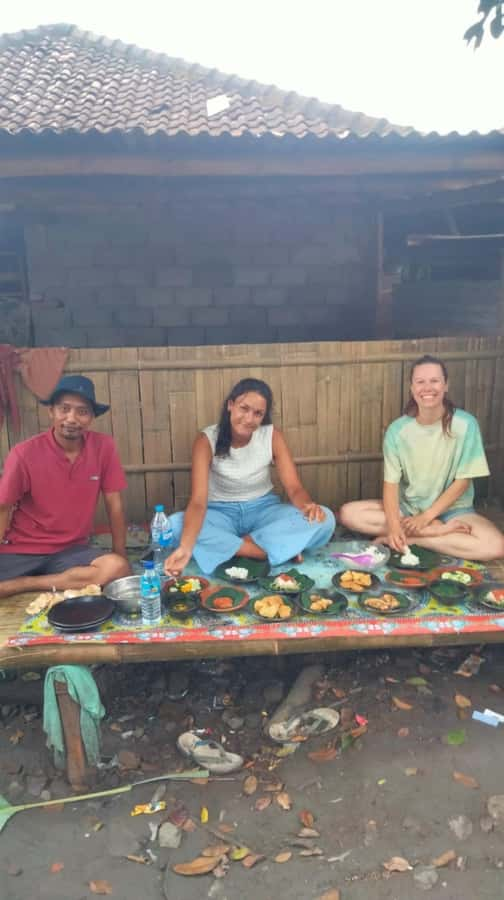
The special part of this Lombok pottery experience is that the workshop takes place in a working Sasak village, not a polished craft center built for tourists. You shape clay beside local artisans, then move into the kitchen to help prepare a meal with the family.
I like the hands-on format, since you make two to four pieces rather than simply watching a demonstration. I also like the generous hospitality from host Dein and his family, including coffee, snacks, village introductions, and sometimes fresh perkedel jagung to take away.
The main consideration is timing. The advertised session lasts two hours, but the pottery, cooking, meal, and conversation can make the visit feel like a fuller morning. Your pottery also needs about two days to dry and fire before it can reach you.
Key points to know before booking
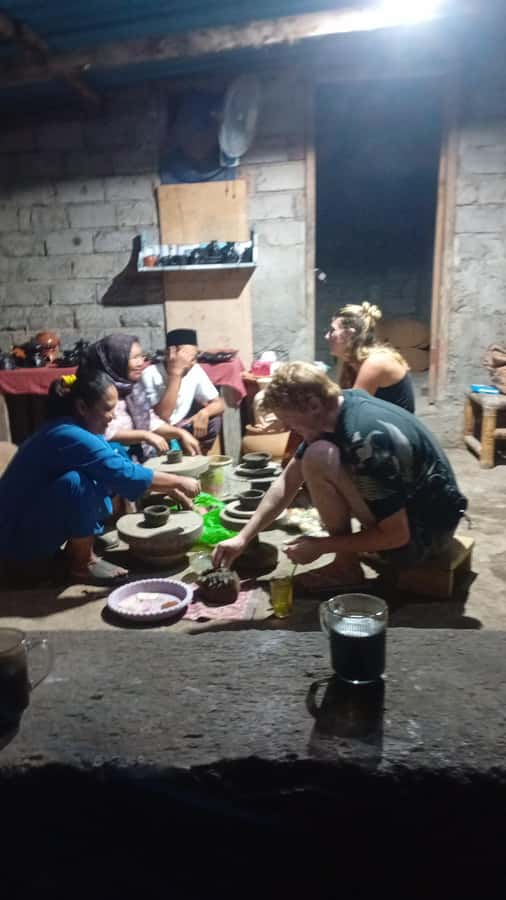
- Make several clay pieces: You may produce two, three, or even four small pottery items with guidance from local artisans.
- Meet host Dein and his family: The welcome often begins with Lombok coffee or tea, snacks, and a friendly introduction to village life.
- Cooking is part of the cultural experience: You help prepare fresh local food, then eat the meal together in a relaxed setting.
- Your pottery is not ready immediately: Pieces need two days for drying and firing before collection or delivery.
- Good for beginners and children: No previous pottery skill is needed, and children are welcome with parental guidance.
- Plan your own transport: Hotel pickup and drop-off are not included, so you must reach Dawa Pottery Studio yourself.
A village welcome at Dawa Pottery Studio
Your meeting point is Dawa Pottery Studio in Dusun Adong, across from the Alfamart alley. Look for the sign marked Dawa Pottery. The studio is connected with the small village of Penuja, where pottery is part of daily craft life rather than just a souvenir display.
Host Dein and his family set a friendly tone from the start. The visit may begin with Lombok coffee or tea, snacks, and time to talk. That opening matters because you are not rushed straight to a workbench. You have a chance to meet the people guiding the experience and get a feel for the village around you.
The welcome can include a short village visit and an introduction to local pottery traditions. One useful feature is the relaxed communication. English is available, though not every person involved in the workshop speaks it fluently. That rarely prevents the practical work, since shaping clay needs plenty of demonstration, hand signals, smiles, and a willingness to laugh at your first lopsided bowl.
You should arrive ready for a real home and village setting, not a formal classroom. Wear clothes that can get dirty, since clay and cooking can leave marks. Comfortable clothing will serve you better than anything you hope to wear for a smart dinner later.
More aprons waiting around Indonesia:
- Ubud: Balinese Cooking Class at an Organic Farm
★ 5.0 · 1,786 reviews - Ubud Cooking Class Bali with Balinese Chef
★ 5.0 · 1,609 reviews - From Ubud: Authentic Cooking Class in a Local Village
★ 4.9 · 1,325 reviews
Shaping clay with traditional tools
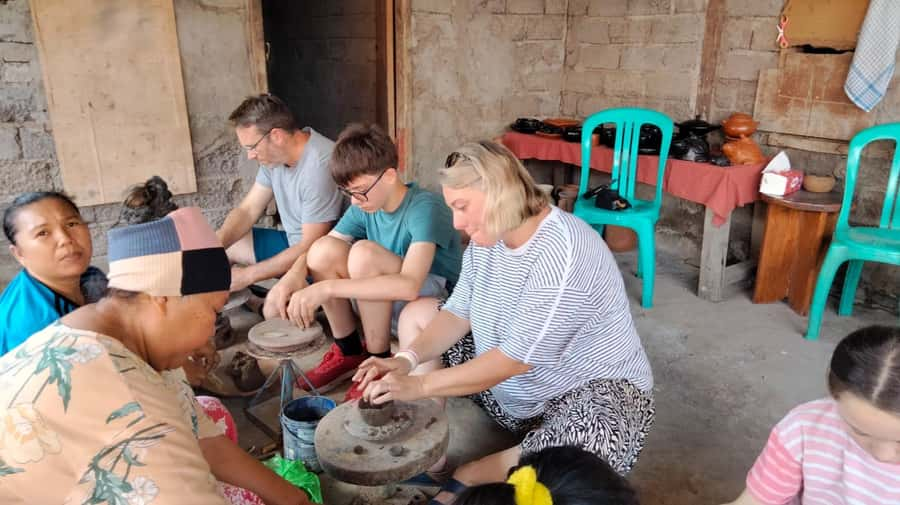
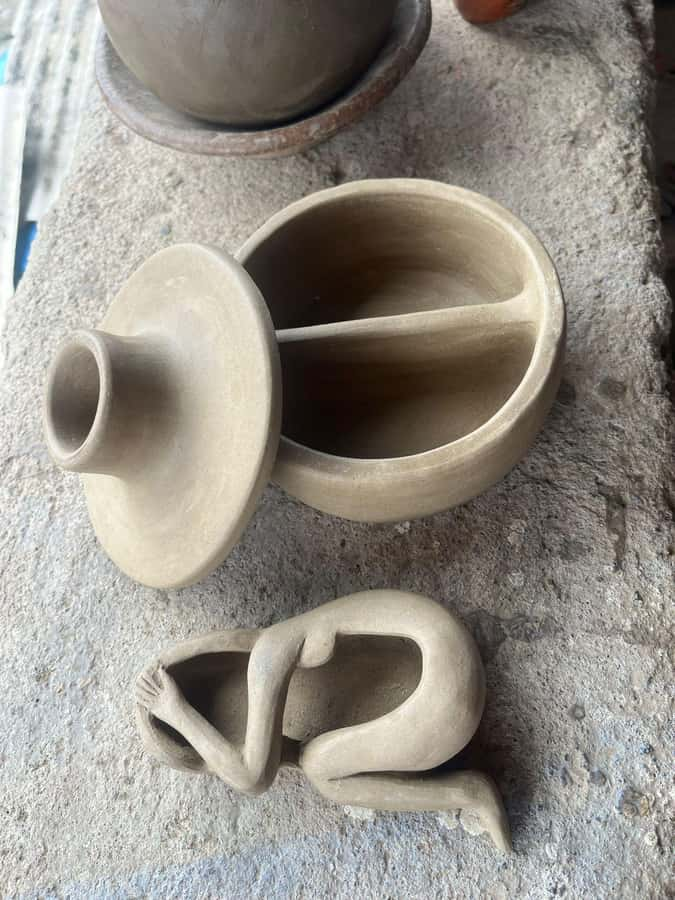
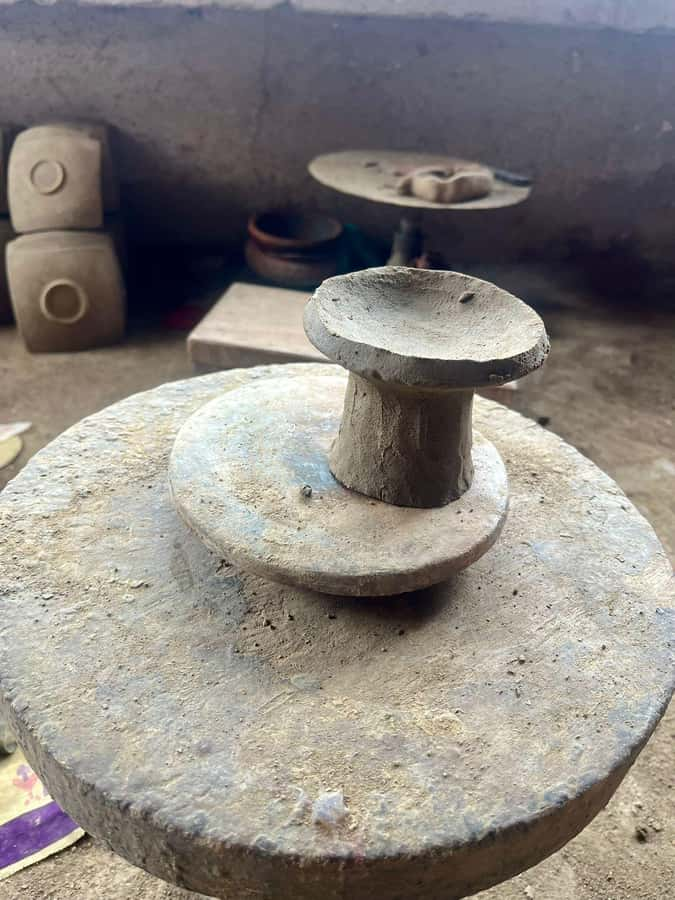
The pottery lesson begins with the basics: forming, smoothing, and decorating the clay. Local artisans guide you step by step, using simple tools and methods passed through generations. You do not need art training, and the emphasis is on trying the process rather than producing a perfect object.
This is where the activity earns its price. For $21 per person, you are not paying only for a finished souvenir. You receive materials, use the tools, get instruction in English or Indonesian, and take part in a craft that has a clear connection to the village.
Expect your hands to do most of the learning. You will press and shape the clay, smooth rough edges, and add your own design choices. The instructors can help you correct a form, but they do not erase every uneven mark. That is part of the charm. A handmade piece should look handmade.
The number of pieces can vary. Some visitors make two or three items, while others manage four. The exact result will depend on your pace, the group, and how much time is given to the cooking portion. Do not arrive expecting to produce a large vase in two hours. Small bowls, cups, or decorative items are a more realistic goal.
The class works especially well for families. Teenagers can take part in both the pottery and cooking, while younger children can join with parental guidance. Parents should expect to help keep small hands tidy and focused, particularly when the clay gives way to the kitchen.
Why the unfinished pottery matters
Your piece cannot go straight into your suitcase. It needs about two days to dry and fire, a necessary step that turns soft clay into usable pottery. The finished items can be sent to your hotel, according to the arrangements made with the studio, or taken home directly once ready.
This delay is easy to overlook when booking, so plan around it. If you are leaving Lombok the same day, ask clearly how your items will be handled. Shipping is included in the experience information, but the practical timing still matters. Give the studio your correct hotel details and keep enough time in your itinerary for delivery or collection.
The waiting period also gives the craft some useful perspective. You see the clay at its most fragile, before heat gives it strength. If you want an instant souvenir, buy one that is already finished. If you want to understand the making process and receive something connected to your own visit, this workshop is the better choice.
From the pottery table to the family kitchen
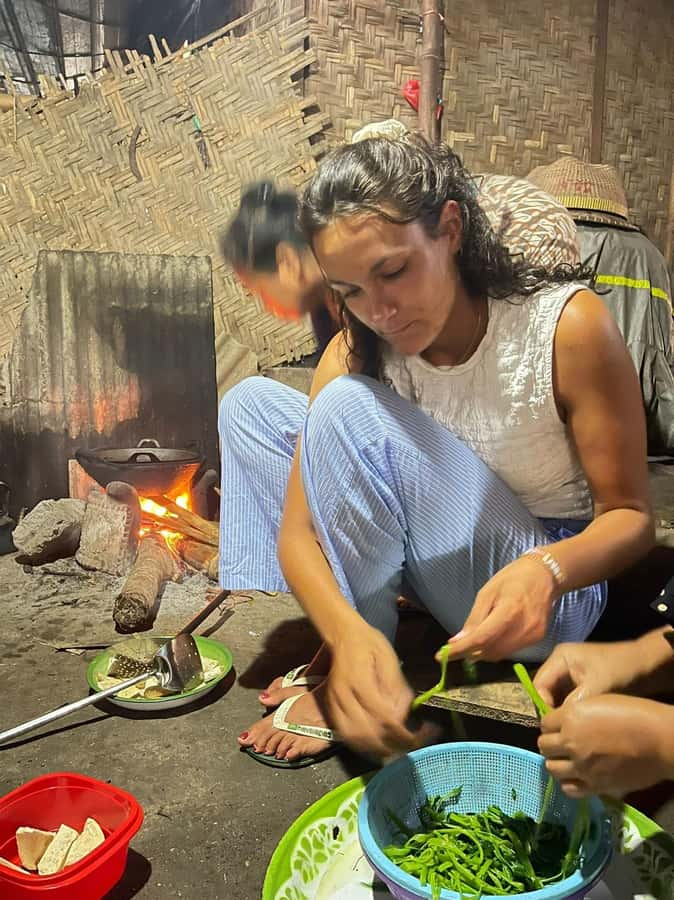
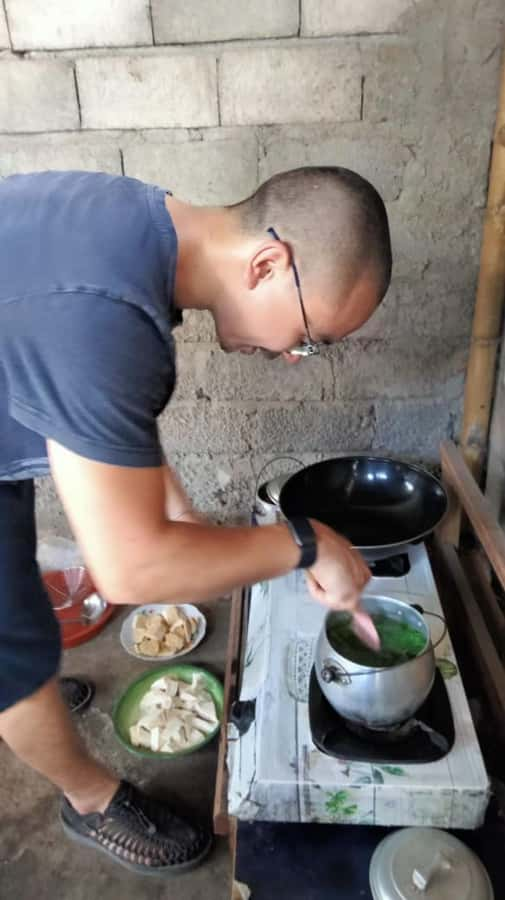
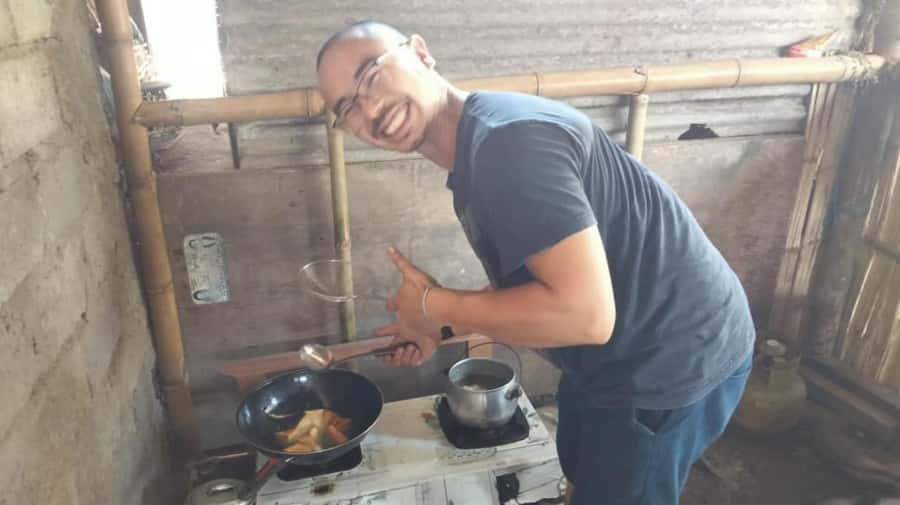
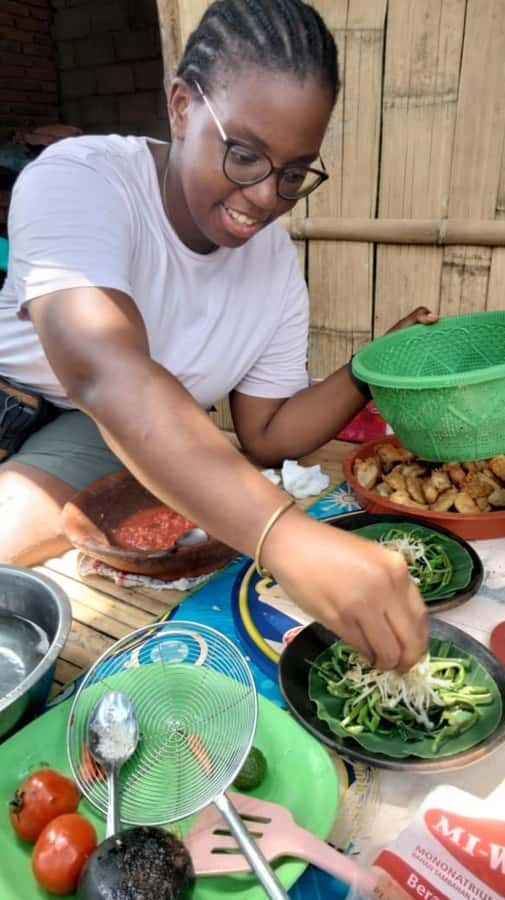
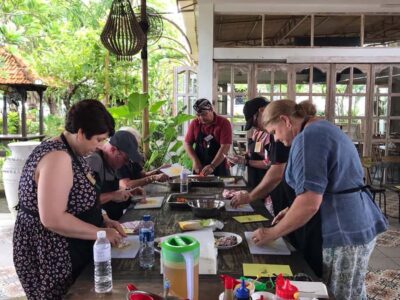
After the clay work, the experience moves toward food. You help prepare a local meal with members of the family or village. The ingredients are fresh and local, and vegetarian food is available if requested in advance.
This part is less about learning a formal recipe and more about sharing a household activity. You may find that instructions come through a mix of English, gestures, and demonstration. That can make the cooking feel more natural, though it may frustrate you if you want a detailed written recipe or a precise culinary lesson.
The meal is eaten together in a warm, informal setting. One memorable detail is eating with your hands, which gives the meal a distinctly local feel and makes the experience less like a restaurant visit. Coffee and conversation may return after lunch, giving you time to relax before leaving.
The food receives some of the strongest praise connected with this activity. Fresh local ingredients, a full meal, and the chance to cook alongside family members add real value to the $21 cost. In some cases, you may also leave with a bag of perkedel jagung, a corn fritter dish prepared for the journey home.
Keep the food details in perspective. Additional food or drinks outside the class are not included. The cooking and shared meal are part of the planned cultural experience, but you should not assume an open-ended menu, extra snacks, or a full restaurant service.
Same kitchen, a different dish:
- Ubud: Cooking Class with Transfers and Optional Market Visit
★ 4.9 · 824 reviews - PRIVATE Authentic Balinese Cooking Class in Ubud at Putu’s Home
★ 5.0 · 644 reviews - Balinese Ubud cooking school (9 Dish Cooking and Market Tour)
★ 5.0 · 540 reviews - Ubud: Balinese Cooking Class and Market Tour
★ 4.8 · 531 reviews
What makes the welcome memorable
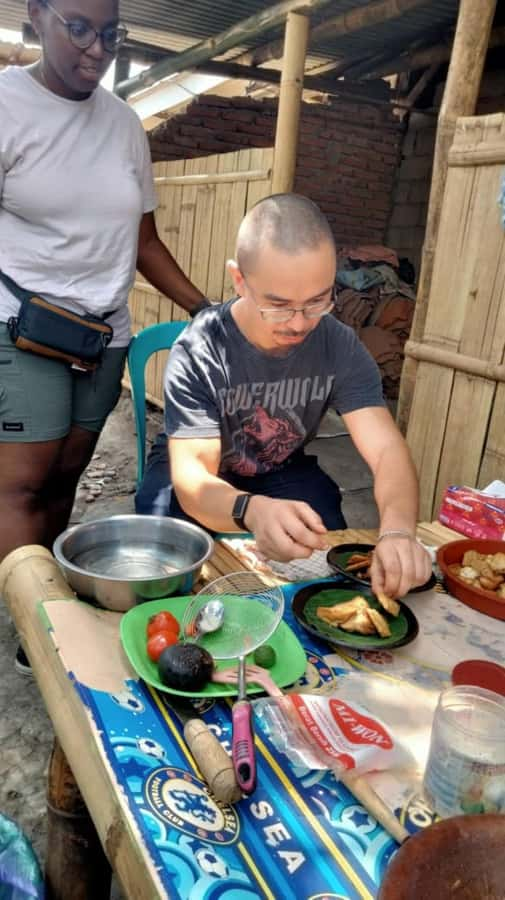
The pottery itself is appealing, but the human contact gives the visit its character. Dein and his family create a setting where conversation matters as much as the finished craft. You are welcomed into a family environment, introduced to village life, and given time to sit, eat, and talk.
That warmth is especially valuable if you have already visited several commercial craft shops. In a shop, you can buy a bowl in five minutes. Here, you learn how clay changes under your hands, share a meal, and see the people connected with the work.
You should also expect some cultural difference in how the session unfolds. The timetable may feel loose, and the visit can expand through conversation and hospitality. If you prefer a tightly managed class that begins and ends to the minute, this may not be your ideal activity.
For most people, the relaxed pace is a benefit. You can enjoy the jokes, village walk, fruit tasting, and coffee without feeling pushed from one station to the next. Just keep your wider day flexible.
Price, timing, and practical value
At $21 per person, this is a strong-value activity if you take part in both the pottery and cooking. The price includes the workshop, tools, clay, instruction, and shipping of the finished pottery. It also gives you a meal and a personal connection that you would not get from simply purchasing a craft item.
The advertised duration is two hours. In practice, allow emotional and practical room for the visit to run at a relaxed pace, especially if you want to enjoy the conversation and meal instead of watching the clock. The session may be listed with several possible start times, so check availability when booking.
Transportation is the main extra planning point. Hotel pickup and drop-off are not included. You need to reach Dawa Pottery Studio at Dusun Adong, across from the Alfamart alley, and confirm the route before setting out.
The activity is wheelchair accessible, which makes it useful for visitors who need an accessible option. Still, the information provided does not explain every surface or seating arrangement within the home and village, so you may want to contact the provider if you need specific equipment or access details.
Free cancellation is available up to 24 hours before the start time, and you can reserve now and pay later. That is handy if your Lombok plans are still changing. The activity is not suitable for anyone who has scuba-dived within the previous 24 hours.
Who will enjoy this most
I would choose this for you if you want to meet local people through a shared activity rather than watch a performance. It suits couples, families, teenagers, beginner artists, and anyone who likes bringing home a souvenir with a story attached.
It is also a good fit for food lovers who enjoy participating in a meal. The cooking portion adds variety, so the experience does not become two straight hours of clay work. Vegetarian options are available if you ask ahead of time.
This may not suit you if you want a refined art class, a guaranteed finished product, or a short photo stop. Your pottery may be uneven, the instruction may include little spoken English from some helpers, and the final piece will not be ready on the day.
Children can join with parental guidance. Parents should bring spare clothing or choose outfits that can handle clay, food preparation, and a little village dust.
Simple tips for a smoother visit
- Wear comfortable clothes that can get dirty.
- Request a vegetarian meal before the session.
- Allow time after the class for conversation and the shared meal.
- Confirm how your pottery will be delivered after two days of drying and firing.
- Keep your hotel address available for shipping.
- Do not plan a tight appointment immediately afterward.
- If you need access details beyond general wheelchair accessibility, contact the provider before booking.
- Bring patience if communication switches between English, Indonesian, demonstrations, and gestures.
Should you book the Lombok pottery experience?
Book it if you want a personal, low-cost way to connect with Sasak craft and family life. The strongest parts are the chance to make several pottery pieces, the friendly welcome from Dein and his family, and the move from workshop to kitchen. At $21, that is a lot of contact and activity for the money.
Skip it if you need hotel transport, a polished studio class, or pottery that can go straight into your luggage. The pieces require two days for drying and firing, and the relaxed village rhythm may not fit a tightly planned day.
For most visitors who value hands-on culture, I would make room for it. You leave with more than clay. You take away a meal, a few laughs, and a handmade object that began under your own fingers.
FAQ
Where does the pottery experience take place?
It takes place at Dawa Pottery Studio in Dusun Adong, across from the Alfamart alley. Look for the sign saying Dawa Pottery.
How long does the activity last?
The advertised duration is two hours. The pottery, cooking, meal, and conversation may make the visit feel like a fuller morning, so avoid scheduling something immediately afterward.
Do I need previous pottery experience?
No. The activity is suitable for beginners, and local artisans guide you through shaping, smoothing, and decorating the clay.
Can I make my own pottery piece?
Yes. You make your own pottery using the provided clay, tools, and instruction. Some people make two or three pieces, while others make four.
Can I take my pottery home the same day?
No. Your pottery needs about two days to dry and fire. Shipping is provided, and the items can be taken home directly once they are ready.
Is food included?
The experience includes helping prepare and share a local meal. Additional food or drinks outside the class are not included.
Are vegetarian options available?
Yes. Vegetarian options are available upon request, so ask for one before the activity.
Is the experience suitable for children and wheelchair users?
Children are welcome with parental guidance, and the activity is listed as wheelchair accessible. Wear clothes that can get dirty, since you may handle clay and help with cooking.
New cooking classes around Indonesia
- Seminyak: Vegetarian Cooking Class★ 5.0 · 3 reviews
- Seminyak : cooking class traditional food bali★ 5.0 · 5 reviews
- Quad ride, waterfalls & aunthentic cooking class in munduk★ 4.9 · 53 reviews
- Pure Bali Village Experience Cooking & Jamu Class, Transfer★ 4.8 · 5 reviews
- Ubud: Organic Farm Harvest, Bali Cooking Class by Pemulan★ 4.8 · 12 reviews
- packages cooking class and romantic dinner in a local home★ 5.0 · 4 reviews
- Nusa Dua: Balinese Cooking Class with Market Tour★ 5.0 · 4 reviews
- Bali: Balinese Cooking Class and Market Tour★ 4.8 · 19 reviews
Indonesia Cooking Classes, side by side.
Ubud: Balinese Cooking Class at an Organic Farm
Read our review →
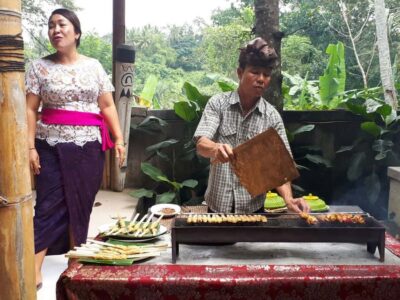
From Ubud: Authentic Cooking Class in a Local Village
Read our review →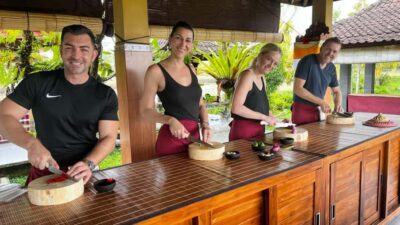
Ubud: Cooking Class with Transfers and Optional Market Visit
Read our review →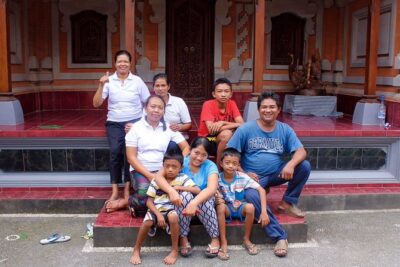
PRIVATE Authentic Balinese Cooking Class in Ubud at Putu’s Home
Read our review →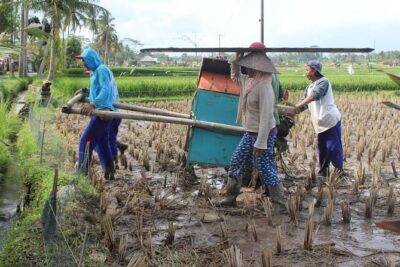
Balinese Ubud cooking school (9 Dish Cooking and Market Tour)
Read our review →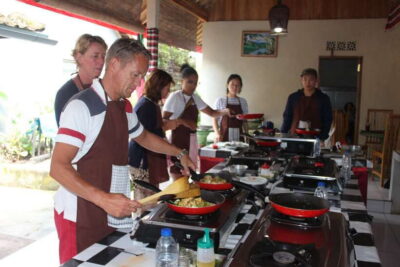
This kitchen also appears in