Review · UBUD
Ubud: Cooking Class with Transfers and Optional Market Visit
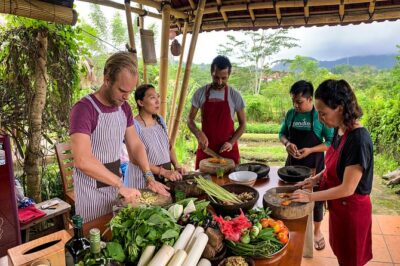
Ubud’s best food lesson may begin with a market basket and end with a feast of up to 10 dishes. You’ll work with local hosts such as Eri, Made, or Madi, learning how spices, satay, curry, sambal, tempeh, and desserts fit into Balinese life, not just how to chop them.
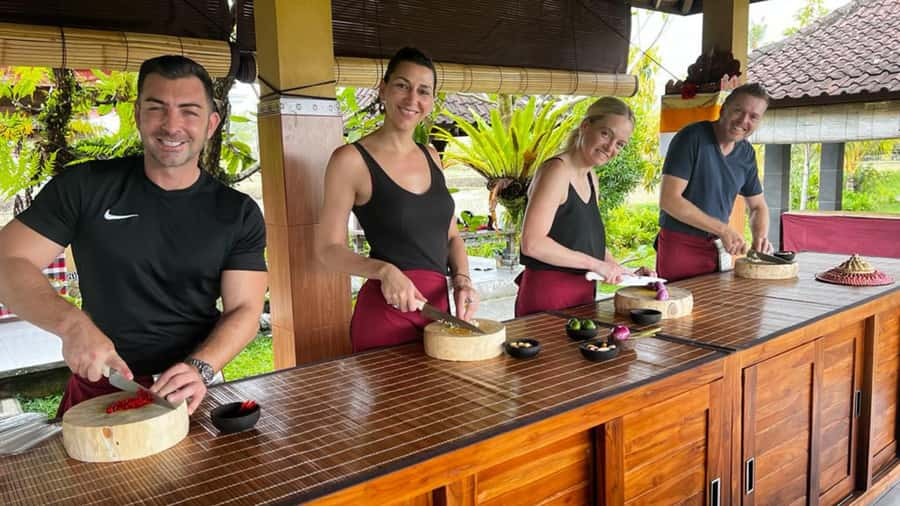
I like the hands-on team cooking, where everyone gets a real task without being rushed. I also like the chance to visit a family compound, learn about Hindu offerings and Balinese architecture, and leave with recipes you can try at home. The main catch is that the market visit is offered only on the morning option, and some outlying pickup areas cost extra.
Key points to know before booking
- Morning market visit: Walk through local stalls with your guide and learn about produce, spices, and food used in Balinese cooking.
- Up to 10 people: The small group makes it easier to ask questions and take part in chopping, grinding, mixing, and cooking.
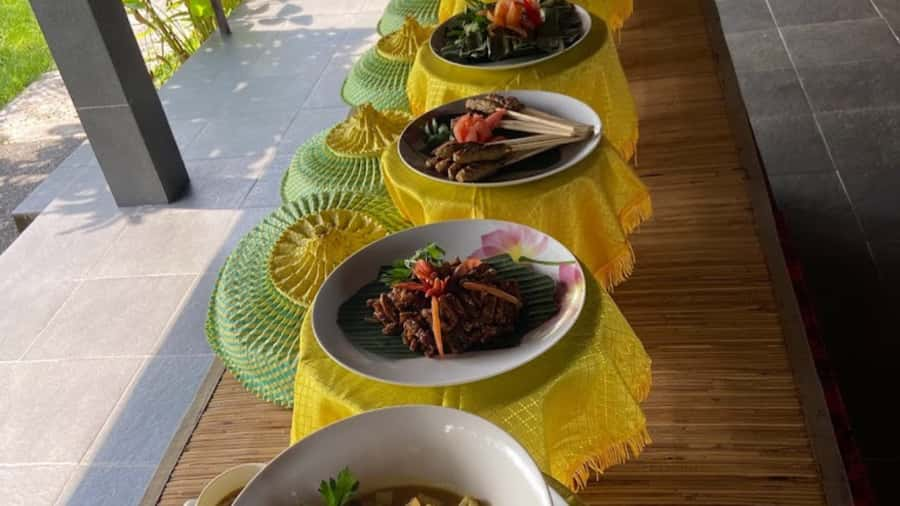
- A full Balinese meal: You may prepare a large spread including curry, satay, soup, sambal, tempeh, rice, and dessert.
- Culture beyond the kitchen: Lessons can include Hindu offerings, family compounds, architecture, rice growing, and everyday traditions.
- Good value at $21: Transfers, the class, guide, and meal are included, though pickup outside Ubud Center may cost more.
- Choose the right time: The market is part of the morning class only. Afternoon and evening options focus on the cooking and meal.
Why this Ubud cooking class feels different
Many cooking classes teach you a few recipes, then send you off with a full stomach. This one aims for more. The food is the main event, but the setting and cultural lessons give the class its character.
You may begin with a welcome drink and local fruit before hearing about Balinese family life, religion, and house compounds. Some sessions also include making a canang, the small Hindu offering basket made from woven palm leaves and flowers. That detail helps explain why food, flowers, rice, and daily ritual are so closely linked in Bali.
I especially like this broader approach for first-time visitors. You are not simply learning that a spice is hot or fragrant. You are hearing why ingredients matter, how they are used at home, and how meals connect with family and ceremony.
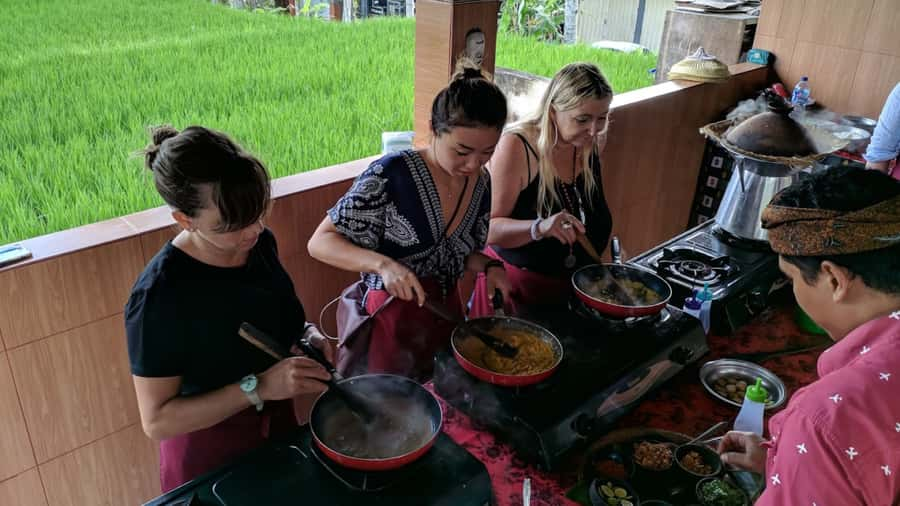
The cooking takes place in a tropical outdoor setting, sometimes at a family home or compound outside central Ubud. Several sessions have included views of rice fields, garden surroundings, and friendly family members. You should not expect a polished restaurant kitchen or a formal culinary academy. The appeal is the local setting and personal instruction.
More Cooking Classes with a Market Tour in Indonesia
- Balinese Ubud cooking school (9 Dish Cooking and Market Tour)
★ 5.0 · 540 reviews - Ubud: Balinese Cooking Class and Market Tour
★ 4.8 · 531 reviews - Balinese Cooking class with traditional morning market visit
★ 5.0 · 161 reviews
The morning market option in Ubud
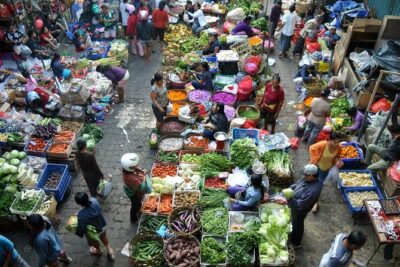
Choose the morning class if you want the most complete experience. After pickup from Ubud Center, you meet your guide at the market and walk through stalls filled with fruit, vegetables, herbs, and spices.
This is not mainly a shopping trip. Your guide explains what the ingredients are, how they are used, and which items will later go into your meal. That makes the market visit useful even if you have already wandered through Ubud’s food stalls on your own. A guide can connect unfamiliar roots, leaves, chilies, and spice mixtures to the dishes you will cook a little later.
You also get a closer look at the working side of Balinese food. Fresh produce is selected for the lesson, and the market becomes a kind of open-air classroom. I would choose this option if you want context before the cooking begins.
There is one practical limitation. The market visit belongs to the morning option only. If you choose an afternoon or evening session, you go directly to the cooking location. Those later classes still include the cultural introduction and meal, but they do not include the market walk.
From spice preparation to satay and dessert
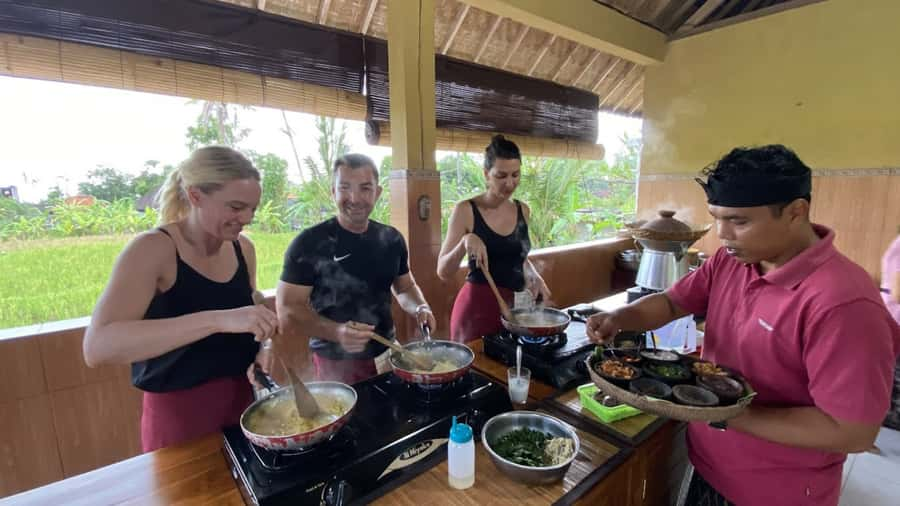
Once you reach the cooking school or family compound, the local chef introduces the dishes and the ingredients. The class is designed for participation. You may chop vegetables, grind spices, mix ingredients, shape satay, or help prepare rice and dessert.
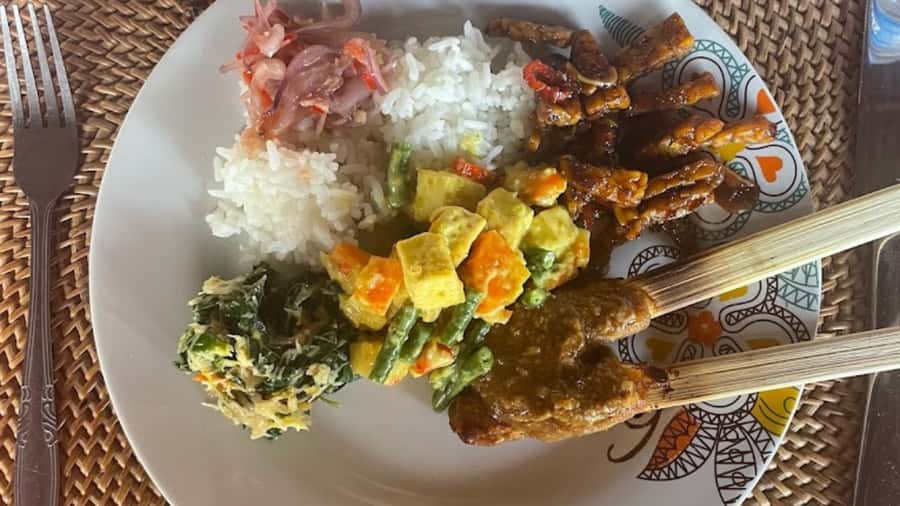
The exact menu can vary, but the class commonly covers a generous range of Balinese flavors. Curry, satay, soup, sambal, tempeh, rice dishes, and pancakes or other sweets have all appeared in the meals described by past participants. One especially popular dish is sweet tempeh, while children often enjoy the pancakes.
Do not expect to cook every dish alone from start to finish. This is a group class, so the meal is a team effort. The chef explains each step while different people handle different jobs. The advantage is that you can taste and understand a wider menu in two or three hours. The tradeoff is that you may not personally prepare every recipe from beginning to end.
The instructors make a point of keeping everyone involved. With a maximum group size of 10, there is room to ask questions and take a turn. Smaller sessions of five to seven people are also possible, based on recent class sizes. That usually makes the pace more relaxed and gives you more contact with the chef.
What you learn about Balinese food
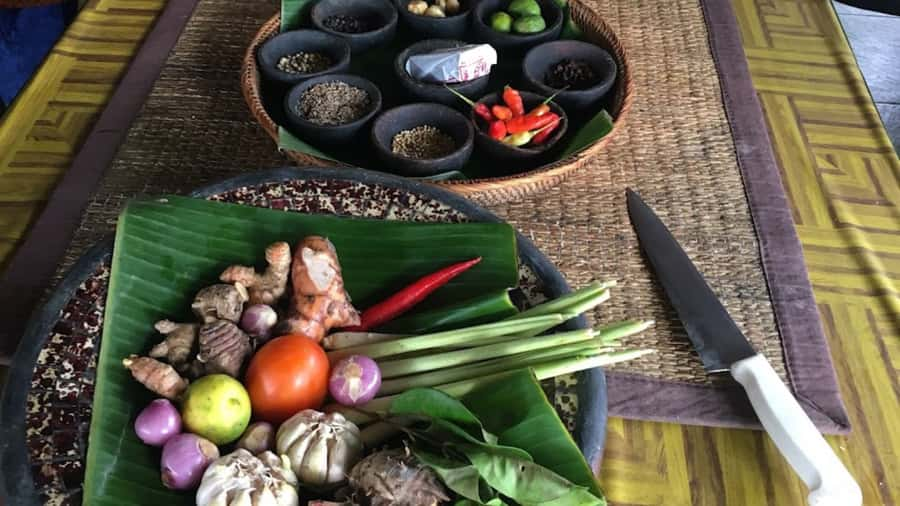
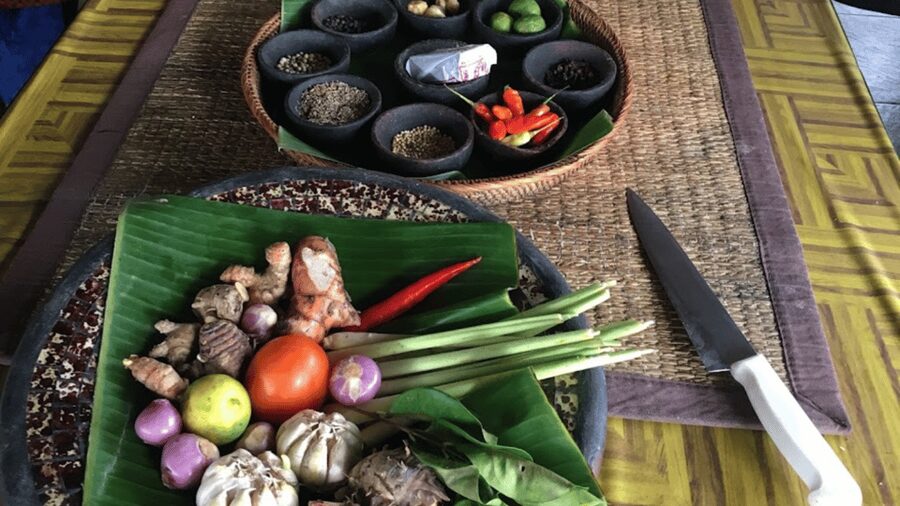
The strongest part of the class is the explanation behind the ingredients. Balinese cooking often depends on a careful blend of aromatics, chilies, herbs, and spices rather than a single dominant flavor. You learn how those ingredients are cut, ground, mixed, and cooked into a base for several dishes.
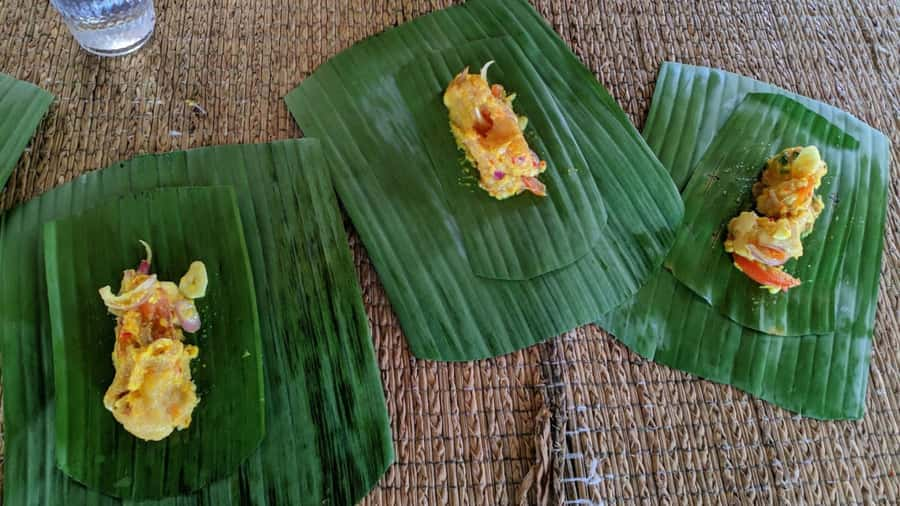
The class also gives you a practical way to understand sambal, curry pastes, satay seasoning, and vegetable mixtures. Instead of memorizing a list of ingredients, you see how the flavor develops as the group prepares the food.
I would pay attention when the chef discusses substitutions. Vegetarian alternatives are available, and dietary needs such as avoiding fish can be accommodated. One class also provided rice flour for pancakes to suit an allergy or intolerance. Still, you should state your requirements when booking or before the class begins. The supplied information confirms that alternatives are possible, but it does not promise every diet can be handled.
The cultural side is just as useful. Depending on the host, you may hear about Hindu practice, family compounds, traditional architecture, rice cultivation, and the meaning of offerings. Some sessions have included a short explanation of how rice is grown, while others have focused on daily life inside a local home.
More Cooking Classes with a Market Tour in Ubud
- Jambangan bali cooking class with morning market tour
★ 5.0 · 35 reviews - Balinese cooking class/Go shopping at the market, cook, eat
★ 5.0 · 12 reviews
Sitting down to eat what you prepared
At the end, the cooking becomes a shared meal. The food is served so you can try the different dishes together, often in a buffet-style spread. This is where the wide menu pays off. You may compare the curry with the satay, balance a spicy sambal with rice, and finish with a sweet dish or pancake.
The meal is included in the $21 price, which makes the experience a strong value. You are paying for transport on selected options, a guide, instruction, ingredients, and dinner or lunch, not just a demonstration. The portion and number of dishes can make this feel closer to a full meal experience than a short tasting.
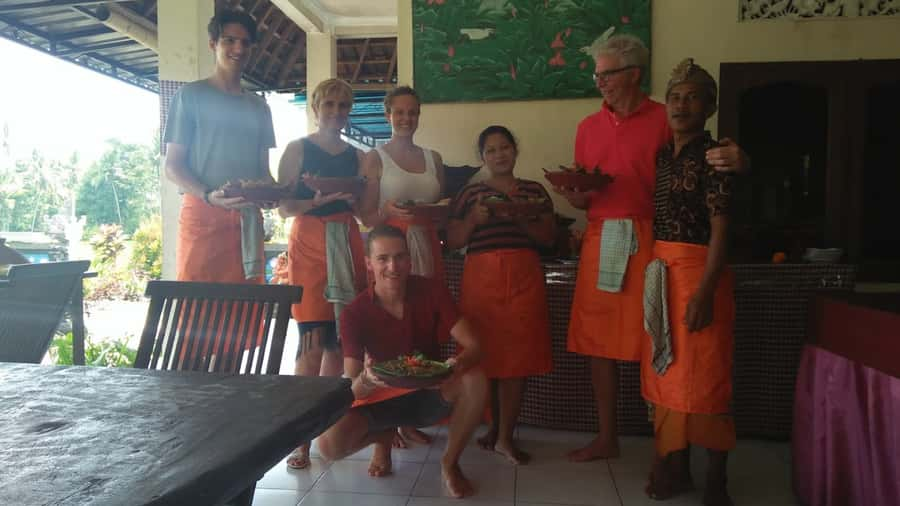
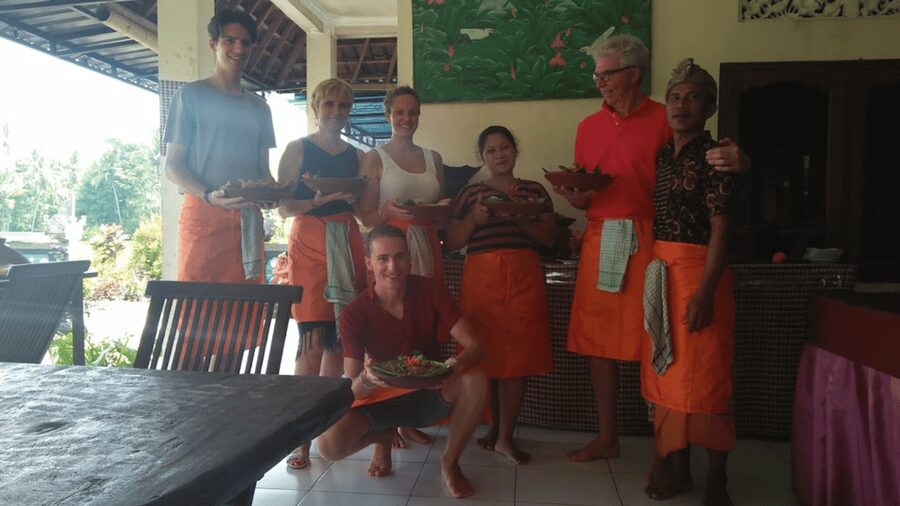
The communal table is also part of the fun. You cook with people from different countries, then share the result. It is a social activity, but it is not built around forced entertainment. The food gives everyone an easy subject to talk about.
You receive a certificate of completion, and some sessions also provide a small recipe book. The recipe book matters more than the certificate if you want something useful. It gives you a way to recreate favorites such as tempeh, soup, satay, sambal, or pancakes after returning home.
Transfers, meeting points, and timing
The experience lasts about two to three hours, not counting any extra travel time. Pickup and drop-off are included when you select an option with transport and stay within Ubud Center. You should wait in your hotel lobby if pickup is arranged.
For evening sessions, the meeting point is a parking field because traffic can make vehicle access difficult. Read the pickup instructions carefully rather than assuming a car will reach your accommodation door. If you are staying in Sebali or Keliki, an extra charge of 50,000 Indonesian rupiah per person applies.
You can also make your own way to the cooking location. A recent participant found it easy to reach by scooter, with parking available, and described the location as roughly 10 minutes from central Ubud. The exact travel time depends on traffic and your starting point, so allow extra time if you are driving yourself.
The morning option is the best choice for a full half-day food experience. Afternoon and evening choices work well if you already have plans earlier in the day or want to make the class part of a relaxed evening in Ubud.
Who should book this class
I would recommend it to anyone who wants more than restaurant meals in Bali. It suits first-time visitors who want an introduction to local food and customs, as well as experienced cooks who enjoy learning how another food culture builds flavor.
Families can also consider it. Teenagers have taken part successfully, and the shared jobs make the class easier for children than a long sit-down lecture. The pancake and dessert work can be a useful hook for younger cooks.
It is a good match for solo visitors too. The small group gives you a natural way to meet people without signing up for a large bus tour. Couples and friends will enjoy the meal, but the class does not depend on arriving as a group.
You may want to skip it if you dislike group cooking, have very strict dietary requirements, or want advanced chef training. The lesson is practical and welcoming rather than technical. It focuses on traditional home-style food, cultural background, and a shared meal.
Is $21 a fair price?
At $21 per person, this is one of the easier Ubud activities to justify. The package includes the cooking class, guide, meal, and hotel transport on selected options. The morning version adds the market visit, which gives you more for the same general experience.
The value improves if you take advantage of the cultural parts rather than treating the session as a quick recipe demonstration. Listen to the explanations about offerings, architecture, family life, and ingredients. Those details are what make the class different from simply following a recipe online.
Remember to check the booking option carefully. Pickup may be optional, the market is limited to morning sessions, and Sebali or Keliki adds 50,000 rupiah per person. Free cancellation is available up to 24 hours in advance, and you can reserve now while paying later, which helps if your Ubud plans may change.
Should you book the Ubud cooking class?
Yes, if you want a friendly, hands-on introduction to Balinese food with a cultural setting and a proper meal at the end. The best version is the morning class with the market visit, especially if this is your first time in Ubud.
Choose an afternoon or evening session if the market is less important to you. You will still cook, learn about Balinese traditions, meet a local host, and eat a substantial meal.
I would not book it expecting a private lesson or fine-dining technique. I would book it for the generous menu, patient guidance, family-style welcome, and chance to understand why Balinese cooking belongs in homes, ceremonies, and daily life. At this price, it is a practical and enjoyable use of two or three hours in Ubud.
FAQ
How long does the cooking class last?
The activity lasts approximately two to three hours.
Does the experience include hotel pickup?
Hotel pickup and drop-off at Ubud Center are included when you select an option that includes transfers. You should wait in your hotel lobby.
Is the market visit included with every session?
No. The market visit is available with the morning option only.
Where is the evening meeting point?
The evening meeting point is at a parking field because traffic can make vehicle access difficult.
Is the class suitable for vegetarians?
Vegetarian alternatives are available. You should tell the provider about your dietary needs when booking or before the class starts.
Can the class handle food allergies or intolerances?
The class has provided alternatives for some allergies and intolerances, including rice flour for pancakes. Contact the provider in advance with your specific requirements.
How many people are in the group?
The group is limited to 10 participants. Some sessions may be smaller.
What language is the class taught in?
The live guide and audio guide are available in English.
Is the meal included?
Yes. The meal made during the class is included.
Is transport from Sebali or Keliki included?
Pickup from the Sebali or Keliki areas costs an additional 50,000 Indonesian rupiah per person.
New cooking classes around Ubud
- Ubud: Organic Farm Harvest, Bali Cooking Class by Pemulan★ 4.8 · 12 reviews
- packages cooking class and romantic dinner in a local home★ 5.0 · 4 reviews
- Jambangan bali cooking class with morning market tour★ 5.0 · 35 reviews
- Balinese cooking class/Go shopping at the market, cook, eat★ 5.0 · 12 reviews
- Bali: Cooking Class with Monkey Forest and Art Village Tour★ 5.0 · 2 reviews
- Ubud: Balinese Cooking Class with Hotel Transfers★ 4.8 · 17 reviews
- Balinese Vegan Cooking Class with Fresh Harvesting & Garden Tour★ 5.0 · 86 reviews
- From Ubud: Authentic Bali Farm Cooking School & Organic Farm★ 5.0 · 122 reviews
Ubud Cooking Classes, side by side.
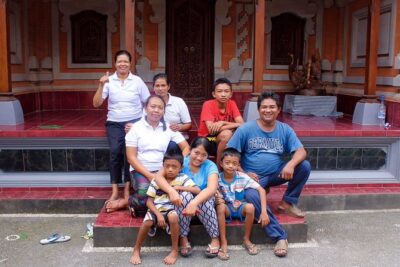
PRIVATE Authentic Balinese Cooking Class in Ubud at Putu’s Home
Read our review →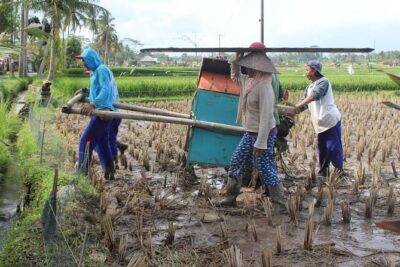
Balinese Ubud cooking school (9 Dish Cooking and Market Tour)
Read our review →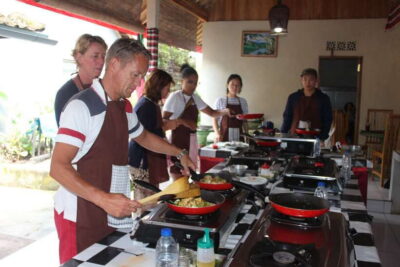
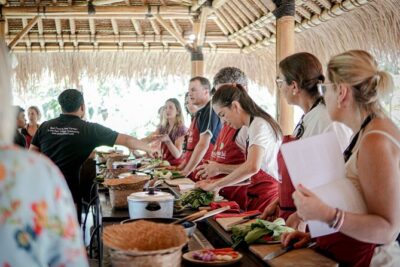
Balinese Cooking class with traditional morning market visit
Read our review →
From Ubud: Authentic Bali Farm Cooking School & Organic Farm
Read our review →