Review · MALLORCA
Mallorca: Market Visit and Traditional Cooking Workshop
Mallorca’s food culture makes the most sense when you see the ingredients first, then cook them yourself. This four-hour experience starts at Mercat de l’Olivar, where Deborah introduces local produce, fish, meats, and delicacies before leading you to her historic atelier for a seasonal meal.
I like the small groups of up to eight, and I like that the menu follows the season instead of forcing the same dishes all year. The old bakery setting, family recipes, and chance to take home recipes and some workshop materials give the class a useful connection to everyday Mallorcan cooking.
The main drawback is the price: at $171 per person, this is not a cheap lunch. The market tasting can also be modest, with one account noting only a single slice of ham, so the value depends on how much you care about the guided cooking, cultural context, and full meal afterward.
Key points to know before booking
- Mercat de l’Olivar comes first: You spend about an hour meeting vendors, seeing local products, and tasting selected delicacies.
- Deborah leads the cooking session: Her teaching combines food history, family recipes, and hands-on preparation.
- The menu changes by season: Expect a complete Mallorcan meal built around what is available at the time of year.
- Forn de sa Llotgeta is part of the experience: The workshop takes place in an emblematic bakery dating from the 18th century.
- The group stays intimate: Open sessions accept no more than eight people, while private bookings are available for two to fifteen.
- Wine is included, but limited: Your booking includes two wine glasses per person, with extra wine at your own cost.
Start at Mercat de l’Olivar in central Palma
Your meeting point is in front of the statue El darrer vestit a l’ampla, beside the BBVA bank and opposite Mercat de l’Olivar. This is a practical starting place in central Palma, and you should allow a little extra time to find the statue before the scheduled start.
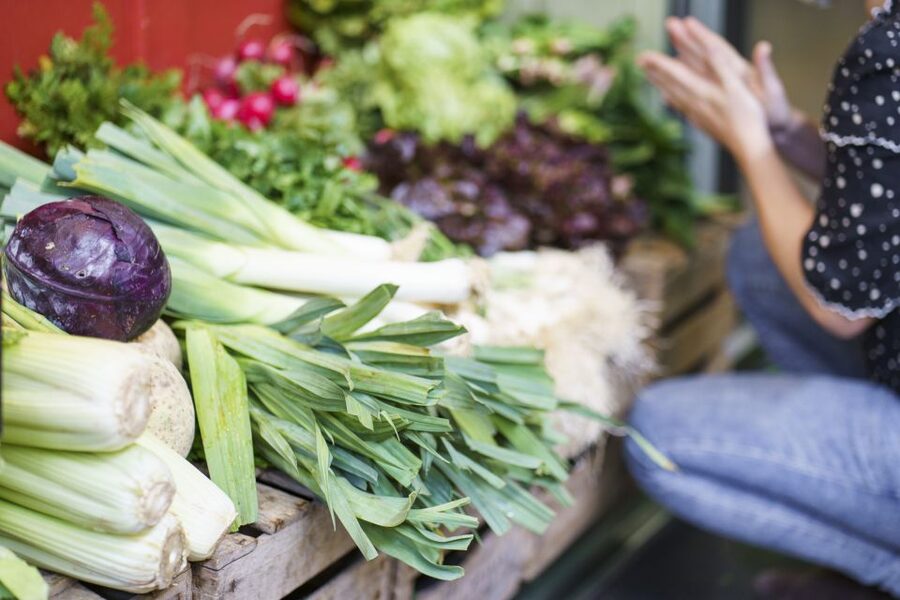
The market visit lasts about one hour. Rather than simply walking through the stalls, you use the visit to understand the ingredients that shape Mallorcan cooking. You may see fruit, fish, meats, cheeses, and other local delicacies while learning how products fit into the island’s food traditions.
This first part matters because the cooking class is tied to the market. You are not given a fixed menu detached from its setting. The ingredients are sourced locally and sustainably, and the market walk helps explain why particular foods appear on the plate.
The market is also a good place to get your bearings in Palma. Mercat de l’Olivar is described as the city’s largest typical market, with a wide selection of food stalls. The guide meets vendors and sources some ingredients needed for the workshop, so the visit has a clear purpose rather than being a general sightseeing stop.
Tastings are included, such as local ham and other delicacies. Keep your expectations measured here. The tasting component is a sample of the market’s food culture, not a full food tour with generous portions at every stall. One account specifically found the ham tasting too small for the price, so people booking mainly for market sampling may want to factor that in.
Evening sessions replace the daytime tasting arrangement with an aperitif of one vermouth and a banderilla. If the market is a major reason for booking, check the start time and format before paying.
More Cooking Classes with a Market Tour in Spain
- Barcelona: Paella Cooking Experience & Boqueria Market Tour
★ 4.8 · 3,661 reviews - Barcelona Paella Cooking Class with Market Visit, Tapas & Sangria
★ 5.0 · 2,531 reviews - Paella Cooking Class, Wine Tasting & Central Market in Valencia
★ 5.0 · 1,150 reviews
Walk from market produce to the old bakery
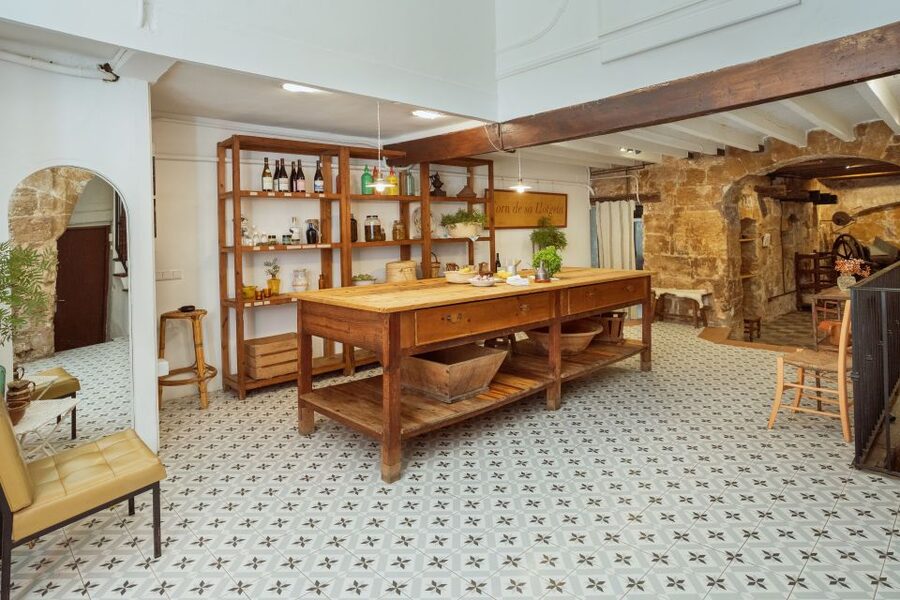
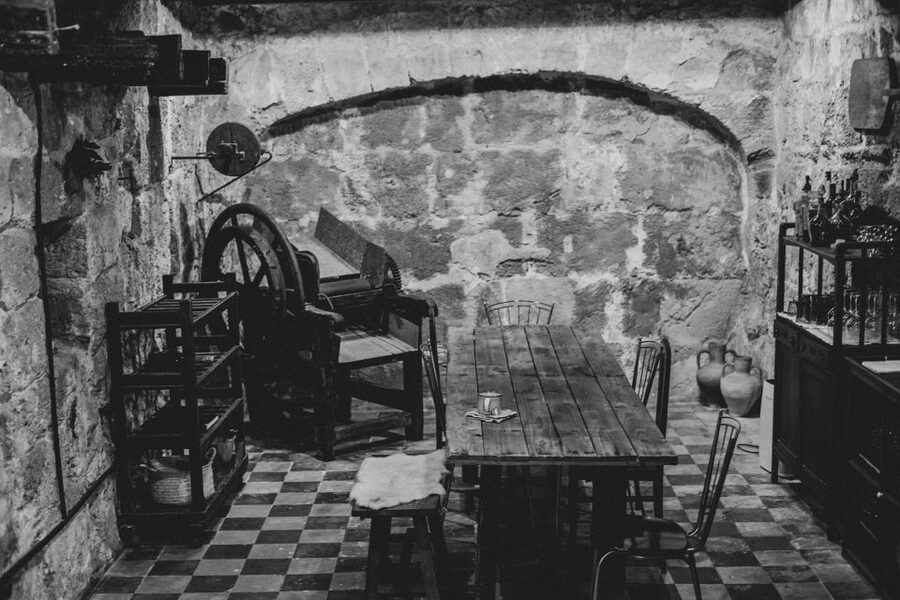
After the market, the group heads to Forn de sa Llotgeta, the workshop space associated with the experience. The bakery dates from the 18th century, giving the cooking session a strong sense of place. You are not cooking in an anonymous modern classroom. The setting connects the meal to Palma’s older food traditions.
The atelier is in the city center, about ten minutes from the market. That short transfer keeps the afternoon simple, with no hotel pickup or complicated transport. You will need to reach the meeting point on your own, though, since pickup and drop-off are not included.
The setting is one of the strongest parts of the experience. The space is described as comfortable and well suited to preparing, cooking, and eating together. That combination matters. You are not rushed out after the final step, and the meal becomes the natural finish to the class.
Deborah is the instructor, and her approach includes more than measurements and cooking times. She explains the history of the food, the island’s past relationship with nature, and the role of local products. A session can include discussion of life in Mallorca before mass tourism, which gives familiar dishes a more useful social context.
Prepare a four-course Mallorcan menu
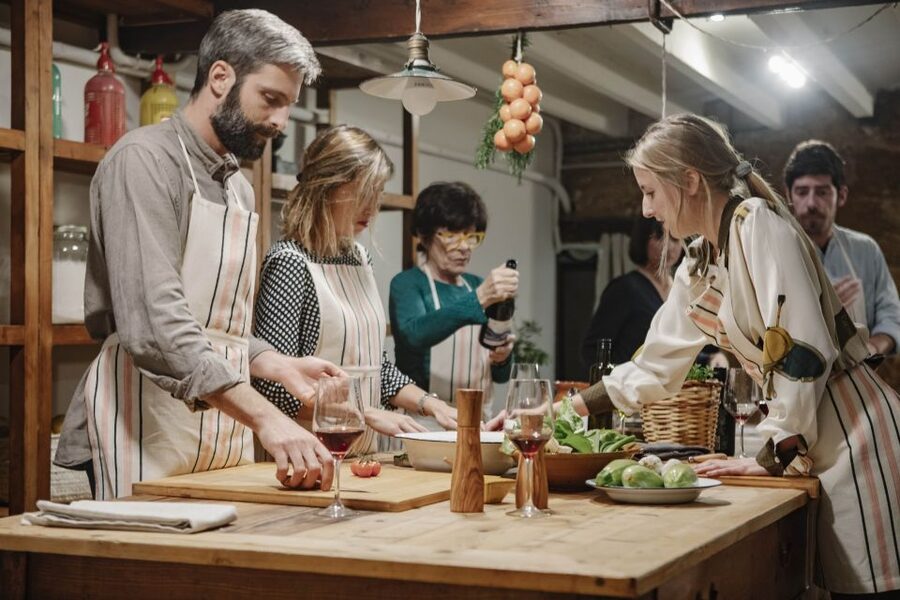
The workshop lasts about three hours and is hands-on. You help prepare a full meal rather than watching a demonstration from the side of the room. Ingredients, cooking materials, and recipes are included, so you can follow the process and have a reference for making the dishes later.
A sample menu includes:
- Local cold meats and artisan cheeses with grapes and almonds
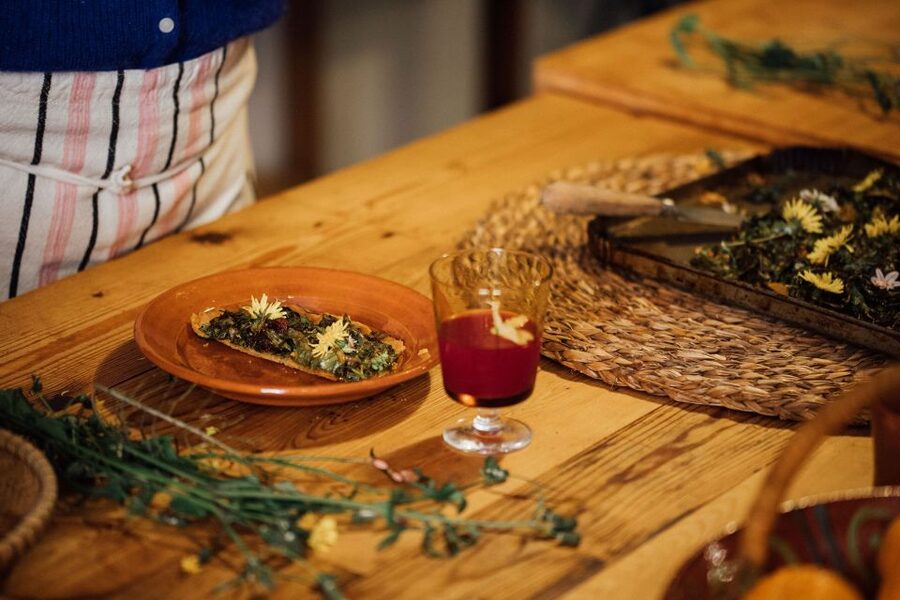
- Mallorcan flatbread with greens and raisins
- Artichokes and sobrasada meloso rice cooked in a clay pot called a greixonera
- Gató, a Mallorcan almond cake, served with almond ice cream
This menu gives you a useful cross-section of the island’s cooking. The opening plate brings together cured meats, cheese, fruit, and nuts. The flatbread shows how simple ingredients can produce a satisfying dish, while the rice introduces a traditional clay vessel and the pairing of vegetables with sobrasada.
The rice is likely to be the most instructive central dish because it combines local ingredients with a traditional cooking method. Artichokes bring a seasonal vegetable to the plate, while sobrasada provides a strong pork flavor associated with Mallorca. If you do not eat meat, this is an important point to discuss before booking.
Dessert keeps almonds in focus. Gató is a classic Mallorcan almond cake, and serving it with almond ice cream makes the final course feel tied to the island’s agricultural traditions rather than added as a generic sweet ending.
The exact menu changes with the season. That is a real strength for repeat visitors. A winter class may use different produce from a spring or summer session, and one person who attended in winter specifically valued the seasonal differences and expressed interest in returning at another time of year.
Learn the food calendar, not just a set of recipes
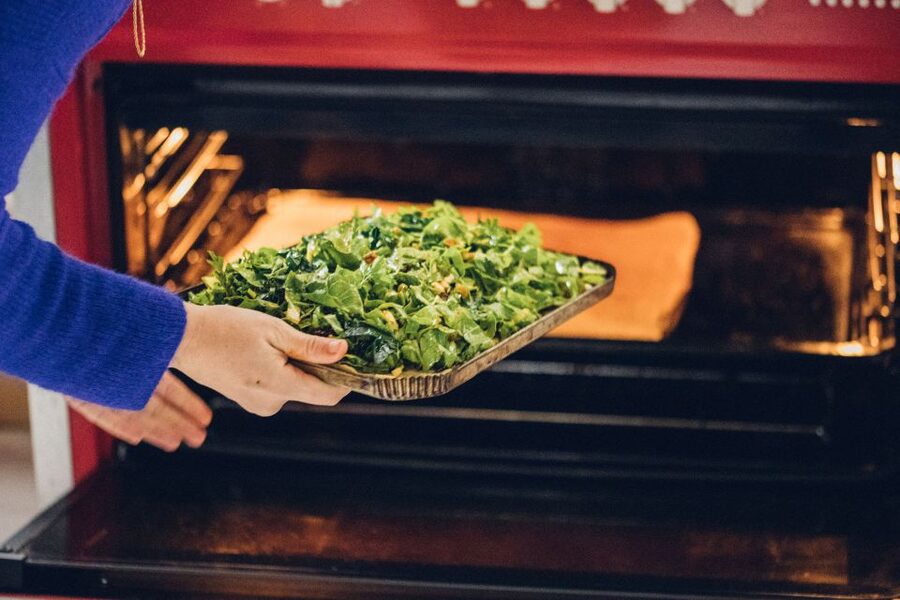
The workshop’s central idea is seasonality. Mallorcan cooking has traditionally depended on what farmers, fishers, and small producers could supply at a particular time. The class uses that pattern to show you how local food works as a system.
You learn about products in relation to the island’s food calendar, not just as isolated ingredients. That can include the timing of vegetables, the importance of preserved foods, the place of almonds and grapes, and the role of animal products in traditional meals.
The cooking also carries a practical sustainability message. The experience works with small producers and farmers, and its food philosophy emphasizes local products, restraint, harmony with nature, and respect for ingredients. This does not turn the class into a lecture. Instead, those ideas are built into the way the menu is selected and prepared.
I find this more useful than a standard class that simply promises local food. You see the ingredients at the market, hear why they matter, and then use them in the kitchen. That chain gives the meal a stronger connection to Mallorca.
The class also explains why animal protein appears in traditional dishes. Pork, cold meats, and sobrasada are important parts of the food culture presented here. Private groups can request vegetarian or vegan adaptations, but you should contact the provider before booking if your diet is central to the decision.
Same kitchen, a different dish:
- Barcelona Interactive Spanish Cooking Experience
★ 4.5 · 2,155 reviews - Spanish Cooking Class Paella Tapas and Sangria in Madrid
★ 5.0 · 1,340 reviews - Paella Cooking Class in Madrid with Bottomless Wine Pairing
★ 5.0 · 985 reviews - Seville: Spanish Cooking Class with Dinner
★ 4.9 · 900 reviews
Eat the meal you helped prepare
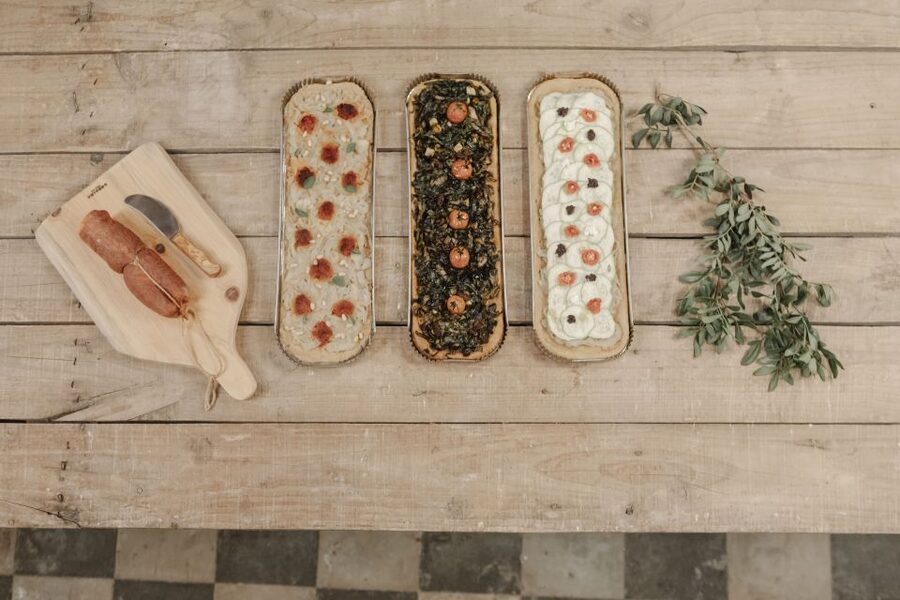
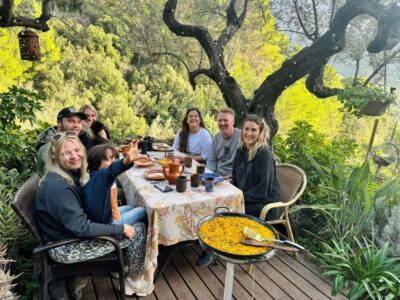
The four-course lunch is included, along with two wine glasses per person. The food you prepare becomes the meal, giving the afternoon a natural rhythm: shop, cook, sit down, and eat.
Organic wines are paired with the food. Additional wine is not included, so the stated allowance is best understood as part of the meal rather than an open bar. The experience is built around food first, with wine serving as a local accompaniment.
The meal is also where the value of the class becomes easier to judge. At $171, you are paying for more than lunch. The price includes the market walk, guided instruction, ingredients, cooking materials, recipes, the historic setting, and the chance to work in a very small group.
If you only want to eat Mallorcan food, you can find less expensive options in Palma. If you want a social meal with background on the ingredients and direct participation in preparing it, the price is easier to justify.
The strongest value comes for people who will use what they learn afterward. Recipes and materials are available for you to take home, allowing you to repeat parts of the menu. That is a better souvenir than another small trinket, though personal gift shopping at the market is not included.
One small omission may matter to some people. Coffee or espresso is not listed as part of the meal, and one participant wished for it at the end. If you like to finish a long lunch with coffee, plan accordingly rather than assuming it is included.
A small group makes the teaching more personal
Open groups are limited to eight people. That is a useful size for a hands-on kitchen session, since you should have more opportunity to participate and ask questions than in a large cooking demonstration.
The small format also suits the cultural side of the class. Deborah can explain ingredients, answer questions, and share details about Mallorcan life without trying to manage a crowded room. The teaching is available in English and Spanish.
Private sessions are offered for groups of two to fifteen, subject to availability. Private bookings are the better choice if you need a vegetarian or vegan menu, want a more controlled setting, or are traveling with children who would not fit the regular age guidance.
The experience is not recommended for children under twelve in the standard format. Children under ten are specifically not recommended, while children are welcome in private groups. Since the age information is presented in slightly different ways, families should confirm the applicable minimum age before booking.
How the experience has been received
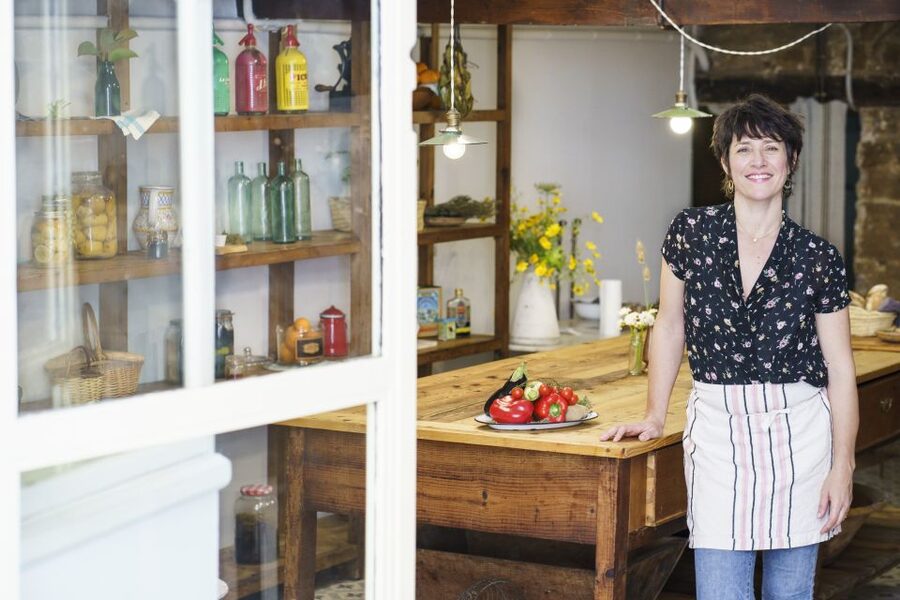
The strongest praise centers on Deborah’s teaching, the historic atelier, and the combination of food with island history. The cooking is described as well explained and relaxed, with the small group size helping create a friendly atmosphere.
The cultural information is also a major part of the appeal. You are not only shown how to make a dish. You hear about Spanish and Mallorcan ingredients, older ways of life, and the food traditions that existed before tourism shaped the island’s economy.
The menu receives consistent approval, especially because it uses regional ingredients and changes with the season. People who enjoy learning how food connects to a place will get more from this than someone who simply wants a quick cooking demonstration.
The balanced view is important. The market tasting can feel limited, the price is high for a four-hour activity, and you pay extra for any wine beyond the included two glasses. The class is best judged as a cultural food workshop with lunch, not as an inexpensive meal or a full-scale market tasting tour.
Who will get the most from this Palma experience
I would choose this for you if you want to understand Mallorca through its food and prefer a small, social activity. It fits especially well early in a Palma stay, since it can help you recognize local ingredients and point you toward other food and cultural places in the city.
It also suits cooks who like to bring techniques home. The recipes, materials, seasonal structure, and explanations give you something practical to use after the holiday.
You may want to skip it if you have very severe food allergies, highly specific restrictions, or no interest in pork and other animal products. The provider asks you to discuss serious allergies before booking, and private groups offer more flexibility than open sessions.
Allow four hours, plus time before the start to find the meeting point. Wear something comfortable for cooking, though no special clothing requirements are provided. The class is conducted in English or Spanish, so choose the language you can follow most easily.
Cancellation is free up to 24 hours in advance, and you can reserve now and pay later. Those terms help if your Palma plans are still shifting, but they do not change the need to confirm dietary requirements before you book.
Should you book Forn de sa Llotgeta?
Book this experience if you want a small, hands-on introduction to Mallorcan food culture, especially if the historic bakery and seasonal cooking appeal to you. Deborah’s mix of market shopping, food history, and practical instruction gives the afternoon more substance than a meal alone.
At $171, it is a splurge. The market tasting is not especially generous, and the experience does not include transport or unlimited wine. But the price covers a four-course meal, ingredients, instruction, recipes, a market visit, and a setting with real local character.
My advice is simple: book it for the learning and the shared cooking, not just for the lunch. If that is what you want, this is a thoughtful way to spend half a day in Palma and take a piece of Mallorca’s kitchen home with you.
FAQ
Where does the experience begin?
You meet in front of the statue El darrer vestit a l’ampla, opposite Mercat de l’Olivar and beside the BBVA bank.
How long does the activity last?
The experience lasts four hours, including one hour at the market and three hours in the cooking workshop.
Where does the cooking workshop take place?
The workshop takes place at Forn de sa Llotgeta, an emblematic bakery dating from the 18th century.
How many people are in the open group?
Open groups are limited to a maximum of eight participants.
Is the activity available in English?
Yes. The instructor leads the activity in English or Spanish.
What food is included?
The experience includes a four-course meal based on the workshop menu, such as local cold meats and cheeses, Mallorcan flatbread, seasonal rice, and gató almond cake.
Is wine included?
Yes. Two wine glasses per person are included. Additional wine costs extra.
Can vegetarian or vegan diets be accommodated?
Vegetarian or vegan versions can be arranged for private groups. You should contact the provider before booking to discuss dietary needs.
Is the activity suitable for children?
The standard experience is not recommended for children under twelve. Children are welcome in private groups, subject to arrangements with the provider.
Is hotel pickup included?
No. Hotel pickup and drop-off are not included, so you must make your own way to the meeting point.
Can I cancel for a full refund?
Yes. You can cancel up to 24 hours in advance for a full refund.
Can I pay later?
Yes. The reserve-now, pay-later option lets you book without paying at the time of reservation.
New cooking classes around Spain
- Seville: Paella-Cooking Experience with Sangria & Full Meal★ 4.9 · 42 reviews
- Seville: Paella Showcooking Experience★ 4.7 · 161 reviews
- Seville: Paella Cooking Class & 30-Min Local Expert Q&A★ 4.8 · 37 reviews
- San Sebastián: Market Tour, Cooking Class, & Meal★ 5.0 · 2 reviews
- San Sebastián: Market Tour and Basque Cooking Class English★ 5.0 · 5 reviews
- Barcelona: Paella Seafood Master Cooking Class with Sangria★ 5.0 · 73 reviews
- Pontevedra: Galician Cooking Class with Chef Instructor★ 4.9 · 3 reviews
- Mojo Workshop Cooking Class in Ancient Canarian Village★ 4.9 · 127 reviews
Mallorca Cooking Classes, side by side.
Palma: Mediterranean Cooking Class with Drinks
Read our review →
Spanish Cooking Class Palma meals+drinks 7 dishes Full meals
Read our review →