
Review · MUMBAI
Mumbai Coastal Cooking: From Fishing Net to Flavourful Plate
Mumbai’s fishing culture is the heart of this experience. You travel by tuk-tuk to an old fishing settlement, see boats and hand-woven nets, visit a fish market, then cook seafood in a local home with Kavitha. It is a close look at the people and food traditions that shaped Mumbai before the city became a maze of roads and towers.
I like the small private format and the chance to speak with local people rather than simply watch a guide talk. I also like the cooking: fish curry, fried fish, roti, chapati, and a sour-spicy drink turn the visit into a proper meal, not just a quick demonstration. The main consideration is that access to the fishing village can change, so your outing may become a home cooking session instead of the full walking route.
Key points
- Kavitha and Ravi’s home: Meet a local couple, cook together, and share the finished meal.
- Mumbai’s fishing past: See the docks, boats, nets, and market connected to the city’s early coastal life.
- Tuk-tuk transport: The outing includes a tuk-tuk ride from the meeting point, which can vary by booking option.
- Hands-on seafood cooking: Learn fish curry, fried fish, local bread, roti, chapati, and a sour-spicy drink.
- Private English-speaking experience: Ask questions freely and shape the conversation around food, family, and daily life.
- A flexible route: Village access may be restricted, with the experience sometimes taking place mainly in the host’s home.
Mumbai’s fishing story begins before the skyline
Mumbai was once a group of seven islands, and fishing was a main way of life. This experience puts that older coastal identity ahead of the city’s usual sights. You are not just looking at boats from a distance. You get a chance to see how nets are made, how fish reach the market, and how seafood becomes lunch in a local kitchen.
The outing starts at a designated meeting point, then continues by tuk-tuk to the fishermen’s village. The exact meeting point depends on the option you book, so check the booking details before setting off. The ride itself is part of the appeal. It places you in ordinary Mumbai traffic and gets you into a local area without turning the trip into a long formal tour.
A historic festive ground linked with British-era history is part of the planned route. The details of the site are not extensive, so think of it as a short cultural stop rather than a major monument visit. Its value is in showing how old community spaces sit within modern Mumbai.
More fishing trips around India:
- Cooking Class Hoi An:Local Market, Basket Boat, Fishing & Cooking
★ 5.0 · 3,660 reviews - Hoi An Cooking Class(Local market,Basket Boat,Fishing & Cooking)
★ 5.0 · 1,323 reviews - Hoi An: Market Experience with Optional Fishing and Cooking
★ 4.7 · 928 reviews
Boats, nets, and the work behind the meal
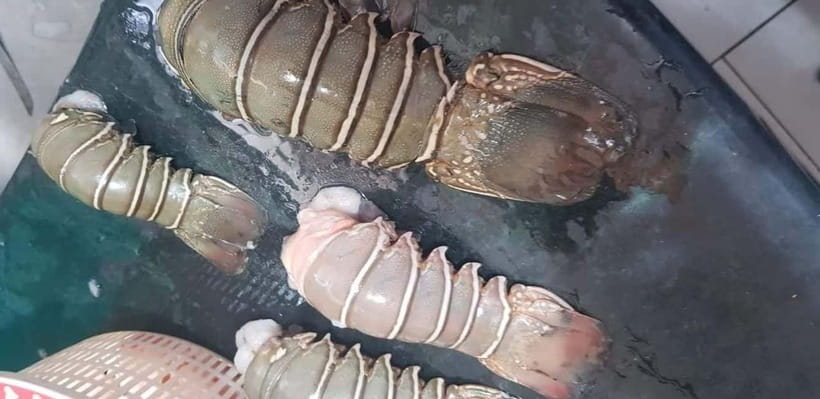
At the beach, you can see the fishing boats and watch traditional net work. Net weaving is easy to overlook, but it explains the skill and patience behind a fishing trade that is often reduced to a row of boats and a pile of fish. You get a better sense of the practical work that supports the market and the kitchen later in the day.
The dock walk gives the experience its strongest cultural focus. You may see fishermen handling gear, preparing boats, or moving their catch through the working area. This is not a polished attraction, so conditions can be busy, wet, or crowded. Wear shoes you do not mind using around a working waterfront, though no special equipment is listed.
The visit is also a chance to ask questions. Because the group is private, you can spend more time on subjects that interest you, from fishing methods to the role of seafood in home cooking. The host speaks English, making it easier to connect the practical sights with the meal that follows.
The fish market is a lesson in daily Mumbai
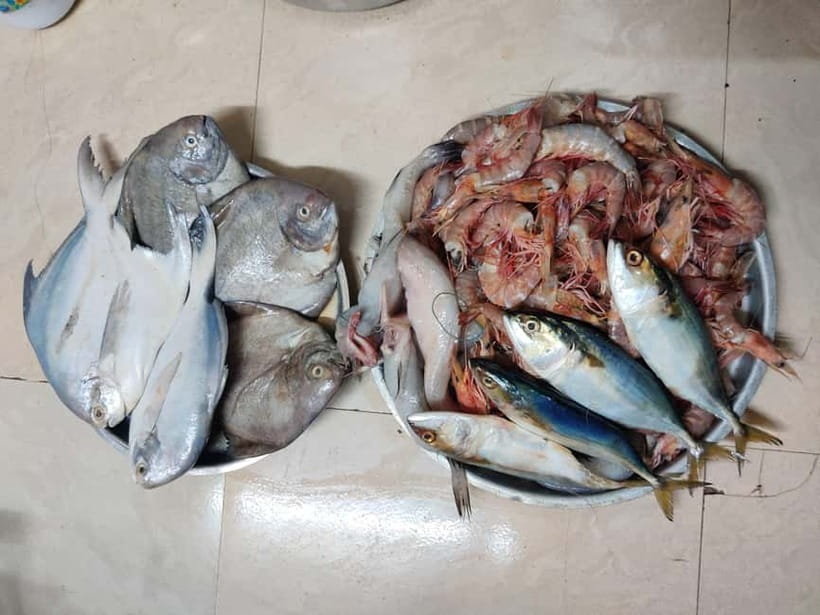
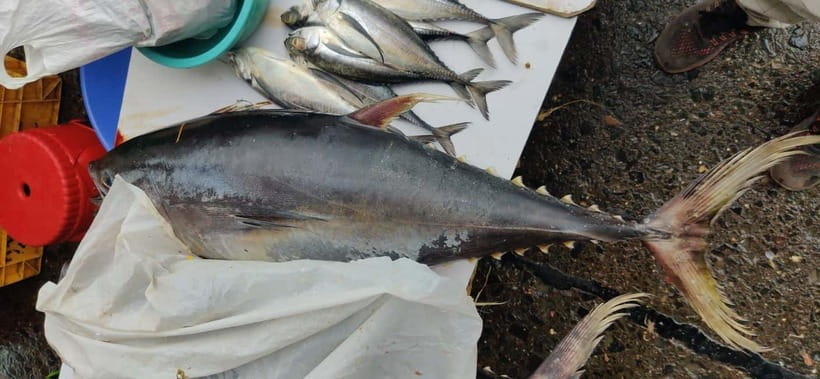
The fish market is one of the liveliest parts of the route. You will see local fisherwomen selling fresh catches, often dressed in colorful sarees, and you can observe the buying and selling that feeds nearby households. This is a working market, not a display made for sightseeing, which gives the stop its value.
The market can also be a sensory experience. Expect fish, conversation, movement, and close quarters. If you prefer quiet, orderly visits, this may feel intense. If you want to see how food reaches a Mumbai kitchen, it is one of the most useful stops on the tour.
The market visit also gives context to the cooking class. Instead of learning a seafood recipe in isolation, you have just seen the trade and community behind the ingredients. That link from dock to stall to plate is the central idea of the outing.
One itinerary variation is important. Access to the fishermen’s village was not possible on at least one recent outing, so the route changed. Instead of the village and market walk, the guest met Kavitha at her home and spent about three hours cooking and talking. You should book this experience for the people, food, and conversation, not on the assumption that every planned stop will always be available.
Cooking with Kavitha and Ravi
The cooking session takes place in a local fisherman’s home. Kavitha leads the class, and her husband Ravi may join once the meal is ready. Both speak very good English, according to the experience details, so you can ask questions as the food comes together.
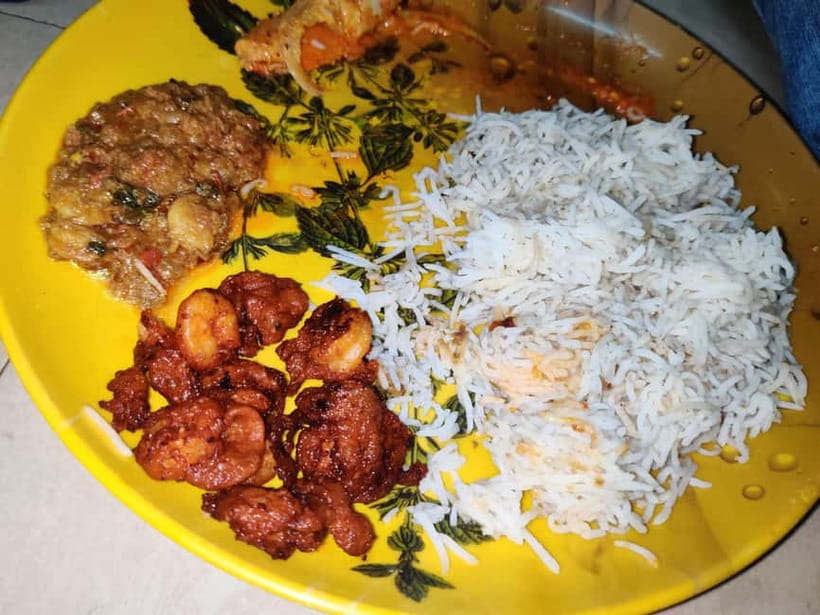
This is a hands-on class rather than a lecture. You may help with a step such as frying a batch of mandeli, a small fish that one guest especially enjoyed. The recipes include fish curry and fried fish, along with rice and roti. Other stated dishes include chicken, local fisherman’s bread, chapati, and a sour-spicy drink. The exact menu can vary, so do not expect every item at every session.
The class is useful for beginners because the cooking is explained as it happens. You can learn how fish is handled, how the curry is built, and how dough becomes roti or chapati. The value is not just the recipe. Kavitha also talks about food culture across India, giving you a wider frame for understanding why seafood, bread, spice, and rice appear together at the table.
The home setting changes the mood. You are not sitting at a restaurant counter watching a chef perform. You are sharing space with a family and seeing how a meal is prepared in an everyday setting. That also means you should be comfortable with a more personal form of tourism. The experience is built around conversation as much as cooking.
More cooking classes around India:
- Pink City Cooking Class
★ 5.0 · 452 reviews - Five Course Cooking Class & Meal
★ 5.0 · 250 reviews - Indian Cooking Class in an Authentic Local Home – Learn 6 Dishes
★ 5.0 · 195 reviews - Private Guided Cooking Workshop Experience in Jodhphur
★ 5.0 · 158 reviews
A meal that turns the class into a visit
After the cooking, you eat together. The meal can include fish curry, fried fish, rice, roti, or chapati, with other dishes depending on the session. Sharing the food at home gives the class a natural finish and lets you ask about the meal while the flavors are still fresh.
This part received the strongest praise from the available feedback. The food was repeatedly described as delicious, while the host’s warmth and clear English made conversation easy. One guest spent four hours at the home instead of the advertised three, mainly cooking, eating, and hearing Kavitha’s stories about her life and dreams.
That extra time is worth noting, but it should not be treated as guaranteed. The listed duration is three hours, and the experience may run longer if the cooking and conversation take their own course. Allow some breathing room in your schedule rather than booking a tight connection afterward.
The meal also helps correct a common problem with short food classes: you do not leave after making one small sample. Here, the aim is a full meal and a shared table. You get to taste the results and understand how the separate dishes work together.
What the home visit can show you
The home visit may be the most meaningful part for people who want a closer look at daily life in Mumbai. One recent route included shopping in a real residential area reached by metro, rather than stopping in a market designed for visitors. That detail matters because it places food within ordinary routines rather than treating it as a staged cultural show.
The setting can also challenge easy assumptions about neighborhoods such as Dharavi. A personal conversation with Kavitha and Ravi offers a more human view than a quick drive past a district. You can discuss food, family, work, and personal hopes, though the exact conversation will depend on your interests and the time available.
I would still keep expectations sensible. This is not a formal social-history lecture, and it does not promise access to every part of the community. It is a private meal and cooking visit with a local couple. Its strength is the direct exchange, not a long list of sights.
How much value do you get for $21?
At $21 per person, the price is low for a private three-hour experience that includes a tuk-tuk ride, a village or market visit when access allows, and a cooking class. The meal and personal instruction add more value than a standard market walk, especially if you want to eat seafood and learn how it is made.
The price is strongest when you care about interaction. If you only want a recipe sheet or a restaurant meal, you can spend less elsewhere. You are paying for access to a local home, a private format, an English-speaking host, transport within the experience, and time to talk.
The route variation affects the value. If the fishing village is closed, you may not receive the sightseeing portion you expected. On the other hand, the home session can become longer and more personal, as happened when one guest spent several hours cooking and talking with Kavitha. Book it with a flexible attitude, and the price remains good even when the route changes.
The experience also allows you to reserve now and pay later, with free cancellation up to 24 hours before the start for a full refund. These terms help if your Mumbai plans are still shifting, though you should confirm the meeting details for your selected option.
Who will enjoy this most?
I would recommend this for food-focused visitors, curious first-time visitors to Mumbai, and anyone who prefers meeting people in a home over ticking off major sights. It suits couples and small private groups especially well because the conversation can stay personal and the cooking pace can remain relaxed.
It is also a good choice if you want to understand Mumbai through one clear subject: fish. The boats, nets, market, recipes, and meal all connect. You leave with a better sense of how the coast shapes local food.
You may want a different activity if you need a fixed itinerary. The fishing village may be inaccessible, and the meeting point varies by booking option. The advertised three hours can also stretch, especially when conversation is flowing.
This is not the best fit for someone who dislikes seafood, crowded working markets, or entering a private home. The meal centers on fish, although chicken may also be prepared. If you have dietary restrictions, the provided details do not explain how they are handled, so ask before booking.
Practical tips for a smoother visit
Check the exact meeting point and starting time after selecting your option. Availability changes by date, and the meeting location is not identical for every booking choice.
Wear practical clothing and shoes suitable for a dock, beach, market, and home kitchen. The experience includes a tuk-tuk ride, walking, and food preparation, so comfort matters more than dressing up.
Keep your schedule open after the three-hour estimate. The class may end on time, but the home visit can continue if you and the hosts are enjoying the conversation.
If cooking is your main reason for booking, say so at the start. You may be able to take part in steps such as frying fish, kneading dough, or preparing curry, rather than only watching.
Finally, bring questions. Kavitha is especially well suited to a conversation-led class, and the private format gives you room to ask about food traditions, local life, and the fishing community.
Should you book Mumbai Coastal Cooking?
Book it if you want a personal food experience tied to Mumbai’s coastal past, and if you can accept a little uncertainty in the route. The strongest part is the combination of local food, English conversation, and time in Kavitha and Ravi’s home.
The village, beach, boats, net weaving, and market add real interest when access is possible. But the home cooking is not merely a backup. For many people, it may be the part they remember most. At $21, the private meal and personal contact make this a strong value for anyone who prefers an everyday Mumbai experience over a standard sightseeing tour.
FAQ
How long does the experience last?
The stated duration is three hours. Some sessions may run longer, particularly when cooking and conversation continue at the host’s home.
What is the price?
The listed price is $21 per person.
Is the experience private?
Yes. It is offered as a private group experience.
What language does the host speak?
The host or greeter speaks English. Kavitha and Ravi are also described as speaking very good English.
Is a tuk-tuk ride included?
Yes. The experience includes a tuk-tuk ride to the fishermen’s village or the relevant local area.
Will I visit the fishermen’s village?
The planned experience includes a visit, but access can be restricted. On some dates, the route may change to a cooking and conversation session at Kavitha’s home.
What food will I cook?
The stated dishes include fish curry, chicken dishes, local fisherman’s bread, and a sour-spicy drink. Recent sessions also included fried fish, rice, roti, and chapati. The exact menu may vary.
Is the fish market included?
Yes. The planned route includes a visit to the fish market, where local fisherwomen sell fresh catches. The route can change if access restrictions affect the village visit.
Can I cancel the booking?
You can cancel up to 24 hours in advance for a full refund. You can also reserve now and pay later.
New cooking classes around India
- Private Cooking Class In Jodhpur With Family★ 5.0 · 2 reviews
- New Delhi: Indian Cooking Class in a Local Home★ 5.0 · 65 reviews
- New Delhi: Full-Day Cooking Class learn 8 dishes with Locals★ 5.0 · 7 reviews
- New Delhi: 5-Hour Traditional Cooking Class with Local Chef★ 5.0 · 2 reviews
- Kerala: Cooking Class in Munnar★ 5.0 · 2 reviews
- Kerala Traditional village cooking class (Munnar)★ 4.8 · 15 reviews
- Jodhpur 11 Dishes Cooking Class With REKHA Pick Up & Drop OF★ 5.0 · 24 reviews
- Jodhpur Desert Camel Safari With Cooking Class With Sumer★ 5.0 · 5 reviews
Mumbai Cooking Classes, side by side.
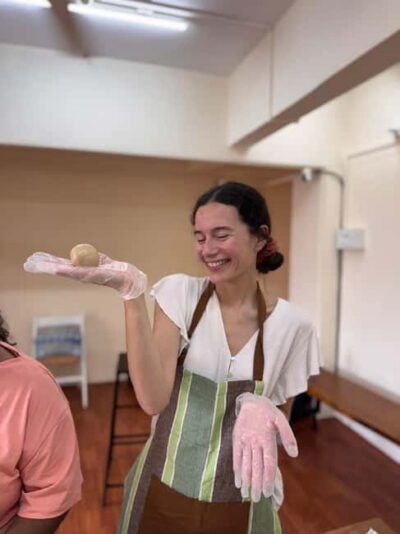
Mumbai: Indian Cooking Class & Cultural Delights
Read our review →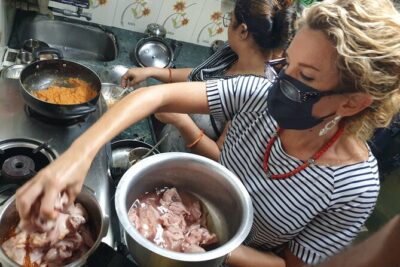
Private Vegetarian Indian Cooking Class in Mumbai
Read our review →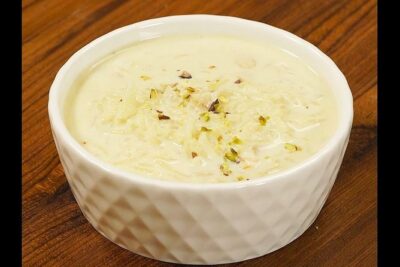
Small Group Authentic Mumbai Virtual Cooking Class with Dessert
Read our review →This kitchen also appears in