
Review · INDIA
Kerala Traditional village cooking class (Munnar)
The best part of this Munnar cooking class is that it takes you into a working local home, not a polished restaurant kitchen. Mr Raveendra Kumar and Mrs Selvi have been serving food since 2001, and they combine cooking with a look at village life, market shopping, tea, fruit, vegetables, spices, and home-grown ingredients.
I like the market visit, which gives the class a useful local beginning, and the chance to cook a full spread rather than one token dish. I also like that you can request a vegetarian menu and ask questions in English, Tamil, or Malayalam while Raveendra helps explain the process.
The main thing to plan for is time. The advertised four hours can run an hour or more, depending on the menu, and pickup outside the 2 km Munnar town area costs extra. Confirm the meeting point and transport clearly before you set off.
Key points to know before you book
- A real home kitchen: You cook and eat at the home of Raveendra and Selvi, with a friendly family atmosphere.
- Market shopping comes first: You may help select produce before cooking, giving the dishes a clear connection to local food.
- Several dishes, not just one: Menus can include appam and stew, fish curry, avial, puttu and kadala curry, snacks, drinks, and dessert.
- Vegetarian requests are welcome: Ask for your preferred menu at least 12 hours before the class.
- A full meal is included: Tea, snacks, water, and the food prepared during the class are part of the experience.
- Allow extra time: Four hours is the stated duration, but the session may last an hour longer.
A home kitchen rather than a staged food show
This experience is built around hospitality. Raveendra and Selvi open their home to you, show you how they work, and explain the food as they prepare it. That changes the feel of the class. You are not simply watching a chef repeat a set demonstration for a large crowd.
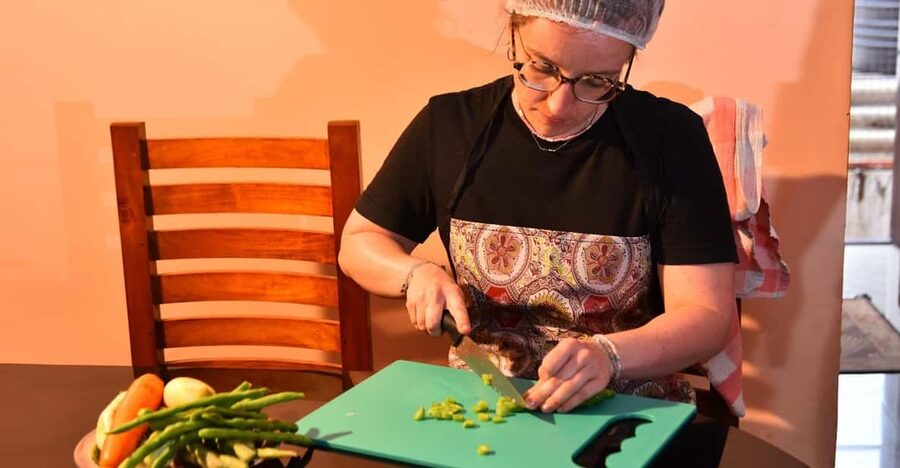
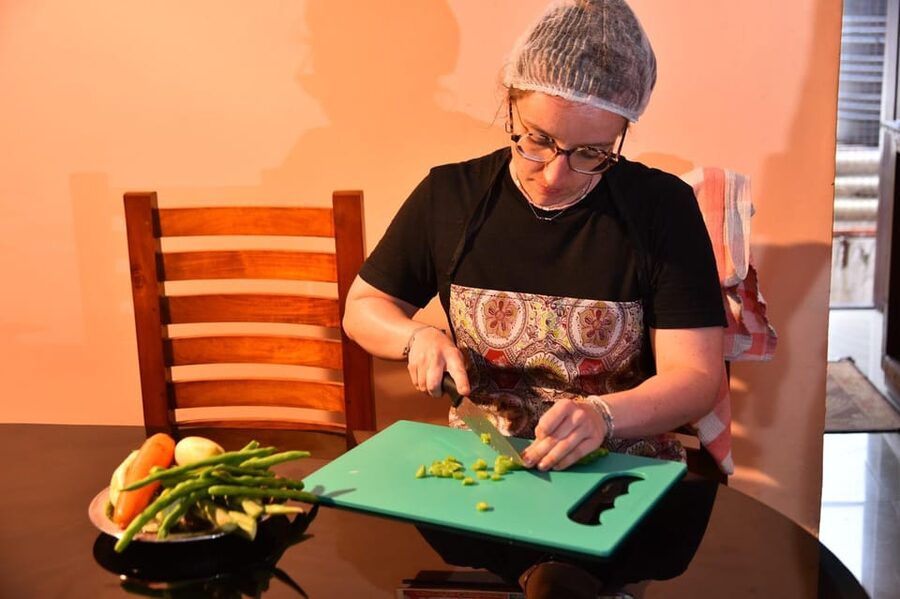
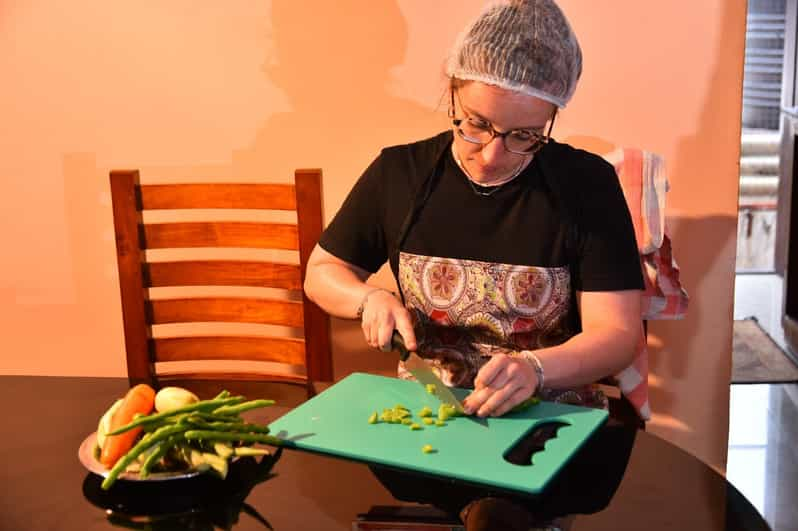
The setup is especially appealing if you want to see how Kerala food is made in an ordinary household. You will use a knife, apron, and cutting board, and the class includes both instruction and practical work. Pens and paper are supplied, which is useful if you want to record ingredient names or cooking steps.
The language mix is English, Tamil, and Malayalam. Raveendra can help translate and explain, while Selvi and other family cooks may lead parts of the food preparation. The exact cooking team can vary, but the central feature remains the same: you work alongside local home cooks and then eat what you have made.
This is a private group activity, so it should feel more personal than a large commercial class. The supplied information does not state a maximum group size, so ask when booking if you need a very small session or have specific space requirements.
More cooking classes around India:
- Pink City Cooking Class
★ 5.0 · 452 reviews - Five Course Cooking Class & Meal
★ 5.0 · 250 reviews - Indian Cooking Class in an Authentic Local Home – Learn 6 Dishes
★ 5.0 · 195 reviews
Starting at the Munnar market
The market visit gives the class a useful sense of place. Instead of beginning with ingredients already measured in bowls, you can see the produce that feeds local kitchens and help choose what will be used.
Expect to encounter local fruits, vegetables, and spices, with explanations of how they fit into Kerala cooking. This is also a chance to ask about ingredients that may be unfamiliar, such as curry leaves, mustard seeds, coconut, and regional spice blends.
The market is not just a shopping stop. It helps you understand why Kerala cooking tastes fresh and layered. You can see the raw materials before they are turned into curry, side dishes, snacks, or dessert. It also gives you a glimpse of everyday Munnar away from tea viewpoints and sightseeing stops.
Keep your schedule loose here. A market visit, questions, and ingredient selection can take longer than a quick purchase. If you are hoping to finish exactly four hours after pickup, this may not be the right activity for a tightly packed day.
Learning the building blocks of Kerala food
Before the cooking begins, you are introduced to the ingredients that give Kerala food its character. Coconut milk, curry leaves, mustard seeds, turmeric, coriander, and cumin are specifically included in the teaching plan.
The value is in learning what each ingredient does, not just memorizing a recipe. You can ask when to add spices, how coconut changes a sauce, and why tempering ingredients such as mustard seeds matters. The hosts also connect food with traditional medicinal supplements, an interesting part of Kerala home cooking that you may not encounter in a standard restaurant meal.
The class is designed to explain procedure as well as ingredients. You should learn the order in which items are added, how to build flavor, and what to watch for while a dish cooks. Raveendra and Selvi also share cultural details and personal experience, so the session is about household food habits as much as technique.
Do not expect a formal culinary-school lesson with exact professional measurements for every item. The strength here is practical home cooking. Some instructions may be based on sight, smell, texture, and experience, which is useful but can require careful note-taking if you want to recreate the food later.
Cooking a full Kerala menu
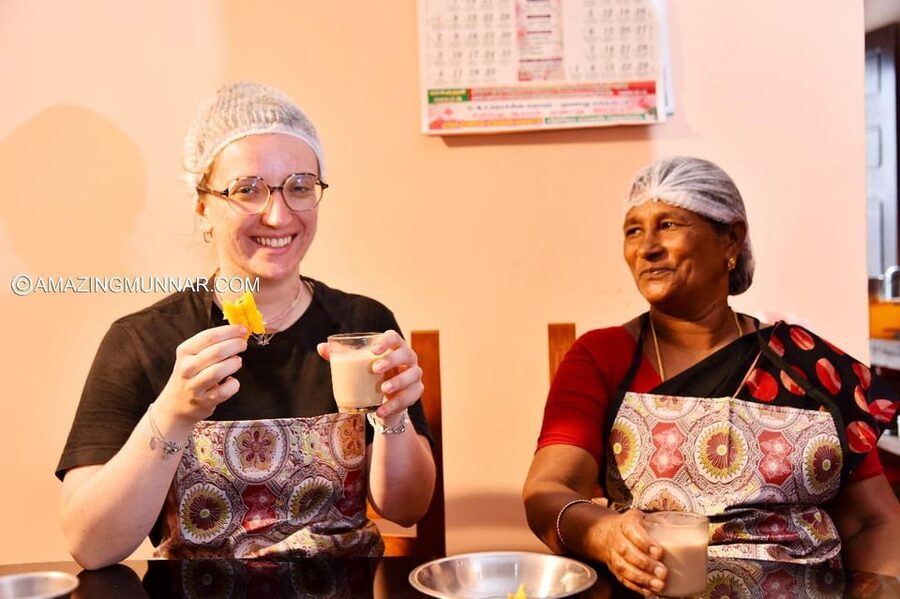
The menu is selected in advance and should be finalized at least 12 hours before the class. Choices can include appam with stew, fish curry, avial, puttu with kadala curry, snacks, welcome drinks, and dessert.
The menu is grouped into vegetarian food, non-vegetarian food, snacks, welcome drinks, and dessert. That gives you room to shape the meal around your diet and interests. One vegetarian session included roughly six or seven other courses after fried bananas and masala tea, while another group prepared eight dishes. Your exact number will depend on the selections and the pace of the class.
A vegetarian menu is a particularly good choice if you want to see how Kerala cooks use vegetables in several different ways. Avial, vegetable preparations, coconut-based dishes, and lentil accompaniments can show more range than a single curry. You can also request fish curry or other non-vegetarian food if that better matches your interests.
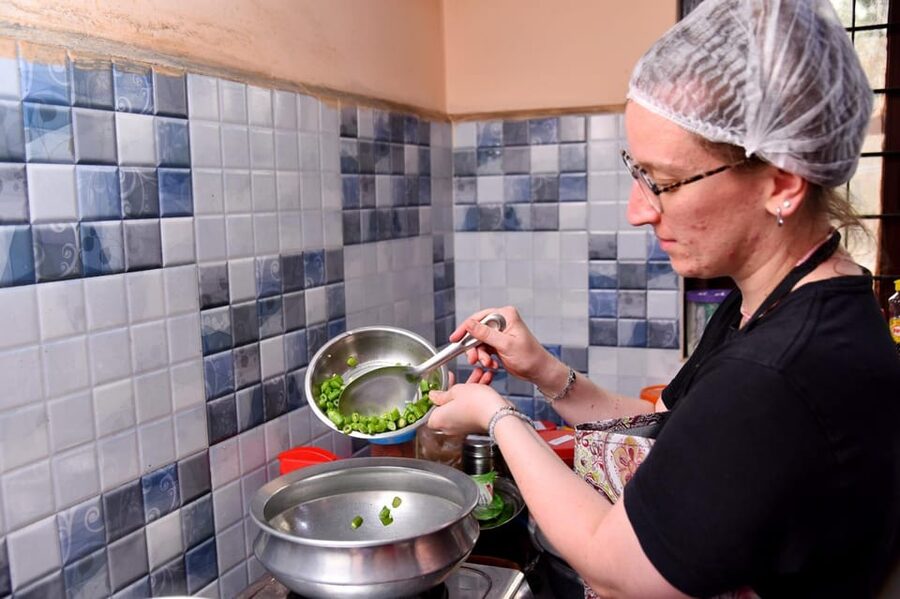
The food is prepared step by step. First you watch the method, then you take part under guidance. The group may be divided so each person or team handles a dish. This is more engaging than sitting at a counter for four hours, though it also means you should be comfortable with basic food preparation and shared tasks.
Because the menu is flexible, ask for the final plan before the session. This matters if you have food allergies, avoid fish, prefer vegetarian food, or particularly want to learn appam, puttu, or fish curry.
Same kitchen, a different dish:
- Private Guided Cooking Workshop Experience in Jodhphur
★ 5.0 · 158 reviews - Jaipur Market Tour & Vegetarian Rajasthani Home Cooking Class
★ 5.0 · 113 reviews - Cooking Class in Jaipur – Family Experience with Meal & Transport
★ 5.0 · 101 reviews - Interactive Cooking Class with a Local Family in Jaipur
★ 5.0 · 90 reviews
Tea, banana snacks, and the meal at the end
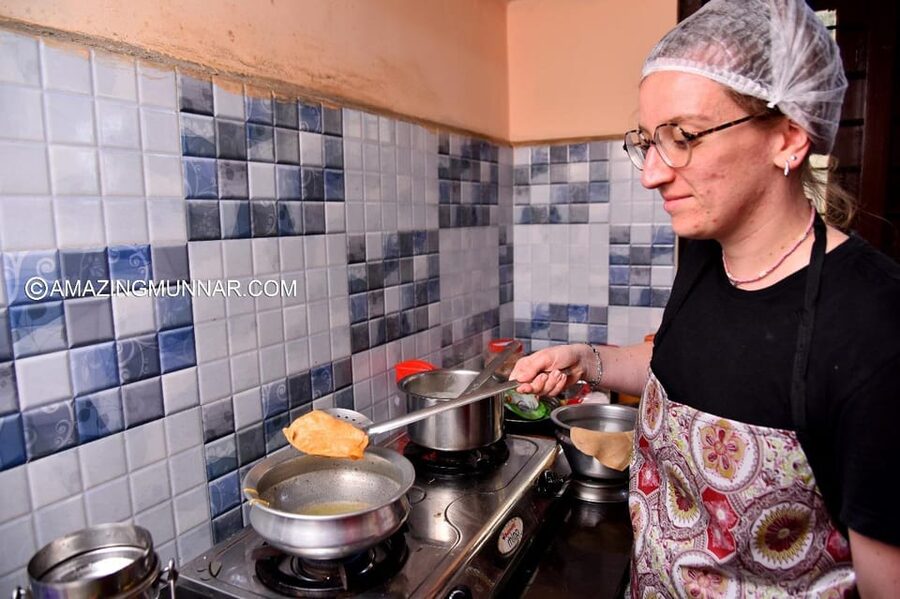
The food begins before the main cooking is finished. Masala tea and fried banana snacks are part of the welcome in some sessions, giving you something warm and simple while the main dishes take shape.
This small snack is one of the nicest details because it reflects the rhythm of a Kerala home. You are not rushed straight into a demonstration. You have time to settle in, meet the hosts, and begin talking about the food.
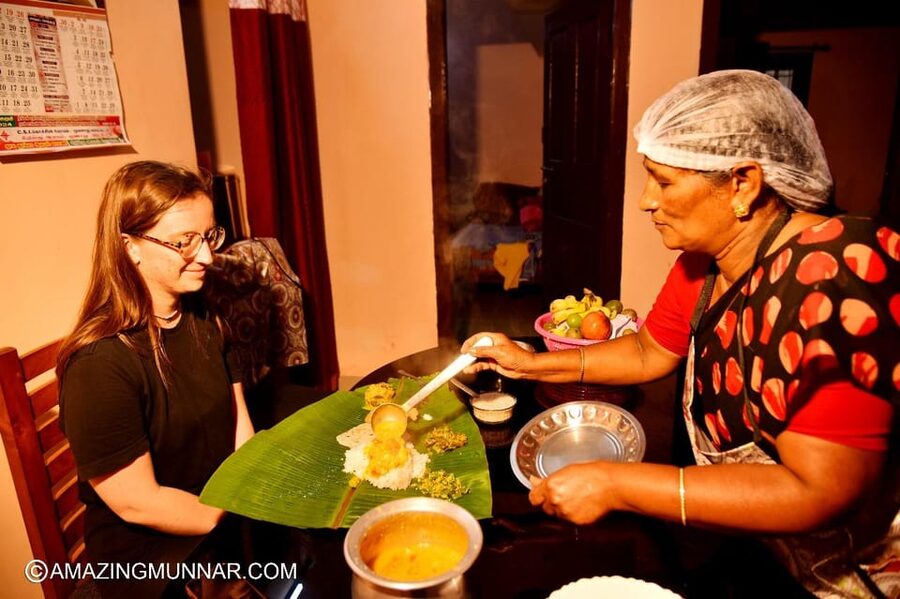
At the end, you sit down to taste the dishes you helped prepare. The tasting is not simply a buffet. You discuss flavors, textures, and aromas, and you can compare how different dishes use coconut, spice, sourness, and heat.
The meal is included in the $21 price, along with snacks and a water bottle. That is strong value for a four-hour private activity, especially when you count the market stop, instruction, ingredients, equipment, and shared meal. Prices can change, but at the stated rate this is less expensive than many hotel-based cooking sessions.
The final meal may be generous. Do not plan a large restaurant dinner immediately afterward, particularly if your group chooses several courses and dessert.
What makes the experience feel personal
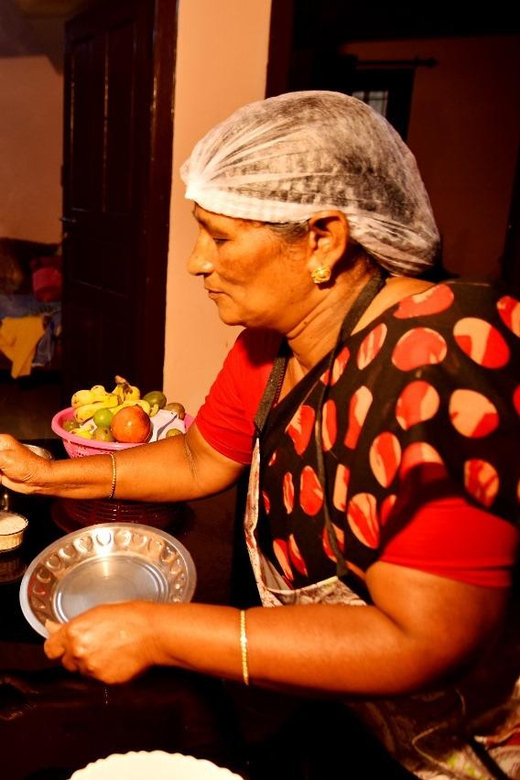
The most appealing feature is the access to family life. The cooking takes place in a local home, and you may see ingredients from a garden as well as produce bought at the market. That connection makes the food easier to understand.
Raveendra also offers travel guidance, which can be useful if you have more time in Munnar. He has helped visitors plan activities such as tea plantation walks and visits to spice gardens. Treat this as an added benefit rather than a guaranteed part of the cooking class, since the included activity is the market and food session.
The hosts have also been praised for their warm welcome and patient explanations. That matters in a cooking class because the pace can be adapted through questions and conversation. You are encouraged to ask about techniques, ingredients, and the place of each dish in local life.
The experience is not designed as a silent demonstration. You should expect interaction, teamwork, and some adjustment as the meal comes together. If you want a very controlled class with precise timings and a professional cooking-school format, this may feel informal. If you want a personal introduction to food and family life in Munnar, the informality is the point.
Pickup, timing, and practical planning
Pickup and drop-off are free within a 2 km radius of Munnar town. If your hotel is farther away, an additional charge applies. Confirm the exact pickup point and cost in advance, since one booking became confused when the agreed meeting place changed.
You can also arrange to meet at the stated pickup point rather than paying for a longer hotel transfer. If you are staying outside town, compare the extra transport cost with the value of the class before booking.
The four-hour duration is a guide, not a hard finish time. The session can extend by an hour or more, depending on how many dishes you select and how much hands-on cooking takes place. I would schedule it on a relaxed day, not between a fixed train departure and another timed tour.
The activity is listed as wheelchair accessible, but it is not considered suitable for people with visual or hearing impairments. If you use a wheelchair or have specific access needs, contact the provider before booking and ask about the home entrance, kitchen layout, seating, and assistance available.
Pets, alcohol, drugs, intoxication, fireworks, explosives, nudity, and alcoholic drinks in the vehicle are not allowed. These rules are simple, but they are worth knowing when the activity takes place in a family home.
You can cancel up to 24 hours in advance for a full refund, and reserve now while paying later. Check the available start times before committing, since the menu and transport arrangements need some advance coordination.
Who will enjoy this Munnar cooking class most
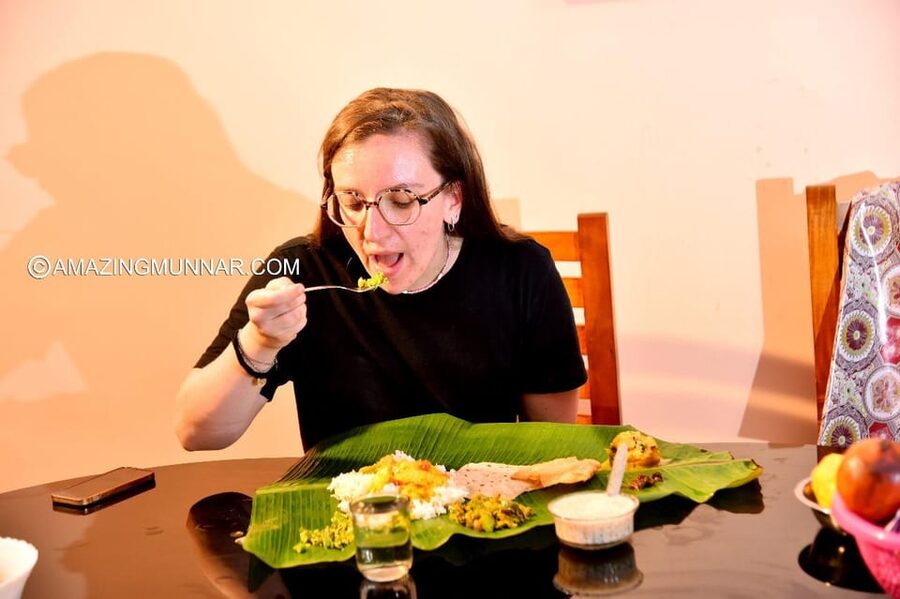
I would choose this for food lovers who want more than a restaurant meal. It suits couples, families, and small private groups who enjoy asking questions and sharing tasks.
It is also a good fit if you have one free half-day and want to combine food with local life. The market, home kitchen, and meal give you a different view of Munnar than a standard sightseeing circuit.
Vegetarians should feel comfortable booking, provided they request the menu ahead of time. The cooking format also suits people who want to learn several dishes rather than master one recipe in depth.
You may want to skip it if your schedule cannot handle an extension beyond four hours, if you dislike informal home settings, or if you need a highly structured accessible format. The class depends on conversation and practical participation, so confirm suitability if you have sensory or mobility needs.
Should you book it?
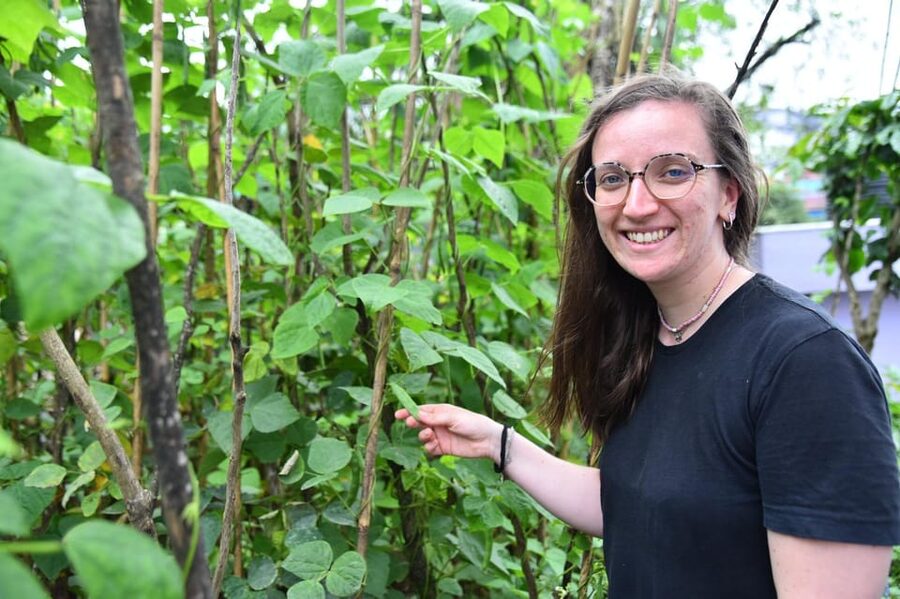
For $21 per person, this is a very good-value way to spend part of a day in Munnar. You get a market visit, a private home setting, ingredients, equipment, snacks, water, a cooked meal, and guidance from Raveendra and Selvi.
I would book it if you want authentic home cooking, a vegetarian option, and time with local hosts. Finalize your menu at least 12 hours ahead, confirm the pickup details, and leave extra time after the four-hour estimate. If you do that, you are likely to get the most from a warm, practical introduction to Kerala food.
FAQ
How long does the Kerala cooking class last?
The stated duration is four hours. It may extend by one hour or more depending on the number of dishes and the pace of cooking.
What dishes can I learn to cook?
Possible dishes include appam and stew, fish curry, avial, puttu and kadala curry, along with snacks, welcome drinks, and dessert. The exact menu is selected in advance.
Can I request a vegetarian menu?
Yes. Vegetarian and non-vegetarian menus are available. You should finalize your preferred menu at least 12 hours before the class.
Is a market visit included?
Yes. The experience includes a market visit where you can see and select local fruits, vegetables, and spices.
Is hotel pickup included?
Free pickup and drop-off are offered within a 2 km radius of Munnar town. Pickup from hotels farther away requires an additional charge.
Which languages are spoken?
The class is offered in English, Tamil, and Malayalam.
Can I cancel the booking?
You can cancel up to 24 hours in advance for a full refund. Reserve now and pay later is also available.
New cooking classes around India
- Private Cooking Class In Jodhpur With Family★ 5.0 · 2 reviews
- New Delhi: Indian Cooking Class in a Local Home★ 5.0 · 65 reviews
- New Delhi: Full-Day Cooking Class learn 8 dishes with Locals★ 5.0 · 7 reviews
- New Delhi: 5-Hour Traditional Cooking Class with Local Chef★ 5.0 · 2 reviews
- Mumbai Coastal Cooking: From Fishing Net to Flavourful Plate★ 5.0 · 5 reviews
- Kerala: Cooking Class in Munnar★ 5.0 · 2 reviews
- Jodhpur 11 Dishes Cooking Class With REKHA Pick Up & Drop OF★ 5.0 · 24 reviews
- Jodhpur Desert Camel Safari With Cooking Class With Sumer★ 5.0 · 5 reviews
India Cooking Classes, side by side.
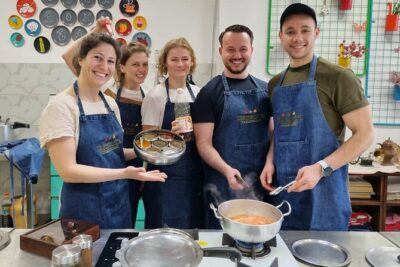
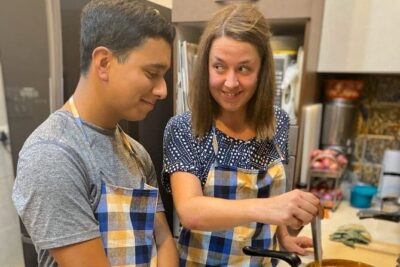
Indian Cooking Class in an Authentic Local Home – Learn 6 Dishes
Read our review →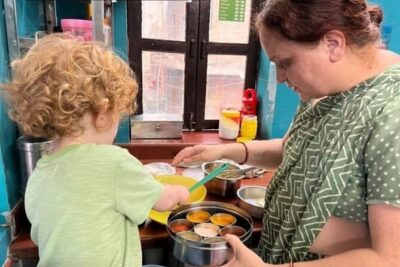
Private Guided Cooking Workshop Experience in Jodhphur
Read our review →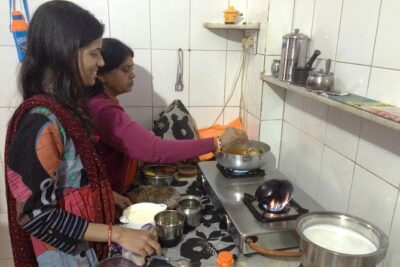
Jaipur Market Tour & Vegetarian Rajasthani Home Cooking Class
Read our review →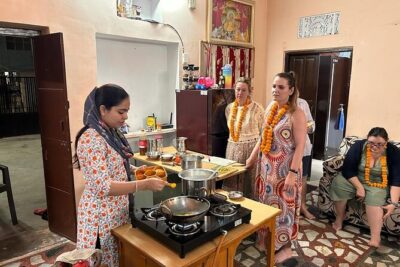
Cooking Class in Jaipur – Family Experience with Meal & Transport
Read our review →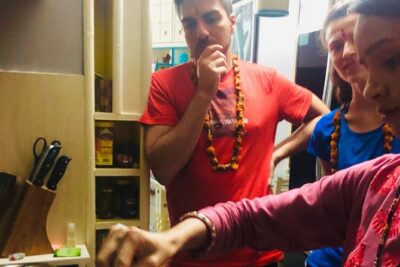
Interactive Cooking Class with a Local Family in Jaipur
Read our review →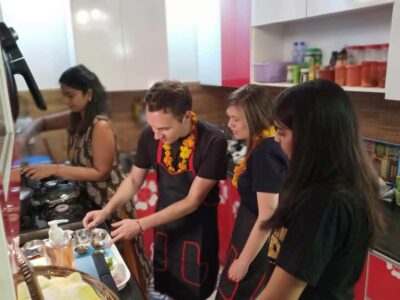
Delhi: AI Cooking Class and Much More in a Local Family Home
Read our review →This kitchen also appears in