
Review · JAIPUR
Pink City Cooking Class
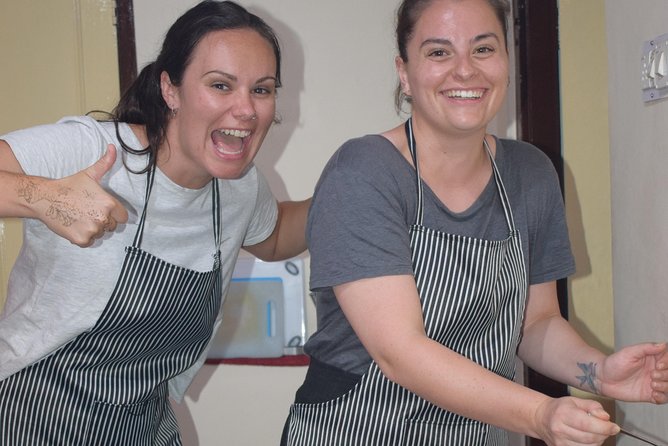
The best part of this Jaipur experience is that you do not simply watch a chef cook. Dimple and Bunty put you to work, guiding you through a full vegetarian meal in their home kitchen and explaining how Indian food fits into daily life. I especially like the use of vegetables and masalas from their own farm, plus the practical recipe e-book you receive afterward. The warm family welcome is another strong point.
The main consideration is that this is a home-style class, not a polished restaurant school with a fixed professional kitchen setup. That is part of its charm, but spice levels, dishes, and the pace may vary with the group. With a maximum of 15 people, the class can also feel more social than private.
Key points at a glance
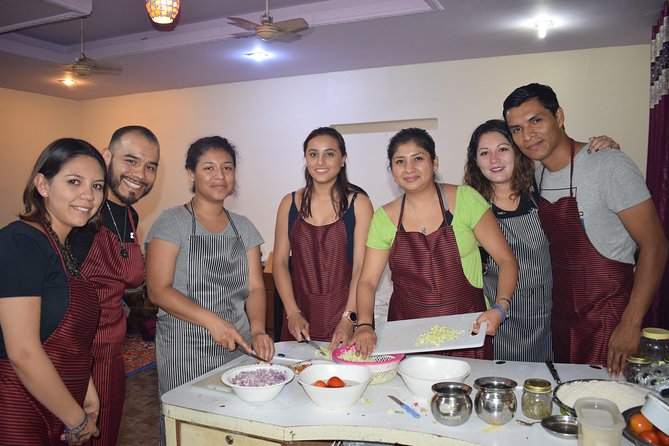
- Hands-on cooking with Dimple and Bunty: You prepare the food yourself instead of only watching demonstrations.
- Farm-fresh ingredients: The class uses vegetables and masalas sourced from the hosts’ own farm.
- A full vegetarian meal: Dishes may include dal, paneer curry, pakoras, roti, jeera rice, and masala chai.
- A clean home kitchen: The cooking space and dining area are described as spacious and kept clean during the class.
- Recipes for later: A digital recipe e-book lets you try the dishes again at home.
- Good value at $27.90: For roughly three hours of instruction, food, cultural conversation, and recipes, the price is fair.
What the Pink City Cooking Class is really about
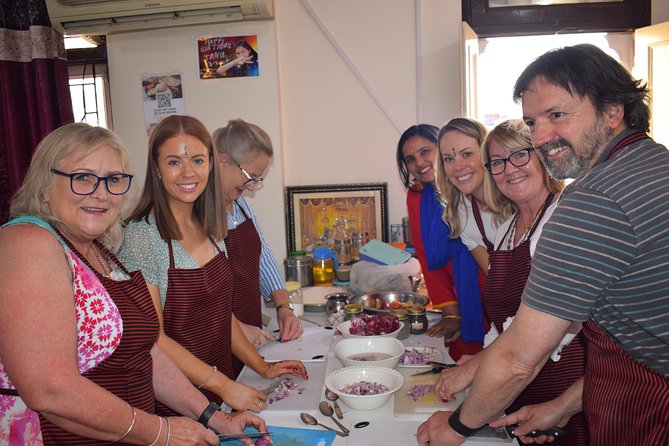
Many cooking classes in India follow a familiar pattern: watch a demonstration, stir something briefly, then eat. Pink City Cooking Class takes a more useful route. You take part in the preparation, learn basic techniques, and sit down to eat the meal at the end.
The class is built around vegetarian North Indian and Rajasthani cooking. You may prepare several main dishes, bread, rice, snacks, and tea in one session. The exact menu can vary, but the examples include dal, paneer curry, pakoras, chapati or roti, jeera rice, and masala chai.
I like this combination because it gives you more than one recipe. You begin to see how Indian meals work together: a lentil dish for texture and comfort, vegetables or paneer for substance, rice and bread for balance, and chai to finish. You also get a chance to handle ingredients and repeat the steps yourself.
The hosts use filtered water for cooking and provide bottled water for drinking. That is a small but welcome detail, especially after a warm afternoon in Jaipur.
More cooking classes around India:
- Five Course Cooking Class & Meal
★ 5.0 · 250 reviews - Indian Cooking Class in an Authentic Local Home – Learn 6 Dishes
★ 5.0 · 195 reviews - Private Guided Cooking Workshop Experience in Jodhphur
★ 5.0 · 158 reviews
Meeting Dimple and Bunty in Jaipur
The class begins at 17-A, Manu Marg, Amer Road, Govind Nagar West, Brahampuri, Jaipur, Rajasthan 302002. It ends at the same location, so you do not need to arrange a second pickup point after the meal.
The meeting point is near public transportation, which makes it reasonably practical if you are staying in or around central Jaipur. You should still allow time to find the address, since Jaipur’s streets can be busy and local directions are not always as simple as they look on a map.
Dimple and Bunty are central to the experience. The class is presented as a family-run home kitchen, and the tone is friendly rather than formal. Dimple takes a leading role in the cooking and hospitality, while Bunty is often praised for giving clear, patient instructions and talking about Indian food and culture.
That division works well. Cooking becomes easier when one person can focus on showing a technique while the other keeps the session moving and helps with questions. You should expect a relaxed family setting rather than a chef lecturing from the front of a room.
Preparing a vegetarian Rajasthani meal
The cooking portion lasts about two to three hours, depending on the schedule and the dishes prepared. The full activity is described as approximately three hours.
You will likely begin with an explanation of ingredients and basic methods. This is useful if Indian cooking feels complicated at home. Masala blends, frying, kneading, seasoning, and timing can seem like separate skills, but the class shows how they connect in one meal.
The recipes are designed for home cooking. That matters. You are not being trained to produce restaurant portions at high speed. You are learning methods that can be repeated in an ordinary kitchen, with clear steps and direct help from the hosts.
The menu may include:
- Dal, with the slow-cooked, seasoned comfort that anchors many Indian meals
- Paneer curry, a useful introduction to cooking with fresh cheese
- Pakoras, which show how vegetables can become crisp, spiced snacks
- Roti or chapati, including the practical challenge of shaping and cooking flatbread
- Jeera rice, rice flavored with cumin
- Masala chai, which brings spices, milk, and tea into a simple final drink
You may also prepare around three main dishes and bread rather than every item listed above. The important point is that the class offers variety, not one narrow recipe.
The food is adjusted to suit the group’s preferred spice level. You can ask for milder or stronger seasoning, and requests can be accommodated according to the class. That makes this a better choice for mixed groups, especially when one person loves chilies and another does not.
Why the farm produce matters
The hosts say that the vegetables and masalas come from their own farm. This gives the class a stronger connection to daily food life than a session built around anonymous supermarket ingredients.
You can ask about the produce, spices, and the way ingredients are used in local cooking. Even if you do not remember every recipe, you will leave with a better sense of how Indian cooks build flavor through seasoning and fresh vegetables.
The farm detail also helps explain the home-style feel. The focus is not on rare ingredients or difficult restaurant tricks. It is on making satisfying food from familiar building blocks.
You should keep your expectations practical. This is not a farm visit, and the activity does not promise a tour of the growing fields. The farm connection is part of the food story, not a separate sightseeing stop.
Same kitchen, a different dish:
- Jaipur Market Tour & Vegetarian Rajasthani Home Cooking Class
★ 5.0 · 113 reviews - Cooking Class in Jaipur – Family Experience with Meal & Transport
★ 5.0 · 101 reviews - Interactive Cooking Class with a Local Family in Jaipur
★ 5.0 · 90 reviews - Delhi: AI Cooking Class and Much More in a Local Family Home
★ 5.0 · 85 reviews
Learning to make roti, dal, and chai
Flatbread is often the moment when a cooking class becomes genuinely hands-on. You may be shown how to work the dough, shape it, and cook it properly. The technique takes practice, so do not worry if your first roti is not perfectly round.
Dal offers a different lesson. It shows how a simple base can change with spices, onions, vegetables, or a finishing tempering. The value here is not only the final dish. You learn a flexible method that can be adapted to ingredients you find at home.
Masala chai gives the class an easy and memorable finish. The spices fill the kitchen with familiar Indian aromas, and the recipe is simple enough to repeat. Several dishes can feel intimidating once you return home, but chai is one of the easiest ways to keep the experience going in your own kitchen.
The hosts explain each stage and let you do much of the work. That is more useful than watching every step from a distance. You can ask questions while the food is in progress, rather than trying to reconstruct the method after the meal is already finished.
Sitting down to eat what you made
At the end, you eat the food prepared during the session. This is not just a reward after the work. It lets you judge the balance of the dishes and understand how the recipes fit together on one plate.
The dining setting is part of the home experience. The kitchen and dining area are described as spacious and spotlessly clean, with the work area kept tidy throughout the class. Cleanliness matters in a hands-on food activity, and it also makes the meal more comfortable.
The family welcome is one of the strongest parts of the class. You may find yourself talking about food, Jaipur, Indian customs, and ordinary home life between cooking tasks. One particularly unusual possibility is being invited to join a local Indian celebration, although that should not be treated as a guaranteed part of every booking.
The social side may appeal to you if you want more than a standard attraction. It may be less suitable if you prefer a quiet private lesson with no group conversation.
What you take home afterward
The hosts provide a digital recipe book after the class. This is one of the best practical features because Indian cooking depends on sequence and proportion. Remembering that a dish tasted good is easy. Remembering exactly when to add each spice is harder.
Use the e-book as a working guide, not just a souvenir. Before leaving Jaipur, note which recipes you liked most and ask about substitutions if you expect difficulty finding an ingredient at home.
The class also introduces techniques rather than only finished dishes. Once you understand a basic dal, curry, bread, or chai method, you can adapt it. That makes the $27.90 price more worthwhile than a meal alone.
At that price, you are paying for roughly three hours of food preparation, a shared meal, instruction, bottled water, cultural conversation, and recipes for later use. It is a strong value for anyone who enjoys cooking or wants a more personal activity in Jaipur. It is less compelling if you only want to eat and would rather spend the time sightseeing.
Group size, timing, and comfort
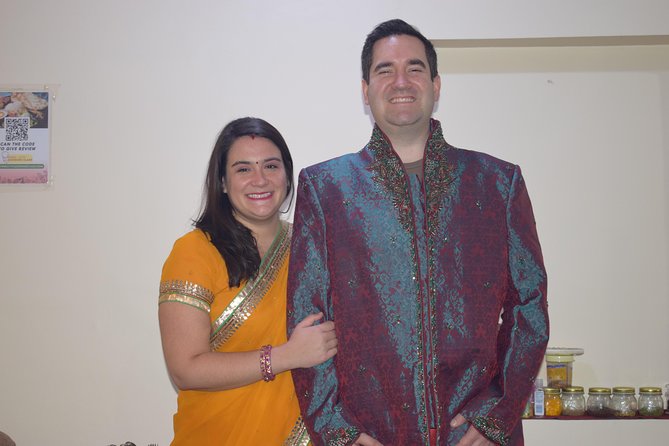
The maximum group size is 15 people. That is small enough for a social class, but it may not feel intimate if the session fills completely. If you want the most direct contact with Dimple and Bunty, arrive ready to take part and ask questions rather than waiting quietly at the edge.
The experience lasts around three hours, so plan it as a substantial half-day activity. A cooking class can run longer than a normal meal because you prepare several dishes from the beginning. Avoid placing an important timed appointment immediately afterward.
The class is suitable for different levels of cooking experience. Beginners can follow the step-by-step guidance, while confident cooks can pay closer attention to spice balance, bread technique, and ingredient combinations.
The activity requires good weather and a minimum number of participants. If poor weather causes a cancellation, you can be offered another date or a full refund. The same applies if the minimum group is not reached.
Free cancellation is available up to 24 hours before the start time. Cancellations or changes made less than 24 hours ahead are not refundable or accepted, so keep that cutoff in mind when arranging your Jaipur schedule.
Who should book this Jaipur class?
I would choose this class if you enjoy food, want contact with local family life, or need a calmer break from Jaipur’s busy streets. It suits solo visitors, couples, and families who are happy to share a kitchen and try several dishes.
It is also a good fit for people who worry that Indian cooking is too difficult. The recipes are taught in a home-style way, with clear instructions and direct practice. You do not need to be an experienced cook to take part.
This may not be your best choice if you require a strictly fixed menu, a private lesson, or a formal culinary-school setting. The warm family approach is the selling point, but it also means the pace and menu can have some flexibility.
Should you book Pink City Cooking Class?
Book it if you want to do more than take photographs in Jaipur. For $27.90, you get a hands-on vegetarian cooking session, a shared meal, bottled water, cultural conversation, and recipes you can use after India. The farm-grown ingredients and welcoming home setting give the class a personal touch that a restaurant meal cannot provide.
I would especially recommend it to first-time visitors who want an approachable introduction to Indian food. Go in ready to cook, ask questions, and accept that your roti may look a little uneven. That is part of learning, and the meal will still taste good.
FAQ
Where does the Pink City Cooking Class take place?
The class takes place at 17-A, Manu Marg, Amer Road, Govind Nagar West, Brahampuri, Jaipur, Rajasthan 302002, India.
Where does the activity end?
The activity ends back at the meeting point.
How long does the cooking class last?
The experience lasts approximately three hours, with the hands-on cooking portion described as about two to three hours.
How much does the class cost?
The listed price is $27.90 per person.
What kind of food will I learn to cook?
The class focuses on vegetarian Indian cuisine. Possible dishes include dal, paneer curry, pakoras, roti or chapati, jeera rice, and masala chai.
Who teaches the class?
Dimple and Bunty host the experience. Dimple leads the cooking and hospitality, while Bunty helps teach the recipes and discusses Indian food and culture.
Are the recipes provided after the class?
Yes. A digital recipe e-book is provided so you can prepare the dishes at home.
Is drinking water provided?
Yes. Filtered water is used for cooking, and bottled water is provided for participants.
How many people can join the class?
The activity has a maximum of 15 participants.
Can I cancel for a full refund?
Yes, if you cancel at least 24 hours before the experience start time. Cancellations made less than 24 hours ahead are not refundable.
New cooking classes around India
- Private Cooking Class In Jodhpur With Family★ 5.0 · 2 reviews
- New Delhi: Indian Cooking Class in a Local Home★ 5.0 · 65 reviews
- New Delhi: Full-Day Cooking Class learn 8 dishes with Locals★ 5.0 · 7 reviews
- New Delhi: 5-Hour Traditional Cooking Class with Local Chef★ 5.0 · 2 reviews
- Mumbai Coastal Cooking: From Fishing Net to Flavourful Plate★ 5.0 · 5 reviews
- Kerala: Cooking Class in Munnar★ 5.0 · 2 reviews
- Kerala Traditional village cooking class (Munnar)★ 4.8 · 15 reviews
- Jodhpur 11 Dishes Cooking Class With REKHA Pick Up & Drop OF★ 5.0 · 24 reviews
Jaipur Cooking Classes, side by side.
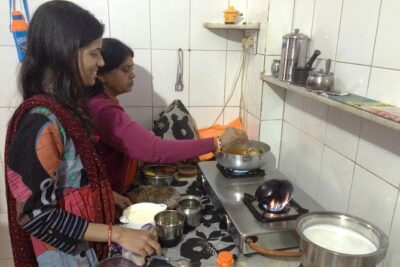
Jaipur Market Tour & Vegetarian Rajasthani Home Cooking Class
Read our review →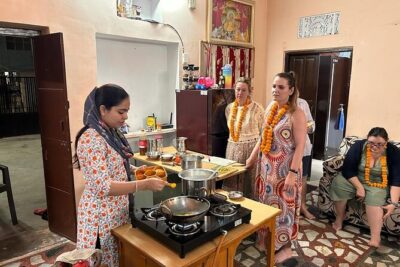
Cooking Class in Jaipur – Family Experience with Meal & Transport
Read our review →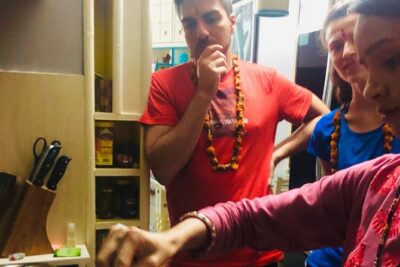
Interactive Cooking Class with a Local Family in Jaipur
Read our review →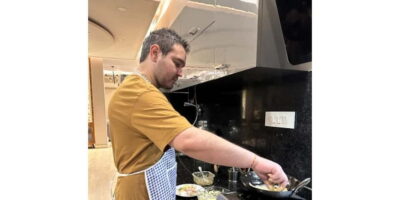
Jaipur: Traditional cooking class and storytelling session
Read our review →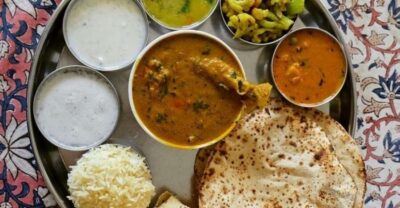
Jaipur Home Cooking Experience with Authentic Lunch/Dinner
Read our review →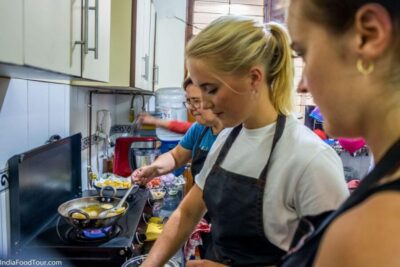
Jaipur: Cooking class at the host family’s house for 3 hours
Read our review →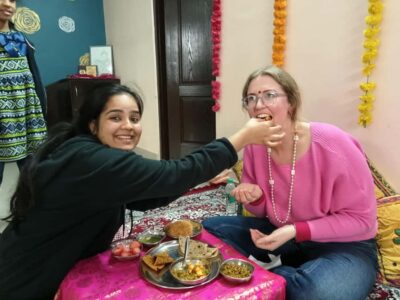
Jaipur: Kitchen is your’s Cooking class with Pickup & Drop
Read our review →This kitchen also appears in