
Review · ITALY
Ostuni: Orecchiette in a masseria – pasta making and tasting
Making orecchiette in the courtyard of a centuries-old masseria gives you a far better taste of Puglia than simply ordering another plate of pasta. You work with your hands, learn from local hosts such as Maria and Fabio, and eat what you shape. I like the beautiful rural setting and the warm, personal teaching style. I also like that the meal includes more than pasta, with local cheeses, focaccia, cured meats, wine, and sometimes dessert.
The main thing to consider is the timing. The listed duration is 2.5 hours, but the cooking, lunch, conversation, and lingering can stretch to 3 or even 5 hours. That is a plus if you want a relaxed afternoon, but less useful if your Ostuni schedule is packed.
Key points to know before booking
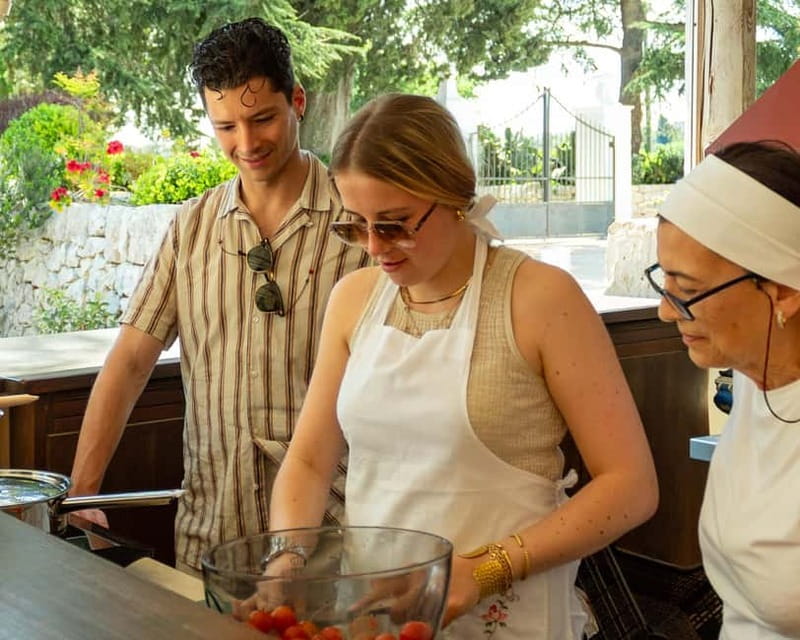
- Historic setting: Masseria Casina Vitale places the class in a traditional Apulian farmhouse courtyard surrounded by old stone walls.
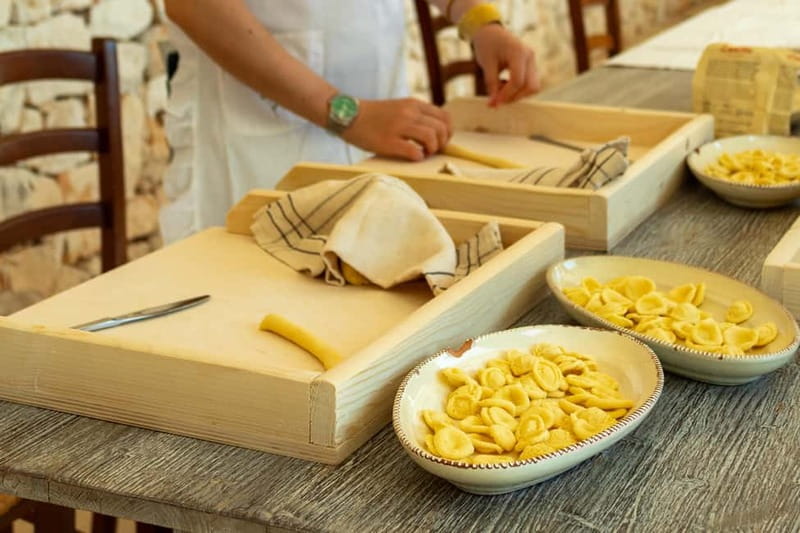
- Hands-on pasta work: You knead dough and shape the curved ears of orecchiette yourself, rather than watching a demonstration from the sidelines.
- Warm local instruction: Maria is often praised as a patient pasta teacher, while Fabio, Francesco, and Graziella help create an easygoing group atmosphere.
- A full food experience: Your meal can include homemade pasta, tomato sauce, mozzarella, ricotta, focaccia, Italian ham, dessert, water, and local wine.
- Good for mixed ages: Families with children, couples, and groups of friends can all take part.
- Plan extra time: The formal activity lasts 2.5 hours, but the meal and conversation may keep you there much longer.
Why making pasta in a masseria feels different
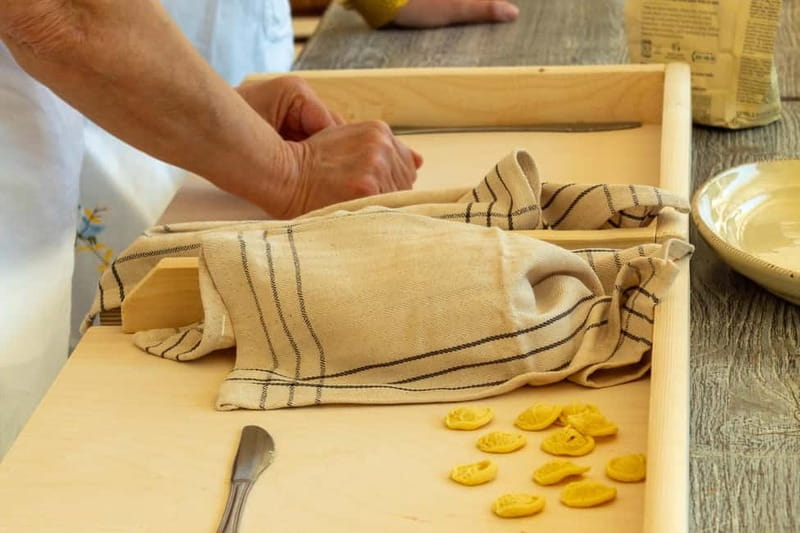
Puglia is famous for orecchiette, the small ear-shaped pasta that appears on menus across the region. You can eat it almost anywhere, but shaping it yourself gives the dish a bit of meaning. You see how a simple mix of flour and water becomes a local staple, one small piece at a time.
The setting matters. A masseria was traditionally a rural farm estate and a center of agricultural work. At Masseria Casina Vitale, the class takes place in an inner courtyard with old stone walls. That setting gives the afternoon a strong sense of place without turning it into a formal museum visit. You are there to cook, eat, and spend time with local people.
I like this kind of activity because it connects food with daily life. The focus is not on complicated restaurant technique. It is on a dish that families have made for generations, using movements that look simple until you try them yourself.
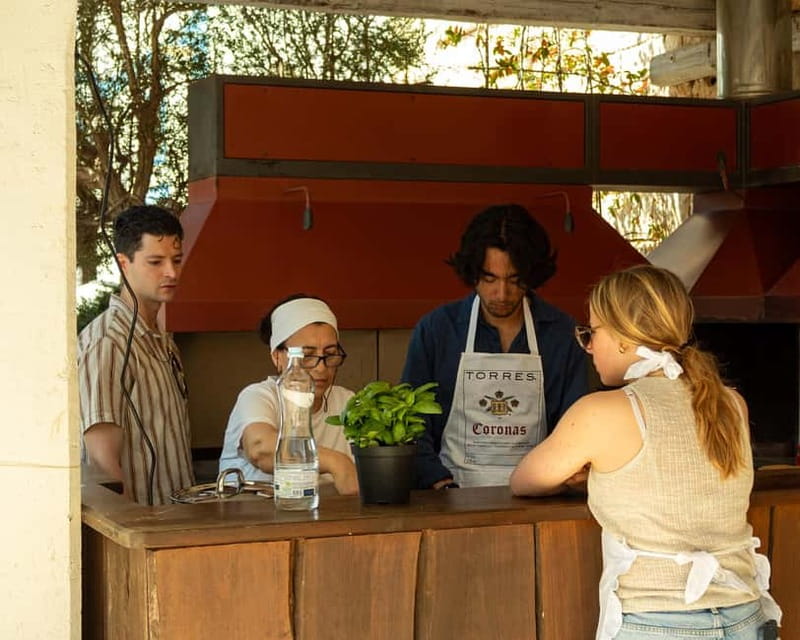
The class also has a social side. You work alongside other people, compare your first attempts, and share the meal at the end. The result is informal and communal. You do not need to arrive as a pasta expert. In fact, the uneven shapes and imperfect first efforts are part of the fun.
More Farm Cooking Classes in Italy
- Cooking Class and Lunch at a Tuscan Farmhouse with Local Market Tour from Florence
★ 5.0 · 4,831 reviews - Hands-On Cooking Class & Farmhouse Tour on the Amalfi Coast
★ 5.0 · 956 reviews - Florence: Cooking Class at a Tuscan Farm & Local Market Tour
★ 4.9 · 354 reviews
Arriving at Masseria Casina Vitale
The experience begins and ends at Masseria Casina Vitale, so you should plan your own way to the meeting point. The available information does not include a transfer from Ostuni, so check the exact meeting instructions before you go and allow time to reach the farmhouse.
Once there, the courtyard becomes your classroom and dining room. You can expect a historic rural setting rather than a polished cooking school. That is part of the appeal, especially if you want a taste of Puglia beyond the whitewashed streets and busy restaurant terraces of Ostuni.
Wear comfortable clothes and shoes. Pasta making is not strenuous, but you will be working with dough and flour, and the class takes place in a courtyard. You will be given an apron and cooking utensils, so you do not need to bring equipment.
The activity is wheelchair accessible. Pets are not allowed, although assistance dogs are permitted. Tell the hosts in advance about food intolerances. The experience is not suitable for people with food allergies, gluten intolerance, animal allergies, or insect allergies.
Learning the curved shape of orecchiette
The cooking lesson starts with the basics: choosing the flour, preparing the dough, and kneading it. You then roll and cut the dough before using your fingers to form the familiar curved shape. The process sounds easy when demonstrated. Your first few pieces may suggest otherwise.
That is where the teaching style helps. Maria is repeatedly praised for making the movements clear and easy to follow. She shows the technique, then gives you room to try it yourself. The hosts offer personal help without taking over, which is important in a hands-on class.
The instruction is available in English and Italian. Some parts of the experience may be shown in their original language, but the practical nature of the lesson makes it approachable. You can watch the hand movements, copy them, and ask questions as you go.
The class can work well for children, too. Families with children aged 10 and 13 have enjoyed the session, and the activity suits older children who can follow simple instructions and stay engaged at a table. Younger children may need more help, but the information does not set a minimum age, so ask when booking if that matters to your family.
You will not leave with restaurant-perfect pasta on every try. That is not the point. You will learn the basic method and gain a better feel for the care behind a dish that can look effortless on the plate.
Lunch includes more than the pasta you make
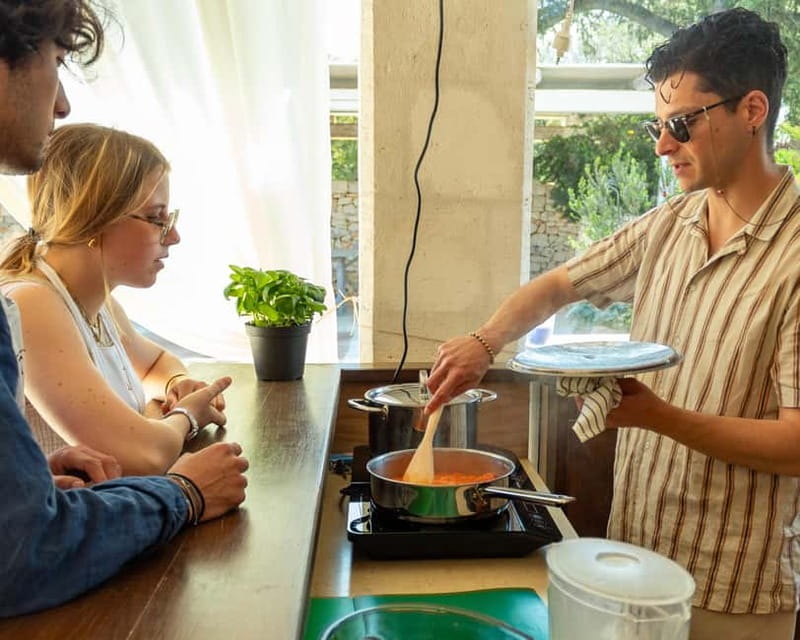
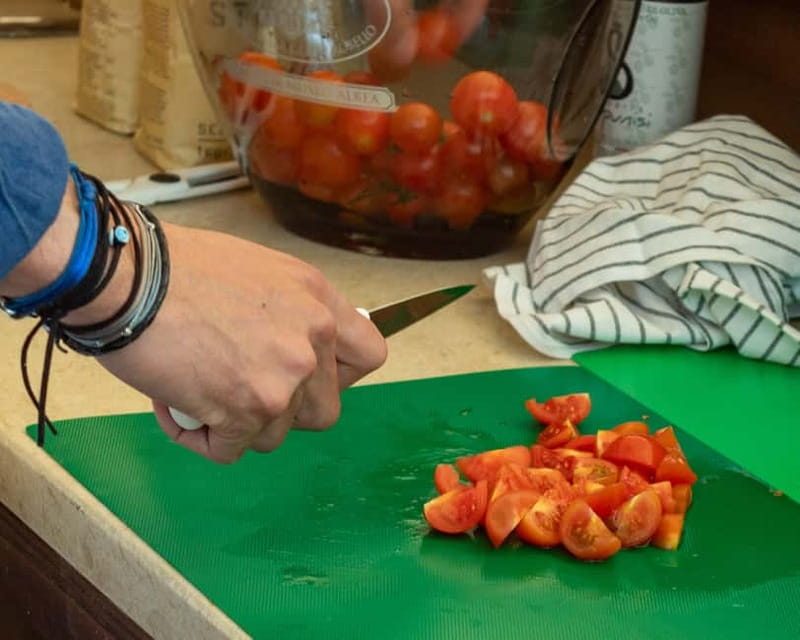
After the hands-on work, the pasta is served with a traditional sauce, including tomato sauce in the meal described by several participants. Eating your own orecchiette is the natural payoff, but the meal does not stop there.
The tasting can include local products such as mozzarella, fresh ricotta, focaccia, Italian ham, and other regional starters. There may also be a small dessert. Water and Apulian wine are included, along with organic products.
This matters when judging the $71 price. You are not paying only for a short demonstration and a small bowl of pasta. The fee covers the instruction, apron, utensils, recipe book, tasting, organic ingredients, wine, and water. It functions as a cooking class, a meal, and a cultural visit in one booking.
The food also helps you understand Puglia’s style. The ingredients are straightforward, but quality and freshness do the work. Fresh cheese, bread, cured meat, tomato sauce, and wine make the meal feel like a regional table rather than a staged snack.
The wine is part of the experience, so plan sensibly if you are driving. The information does not specify the wine selection or quantity, only that local Apulian wine is included. If you do not drink alcohol, water is provided, but ask ahead about any special beverage needs.
More Pasta Making Classes in Italy:
- Florence: Pasta Cooking Class with Unlimited Wine
★ 4.9 · 10,285 reviews - 3 in 1 Cooking Class near Navona: Fettuccine, Ravioli & Tiramisu
★ 5.0 · 7,376 reviews - Florence: Pasta & Tiramisu Cooking Class with Unlimited Wine
★ 4.9 · 6,708 reviews - Florence: Pasta Cooking Class with Unlimited Wine
★ 5.0 · 6,413 reviews
A relaxed group activity, not a quick class
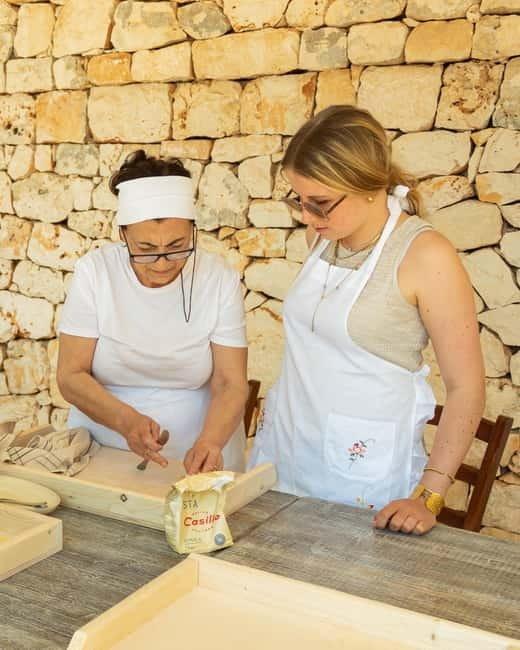
The formal duration is listed as 2.5 hours. That gives you enough time for instruction, pasta making, tasting, and part of the meal, but the actual pace can be slower. Some sessions have lasted 3 to 4 hours, and one experience stretched close to 5 hours because people stayed for lunch and conversation.
I see this as an important planning point. The extra time can make the afternoon feel generous rather than rushed. You can finish the pasta, sit down, talk with the hosts and other participants, and enjoy the meal properly. But if you have a timed wine tasting, train, or dinner reservation soon after, leave a generous gap.
Group size may vary. One session had only seven people, which allowed plenty of individual instruction. Other dates may have different numbers, and no fixed maximum is provided. If a small group is especially important to you, ask before booking rather than assuming every date will be intimate.
The atmosphere is social but not demanding. You do not need to perform, compete, or cook in front of an audience. You work at your own pace, with the hosts correcting awkward shapes and helping you get the method right.
This is particularly good for a family or group of friends who want an activity with plenty of conversation. It also works for solo visitors who are comfortable sharing a table with people they have just met.
What makes the hosts part of the value
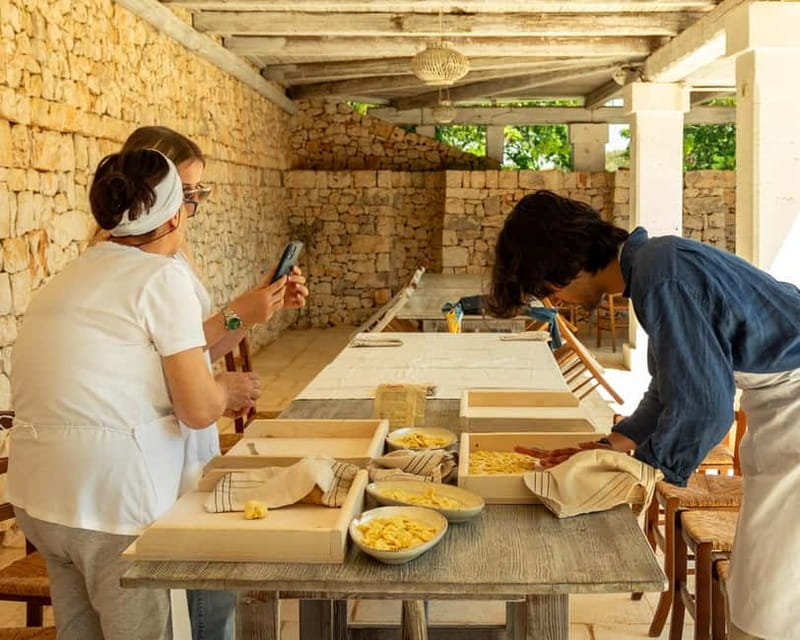
The food and setting are important, but the hosts determine whether a cooking class feels stiff or welcoming. Here, Maria is the central pasta teacher associated with the experience. She has been described as patient, funny, and skilled at making the hand movements look simple.
Fabio is also part of the hosting team and is known for clear explanations and a relaxed manner. Francesco and Graziella help create the broader local welcome. The names matter because this is not an anonymous demonstration led by a rotating presenter. The appeal comes from being taught by people connected to the place and the food.
The language mix should not worry you too much if your Italian is limited. English is available, and the cooking itself is visual. You can follow the demonstration, copy the hand position, and receive direct correction. A language barrier may still affect conversation, but it should not prevent you from learning the basic technique.
The social warmth is one of the strongest reasons to choose this activity over a standard restaurant meal. You are not simply consuming Apulian food. You are spending time with the people who prepare it and hearing the method passed along through local tradition.
Is $71 good value near Ostuni?
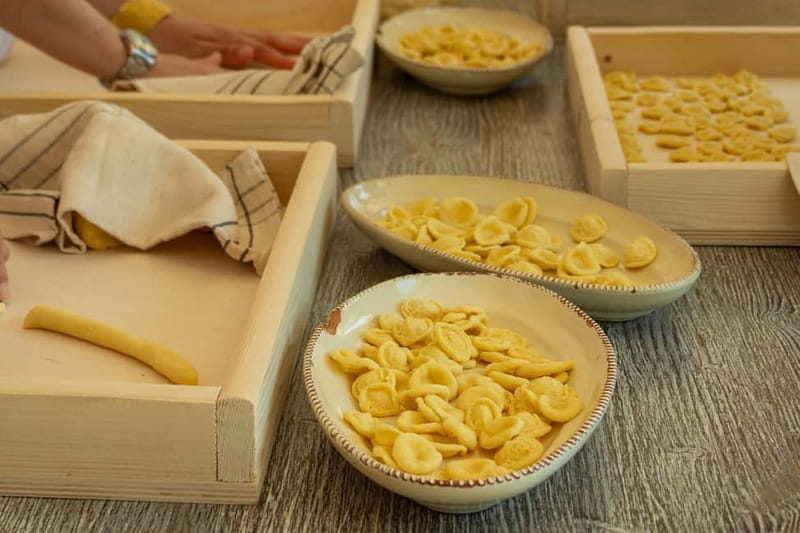
At $71 per person, this is not the cheapest way to eat pasta in Puglia. If your only goal is a full plate of food, a trattoria will cost less. You should book this for the combination of setting, instruction, meal, wine, and shared time.
The value improves if you would otherwise pay separately for a meal and another paid activity. Here, you receive:
- A guided cooking lesson
- Cooking utensils and an apron
- A recipe book to take home
- Your own handmade orecchiette
- A tasting of typical products
- Organic ingredients
- Local wine and water
- A substantial meal in a historic farmhouse
The recipe book is a useful extra. It means the experience does not end at the masseria. You can try to repeat the process at home, although your kitchen table will not come with old stone walls or an Apulian courtyard.
I would consider the price fair for a visitor who values food and local contact. It may feel expensive to a budget-minded visitor who is already planning several paid tours. Families should multiply the price carefully, especially if every member will take part. Still, the activity includes enough food that it can replace lunch for most people.
Who should book this experience
I would choose this class if you want a gentle, social activity between sightseeing days. It suits couples who like food, families with school-age children, and friends looking for something more memorable than another restaurant reservation.
It is also a good fit if you are curious about everyday Apulian cooking rather than elaborate culinary technique. The lesson focuses on one regional pasta and the local meal around it. You will not be covering a long menu or learning professional kitchen skills.
This may not suit you if you have gluten intolerance, food allergies, animal allergies, or insect allergies. It is also a poor choice if you need a tightly scheduled activity that ends exactly after 2.5 hours.
People who dislike group meals may prefer a private cooking lesson, but no private format is specified here. Likewise, anyone looking for a serious culinary course should keep expectations in check. This is a friendly introduction to orecchiette, not professional training.
Practical tips for a better afternoon
Wear clothes you can move in and shoes that are comfortable on a farmhouse surface. Bring an appetite, because the meal can include pasta, starters, cheese, bread, wine, and dessert.
Tell the hosts about intolerances before the activity. The experience is not suitable for gluten-free cooking, and the information specifically rules out food allergies and gluten intolerance. Do not assume substitutions will be available.
Allow more time than the official 2.5 hours. I would avoid booking anything immediately afterward. The cooking may finish on schedule, but lunch and conversation can continue well beyond the formal lesson.
If you are traveling with children, explain that the class is hands-on and communal. Children who enjoy shaping dough should have a good time, while children who need constant movement may find the sitting and food-focused format less engaging.
Finally, remember that the class is held in English and Italian. English instruction is available, but you may still hear Italian during the meal and informal conversation. That mix is part of the setting, not a problem to solve.
Final verdict: should you book it?
Book this experience if you want to connect Ostuni with food, family tradition, and a real rural setting. The strongest features are the courtyard at Masseria Casina Vitale, the patient instruction from hosts such as Maria and Fabio, and the generous meal that follows the pasta work.
I would especially recommend it for families, couples, and friends who can spare half a day and do not mind a relaxed timetable. The $71 cost is reasonable when you count the class, meal, wine, recipe book, and setting together.
Skip it if you have dietary restrictions that make wheat and shared tastings unsafe, or if your schedule allows no room for delays. For everyone else, this is a practical and tasty way to understand why orecchiette is more than a menu item in Puglia. It is a small piece of local life that you get to shape with your own hands.
FAQ
Where does the orecchiette class take place?
The activity takes place at Masseria Casina Vitale, a historic farmhouse in the Apulia region near Ostuni. The cooking workshop is held in the masseria courtyard.
How long does the experience last?
The stated duration is 2.5 hours. The cooking, lunch, and conversation may take longer, with some sessions lasting 3 to 5 hours.
What languages are available?
The live guide service is available in English and Italian. Some content may be shown in its original language.
What is included in the price?
The price includes cooking utensils, an apron, a recipe book, a tasting of typical products, organic products, wine, and water.
Is the meal included?
Yes. You eat the orecchiette made during the class with a traditional sauce, along with a selection of local products. The meal may include items such as cheese, focaccia, cured ham, and dessert.
Is the activity suitable for children?
Yes. The experience is suitable for families, and children aged 10 and 13 have taken part. The activity is also suitable for couples and groups of friends.
Can I join if I have a food allergy or gluten intolerance?
No. The activity is not suitable for people with food allergies or gluten intolerance. You should tell the hosts about any food intolerances in advance.
New cooking classes around Italy
- Sestri Levante: Pesto & Cooking Classes, Wine Tasting★ 4.9 · 56 reviews
- Sardinia Cooking Class: Fresh Handmade Pasta★ 5.0 · 53 reviews
- San Gimignano: Tuscan Cooking Class★ 5.0 · 2 reviews
- San Gimignano: Truffle Cooking Class with Wine Tasting★ 5.0 · 5 reviews
- San Gimignano: “Hands in dough” Cooking Class with Lunch★ 5.0 · 6 reviews
- Salento: Authentic Cooking Experience with Fresh Pasta and Local Products★ 5.0 · 8 reviews
- ROME:Hands-On Lasagna & Marsala Tiramisu Cooking Experience”★ 5.0 · 3 reviews
- Rome: Private Wine Tour and Pasta Making Class in a Winery★ 5.0 · 6 reviews
Italy Cooking Classes, side by side.
Florence: Pasta Cooking Class with Unlimited Wine
Read our review →
3 in 1 Cooking Class near Navona: Fettuccine, Ravioli & Tiramisu
Read our review →
Cooking Class and Lunch at a Tuscan Farmhouse with Local Market Tour from Florence
Read our review →
Rome: Pasta Making Class with Wine, Limoncello, and Dessert
Read our review →

Rome Cooking Class: Make Pasta and 3 Spritz Cocktails
Read our review →
Rome: 3-in-1 Fettuccine, Ravioli, and Tiramisu Cooking Class
Read our review →
Rome: Fettuccine Pasta Cooking Class in Rome’s City Center
Read our review →This kitchen also appears in