Review · ROME
Rome: Pasta & Tiramisu Cooking Class near the Spanish Steps
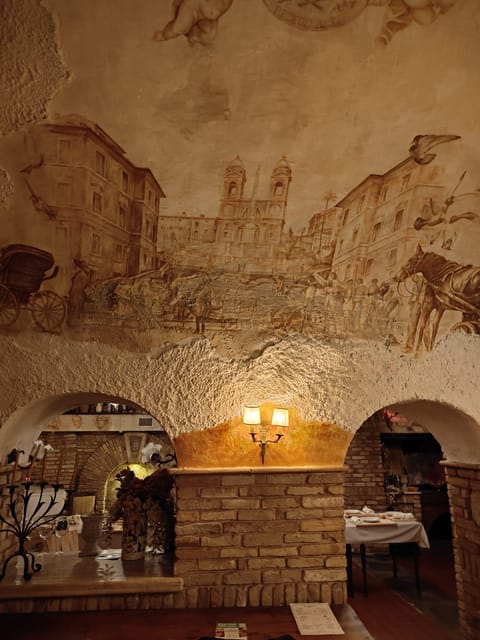
Just steps from the Spanish Steps, this class turns a famous sightseeing stop into a hands-on Italian meal. You work with flour and egg to shape fresh fettuccine, then make your own tiramisu before sitting down to eat. The class takes place in a 17th-century building with original 1800s wall paintings, a nice change from a standard restaurant table.
I like the friendly teaching style, especially from instructors such as Lucas, Ricardo, Irene, Andrea, and Gabi. I also like the social setup: solo visitors, couples, families, and mixed-language groups can cook together, share a meal, and leave with recipes and a certificate. The main thing to understand is that the sauces are prepared by the restaurant kitchen, and the pasta is cooked collectively rather than entirely by each person.
Key points to know before booking
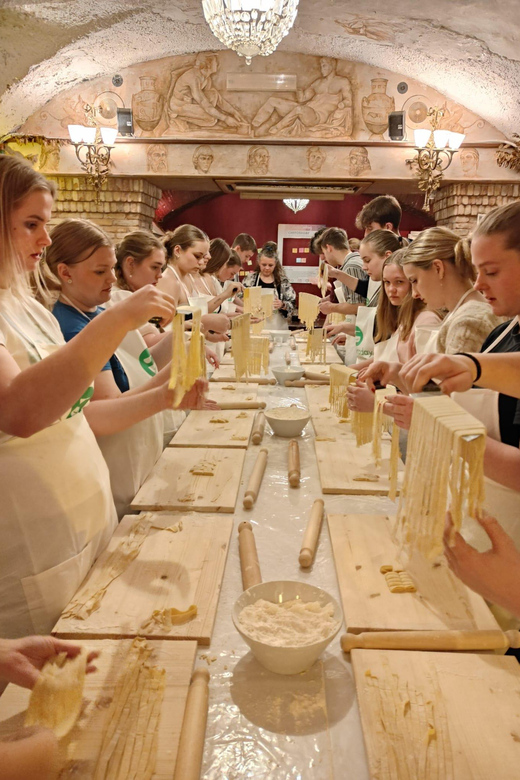
- Make fettuccine by hand: Work from egg and flour, then roll, cut, and shape the pasta with guidance.
- Prepare your own tiramisu: The cream is made as a group, but each participant assembles an individual dessert.
- Eat what you make: Choose tomato and basil, pesto, or Alfredo sauce, with a glass of wine or a soft drink.
- Enjoy a historic setting: The class is held inside Trattoria Amici, in a 17th-century building with original 19th-century wall paintings.
- Expect a social class: The shared meal creates an easy way to meet people, making this a good pick for solo visitors and families.
- Allow extra arrival time: Get there at least 15 minutes early. Late arrivals may be refused and rescheduled for a €15 per-person fee.
Fresh pasta and tiramisu near the Spanish Steps
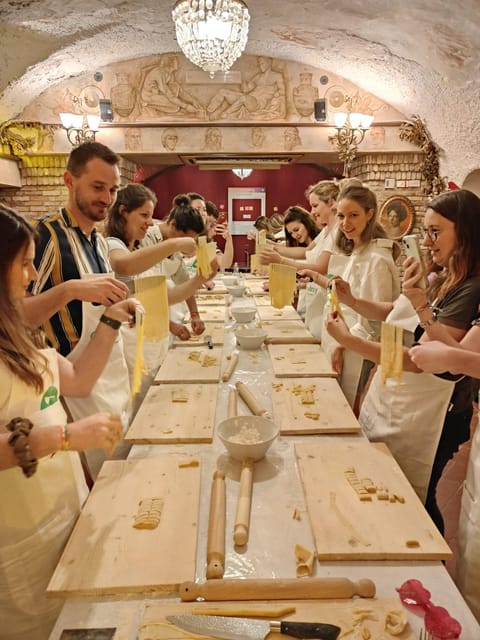
The location does much of the practical work for you. After visiting the Spanish Steps, you can walk into Trattoria Amici and move straight into a cooking activity without setting aside half a day. The class lasts about two hours, so it fits neatly between major sights, an afternoon stroll, or an evening meal.
Go inside the restaurant and ask for the cooking class room. A separate entrance is available for the activity, but arriving early still matters. The class asks you to arrive at least 15 minutes before the start time, and late arrivals may not be accepted.
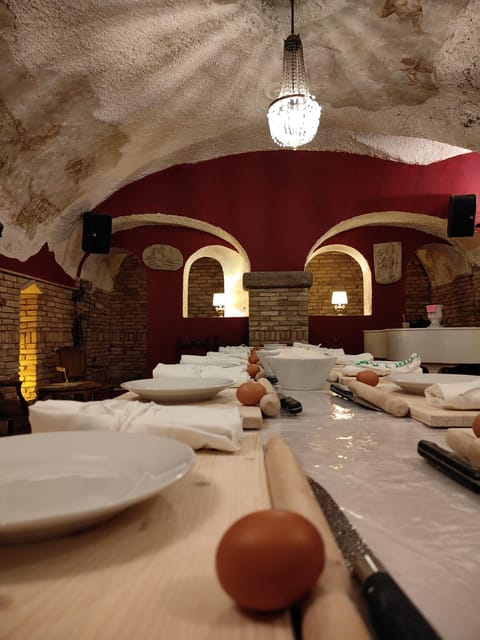
Inside, the old walls add atmosphere without turning the class into a museum lecture. The original 1800s paintings give you something interesting to look at while you work, and the air conditioning is welcome during Rome’s warmer months.
The setting is still a working restaurant, not a private farmhouse kitchen. That matters because the class is designed to be fun and accessible rather than highly technical. You learn the basic method, get help at your station, and then sit down to eat the result.
More Pasta Making Classes in Rome
- 3 in 1 Cooking Class near Navona: Fettuccine, Ravioli & Tiramisu
★ 5.0 · 7,376 reviews - Rome: Pasta Making Class with Wine, Limoncello, and Dessert
★ 4.9 · 3,177 reviews - Rome Cooking Class: Make Pasta and 3 Spritz Cocktails
★ 5.0 · 2,937 reviews
Turning egg and flour into fettuccine
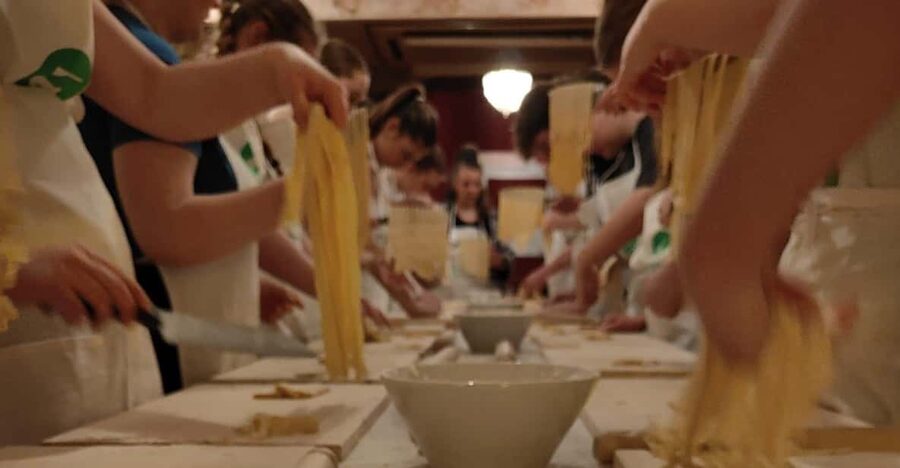
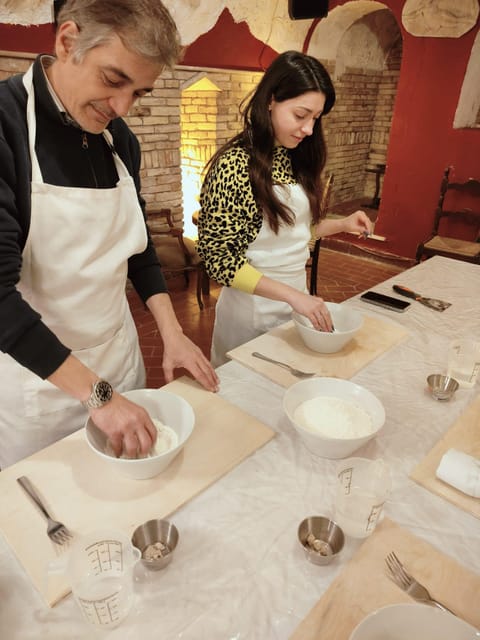
The pasta lesson begins with a simple idea: egg and flour. You combine them by hand and work the dough until it becomes a workable pasta mixture. The instructor demonstrates the method, then walks around to help with mixing, rolling, shaping, and cutting.
This is the part of the class that gives you a useful skill to take home. You are not simply watching a chef prepare pasta. You handle the dough yourself and see how a few basic ingredients become noodles.
The process can move quickly, especially when the room is lively and several people need help at once. One participant found the pace a little fast, although the instructor still offered assistance. If you are new to fresh pasta, pay close attention to the demonstration and ask for help early instead of waiting until the dough is already difficult to manage.
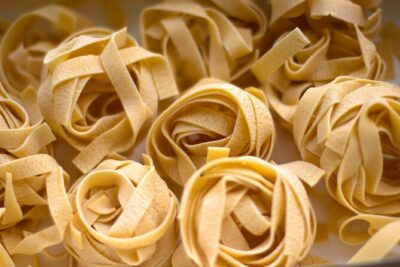
The pasta is shaped into fettuccine, though your first batch may not look perfectly uniform. That is part of the fun. You might produce noodles that are slightly uneven or somewhere between fettuccine and spaghetti. The point is to learn the basic technique and enjoy eating something you made with your own hands.
A useful detail is that the cooking is collective. The pasta you prepare is gathered and cooked together, then divided among the sauce choices. This means you do not operate a private pot from start to finish, but it also keeps the class moving and lets everyone eat at roughly the same time.
Choosing tomato, pesto, or Alfredo
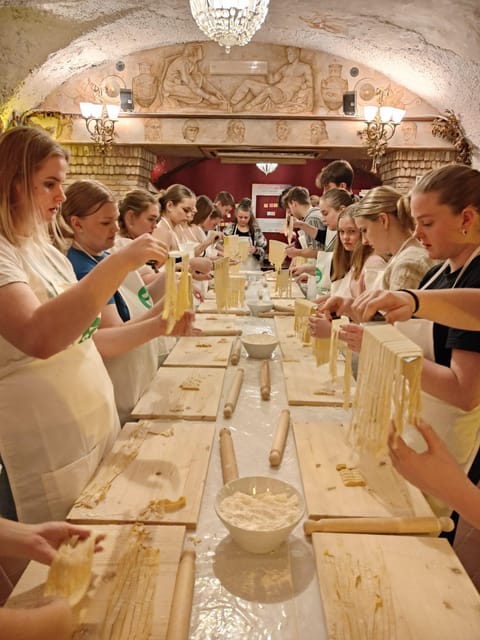
You can select tomato and basil, pesto, or Alfredo sauce for your pasta. The sauces are prepared by the restaurant kitchen, so the class focuses on the dough rather than teaching a full sauce recipe.
That arrangement has two sides. It keeps the two-hour schedule realistic and ensures that the meal arrives hot and properly prepared. At the same time, you should not book this activity expecting to learn every part of a complete pasta dinner from scratch.
The final plate is simple and satisfying. Some people found the pasta itself merely good rather than the best pasta of their trip, but still considered the experience worth the price because the making mattered as much as the eating. That is a fair way to judge this class.
If your main goal is a restaurant-quality tasting menu, choose a regular meal instead. If you want to knead, roll, cut, and eat your own pasta in central Rome, the class offers more value than a standard dinner.
Building your own tiramisu
The tiramisu portion is easy to follow and especially well suited to beginners. The cream is prepared as a group, while each participant makes an individual tiramisu. The result is a dessert you can assemble yourself without needing advanced pastry skills.
This part adds variety to the class. Pasta requires hands-on work with dough, while tiramisu lets you build a finished dessert in a calmer, more playful way. It also gives families and younger participants another task to share.
The dessert is served at the end of the meal. Several people singled it out as one of the best parts of the experience, and some found it especially delicious. You should still keep expectations sensible: the class teaches a practical version of tiramisu rather than a long pastry course.
The recipes are provided so you can recreate both dishes at home. There is some inconsistency in the practical experience of receiving them, since one participant had trouble locating the recipe information afterward. Save the recipe link or printed material before leaving if you want to make the dishes again.
More Tiramisu and Dessert Classes in Rome
- Rome: 3-in-1 Fettuccine, Ravioli, and Tiramisu Cooking Class
★ 4.9 · 2,704 reviews - Fettuccine & Tiramisù: Cooking Class with Wine & Limoncello
★ 4.9 · 2,103 reviews - Cooking Class in the Heart of Rome: Pizza and Tiramisu Making
★ 5.0 · 1,330 reviews - 2-in-1 Pasta and Tiramisu Cooking Masterclass in Rome
★ 5.0 · 832 reviews
Wine, limoncello, and the shared table
Once the pasta is ready, you sit down to eat it with the rest of the group. Your booking includes a glass of red or white wine, or a soft drink, plus water throughout the class. The meal ends with tiramisu and a limoncello toast.
This shared table is one of the strongest parts of the activity. You are not rushing out after a demonstration. You eat together, talk with classmates, and enjoy a meal that has a personal story attached to it.
For a solo visitor, that social element can be a real advantage. The class gives you an easy reason to speak with other people, and the group meal feels more natural than trying to make conversation at a restaurant counter. Families also get a shared project rather than another sightseeing stop.
Additional drinks and extra food are not included. Take-away limoncello is also not part of the package. The included drink is enough to accompany the meal, but plan to pay separately if you want more.
The instructors make the difference
The teaching style is a major reason this class receives such strong feedback. Lucas is often described as funny, patient, encouraging, and active around the room. He uses music and humor to keep the class moving while still helping individuals who need extra attention.
Ricardo is another frequently praised instructor. His teaching is clear and his manner is warm, which helps first-time pasta makers relax. Irene receives credit for careful demonstrations of both pasta and tiramisu, while Andrea and Federico are noted for making the class friendly and easygoing.
Gabi has handled classes in both English and Spanish, explaining the steps clearly to a mixed-language group. Tim has also helped maintain a relaxed atmosphere. The exact instructor depends on the scheduled class, so you should not book solely to meet one named chef. Still, the range of positive comments points to a team that understands how to teach beginners.
English and Spanish are the available class languages. If you are not fluent in either, the visual nature of pasta-making may help, but the activity is formally offered in those two languages.
Who will get the most from this class
I would recommend this experience to several types of visitors:
- First-time pasta makers: You get direct instruction without needing previous cooking experience.
- Families with older children: Children under seven can attend free, but they must share a workstation with an accompanying adult.
- Solo visitors: The shared table makes meeting people easy.
- Couples: You can turn an ordinary meal near the Spanish Steps into a joint activity.
- Visitors on a rainy day: The air-conditioned restaurant provides a useful indoor plan when outdoor sightseeing loses its appeal.
- People who want a practical souvenir: The recipes and certificate give you something to take home beyond photographs.
It is less suitable if you are vegan, since the activity is not designed for vegan diets. Wheelchair users should also choose another experience because the class is not suitable for wheelchair access.
Tell the organizer about allergies and dietary restrictions in advance. The team will try to help, but the environment cannot be guaranteed allergen-free, and cross-contamination cannot be ruled out.
Is $58 a fair price?
At $58 per person, the cost is higher than simply ordering pasta and tiramisu at a neighborhood restaurant. But the comparison is not quite fair. You are paying for instruction, ingredients, equipment, the meal, a drink, limoncello, recipes, and two hours of organized activity in a central location.
The price makes the most sense if you value participation. You could easily spend a similar amount on a central Rome dinner without learning anything or meeting anyone. The class also fills an evening with a structured activity, which can be useful when you want a break from monuments and churches.
The value is weaker if you mainly care about the final plate. The sauces are made by the kitchen, the pasta is cooked collectively, and the handmade result may not match the best pasta you eat in Rome. Think of this as a cooking experience with dinner included, not as a gourmet meal with a cooking demonstration attached.
The 4.8 rating from 1,395 reviews reflects a strong pattern of satisfaction, especially around the instructors, social mood, food, and family appeal. The most useful way to read that rating is not that every detail will be perfect, but that the class reliably delivers an enjoyable beginner activity.
Practical advice for getting the most from it
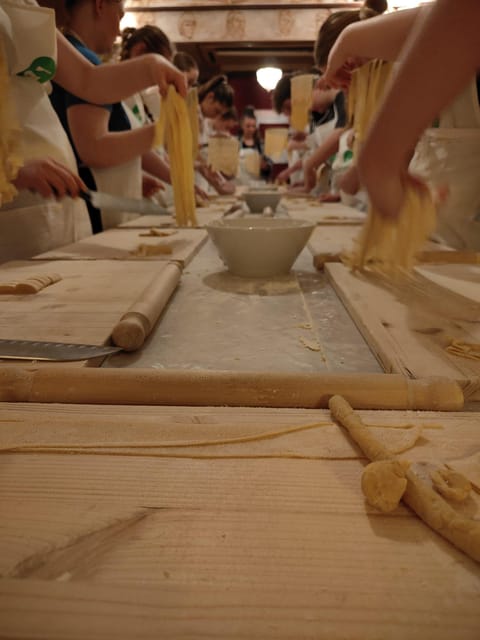
Book a time that leaves room to arrive early. The meeting point is inside Trattoria Amici, and you should ask for the cooking class room when you enter. Give yourself enough time to find the restaurant and settle in before the lesson begins.
Wear something comfortable and suitable for working with flour and food. The class provides the needed equipment and ingredients, but your clothing still needs to be practical for hands-on cooking.
Choose your sauce in advance if you already know your preference. Tomato and basil is the straightforward choice, pesto brings a sharper herb flavor, and Alfredo is the richer option. The class does not list a vegan alternative, so vegans should not book this activity.
Treat the certificate as a lighthearted souvenir. It is not a cooking qualification, but it is a pleasant reminder of the evening, especially for children and first-time cooks.
Finally, keep your expectations focused. You are learning a classic method, not attending a professional culinary school. The best part is the combination of making, eating, laughing, and sharing a table in the heart of Rome.
Should you book the Spanish Steps cooking class?
Book it if you want a social, beginner-friendly Rome activity that includes dinner and dessert. The central location, short two-hour schedule, historic room, clear instruction, and included wine make it easy to fit into a busy visit.
I would especially choose it for families, couples, solo visitors, and anyone who wants a break from sightseeing. The activity also works well on a rainy day and gives you recipes to try at home.
Skip it if you are vegan, use a wheelchair, need a completely allergen-free kitchen, or want every part of the meal prepared individually. The pasta is made by hand, but the sauces come from the kitchen and the cooking is shared.
For most visitors who want to do more than look at Rome’s food, $58 is a reasonable price for two hours of instruction, a complete meal, wine or a soft drink, limoncello, and a pleasant memory near the Spanish Steps.
FAQ
How long does the cooking class last?
The class lasts two hours.
Where does the class meet?
Go inside Trattoria Amici and ask for the cooking class room.
What will I make?
You will make fresh fettuccine pasta by hand and prepare your own tiramisu.
Which pasta sauces are available?
You can choose tomato and basil, pesto, or Alfredo sauce.
Is the pasta cooked individually?
No. The pasta is cooked collectively and then divided according to the selected sauce.
Is the tiramisu made individually?
The tiramisu cream is prepared as a group, but each participant makes their own tiramisu.
What drinks are included?
You receive water throughout the class, plus a glass of red or white wine or a soft drink. The experience ends with a limoncello toast.
Can children attend?
Children under seven can attend free, but they must share a workstation with an accompanying adult.
More Spanish Cooking Classes around Rome
- Cooking Class 2 Hour Spanish Steps – Fettucine and Tiramisù
★ 5.0 · 298 reviews - From Rome: Pasta & Tiramisù Cooking Class near Spanish Steps
★ 4.7 · 27 reviews - Barcelona: Paella Cooking Experience & Boqueria Market Tour
★ 4.8 · 3,661 reviews - Barcelona Paella Cooking Class with Market Visit, Tapas & Sangria
★ 5.0 · 2,531 reviews
New cooking classes around Rome
- ROME:Hands-On Lasagna & Marsala Tiramisu Cooking Experience”★ 5.0 · 3 reviews
- Rome: Vatican Food Tours, Cooking classes & Free Tours★ 4.9 · 11 reviews
- Rome: Traditional Pasta, Spritz & Tiramisu Cooking Class★ 4.9 · 279 reviews
- Rome: Trastevere Pasta Making Class★ 4.9 · 33 reviews
- Rome: Traditional Pasta and Tiramisu Cooking Class★ 5.0 · 4 reviews
- Rome: Small Group Pasta cooking class near Piazza Navona★ 4.9 · 8 reviews
- Rome: Traditional Cooking Class in the Jewish Ghetto★ 4.9 · 75 reviews
- Rome: “Rooftop Pasta and Cocktails Cooking Class”★ 5.0 · 12 reviews
Rome Cooking Classes, side by side.
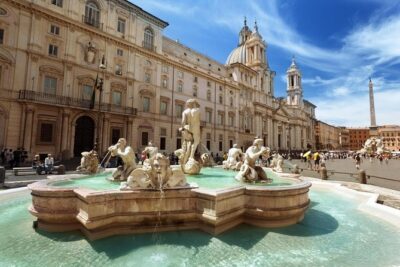
3 in 1 Cooking Class near Navona: Fettuccine, Ravioli & Tiramisu
Read our review →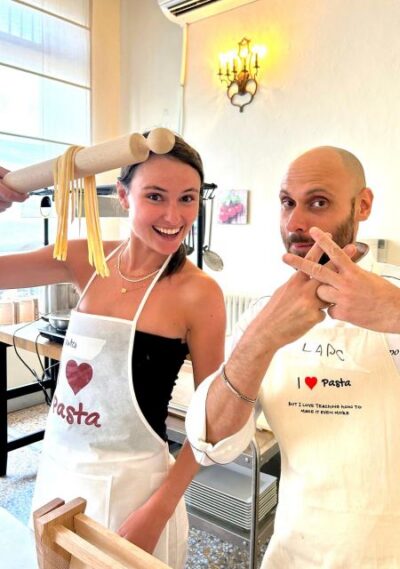
Rome: Pasta Making Class with Wine, Limoncello, and Dessert
Read our review →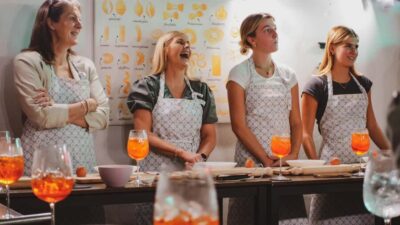
Rome Cooking Class: Make Pasta and 3 Spritz Cocktails
Read our review →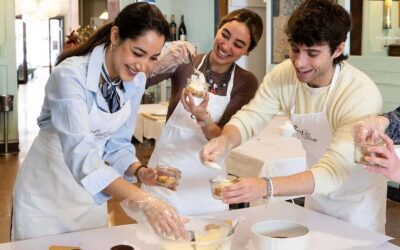
Rome: 3-in-1 Fettuccine, Ravioli, and Tiramisu Cooking Class
Read our review →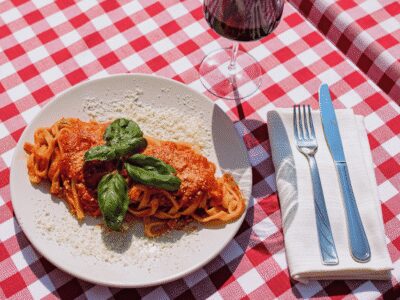
Rome: Fettuccine Pasta Cooking Class in Rome’s City Center
Read our review →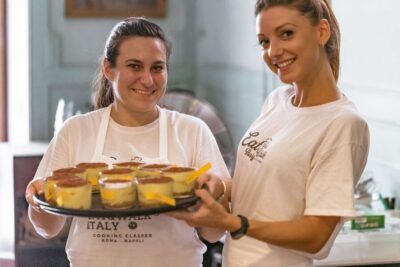
Fettuccine & Tiramisù: Cooking Class with Wine & Limoncello
Read our review →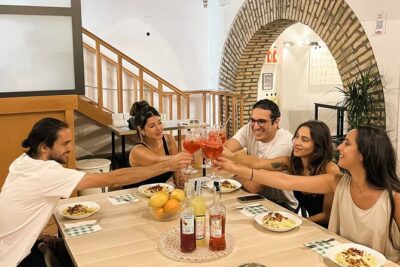
Pasta Cooking Class Near the Colosseum with 3 Spritz Cocktails
Read our review →