Review · PORTO
Porto: Cooking Class with Local Market Visit
The best part of this Porto experience happens before the cooking begins. You meet Nuno at his home, then walk with him to small local shops to choose the ingredients for your meal. I like the market visit because it gives you a look at everyday food shopping, not just a polished cooking studio. I also like the full meal from scratch, with wine, olive oil, port, and food traditions folded into the lesson.
The main drawback is practical: you must make your own way to the meeting point, and the experience is not suitable for wheelchair users. Three and a half hours can also feel long if you want only a quick cooking demonstration rather than a hands-on afternoon.
Key points to know before booking
- Shop with Nuno before you cook: Visit small local markets, a bakery, a butcher, or possibly an organic garden to select fresh ingredients.
- Prepare a full Portuguese menu: You take part in appetizers, a main course, and dessert instead of watching a short demonstration.
- Learn more than recipes: Nuno adds lessons about Portuguese history, architecture, tiles, olive oil, wine, and food customs.
- Expect personal guidance: The group is limited to eight people, and Nuno can adapt the food for most diets if you share restrictions in advance.
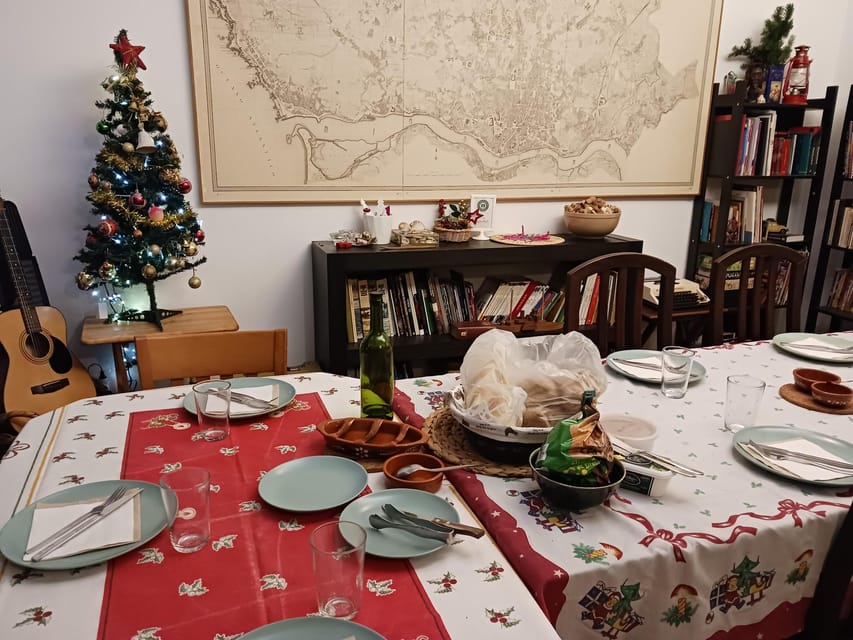
- Finish at the dining table: You eat the food you prepared and pair it with Portuguese wine.
- Plan your transport carefully: Getting to and from the meeting point is not included, and wheelchair access is not available.
Why the market visit matters in Porto
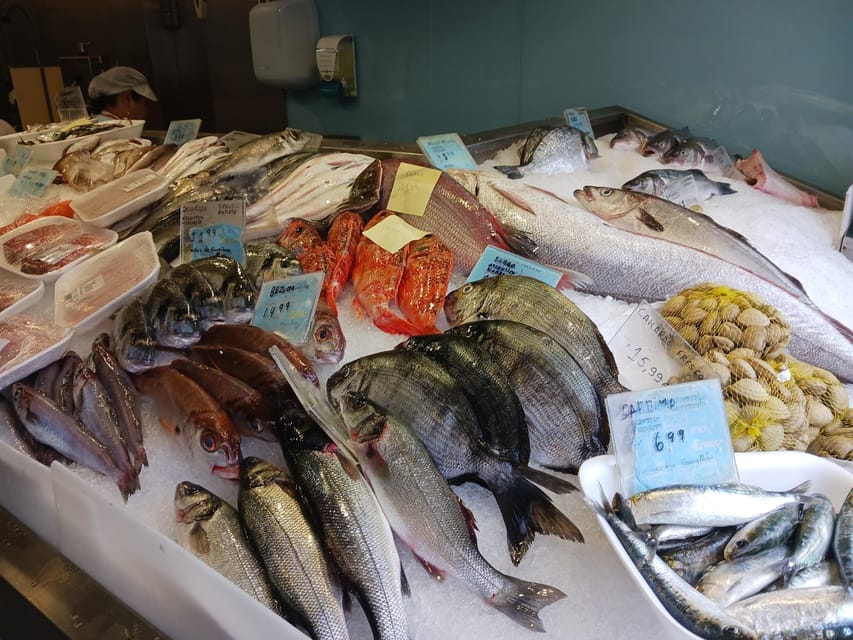
Many cooking classes begin with bowls of ingredients already measured and waiting. This one begins closer to the source. You meet Nuno at his home and go together to local grocery shops, a bakery, a street butcher, or, depending on the plan, his organic garden.
That first outing gives the class a useful sense of place. You are not simply learning how to reproduce a recipe. You are seeing where the food comes from and how a local cook chooses it. Fresh ingredients become part of the lesson before you reach the kitchen.
I especially like the chance to visit smaller neighborhood shops. A supermarket can supply everything, but it tells you little about how local food is selected. Nuno pays close attention to the quality of what goes into the meal, and the shopping trip lets you see that care in action.
The exact stops can vary. You may visit a grocery shop, bakery, butcher, or organic garden, so do not expect one fixed market route. That flexibility is part of the experience, though anyone hoping for a large, formal market tour should set expectations accordingly.
More Cooking Classes with a Market Tour in Portugal
- Porto Local Market Visit & Cooking Class / Showcooking
★ 5.0 · 206 reviews - Lisbon Market and Food Tour with Cooking Class and Lunch
★ 5.0 · 117 reviews - Private Lisbon Market Tour & Portuguese Cooking Class with Paula
★ 5.0 · 89 reviews
From Portuguese history to the kitchen table
Nuno brings more than cooking instructions to the afternoon. He explains how Portuguese food developed through contact with Asia, Africa, and South America during the period of Portuguese overseas expansion. He also touches on food traditions linked to different communities, including the Jewish background of alheira.
That context gives familiar ingredients more meaning. A dish is not just a list of steps. It reflects trade, migration, local customs, and the long habit of adapting outside influences to Portuguese cooking.
The lesson can also reach beyond food. Nuno has explained Portuguese architecture and tiles during the experience, adding a bit of cultural orientation as you walk and cook. I like this broader approach because it helps you connect the meal with the city you are visiting.
This is not a formal lecture, and the balance may suit you best if you enjoy conversation as much as instruction. If you want a tightly timed class focused only on knife skills and cooking technique, the historical and cultural talk may feel like extra material. For most people, it is what makes the afternoon feel personal rather than routine.
Cooking a complete menu from scratch
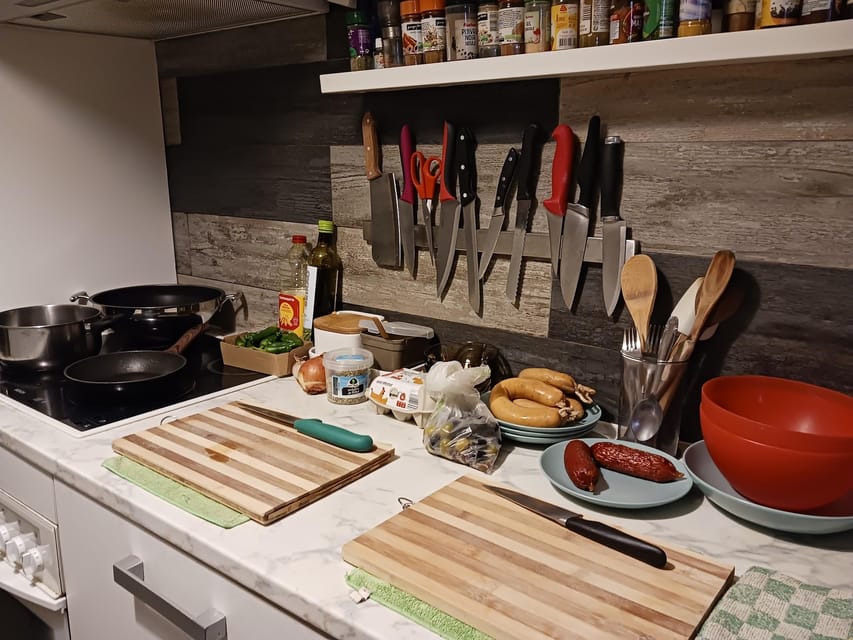
Once the shopping is done, you return to Nuno’s home and prepare the meal together. Everything is made from scratch. There are no frozen products and no pre-prepared ingredients waiting to be assembled.
That matters because you see the full process. You are not simply stirring a sauce or decorating a finished dessert. You help turn the raw ingredients into a complete meal, with Nuno guiding the work and explaining the reasons behind the steps.
Past menus have included appetizers, a fish main course, and pastel de nata for dessert. The precise menu can vary, but the aim is a full Portuguese meal rather than one isolated recipe. You may also taste local sardines, olive oil, wine, and port as part of the food lesson.
The class is hands-on, which makes it useful after you return home. You are shown recipes and cooking tips that you can try again in your own kitchen. That is a better value than a demonstration where you leave with only a few notes and a pleasant memory.
Still, do not expect professional kitchen training. The focus is on home cooking, local ingredients, and cultural understanding. Nuno helps you through the process, so you do not need advanced cooking skills, but you should be ready to participate instead of sitting back.
The food and drink lessons
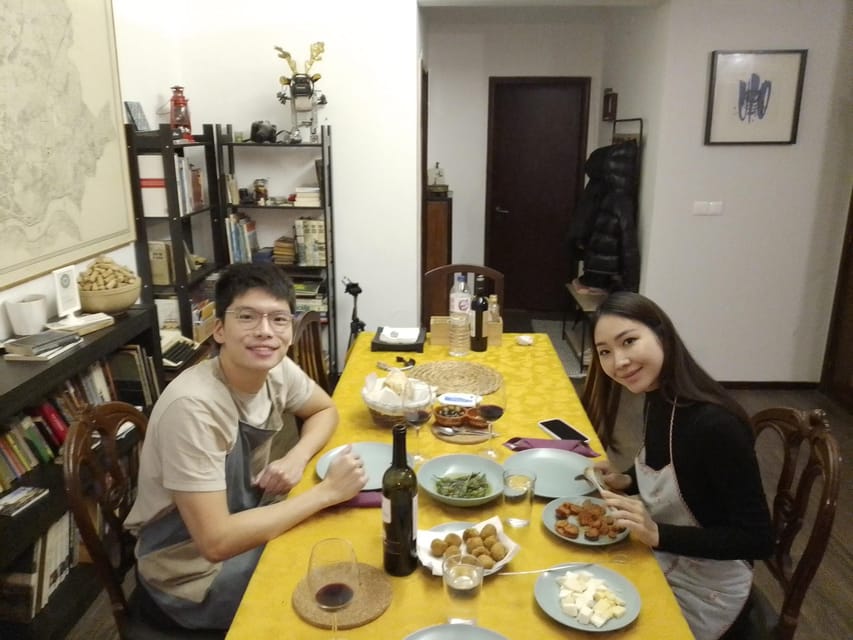
The wine pairing is part of the meal, not an optional add-on. You sit down to eat what you prepared and pair it with local wine. Port and olive oil may also be part of the tasting and discussion.
I like the olive oil lesson in particular because it adds a simple but useful layer to the meal. Olive oil is easy to treat as a background ingredient, yet tasting it directly helps you notice quality and flavor. The same goes for wine. You get more from the pairing when Nuno explains what you are tasting rather than simply pouring a glass.
The food examples are appealingly Portuguese. Sardines, fish, pastel de nata, and dishes shaped by Portugal’s links with other regions give the class a broad reach. You are not locked into one famous pastry or one predictable recipe.
Keep in mind that alcohol is included through the wine pairing, while the activity information also says alcohol and drugs are not allowed. Follow Nuno’s instructions about conduct and what may be brought to the experience. Pets are not allowed.
Same kitchen, a different dish:
- Lisbon: Pastel de Nata Baking Class
★ 4.9 · 2,106 reviews - Porto: Pastel de Nata Cooking Class with Grandma’s Recipe
★ 5.0 · 1,565 reviews - Porto: Pastel de Nata Cooking Class with Port Wine – Sé
★ 4.8 · 888 reviews - Lisbon: Traditional Portuguese Cooking Class
★ 4.9 · 592 reviews
What the three-and-a-half-hour schedule feels like
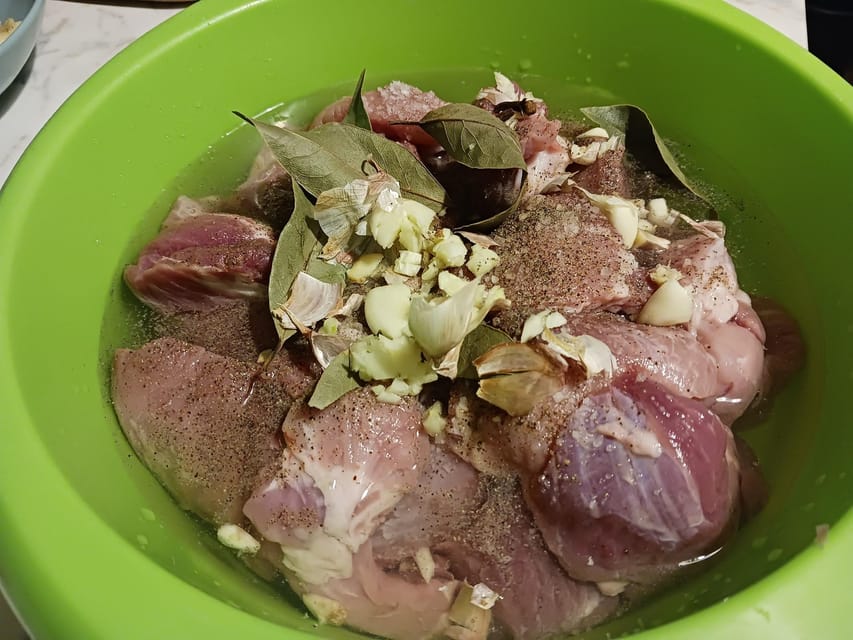
At three and a half hours, this is a half-day activity. The time includes meeting Nuno, shopping, cooking, eating, and conversation. The pace should give you enough room to take part without rushing every step.
The shopping portion may be the most memorable part for people who want a local look at Porto. The cooking portion then gives the trip a clear purpose: you use what you chose. Finally, the shared meal gives the afternoon a natural finish.
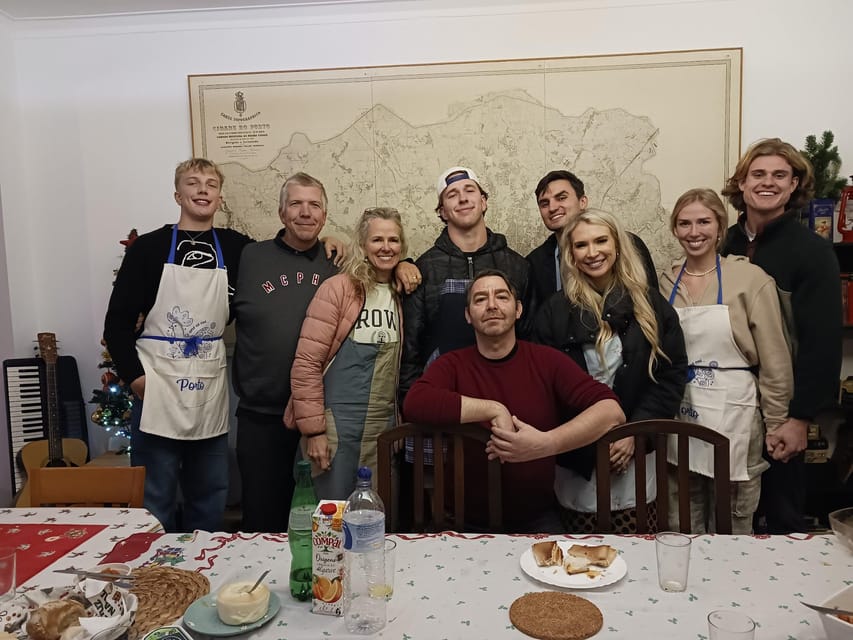
A small group of no more than eight people helps here. You have a better chance of speaking with Nuno, asking questions, and getting involved at the counter. A large class would make the shopping and cooking less personal.
The small-group format also means the experience may feel social. You are eating around a table with other participants, and the mood depends partly on the group on your date. If you prefer private instruction, check the booking details before committing, since the stated format is a small group rather than a guaranteed private class.
Dietary needs and physical considerations
Adaptations are possible for most diets, but you need to tell Nuno about restrictions in advance. Do not wait until the market visit or the first preparation step. The class depends on buying fresh ingredients, so advance notice gives the host a fair chance to plan a suitable menu.
This is especially important for serious allergies. The experience can be adjusted, and Nuno has worked carefully around difficult food allergies, but you should still communicate clearly before arrival. Ask questions about ingredients if your restriction is severe.
The class is not suitable for wheelchair users. Transportation to and from the meeting point is also not included, so you need to arrange your own route. The provided information does not specify a single starting time, so check availability for the date you want.
Is the $106 price fair?
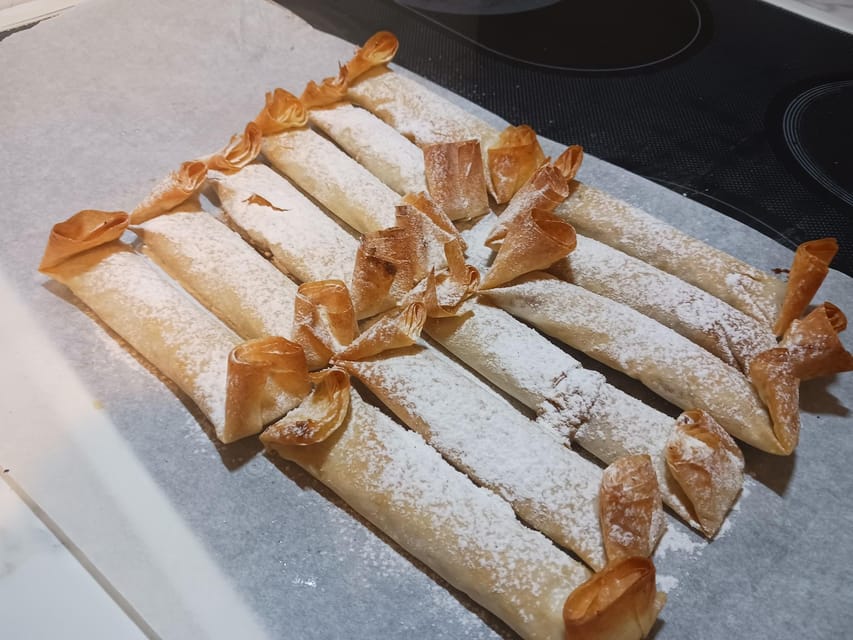
At $106 per person, this costs more than a basic group cooking demonstration. I think the value depends on what you count as the activity. You are paying for a market visit, a guided cooking class, a complete meal, and wine pairing, with a maximum group size of eight.
The price also includes the cultural conversation. Nuno’s role reaches into food history, Portuguese customs, olive oil, wine, architecture, and tiles. If you would otherwise book a food tour and a cooking lesson separately, this combines several kinds of experience in one afternoon.
The strongest value comes from the hands-on format. You do not just eat Portuguese food. You shop for it, prepare it, and learn how to repeat some of the dishes at home. That makes the class useful for anyone who enjoys practical souvenirs.
The value is weaker if you do not drink wine, dislike group meals, or prefer to spend your time in restaurants. A restaurant meal will cost less, but it will not show you how the food came together. A shorter demonstration may also suit you better if you have a packed Porto schedule.
Who should book this cooking class?
I would recommend this for food-focused visitors, curious first-time visitors to Porto, couples, families with older children, and small groups of friends. It works particularly well for people who want conversation and local context rather than a polished tourist show.
It is also a good fit if you want recipes you can use later. The class gives you practical steps, fresh ingredients, and a chance to ask questions as you cook. The market visit is a strong reason to choose it over a class that begins indoors.
People with dietary restrictions can consider it, provided they share the details in advance. People with serious mobility limitations should choose another activity because wheelchair users are not accommodated.
I would skip it if you want a quick activity, a private class by default, or a strictly professional culinary course. It is a friendly home-based lesson with cultural conversation, not a restaurant kitchen internship.
Booking and cancellation details
The activity costs $106 per person and lasts three and a half hours. Portuguese and English are spoken, and the group is limited to eight participants.
You can reserve now and pay later, which is useful while your Porto schedule is still changing. Free cancellation is available up to 24 hours in advance for a full refund. Transportation to the meeting point is not included, so allow enough time to get there.
Tell Nuno about dietary restrictions before the class. The food is made from scratch, so this small step matters more here than it would at a standard restaurant meal.
My verdict: book it for the food, stay for the local perspective
I would book this class if I wanted one Porto activity that combines food, conversation, and everyday local life. The market shopping gives it a better sense of place than a class that starts with pre-measured ingredients, while the full menu and wine pairing make the $106 price easier to justify.
The biggest praise belongs to Nuno’s personal approach. He can move from fish and pastel de nata to olive oil, port, Portuguese tiles, and history without making the afternoon feel like a textbook. That mix is the reason this works as more than a cooking lesson.
Book it when you have a free half-day and want to participate. Skip it if you need wheelchair access, dislike group dining, or want a short and highly technical class.
FAQ
How long does the Porto cooking class last?
The experience lasts three and a half hours, including the local shopping visit, cooking, meal preparation, and dining.
What is included in the price?
The price includes a local grocery shop visit, a possible organic garden visit, the cooking class, meal preparation, and wine pairing.
Who leads the cooking class?
The experience is led by Nuno Miguel Ferreira Silva. He speaks Portuguese and English.
Can the menu accommodate dietary restrictions?
Adaptations are possible for most diets. You should inform Nuno about your dietary restrictions in advance.
Is transportation to the meeting point included?
No. You are responsible for getting to and from the meeting point.
Is the class suitable for wheelchair users?
No. The activity is not suitable for wheelchair users.
New cooking classes around Portugal
- Porto: Portuguese Cooking Class on the Terrace★ 5.0 · 2 reviews
- Porto: Local Market Tour & Cooking Class/Showcooking★ 4.9 · 32 reviews
- Porto: Coastal Villages Market & Seafood Cooking Tour★ 5.0 · 2 reviews
- Lagos: Market Tour and Cataplana Cooking Class★ 5.0 · 9 reviews
- Lisbon: Setúbal Market and Wine tour with Cooking class★ 5.0 · 4 reviews
- Lisbon: Traditional Portuguese Cooking Class★ 5.0 · 41 reviews
- Lisbon: Portuguese Cooking Class with Wine Tasting★ 5.0 · 4 reviews
- Lisbon: Portuguese street food cooking class with Drinks★ 4.9 · 37 reviews
Porto Cooking Classes, side by side.
Porto: Pastel de Nata Cooking Class with Port Wine – Sé
Read our review →
Portuguese Cooking Class in Porto with Portuguese Wine
Read our review →