
Review · PORTO
Porto: Pastel de Nata Cooking Class with Porto Wine (Sé do Porto)
Porto’s famous custard tart becomes much more interesting when you make it yourself. In this friendly workshop near Sé do Porto, you’ll prepare the filling, help with the baking process, taste warm pastéis de nata, and leave with a recipe and transport box.
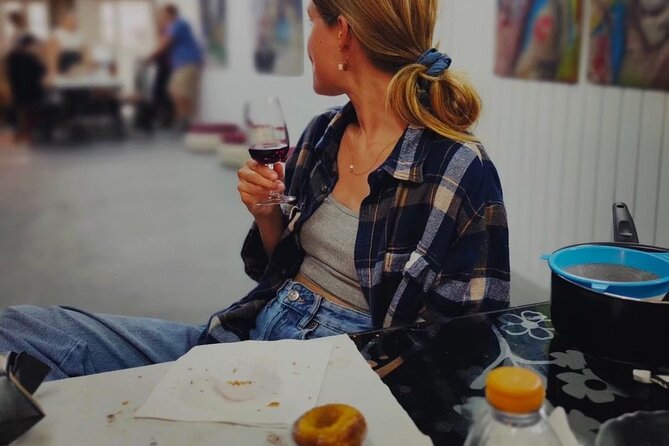
I like the clear, step-by-step teaching and the easy social setting, where instructors such as Ana, Luis, Filipe, and Anita keep the group involved. I also like the Port wine, coffee, snacks, and take-home pastries, which turn a short baking lesson into a pleasant Porto break.
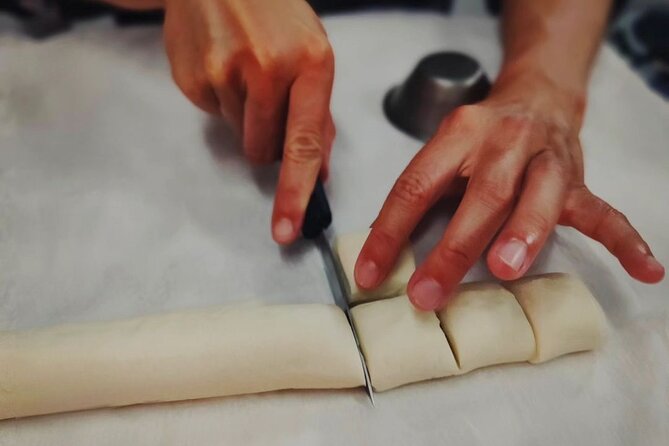
The main limitation is worth knowing before you book: the puff pastry is prepared in advance. You learn the custard and baking method, not every stage from raw flour to finished tart. For some people, that is a sensible shortcut. For serious bakers, it may feel less complete for the price.
Key points before you book
- Make the custard from scratch: The filling is the heart of the lesson, with guidance on texture, flavor, and baking.
- Prepared puff pastry saves time: You will not make the pastry dough during the standard class, but you receive a recipe and practical tips.
- Warm tarts and Port wine are included: Eat your pastries on site, pair them with Port, or pack them up for later.
- A compact 90-minute activity: It fits neatly into a morning, afternoon, or rainy-day plan in central Porto.
- Small-group teaching: The experience is designed for personal help, with the supplied details listing a maximum of eight people, though another description gives a cap of 12.
- A useful take-home souvenir: Several pastries, a transport box, and a house recipe give you something more lasting than a quick tasting.
A pastel de nata class in the heart of Porto
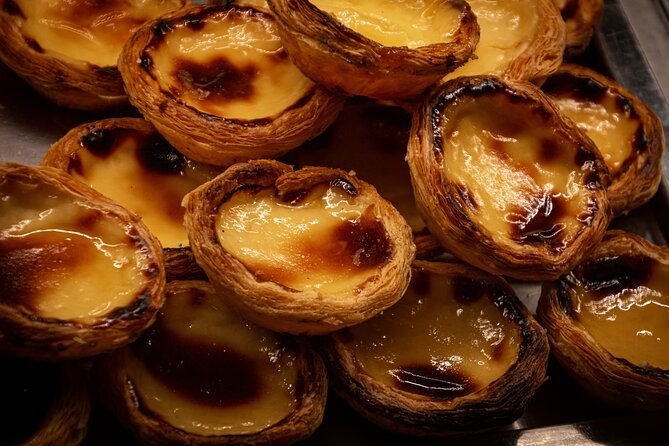
Pastel de nata is one of Portugal’s great small pleasures: crisp pastry, a soft baked custard center, and a browned top that is best eaten warm. You can buy one in bakeries all over Porto, but a class gives you the useful part that a bakery visit cannot: a way to repeat the experience at home.
The workshop takes place at Domus Arte, a concept store at Rua da Bainharia 135, close to Porto Cathedral. The setting combines modern and traditional handicrafts and souvenirs with activity space, so you may find it worth allowing a few extra minutes to look around before or after the class.
The meeting point is central and near public transportation. The activity begins and ends there, with no separate transfer or walking tour built into the schedule. That keeps the plan simple, especially if you are fitting the class between a visit to the cathedral, a stroll through the old center, or an evening meal.
The standard session lasts about one hour and 30 minutes, though one account describes the full visit taking closer to two hours. I would leave a little breathing room rather than scheduling a train or restaurant reservation immediately afterward.
More Tiramisu and Dessert Classes in Portugal:
- Lisbon: Pastel de Nata Baking Class
★ 4.9 · 2,106 reviews - Porto: Pastel de Nata Cooking Class with Grandma’s Recipe
★ 5.0 · 1,565 reviews - Porto: Pastel de Nata Cooking Class with Port Wine – Sé
★ 4.8 · 888 reviews
What you actually make during the workshop
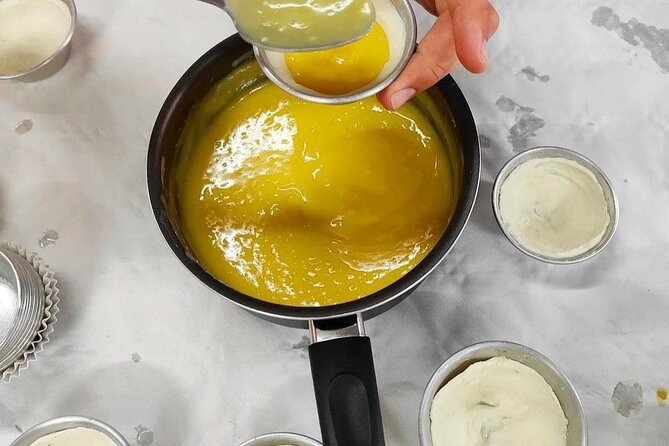
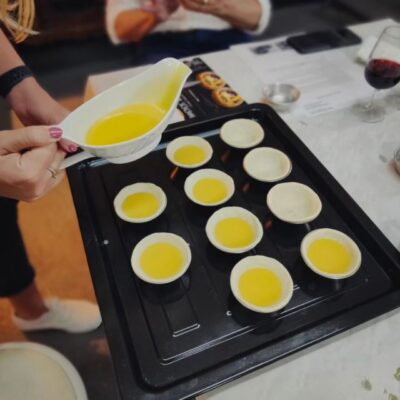
The class concentrates on the two parts that matter most for a home baker: preparing the custard and baking the tart correctly. The puff pastry arrives ready to use, which keeps the workshop within its short time limit and lets the group focus on the filling.
The instructor walks you through the recipe in clear stages. Participants take turns helping with the preparation, so the class is hands-on, but it is not designed for every person to complete every single task independently. If you want full individual participation from start to finish, ask about the private workshop option.
That shared format has a practical upside. You can watch a technique closely before trying it, then ask for help when your turn comes. It also creates a relaxed rhythm, with time to chat rather than a frantic race through a long pastry recipe.
The custard is the star of the lesson. You learn how the ingredients come together and how the mixture should look before baking. The final texture and flavor depend heavily on this stage, so the class offers useful knowledge even though the dough is not made from scratch.
You also receive a house-made recipe to take home. The instructions are intended to be usable in your own kitchen, and the teaching includes shortcuts for the pastry. That matters because recreating a Portuguese tart at home should be realistic, not a project requiring specialist equipment and an entire free day.
A warm tart is the best part of the lesson
The payoff comes when the pastries leave the oven. You prepare several pastéis de nata, then eat them on site or pack them for later in an included transport box.
A warm tart you helped prepare is a better souvenir than another refrigerator magnet. You can taste the pastry while the steps are still fresh in your mind, then compare your result with the instructor’s advice about texture and flavor.
The food provided during the session goes beyond the tarts. Port wine, juice, water, coffee, and a selection of sweet and savory snacks are included. The Port is a natural match for the custard, though you can choose juice, water, or coffee instead.
This is also a useful activity for a mixed group. A person who enjoys baking can pay attention to technique, while someone who simply likes Portuguese food can take part without needing previous experience. Children may appreciate the shorter length, and one family found the class manageable and fun for a child.
Why the instructors make a difference
The teaching style is one of the strongest reasons to choose this class. The instructors are described as warm, patient, funny, and generous with practical suggestions. Ana, Luis, Filipe, Anita, Felipe, and Theresa are among the instructors named by people who attended at different times.
That range of names suggests a rotating teaching team, so you should not book expecting one particular instructor unless the operator confirms it. The consistent theme is personal attention and an easy manner, not a formal culinary-school lecture.
The instructors also share tips beyond the tart itself. You may hear advice about cooking methods, Porto, local food, and places to visit. One particularly helpful account described the staff assisting with a lost item left in an Uber and helping with other local arrangements. That kind of practical kindness is not a guaranteed part of the itinerary, but it gives you a sense of the welcoming tone.
The short introduction to the tart’s place in Portuguese food adds context without taking over the cooking time. You learn why this pastry matters, then get on with the useful part: making and eating it.
More Cooking Classes with Wine Tasting in Portugal:
- Portuguese Cooking Class in Porto with Portuguese Wine
★ 5.0 · 110 reviews - Lisbon: Setúbal Market and Wine tour with Cooking class
★ 5.0 · 4 reviews - Lisbon: Portuguese Cooking Class with Wine Tasting
★ 5.0 · 4 reviews - Florence: Pasta Cooking Class with Unlimited Wine
★ 4.9 · 10,285 reviews
The group size and hands-on format
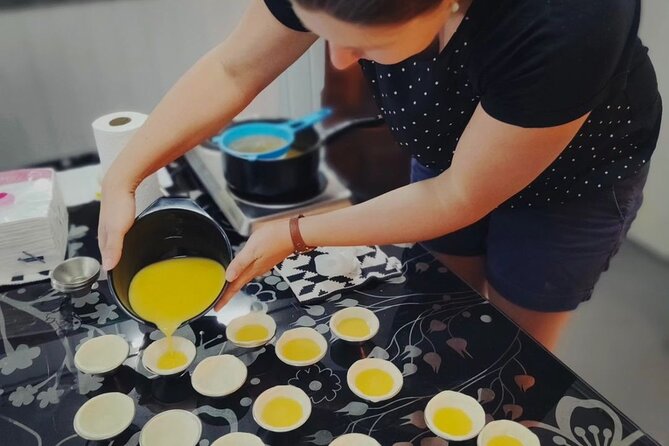
The experience is intended to feel intimate rather than crowded. The information gives a maximum of eight people in one place and also refers to a cap of 12, so I would confirm the exact group limit when booking. Either way, this is presented as a small-group workshop, not a large demonstration.
The shared participation model is important. You will be involved, but you may not personally measure, mix, shape, or handle every step. This works well if you enjoy learning by watching and doing in turns. It may disappoint you if your definition of a cooking class means an individual workstation and a separate batch for every participant.
The small format makes it easier to ask questions. If you are unsure about the custard’s consistency or how the pastry should be handled, an instructor can step in. That personal help is a real part of the value, especially for beginners.
A private workshop is available for people who want complete individual participation. The supplied information does not give the private option’s price or exact format, so you would need to ask before booking.
Is $42.34 good value?
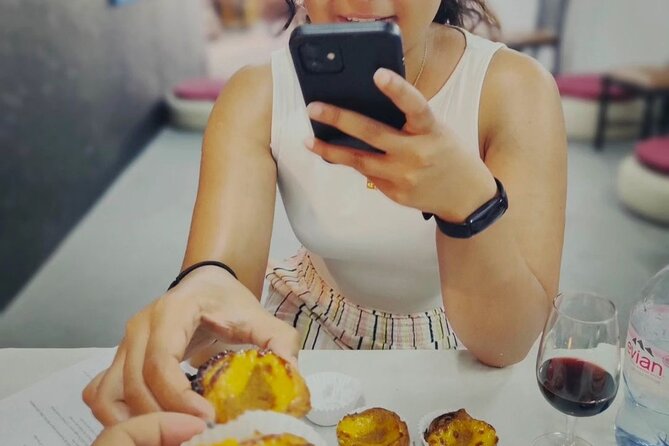
At $42.34 per person, this is not the cheapest way to eat a pastel de nata in Porto. You can buy a tart for very little money at a bakery. The price makes sense only if you value the lesson, the social setting, the drinks and snacks, the pastries to take away, and the recipe.
For that price, the workshop gives you about 90 minutes of activity, hands-on work, several pastries, Port wine, nonalcoholic drinks, coffee, snacks, a recipe, and a transport box. That is a fair package for a central Porto experience, particularly on a rainy afternoon when a sightseeing plan is less appealing.
The value is weaker if you only want a full pastry-making course. Since the puff pastry is prepared in advance, you are paying for a focused custard and baking class rather than a complete dough workshop. One attendee felt the cooking was too simple for the cost, especially when the group was very small and the class moved quickly.
I would book this for the combination of food, instruction, and atmosphere. I would not book it expecting advanced pastry training.
A small practical note: tins for making the tarts at home may be available for purchase, but an attendee found cheaper tins at a nearby kitchen shop. You do not need to buy them during the class, and this is useful to know if you want to keep costs under control.
A good choice for a rainy Porto afternoon
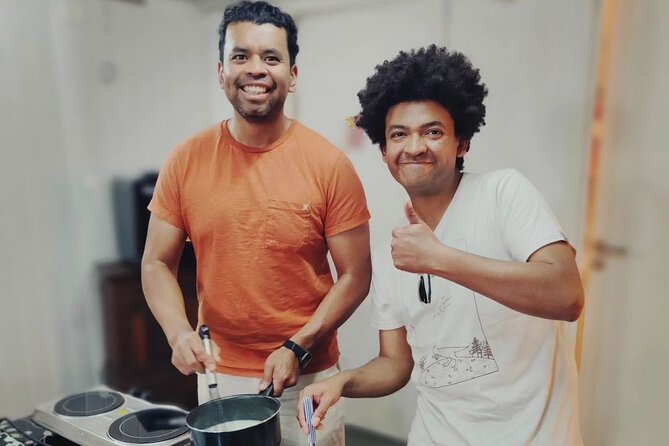
This class fits especially well on a wet day. Porto is rewarding in poor weather, but steep streets, slick paving, and exposed viewpoints can make a long walking plan tiring. A warm indoor activity near the cathedral gives you a break without taking half a day.
The timing also works for a short gap in your schedule. You can attend in the afternoon, enjoy the pastries, and still have the evening free. Since the activity returns to the meeting point, you do not need to arrange transport back to a hotel or another neighborhood.
It is also a pleasant option for solo visitors. The group format gives you an easy way to meet people from different countries without forcing a long organized tour. Couples, families, and friends can take part together, but the class does not depend on having a large party.
Food-focused visitors will get the most from it. If you have already tried pastéis de nata across Portugal and want to understand what goes into them, the custard lesson adds meaning to the next bakery stop.
Practical details that affect your visit
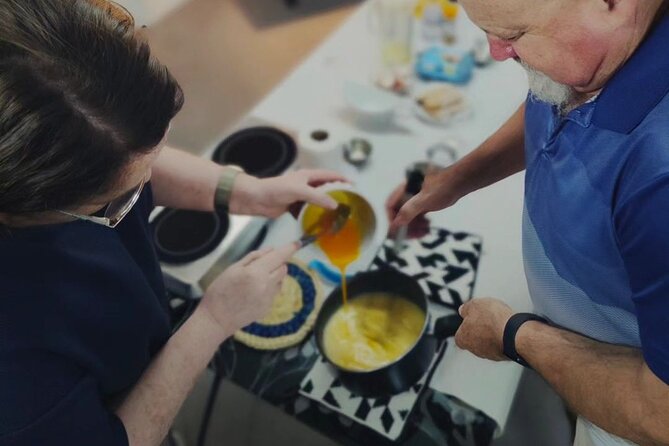
Confirmation is provided at booking, and the experience is offered in English. Service animals are allowed, bathrooms are available, and the venue is near public transportation.
If you need a dietary adjustment, contact the operator ahead of time. One attendee reported that a gluten-free request could be accommodated, but you should not assume this without advance notice.
The class requires a minimum number of participants. If that minimum is not met and the activity is canceled, you are offered another date or experience, or a full refund.
You can cancel for a full refund up to 24 hours before the local start time. Cancellations or changes made inside that 24-hour window are not refunded or accepted. Keep that cutoff in mind if your Porto plans depend on weather, train delays, or a changing itinerary.
Because the class is often booked around two weeks ahead, popular dates may fill before your trip. Booking early is sensible if you have a fixed schedule, but keep the cancellation deadline in mind.
Who should book this pastel de nata class?
I would recommend it to:
- First-time visitors who want a food activity with local character.
- Families looking for a short, manageable class.
- Couples and solo visitors who enjoy a social setting.
- Beginner cooks who want a recipe they can repeat at home.
- Anyone needing a pleasant indoor plan in Porto.
- Port wine fans who like pairing a drink with a sweet.
I would be more cautious if you are an experienced pastry maker seeking a full dough lesson. The prepared puff pastry is the central limitation. You will learn a practical shortcut and a strong custard recipe, but not the complete traditional process from scratch.
Should you book it?
Book this class if you want a friendly, compact food experience rather than a demanding professional cooking course. The warm pastries, Port wine, recipe, and helpful instructors give the 90 minutes a clear purpose, and the format suits families, solo visitors, and couples.
Skip it if you mainly want to make puff pastry from raw ingredients or expect a private workstation for every stage. For most people who want to taste Porto, meet others, and take home a useful recipe, the experience offers solid value at $42.34.
FAQ
Where does the pastel de nata class begin?
It begins at Domus Arte | Concept Store, Rua da Bainharia 135, 4050-084 Porto, Portugal, near Sé do Porto.
How long does the activity last?
The stated duration is approximately one hour and 30 minutes. One account describes the full experience as taking about two hours, so leave some extra time afterward.
Is the puff pastry made from scratch?
No. The puff pastry is prepared in advance for the standard workshop. The class focuses on the custard filling and baking process, and you receive a recipe with guidance for recreating the pastry at home.
What drinks and food are included?
The session includes Port wine, juice, water, coffee, and a selection of sweet and savory snacks. The pastel de nata you prepare is also included.
Can I take the pastries away?
Yes. You can eat the pastries at the venue or take them with you. A transport box is included.
How many people are in the class?
The additional information lists a maximum of eight people, while another description gives a cap of 12. Confirm the exact group size for your chosen date.
Can I cancel for a refund?
Yes. You can cancel at least 24 hours before the local start time for a full refund. Cancellations or changes made less than 24 hours before the start are not refunded or accepted.
New cooking classes around Portugal
- Porto: Portuguese Cooking Class on the Terrace★ 5.0 · 2 reviews
- Porto: Cooking Class with Local Market Visit★ 5.0 · 15 reviews
- Porto: Local Market Tour & Cooking Class/Showcooking★ 4.9 · 32 reviews
- Porto: Coastal Villages Market & Seafood Cooking Tour★ 5.0 · 2 reviews
- Lagos: Market Tour and Cataplana Cooking Class★ 5.0 · 9 reviews
- Lisbon: Setúbal Market and Wine tour with Cooking class★ 5.0 · 4 reviews
- Lisbon: Traditional Portuguese Cooking Class★ 5.0 · 41 reviews
- Lisbon: Portuguese Cooking Class with Wine Tasting★ 5.0 · 4 reviews
Porto Cooking Classes, side by side.
Porto: Pastel de Nata Cooking Class with Port Wine – Sé
Read our review →
Portuguese Cooking Class in Porto with Portuguese Wine
Read our review →
This kitchen also appears in