
Review · ROME
Rome: Pasta Cooking Class in a Professional Pasta Laboratory
Rome’s most hands-on pasta class takes place inside a real professional pasta laboratory, not a restaurant kitchen set up for tourists. Chef Angelo and Chef Emanuele guide you through dough, fillings, shapes, and sauces, then cook your work for a sit-down meal with Italian wine.
I especially like the use of three different grains, including ancient Triticum Monococcum and gluten-free buckwheat, and the focus on rolling pasta by hand rather than simply feeding dough through a machine. The main consideration is that three hours can feel short if you want detailed practice with every recipe, and Thursday’s gnocchi is more of a demonstration than a full hands-on session.
Key points to know before booking
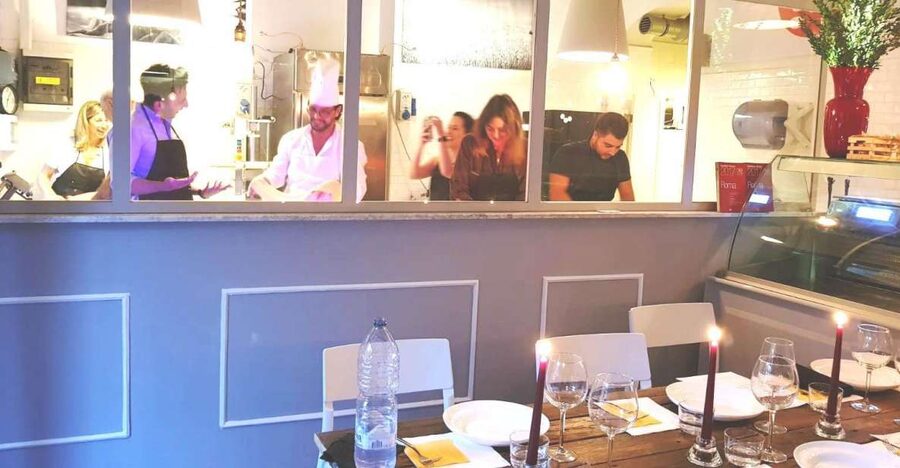
- A working pastificio: You learn inside Pastificio Faini, a professional pasta laboratory at 13 Via dei Latini.
- Three unusual flours: Work with Triticum Monococcum, Senatore Cappelli, and gluten-free buckwheat flour.
- Small, social class: The practical information lists a limit of nine participants, giving the chefs time to help around the table.
- Roman sauce skills: Prepare classic choices such as carbonara, cacio e pepe, or gricia.
- Gluten-free option: Participants with gluten-free needs can make their own buckwheat pasta.
- Thursday variation: Thursday sessions include homemade potato gnocchi instead of the usual pasta focus.
Inside Pastificio Faini on Via dei Latini
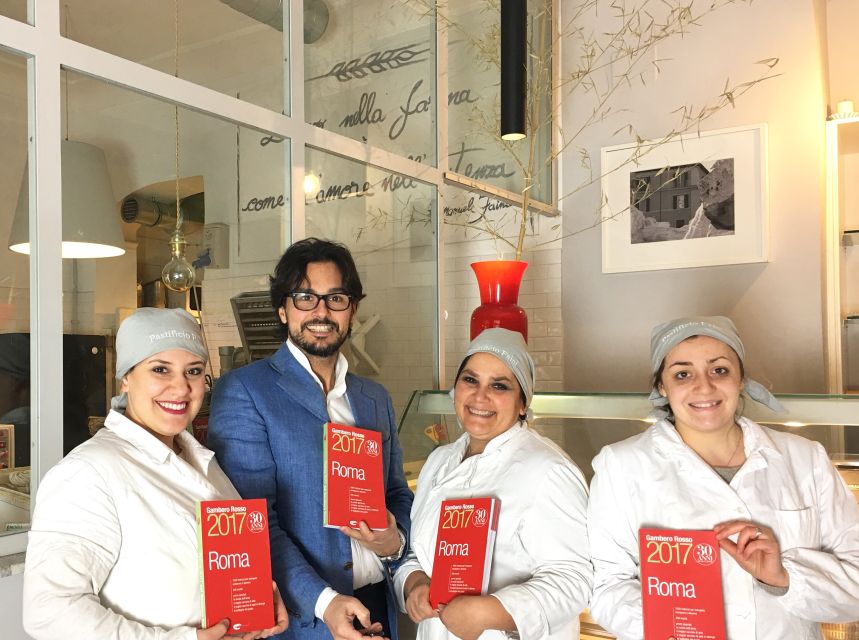
The address is Pastificio Faini, 13 Via dei Latini, Rome 00185. The class begins and ends there, so you do not spend part of the three hours following a guide across the city. That keeps the attention where it belongs: on pasta.
You receive a chef’s hat and apron, with the chef’s signature, along with the ingredients and equipment needed for the lesson. It is a small touch, but it helps set the tone. You are not merely watching a cooking show. You are preparing food at your own station and taking home recipes you can use again.
The class is conducted in English and Italian. Chef Emanuele is described as energetic, patient, and warm, while Chef Angelo brings the professional pasta-making background that gives the class its focus. The teaching style follows a useful pattern: the chef demonstrates a step, then you repeat it while receiving help as needed.
That format suits beginners. You do not need professional skills, and you are not expected to know how pasta dough should feel before you arrive. You simply need to like pasta and be willing to work with your hands.
More Pasta Making Classes in Rome
- 3 in 1 Cooking Class near Navona: Fettuccine, Ravioli & Tiramisu
★ 5.0 · 7,376 reviews - Rome: Pasta Making Class with Wine, Limoncello, and Dessert
★ 4.9 · 3,177 reviews - Rome Cooking Class: Make Pasta and 3 Spritz Cocktails
★ 5.0 · 2,937 reviews
Three grains, three different lessons
One of the best parts of the class is the chance to compare three types of grain rather than making one generic dough. You work with Triticum Monococcum, an ancient cereal considered among the first cultivated by humans, and Senatore Cappelli, a wheat variety selected in 1915 and later brought back into use by a small farmer.
The third flour is buckwheat, or Grano Saraceno. It is gluten-free and gives the class a practical purpose for people who cannot eat ordinary wheat pasta. Gluten-free participants are not simply given a separate plate at the end. They can make their own pasta during the session.
This is valuable because flour is one of the things that makes homemade pasta interesting. Different grains affect color, texture, handling, and flavor. You may not become a pasta scientist in one afternoon, but you will leave with a better sense of why recipes call for particular flours.
The class also includes one egg-free pasta, which is vegan. That makes the lesson more useful for home cooking, especially if you cook for people with different diets. Tell the provider about dietary requirements in advance so the kitchen can prepare properly.
Rolling, cutting, and shaping pasta by hand
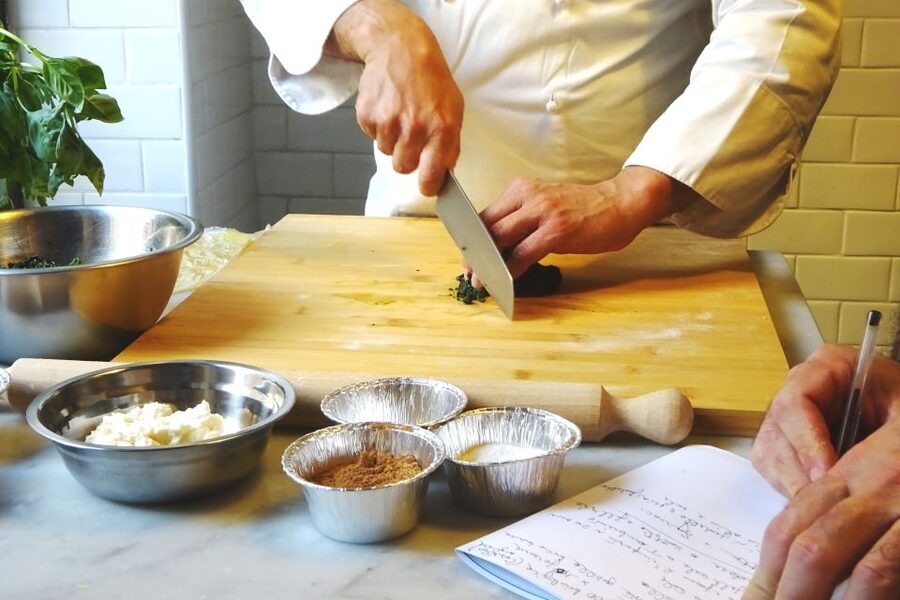
The class places real attention on the traditional work of rolling pasta with a pin. That matters if you want to repeat the recipes at home. A machine can produce uniform sheets quickly, but hand-rolling teaches you how dough changes as it becomes thinner and how much pressure is needed.
You create thin sheets of dough, then cut and shape them. The precise pasta forms can vary, but the lesson includes three types of ravioli, along with other handmade shapes such as fettuccine. You also prepare fillings and learn how to close the ravioli so the filling stays inside during cooking.
This is where the class becomes more than a pleasant meal. You have to notice whether the dough is too dry, whether the sheet is thin enough, and whether the edges are sealed. Chef Emanuele’s step-by-step style is useful for first-timers because you get a demonstration before trying the movement yourself.
You should expect flour on your hands and some uneven shapes. That is part of the point. The class is not a contest for perfect restaurant pasta. It teaches a method you can repeat in your own kitchen, with enough guidance to avoid the most common mistakes.
Ravioli fillings and Roman sauces
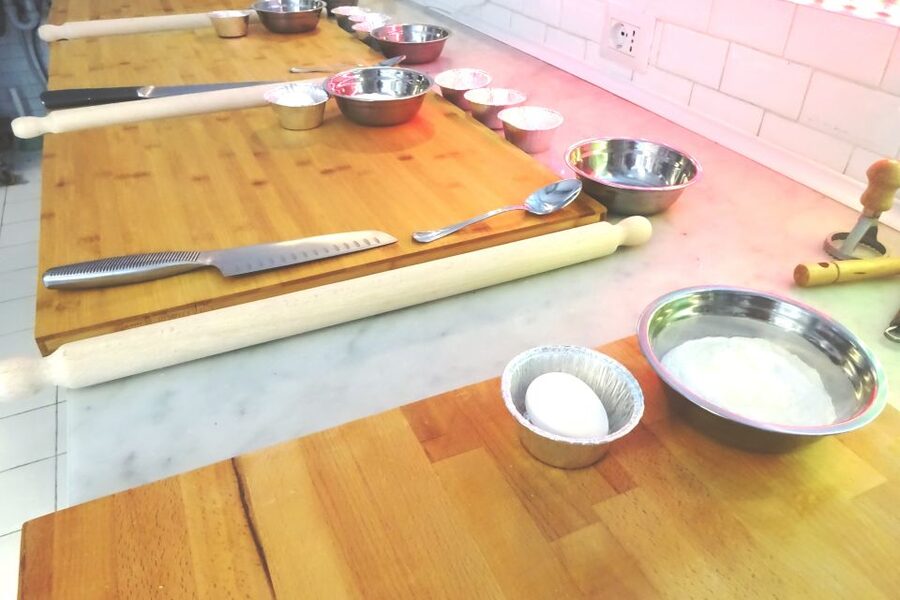
The pasta lesson is paired with fillings and sauces, so you are not left with a bowl of plain noodles. You learn to make ravioli and prepare a Roman sauce such as carbonara, cacio e pepe, or gricia.
These sauces are a good match for a cooking class because they rely on technique rather than a long ingredient list. Cacio e pepe requires care with cheese, pepper, and pasta water. Carbonara depends on timing and a smooth egg mixture. Gricia shows how much flavor can come from a few well-handled ingredients.
The exact sauce selection may depend on the class schedule. You should think of the menu as a Roman-style lesson rather than a fixed restaurant menu. The useful result is that you learn several ways to finish fresh pasta without drowning it in a heavy sauce.
Knife safety is covered before food cutting begins. This may sound basic, but it is a sensible part of a class where beginners are working closely around ingredients and equipment. One practical detail from the class format is that wine and champagne are served after the knife exercises are complete, keeping the early instruction focused.
Same kitchen, a different dish:
- Rome: 3-in-1 Fettuccine, Ravioli, and Tiramisu Cooking Class
★ 4.9 · 2,704 reviews - Rome: Fettuccine Pasta Cooking Class in Rome’s City Center
★ 4.8 · 2,414 reviews - Fettuccine & Tiramisù: Cooking Class with Wine & Limoncello
★ 4.9 · 2,103 reviews - Pasta Cooking Class Near the Colosseum with 3 Spritz Cocktails
★ 5.0 · 1,686 reviews
A meal made by the whole group
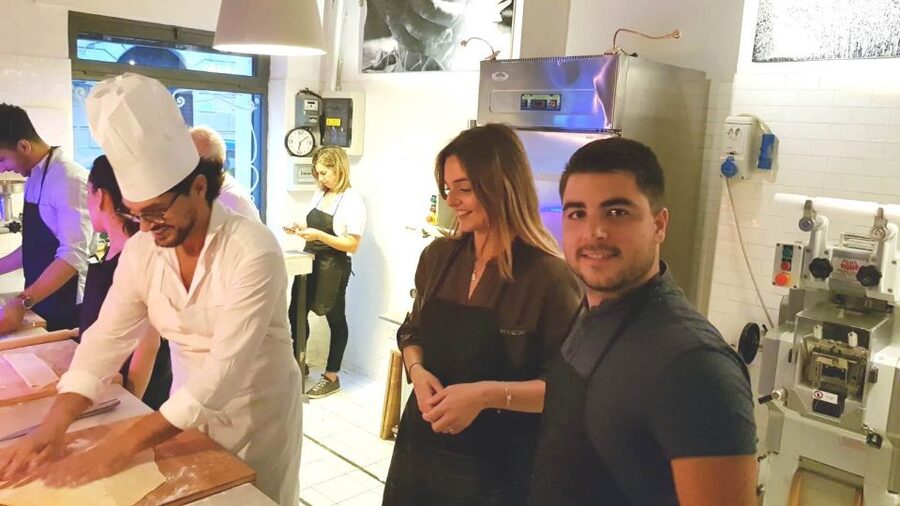
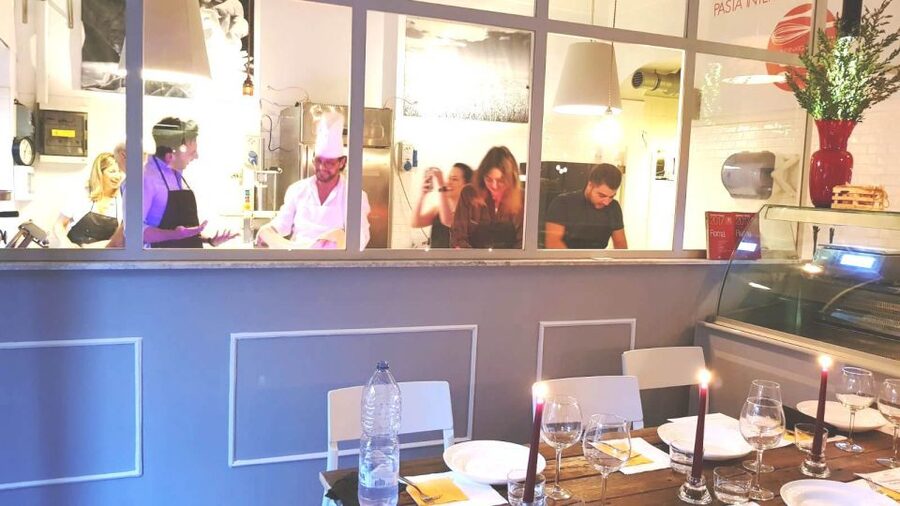
Once the pasta and sauces are ready, the kitchen cooks your creations. The group then sits down together to eat, with Italian wine and water included.
This shared meal is one of the strongest parts of the experience. You have watched the dough come together, shaped the pasta yourself, and then tasted the finished result. The meal also gives the class a natural social rhythm. People from different countries can compare their shapes, talk with the chefs, and enjoy the food without rushing straight out after the final demonstration.
The format is informal and friendly. The chefs are not only explaining recipes. They are also keeping the room lively with stories, humor, and music. That helps during the quieter work of rolling and shaping, though you should not expect a silent, highly formal culinary school setting.
The food quantity appears generous enough to function as a proper meal rather than a tiny tasting. You should still plan your day around a three-hour experience, since eating together is part of the scheduled activity, not an optional extra at the end.
What changes on Thursdays
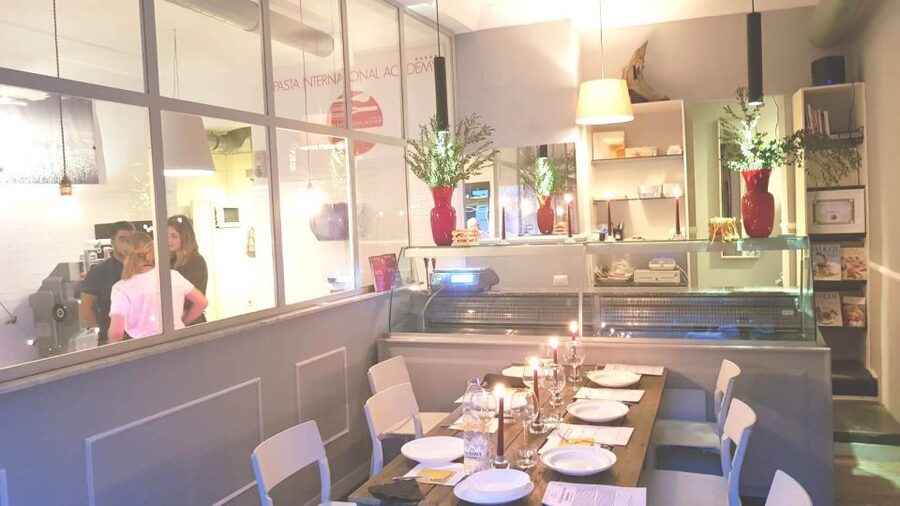
Thursday classes include homemade Italian gnocchi with fresh potatoes. This gives you a chance to learn a different Roman and Italian staple, especially if you have already made pasta elsewhere.
The tradeoff is important. Gnocchi is presented as more of a quick demonstration than a full exercise in which every participant brings the dough together and receives detailed feedback. If your main goal is to practice gnocchi from start to finish, Thursday may not be the strongest choice.
If you want a broad introduction to pasta shapes, fillings, and sauces, the standard session may offer more hands-on time. If you are especially curious about potato gnocchi, Thursday adds variety. Check the available date and menu before booking so you choose the session that matches your priorities.
Is $66.84 a good value?
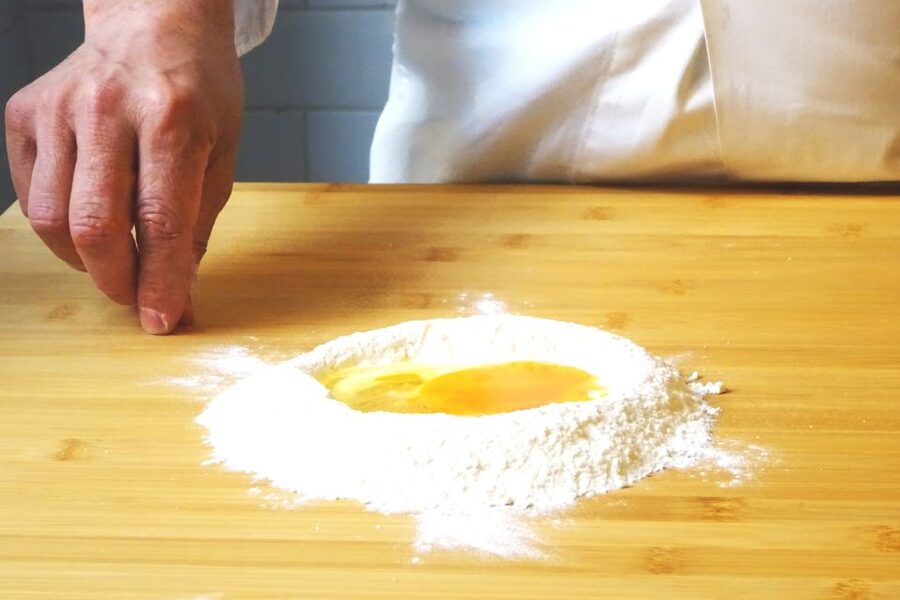
At $66.84 per person, this is not Rome’s cheapest pasta activity. It is also not priced like a formal chef-training course. The value comes from the combination of instruction, ingredients, equipment, a meal, wine, recipes, and a professional setting.
You are also working in a small group. The practical details list a maximum of nine participants, while the general description refers to a class of up to ten. Either way, this is far more personal than a large demonstration where you sit at the back and watch someone else do the work.
The signed chef hat and apron are included, but I would not book this class for the souvenir. The stronger value is the repeatable skill. You leave with recipes and a basic understanding of how to make fresh dough, roll it thin, cut it, fill it, and pair it with Roman sauces.
For a family or couple, the shared meal adds to the value. A family with a coeliac participant can also take part more fully because gluten-free pasta is made during the class. The price makes the most sense if you want an activity that combines food, instruction, and conversation rather than a simple restaurant meal.
Who will enjoy this pasta class most?
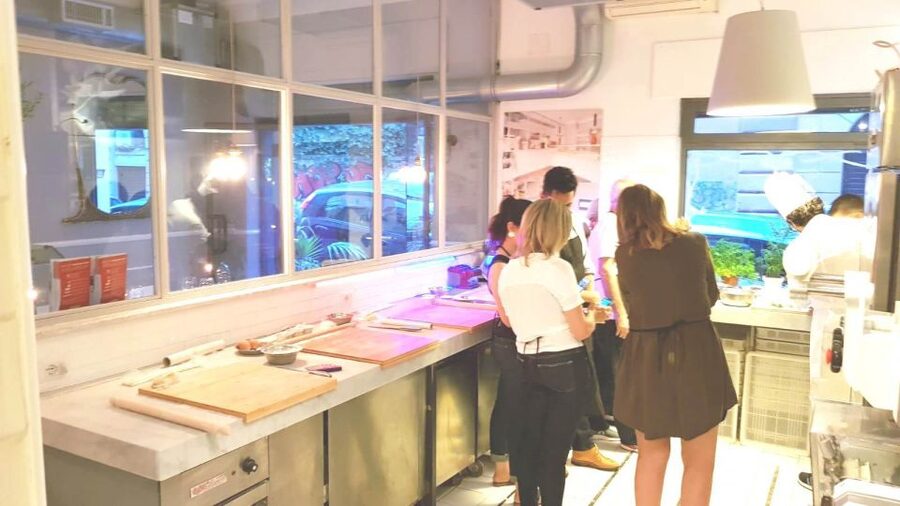
This is a good fit for first-time pasta makers. You do not need special skills, and the teaching is built around demonstrations followed by practice. If you have always wanted to make ravioli at home but never knew how thin to roll the dough, this gives you a useful start.
It also suits experienced home cooks who want to compare traditional methods. The hand-rolling approach and the use of different grains make it more worthwhile than a class built around one standard dough and a mechanical pasta roller.
Families can take part, though children should be comfortable following kitchen instructions and handling food safely. The warm teaching style appears to work well for mixed-age groups, but the class still involves knives, flour, and several hours of focused activity.
This is also a strong choice for anyone with gluten-free requirements, provided you explain those needs in advance. The buckwheat pasta option is a real part of the lesson, not merely a dietary footnote.
You may want to choose another activity if you prefer a short demonstration, dislike group dining, or want a highly technical course focused on professional precision. The mood here is hands-on, social, and encouraging.
Timing, language, and practical details
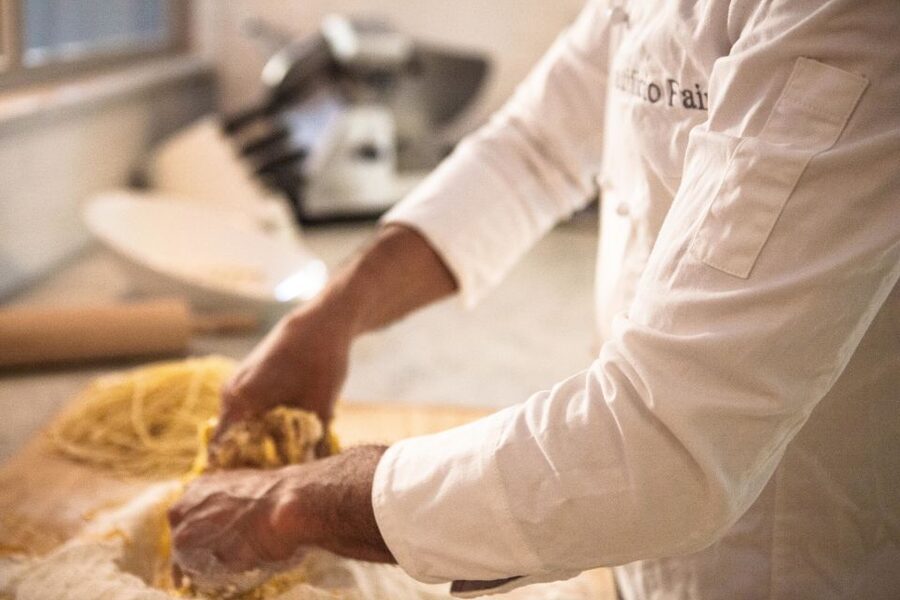
The experience lasts three hours. Starting times vary, so check availability before building it into a museum or dinner schedule. Because the activity ends where it begins, you can plan your next stop from Pastificio Faini rather than needing to arrange transport from another part of Rome.
Instruction is available in English and Italian. The chefs’ clear demonstrations and hands-on help make the class suitable for English-speaking visitors, even if you know little Italian.
Pets are not allowed. You should also advise the provider of dietary requirements in advance. Wine is included, but it is not the focus of the class, and the schedule places safety instruction before alcoholic drinks.
Free cancellation is available up to 24 hours before the activity for a full refund. You can also reserve now and pay later, which helps if your Rome plans are still shifting.
The drawbacks to keep in mind
The small group is a benefit, but nine participants still means you will share the chefs’ attention. You may need to wait briefly while another person receives help, especially during ravioli shaping or dough preparation.
Three hours is enough for a satisfying introduction, not a complete tour of Italian pasta traditions. You make several types of pasta, but you will not master every regional shape or sauce in one sitting.
Thursday’s gnocchi session deserves special caution. It adds a fresh-potato element, but the gnocchi portion may feel brief if you are hoping for full individual practice.
Finally, the experience is held in a working professional laboratory. That makes it authentic and useful, but it may not have the polished atmosphere of a luxury cooking studio. I see that as a fair trade for the chance to learn pasta in a place built around pasta production.
Should you book it?
Book this class if you want to make pasta with your own hands, learn methods you can repeat at home, and eat a proper meal with a small group afterward. The hand-rolled dough, three grains, gluten-free option, Roman sauces, and warm instruction from Angelo and Emanuele give it more substance than a quick pasta demonstration.
Choose a non-Thursday date if your priority is full hands-on pasta practice. Choose Thursday if homemade gnocchi interests you and you are comfortable with that portion being shorter.
At $66.84, the class offers good value for a three-hour food experience that includes ingredients, equipment, recipes, wine, and dinner. It is especially useful for beginners, families, pasta fans, and anyone who wants to bring a bit of Roman cooking home.
FAQ
Where does the pasta class take place?
The class takes place at Pastificio Faini, located at 13 Via dei Latini, Roma 00185.
How long does the experience last?
The class lasts three hours. Starting times vary, so check availability for the date you want.
Where does the activity end?
The activity ends back at Pastificio Faini, the same place where it begins.
How many people are in each class?
The practical activity information lists a limit of nine participants per class. The general description refers to a maximum of ten, so expect a small-group setting.
Which languages are available?
The instructors teach in English and Italian.
Who teaches the class?
The experience is led by Chef Angelo and Chef Emanuele. Emanuele provides step-by-step instruction and hands-on help during the pasta-making process.
Can people with gluten-free requirements join?
Yes. The class caters to gluten-free participants, who can make pasta with buckwheat flour. You should advise the provider about dietary requirements in advance.
Is there a vegan pasta option?
Yes. You make one type of pasta without egg, which is vegan.
What happens on Thursdays?
Thursday classes include homemade Italian gnocchi made with fresh potatoes.
What is included in the price?
The price includes the cooking instruction, ingredients, equipment, recipes, a professional chef hat and apron signed by the chef, wine, and water.
New cooking classes around Rome
- ROME:Hands-On Lasagna & Marsala Tiramisu Cooking Experience”★ 5.0 · 3 reviews
- Rome: Vatican Food Tours, Cooking classes & Free Tours★ 4.9 · 11 reviews
- Rome: Traditional Pasta, Spritz & Tiramisu Cooking Class★ 4.9 · 279 reviews
- Rome: Trastevere Pasta Making Class★ 4.9 · 33 reviews
- Rome: Traditional Pasta and Tiramisu Cooking Class★ 5.0 · 4 reviews
- Rome: Small Group Pasta cooking class near Piazza Navona★ 4.9 · 8 reviews
- Rome: Traditional Cooking Class in the Jewish Ghetto★ 4.9 · 75 reviews
- Rome: “Rooftop Pasta and Cocktails Cooking Class”★ 5.0 · 12 reviews
Rome Cooking Classes, side by side.

3 in 1 Cooking Class near Navona: Fettuccine, Ravioli & Tiramisu
Read our review →
Rome: Pasta Making Class with Wine, Limoncello, and Dessert
Read our review →
Rome Cooking Class: Make Pasta and 3 Spritz Cocktails
Read our review →
Rome: 3-in-1 Fettuccine, Ravioli, and Tiramisu Cooking Class
Read our review →
Rome: Fettuccine Pasta Cooking Class in Rome’s City Center
Read our review →
Fettuccine & Tiramisù: Cooking Class with Wine & Limoncello
Read our review →
Pasta Cooking Class Near the Colosseum with 3 Spritz Cocktails
Read our review →
Enjoy Spritz and Pasta Making in Piazza Navona
Read our review →This kitchen also appears in