
Review · INDONESIA
Ubud: Authentic Traditional Balinese Village Cooking Class
This is a cooking class with a real sense of place. You begin among the family’s garden plants and traditional herbs, then cook in an open-air kitchen in Delodsema Village, a small community of about 60 families. Fresh ingredients and family hosting are the heart of the experience.
I like the chance to make spice paste by hand and cook chicken satay, with tofu available for vegetarians. I also like the simple local touches: coffee from the garden, fresh coconut water, a meal served on the ground, and a short offering ritual. The main consideration is transport. Pickup from Ubud or Tegallalang costs extra unless you select that option, and the advertised duration can range from two hours to 150 minutes.
Key Points
- Garden-to-table cooking: Learn about herbs and spices where the family grows them, then use the ingredients in your meal.
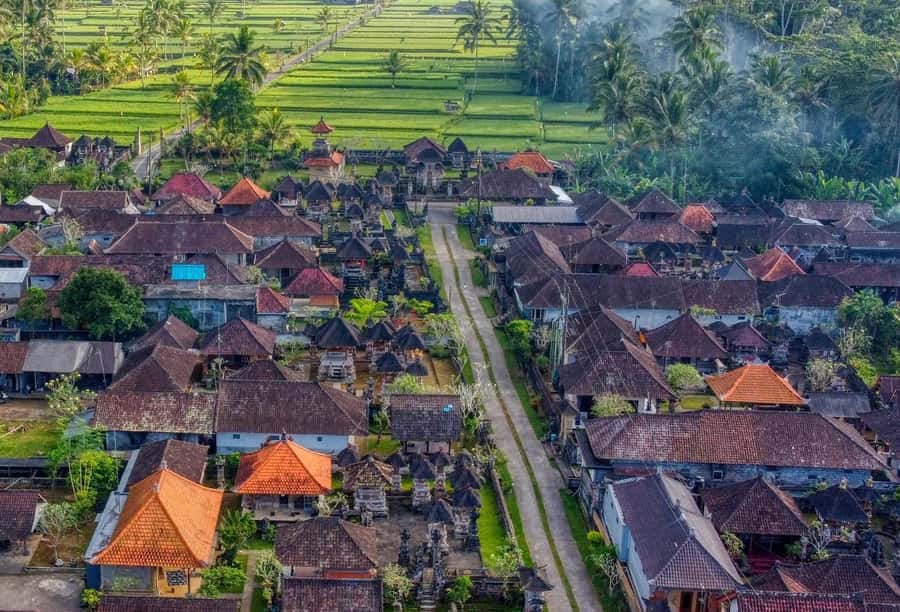
- Small village setting: Delodsema is home to about 60 families, giving the visit a quieter feel than a cooking class in central Ubud.
- Hands-on dishes: Prepare spice paste, chicken satay, and other Balinese food, with tofu offered instead of chicken for vegetarians.
- Family welcome: Hosts including Puti, Kadek, and Sangayu have welcomed visitors with garden coffee, coconut water, and patient instruction.
- Cultural details: See the village temple, take part in an offering ritual, and learn how to eat the meal in a local style.
- Optional rice terrace stop: The wider experience can include Taro Village, where you learn about the local irrigation system and may see rice planting or harvesting.
A Village Kitchen Far From Central Ubud
The appeal here is not fancy equipment or a long menu. It is the setting. Delodsema Village is described as a traditional community with only about 60 families, and the cooking takes place with a local family rather than in a polished restaurant kitchen.
That changes the tone from lesson to visit. You are not simply shown how to make a dish, then sent away with a recipe card. You meet the family, walk around the garden, handle the ingredients, and eat the food in the same place where it was prepared.
The hosts are named differently across the available bookings, including Puti and her husband, and Kadek and Sangayu. That suggests the experience is family-run, with the specific host depending on the day. English instruction is provided, and the class is booked as a private group, which gives you more room to ask questions and work at your own pace.
The class costs $30 per person. For a private cooking lesson that includes ingredients, equipment, lunch, tea or coffee, and recipes in PDF form, that is a fair price. The value is even better if you want a village visit as well as a meal. It is less useful for someone who only wants a quick restaurant lunch or a highly polished culinary demonstration.
More Balinese Cooking Classes around Indonesia:
- Ubud: Balinese Cooking Class at an Organic Farm
★ 5.0 · 1,786 reviews - Ubud Cooking Class Bali with Balinese Chef
★ 5.0 · 1,609 reviews - PRIVATE Authentic Balinese Cooking Class in Ubud at Putu’s Home
★ 5.0 · 644 reviews
Starting With Coffee, Herbs, and a Village Walk
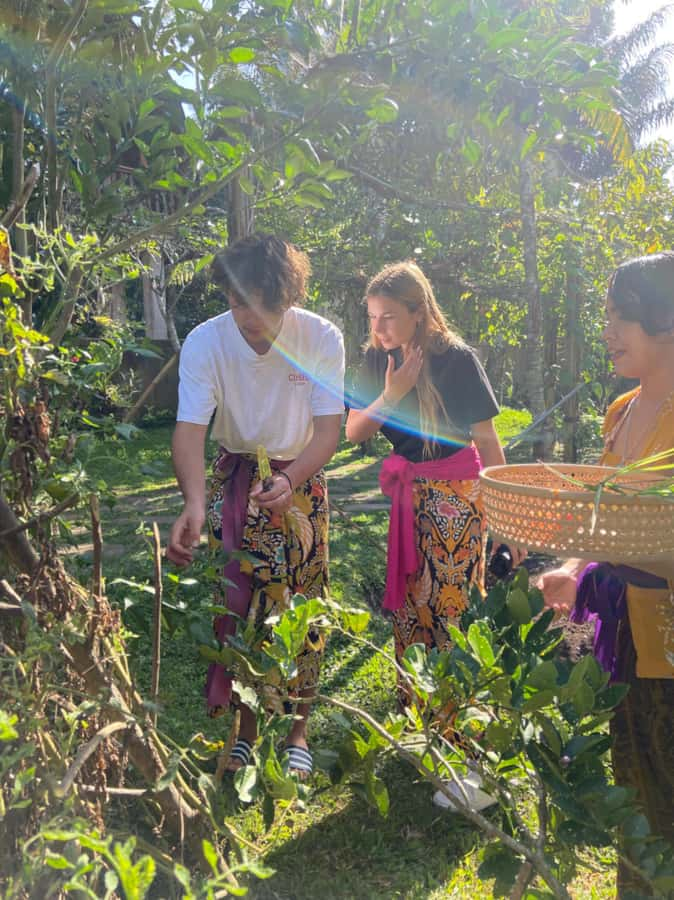
The visit begins with a welcome from the family. You may be offered Balinese tea, coffee, or coffee made from beans grown in the family garden. Fresh coconut water is another reported welcome, with the coconut opened for you.
These details matter because they slow the experience down. You start by meeting the people who will teach you, rather than rushing straight to a worktable. The hosts then introduce you to spices and traditional herbs, often showing you the plants in the organic garden before cooking begins.
I especially like this part because it gives the ingredients a story. A spice paste looks different when you have just seen the plants and learned how the family uses them. It also helps you understand that Balinese cooking is built around fresh aromatics, not just a bottled sauce or a packet of seasoning.
You also have a chance to see the village and its temple. The walk is not presented as a large sightseeing tour, so do not expect a long list of monuments. Its value is in seeing an everyday community and understanding where the family lives.
The village setting can also mean uneven ground, outdoor conditions, and a less controlled schedule than you would find at a cooking school in town. Bring comfortable shoes and clothing that works for a warm, open-air setting. The information provided does not give detailed accessibility guidance, so ask ahead if you have mobility concerns.
Working in the Covered Open-Air Kitchen
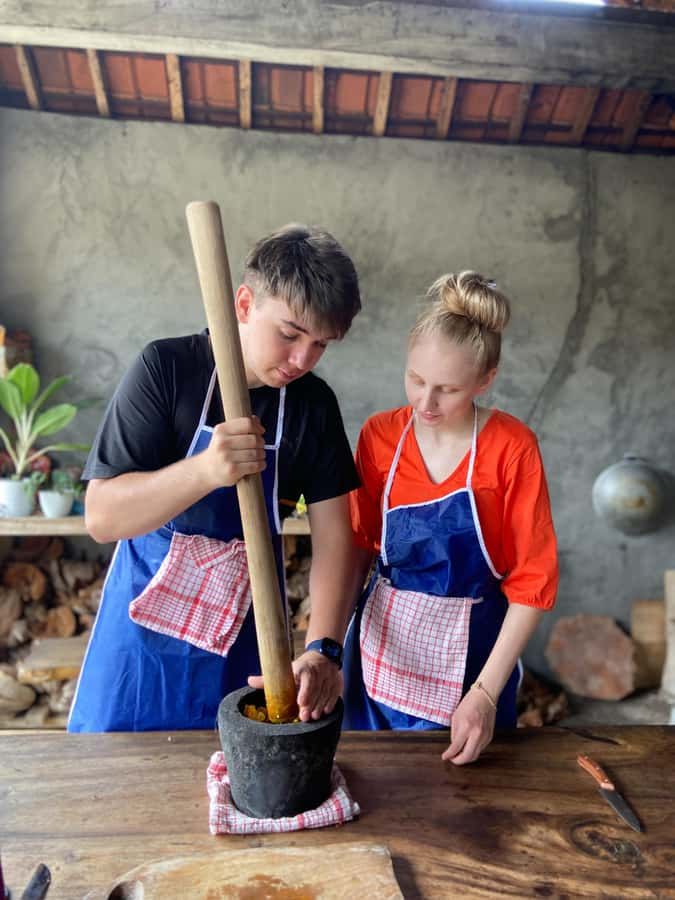
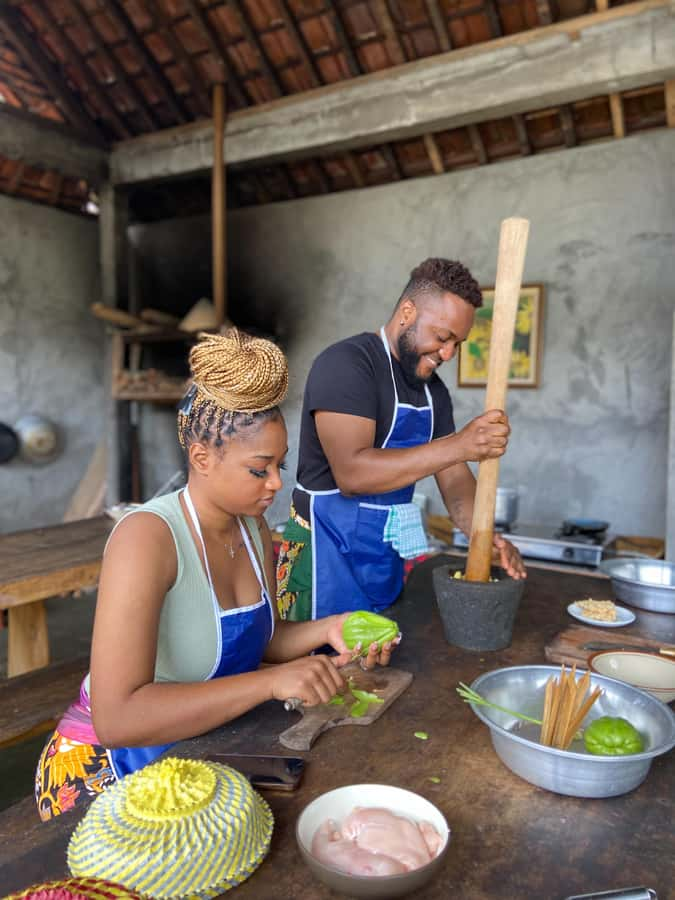
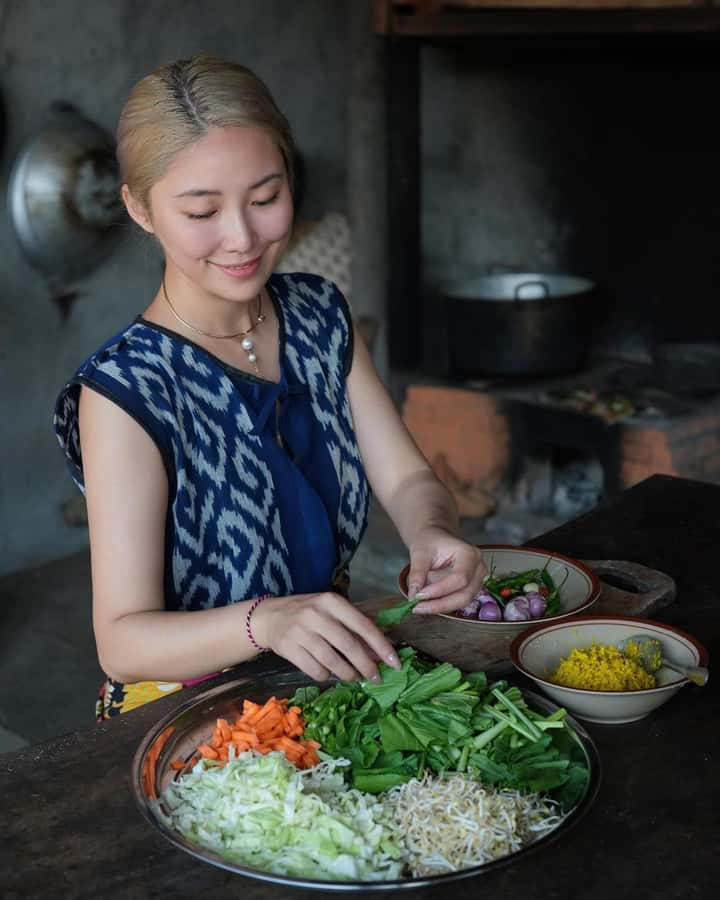
The class takes place in a large covered outdoor kitchen. Equipment and ingredients are prepared before you arrive, so you spend your time cooking rather than watching someone gather supplies.
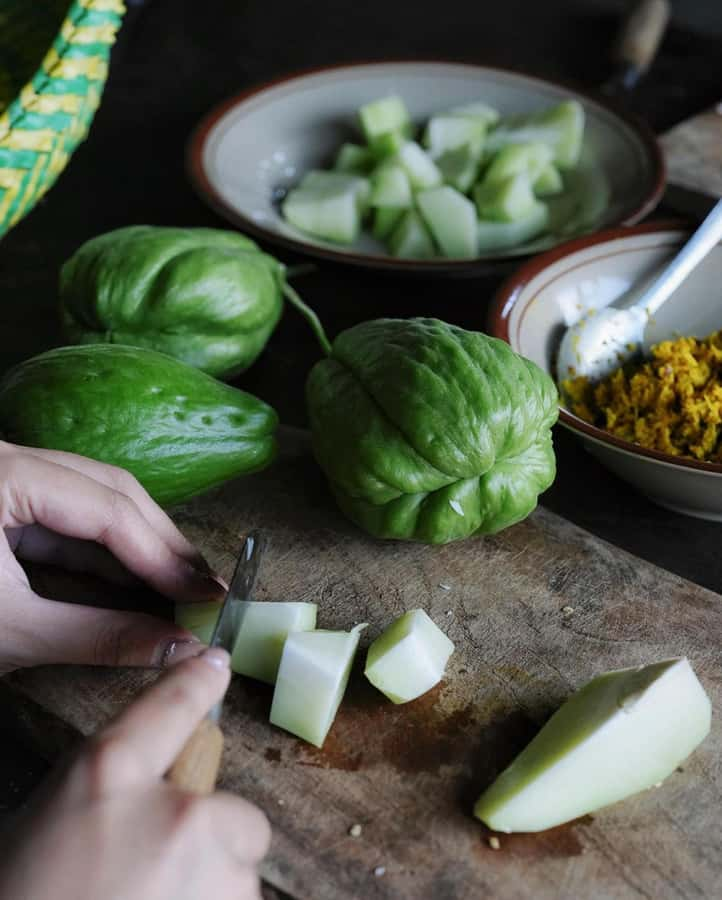
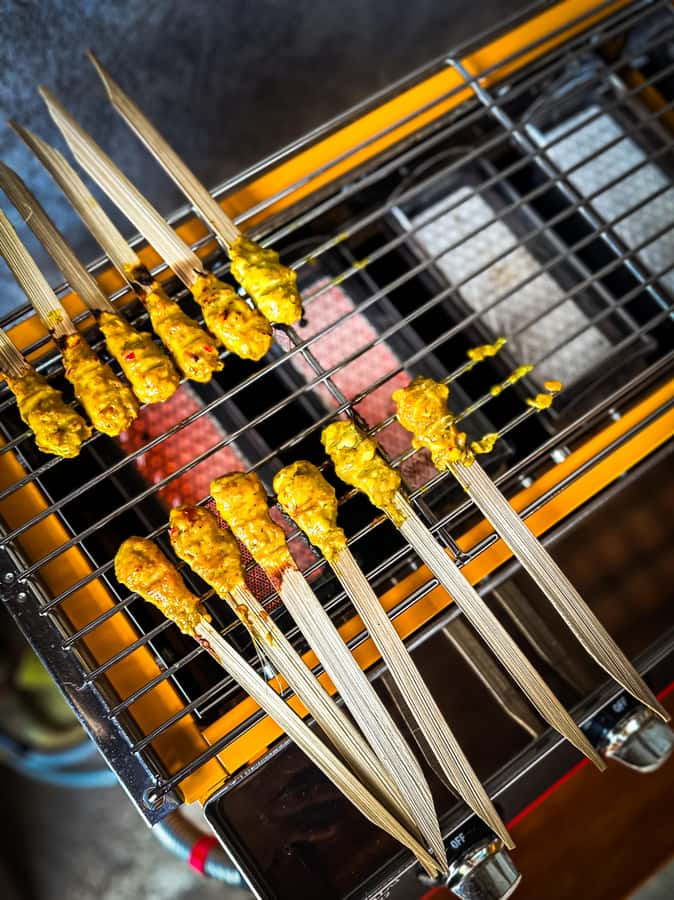
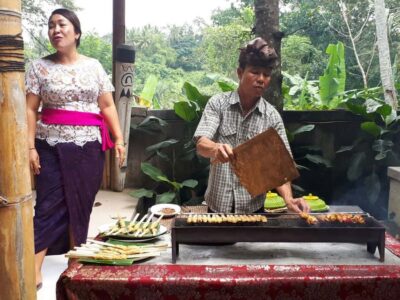
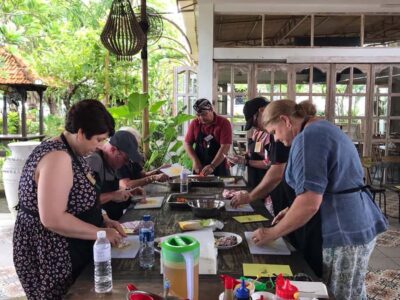
The teaching style is practical. The hosts demonstrate each stage, explain the ingredients, and then help you complete the work yourself. You may prepare a Balinese spice paste, assemble chicken satay, and cook the food under their direction. The experience is hands-on, but it is not a full professional kitchen course with advanced knife skills or a long series of complex dishes.
That balance suits most visitors. You get to do enough to feel involved, while the family keeps the meal moving and makes sure the food turns out well. The hosts have also been praised for giving clear explanations in English and for keeping the cooking area clean.
Vegetarians should mention their preference when booking or at the start of the class. Tofu in banana leaf is offered in place of chicken satay, so the meal can be adapted. The supplied information does not list every dish or confirm options for vegan, gluten-free, or allergy-specific diets, so those needs should be checked before you arrive.
The class also works well for families. You can handle ingredients, shape or assemble food, and watch the cooking without needing to sit through a long lecture. Since the group is private, the hosts can give more attention to your questions than a large class normally allows.
What You Actually Eat
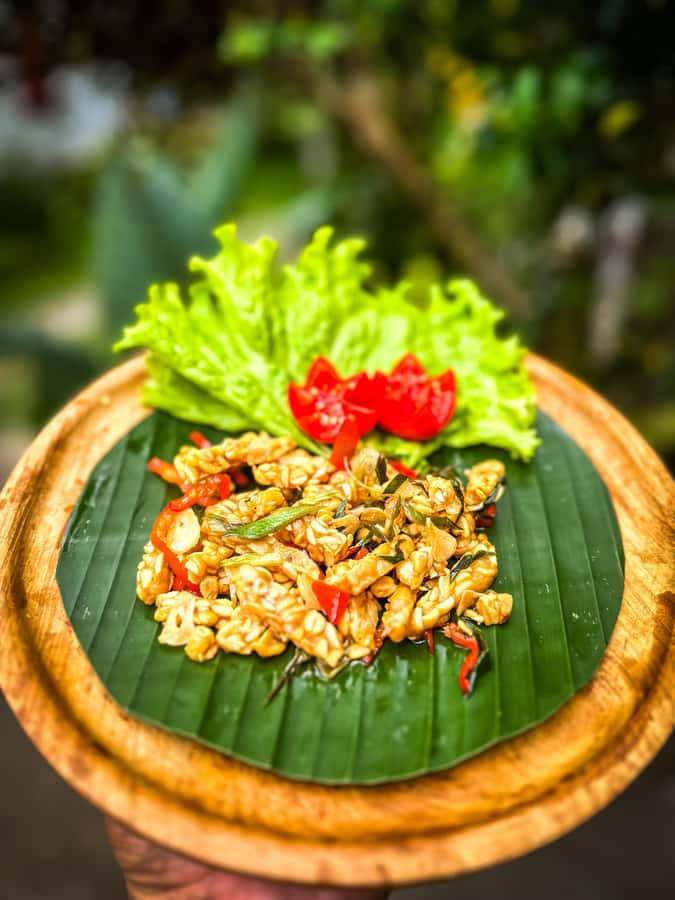
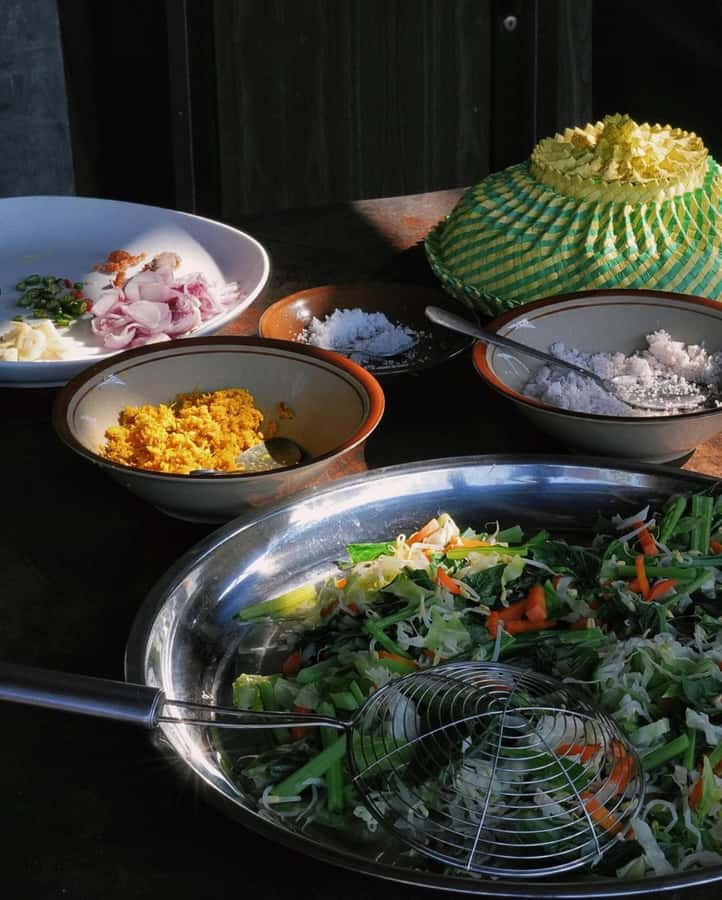
The meal is the payoff, but it is not treated as an afterthought. You eat the food you helped prepare, with a selection of Balinese dishes served after the cooking is finished.
Chicken satay and a curry made with the spice paste are specifically mentioned. Vegetarians can receive tofu in banana leaf in place of the chicken. Other dishes may vary, and a full fixed menu is not provided, so do not book expecting a precise restaurant-style tasting list.
The meal is served in a local fashion, with the dishes placed on the ground and an explanation of how to eat like a local. This is a small but memorable detail. It shows that the class is about household customs as well as recipes.
You may also take part in making offerings before eating. Offerings are an important part of Balinese daily life, and this short ritual adds cultural context to the meal without turning the visit into a formal religious tour.
One practical point: food served on the ground may not suit everyone. If you need a chair or table for comfort, ask the host before the meal. The available information confirms the local serving style but does not promise alternative seating.
More cooking classes around Indonesia:
- From Ubud: Authentic Cooking Class in a Local Village
★ 4.9 · 1,325 reviews - Ubud: Cooking Class with Transfers and Optional Market Visit
★ 4.9 · 824 reviews - Balinese Ubud cooking school (9 Dish Cooking and Market Tour)
★ 5.0 · 540 reviews - Ubud: Balinese Cooking Class and Market Tour
★ 4.8 · 531 reviews
The Family Garden Makes the Lesson Better
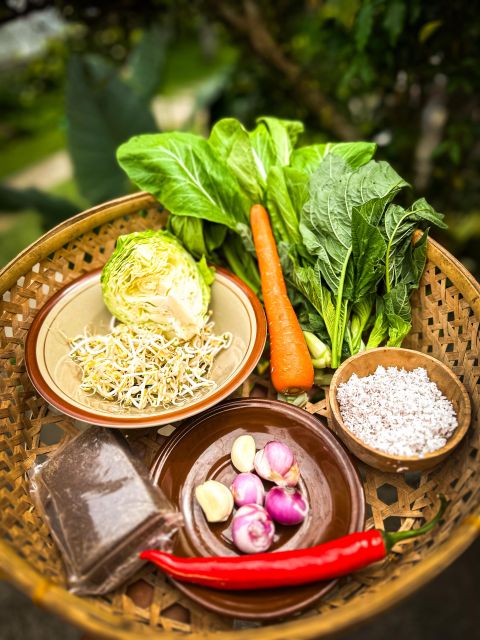
Several parts of the experience connect the meal to the family’s own garden. You see where herbs, spices, coffee, and other ingredients come from, then use some of them in the cooking.
That garden visit gives the class a stronger sense of purpose than a standard recipe lesson. The family grows much of what it uses, and the class supports a small household and its village directly. You can see the practical side of self-sufficiency rather than hearing a general talk about local food.
I would pay attention to the host’s explanations here. Ask about the plants you do not recognize, how the spice paste is balanced, and which ingredients are used every day. The hosts have shown visitors the trees that supply ingredients, the family home, and the gardens after the meal, so the order may vary.
Some hosts also take photos and short videos during the visit and send them afterward. This is a pleasant extra, but it should not be treated as a guaranteed professional photo service. The main keepsake is the PDF recipe collection, which gives you a way to repeat the dishes at home.
Taro Village and the Rice Terrace Visit
The wider outing can continue to a rice terrace in Taro Village. There you learn about the local irrigation water system and, depending on the season and timing, may see local people planting or harvesting rice.
This is a useful addition because water management explains how rice farming works beyond the postcard view. You are not simply looking at green terraces. You get some context for the work and systems that support them.
The wording suggests that rice planting or harvesting is occasional, not guaranteed. Treat it as a seasonal possibility rather than the main reason to book. The class itself takes place in Delodsema, while Taro is an additional stop during the journey, so confirm the exact route and timing if this matters to you.
The total duration is listed as two hours to 150 minutes. That is enough time for the welcome, garden visit, cooking, meal, and village details, but it is not a full-day cultural tour. If the Taro stop and a market visit are included with your selected pickup option, the overall schedule may require more time. Ask for the day’s plan before booking transport or another activity immediately afterward.
Transport, Meeting Point, and Timing
Transportation from central Ubud or the Tegallalang area is not included in the basic $30 price. Pickup is available if you select that option, and the pickup package may include a visit to a traditional market.
If you arrange your own way there, the meeting point is after you reach Delodsema Traditional Village, near a Bali Coconut Oil sign. This is the kind of detail you should save before leaving Ubud. A small village meeting point can be harder to locate than a hotel or major attraction.
The private format is useful if you want a relaxed pace or have dietary questions. It also makes the experience a better fit for couples, families, and small groups who prefer time with one host family instead of a crowded class.
Allow extra time if you are using a hired car or driver. The class itself is short, but village roads and the optional stops can affect the day’s schedule. If you choose hotel pickup, confirm the exact pickup area because the stated coverage is Ubud and Tegallalang.
Cancellation is flexible, with a full refund available when you cancel at least 24 hours ahead. You can also reserve now and pay later, which helps if your Bali plans are still shifting.
Who Will Enjoy This Cooking Class Most
I would recommend this experience to you if food is a way to meet people, not just something to photograph. It suits anyone who wants a family-run activity, a garden visit, and a modest look at village life in one outing.
It is especially good for:
- Couples looking for a quiet alternative to a large Ubud class
- Families who want a practical activity with lunch included
- Vegetarians who appreciate a tofu alternative to chicken satay
- Visitors interested in Balinese offerings, temples, and household customs
- Anyone who prefers fresh local ingredients to a classroom demonstration
- Repeat Bali visitors who have already seen central Ubud and want a rural setting
It may be less suitable if you want a long, advanced cooking course, a fixed list of many dishes, or a luxury dining setup. The experience is informal and family-based. That is the point, but it will not suit every style of holiday.
Should You Book This Delodsema Village Experience?
At $30 per person, I think this is good value if you choose the basic experience and can reach the village easily. You receive a private class, ingredients, cooking equipment, tea or coffee, lunch, and recipes, while also spending time in a small traditional village.
I would book it for the garden-to-kitchen connection, the private family setting, and the chance to learn the local way of preparing and eating food. I would also make sure your booking clearly covers transport if you do not want to arrange your own ride.
Choose this class if you want a warm, personal introduction to Balinese food and village life. Skip it if your priority is a formal culinary school, an exact menu, or a full-day rice-field tour. For most people who want to cook, eat, and meet a Balinese family in a quiet setting, it is a strong choice.
FAQ
How long does the Balinese cooking class last?
The activity lasts about two hours to 150 minutes. The exact timing can depend on the selected start time and any added village, market, or rice terrace stops.
What is included in the $30 price?
The price includes a private cooking class, cooking equipment, ingredients, a cooking lesson, Balinese tea and coffee, lunch, and recipes provided as a PDF.
Is transportation from Ubud included?
Transportation from central Ubud or the Tegallalang area is not included in the basic option. Pickup is available if you select the transportation option.
Where does the experience meet?
After arriving at Delodsema Traditional Village, look for the Bali Coconut Oil sign. This is the stated meeting point for the cooking experience.
Is the class private?
Yes. The activity is offered as a private group experience, with an English-speaking instructor.
Can vegetarians take part?
Yes. A vegetarian option is available, with tofu in banana leaf offered instead of chicken satay. Other dietary requirements should be confirmed before booking.
Can I cancel the booking?
You can cancel up to 24 hours in advance for a full refund. The experience also offers a reserve-now, pay-later option.
New cooking classes around Indonesia
- Seminyak: Vegetarian Cooking Class★ 5.0 · 3 reviews
- Seminyak : cooking class traditional food bali★ 5.0 · 5 reviews
- Quad ride, waterfalls & aunthentic cooking class in munduk★ 4.9 · 53 reviews
- Pure Bali Village Experience Cooking & Jamu Class, Transfer★ 4.8 · 5 reviews
- Ubud: Organic Farm Harvest, Bali Cooking Class by Pemulan★ 4.8 · 12 reviews
- packages cooking class and romantic dinner in a local home★ 5.0 · 4 reviews
- Nusa Dua: Balinese Cooking Class with Market Tour★ 5.0 · 4 reviews
- Bali: Balinese Cooking Class and Market Tour★ 4.8 · 19 reviews
Indonesia Cooking Classes, side by side.
Ubud: Balinese Cooking Class at an Organic Farm
Read our review →
From Ubud: Authentic Cooking Class in a Local Village
Read our review →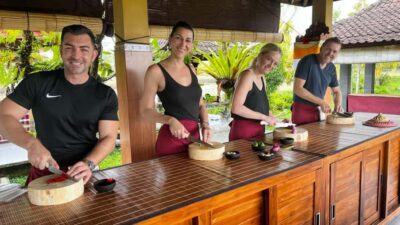
Ubud: Cooking Class with Transfers and Optional Market Visit
Read our review →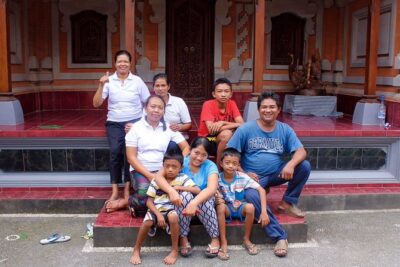
PRIVATE Authentic Balinese Cooking Class in Ubud at Putu’s Home
Read our review →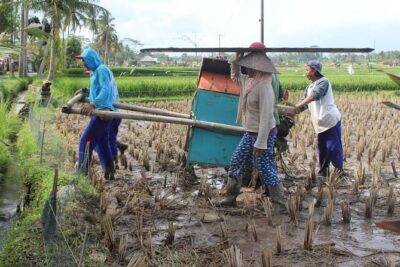
Balinese Ubud cooking school (9 Dish Cooking and Market Tour)
Read our review →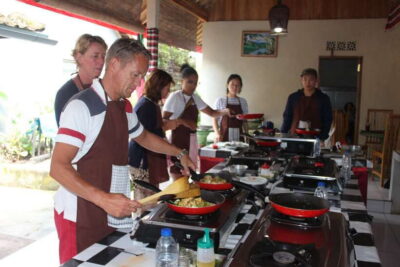
This kitchen also appears in