Review · GREECE
Phyllo Pie Baking Class @ Lefkada Micro Farm
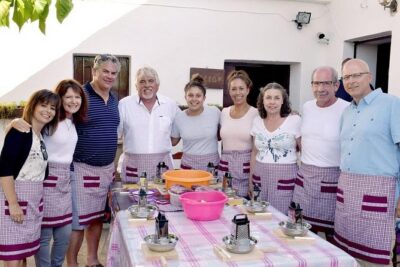
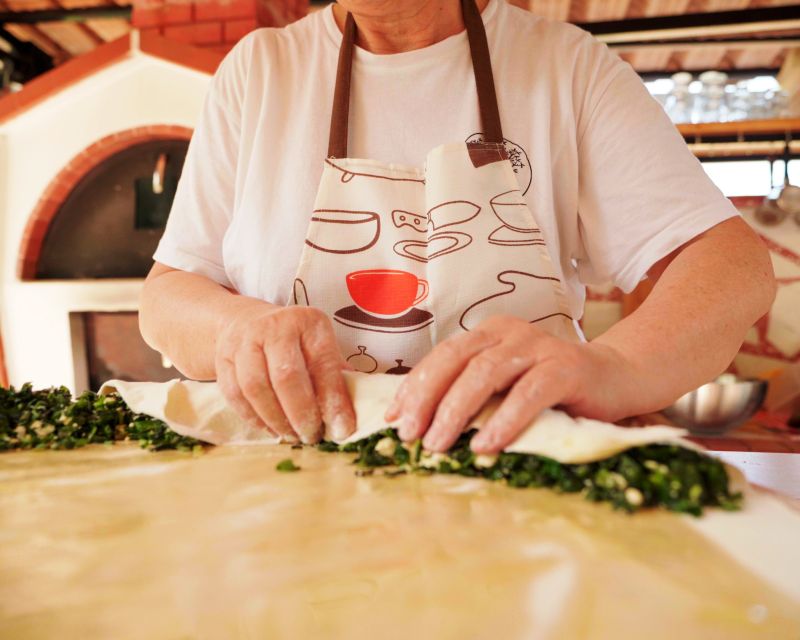
The best part of this class is the dough. You learn to make the thick, rustic phyllo used in the Greek countryside, then fill it with greens from the farm garden and bake it in a wood-burning oven. Hands-on cooking and the calm farm setting make this feel more personal than a standard restaurant lesson.
I like the old family recipes, said to be passed down for 100 years, and the fact that you harvest ingredients before cooking. I also like that the techniques are simple enough to repeat at home. The main consideration is the four-hour length. This is a full half-day, not a quick demonstration, and the class may be less appealing if you want only a short tasting.
Key points
- Traditional country-style phyllo: Learn a sturdy, crunchy dough rather than relying on packaged pastry.
- Garden-to-table cooking: Pick seasonal greens and herbs before preparing the fillings.
- Four possible recipes: Make savory greens and feta, goat cheese with tomatoes and olives, pumpkin pie, and baklava.
- Wood-burning oven: Bake the pies using the farm’s traditional oven and its own extra virgin olive oil.
- Small English-speaking group: The class is limited to 10 participants, with utensils and an apron supplied.
- Relaxed shared meal: Eat together at the farmer’s table while the food is fresh from the oven.
A Four-Hour Greek Baking Class With a Slow Pace
At Lefkada Micro Farm, the lesson is built around a simple idea: food tastes better when you understand where it comes from and help make it yourself. You are not just shown a finished pie. You work through the dough, the filling, the baking, and the meal.
The class lasts four hours, so the pace should allow time for explanation and practice. That matters with phyllo. Rolling and stretching dough takes a little patience, and a rushed lesson would miss the point. Here, you can focus on the texture, the use of olive oil, and the way the pastry changes in the oven.
The setting also shapes the day. You begin in the organic garden, then move to an open-air kitchen before gathering around a large farmer’s table. The farm’s peaceful atmosphere is a major part of the appeal. If you want a quiet break from busy sightseeing, this gives you one.
The activity is conducted in English. It is also wheelchair accessible, and the group is limited to 10 people. A small class does not guarantee one-to-one instruction every minute, but it should feel more manageable than a large cooking workshop.
More Farm Cooking Classes in Greece
- Naxos Perivoli Farm Experience & Wood-fire Cooking Class
★ 5.0 · 339 reviews - Melanes: Naxos Perivoli Farm & Cooking Class with Wood Fire
★ 5.0 · 177 reviews - Athens Cooking Class and Lunch in our beautiful garden in Greece
★ 5.0 · 130 reviews
Starting With the Garden and Seasonal Ingredients
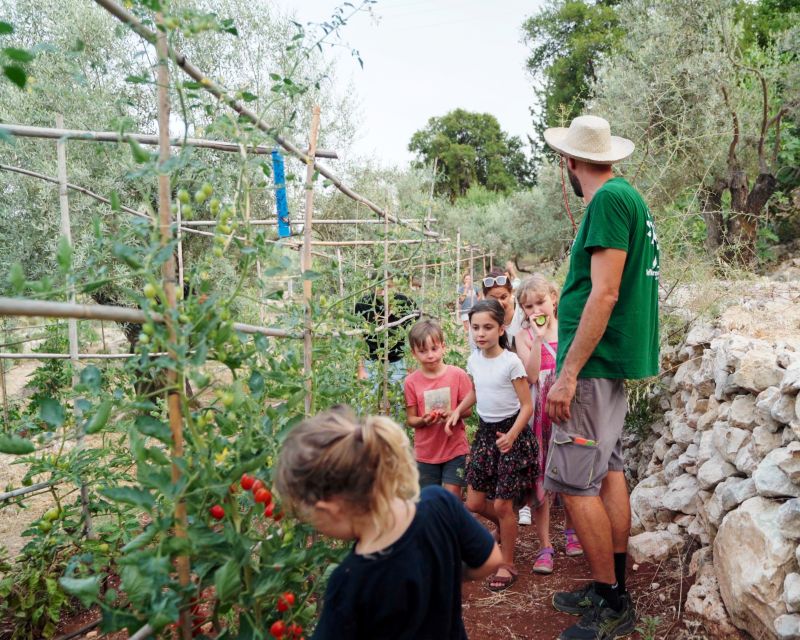
The first practical step is a walk through the organic garden. You harvest seasonal greens and herbs that become part of the meal. This is more than a pleasant introduction. It shows you how Greek country cooking uses what is available instead of depending on a long list of special ingredients.
The exact plants will depend on the season. You should expect the garden selection to change rather than a fixed menu all year. That is useful to know if you have your heart set on one particular green or herb.
This garden visit also sets up the class’s main lesson: good pie does not need to be complicated. Fresh produce, feta or another cheese, herbs, oil, and pastry can produce a hearty meal. The recipes are designed around familiar ingredients that you can seek out at home.
If you have food allergies or dietary restrictions, tell the provider before the class. This is especially important because the menu can include wheat, dairy, nuts, honey, olives, and other common ingredients.
Learning the Family Phyllo Method
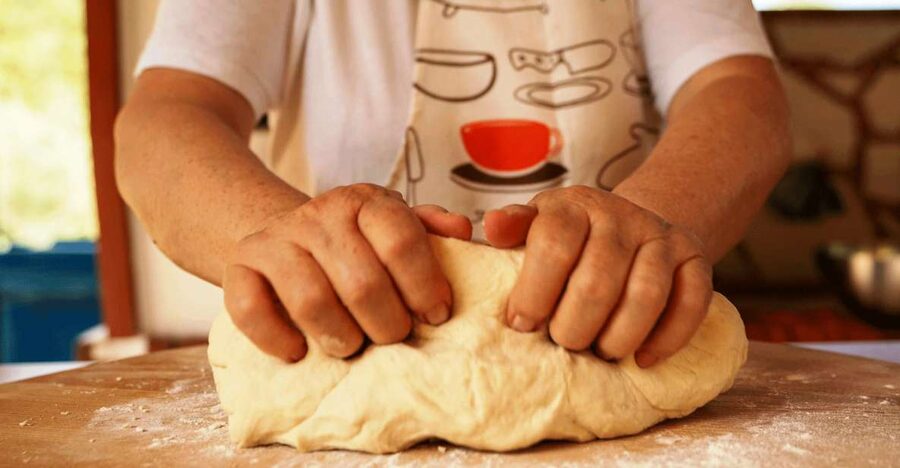
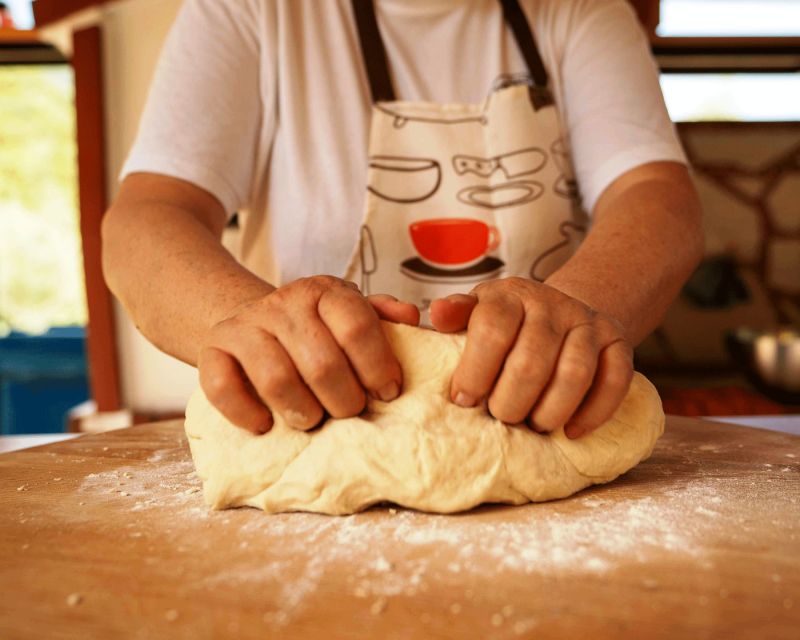
The pastry lesson is the heart of the morning or afternoon. You learn to knead the dough, roll it, and stretch it into a rustic crust. This is not the paper-thin style you might associate with every kind of baklava. The class focuses on the thicker, crunchy dough used in rural Greek cooking.
That distinction makes the class useful for home cooks. A very delicate pastry can be intimidating, especially if it tears. A country-style crust is more forgiving and has a hearty bite. The aim is not perfect restaurant presentation. The aim is a good pie you can make again.
The farm uses its own extra virgin olive oil in the recipes. Oil is important here, not just as a finishing touch. It helps create the pastry’s texture and brings a distinct Greek flavor to both the dough and the fillings.
You receive cooking utensils and an apron, so the basic working equipment is covered. The information provided does not state what you should wear, but comfortable clothing suitable for hands-on food preparation is a sensible choice.
The class presents techniques that are easy to take home. You should leave understanding the basic process: prepare the dough, roll it out, add the filling, shape the pie, and bake it until crisp and golden. The exact result will depend on your own handling of the pastry, which is part of the fun.
Four Fillings, From Savory Greens to Sweet Pumpkin
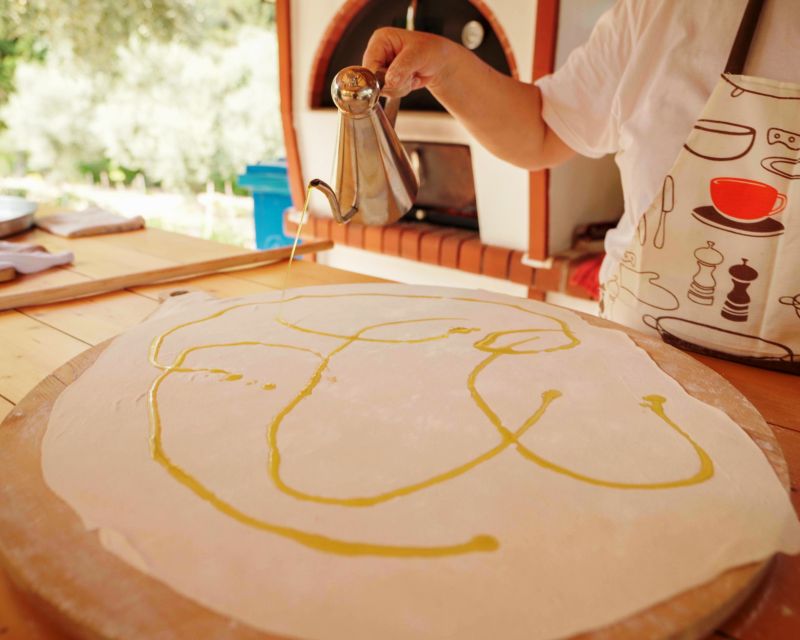
The recipes give the class a good range of Greek flavors. The main savory option is wild greens with feta. This is the clearest expression of the garden-to-table idea, combining seasonal plants with salty cheese inside the handmade crust.
A second savory recipe uses goat cheese, sun-dried tomatoes, olives, and oregano. It has a stronger, more concentrated flavor profile. The tomatoes add sweetness, the olives bring salt, and oregano gives the filling a familiar Greek character.
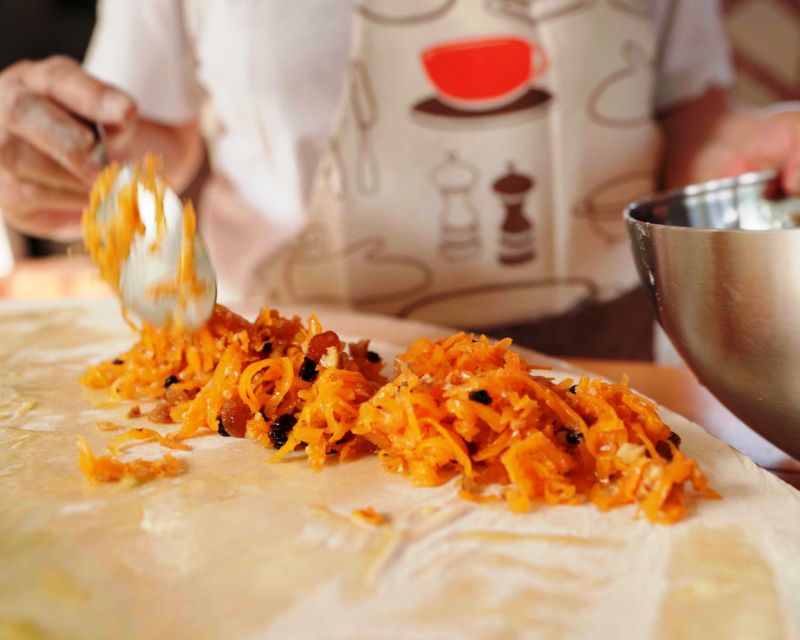
The sweet choices are pumpkin with walnuts, cinnamon, and raisins, followed by baklava with honey, cinnamon, and walnuts. These recipes make the class feel like more than a single-pie lesson. You get to see how the same general pastry skills can work with both savory and sweet fillings.
The inclusion of walnuts is worth noting if you have a nut allergy. Honey also appears in the baklava, and dairy is used in several recipes. Give the farm your restrictions before arrival rather than waiting until the cooking begins.
The supplied information does not promise that every participant makes every listed recipe individually. It describes the recipes covered during the class, so you should be prepared for some shared preparation or group work. That is common in a small cooking class and allows you to sample several styles without turning the day into a production line.
More Baking and Bread Classes in Greece:
- From Mykonos: Mykonian Farm Baking Class with Brunch
★ 4.7 · 29 reviews - Lisbon: Pastel de Nata Baking Class
★ 4.9 · 2,106 reviews - Paris Croissant Small-Group Baking Class with a Chef
★ 5.0 · 910 reviews - Paris: French Croissant Baking Class with a Chef
★ 4.9 · 712 reviews
Baking in the Traditional Wood-Burning Oven
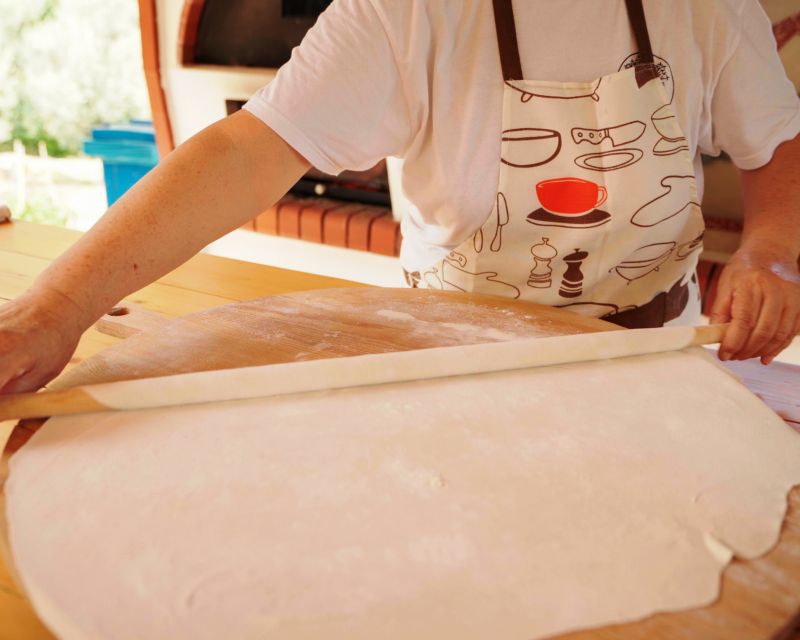
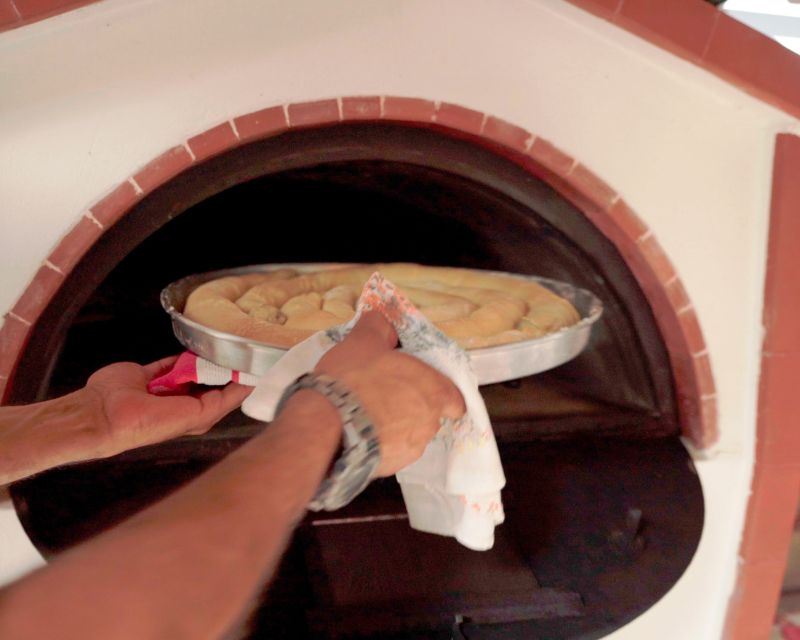
The wood-burning oven adds a real sense of place. You are not simply placing the finished pie into a modern kitchen oven. The class connects the dough and ingredients to an older way of cooking, one tied to farm kitchens and communal meals.
The oven also affects the finished food. A properly baked phyllo pie should have a crisp crust and a well-cooked filling, with the olive oil helping the pastry brown. The description does not provide the oven temperature or exact baking time, so do not expect a technical bread-baking seminar. The focus is practical, traditional cooking.
This stage gives you time to watch the results of the earlier work. Dough that seemed awkward while rolling begins to make sense once it becomes crisp and golden. You can also see why the class spends time on the pastry rather than treating it as a minor part of the recipe.
There is a simple pleasure in waiting for food to bake while sitting in a farm setting. The class is meant to help you disconnect from the noise of modern life, and the oven gives that idea a physical rhythm: prepare, wait, share.
Sharing the Meal at the Farmer’s Table
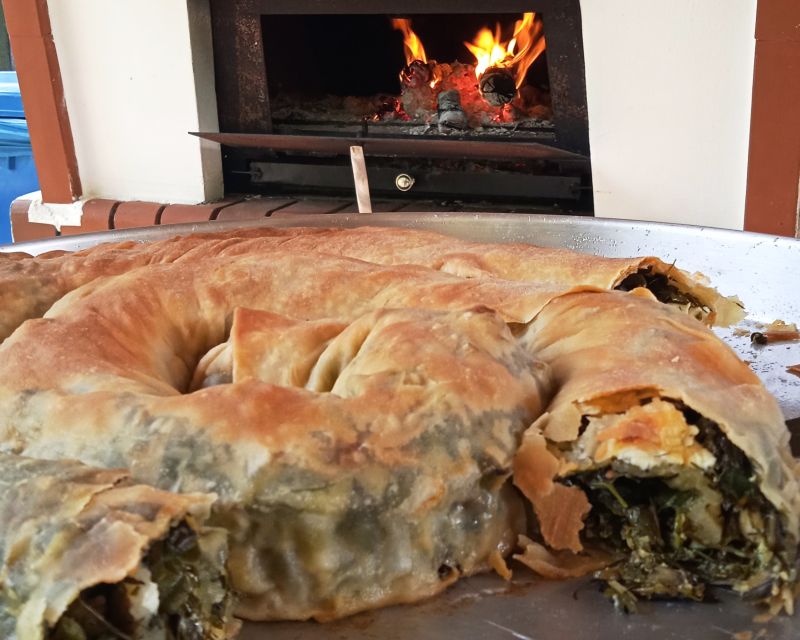
Once the pies are ready, the group gathers at the large farmer’s table to eat together. This communal meal is not an extra snack added to the class. It is the payoff for the work you have done.
I like this format because it gives the class a natural ending. You can taste the difference between the fillings, compare the savory and sweet recipes, and enjoy the food while it is still fresh from the oven. The table also keeps the event social without requiring a separate restaurant booking.
The setting is described as peaceful, and that is one of the strongest reasons to choose this activity. Cooking classes can sometimes feel crowded or hurried. The farm setting and limited group size point toward a calmer afternoon, although the actual atmosphere will still depend on the group and the day.
You should also think about the meal as part of the value. At $123 per person, you are paying for more than a plate of pie. The price covers a four-hour lesson, ingredients from the farm, use of the kitchen and oven, an apron, utensils, instruction in English, and the shared meal. For someone who wants a serious food activity, that is a fairer comparison than measuring the cost against a simple lunch.
If you are mainly looking for the cheapest way to eat Greek food, this will not be the right choice. If you want to learn a skill, spend time in a quiet setting, and make several recipes from scratch, the price makes more sense.
Who Will Get the Most From This Class
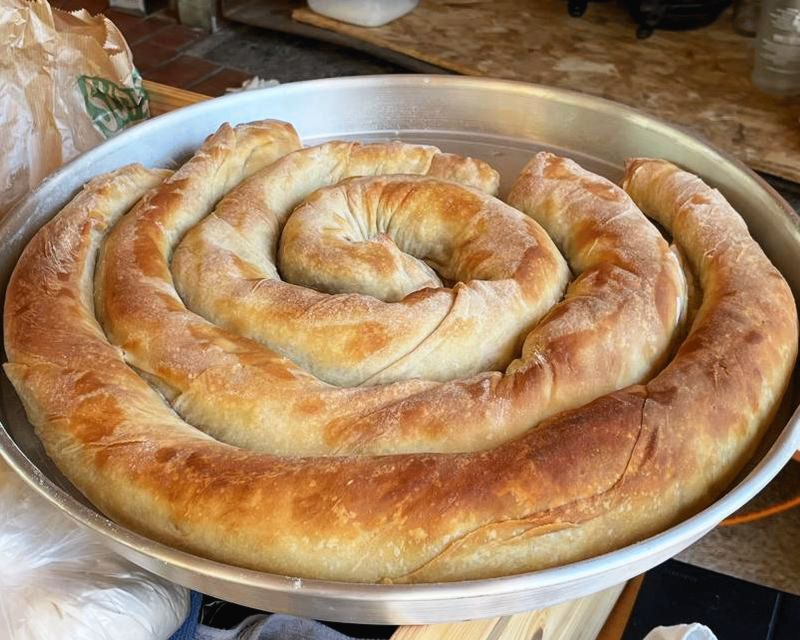
This class suits curious home cooks, food-focused visitors, and anyone who prefers a slower activity over a packed sightseeing schedule. You do not need to be an expert baker. The method is presented as approachable, and the rustic pastry is less demanding than an ultra-thin, highly precise dough.
It should also work well for couples, families with older children, and small groups of friends who want an activity they can talk through together. The 10-person limit keeps the class from becoming a large demonstration, while the English instruction removes a language barrier for English-speaking participants.
The class may not suit you if you dislike group meals or want a highly technical cooking course. The supplied information emphasizes family recipes, simple methods, and shared food rather than professional pastry training.
It is also not the best match for anyone with serious dietary restrictions unless the farm can confirm suitable changes in advance. Contact the provider about allergies before booking. Wheat and several other common allergens are central to the recipes.
Practical Details Before You Book
The experience costs $123 per person and lasts four hours. Starting times vary, so you need to check availability for your preferred date. Since it occupies half a day, plan it as a main activity rather than trying to fit it between several timed attractions.
Instruction is in English. Cooking utensils and an apron are included, which keeps the preparation simple. The activity is wheelchair accessible, but the information does not explain the exact layout of the garden, kitchen, or oven area. If you have specific mobility needs, ask for further details before reserving.
The group limit is 10 participants. That number is large enough for a social meal but small enough for a more personal lesson than you would get in a large commercial class.
You can cancel up to 24 hours in advance for a full refund. A reserve-now, pay-later option is also available, which helps if your plans around Lefkada are still changing.
The class has received a perfect 5 rating from three verified bookings. The most specific praise describes the farm as peaceful and the cooking lesson as excellent. That fits the design of the activity: its strongest quality is not spectacle, but the quiet mix of garden work, traditional cooking, and shared food.
Should You Book the Lefkada Micro Farm Class?
Book this class if you want to learn a real Greek kitchen skill and you like the idea of making food with ingredients picked from the garden. The combination of family recipes, handmade phyllo, a wood-burning oven, and a communal meal gives the experience a clear sense of purpose.
At $123, it is best value for people who will take the recipes home and use them again. You are paying for time, instruction, ingredients, equipment, and a meal, not just a tasting.
Skip it if you want a short activity, dislike group cooking, or need a menu that can easily avoid several allergens. For everyone else, this is a peaceful, practical way to spend four hours in Western Greece, with a full stomach and a new pie-making skill at the end.
FAQ
How long does the phyllo pie class last?
The class lasts four hours.
How much does the class cost?
The price is $123 per person.
What language is the class taught in?
Instruction is provided in English.
How many people are in the group?
The class is limited to 10 participants.
What recipes are included?
The recipes include wild greens with feta, goat cheese with sun-dried tomatoes, olives and oregano, pumpkin with walnuts, cinnamon and raisins, and baklava with honey, cinnamon and walnuts.
Are cooking utensils and an apron provided?
Yes. Cooking utensils and an apron are included.
Is the activity wheelchair accessible?
Yes, the activity is listed as wheelchair accessible.
More Greek Cooking Classes around Greece
- Greek Cuisine Cooking Class in Santorini with Recipes and Wine
★ 5.0 · 969 reviews - Greek Cooking Class in Athens Including Rooftop Dinner with Acropolis View
★ 5.0 · 826 reviews - Greek Small-Group Athens Cooking Class & Dinner
★ 5.0 · 574 reviews - The Real Cretan Cooking Experience
★ 5.0 · 528 reviews
New cooking classes around Greece
- Savor Rhodes: 11-Dish Wine Pairing and Cooking Adventure★ 4.4 · 12 reviews
- Santorini: Hands on Cooking Class with a Chef★ 4.7 · 16 reviews
- Santorini: Cooking Class with a Professional incl. Full Meal★ 5.0 · 2 reviews
- Santorini: Greek Cooking Class with Wine Tasting★ 5.0 · 7 reviews
- Santorini: Vineyard and Winery Tour with Cooking Class★ 4.9 · 5 reviews
- Santorini Cooking Class with Wine Tasting & Lunch★ 4.9 · 36 reviews
- Santorini: Cooking Class with a Chef at the Ftelos Brewery★ 4.8 · 33 reviews
- Rhodes: Winery Tour, Tasting and cooking with the Winemaker★ 4.8 · 21 reviews
Greece Cooking Classes, side by side.
Athens: Classic Cooking Class with Market Visit and Wine
Read our review →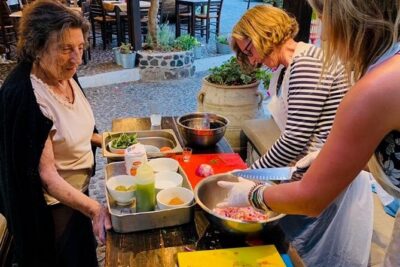
Greek Cuisine Cooking Class in Santorini with Recipes and Wine
Read our review →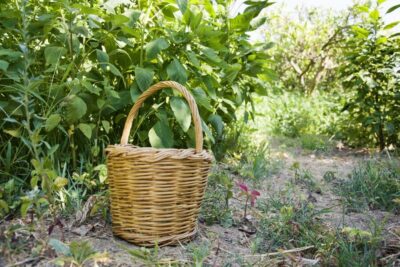
Naxos: Half-Day Cooking Class at Basiliko Family Tavern
Read our review →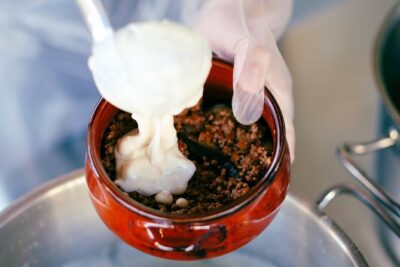
Greek Cooking Class in Athens Including Rooftop Dinner with Acropolis View
Read our review →
Greek Small-Group Athens Cooking Class & Dinner
Read our review →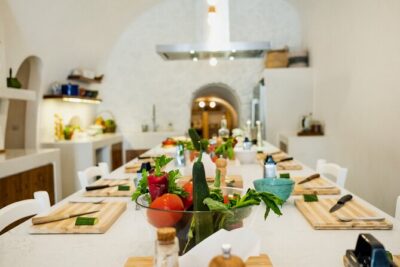
Exclusive Cooking Experience in our Cave Home by Petra Kouzina
Read our review →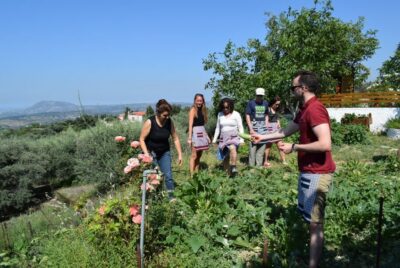
Chania: Authentic Cooking Class in the White Mountains
Read our review →