Review · ROME
Rome Cooking Class: Handmade Tonnarelli Pasta & Tiramisu
The best part of this Rome cooking class is that you make two Roman staples with your own hands: tonnarelli pasta and tiramisu. You mix and knead the pasta dough, roll and cut it, prepare the dessert, then sit down at Osteria San Giorgio to eat what you made.
I like the relaxed teaching style and the chance to learn recipes you can repeat at home. I also like the social setup. Guides such as Kristian, Elizabetha, Luca, Jamila, and Francesca have been praised for humor, patience, Rome tips, and making beginners feel at ease.
The main drawback is the strict food restriction policy. This is not suitable for vegans or people who cannot eat gluten or lactose, and you do not enter the restaurant kitchen while the pasta is cooked and seasoned.
Key points to know before booking

- Two Roman classics: Make handmade tonnarelli and coffee-soaked tiramisu from scratch.
- A useful morning option: The 10:30 a.m. start lets you eat the finished pasta around lunchtime.
- Friendly English instruction: Guides including Kristian, Elizabetha, Luca, Jamila, and Francesca are known for patient, humorous teaching.
- A complete meal: Your class includes the food you prepare, a sauce prepared for you, and one glass of wine.
- Recipes to take home: You leave with the techniques and recipes needed to try the dishes again.
- Important food limits: Vegan, gluten-free, and lactose-free versions are not offered.
Making tonnarelli at Osteria San Giorgio

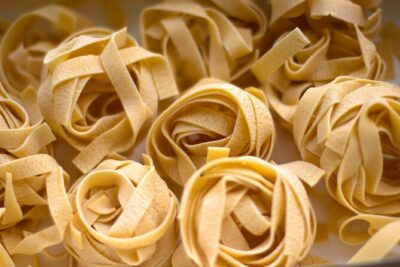
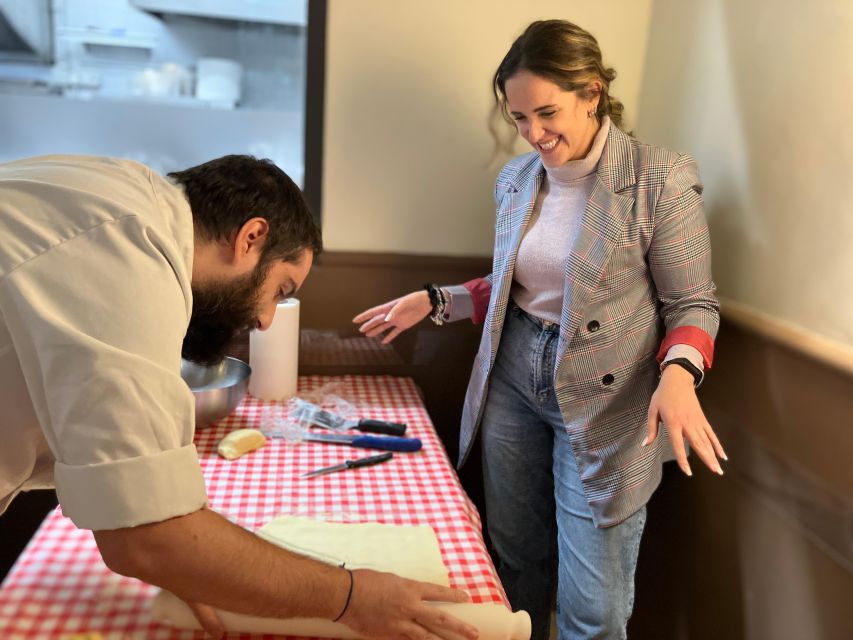
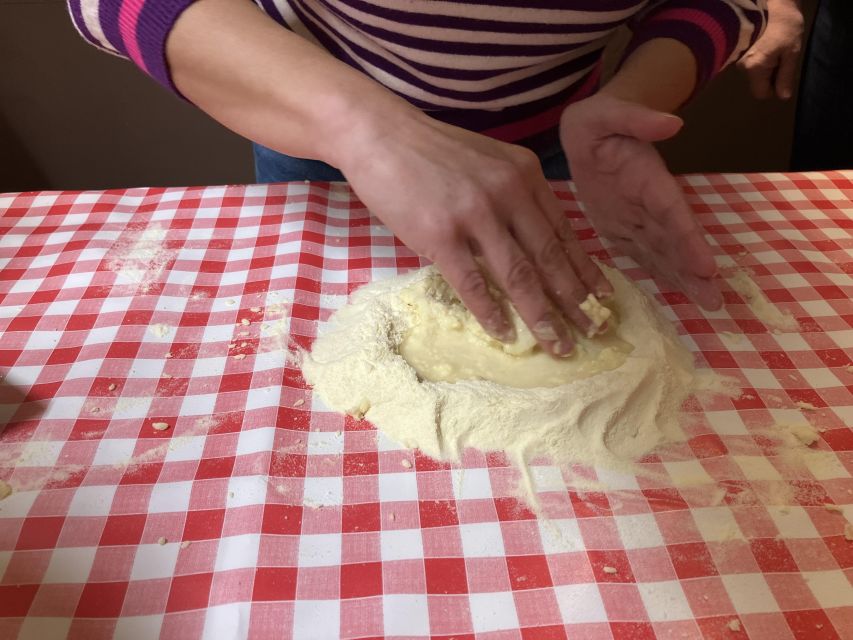
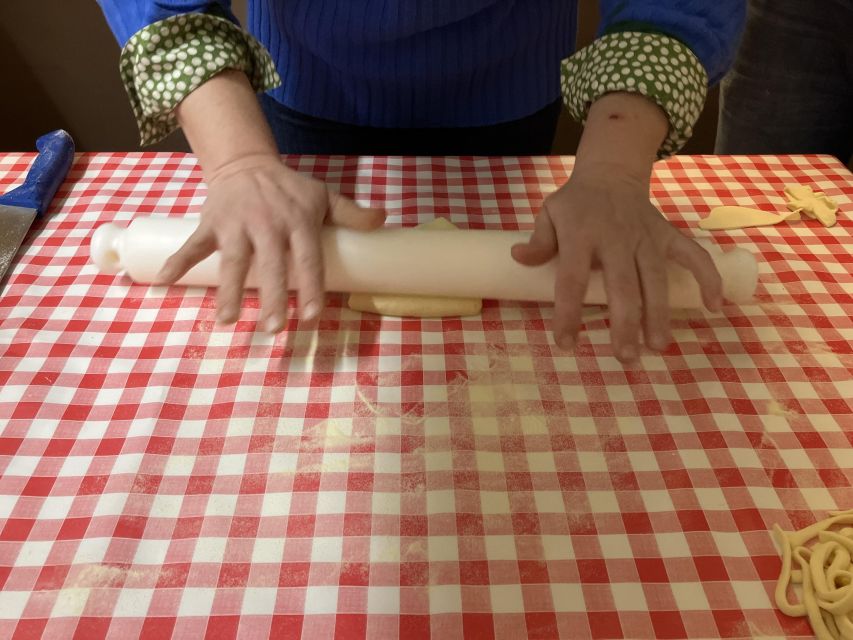
Rome has no shortage of pasta demonstrations, but this class earns its keep by putting you to work. You are not simply watching a chef twirl dough while taking photographs. You mix the ingredients, knead the dough, roll it out, and cut it into tonnarelli, the thick, square-edged pasta associated with Roman cooking.
That hands-on work matters. Fresh pasta looks simple until you try to get the dough to the right texture and thickness. The class gives you a chance to feel the dough change under your hands and see how the rolling and cutting affect the finished pasta.
Tonnarelli is especially fitting for a Roman lesson. It resembles a thicker, more substantial spaghetti and is a classic partner for cacio e pepe. The finished dish depends on a short list of ingredients, but the technique matters. The pasta needs to hold up to the sauce, and the sauce needs to cling instead of turning watery or lumpy.
The experience does not provide every final cooking step personally. For safety reasons, participants do not enter the actual kitchen where the pasta is cooked and seasoned. A sauce is prepared for you, and the staff handle the kitchen work. That is worth knowing if you want a full restaurant-kitchen experience.
Still, you do the most useful part at the table: making the dough and shaping the pasta. I would rather leave a class knowing how to repeat those steps than spend the entire session watching someone else cook.
More Pasta Making Classes in Rome
- 3 in 1 Cooking Class near Navona: Fettuccine, Ravioli & Tiramisu
★ 5.0 · 7,376 reviews - Rome: Pasta Making Class with Wine, Limoncello, and Dessert
★ 4.9 · 3,177 reviews - Rome Cooking Class: Make Pasta and 3 Spritz Cocktails
★ 5.0 · 2,937 reviews
Tiramisu is the sweet second lesson
After the pasta work, you make tiramisu. The process covers the basic parts of the dessert, including the creamy mixture and coffee-soaked element that give tiramisu its familiar flavor and texture.
This is a good pairing with the pasta lesson. Pasta requires firm hands and attention to texture. Tiramisu is more about careful mixing and balancing soft, creamy, and coffee flavors. You get two very different Italian techniques in one short class.
Several guides have made the session comfortable for first-time cooks. Jamila, for example, was praised for keeping complete beginners relaxed and organized. Francesca was singled out for making the lesson fun while explaining the food clearly. Elizabetha and Luca were also praised for patience, humor, and practical help.
You should not expect to become a professional pasta maker in two and a half hours. You should expect to learn enough to try fresh pasta and tiramisu at home without feeling lost. That is a fair goal, and the take-home recipes make it more useful than a meal you simply eat and forget.
From cooking table to Roman meal
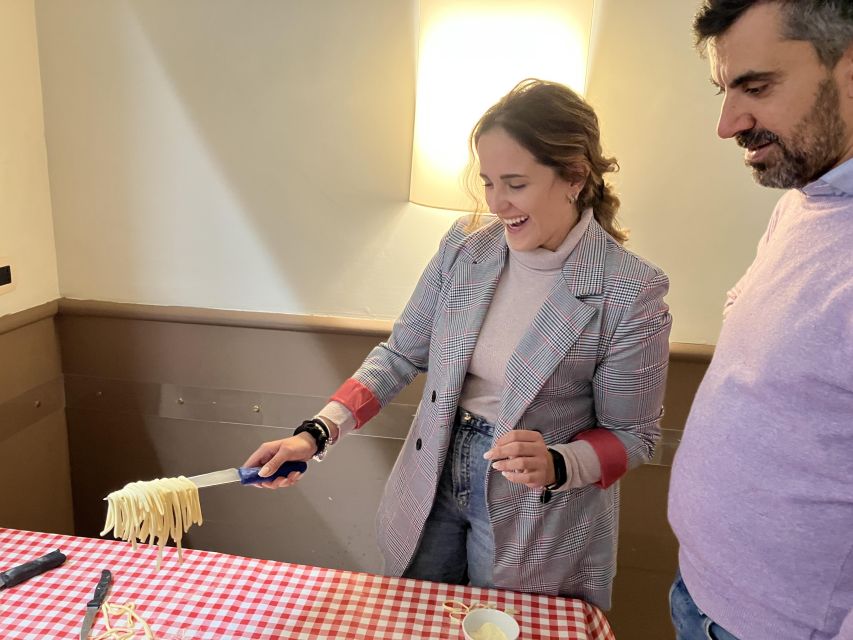
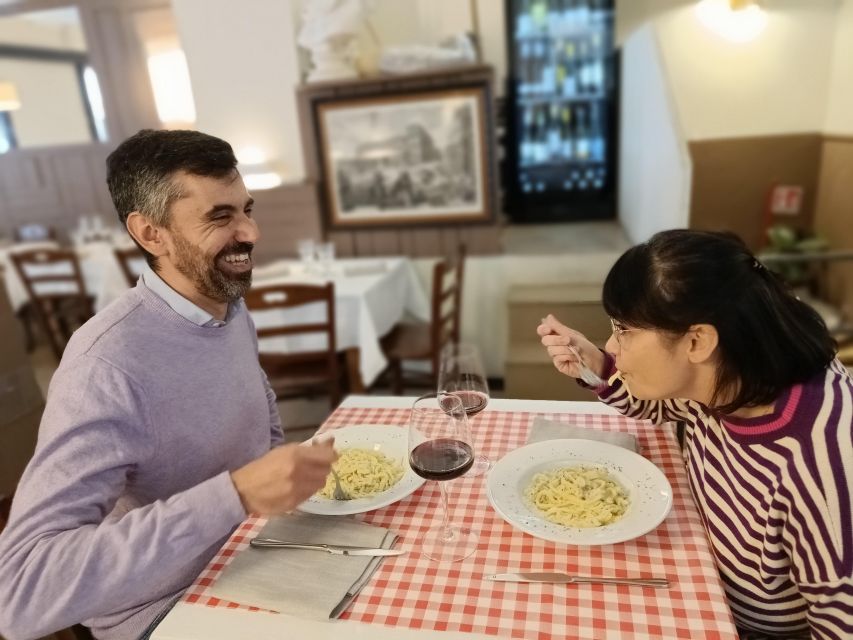
Once the food is ready, you sit down and eat. The meal includes your homemade pasta and tiramisu, along with a glass of wine. The pasta is served with a simple sauce prepared by the restaurant, so you can enjoy the final dish without waiting for the class to manage every kitchen detail.
This shared meal is a major part of the experience. You have been working beside other people, and then everyone gets to compare the results around the table. Some sessions have been particularly small, including one-to-one instruction when other bookings were canceled. Other classes bring together couples, friends, and solo participants.
That mix makes the class suitable for more than one type of visitor. If you are traveling alone, the format gives you a natural way to meet people without committing to an entire evening with strangers. If you are with friends or family, the class gives you something to do together beyond taking turns choosing restaurants.
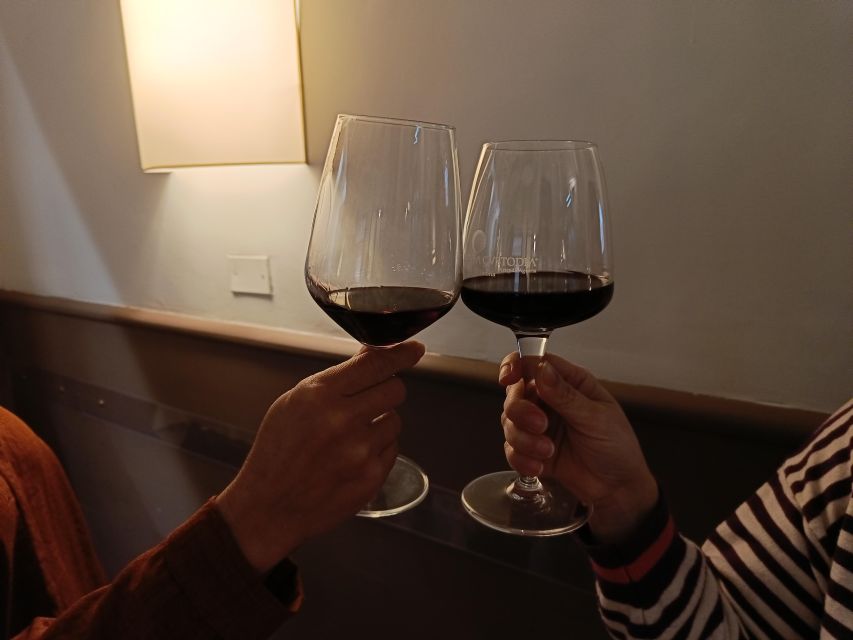
The wine is a modest but welcome inclusion. It helps turn the lesson into lunch or an early meal rather than a cooking demonstration that ends abruptly. If you do not drink alcohol, the supplied information does not state that an alternative beverage is included, so check before booking if that matters to you.
What the guides add to the class
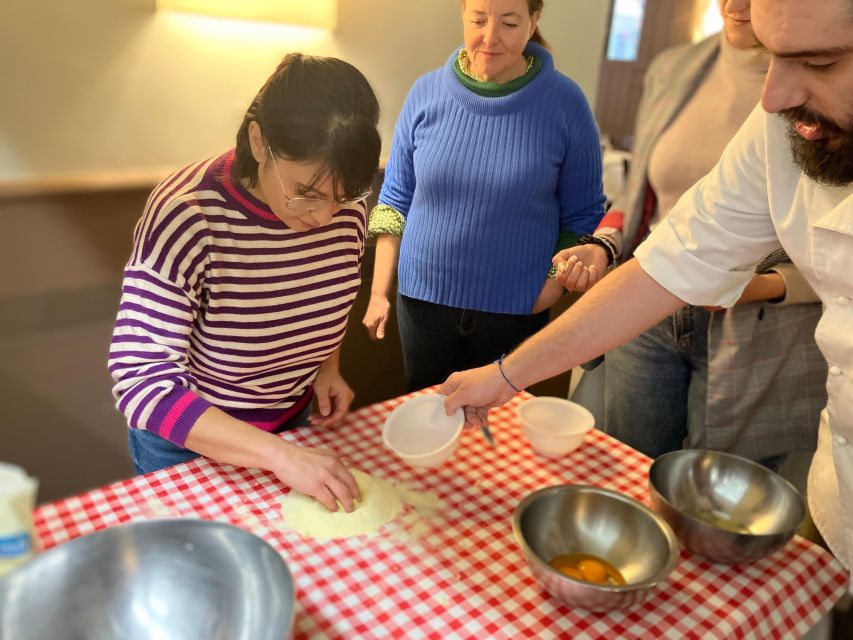
The guide can shape this experience as much as the food. The most praised instructors have been warm, funny, patient, and willing to talk about Rome and Italian food beyond the written recipe.
Kristian has been described as kind, humorous, and helpful, with several sessions receiving praise for his easygoing style. Christian was also appreciated for jokes, food advice, and tips for the rest of a Rome visit. Elizabetha has been praised for combining pasta instruction with facts about Rome and Italian culture.
Luca has received credit for sharing personal stories and explaining the cooking in a clear way. Jamila was praised for helping beginners feel comfortable, while Francesca was described as both informative and entertaining. Names and instructors can vary, so you should not book expecting one particular person unless the provider confirms it.
The practical benefit is clear: a good guide can correct your technique before a small mistake becomes a ruined dough. Just as useful, the guide may offer ideas about what to eat elsewhere in Rome. One past participant specifically wished they had booked the class near the start of the trip so they could use the food recommendations during the rest of their stay.
I agree with that timing. A cooking class near the beginning of your visit can help you understand Roman dishes before you order them in restaurants. A morning class also leaves the rest of the day free.
More Tiramisu and Dessert Classes in Rome
- Rome: 3-in-1 Fettuccine, Ravioli, and Tiramisu Cooking Class
★ 4.9 · 2,704 reviews - Fettuccine & Tiramisù: Cooking Class with Wine & Limoncello
★ 4.9 · 2,103 reviews - Rome: Pasta & Tiramisu Cooking Class near the Spanish Steps
★ 4.8 · 1,395 reviews - Cooking Class in the Heart of Rome: Pizza and Tiramisu Making
★ 5.0 · 1,330 reviews
Is $64 a fair price?
At $64 per person, the price is reasonable for a 2.5-hour activity that includes instruction, ingredients, equipment, a meal, tiramisu, and a glass of wine. You are paying for more than lunch, but you are also getting more than a short demonstration.
The value is strongest if you care about learning. You receive recipes and techniques that can be used again, and the class gives you a practical introduction to fresh pasta without buying equipment or ingredients yourself. The social setting and restaurant meal add to the appeal.
The value is weaker if your main goal is simply to eat the best cacio e pepe in Rome. This is not a regular restaurant meal. Your pasta will be made by beginners, and the kitchen finishes the cooking and seasoning. You are paying for participation, instruction, and the memory of making the meal.
For a couple, family, or group of friends, the cost can make sense as a shared activity. It can also suit a solo visitor who wants a structured meal and an easy way to meet other people. I would compare it with the cost of a standard guided food activity in Rome, then ask yourself if you want to learn a recipe or only sample one.
Timing, meeting point, and accessibility
The class lasts 2.5 hours and is offered at different starting times, depending on availability. The 10:30 a.m. session is a smart pick if you want to eat the finished pasta around lunchtime. It also avoids placing a heavy meal too late in the day.
You meet in front of Osteria San Giorgio. Hotel pickup and drop-off are not included, so plan your own route to the restaurant and allow time to find the exact meeting point. The activity takes place at the osteria wine bar, which gives the lesson a more social setting than a formal cooking school.
Instruction is in English. The activity is listed as wheelchair accessible, but the available information does not explain the precise layout or restroom arrangements. If you use a wheelchair, it is sensible to confirm any specific access needs before paying.
The activity is not suitable for people with visual impairment, gluten intolerance, lactose intolerance, or a vegan diet. Those limits affect the core ingredients, not just an optional side dish. If you have an allergy or serious intolerance, do not assume substitutions are available.
Who will enjoy this most
I would choose this class if you want a first step into Roman cooking and like the idea of eating the results. You do not need advanced skills. The repeated praise for patient guides and beginner-friendly teaching makes it a sensible option for cooks who have never kneaded fresh pasta.
It also works well as a birthday activity, a couple’s outing, or a small group event. One birthday booking received especially warm feedback because the class felt personal and the restaurant staff were welcoming.
Solo visitors should not feel out of place. A previous solo participant found the mix of couples and groups comfortable and never felt isolated. The shared meal gives you an easy point of connection, while the instructor keeps the class moving.
I would be more cautious if you want a highly technical lesson, a professional kitchen tour, or complete control over the pasta’s cooking and sauce. The class is relaxed and social rather than an intensive chef-training session.
Small details that make the experience useful
Bring an appetite, but do not arrive expecting the class to function like a long evening dinner. At 2.5 hours, the pace is focused. You will spend time making the dough, shaping the pasta, preparing tiramisu, and eating the finished food.
Wear something comfortable enough for hands-on work. The provided information does not specify an apron or clothing requirements, so avoid bringing anything you would worry about around flour, coffee, or creamy ingredients.
Pay attention to the shaping technique. The most useful part to remember at home is not only the ingredient list. It is how the dough feels, how thin to roll it, and how to cut the strands. Those are the details a written recipe cannot fully explain.
Ask questions during the lesson. The guides have been praised for giving Rome recommendations and explaining Italian food and culture. You may get more from the class if you treat it as a conversation rather than rushing through each step.
The booking terms are fairly flexible: you can cancel up to 24 hours before the activity for a full refund, and a reserve-now, pay-later option is available. Check the current start times and availability when booking, since those can change.
Should you book this Rome cooking class?
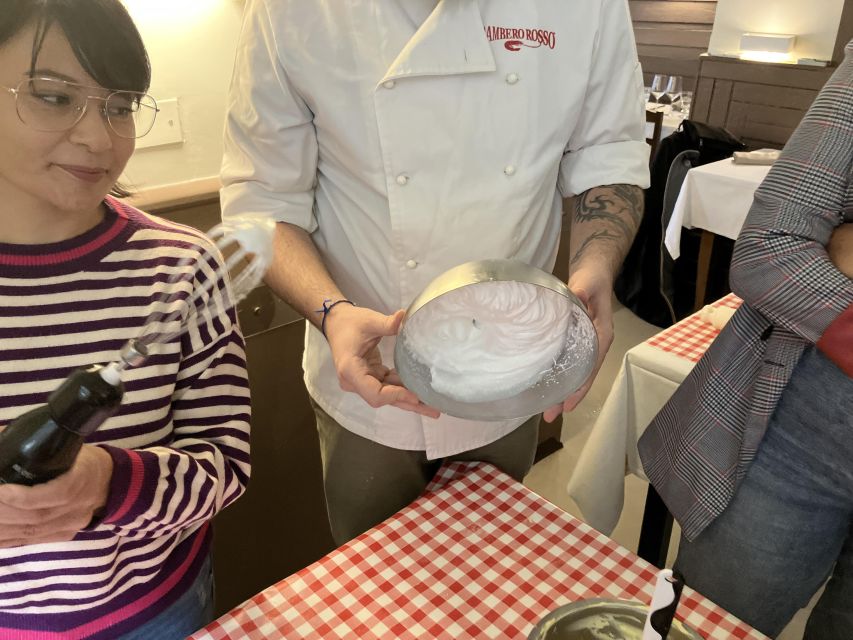
I would book it if you want a friendly, practical food activity with a clear result. Making tonnarelli and tiramisu gives you two recipes, the included meal makes the price easier to justify, and the English-speaking guides add local food advice without turning the class into a lecture.
Choose the morning slot if you want pasta for lunch and useful restaurant tips for the rest of your visit. Choose another activity if you need vegan, gluten-free, or lactose-free food, or if entering the professional kitchen is important to you.
For most beginners who enjoy eating as much as cooking, this is a strong Rome choice. You leave with a full meal, a glass of wine, recipes to try at home, and a better understanding of why simple Roman food can be harder, and more satisfying, than it first appears.
FAQ
Where does the Rome cooking class meet?
You meet in front of Osteria San Giorgio in Rome, in the Lazio region of Italy.
How long does the cooking class last?
The activity lasts 2.5 hours.
What will I make during the class?
You will make handmade tonnarelli pasta and tiramisu from scratch. The pasta is associated with the Roman dish cacio e pepe.
Is food and wine included?
Yes. The cooking class includes the meal you prepare, a sauce prepared for you, and one glass of wine.
Is the class taught in English?
Yes. The instructor teaches in English.
Can I join if I am vegan or cannot eat gluten or lactose?
No. The activity is not suitable for vegans or people with gluten intolerance or lactose intolerance. Vegan, gluten-free, and lactose-free options are not offered.
New cooking classes around Rome
- ROME:Hands-On Lasagna & Marsala Tiramisu Cooking Experience”★ 5.0 · 3 reviews
- Rome: Vatican Food Tours, Cooking classes & Free Tours★ 4.9 · 11 reviews
- Rome: Traditional Pasta, Spritz & Tiramisu Cooking Class★ 4.9 · 279 reviews
- Rome: Trastevere Pasta Making Class★ 4.9 · 33 reviews
- Rome: Traditional Pasta and Tiramisu Cooking Class★ 5.0 · 4 reviews
- Rome: Small Group Pasta cooking class near Piazza Navona★ 4.9 · 8 reviews
- Rome: Traditional Cooking Class in the Jewish Ghetto★ 4.9 · 75 reviews
- Rome: “Rooftop Pasta and Cocktails Cooking Class”★ 5.0 · 12 reviews
Rome Cooking Classes, side by side.

3 in 1 Cooking Class near Navona: Fettuccine, Ravioli & Tiramisu
Read our review →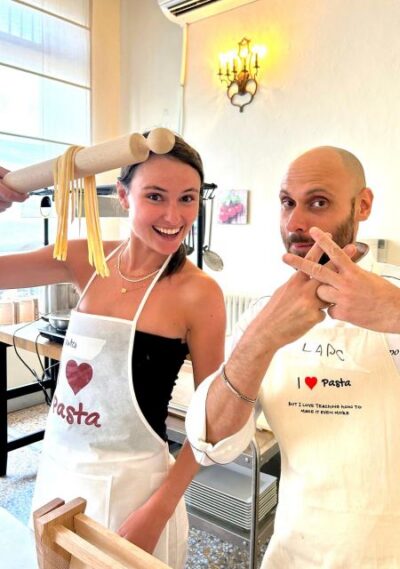
Rome: Pasta Making Class with Wine, Limoncello, and Dessert
Read our review →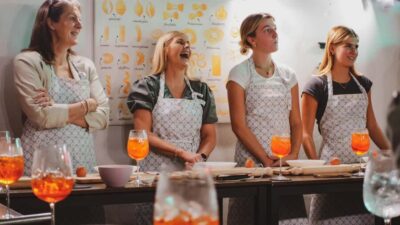
Rome Cooking Class: Make Pasta and 3 Spritz Cocktails
Read our review →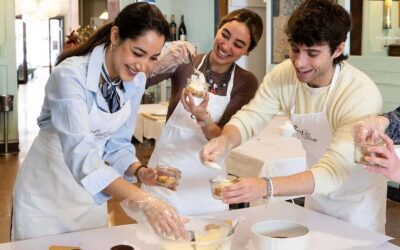
Rome: 3-in-1 Fettuccine, Ravioli, and Tiramisu Cooking Class
Read our review →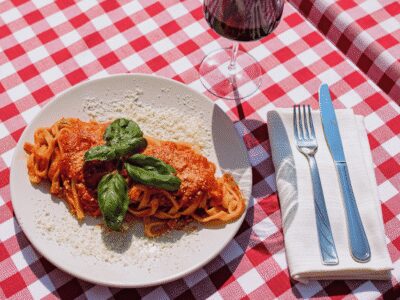
Rome: Fettuccine Pasta Cooking Class in Rome’s City Center
Read our review →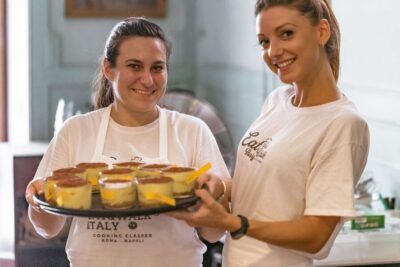
Fettuccine & Tiramisù: Cooking Class with Wine & Limoncello
Read our review →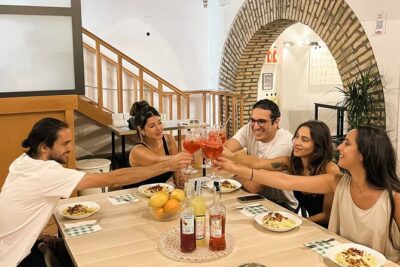
Pasta Cooking Class Near the Colosseum with 3 Spritz Cocktails
Read our review →