Review · ROME
Rome & Milan: Cooking class & wine pairing at Come Na Vorta
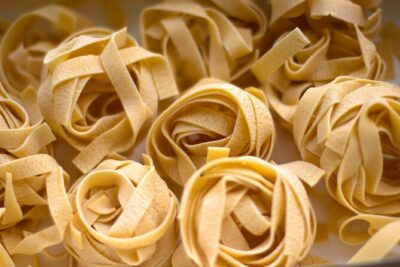
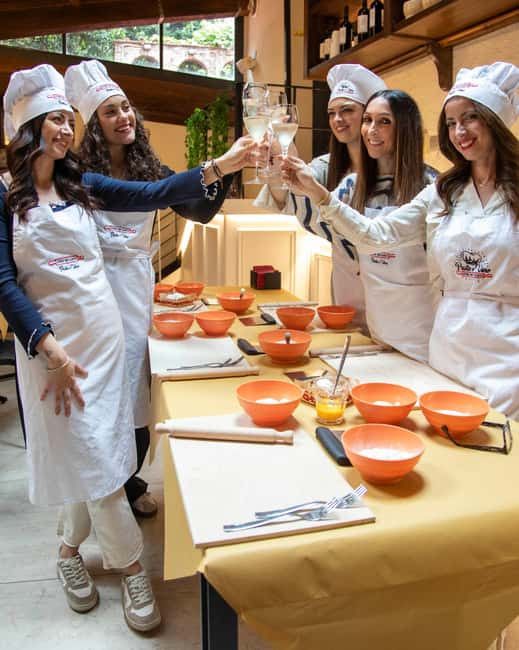
The best part of this class is that you learn more than a recipe. The hosts show you how to judge a good pasta dough, shape fresh fettuccine and gnocchi, and spot the small signs that tell you when the food is ready. I especially like the three-generation family tradition and the fact that you eat two pasta dishes and tiramisù after making them. The steady stream of prosecco and bruschette keeps the lesson social rather than stiff.
I also like the choice of wine packages, from one glass of local wine to two prestigious pours such as Brunello di Montalcino or Amarone della Valpolicella. The main consideration is that the class takes place in a working family restaurant, so the setting may feel more lively and less like a quiet cooking school. Also check the exact meeting point, since it depends on the city and booking option.
Key points to know before booking
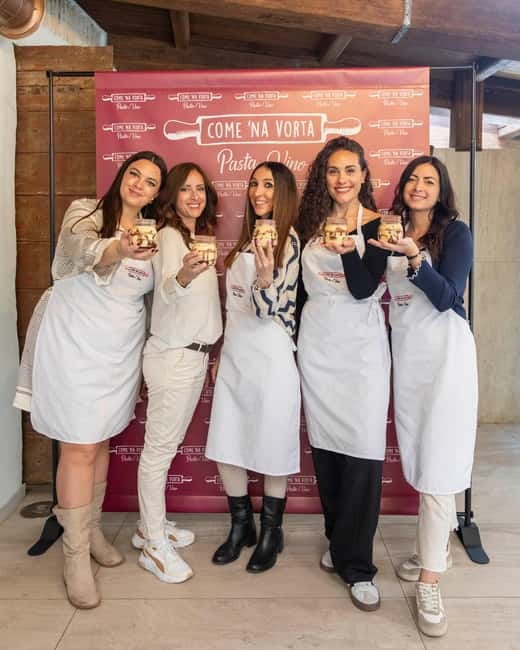
- Make three Italian classics: Prepare fresh fettuccine, pillowy gnocchi, and homemade tiramisù during a roughly three-hour class.
- Learn practical kitchen skills: The focus includes dough texture, pasta shapes, ingredient quality, and knowing when gnocchi are properly cooked.
- Eat what you make: Each person receives two pasta dishes with a choice of traditional Roman sauces, plus one tiramisù.
- Prosecco and bruschette are included: Small bites and sparkling wine are served while you work.
- Pick your wine level: Bronze includes one glass, Silver includes two traditional wines, and Gold includes two prestigious Italian wines.
- Choose Rome or Milan: Classes take place in family restaurants in Trastevere or the Navigli area.
A family restaurant lesson, not a staged cooking show
Come Na Vorta builds its class around food passed down through three generations. That gives the lesson a useful focus. Instead of simply handing you a printed recipe, the host explains how the family makes its dough, why certain ingredients matter, and what to look for with your hands and eyes.
I like this approach because pasta making is full of small judgments. A recipe can tell you how much flour to add, but it cannot always tell you when the dough feels right. The host helps you notice texture and consistency, which is the part you can carry home and use again.
The class also includes stories about the family and its restaurants. This adds some local character without turning the event into a formal history lesson. You are there to cook, eat, and ask questions, but the personal stories help connect the meal to the people serving it.
The class is offered in English, Italian, or Spanish. If people from several countries are booked together, it is automatically held in English. Arabic, French, and Romanian sessions may be possible by contacting the provider directly, but they are not listed among the standard class languages.
More Cooking Classes with Wine Tasting in Italy
- Rome: Pasta Making Class with Wine, Limoncello, and Dessert
★ 4.9 · 3,177 reviews - Fettuccine & Tiramisù: Cooking Class with Wine & Limoncello
★ 4.9 · 2,103 reviews - Pasta Making & Wine Tasting with Dinner in Frascati from Rome
★ 5.0 · 1,326 reviews
What happens during the three-hour class
The schedule allows about two hours for preparation and the rest for eating. The exact rhythm may vary with the group, but the class begins with a glass of prosecco and a welcome from the host.
You then receive an apron and a pasta maker hat to use during the lesson. These are simple touches, but they help set a relaxed tone, especially for families and groups who want a shared activity rather than a serious culinary exam.
Bruschette with extra virgin olive oil are served as you work. This matters because the class is long enough for you to get hungry, and the small snack gives you something to enjoy while the dough is being prepared. Water is also included.
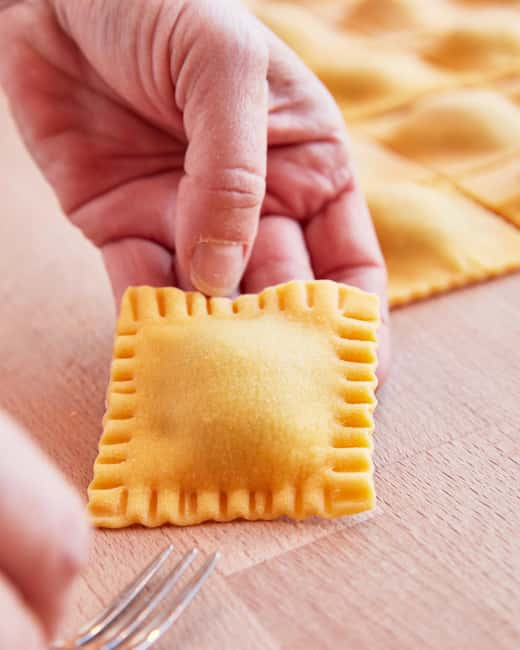
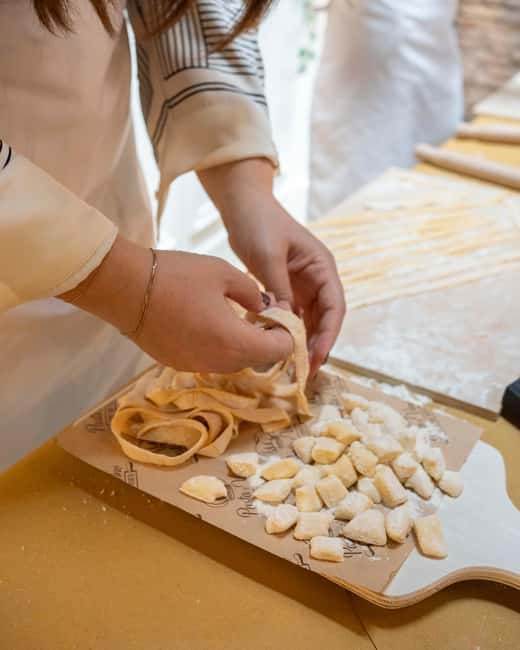
The host guides you through the dough, then shows you how to form different pasta shapes. Fettuccine gives you practice with rolling and cutting, while gnocchi require a different feel. You will learn when the dough is workable, how the shape should look, and when the gnocchi are ready to cook.
A particularly useful part of the lesson is learning how to recognize quality ingredients. That advice is more valuable than a list of brand names. When you make pasta at home, you may not have the same equipment or ingredients, but you can still apply the basic checks for dough, flour, sauces, and cooking time.
Fettuccine and gnocchi with Roman sauces
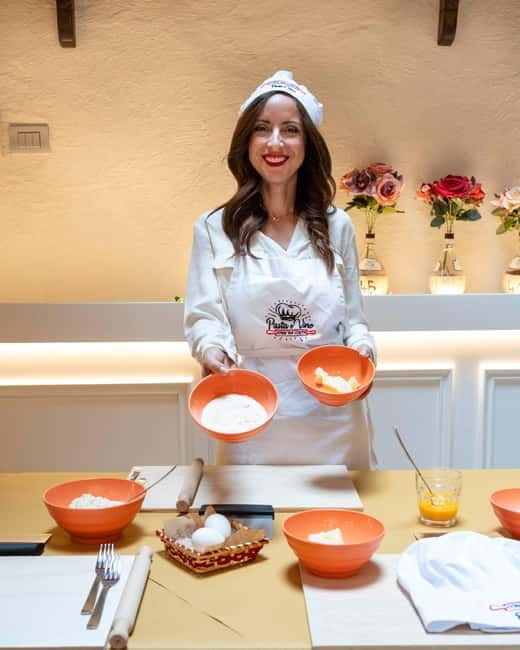
Once the pasta is prepared, the staff cooks it for the meal. Each person receives two pasta dishes, with sauces chosen from traditional Roman options. The supplied information does not specify the full sauce menu, so you should ask the host about the choices available on your date.
The two-course pasta format gives you a useful comparison. Fettuccine and gnocchi have different textures and behave differently with sauce. You get to see how a long, fresh noodle carries a sauce compared with a soft potato dumpling.
This is also where the lesson becomes a proper meal. You are not making a small sample and then leaving for dinner elsewhere. The pasta you prepare becomes the centerpiece of the meal, and your wine selection is served alongside it.
For readers who like to understand food rather than simply photograph it, this part is the class’s strongest practical feature. You learn the process, then taste the result while the details are still fresh in your mind.
Tiramisù comes with several family variations
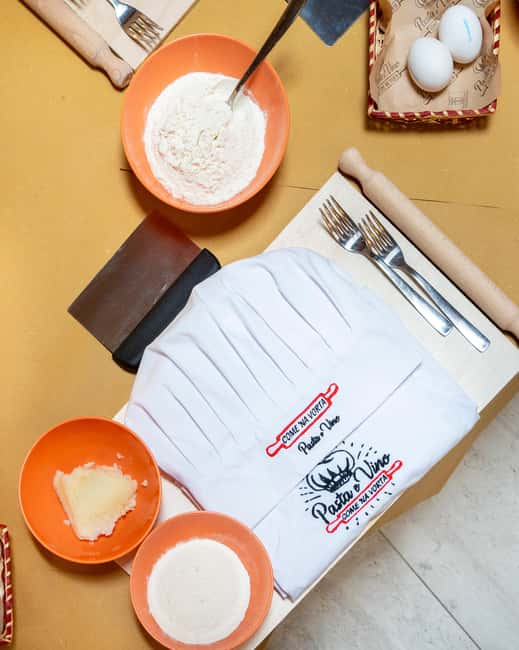
The dessert portion focuses on tiramisù. The hosts explain the variations used at Come Na Vorta, then serve one tiramisù to each person.
The supplied details do not list the individual variations, so do not expect a fixed menu of flavors in advance. The value is in seeing how one familiar Italian dessert can change while keeping its basic identity.
Tiramisù also provides a pleasant finish after the pasta work. It requires less hands-on effort than the dough, so the end of the class can feel more relaxed. You sit down, eat the meal, and finish with dessert rather than rushing straight back into sightseeing.
More Cooking Classes with Wine Tasting in Rome
- Rome Cooking Class: Make Pasta, Dine & Drink Wine With Local Chef
★ 5.0 · 1,263 reviews - Rome: Combo Pizza and Pasta Cooking Class with Wine
★ 4.6 · 1,180 reviews - Rome: Pasta Making with Wine Tasting and Dinner in Frascati
★ 4.9 · 979 reviews - Super Fun Pasta & Gelato Class by Vatican with Wine + Oil Tasting
★ 5.0 · 726 reviews
Wine choices from Bronze to Gold
The base price is listed at $77 per person, with three wine options. Bronze includes one glass of locally produced wine. Silver includes two glasses of traditional Italian wines such as Chianti and Chardonnay. Gold includes two glasses of prestigious wines such as Brunello di Montalcino and Amarone della Valpolicella.
Prosecco and water are included separately, along with the bruschette. The class description also says prosecco flows throughout the lesson, while wine is served with the meal according to your chosen package.
For most people, Bronze should be enough if the food and lesson are the main reason for booking. Silver makes sense if you want a fuller wine pairing without paying for the top tier. Gold is aimed at people who specifically want to sample higher-end Italian wines.
Check the wine selection at booking if a particular bottle matters to you. The examples are given as representative choices, not a guarantee that every named wine will be available at every session.
The price offers reasonable value because it includes instruction, equipment to use during the class, prosecco, bruschette, water, two pasta dishes, dessert, wine according to the package, a downloadable recipe booklet, and a certificate of participation. You are paying for a meal and a social activity, not only for a lesson.
Rome in Trastevere or Milan in the Navigli
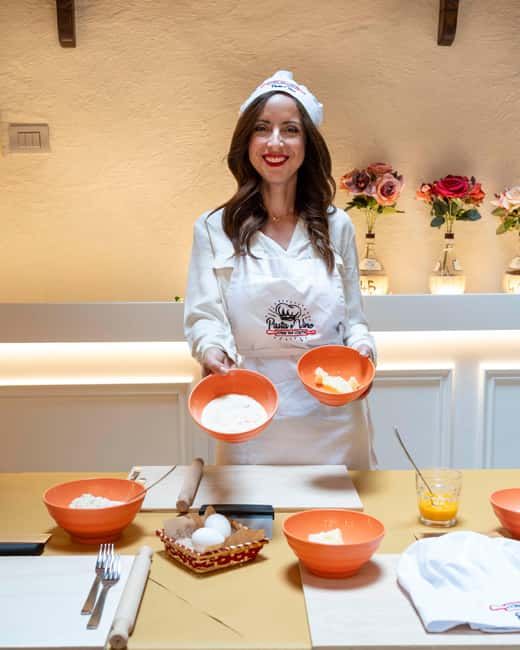
In Rome, the class is held at one of the family restaurants in the Trastevere district. Trastevere is a natural setting for a Roman food class, and the restaurant location means you can combine the activity with time in one of Rome’s best-known dining areas.
In Milan, the class takes place in the Navigli area, one of the city’s popular evening districts. This can work well if you are already planning to spend time near the canals and restaurants.
The meeting point can change depending on the option booked, so read the booking details carefully before setting out. Pickup and drop-off are not included. You need to make your own way to the selected restaurant.
Because the setting is a family-owned restaurant rather than a separate teaching kitchen, the atmosphere may feel informal and connected to the normal dining operation. That is a plus if you want a taste of everyday restaurant life. It may be less appealing if you want a quiet, highly controlled kitchen setting.
How the hosts shape the class
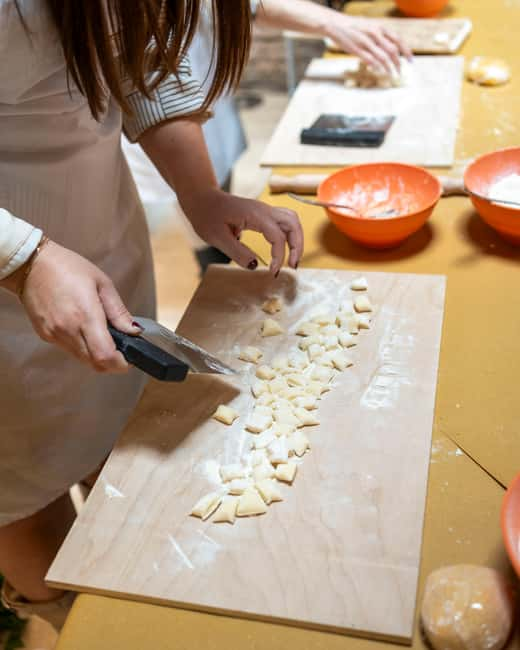
The host makes a real difference in a hands-on class. Lorenza receives especially strong praise for her patience, friendly manner, clear English, and ability to keep the lesson easygoing. She is described as focusing not only on recipes, but also on recognizing good dough and knowing when gnocchi are ready.
Alice is also named as a warm, professional host who creates a cheerful atmosphere in the Rome restaurant. Luciana is praised for keeping a family session well paced and engaging, and for offering suggestions about the rest of the trip.
Host assignments can change, so you should not book on the assumption that one particular person will lead your session. Still, these details suggest that the class places real weight on personal guidance and conversation.
The mood is social. One small group of four made pasta together, met two other people in the class, and later continued through Trastevere as a group. That will not happen every time, but it shows how easily the format can lead to new connections.
Who will get the most from this class
This is a good choice for couples who want a hands-on date rather than another restaurant meal. You have enough time to work together, share prosecco, and sit down to dinner afterward.
Families should also find the format useful. The activity is described as suitable for family groups, and one family found the pacing engaging. Children’s ages and participation rules are not specified, so check before booking if you are traveling with young children.
Solo visitors can fit in well because the class uses a small-group format when available. Cooking gives you an easy way to talk with other people without having to force conversation from the start.
Colleagues can use it for team building, especially if the group wants something more relaxed than a formal meeting. The shared meal gives the activity a natural ending.
Food enthusiasts will appreciate the technical parts, especially the discussion of dough quality, pasta shapes, and gnocchi cooking. If you already make pasta often, the lesson may feel basic in places, but the family methods and Roman sauces can still add useful ideas.
What the class does not include
The activity does not include transportation. You are responsible for reaching the restaurant and returning afterward.
Extra food and drinks outside the designated menu are not included. The advertised meal covers bruschette, prosecco, water, two pasta dishes, one tiramisù, and the wine included in your selected package.
The description promises a small group option, but it does not guarantee a private class or a fixed group size for every departure. If group size matters to you, confirm it before booking.
Wheelchair access is listed as available. Since the exact restaurant and meeting point vary, it is sensible to confirm the practical details for your chosen location when making the reservation.
Cancellation is flexible up to 24 hours before the activity for a full refund, and you can reserve without paying immediately. These terms are useful if your Rome or Milan plans are still shifting.
Should you book Come Na Vorta?
I would book this class if you want a meal that teaches you something and you like a friendly, informal setting. The strongest reasons are the family recipes, the chance to make both fettuccine and gnocchi, and the fact that you eat two pasta dishes rather than only tasting a small sample.
The $77 starting price is fair for a three-hour class with food, prosecco, wine according to the selected option, dessert, a recipe booklet, and personal instruction. Choose Bronze for the best value if wine is secondary. Move to Silver or Gold only if the pairing matters to you.
You may want to skip it if your schedule is tight, you dislike group activities, or you want a highly technical course with restaurant-level training. For most visitors, though, this is a pleasant way to turn a standard Italian meal into something you helped create, with enough practical advice to repeat the experience at home.
FAQ
Where does the cooking class take place?
In Rome, it takes place at a family-owned restaurant in the Trastevere district. In Milan, it takes place in the Navigli area. The exact meeting point depends on the option booked.
How long does the class last?
The activity lasts about three hours. Roughly two hours are used for preparation, followed by time to enjoy the meal.
What foods will I make?
You will make fresh fettuccine, gnocchi, and tiramisù. The class also covers different pasta shapes and how to recognize quality ingredients.
What will I eat during the meal?
Each person receives two pasta dishes with sauces of your choice, followed by one tiramisù. Bruschette with extra virgin olive oil are served during the class.
Is wine included?
Yes. Prosecco, water, and wine are included according to the package you select. Bronze includes one glass, Silver includes two glasses of traditional Italian wine, and Gold includes two glasses of prestigious Italian wine.
What languages are available?
The standard languages are English, Italian, and Spanish. If guests from several countries are booked together, the class is automatically held in English.
Are cooking equipment and materials provided?
Aprons and pasta maker hats are provided for use during the class. A downloadable recipe booklet is also included.
Is the class wheelchair accessible?
Yes, the activity is listed as wheelchair accessible. Since locations vary, confirm the details for your selected meeting point.
Can I cancel the booking?
You can cancel up to 24 hours in advance for a full refund. A reserve-now-and-pay-later option is also available.
New cooking classes around Rome
- ROME:Hands-On Lasagna & Marsala Tiramisu Cooking Experience”★ 5.0 · 3 reviews
- Rome: Vatican Food Tours, Cooking classes & Free Tours★ 4.9 · 11 reviews
- Rome: Trastevere Pasta Making Class★ 4.9 · 33 reviews
- Rome: Traditional Pasta, Spritz & Tiramisu Cooking Class★ 4.9 · 279 reviews
- Rome: Traditional Pasta and Tiramisu Cooking Class★ 5.0 · 4 reviews
- Rome: Small Group Pasta cooking class near Piazza Navona★ 4.9 · 8 reviews
- Rome: Traditional Cooking Class in the Jewish Ghetto★ 4.9 · 75 reviews
- Rome: “Rooftop Pasta and Cocktails Cooking Class”★ 5.0 · 12 reviews
Rome Cooking Classes, side by side.
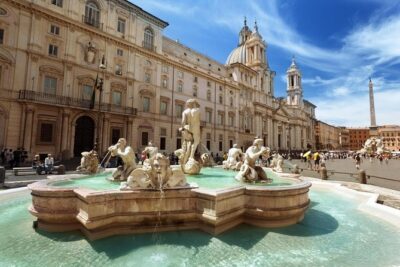
3 in 1 Cooking Class near Navona: Fettuccine, Ravioli & Tiramisu
Read our review →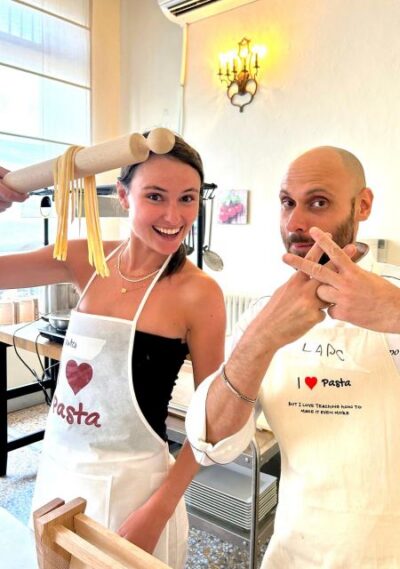
Rome: Pasta Making Class with Wine, Limoncello, and Dessert
Read our review →
Rome Cooking Class: Make Pasta and 3 Spritz Cocktails
Read our review →
Rome: 3-in-1 Fettuccine, Ravioli, and Tiramisu Cooking Class
Read our review →
Rome: Fettuccine Pasta Cooking Class in Rome’s City Center
Read our review →
Fettuccine & Tiramisù: Cooking Class with Wine & Limoncello
Read our review →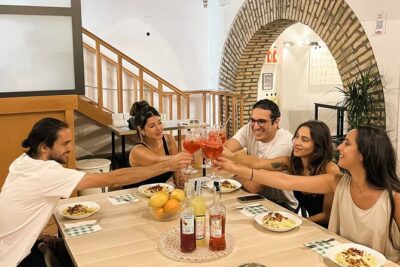
Pasta Cooking Class Near the Colosseum with 3 Spritz Cocktails
Read our review →