
Review · ROME
Rome Cooking Class: Make Pasta and 3 Spritz Cocktails
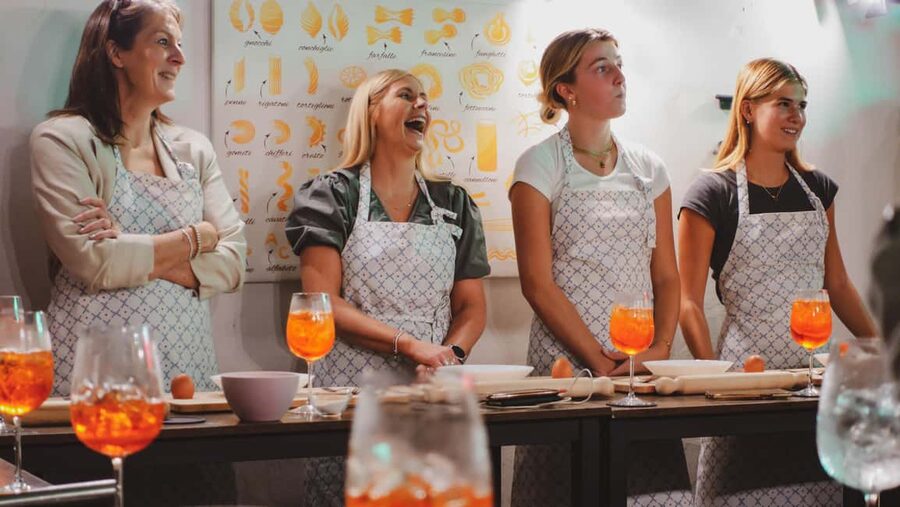
Rome’s best cooking classes do not need a grand kitchen or a long list of dishes. This one keeps things focused: you make pasta by hand, mix three classic spritzes, then sit down to eat what you prepared. The setting near the Colosseum makes it an easy break from sightseeing.
I like the relaxed social format and the practical recipes, especially carbonara and cacio e pepe, two Roman staples you can try again at home. I also like the small group size, with no more than 14 people, and the steady supply of drinks. The main catch is dietary: the menu contains gluten and dairy, so this is not suitable for vegans or anyone with gluten or lactose intolerance.
Key Points to Know Before Booking
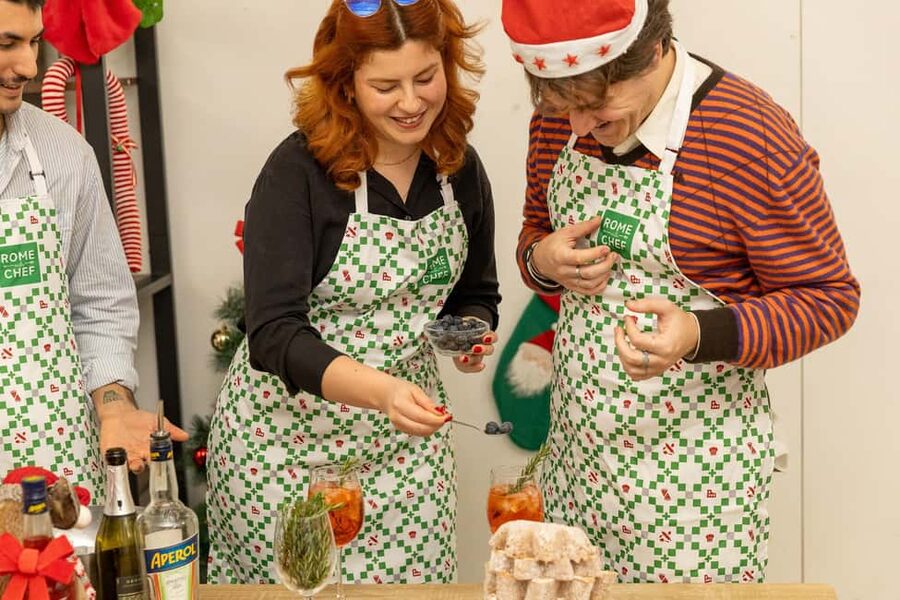
- Three spritz styles: Mix Aperol, Hugo, and limoncello spritzes with guidance from a dedicated mixologist.
- Roman pasta from scratch: Knead, cut, boil, and finish fresh pasta with carbonara or cacio e pepe.
- Small English-speaking class: Groups are limited to 14 people, with private bookings available.
- A social pause near the Colosseum: The class gives you a seat, a meal, and a chance to meet people between major sights.
- Recipes go home with you: You can recreate both the pasta and drinks after your Rome trip.
- Important food restriction: Vegetarian options are available, but gluten-free, vegan, and dairy-free meals are not.
What This Rome Cooking Class Actually Offers
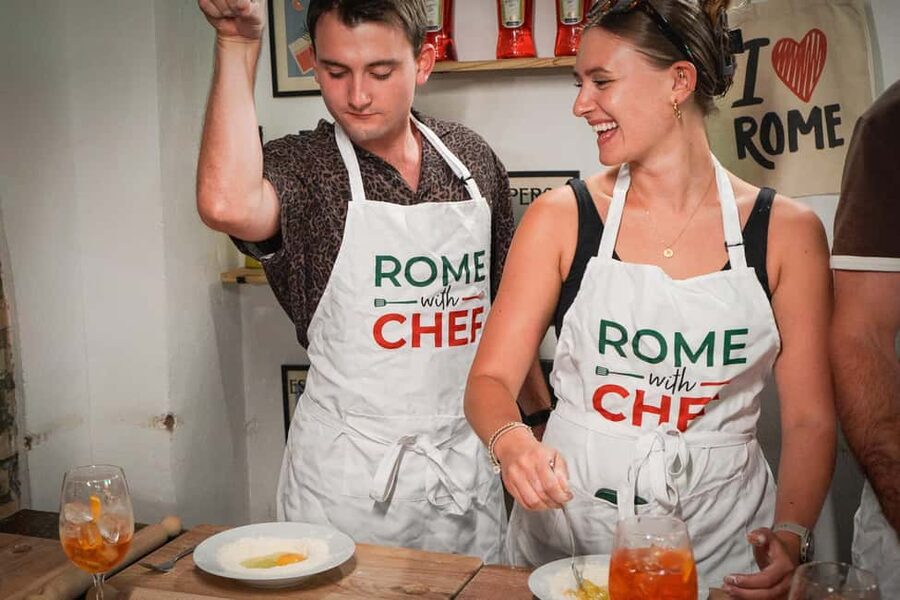
This is a three-hour pasta and cocktail workshop in Lazio, held close to the Colosseum. The idea is simple and appealing: learn a few Roman food basics while enjoying the Italian aperitivo tradition.
You are not just watching a chef cook. You take part in the main jobs, including preparing pasta dough, shaping the pasta, cooking it, and combining it with sauce. At the same time, a mixologist teaches you how to prepare three spritzes: Aperol, Hugo, and limoncello.
That combination gives the class its character. A standard cooking lesson can feel serious and technical. This one is designed to be social and lighthearted, with drinks served during the process. You will likely spend as much time chatting with the people at your table as you do concentrating on dough.
The food is not an elaborate restaurant menu. That is a strength if you want to learn something useful. Carbonara and cacio e pepe rely on a small number of ingredients, but technique matters. You get a clear introduction to two dishes that are closely linked with Rome and easy to recognize on menus across the city.
More Pasta Making Classes in Rome
- 3 in 1 Cooking Class near Navona: Fettuccine, Ravioli & Tiramisu
★ 5.0 · 7,376 reviews - Rome: Pasta Making Class with Wine, Limoncello, and Dessert
★ 4.9 · 3,177 reviews - Rome: 3-in-1 Fettuccine, Ravioli, and Tiramisu Cooking Class
★ 4.9 · 2,704 reviews
Starting Near the Colosseum
The meeting point is at Via Cesare Balbo 19, around the corner from the Hotel 77 entrance. Look for the Rome with Chef sign, and arrive 10 minutes early.
That extra time matters. Late arrivals cannot join the class and will not receive a refund, so do not plan to arrive at the last possible minute after a Colosseum visit. The meeting point can shift slightly, but the alternate locations are within about a five-minute walk and advance notice is provided.
The location works well in a Rome itinerary. You can schedule the class around the Colosseum, Roman Forum, or Monti area without spending time crossing the city. Still, allow enough time for Rome’s traffic, crowded pavements, and confusing side streets. A map app is useful, especially if you are coming from another attraction.
The venue itself is best understood as a practical cooking classroom rather than a historic Roman dining room. The value comes from the hands-on lesson, the instructors, and the meal you make, not from elaborate surroundings.
Mixing Aperol, Hugo, and Limoncello Spritzes
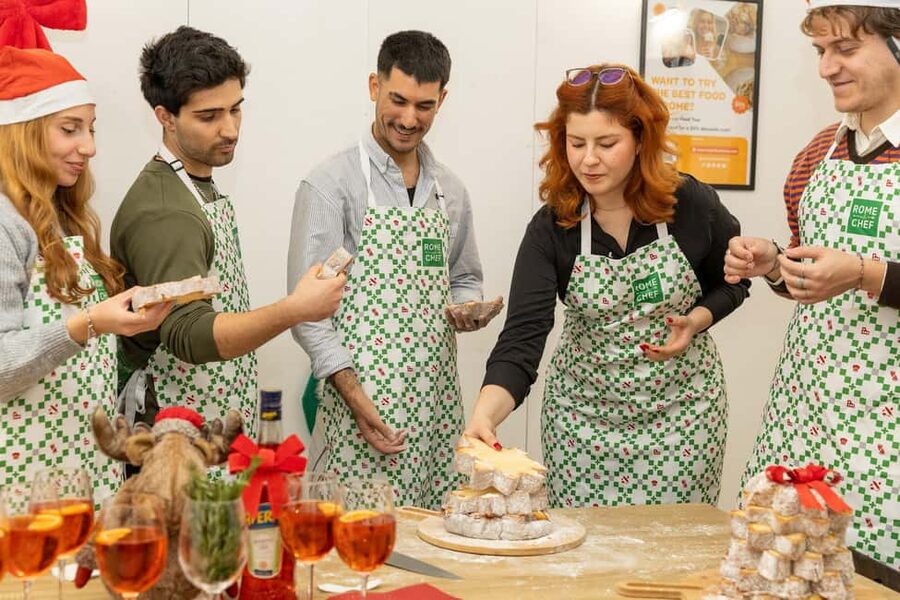
The cocktail portion covers three familiar Italian drinks:
- Aperol spritz
- Hugo spritz
- Limoncello spritz
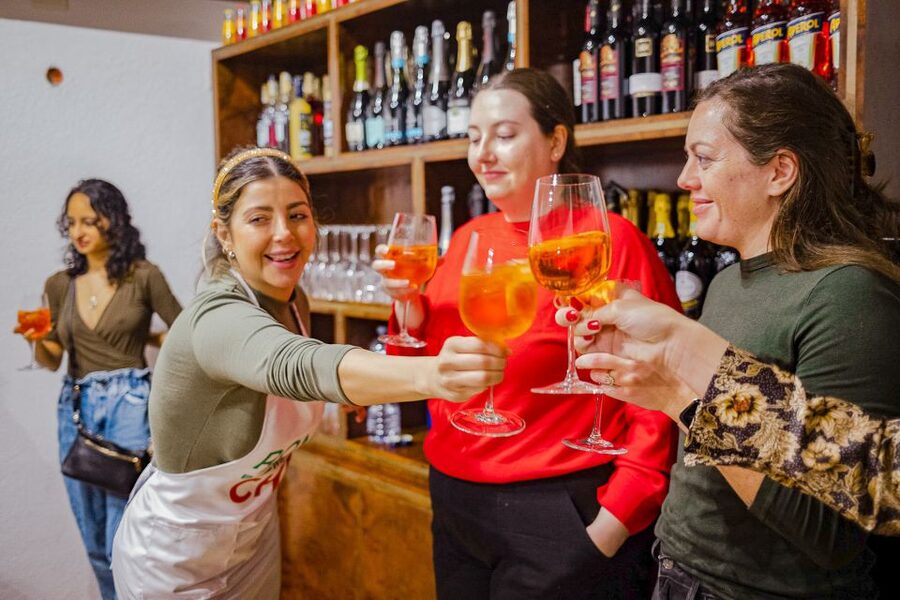
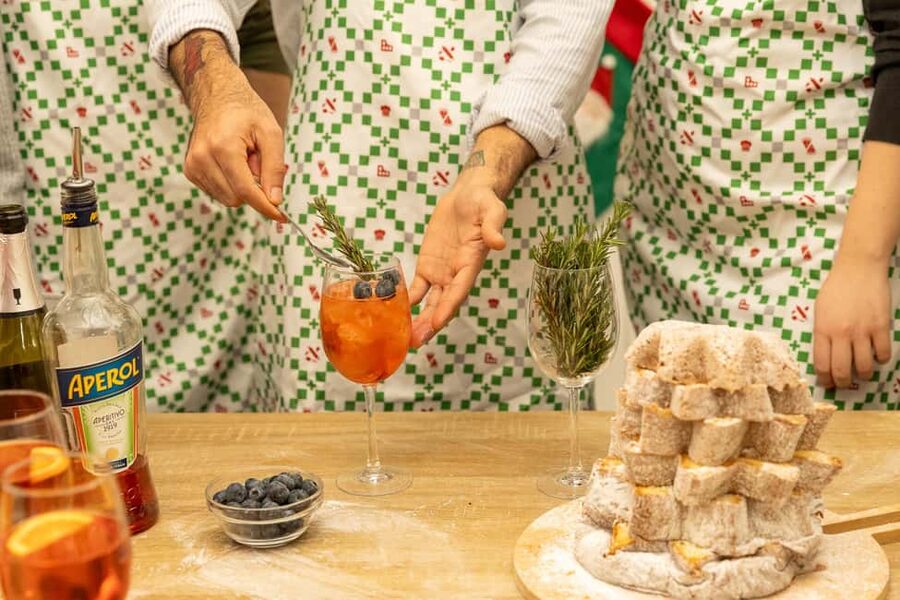
You receive one of each as part of the class. The mixologist guides you through the preparation, so you get more than a drink placed in front of you. You learn the basic approach behind Italy’s sparkling aperitivo drinks and can take those ideas home.
The Aperol version will be the most familiar choice for many people, with its orange color and bittersweet profile. The Hugo brings a different direction, while the limoncello spritz leans toward a bright lemon flavor. Having three styles in one class helps you compare them rather than treating a spritz as a single fixed recipe.
The drinks also set the pace of the class. You begin with a cocktail, continue cooking with another, and enjoy the final drink with the meal. That is fun, but you should keep track of your own pace. Three cocktails over a few hours can affect people differently, especially if you have a full day of walking behind you.
Unlimited water and soft drinks are included. Use them. This is a small practical detail, but it makes the experience more comfortable and helps you enjoy the class without treating the cocktails as a race.
Making Fresh Pasta by Hand
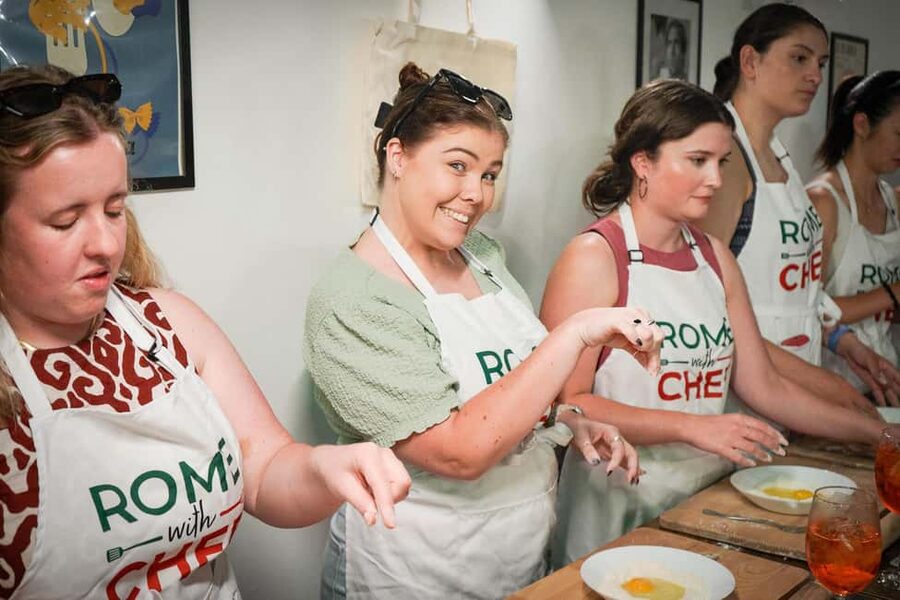
The pasta section is the heart of the activity. You work with fresh ingredients and follow the chef’s demonstration before trying the steps yourself.
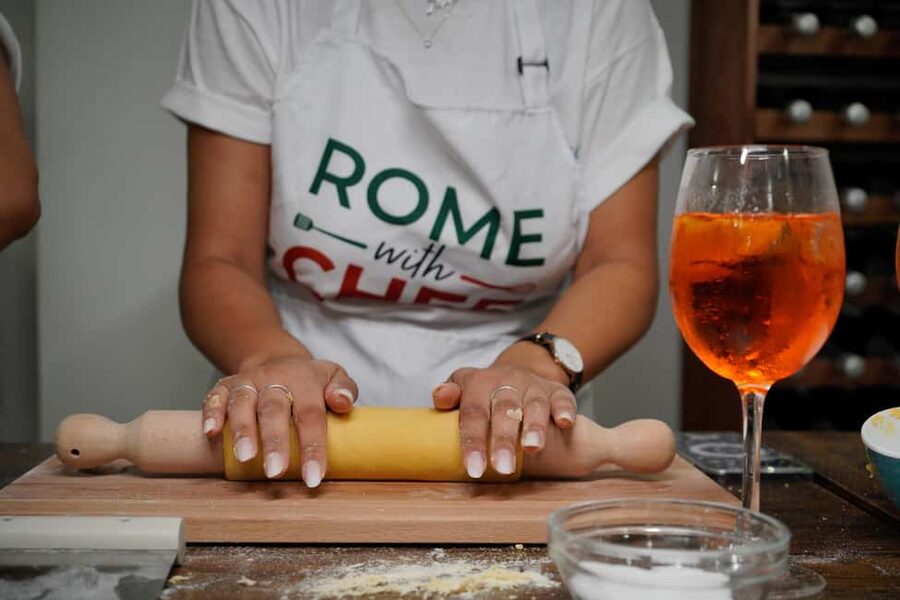
Expect to knead the dough, cut the pasta, and boil it. The process is hands-on but approachable, even if you have never made pasta before. The class uses visual demonstrations, which some people may find easier than following a written recipe while working at the table.
You should not expect a long masterclass in regional pasta shapes. The aim is a practical introduction that lets you make a meal during the session. That makes it a good choice if you want a memorable activity rather than a technical culinary course.
The class has been especially praised for making pasta feel less intimidating. After seeing the process, you may realize that the basic dough is much more manageable than expected. The recipes provided at the end give you a way to practice at home, which adds real value beyond the meal you eat in Rome.
The final pasta is served with one of two Roman sauces. Depending on the class setup, you choose between carbonara and cacio e pepe. Both are famous, both are satisfying, and both reward careful preparation.
Same kitchen, a different dish:
- Rome: Fettuccine Pasta Cooking Class in Rome’s City Center
★ 4.8 · 2,414 reviews - Fettuccine & Tiramisù: Cooking Class with Wine & Limoncello
★ 4.9 · 2,103 reviews - Pasta Cooking Class Near the Colosseum with 3 Spritz Cocktails
★ 5.0 · 1,686 reviews - Enjoy Spritz and Pasta Making in Piazza Navona
★ 5.0 · 1,681 reviews
Choosing Carbonara or Cacio e Pepe
Carbonara is the richer option, built around the familiar combination of pasta, egg, cheese, and cured pork. Cacio e pepe is more stripped back, centered on cheese and black pepper. The choice lets you pick a style that suits your taste, though the ingredients mean neither is a light or dairy-free dish.
There is a useful lesson here for anyone who orders these dishes in Rome. The sauces appear simple, but the final texture depends on timing and technique. You get to see how pasta water, heat, and cheese work together rather than simply receiving a finished plate in a restaurant.
The class may prepare both sauces during the session, and some participants have enjoyed tasting more than one pasta preparation. Exact serving details can vary, so think of the menu as a choice between the two Roman classics rather than a guaranteed tasting menu.
Vegetarian options are available, but the supplied information does not promise vegan, gluten-free, or dairy-free substitutions. If you have another allergy or restriction, contact the organizers in advance. They may be able to help, but it is not guaranteed.
Eating What You Prepared
The final meal is straightforward and satisfying: sit down with your handmade pasta, the sauce you selected, and your last spritz.
This shared meal is where the social side pays off. You may arrive as a couple or small group, then spend the class working beside people from other countries. The format encourages conversation, and the cooking gives everyone an easy subject to talk about.
Several instructors are associated with the experience, including Sunny, Angela, Shivi, Gio, Giovanna, Kelly, and others. The exact chef team can vary by date. The strongest part of the teaching style is the friendly, active guidance. You should expect help at the table rather than a distant demonstration from across the room.
The class is often described as relaxed and energetic. Singing, dancing, laughter, and plenty of conversation can be part of the mood. That will appeal to you if you want a lively evening. If you prefer quiet instruction and careful culinary study, this may feel more like a party with cooking than a formal chef school.
What the Three-Hour Schedule Feels Like
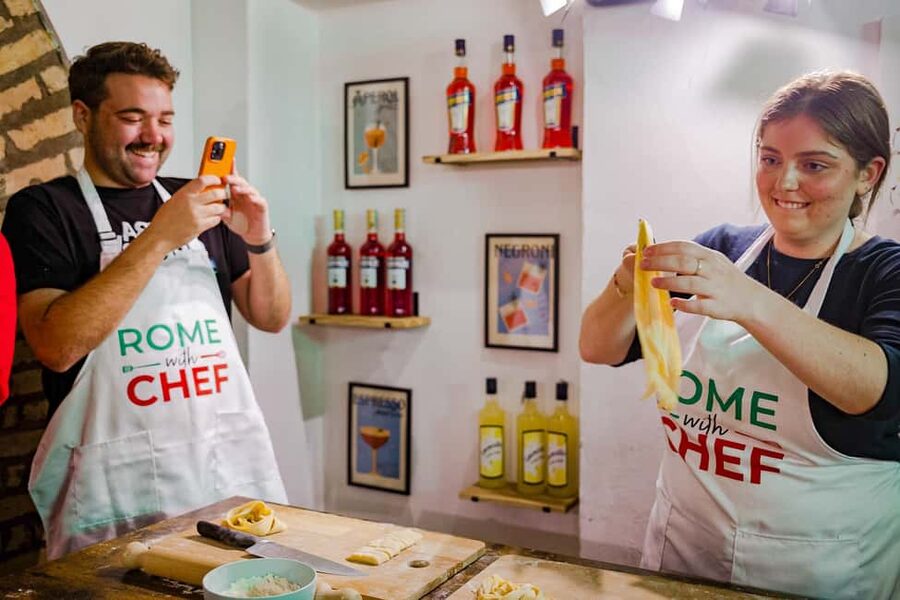
The advertised duration is three hours, though one participant described a session lasting closer to two. Plan your day around the full three-hour window, since the pace can depend on the group and the format on your date.
A typical flow looks like this:
- Meet the chef and mixologist near the Colosseum.
- Prepare the first spritz and get an introduction to the class.
- Learn the basic pasta-making steps through demonstration.
- Knead and shape your dough.
- Prepare and cook the pasta.
- Learn about the sauces and finish the dish.
- Enjoy additional spritzes, the meal, and recipes to take home.
The timing suits an afternoon or evening plan. You will probably leave full, so avoid booking an expensive dinner immediately afterward. The activity is also a pleasant change after a morning of standing in museums and archaeological sites.
The drinks make the class feel shorter, but they also mean this is not the right choice before a demanding tour, a long train journey, or a major reservation that requires you to be sharply on time. Give yourself a calm evening or afternoon afterward.
Group Size, Teaching, and Atmosphere
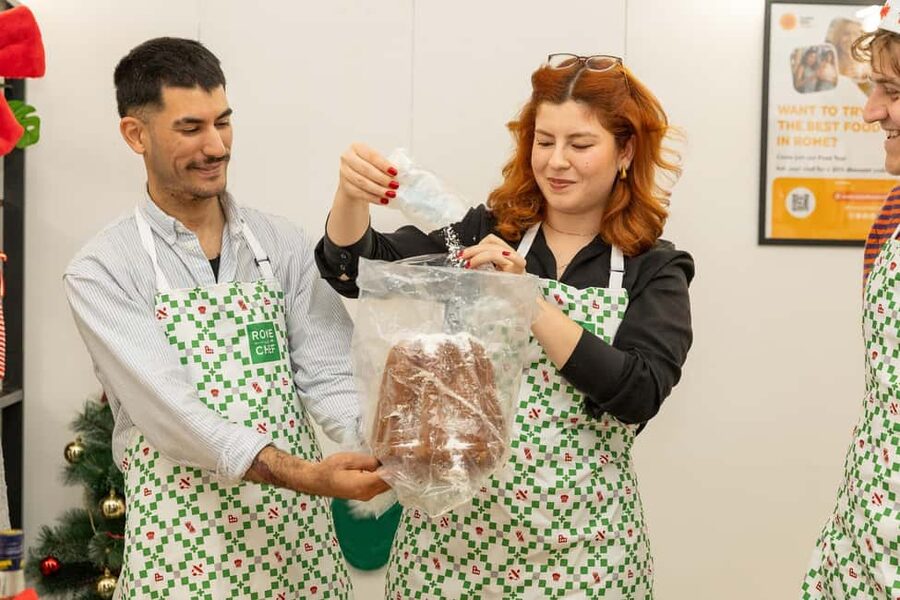
The class accepts no more than 14 people. That is large enough for a social atmosphere but small enough for the chef to move around and offer help.
Group size matters in a hands-on lesson. You need room to work with dough, access to ingredients, and a chance to see the demonstration. A group of 14 is not private, but it is more manageable than a large food tour where you spend most of the time watching.
Private groups are available if you want more control over the mood and schedule. The supplied details do not state the private-group price, so check that before booking. For most couples and small groups, the regular class should provide the social energy that makes the evening enjoyable.
Instruction is in English. The chefs and hosts use demonstrations as well as spoken directions, which helps when you are concentrating on kneading or mixing. Names such as Sunny, Angela, Shivi, Gio, and Giovanna appear frequently among the class teams, but you should not book expecting one specific instructor unless the provider confirms it.
Is $99 a Fair Price?
At $99 per person, this is not the cheapest meal in Rome. You can eat pasta for much less, and you can order a spritz at a bar for a modest price.
The comparison changes when you count what is included. You receive a three-hour activity, three cocktails, fresh ingredients, a full pasta meal, instruction from a chef and mixologist, water and soft drinks, and recipes to take home. You also get a social experience in a central location, without needing to arrange transport between separate food stops.
I consider the price fair if you value participation. You are paying for the lesson and the atmosphere as much as the food. The value is weaker if your main goal is simply to eat excellent pasta, since a Roman trattoria may give you a more polished dish for less money.
The class is particularly good value for couples who want one shared activity during a city break. It also works well for friends who enjoy cocktails and do not want a formal restaurant meal. The private option may appeal to families or groups, but compare the added cost before deciding.
Who Should Book This Class
I would recommend it to you if you want to:
- Learn a pasta method you can repeat at home
- Try three Italian spritz styles in one sitting
- Meet other people during a Rome trip
- Take a break from archaeological sites and museums
- Enjoy a friendly, informal class rather than a strict culinary course
- Eat a filling meal in a central location
- Take home recipes for carbonara or cacio e pepe
It is less suitable if you need strict dietary control. The menu contains gluten and dairy, and the activity does not accommodate coeliac disease, gluten intolerance, lactose intolerance, or vegan diets. Infants are not suitable for the class, and children under two cannot attend. An infant who joins must remain on an adult’s lap because there is no separate seat or workspace.
You should also think about alcohol. Three spritzes are included, so this is not ideal for anyone avoiding alcohol or looking for a sober cooking lesson.
Booking Details That Matter
The experience costs $99 per person and lasts three hours. It is offered in English, and you can reserve now and pay later, which helps if your Rome schedule is still changing.
Cancellation is free up to 24 hours before the start time for a full refund. After that point, the late-arrival rule is strict, so build in extra time for reaching Via Cesare Balbo 19.
The location may change slightly, but the alternate meeting points are within a five-minute walk and advance notice is provided. Arrive 10 minutes early and look for the Rome with Chef sign near the Hotel 77 entrance.
Should You Book the Rome Pasta and Spritz Class?
Book it if you want a lively, hands-on evening that combines a meal, cocktails, and a useful skill. The strongest reasons are the small group, the three distinct spritzes, the Roman sauces, and the chance to make pasta yourself rather than simply eat it.
Skip it if you want a quiet professional cooking course, need gluten-free or dairy-free food, or do not drink alcohol. For everyone else, this is a well-focused way to spend three hours near the Colosseum. You leave fed, carrying recipes, and with a better sense of why Roman pasta looks simple but takes care at the stove.
FAQ
How long does the Rome pasta and spritz class last?
The advertised duration is three hours. Starting times vary, so check availability when booking.
Where is the meeting point?
Meet at Via Cesare Balbo 19, around the corner from the Hotel 77 entrance. Look for the Rome with Chef sign. The location can shift slightly, but any alternate meeting point is within about a five-minute walk.
How many spritzes are included?
You receive one Aperol spritz, one Hugo spritz, and one limoncello spritz. Unlimited water and soft drinks are also included.
Which pasta sauces can I choose from?
You can choose between carbonara and cacio e pepe. Handmade pasta and sauces are included in the activity.
Are vegetarian options available?
Yes, vegetarian options are available. The menu does contain gluten and dairy, and vegan, gluten-free, and dairy-free options are not available.
Is the class taught in English?
Yes. The class is conducted in English by a chef and mixologist.
Can I cancel the booking?
You can cancel up to 24 hours in advance for a full refund. Late arrivals cannot join the class or receive a refund.
New cooking classes around Rome
- ROME:Hands-On Lasagna & Marsala Tiramisu Cooking Experience”★ 5.0 · 3 reviews
- Rome: Vatican Food Tours, Cooking classes & Free Tours★ 4.9 · 11 reviews
- Rome: Traditional Pasta, Spritz & Tiramisu Cooking Class★ 4.9 · 279 reviews
- Rome: Trastevere Pasta Making Class★ 4.9 · 33 reviews
- Rome: Traditional Pasta and Tiramisu Cooking Class★ 5.0 · 4 reviews
- Rome: Small Group Pasta cooking class near Piazza Navona★ 4.9 · 8 reviews
- Rome: Traditional Cooking Class in the Jewish Ghetto★ 4.9 · 75 reviews
- Rome: “Rooftop Pasta and Cocktails Cooking Class”★ 5.0 · 12 reviews
Rome Cooking Classes, side by side.

3 in 1 Cooking Class near Navona: Fettuccine, Ravioli & Tiramisu
Read our review →
Rome: Pasta Making Class with Wine, Limoncello, and Dessert
Read our review →
Rome: 3-in-1 Fettuccine, Ravioli, and Tiramisu Cooking Class
Read our review →
Rome: Fettuccine Pasta Cooking Class in Rome’s City Center
Read our review →
Fettuccine & Tiramisù: Cooking Class with Wine & Limoncello
Read our review →
Pasta Cooking Class Near the Colosseum with 3 Spritz Cocktails
Read our review →
Enjoy Spritz and Pasta Making in Piazza Navona
Read our review →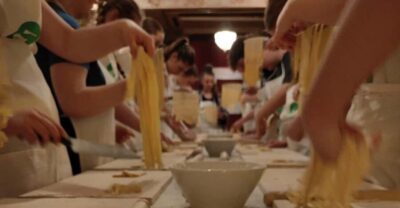
Rome: Pasta & Tiramisu Cooking Class near the Spanish Steps
Read our review →This kitchen also appears in