
Review · SAN SEBASTIAN
San Sebastian: Authentic Basque Cooking Class
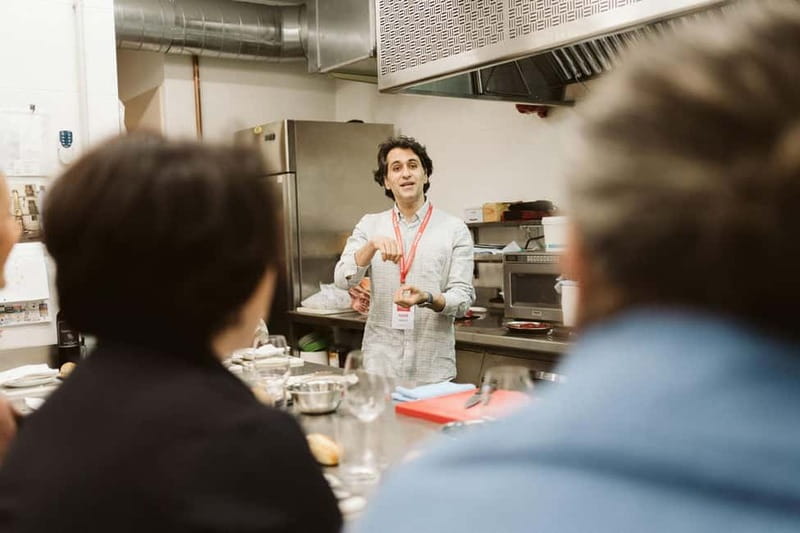
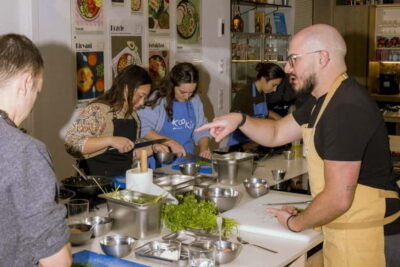
The best part of this San Sebastian cooking class is that you work inside a real restaurant kitchen, not a polished studio built only for tourists. Over two and a half hours, you prepare five Basque dishes, then sit down to eat them with local drinks.
I like the small group limit of 10 and the two-person teaching team: a local guide for food stories and a professional chef for the practical work. I also like the take-home recipes and apron, since the class gives you a fair chance to repeat the dishes at home. The main catch is that the hands-on cooking can vary. One session may feel very interactive, while another may feel closer to a demonstration.
Key points at a glance
- Five classic dishes: Make a Gilda pintxo, potato omelet, cod in pil pil sauce, piquillo peppers, and burnt Basque cheesecake.
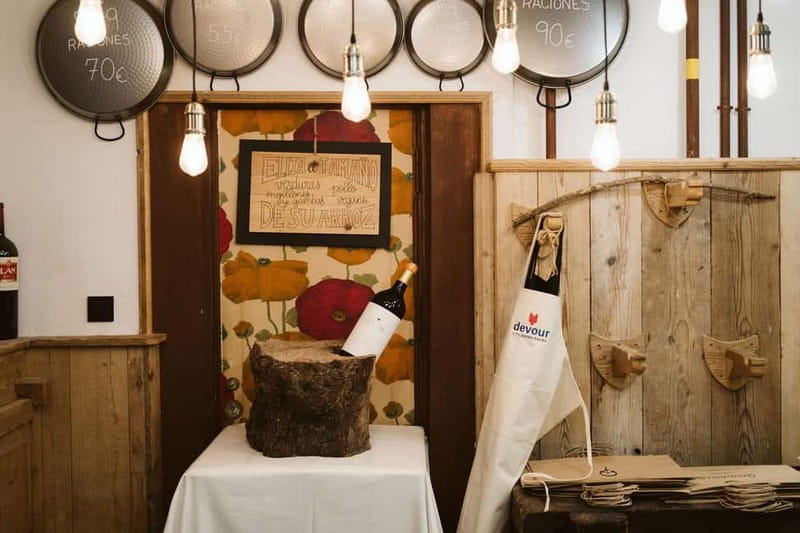
- A working restaurant setting: Enter the kitchen of a historic family-run restaurant in San Sebastian’s pedestrian Old Town.
- Small group teaching: The class holds no more than 10 people, allowing room for questions and individual help.
- Local pairings: Taste Basque cider, red and white wine, and ice apple cider with the food.
- Practical cooking advice: Learn useful tricks, including how to turn a tortilla with a regular plate.
- A complete meal: The five dishes and drinks are enough to leave you full, not merely interested.
Why this class works in San Sebastian
San Sebastian is one of Spain’s best food cities, but eating pintxos at a bar only tells you part of the story. This class lets you see how several familiar dishes come together, from a small snack with a toothpick to a rich dessert served at the end of a meal.
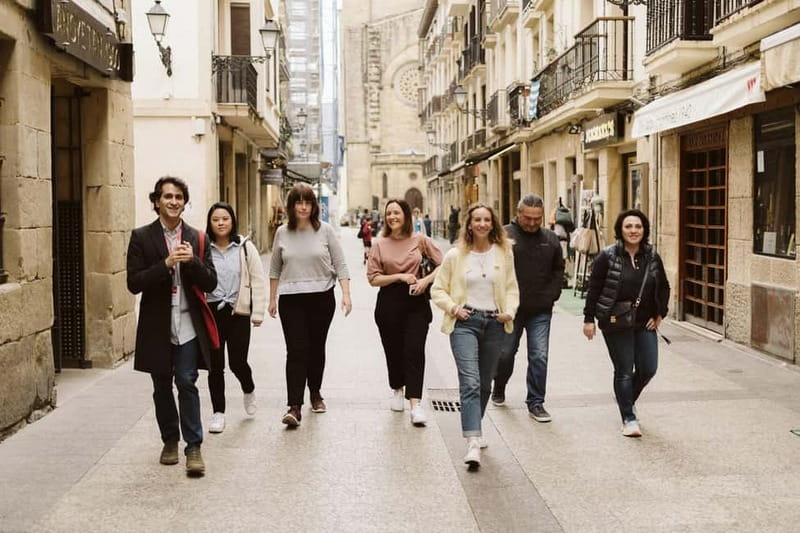
You meet your guide at De Biteri Plaza, in front of San Ignatius church. Arrive 15 minutes early and look for a red bag or a Devour Tours sign. From there, the group walks into the Old Town, which is pedestrian-only, so you should arrive on foot and wear comfortable shoes.
The walk is short in practical terms, but it sets the tone. You are not being taken to a distant cooking school. You are entering a local restaurant and using its kitchen for the evening. There is a closed place to leave your belongings, but the whole class takes place standing up.
The class is taught in English. In past sessions, guides and chefs have included Silvia, Mila, Hector, Carlos, Natalia, and Saul. Names may change, but the format stays the same: one host explains the local setting and food traditions, while the chef leads the cooking.
More cooking classes around Spain:
- Barcelona: Paella Cooking Experience & Boqueria Market Tour
★ 4.8 · 3,661 reviews - Barcelona Paella Cooking Class with Market Visit, Tapas & Sangria
★ 5.0 · 2,531 reviews - Barcelona Interactive Spanish Cooking Experience
★ 4.5 · 2,155 reviews
Five dishes, from Gilda to burnt cheesecake
The menu covers a useful range of Basque cooking. You get small bites, a classic egg-and-potato dish, seafood, peppers, and dessert. That variety matters because you are not spending two and a half hours learning five versions of the same technique.
Gilda pintxo
The Gilda is a simple Basque pintxo, usually built around ingredients such as olives, pickled peppers, and anchovy. It looks modest, but it gives you a quick introduction to the balance that makes pintxos work: salt, acid, heat, and fat in one small bite.
This is a good opening dish because it does not require advanced kitchen skills. You can focus on the ingredients and on how Basque food often gets a lot of flavor from a few strong components.
Tortilla de patatas
The potato omelet is one of the most useful dishes in the class. It appears simple, but getting the potato soft, the egg set, and the omelet turned cleanly takes practice.
One particularly handy lesson is how to flip the tortilla with a regular plate rather than a special tortilla pan or professional tool. That makes the instruction easy to repeat at home. You will still need a quick wrist movement and a little confidence, but you do not need a cupboard full of Spanish cookware.
The tortilla was a favorite for some participants, and it is easy to see why. It is familiar enough to understand at once, yet tricky enough to reward careful instruction.
Same kitchen, a different dish:
- Spanish Cooking Class Paella Tapas and Sangria in Madrid
★ 5.0 · 1,340 reviews - Paella Cooking Class, Wine Tasting & Central Market in Valencia
★ 5.0 · 1,150 reviews - Paella Cooking Class in Madrid with Bottomless Wine Pairing
★ 5.0 · 985 reviews - Seville: Spanish Cooking Class with Dinner
★ 4.9 · 900 reviews
Cod in pil pil sauce
Cod prepared in pil pil sauce gives the class its most distinctive cooking technique. The sauce depends on the relationship between the fish, olive oil, and the natural gelatin in the cod. The chef demonstrates how to bring those ingredients together rather than simply handing you a finished plate.
This is where the professional kitchen setting helps. A chef can show you the texture and movement of the sauce as it develops, then explain what to watch for. You learn more than a list of ingredients. You get a sense of how a Basque cook judges the dish as it comes together.
Piquillo peppers
Piquillo peppers add color and sweetness to the meal. They can be prepared in different ways, and the session has included beef-stuffed peppers in some menus. That variation is worth noting: the exact preparation can change, so do not expect every class to use precisely the same filling.
The peppers also help break up the meal. After the sharp Gilda, soft tortilla, and delicate cod, they bring a different texture and a more substantial bite.
Burnt Basque cheesecake
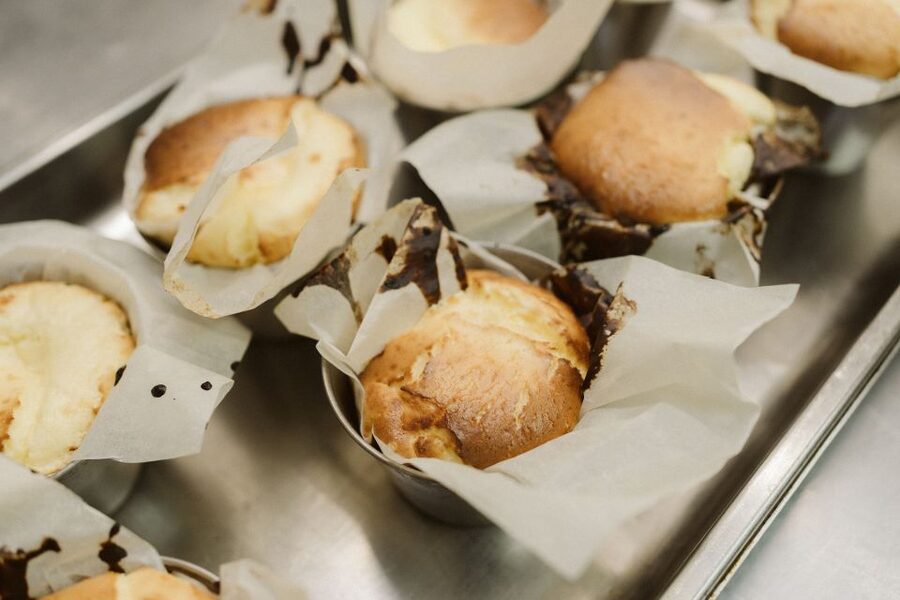
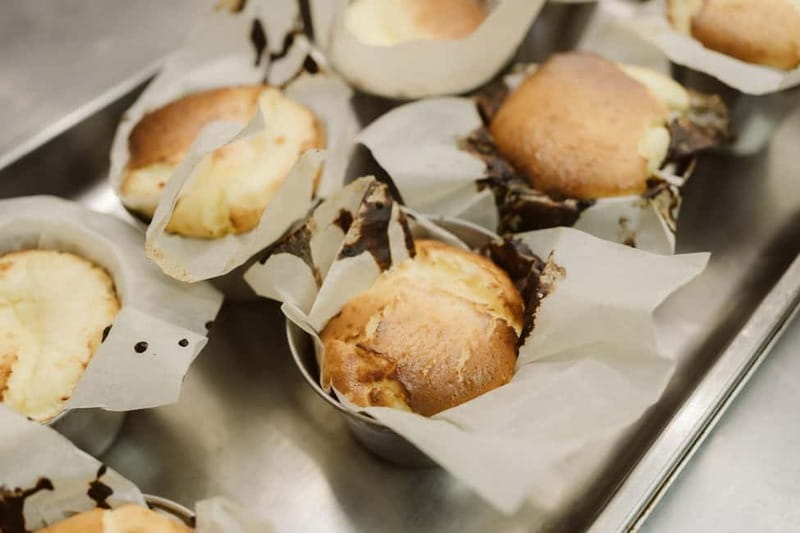
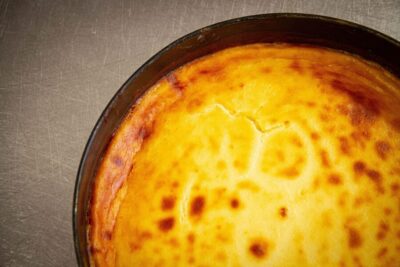
The final course is San Sebastian’s famous burnt cheesecake. Its dark top and soft center make it look less precise than a traditional cheesecake, which is part of its charm.
This is a practical dessert to learn because the appeal comes from texture rather than decoration. You are shown how to get the characteristic browned surface while keeping the inside creamy. The cheesecake was a repeated favorite, and it makes a strong finish to an already generous meal.
The two-host format makes a difference
A cooking class can become awkward when one person tries to cook, explain local customs, translate, pour drinks, and keep everyone involved. This experience divides those jobs between a chef and a guide.
The chef leads the recipes and demonstrates the techniques. The guide fills in the food background, explains local customs, and keeps the group moving from one dish to the next. In past classes, people have singled out hosts such as Hector, Silvia, Mila, and Carlos for clear explanations and an easy manner.
You should expect a relaxed class rather than a strict professional lesson. The chef will direct the work, but you are not expected to have restaurant skills. The format can also suit experienced cooks who want local methods and ingredient advice, not basic instruction alone.
Participation is flexible. You can take an active role, ask questions, or let others handle a particular step. That is useful if you are traveling with someone who loves to cook and someone who is happier watching. The limitation is that a group of 10 cannot give every person equal time at every moment.
One past participant felt the class was closer to a demonstration than a cooking lesson because the amount of personal cooking varied. Keep that in mind when you compare this with a private class. You will participate, but you may not personally prepare every component from start to finish.
Drink pairings turn the lesson into dinner
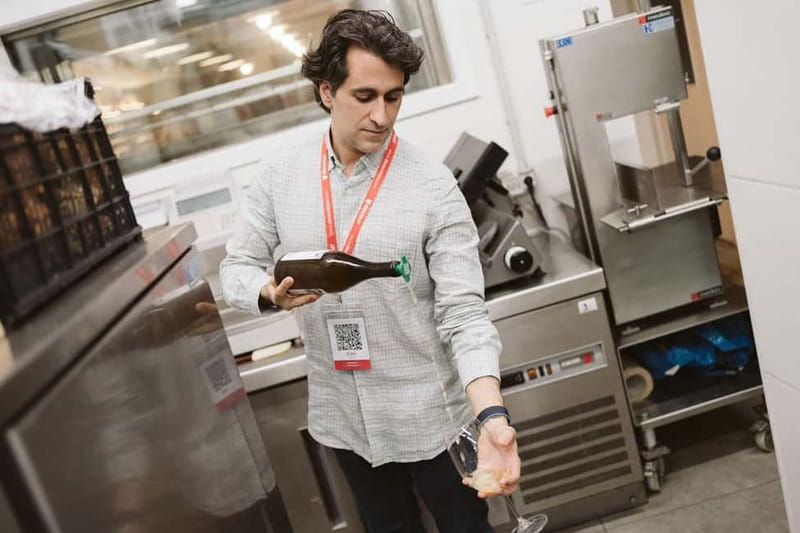
The price includes drinks with the five dishes, and this is important when judging the value. You are not paying $164 only for instruction. You are also receiving a full meal in a restaurant setting.
The pairings include Basque cider, red and white wine, and ice apple cider. The Basque cider is part of the experience rather than just a beverage on the side. You learn how to pour it, which adds a small piece of local food culture to the evening.
Ice apple cider is a special fermented drink made from the natural juices of frozen apples. It gives you something less familiar than standard wine or cider and helps explain why the drink pairings are more than a routine meal package.
Non-alcoholic options are available, and the class can adapt for pescatarians, gluten-free diets that are not related to celiac disease, and pregnant participants. It is not recommended for vegetarians, vegans, or people requiring kosher food.
The meal is plentiful. Several people have found that the portions seemed modest while the cooking was under way, then realized at the end that the five courses and drinks were more than enough. Do not plan a large dinner afterward.
What $164 buys you
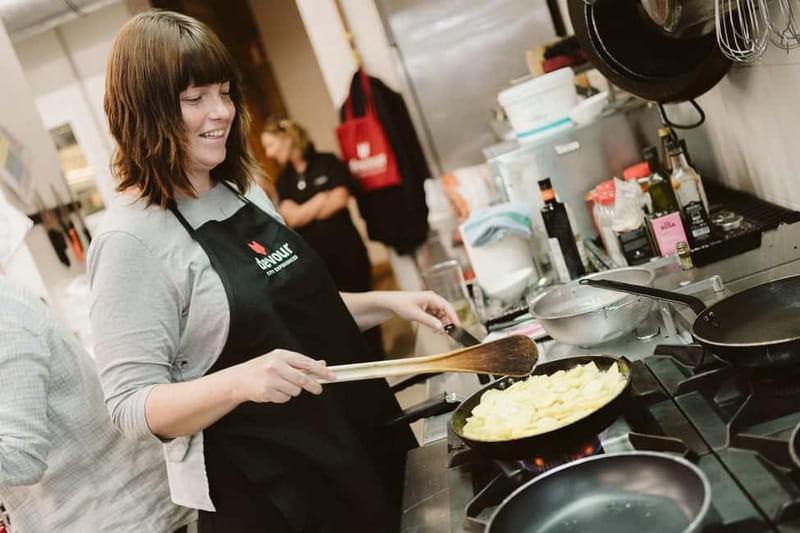
At $164 per person, this is not a budget activity. The price makes more sense if you value the whole package: two hosts, a small group, five dishes, drinks, a complete meal, recipes, and an apron to take home.
A restaurant meal alone would not teach you how the dishes are made. A cheaper cooking demonstration might not include the same food or drink. This class sits between those two options. You pay for access to a professional kitchen, instruction from a chef, local context from a guide, and an evening meal.
The value is strongest for someone who will use what they learn. The tortilla technique, pil pil method, pepper preparation, and cheesecake instructions can all travel home with you. The recipes make that easier, and the apron is a useful extra rather than a souvenir that will sit in a drawer.
The value is weaker if you want uninterrupted personal cooking time. A private lesson would offer more control, but this is a social group activity, not a one-to-one kitchen consultation. You are also paying for the company of other food-minded people and the chance to eat together.
The social side of a group of 10
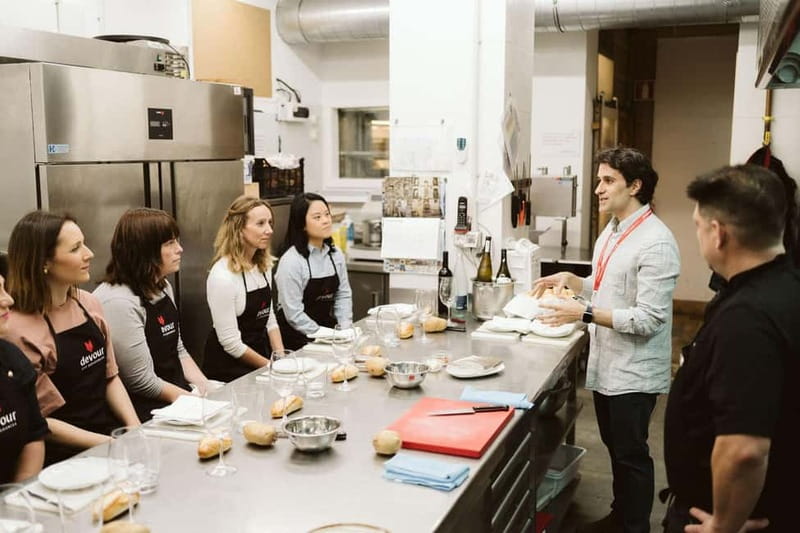
The class is designed to get people talking. You cook, taste, share tasks, and sit down together. The small size helps, especially compared with a large food tour where it is hard to hear the guide or ask questions.
Groups are not always exactly the same size. One session had only seven participants, which created more one-on-one time with the chef and guide. The maximum is 10, still small enough for a personal feel, but the amount of direct help will depend on the final number.
This is a good choice if you enjoy meeting people during a trip. Several classes have brought together visitors from different countries, and the shared meal gives everyone an easy subject to discuss. If you prefer quiet sightseeing or dislike group participation, the social format may feel more demanding.
The activity is not suitable for children. It is also a poor fit if you cannot walk at a moderate pace or remain standing for the full experience.
Timing, meeting point, and practical details
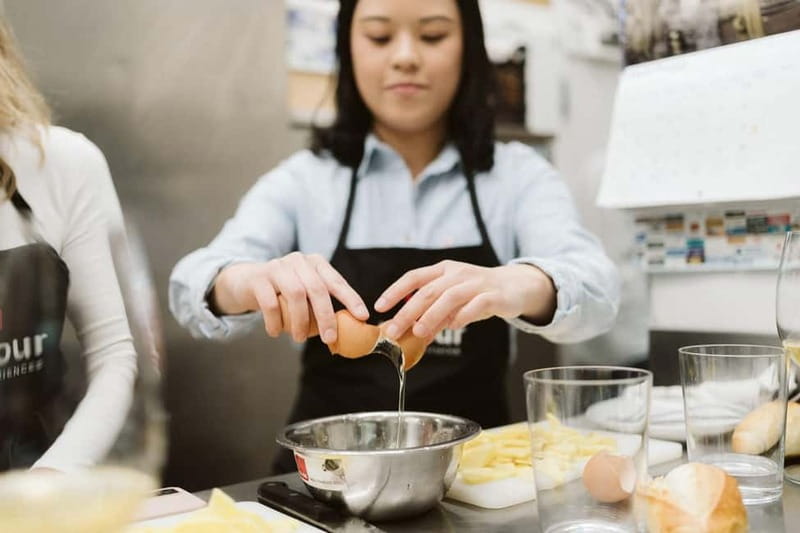
The class lasts 2.5 hours. Starting times vary, so check availability when you book. Since you are in the Old Town, allow time to reach De Biteri Plaza on foot. Cars and taxis cannot take you directly into the pedestrian meeting area.
Arrive 15 minutes early. Your guide will carry a red bag or a Devour Tours sign outside San Ignatius church at De Biteri Plaza, 1, 20001 Donostia, Gipuzkoa.
Bring water and wear comfortable shoes. You will be standing in the kitchen and during the cooking session, with no hotel pickup or drop-off included.
The activity cannot accommodate wheelchairs or strollers, and it is not suitable for people with mobility impairments. The Old Town access and standing format are the key reasons. If that could be a problem, choose a seated food tour instead.
You can cancel up to 24 hours in advance for a full refund, and the reserve-now, pay-later option keeps your plans flexible. Those policies help, but they do not change the need to check dietary and mobility requirements before booking.
Who should book this San Sebastian cooking class?
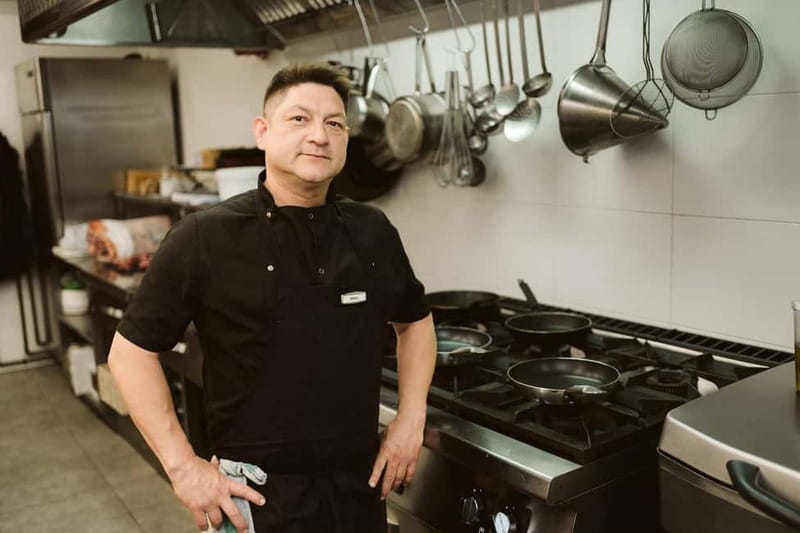
I would choose this class if you want to understand Basque food rather than simply order it. It is especially good for:
- Couples looking for a shared evening activity
- Solo visitors who enjoy meeting people over food
- Home cooks who want practical Spanish techniques
- First-time visitors seeking local food context
- Experienced cooks who like learning regional methods
- Pescatarians and people who want non-alcoholic drink options
I would think twice if you are vegetarian, vegan, or following a kosher diet. The menu is built around fish, dairy, eggs, and meat options, and the experience cannot be reshaped for every dietary need.
You should also skip it if you want a fully private class or if standing for 2.5 hours would be uncomfortable. The setting is friendly and flexible, but it remains a shared group lesson.
Should you book it?
Yes, if you want a full Basque meal, practical recipes, and a social cooking session in the Old Town. The strongest parts are the chef’s demonstrations, the local drink pairings, the small group, and the useful details you can repeat at home, especially the tortilla flip and burnt cheesecake.
Book with realistic expectations about the hands-on time. You may cook quite a bit, or you may spend part of the session watching the chef demonstrate. At $164, the experience earns its price through the meal, drinks, hosts, recipes, and restaurant setting. It is a good fit for food-focused visitors who want to leave San Sebastian with more than a list of pintxo bars.
FAQ
Where does the cooking class meet?
It meets at De Biteri Plaza, 1, 20001 Donostia, Gipuzkoa, in front of San Ignatius church. Look for a guide holding a red bag or Devour Tours sign.
How long does the experience last?
The cooking class lasts 2.5 hours. Starting times vary, so check availability when booking.
How many people are in the group?
The group is limited to 10 participants or fewer.
What dishes will I prepare?
The menu includes a Gilda pintxo, potato omelet, codfish in pil pil sauce, piquillo peppers, and burnt Basque cheesecake.
Are drinks included?
Yes. The five dishes come with Basque cider, red and white wine, and ice apple cider. Non-alcoholic options are available.
Can dietary requirements be accommodated?
The class can adapt for pescatarians, gluten-free diets that are not celiac, non-alcoholic requests, and pregnant participants. It is not recommended for vegetarians, vegans, or people requiring kosher food.
Is the experience suitable for children or wheelchair users?
No. It is not suitable for children, wheelchairs, strollers, or people with mobility impairments. The activity takes place in the pedestrian Old Town and requires standing throughout.
New cooking classes around Spain
- Seville: Paella-Cooking Experience with Sangria & Full Meal★ 4.9 · 42 reviews
- Seville: Paella Showcooking Experience★ 4.7 · 161 reviews
- Seville: Paella Cooking Class & 30-Min Local Expert Q&A★ 4.8 · 37 reviews
- San Sebastián: Market Tour, Cooking Class, & Meal★ 5.0 · 2 reviews
- San Sebastián: Market Tour and Basque Cooking Class English★ 5.0 · 5 reviews
- Barcelona: Paella Seafood Master Cooking Class with Sangria★ 5.0 · 73 reviews
- Pontevedra: Galician Cooking Class with Chef Instructor★ 4.9 · 3 reviews
- Mojo Workshop Cooking Class in Ancient Canarian Village★ 4.9 · 127 reviews
San Sebastian Cooking Classes, side by side.
Basque Cooking Experience: Market Tour & Hands-On Class English
Read our review →
Authentic Basque Cooking Class in San Sebastian Old Town
Read our review →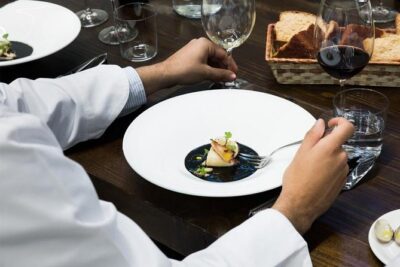
San Sebastián: Market Tour and Basque Cooking Class English
Read our review →
San Sebastián: Market Tour, Cooking Class, & Meal
Read our review →This kitchen also appears in