
Review · BARI
Apulian Cooking Class with Aperitif and Wine in Polignano a Mare
The best part of this class is the chance to make orecchiette by hand, the small ear-shaped pasta that gives Puglia much of its culinary identity. Local cooks such as Daniele, Anna Maria, Annamaria, and Daniela show you how to roll, cut, shape, cook, and serve it, rather than simply demonstrating from a distance.
I like two things right away: the class is genuinely hands-on, and the food comes with a relaxed aperitif of focaccia Barese, taralli, vegetables, olives, local products in oil, and Apulian wine. The main drawback is finding the meeting point in Polignano’s old town, where parking is difficult and one past participant received outdated directions.
Key points to know before booking
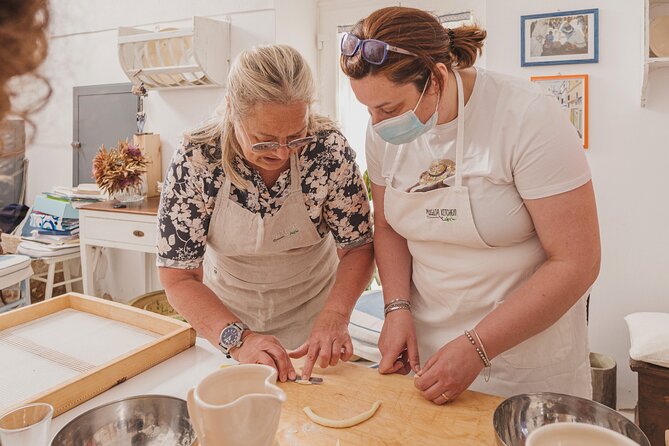
- You make the pasta yourself: Learn to shape orecchiette from scratch, then cook and eat what you prepare.
- The teachers add useful kitchen advice: Expect tips on pasta texture, boiling water, tomato sauce, and putting together a complete meal.
- The meal is more than a pasta sample: Focaccia, taralli, seasonal vegetables, olives, preserved products, soda, and regional wine are part of the spread.
- The mood is informal: The class feels more like a friendly kitchen gathering than a formal culinary school.
- The group is capped at 12: That is small enough for direct help, though the level of attention can vary with the group.
- Plan your arrival carefully: The address is Via S. Vito, 20, in Polignano a Mare, and the old-town setting can make the final walk confusing.
Making orecchiette in Polignano a Mare
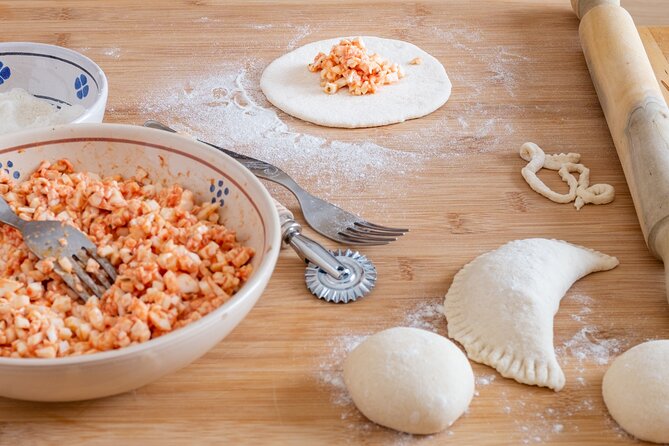
Puglia has several foods that have become symbols of the region, but orecchiette is the one you can carry home in your hands. The pasta looks modest: little round pieces with a thumb-shaped hollow. Its appeal comes from texture. The center stays pleasantly chewy, while the rough surface and shallow cup hold sauce.
This class teaches the basic method from the start. You work with the dough, roll it into a rope, cut pieces, and shape each one. It is not a polished restaurant demonstration where you watch someone else do the interesting part. Your hands are busy, and the imperfect pieces are part of the fun.
The instructors take different approaches, but the strongest teaching comes from Daniele and Anna Maria. Daniele explains the practical side of the cooking process, including pasta texture and how the final dish comes together. Anna Maria brings a warm, traditional approach and is especially good at slowing the pace for beginners and children.
Annamaria is also described as a lively teacher who connects the food with local customs, stories, and everyday cooking. You may learn more than the shape of the pasta. The class can also cover how much water to use, how to cook the pasta properly, and how a simple sauce fits the dish.
That practical detail matters. Many cooking classes send you home with a recipe and a pleasant memory. This one aims to give you a repeatable skill. You should leave with a better sense of how dough feels, how pasta changes in boiling water, and why a sauce needs to work with the shape of the pasta.
More Cooking Classes with Wine Tasting in Italy
- Florence: Pasta Cooking Class with Unlimited Wine
★ 4.9 · 10,285 reviews - Florence: Pasta & Tiramisu Cooking Class with Unlimited Wine
★ 4.9 · 6,708 reviews - Florence: Pasta Cooking Class with Unlimited Wine
★ 5.0 · 6,413 reviews
A simple Apulian meal, not just a pasta lesson
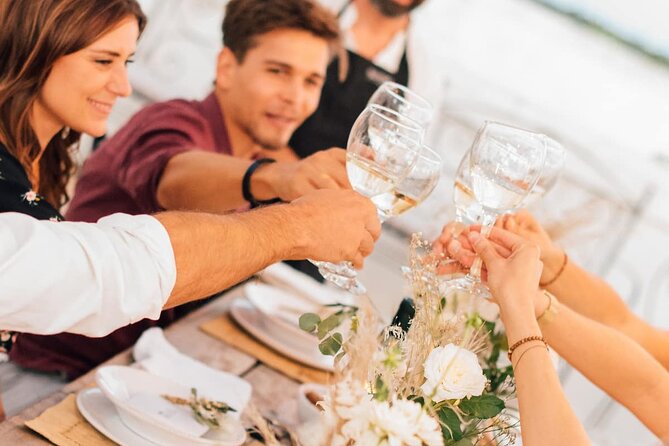
The cooking portion is paired with a generous food tasting. The listed meal includes Bari-style focaccia, orecchiette, typical Apulian snacks, local products in oil, taralli, and regional wine. Soda is also included.
Focaccia Barese is a particularly good addition. It gives you a taste of a local staple before the pasta arrives, and it helps turn the class into a full brunch, lunch, or dinner rather than a short workshop with a few bites at the end.
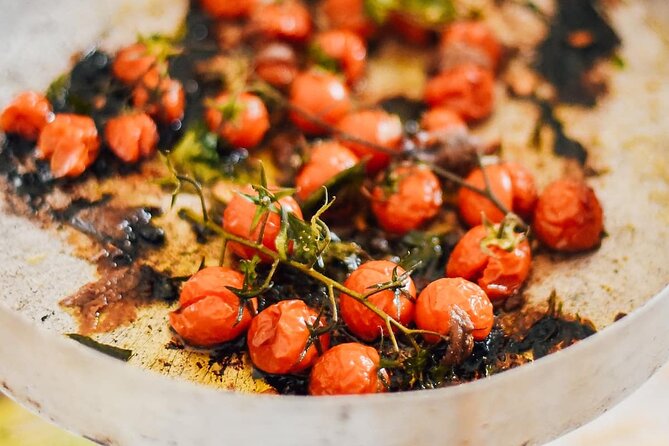
The aperitif is built around the kind of food you are likely to see across Puglia: crisp taralli, seasonal vegetables, olives, and preserved ingredients. These foods are simple, but they show how the region uses bread, vegetables, oil, and pantry staples to build a meal with plenty of character.
The wine adds to the social side of the experience. Several instructors are described as keeping glasses filled while explaining the food, so expect the atmosphere to be convivial rather than hushed. If you prefer a strictly instructional class, the wine and conversation may feel distracting. If you want an easygoing evening with food, it is part of the appeal.
The finished orecchiette is served with the group. The class information mentions a simple tomato sauce, and the instruction may extend beyond the pasta itself to the sauce and the proper way to complete the dish. That is useful because the shape, sauce, and cooking time are connected. Making one part well does not guarantee a good meal unless the pieces work together.
Why the local teachers make a difference
A cooking class depends heavily on the person leading it. Here, the instructors are repeatedly praised for patience, humor, clear instruction, and a welcoming manner.
Daniele is a strong choice for people who want explanations as they work. He brings food-science tips into the lesson, which can help you understand why dough behaves as it does instead of simply copying a movement. He also connects the cooking with Italian culture, giving the class more context than a basic pasta tutorial.
Anna Maria is a good fit if you want a warm, home-style setting. The class is described as cozy and family-like, with an atmosphere that recalls cooking with a grandmother. That does not mean you should expect a private home visit. The setting is a cooking space or shop in an old building near the sea, and the exact arrangement may depend on the instructor and date.
Annamaria is praised for her warmth, patience, English, and storytelling. Families may appreciate her ability to adjust the pace, including for a five-year-old child. Children still need supervision, but the activity can work well for a family looking for something more meaningful than another sightseeing stop.
Daniela is also mentioned as an effective instructor who teaches pasta technique and offers plenty of useful advice. Since the assigned teacher can vary, you should book for the cooking format rather than for one particular person unless the provider confirms the instructor in advance.
The Polignano old-town setting
The meeting point is Via S. Vito, 20, 70044 Polignano a Mare. The activity begins and ends there, with no private transportation included.
Polignano a Mare gives the class a strong sense of place. The old town is known for its cliffside setting and sea views, and the cooking space is described as being in a typical old structure near the water. This makes the experience feel tied to Puglia rather than interchangeable with a pasta class in a large city.
The location also creates the main practical nuisance. Cars are not easy to manage in the old-town area, and parking may take time. One participant had trouble locating the venue after receiving an old address and incorrect map link. That issue was unusual in the otherwise strong feedback, but it is worth taking seriously.
I would arrive early and verify the address before setting out. Keep the meeting details saved on your phone, allow time to walk through the old town, and do not assume that a car can drop you directly at the door. The class lasts about two hours, so arriving flustered and late can take away from an already short experience.
The area itself is worth pairing with the class. You can use the cooking appointment as an anchor for a visit to Polignano a Mare, then spend time around the old streets and cliffs before or after. The class ends where it begins, so you are not left at a distant restaurant or transport point.
Same kitchen, a different dish:
- 3 in 1 Cooking Class near Navona: Fettuccine, Ravioli & Tiramisu
★ 5.0 · 7,376 reviews - Cooking Class and Lunch at a Tuscan Farmhouse with Local Market Tour from Florence
★ 5.0 · 4,831 reviews - Rome: Pasta Making Class with Wine, Limoncello, and Dessert
★ 4.9 · 3,177 reviews - Pastamania – Florence Pasta Making Class
★ 5.0 · 3,050 reviews
What the two-hour schedule feels like
Two hours is enough for a focused lesson, but not enough for a long, multi-course culinary program. The pace will likely be active: introduction, pasta preparation, shaping, cooking, tasting, and conversation.
You should expect to spend most of the practical time working with the dough and forming orecchiette. The instructors can correct your technique and show shortcuts, but the group size matters. With a maximum of 12 people, the class remains fairly small, although a full group means you may sometimes wait for individual help.
The meal and aperitif are woven into the experience rather than treated as a separate restaurant sitting. You can taste the local snacks, drink wine, and talk while the cooking progresses. That makes the time pass quickly, especially if the group is sociable.
The short format suits a busy itinerary. You do not need to surrender half a day, and you still get a proper meal and a useful technique. The tradeoff is that the lesson cannot cover every part of Apulian cooking. You will learn about orecchiette and related preparation, not take a full course in regional cuisine.
Value at $78.61 per person
At $78.61 per person, this is not the cheapest way to eat pasta in Puglia. It is also more than a quick food tasting. The price includes the chef, utensils, hands-on instruction, a meal with orecchiette, local products, focaccia and snacks, wine, and soda.
I see the value in the combination. You are paying for instruction, food, and the setting, not only for a plate of pasta. If you are interested in taking the skill home, the practical lesson gives the price more weight. The class also replaces a meal, which makes the total easier to justify.
The value is weaker if you mainly want a formal cooking demonstration or a quiet dinner. The class is informal, social, and participatory. You will handle ingredients, shape pasta, and share space with other people. Those looking for a refined restaurant meal should choose a restaurant instead.
The 4.9 rating from 89 reviews and 98 percent recommendation figure suggest that the format is working well for most people. Still, the logistics issue and the varying teaching style are worth considering. Read the experience as a small-group food activity with a local feel, not as a luxury culinary school.
Who will enjoy this class most
This is a strong choice for first-time pasta makers. You do not need advanced cooking ability, and the teaching is designed to make the technique approachable. The instructors can show you how to move from flour and dough to a complete dish without assuming you already understand Italian pasta-making.
It also works well for families. A child as young as five has been included successfully when the pace was adjusted, and teenagers can take part rather than sit through a long lecture. The wine is for adults, of course, but the food and pasta work can involve the whole family.
Couples and small groups will enjoy the social setting. The class gives you something to do together, and the shared meal creates an easy reason to talk with other participants. Solo visitors can also fit in, especially if they like meeting people through food.
Experienced cooks may still enjoy the class, but the benefit will be technique and regional context rather than advanced recipes. The orecchiette method is simple to understand, yet small details in shaping and cooking can improve the result at home.
You may want to skip it if you have severe food allergies or intolerances that cannot be accommodated. The provider asks you to report these at booking, but the class centers on shared food, pasta, local products, and wine, so clear communication is important.
Booking details worth handling early
The activity is offered in English, which makes the instruction accessible to international visitors. Confirmation is provided when you book, and the maximum group size is 12.
This experience is often booked about 24 days ahead. That does not guarantee that every date sells out, but it is a useful signal to reserve before your itinerary is fixed, especially if you need a particular day.
Free cancellation is available up to 24 hours before the start time. Changes or cancellations inside that window are not accepted for a refund. The activity also depends on good weather and a minimum number of participants. If the operator cancels for either reason, you are offered another date or experience, or a full refund.
Because the class starts and ends at the same point, it is easy to fit into a day in Polignano a Mare. Just allow extra time for the old-town approach and confirm the current meeting instructions before you leave.
Should you book the Apulian cooking class?
I would book this class if you want a hands-on taste of Puglia and like the idea of eating what you make. The strongest reasons are the direct orecchiette lesson, the generous local food spread, and the instructors’ warm, informal teaching style.
The class is especially worthwhile for first-time pasta makers, families, and anyone with room in the itinerary for a social meal. It gives you a skill you can repeat at home, plus a better feel for how focaccia, tomato sauce, pasta, preserved vegetables, taralli, and wine fit into everyday Apulian food.
Book with two cautions: confirm the current address and arrive early, and do not expect a long gourmet course. For $78.61, you are buying a friendly, practical two-hour experience with a full tasting, not an advanced chef certification. For most visitors who want food with a local connection, that is a fair trade.
FAQ
Where does the cooking class take place?
The meeting point is Via S. Vito, 20, 70044 Polignano a Mare BA, Italy. The activity ends back at the meeting point.
How long does the class last?
The experience lasts approximately two hours.
Is the class offered in English?
Yes. The activity is offered in English.
What pasta will I learn to make?
You will learn to make orecchiette, the small ear-shaped pasta associated with Puglia.
What food is included?
The food includes Bari-style focaccia, orecchiette, typical Apulian snacks, products preserved in oil, taralli, and other regional products. Local wine and soda are also included.
Is wine included?
Yes. The experience includes local Apulian wine.
How many people can join the class?
The activity has a maximum of 12 participants.
Is transportation included?
No. Private transportation is not included. You must make your own way to the meeting point.
Can I cancel for a refund?
You can cancel up to 24 hours before the experience start time for a full refund. Cancellations or changes made less than 24 hours before the start are not accepted for a refund.
New cooking classes around Italy
- Sestri Levante: Pesto & Cooking Classes, Wine Tasting★ 4.9 · 56 reviews
- Sardinia Cooking Class: Fresh Handmade Pasta★ 5.0 · 53 reviews
- San Gimignano: Tuscan Cooking Class★ 5.0 · 2 reviews
- San Gimignano: Truffle Cooking Class with Wine Tasting★ 5.0 · 5 reviews
- San Gimignano: “Hands in dough” Cooking Class with Lunch★ 5.0 · 6 reviews
- Salento: Authentic Cooking Experience with Fresh Pasta and Local Products★ 5.0 · 8 reviews
- ROME:Hands-On Lasagna & Marsala Tiramisu Cooking Experience”★ 5.0 · 3 reviews
- Rome: Private Wine Tour and Pasta Making Class in a Winery★ 5.0 · 6 reviews
Bari Cooking Classes, side by side.
Bari: Pasta and Tiramisu Cooking Class with Wine
Read our review →
Bari Cooking Class: Traditional Focaccia & Orecchiette
Read our review →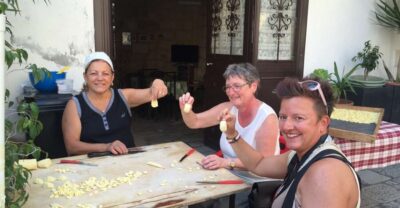
Bari: Pasta & Tiramisu Cooking Class at a Local’s Home
Read our review →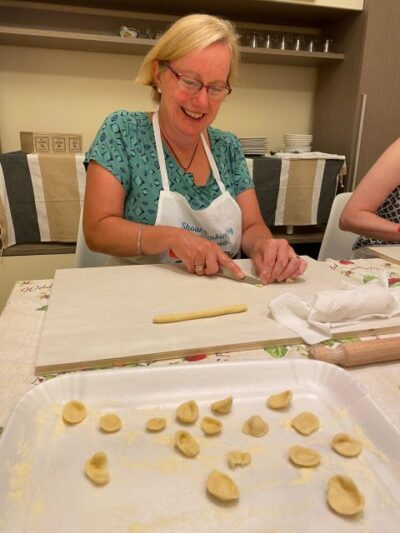
Cooking Class for Pasta Lovers in Polignano a Mare
Read our review →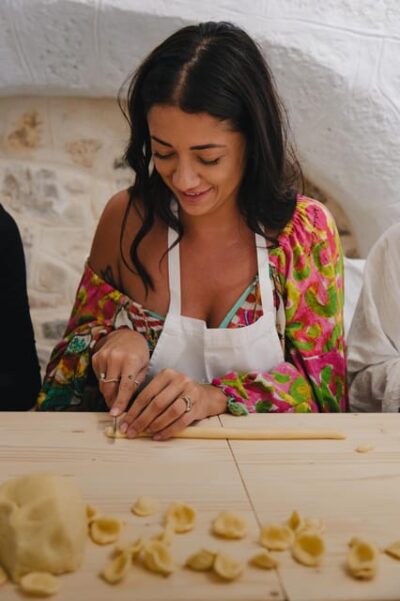
From Bari: Half-Day Polignano Tour & Apulian Cooking Class
Read our review →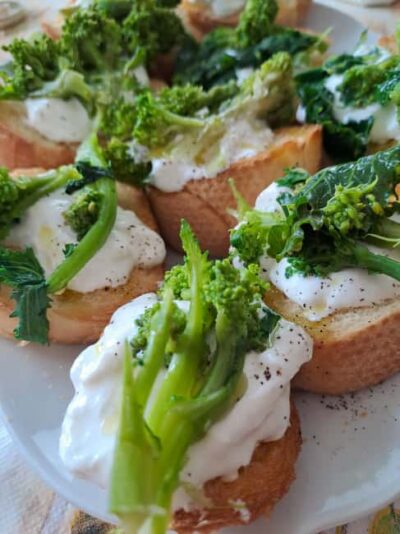
Bari: Apulian Cooking Class – Fresh Pasta and Focaccia
Read our review →
This kitchen also appears in