Review · ROME
Fettuccine, Ravioli & Tiramisu Cooking Class in Rome
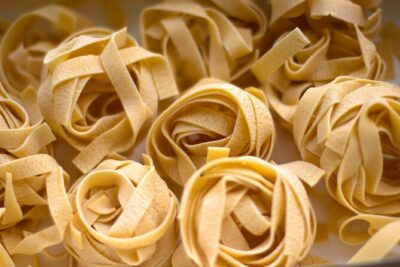
The best part of this Rome cooking class is that it gets your hands into the food quickly. Near Piazza Navona, you’ll make tiramisu, knead pasta dough, roll fettuccine, and shape ravioli before sitting down to eat. The pasta work is the real star.
I like the choice of three Roman-style fettuccine sauces, especially Cacio e Pepe and Amatriciana. I also like the friendly instructors, including Mimi, Lori, Tommy, Maria, and Tomi, who have been praised for keeping the class lively and easy to follow. Wine, water, coffee, or limoncello are included, too.
The setting may feel more like a busy restaurant than a quiet cooking school. The class can take place in the restaurant walkway, and one session was described as hot and tightly packed. You also may not receive the exact pasta you shaped, since the finished pasta can be combined for the whole group.
Key points at a glance
- Three Roman dishes in three hours: Make tiramisu, fresh fettuccine, and ravioli from scratch.
- A useful sauce choice: Pick Tomato and Basil, Cacio e Pepe, or Amatriciana for your fettuccine.
- Hands-on pasta practice: Knead and roll dough, then shape ravioli with butter and sage sauce.
- Friendly English-speaking instruction: Recent classes have featured Mimi, Lori, Tommy, Maria, and Tomi.
- Meal and drinks included: Enjoy the food with wine or a non-alcoholic drink, unlimited water, and coffee or limoncello.
- A practical location: Meet at Restaurant Gusto on Via Giuseppe Zanardelli 14, a short walk from Piazza Navona.
Making pasta near Piazza Navona
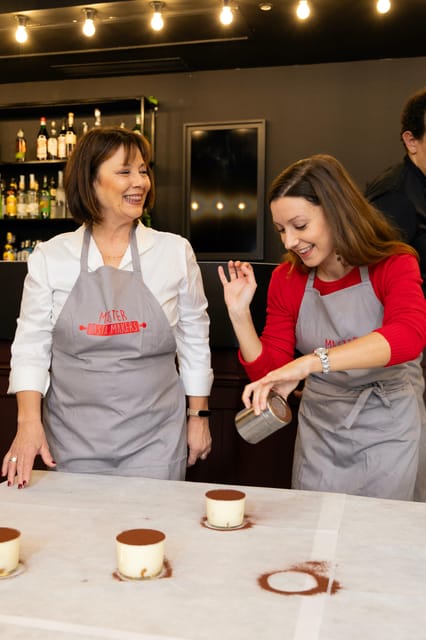
This class takes place at Restaurant Gusto, at Via Giuseppe Zanardelli 14, just steps from Piazza Navona. That location is handy if you are already sightseeing in Rome’s historic center and want to fit a cooking lesson into a day of fountains, churches, and narrow streets.
I like the setting for its convenience. You do not need to arrange transport across town or give up a full day for the activity. You can visit Piazza Navona before the class, then walk over for a meal and lesson that lasts about three hours.
The trade-off is space. The cooking area is part of a working restaurant, not a separate culinary studio. One class was held in the middle of the restaurant walkway, with a lot of activity around the tables. If you want a calm, spacious workshop, this may feel crowded.
If you are comfortable with a lively restaurant setting, the location works well. I would arrive with a little time to spare, find the restaurant, and avoid showing up hungry enough to feel impatient during the preparation.
More Pasta Making Classes in Rome
- 3 in 1 Cooking Class near Navona: Fettuccine, Ravioli & Tiramisu
★ 5.0 · 7,376 reviews - Rome: Pasta Making Class with Wine, Limoncello, and Dessert
★ 4.9 · 3,177 reviews - Rome Cooking Class: Make Pasta and 3 Spritz Cocktails
★ 5.0 · 2,937 reviews
Starting with tiramisu
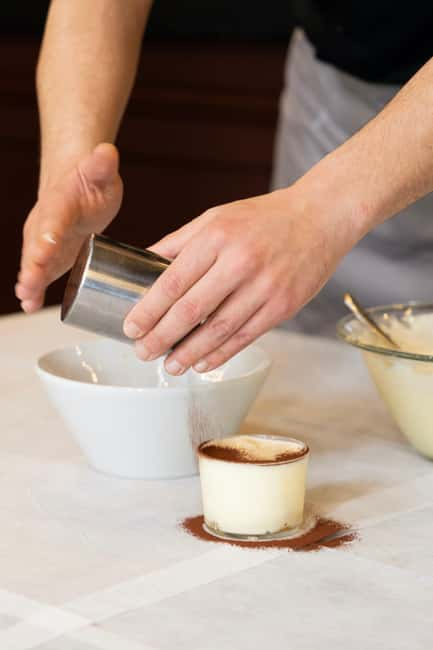
The class begins with tiramisu. This is a sensible order because the dessert needs time to rest while you work on the pasta.
You will prepare the familiar components of the dish and learn how they come together before turning to the main course. The tiramisu is not the most technically demanding part of the class, but it gives you an early win. You start by mixing and assembling something recognizable, then move on to dough, which takes more physical work.
I would think of the tiramisu as a short introduction rather than the main reason to book. One participant found it less interesting than the pasta, and that matches the structure of the class. The real lesson begins when the flour and eggs appear.
Still, the dessert matters. It becomes part of the meal at the end, and you leave with a method you can repeat at home. For someone who has never made tiramisu, that first section adds variety to an otherwise pasta-focused class.
Kneading and rolling fresh pasta dough
The pasta section is where the class earns most of its value. You will work with dough from scratch, kneading it and rolling it out for both fettuccine and ravioli.
This is more useful than watching a chef prepare pasta while you sit at a table. You get a feel for the dough, its texture, and the effort needed to make it thin enough for shaping. The instructor guides you through the steps, so you do not need previous cooking experience.
The pace can be brisk. The class is built to produce several dishes in one sitting, and one session was described as moving quickly because of the schedule. If you want a slow lesson with long explanations at every stage, you may find the format rushed.
I would treat the class as an introduction to Italian pasta rather than a full professional course. You will learn the basic process and leave with enough understanding to practice at home. You will not get a long personal consultation about every mistake or technique.
The instructors are an important part of the experience. Mimi was praised for making the food turn out well, while Lori was described as a strong chef and teacher. Tommy was noted for his entertainment and clear instruction, and Maria was praised for her upbeat style. Tomi also kept one evening class moving with humor and helpful guidance.
Because the class is in English, the instruction is accessible to English-speaking visitors. The activity information lists English as the language, and several named instructors are known for being energetic and comfortable working with an international group.
Choosing your fettuccine sauce
Once the dough is prepared, you choose one of three sauces for your fettuccine:
- Tomato and Basil
- Cacio e Pepe
- Amatriciana
This choice gives the meal a Roman flavor without making the class too complicated. Tomato and Basil is the straightforward option. Cacio e Pepe is the classic Roman combination of cheese and pepper, with a simple ingredient list that depends on technique. Amatriciana brings a stronger, more savory flavor.
I like having a choice because it lets you match the dish to your taste. It also gives you a small glimpse into the way a few simple Italian ingredients can produce very different results.
The sauce decision is made within a fixed menu, so do not expect a long list of custom options. The information does not specify substitutions or special dietary variations. If you have food restrictions, ask before booking rather than assuming the kitchen can adjust the recipes.
The finished fettuccine is part of the meal served after the cooking. One important detail is that your individual portion may not be kept separate from the group’s pasta. The cooked pasta can be combined for everyone, so you may not eat the exact strands you rolled.
That may disappoint you if personal ownership of the dish is the whole point. For me, it matters less if the goal is to learn the method and share a communal meal. But it is worth knowing before you book.
More Tiramisu and Dessert Classes in Rome
- Rome: 3-in-1 Fettuccine, Ravioli, and Tiramisu Cooking Class
★ 4.9 · 2,704 reviews - Fettuccine & Tiramisù: Cooking Class with Wine & Limoncello
★ 4.9 · 2,103 reviews - Rome: Pasta & Tiramisu Cooking Class near the Spanish Steps
★ 4.8 · 1,395 reviews - Cooking Class in the Heart of Rome: Pizza and Tiramisu Making
★ 5.0 · 1,330 reviews
Shaping ravioli with butter and sage
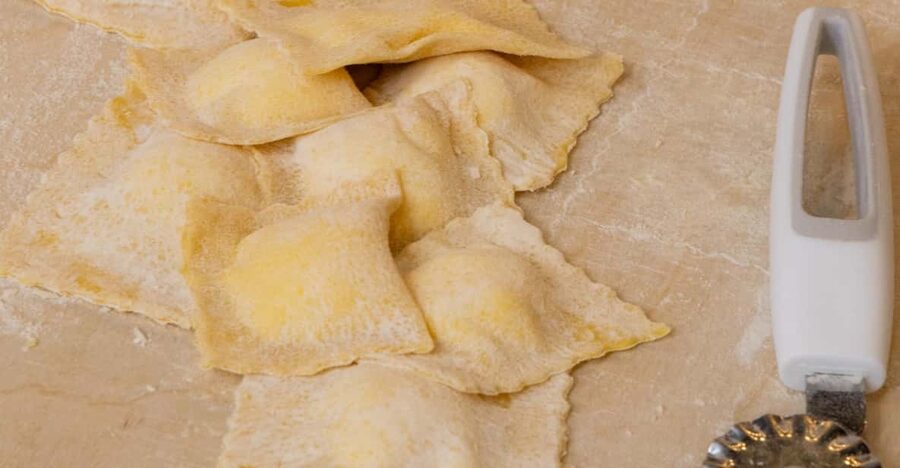
The ravioli section gives you a second kind of pasta practice. You will fill and shape the ravioli, then enjoy it with butter and sage sauce.
This part is especially useful because ravioli requires more care than long noodles. You need to handle the dough, manage the filling, and seal the edges properly. The process shows how a simple pasta sheet becomes a filled dish.
The butter and sage sauce is a classic match for ravioli. It does not bury the pasta under a heavy or complicated sauce, so you can focus on the texture and filling. The activity information does not specify the ravioli filling, so I would not book expecting a particular ingredient.
The ravioli adds variety to the class. You are not simply repeating one pasta shape for three hours. You make long pasta, filled pasta, and dessert, then sit down to taste the results.
Again, the lesson is practical rather than highly detailed. A busy restaurant setting and a fixed schedule mean the instructor must keep the group moving. You will likely get the main shaping steps, but not an extended workshop on regional ravioli styles.
Sitting down to eat the finished meal
After the preparation, you sit down for a full meal of homemade fettuccine, ravioli, and tiramisu. A glass of wine or a non-alcoholic drink is included, along with unlimited water. You finish with Italian coffee or limoncello.
This turns the class into both a lesson and a meal. At $82 per person, that distinction matters. You are paying for instruction, ingredients, a prepared dinner, and drinks in a central Rome location, rather than only paying for a demonstration.
I see the price as reasonable for someone who wants a meal with an activity attached. It is less attractive if you only want the cheapest pasta dinner near Piazza Navona. A restaurant meal alone would not give you the hands-on work, but a more formal cooking school might offer more time, space, or individual attention.
The wine is a nice touch, though only one glass is included. Extra food and drinks are not part of the stated price. Tips are also not included, so keep that in mind when setting your budget.
The coffee or limoncello at the end gives the meal a distinctly Italian finish. Choose coffee if you want a small final pick-me-up, or limoncello if you prefer a digestif. The activity does not promise a large range of drink choices beyond the listed inclusions.
What the restaurant setting means for your visit
The restaurant atmosphere brings both energy and limitations. You are not isolated from the rest of the business, and the class may take place along a restaurant passage. That can make the lesson feel social and lively, but it can also mean heat, noise, and people moving nearby.
One participant found the room hot and felt the group was packed together. I would take that seriously if you dislike crowded indoor activities. Wear comfortable clothing and expect to stand and work around other people.
On the positive side, the shared setting helps explain the meal service. You are already in a restaurant, so you can move from preparation to dinner without changing locations. The atmosphere may also suit couples and friends who want a social evening rather than a quiet technical lesson.
The class is listed as wheelchair accessible. The information does not describe the exact table layout or restroom access, so anyone with specific mobility needs should confirm details before booking.
Children under four are not permitted. Older children may enjoy the hands-on work, but the three-hour length and quick pace could be tiring for very young participants. Families should consider the child’s patience with kneading, waiting, and sitting through a full meal.
Who will enjoy this class most
I would recommend this experience to you if you want to combine dinner with a practical activity. It works particularly well for couples, families with older children, and friends who enjoy making something together.
It is also a good fit if you want a first introduction to Italian pasta. You do not need advanced cooking skills, and the English-speaking instructor guides you through the main tasks.
You may want to choose another class if you are looking for a quiet, highly technical workshop. The restaurant walkway, possible heat, group cooking, and brisk schedule can limit the personal attention you receive.
This is also not ideal if you care strongly about eating only the food you personally shaped. Since pasta may be combined for the whole group, the connection between your individual work and your plate is not exact.
Timing, booking, and practical value
The activity lasts three hours, but the actual hands-on cooking may feel shorter once explanations, food preparation, serving, and dessert are included. One account put the active cooking portion at about an hour and a half. The rest of the time is used for eating and enjoying the drinks.
That is not necessarily a weakness. If you want a relaxed lunch or dinner with instruction, the balance works. If you want three full hours of concentrated kitchen practice, you may find the class too short.
You can reserve now and pay later, which is useful when your Rome schedule is still changing. Free cancellation is available up to 24 hours before the activity for a full refund. Starting times vary, so check availability for your date.
At $82, the value comes from the combination of location, meal, drinks, and guided preparation. The strongest part is the chance to work with fresh pasta dough and make two pasta shapes. The weakest part is the possibility of a crowded restaurant setup with food shared across the group.
Should you book the Piazza Navona pasta class?
Book it if you want a friendly, social introduction to pasta making with a proper meal afterward. The sauce choice, ravioli practice, tiramisu, wine, and central location make it a convenient Rome activity, especially when you want more than another restaurant dinner.
I would book with realistic expectations. You are joining a restaurant-based group class, not a private kitchen lesson. The instructor may need to keep moving, the room may be warm or crowded, and your exact pasta may be served together with everyone else’s.
For most first-time pasta makers, the class offers good value at $82. Choose it for the hands-on work, the cheerful chefs, and the chance to eat a three-course Italian meal you helped prepare. Skip it if you want a spacious studio, slow technical instruction, or complete control over your individual dish.
FAQ
Where does the cooking class take place?
The class meets at Restaurant Gusto, Via Giuseppe Zanardelli 14, just steps from Piazza Navona in Rome.
How long does the class last?
The activity lasts three hours. The hands-on cooking portion may take about an hour and a half, with the remaining time used for serving and eating the meal.
What dishes will I make?
You will make tiramisu, fresh fettuccine, and ravioli from scratch.
Which fettuccine sauces can I choose?
You can choose Tomato and Basil, Cacio e Pepe, or Amatriciana.
What sauce comes with the ravioli?
The ravioli is served with butter and sage sauce.
Are drinks included?
One glass of wine or a non-alcoholic drink is included, along with unlimited water. You can finish with Italian coffee or limoncello.
Is the class suitable for children or wheelchair users?
The activity is wheelchair accessible, but children under four are not permitted.
New cooking classes around Rome
- ROME:Hands-On Lasagna & Marsala Tiramisu Cooking Experience”★ 5.0 · 3 reviews
- Rome: Vatican Food Tours, Cooking classes & Free Tours★ 4.9 · 11 reviews
- Rome: Traditional Pasta, Spritz & Tiramisu Cooking Class★ 4.9 · 279 reviews
- Rome: Trastevere Pasta Making Class★ 4.9 · 33 reviews
- Rome: Traditional Pasta and Tiramisu Cooking Class★ 5.0 · 4 reviews
- Rome: Traditional Cooking Class in the Jewish Ghetto★ 4.9 · 75 reviews
- Rome: Small Group Pasta cooking class near Piazza Navona★ 4.9 · 8 reviews
- Rome: “Rooftop Pasta and Cocktails Cooking Class”★ 5.0 · 12 reviews
Rome Cooking Classes, side by side.

3 in 1 Cooking Class near Navona: Fettuccine, Ravioli & Tiramisu
Read our review →
Rome: Pasta Making Class with Wine, Limoncello, and Dessert
Read our review →
Rome Cooking Class: Make Pasta and 3 Spritz Cocktails
Read our review →
Rome: 3-in-1 Fettuccine, Ravioli, and Tiramisu Cooking Class
Read our review →
Rome: Fettuccine Pasta Cooking Class in Rome’s City Center
Read our review →
Fettuccine & Tiramisù: Cooking Class with Wine & Limoncello
Read our review →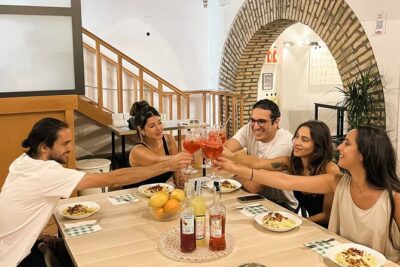
Pasta Cooking Class Near the Colosseum with 3 Spritz Cocktails
Read our review →