
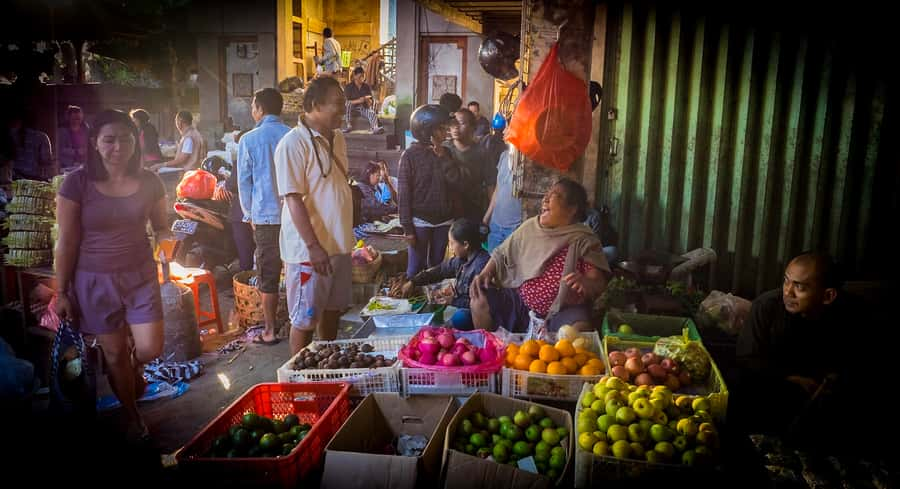
Review · INDONESIA
Bali: Private Balinese Cooking Class in a Family Home
The best part of this experience is that the cooking happens in a real Balinese family home, not in a polished restaurant kitchen built for tourists. You begin with a market visit, then learn to prepare five or six dishes with help from a local family and guide. The day feels more like a village visit with a cooking lesson attached.
I like the market stop, where you see the ingredients before they are chopped and cooked. I also like the personal scale: this is a private group, and guides such as Indah, Sana, Putu, and Nyoman have been praised for explaining local customs as well as recipes. The main drawback is distance. From Seminyak, Nusa Dua, or other resort areas, the drive to the family home can take two hours each way.
Key points to know
- The class takes place in a family home: Expect a personal setting, local hospitality, and a respectful look at ordinary Balinese traditions.
- You shop before you cook: The market visit helps you understand the produce, herbs, spices, and fresh ingredients used in the meal.
- You prepare five to six dishes: Choose the standard non-vegetarian menu or the vegetarian menu before the class.
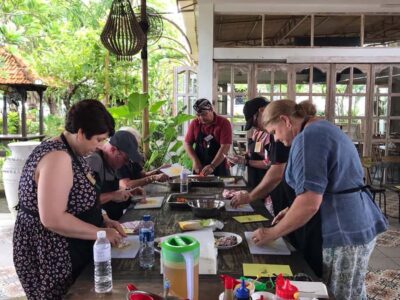
- The cooking is hands-on: You will chop, mix, season, grill, and cook with help from the instructor.
- The day can include more than food: Optional add-ons include Luwak coffee tasting, a jungle swing, traditional massage, photographs, and language-specific guides.
- Allow plenty of road time: The six-hour activity includes transport and the market visit, but the class itself lasts about four hours.
A six-hour food day in the Balinese countryside
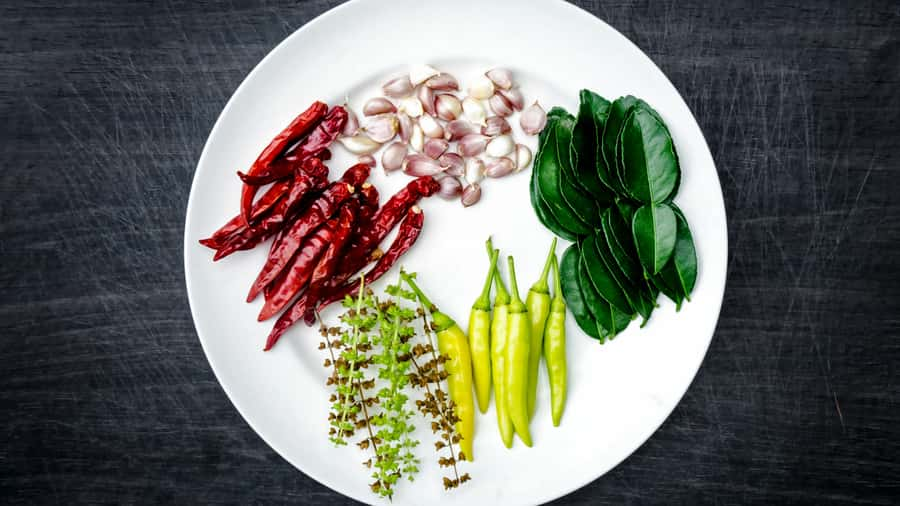
This is best understood as a private cultural day trip rather than a short cooking lesson. Hotel pickup and drop-off are included, and the route may take you well beyond the busy resort districts before you reach the family home.
That travel time is both the strength and weakness of the outing. You get a look at quieter parts of Bali, and guides often explain temples, customs, village life, and places of local importance along the road. But if you are staying in Nusa Dua or far from the class location, the drive can take more than two hours each way.
The total activity lasts six hours. The cooking session itself is described as four hours, with time for the market, transport, welcome drink, demonstrations, breaks, and the meal. Plan this as a major part of your day, not as something to squeeze between beach time and dinner.
More Balinese Cooking Classes around Indonesia:
- Ubud: Balinese Cooking Class at an Organic Farm
★ 5.0 · 1,786 reviews - Ubud Cooking Class Bali with Balinese Chef
★ 5.0 · 1,609 reviews - PRIVATE Authentic Balinese Cooking Class in Ubud at Putu’s Home
★ 5.0 · 644 reviews
Starting at a local market
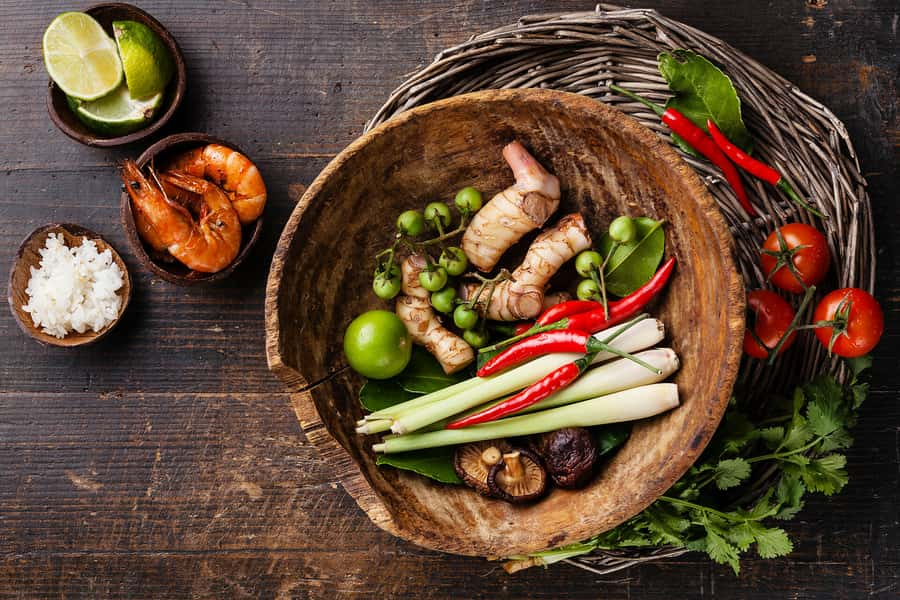
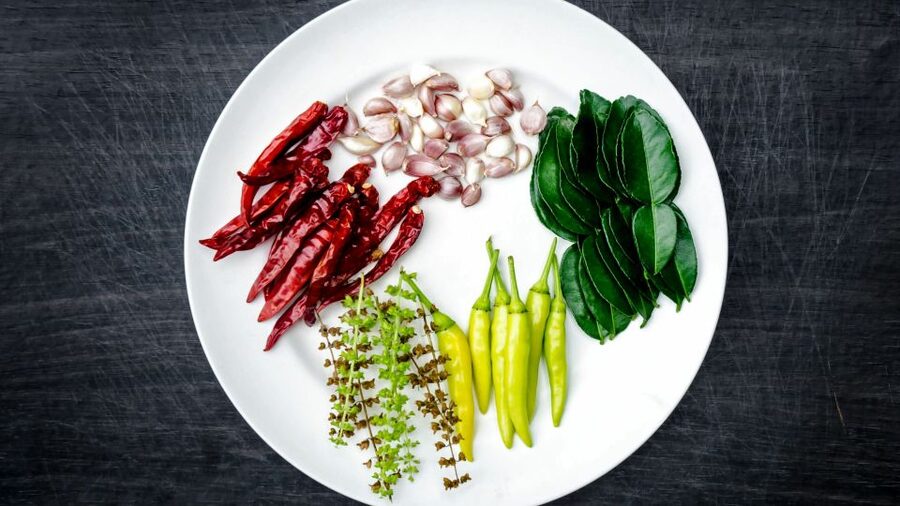
The market visit comes before the cooking. You select the ingredients with your guide, looking for suitable vegetables, herbs, spices, fish, meat, tempeh, noodles, and other products needed for the chosen menu.
This is a useful part of the experience because Balinese food can look simple on the plate while depending on many small details. A market gives you a clearer sense of what goes into a yellow spice paste, peanut sauce, vegetable dish, or sate mixture.
The exact market experience can vary. One morning, most stalls may be open. On another day, a local celebration or market schedule may limit what is available. Guides have adjusted the plan by visiting nearby coffee sellers or other local stops when the market was partly closed.
You should see the market as a cultural stop, not just a shopping errand. Ask your guide about the ingredients, how they are used at home, and which flavors are common in Balinese cooking. English is the standard language for the activity, though female, German-speaking, Japanese-speaking, and Korean-speaking guides are available as optional choices when offered for your booking.
Entering a traditional Balinese family home
At the cooking location, you are welcomed by members of the family and offered a drink. The setting is informal and personal. You may meet several relatives, and some experiences include a look at the family compound, rice fields, cattle, or chickens.
That setting is what gives the class its character. You are not simply following a recipe in a classroom. You are seeing where the meal is prepared and meeting people who cook this food as part of daily life and family tradition.
You should also behave as you would in anyone’s home. Dress respectfully, listen to instructions, and ask before taking photographs. The activity specifically asks you to respect local customs and follow the instructor’s guidance.
The family members may not all speak English. Usually, the guide helps translate and explain, but communication can be less direct when the person teaching at the stove speaks little English. If detailed instruction matters most to you, make sure your booking includes a guide who can explain the cooking clearly.
Watching the demonstration before taking the stove
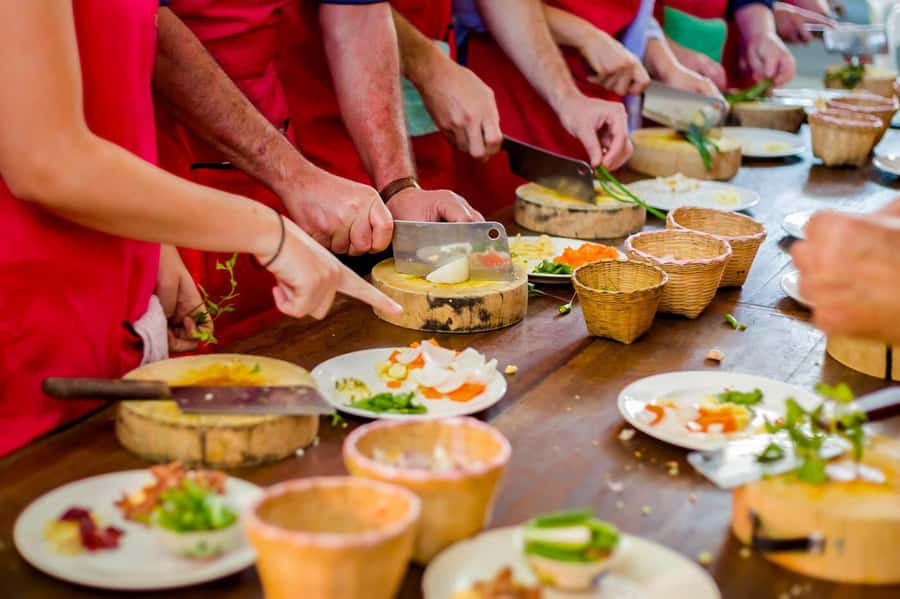
The class begins with a cooking demonstration. The instructor shows you the ingredients, preparation methods, and cooking order before you work at the stoves yourself.
The most useful lessons are often small ones. Balinese recipes depend on how finely ingredients are cut, how spice mixtures are pounded or blended, and when each item goes into the pan, grill, or banana leaf. You are not just collecting a list of ingredients. You are learning how the texture and timing affect the final dish.
The class is hands-on, but the amount of work you do can vary by group and instructor. Some people have spent most of the preparation and cooking time actively working. Others have wished they could do more while family members handled part of the meal. If you want to chop and cook every dish yourself, say so at the start.
The instructors are generally patient and supportive. Guides named in past bookings include Indah, Sana, Putu, Nyoman, Wayan Sana, Sambe, Dayu, and others. The exact guide depends on the date and option you select, but the best part of the guiding style is the connection between food and culture.
More Home Cooking Classes in Indonesia:
- Munduk Balinese Cooking Class lunch/Dinner at a Local Home
★ 5.0 · 26 reviews - packages cooking class and romantic dinner in a local home
★ 5.0 · 4 reviews - Khmer Cooking Class at a Local’s Home in Krong Siem Reap
★ 5.0 · 2,731 reviews - Porto: Pastel de Nata Cooking Class with Grandma’s Recipe
★ 5.0 · 1,565 reviews
Choosing between the two menus
You must choose your menu before the class. The standard non-vegetarian selection includes:
- Basic yellow sauce and peanut sauce with vegetables
- Sate Lilit Bawi, pork grilled on sticks
- Pepes Ikan, fish cooked in banana leaves with herbs and spices
- Chicken Kare, Balinese fried chicken
- Lawar Bali, a mixture of vegetables, coconut, meat, herbs, and spices
- Mie Goreng, fried noodles
- Kolak Pisang, banana cooked in palm sugar gravy
The vegetarian menu includes:
- Basic yellow sauce and peanut sauce with vegetables
- Balinese vegetable soup, described as a Balinese green curry
- Pepes Tempeh, tempeh cooked in banana leaves with herbs and spices
- Tempeh Manis, tempeh stir-fried with sweet soy sauce
- Gado Gado, vegetables with peanut dressing
- Kolak Pisang, banana cooked in palm sugar gravy
The menu descriptions list seven items in some places, while the activity is also described as five to six dishes. Expect the final number to depend on the selected option and how the class is organized.
The standard menu gives you a broad taste of Balinese cooking, including grilled pork, fish, chicken, vegetables, noodles, and dessert. The vegetarian menu is not a token substitute. It includes tempeh, gado gado, curry-style soup, sauces, and banana dessert, so it still offers a full meal with different textures and flavors.
People with food allergies should not book casually. Peanuts, soy, spices, animal products, and other ingredients may be present, and the activity is listed as unsuitable for people with food allergies. Tell the team about dietary restrictions in advance, but do not assume every allergy can be accommodated.
Two breaks, tropical fruit, and a local herbal drink
The class includes two breaks. These are used to sample fresh Balinese tropical fruit and Loloh Cem Cem, a homemade herbal drink associated with local health traditions.
These pauses help keep the long class comfortable, especially when several dishes are being prepared at once. They also give your guide a natural chance to explain local ingredients and food customs.
You will want to leave room for the meal. The class involves tasting along the way, then eating the dishes you prepared in the dining area. The atmosphere is informal, and the meal is part of the teaching, not a separate restaurant service.
You can take the remaining food home after the class. That is a practical bonus, especially after a full day of cooking and eating. Bring a little patience for packaging and transport, since the food may still be warm.
What the food lesson teaches you
The class is valuable because it focuses on process, not just recipes. You learn that Balinese flavor comes from careful preparation, fresh ingredients, spice mixtures, coconut, herbs, sweet soy sauce, banana leaves, and charcoal cooking.
Sate Lilit is a good example. Rather than simply placing pieces of meat on a skewer, the mixture is shaped around a stick before grilling. One particularly useful cooking detail is that the recipe may not use peanuts, even though peanut sauces appear elsewhere on the menu.
Pepes dishes show another traditional method. Fish or tempeh is combined with herbs and spices, wrapped in banana leaves, and cooked so the leaves help hold in aroma and moisture.
Lawar gives you a taste of a more mixed preparation, combining vegetables, coconut, herbs, spices, and meat in the standard menu. Gado gado gives vegetarian participants a similar lesson in combining vegetables with a strong peanut dressing.
Dessert is simpler but memorable: saba bananas braised in palm sugar gravy. After the savory dishes and spice-heavy preparations, the sweet finish makes sense.
Add-ons that change the shape of the day
The base experience includes the cooking class, ingredients, apron, utensils, market visit, and hotel transportation. Optional add-ons can make the day longer or more varied.
Available choices may include:
- Luwak coffee tasting
- Jungle swing and coffee
- One-hour traditional massage
- Two-hour traditional massage
- Ten Polaroid photographs
- Female guide
- German-speaking guide
- Japanese-speaking guide
- Korean-speaking guide
These options are not all available with every booking, so check the selected package carefully. The coffee stop has been a welcome addition for people who already wanted to learn about Balinese coffee. The swing is more of a scenic activity than a cooking feature, so choose it only if you want to add another tourist stop to the day.
A massage may suit you if you want a slower finish after the class. If your main goal is food and family contact, the basic cooking option may be enough. At $52 per person, the base price is reasonable for a private six-hour outing with transport, ingredients, instruction, and a full meal. The add-ons can push up the cost, so compare the final total rather than the headline price.
The long drive is the main practical issue
The most important booking question is your pickup location. The family home is in the countryside, with experiences described around Bangli and east of Ubud. From some resort areas, you may spend more time in the vehicle than expected.
For couples or solo visitors, that drive can become part of the day because the guide may explain Bali along the way. For a group of five, the vehicle may feel cramped. If you are prone to motion sickness or dislike long road transfers, ask about the expected pickup time and route before paying.
The private format helps. You are not tied to a large group, and the driver can sometimes make sensible stops along the way. Still, do not book this expecting a quick activity near Seminyak or Nusa Dua.
Who will get the most from this experience
I would recommend this day to you if you want local contact, food instruction, and a look at village life in one outing. It works particularly well for couples, solo visitors, families with older children, and people who have already seen Bali’s main temples and beaches.
Children under 10 are officially not suitable for the activity, although one family did attend with younger children and enjoyed it. The stated rule is the safer guide to follow, and children must be accompanied by an adult throughout.
The class is not suitable for wheelchair users because of the home setting and cooking arrangements. It is also not suitable for people with food allergies.
You do not need to be a serious cook. The instructors offer help, and the lesson is built around participation rather than technical skill. But you should enjoy being in a home kitchen, handling raw ingredients, sitting through a long meal, and spending time on the road.
Is this Balinese cooking class worth booking?
Book it if you want authentic family contact, a proper meal, and cultural explanation rather than a short demonstration. The private format, hotel transport, market stop, and five to six dishes make the $52 starting price good value, especially for a couple or small group.
Think twice if your Bali base is far from the class, your schedule is tight, or you need strict allergy control. Before booking, confirm the pickup area, menu, guide language, add-ons, and expected travel time.
For most food lovers who can spare a full day, this is one of the better ways to connect cooking with everyday Balinese life. The road may be long, but the family home, market, and meal give the outing a purpose beyond another restaurant lunch.
FAQ
How long does the Balinese cooking class last?
The full activity lasts six hours. The hands-on cooking class is described as four hours, with the remaining time used for hotel transport, the market visit, breaks, demonstrations, and the meal.
Is hotel pickup and drop-off included?
Yes. Hotel pickup and drop-off are included in the activity.
Is the cooking class private?
Yes. The activity is operated as a private group.
Which dishes can I cook?
The standard menu may include Sate Lilit Bawi, Pepes Ikan, Chicken Kare, Lawar Bali, Mie Goreng, sauces, vegetables, and Kolak Pisang. The vegetarian menu includes Pepes Tempeh, Tempeh Manis, Gado Gado, vegetable soup, sauces, and Kolak Pisang.
Can I choose a vegetarian menu?
Yes. You must select the standard non-vegetarian or vegetarian menu before the class.
Are ingredients and cooking equipment provided?
Yes. Ingredients, an apron, utensils, and a fully equipped workspace are included.
Can I cancel or pay later?
You can cancel up to 24 hours in advance for a full refund. The activity also offers reserve now and pay later booking.
More Private Cooking Classes in Indonesia
- Rome: Pasta Making Class with Tiramisu & Wine PRIVATE OPTION
★ 4.8 · 404 reviews - Private Market Tour & Cooking Class in Puerto Vallarta with Manu
★ 5.0 · 241 reviews - Private Cooking Class with 5 dishes of your choice
★ 5.0 · 227 reviews - VIP Mekong Delta Adventure Cycling & Kayaking – Private Day Trip
★ 5.0 · 179 reviews
New cooking classes around Indonesia
- Seminyak: Vegetarian Cooking Class★ 5.0 · 3 reviews
- Seminyak : cooking class traditional food bali★ 5.0 · 5 reviews
- Quad ride, waterfalls & aunthentic cooking class in munduk★ 4.9 · 53 reviews
- Pure Bali Village Experience Cooking & Jamu Class, Transfer★ 4.8 · 5 reviews
- Ubud: Organic Farm Harvest, Bali Cooking Class by Pemulan★ 4.8 · 12 reviews
- packages cooking class and romantic dinner in a local home★ 5.0 · 4 reviews
- Nusa Dua: Balinese Cooking Class with Market Tour★ 5.0 · 4 reviews
- Bali: Balinese Cooking Class and Market Tour★ 4.8 · 19 reviews
Indonesia Cooking Classes, side by side.
Ubud: Balinese Cooking Class at an Organic Farm
Read our review →
From Ubud: Authentic Cooking Class in a Local Village
Read our review →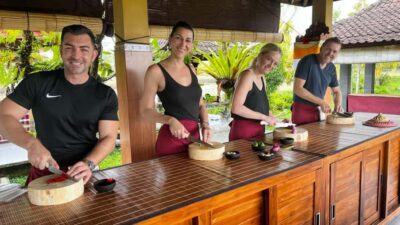
Ubud: Cooking Class with Transfers and Optional Market Visit
Read our review →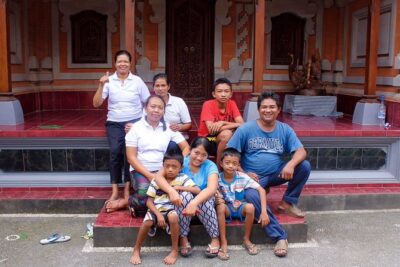
PRIVATE Authentic Balinese Cooking Class in Ubud at Putu’s Home
Read our review →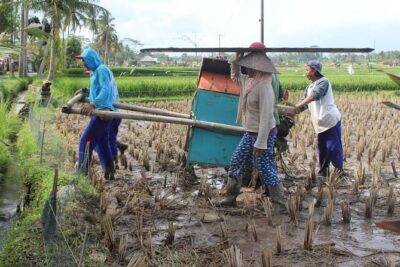
Balinese Ubud cooking school (9 Dish Cooking and Market Tour)
Read our review →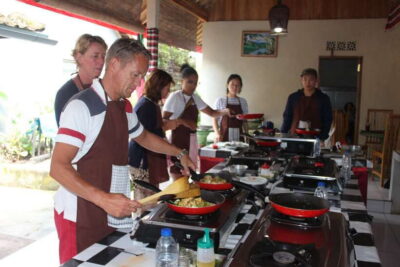
This kitchen also appears in