
Review · KATHMANDU
Cook with Lisha: Nepali and Newari Cooking Class
The best part of this Kathmandu cooking class is that it takes place in Lisha’s family home, not a polished school kitchen. You cook, eat, and talk in the same setting where Nepali food is part of daily life. Lisha leads the food preparation, while Arith may add context about Nepal’s society and culture.
I like the choice built into the meal. You can focus on Dal Bhaat, practice momo folding, make Yomari, or tackle a full Newari Khaja Set. I also like the small, private format, which gives you room to adjust spice levels and ask for guidance. The main consideration is that the class runs only on Saturdays after noon, and the meeting point near Bliss Apartment may require paid transport.
Key points to know before booking
- Cook in a private Kathmandu home: The setting is intimate and family-run rather than commercial.
- Choose your main food experience: Options include Dal Bhaat, Dhido, momos, Yomari, and a Newari Khaja Set.
- Learn from Lisha and her family: Lisha handles the cooking instruction, and Arith can add wider cultural and social context.
- Expect a full meal afterward: The dishes you prepare become your lunch or late meal, with recipes included.
- Plan for Saturday afternoon: Classes take place every Saturday after 12 pm and last about three hours.
- Ask about food needs early: Spice levels can be adjusted, but allergies and special ingredients need advance discussion.
A family kitchen instead of a cooking studio
Cook with Lisha is built around a simple idea: food makes more sense when you meet the people who prepare it at home. Lisha comes from a typical Newari family and now lives in Kathmandu, where she hosts the class each Saturday after 12 pm.
That home setting changes the tone. You are not just watching a chef demonstrate a dish from behind a counter. You are taking part in the work, then eating the finished food with the family. The atmosphere is personal, and the small private-group setup gives you more direct time with the hosts.
The class is offered by Holyland Adventure Tours and Travels Pvt Ltd, but the actual experience feels family-run. That distinction matters if you want a cooking lesson with conversation and local perspective, rather than a standard group activity.
Arith is also part of the hosting team. He has been praised for making people feel comfortable and for discussing Nepal’s political and social life in a way that adds context to the meal. If you enjoy asking questions beyond food, this can become as much a conversation with a Nepali family as a cooking class.
The class lasts three hours. That is enough time for preparation, cooking, eating, and conversation without turning the session into an all-day commitment. You should still arrive ready to work. This is hands-on cooking, not simply a tasting.
More cooking classes around Kathmandu:
- Half day cooking class in Thamel kathmandu
★ 5.0 · 607 reviews - Kathmandu: Local Women-Led Nepali Cooking & Momo Class
★ 4.9 · 360 reviews - Kathmandu: Local Lead Nepali Cooking & Momo-Making Class
★ 5.0 · 212 reviews
Building a Nepali meal around Dal Bhaat
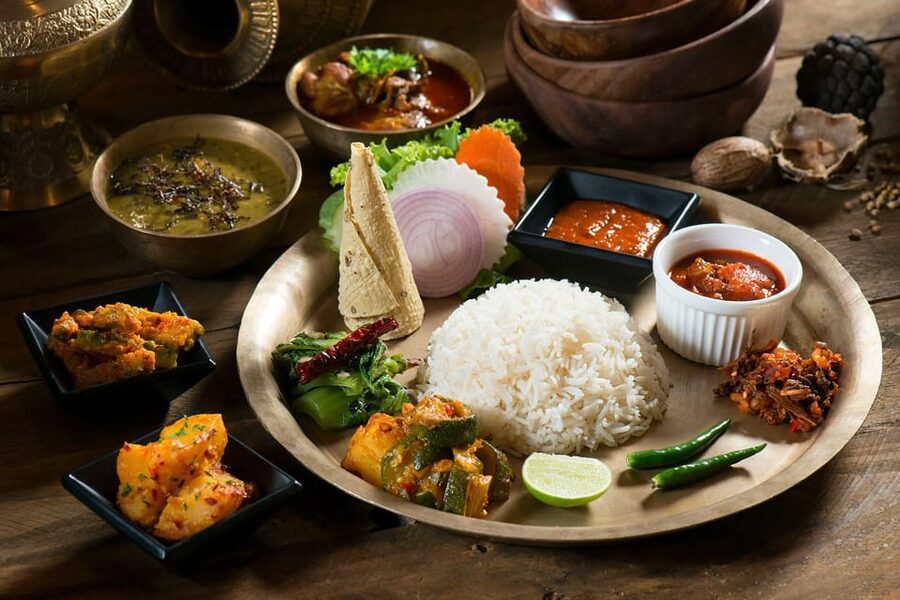
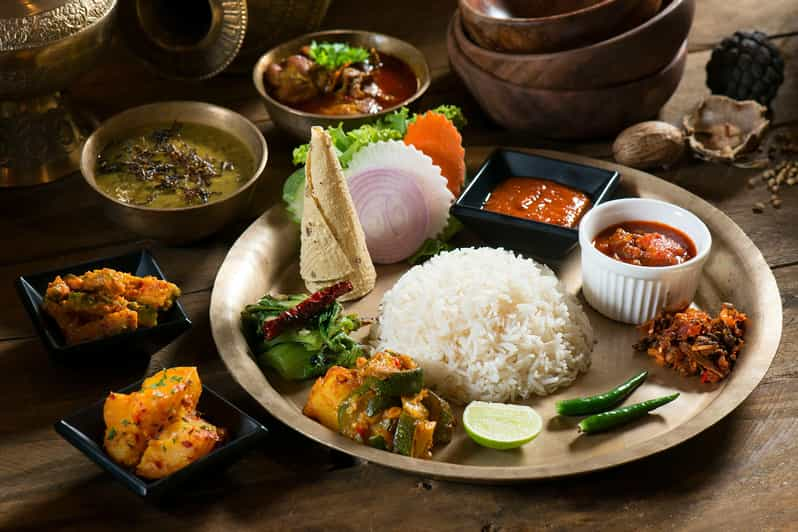
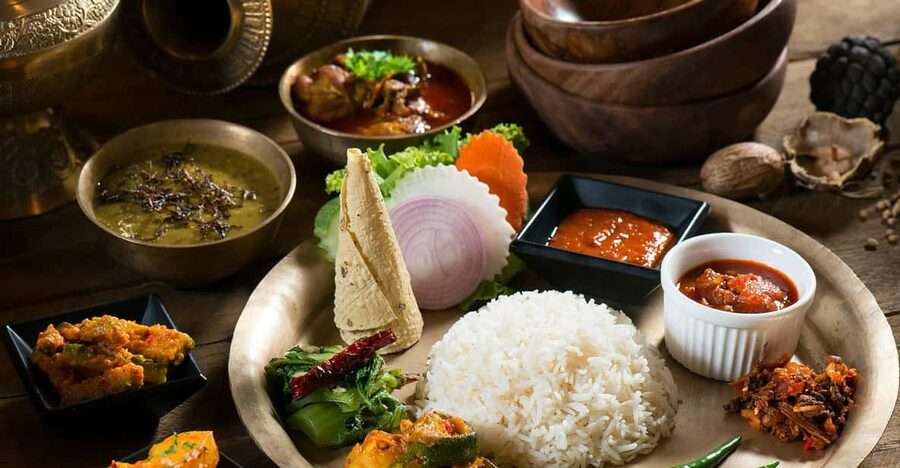
Dal Bhaat is the natural place to begin because it is one of Nepal’s best-known everyday meals. Here, you prepare dal, or lentil soup, with rice or Dhido, then add the side dishes that turn it into a complete plate.
The meal can include:
- Dal, or lentil soup
- Bhaat, or rice
- Dhido, made from stone-ground cornmeal, millet flour, or buckwheat flour
- Saag, or Nepali spinach
- Seasonal vegetables
- Achar, or chutney
- Ghee
- Salad
- Vegetable or non-vegetable curry
The value of this course is not just the finished plate. You get to see how a familiar food tradition is assembled from several small parts. Achar, greens, curry, and ghee each change the balance of the meal, so the final result is not simply rice and lentils.
Choosing Dhido gives you a different introduction to Nepali food. It is a traditional porridge made with grain flour and has a heavier, more rustic texture than rice. If you want the most familiar option, choose Bhaat. If you want to try something less common outside Nepal, Dhido is the more interesting choice.
You can also discuss the protein in advance. The standard non-vegetarian option is chicken, while other meat choices cost an additional $3 to $5. Basic vegetable and meat selections are included, but premium or unusual ingredients may bring another charge.
Spice is not fixed. You can tell Lisha what suits you before cooking, which is useful if you like Nepali food but do not handle strong heat well. This flexibility was important to people who found the food excellent even with a milder spice level.
Folding momos by hand
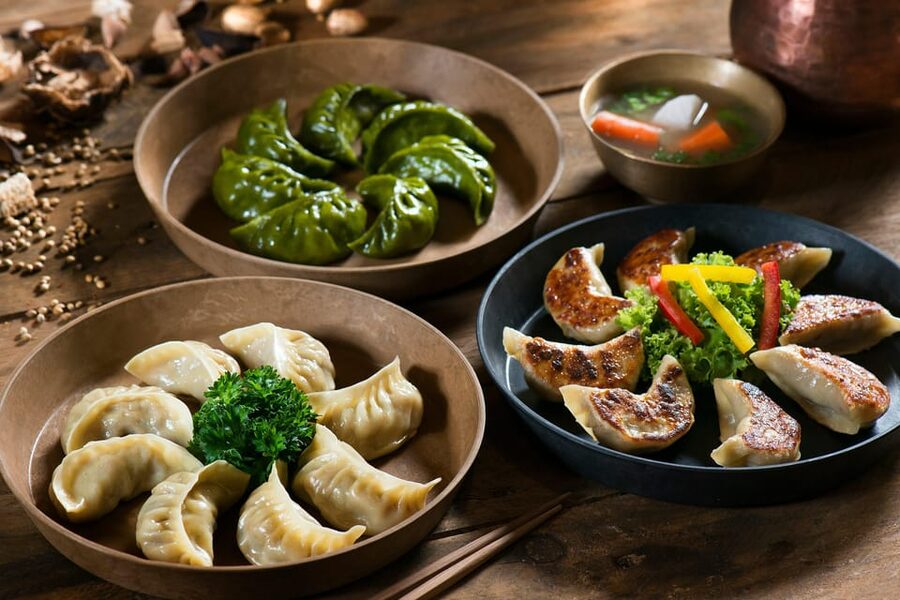
Momos are one of the most approachable choices for a first cooking class in Nepal. You learn to prepare the dough and filling, then shape the dumplings by hand. The class covers both steamed and fried versions, with vegetable or meat fillings.
The folding is where this activity earns its place over a restaurant meal. You can watch the dough change from a basic mixture into wrappers, then practice closing each momo so the filling stays inside. Your first few may look uneven. That is part of the fun, and a private class gives you room to keep trying without feeling rushed.
The choice between steamed and fried momos also shows how one basic food can have different textures. Steamed momos are softer and lighter, while fried ones offer a crisp outer layer. Ask in advance which version you want to make if you have limited time.
Momo preparation may be offered as an optional course rather than the automatic center of every booking. Contact Lisha before you reserve and explain what you want to cook. This is especially important if you hope to include momos alongside Dal Bhaat or the Newari set within the three-hour session.
Trying Yomari and its Newari meaning
Yomari is a traditional Newari sweet with cultural meaning beyond its ingredients. The class introduces the food’s connection to Yomari Punhi, a Newari festival, and teaches you how to shape the delicacy.
The appeal here is cultural as much as culinary. You are not just learning another dough recipe. You are hearing why the food matters and how it fits into Newari custom. The session covers the symbolism and rituals linked with Yomari Punhi, giving you a clearer sense of why some dishes carry a place’s identity.
Yomari is listed as an optional course, so confirm its availability and fit with your chosen meal. If you want to cover several dishes in one visit, there may not be enough time for every option. A focused lesson on one or two foods will likely give you more useful practice than trying to rush through the whole menu.
Same kitchen, a different dish:
- Local Women Lead Nepali Cooking Class
★ 5.0 · 125 reviews - Kathmandu: Local Women-Lead Nepali Cooking & Momo Class
★ 4.9 · 45 reviews - Kathmandu: Local Lead Nepali Cooking & Momo Making Class
★ 4.9 · 40 reviews - Kathmandu: Women-Led Cooking Class & Momo Making-Local Taste
★ 4.8 · 15 reviews
Eating your way through a Newari Khaja Set
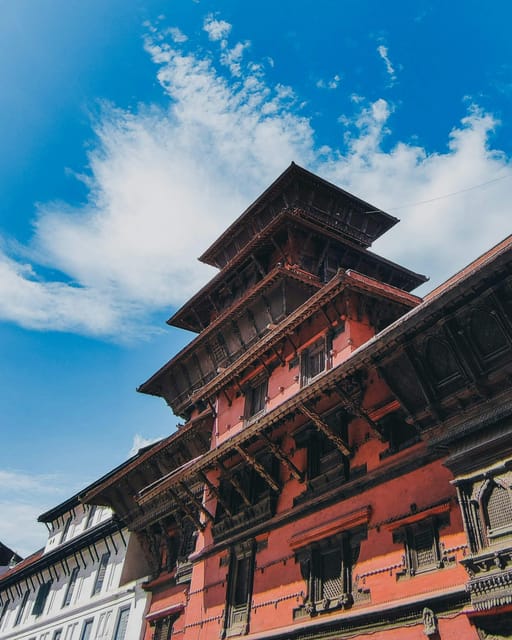
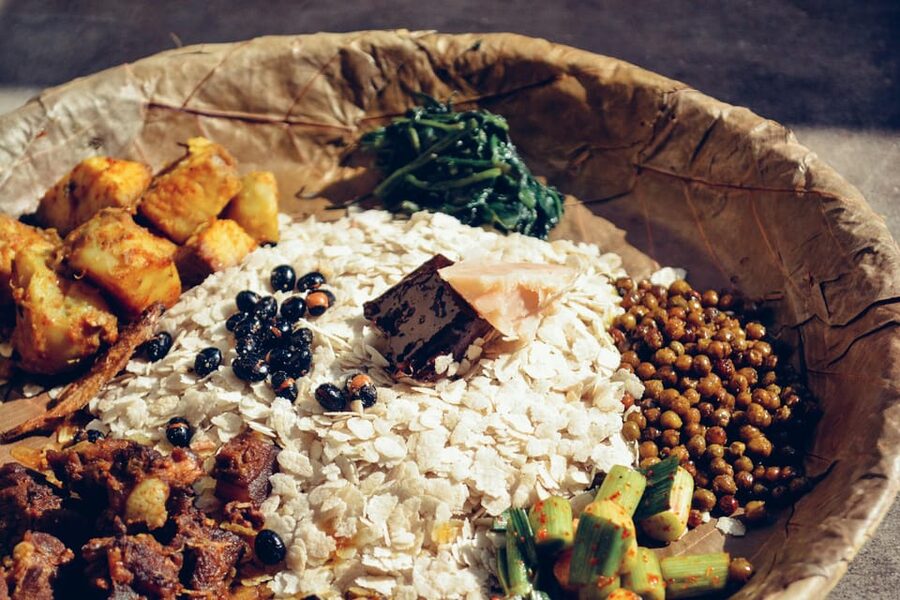
The Newari Khaja Set is the most ambitious food option. It is a spread of savory, spicy, crunchy, and soft items served together, and the preparation shows how much variety can fit into one Newari meal.
The set can include:
- Beaten rice
- Fried soya beans
- Choila
- Alu Sadheko
- Achar
- Alu Tama with soya beans
- Bara
- Vegetable or non-vegetable curry
You may know beaten rice by another name, such as flattened rice. Here it forms part of a larger plate rather than a standalone dish. Fried soya beans bring crunch, while Alu Sadheko adds a seasoned potato element. Choila, Bara, curry, and achar give the set more contrast.
This is the choice for you if your main aim is to sample Newari cooking in one sitting. It is also the most useful option if you want to understand how a traditional feast is balanced. The drawback is practical: a large set has more components, so the class may feel more like a guided meal preparation than a focused lesson on one dish.
Newari food can be strongly seasoned, but you can discuss the spice level ahead of time. That small conversation can make a big difference to your enjoyment. You do not need to prove anything by ordering the hottest version.
A market visit can add another layer
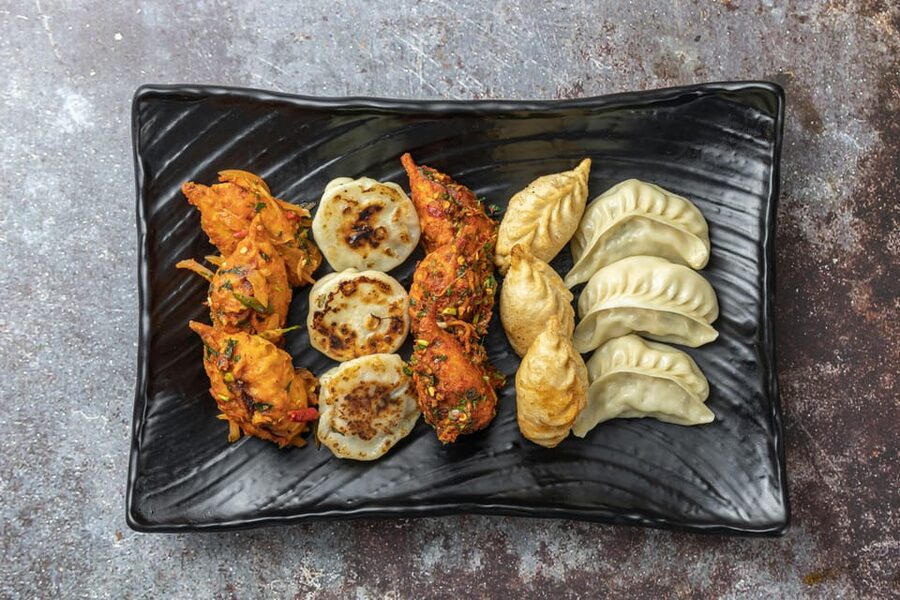
An optional local market visit can be arranged for an additional charge. This is not included automatically, so ask for it before booking if shopping for ingredients interests you.
A market stop can help you connect the dishes to their raw materials. You may see the types of grains, vegetables, spices, and other ingredients used in the meal before returning to the kitchen. The information provided does not set out a fixed market route or duration, so treat it as an add-on arranged around your interests.
The market visit may be especially useful if you want to continue cooking Nepali food after your trip. Ask Lisha or the tour operator whether the visit can focus on ingredients for the dish you plan to prepare. You should also confirm the extra cost and how it affects the three-hour class.
What the $20 price includes
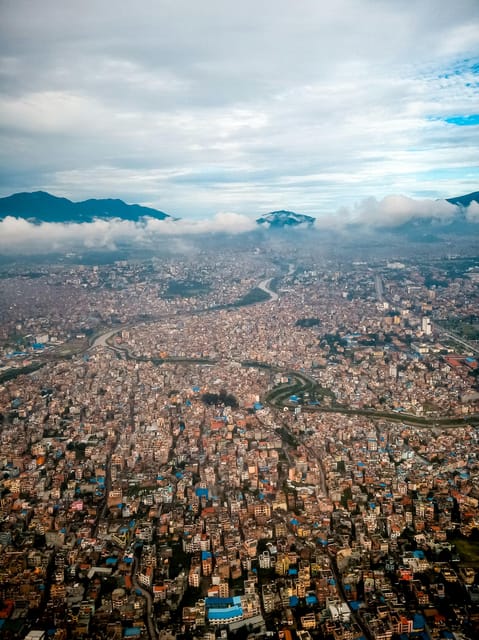
At $20 per person, the class offers solid value if you want more than a meal. The price includes the hands-on instruction, ingredients for your selected courses, recipes for the dishes prepared, and a full meal of what you cook. Taxes and service charges are also included.
The recipes add lasting value. A restaurant meal disappears when you leave, but a recipe gives you a way to repeat part of the experience at home. You can also learn by doing instead of simply watching, which is usually a better way to remember techniques such as momo folding or preparing achar.
The price does not include transport. A pickup or drop-off can be arranged for an extra fee, and you need to request it in advance. The meeting point is near Bliss Apartment, so confirm the exact directions with the host before the day of the class.
Special ingredient requests can also cost more. The listed extra charge for choosing meat other than chicken is $3 to $5. Premium or exotic ingredients may bring additional fees, so tell the host exactly what you want before booking.
For a private class with food, instruction, recipes, and family conversation, the base price is attractive. The final cost depends on transport, market visits, and ingredient choices. Ask for a clear total if you plan to add any of these.
Timing, comfort, and food restrictions
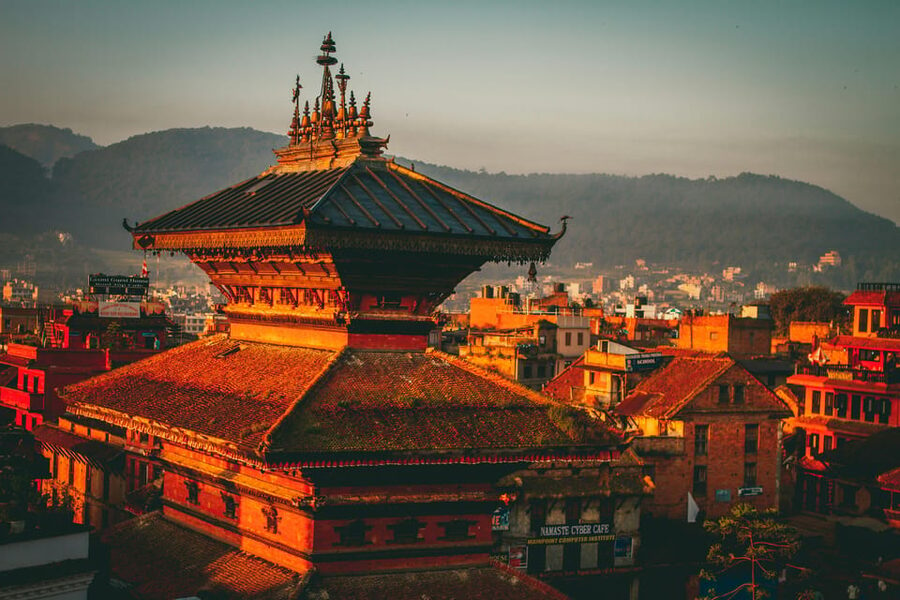
The class is held every Saturday after 12 pm. Starting times depend on availability, so check the schedule before building it into your Kathmandu plans. Since the class lasts three hours, it works well as a Saturday afternoon activity followed by an evening walk or another relaxed plan.
Wear comfortable clothes and bring a camera if you want to record the process. You will be working with food, so avoid clothing that makes movement difficult. The setting is a private home, and indoor smoking, alcohol, drugs, intoxication, loud noise, littering, and nudity are not allowed.
Food allergies require special care. The activity is not considered suitable for people with food allergies, and the host asks you to share dietary restrictions or preferences in advance. You should not assume that a requested change will be possible unless Lisha confirms it.
Vegetarians and people who prefer mild food can discuss their needs before the class. The menu allows vegetable choices, and spice levels can be adjusted. Still, the safest approach is to explain every restriction clearly before you pay.
The class is offered in Nepali, Hindi, and English. That language range makes it easier to ask about ingredients, techniques, and family traditions during the meal.
Who will enjoy this Kathmandu cooking class
I would choose this activity if you want a personal introduction to Nepali food and have an interest in the people behind the dishes. It suits first-time cooks because the host guides you through the steps, but experienced home cooks can also ask for more detail about dough, spices, and Newari preparation.
It is a good fit for couples, families, and small private groups. One small group had only three people, which allowed for direct instruction and a quiet setting. The private format also works well if your group has different preferences for spice, meat, or the type of food you want to prepare.
This may not be the best choice if you want a polished restaurant-style setting, a fixed timetable, or a class that runs every day. Saturday availability is limited, and the home setting means the experience is informal by design.
It is also less suitable if you are looking only for a quick tasting. You will spend time preparing the meal, and the benefit comes from taking part in the work.
Should you book Cook with Lisha?
Book this class if you want a family welcome, hands-on cooking, and a meal you can recreate at home. The strongest reasons to choose it are the private Kathmandu setting, the flexible menu, the chance to learn Newari food from someone raised in that tradition, and Arith’s added cultural conversation.
Choose your focus before you arrive. Pick Dal Bhaat for a clear introduction to everyday Nepali food, momos for a practical cooking lesson, Yomari for a cultural story tied to Newari tradition, or the Khaja Set for the widest range of flavors.
I would skip it only if Saturday afternoon does not fit your schedule, you need strict allergy control, or you prefer a formal cooking school. For everyone else, $20 buys more than a plate of food. It buys time in a Kathmandu home, a useful set of recipes, and a direct connection to Nepali family life.
FAQ
Where does the cooking class take place?
The class takes place at Lisha’s home in Kathmandu. The meeting point is near Bliss Apartment, and you should confirm the exact directions with the host.
When is the class held?
The class is held every Saturday after 12 pm. Starting times depend on availability.
How long does the cooking class last?
The activity lasts three hours.
What languages does the instructor speak?
The class is available in Nepali, Hindi, and English.
Is the class private?
Yes. The experience is offered for a private group.
What food can I learn to prepare?
You can choose from Dal Bhaat with rice or Dhido, momos, Yomari, and a Newari Khaja Set. Some courses are optional, so tell the host what interests you before booking.
Does the price include the food?
Yes. The price includes ingredients for the selected courses and a full meal of the dishes prepared during the class.
Is transportation included?
No. Transportation to and from the class is not included, but it can be arranged for an additional fee if you request it in advance.
Can I cancel or pay later?
You can cancel up to 24 hours in advance for a full refund. You can also reserve now and pay later, so payment is not required at the time of booking.
New cooking classes around Kathmandu
- Kathmandu: 3-Hours of Cooking Class with Meals★ 5.0 · 10 reviews
- Local Women Led Nepali Cooking Class★ 5.0 · 6 reviews
- Kathmandu: Nepali Cooking Class with Hotel Pickup★ 4.1 · 5 reviews
- Kathmandu: Women-Led Cooking Class & Momo Making-Local Taste★ 4.8 · 15 reviews
- Kathmandu: Local Women-Lead Nepali Cooking & Momo Class★ 4.9 · 45 reviews
- Kathmandu: Local Lead Nepali Cooking & Momo Making Class★ 4.9 · 40 reviews
- Kathmandu: About 3-hour Cooking Class Experience near Thamel★ 5.0 · 3 reviews
- Kathmandu: Cooking Class in Nepal★ 5.0 · 2 reviews
Kathmandu Cooking Classes, side by side.
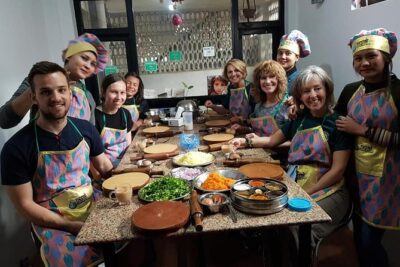
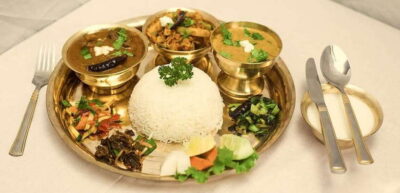
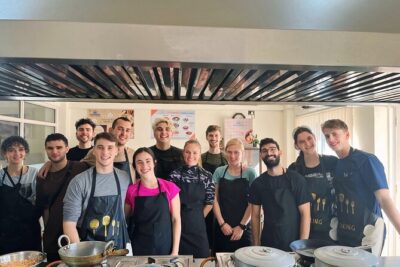
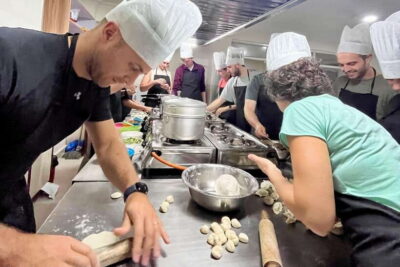
Kathmandu: Women-Led Cooking Class & Momo Making-Local Taste
Read our review →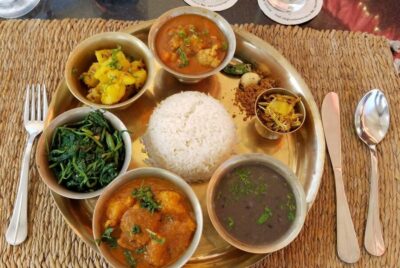
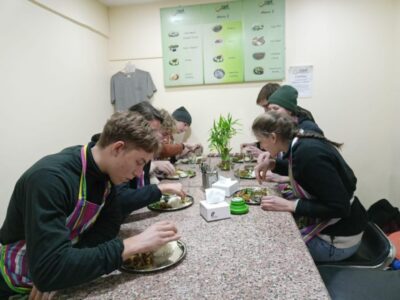
Half Day Cooking Class in Thamel with Local Market Visit
Read our review →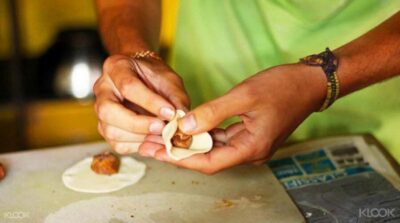
Kathmandu: Nepali Cooking Class with Hotel Pickup
Read our review →This kitchen also appears in