
Review · KATHMANDU
Local Women Lead Nepali Cooking Class
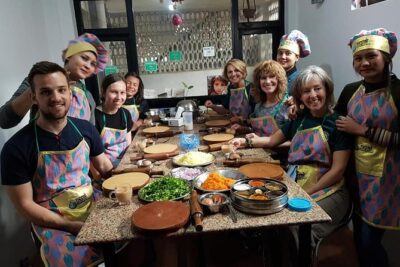
The best part of this Kathmandu experience is the personal, hands-on format. At Namaste Cooking School, local women guide you through Nepali dishes rather than simply cooking in front of you. You begin with masala chai, choose from three menus, study regional spices, and then prepare lunch with help from the instructors. Authentic local ingredients come through the school’s links with nearby farmers.
I like the warm social setting, especially for solo visitors. Sabita and Sushila are named by guests as friendly, patient instructors, and the class can include stories, Nepali words, singing, and even dancing. I also like the practical takeaway: a recipe book lets you repeat the meal at home.
The main thing to check is the meeting point. The school is in central Thamel, but the booking information lists Tribhuvan Airport as the start and end point, so confirm the exact pickup arrangement before you go. The class is in English, lasts about four hours, and groups can reach 16 people.
Key points at a glance
- Masala chai begins the class: You receive a traditional welcome drink before cooking starts.
- Three menus give you a choice: The instructors ask about allergies and dietary restrictions before you select your meal.
- You do the actual cooking: Expect guided, hands-on preparation rather than a demonstration-only lesson.
- Sabita and Sushila bring a social touch: Singing, dancing, conversation, and language practice may form part of the afternoon.
- Lunch is included: You eat the food prepared during the half-day class.
- The $30 price includes a useful souvenir: The recipe book makes the lesson easier to repeat at home.
A Nepali cooking class in the heart of Thamel
Namaste Cooking School sits in Thamel, Kathmandu’s main visitor district. That location matters. You can reach it from many hotels, restaurants, and shops, and it makes the class easy to fit into a day of sightseeing.
The school’s approach is built around local cooking traditions and indigenous ingredients. Produce is sourced through local farmers, giving the lesson a stronger connection to everyday Nepali food than a generic international cooking course. You are not just following a recipe. You are learning how spices and fresh ingredients shape the food people eat in Nepal.
The setting is described as bright, airy, and clean. That may sound like a small point, but a comfortable cooking room makes a four-hour class much more pleasant. You can focus on the food, ask questions, and work with the instructors without feeling cramped or rushed.
The school is women-run, and the instructors bring a warm, lively tone to the class. This is not a stiff kitchen lesson. The atmosphere can be playful and social, with conversation, laughter, songs, and dancing forming part of the time together.
More cooking classes around Kathmandu:
- Half day cooking class in Thamel kathmandu
★ 5.0 · 607 reviews - Kathmandu: Local Women-Led Nepali Cooking & Momo Class
★ 4.9 · 360 reviews - Kathmandu: Local Lead Nepali Cooking & Momo-Making Class
★ 5.0 · 212 reviews
Starting with chai and a menu choice
Your welcome begins with masala chai, a traditional gesture of hospitality in Nepal. It is a simple opening, but it gives the class a clear local character from the first few minutes.
Next, you choose from three menus. The exact dishes are not specified in the booking details, so you should select based on what is offered on the day. The instructors also ask about food allergies and dietary restrictions before cooking begins. Tell them clearly about anything you cannot eat, and do so at the start rather than after ingredients have been prepared.
This menu choice gives the class some flexibility. If you are new to Nepali food, you can ask the instructors which option best introduces local flavors. If you already know what you like, you have a chance to guide the meal toward your own tastes.
The class is especially useful if you want more than a restaurant meal. In a restaurant, you taste the finished dish. Here, you learn what goes into it and how the ingredients change as they cook.
Learning the spices behind Nepali food
Before you begin preparing lunch, the instructors introduce regional spices used in Nepali cooking. This is one of the most useful parts of the experience because spice blends often tell you more about a cuisine than a finished plate does.
You can expect to learn how local spices contribute aroma, heat, color, and depth. The lesson is not described as a formal lecture, and that is probably an advantage. The focus remains practical, with the spices connected to the dishes you will prepare.
I like this stage because it helps you pay attention when you order Nepali food later. Instead of treating every flavor as simply hot or mild, you can begin to recognize the parts that create the taste. The class also supports the school’s aim of preserving local culinary traditions through ingredients and cooking methods.
The school’s connection with farmers adds another useful layer. You get a closer look at food as a local product, not just as something bought and served to visitors. The information available does not name the farms or list each ingredient, so do not expect a market tour or a farm visit. The value is in the cooking room, where local sourcing supports the meal you prepare.
Four hours of cooking, not just watching
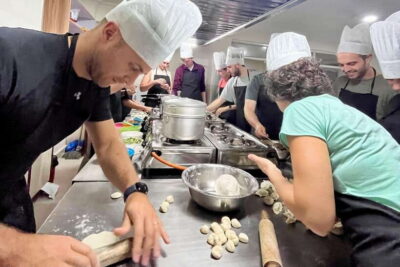
The central part of the class is hands-on. You cook the dishes yourself, with the instructors guiding you through the process. That makes this a better choice for someone who wants practical skills rather than a short food presentation.
You should expect to chop, mix, season, and cook under direction. The exact tasks depend on the menu you choose, and the school does not publish a full dish list in the supplied details. Still, the structure is clear: you select a menu, learn about spices, prepare the food, and eat lunch afterward.
The instructors help as you work, so you do not need to arrive with cooking experience. The class also suits people who already cook at home because you can ask about technique, seasoning, and ways to recreate the meal later.
One detail adds real value: you do not have to handle the cleanup. The instructors take care of it, allowing you to spend your time cooking, eating, and talking rather than washing dishes. That is especially welcome after a long afternoon of preparation.
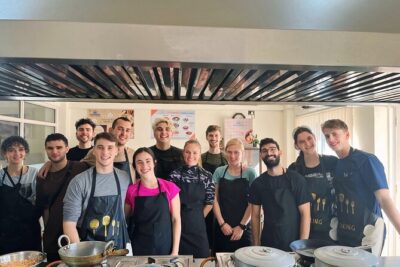
A group of up to 16 people is allowed. That is not a tiny private lesson, so the amount of personal attention can vary. On the other hand, a larger group may make the social side more enjoyable, especially if you are traveling alone. If close one-to-one instruction is essential to you, ask about the group size when booking.
Same kitchen, a different dish:
- Kathmandu: Local Women-Lead Nepali Cooking & Momo Class
★ 4.9 · 45 reviews - Kathmandu: Local Lead Nepali Cooking & Momo Making Class
★ 4.9 · 40 reviews - Kathmandu: Women-Led Cooking Class & Momo Making-Local Taste
★ 4.8 · 15 reviews - Kathmandu: 3-Hours of Cooking Class with Meals
★ 5.0 · 10 reviews
Lunch turns the lesson into a shared meal
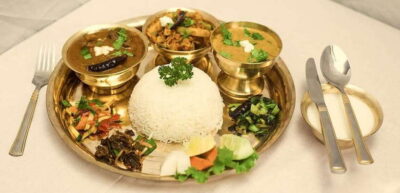
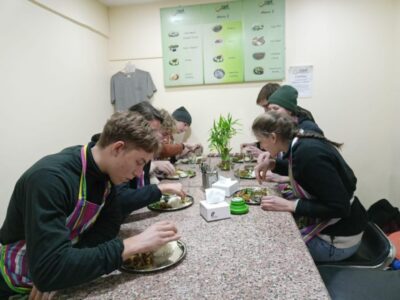
Lunch is included, and it consists of the food you prepare during the class. This gives the experience a satisfying finish. You can sit down with the other participants and taste the results of the work you just did.
The food is described as fresh and delicious, but the greater value is the connection between effort and meal. You see the ingredients before cooking, handle them yourself, and then understand the final dish in a more direct way.
The class can also become a social occasion. Solo visitors have found it easy to join the group, and couples can enjoy working together while meeting the instructors. Some people have practiced Nepali words while helping the women improve their English, which adds a natural cultural exchange to the meal.
Do not expect a formal cultural performance. The appeal is more relaxed. You might sing, dance, trade stories, or simply talk while the food is prepared. That makes the class feel personal, though the exact mood will depend on the group on your date.
Sabita, Sushila, and the human side of the class
Sabita and Sushila are specifically named as instructors. Their role goes beyond showing you a recipe. They guide the preparation, explain the food, answer questions, and help create the friendly tone that makes the class memorable.
That warmth is important for solo visitors. A cooking class can feel awkward if everyone works silently at separate stations. Here, the instructors make room for conversation and participation. You can come alone and still have a natural way to meet people.
The women-led format also gives the experience a clear local identity. You are learning from people connected to the cooking tradition, rather than receiving a generic lesson designed only for tourists. The information provided does not claim that every instructor is from a particular Nepali ethnic group, so you should not expect a single regional cuisine to represent the whole country.
Nepal has many food traditions, and one class cannot cover them all. What this class can do is introduce you to selected flavors and techniques in an approachable way, with local women explaining the food in English.
What the $30 price really includes
At $30 per person, the class offers four hours of instruction, lunch, spice education, guided cooking, and a recipe book. That is a strong package if you place value on time with local instructors and a meal you help prepare.
The recipe book is more useful than a routine souvenir. It gives you a way to recreate the dishes after returning home, and it helps preserve the memory of the class in a practical form. Several people have found the recipes manageable enough to make again.
The cost also covers the social setting and the instructors’ time. You are not paying only for ingredients. You are receiving guidance, a hosted meal, and a cultural exchange in a central Kathmandu location.
The price does not appear to include airport transportation as a separate service. Pickup is offered, but the listed meeting information identifies Tribhuvan Airport as the start and end point, while the school itself is in Thamel. Because those details do not fully match, confirm where you will actually be collected and returned. This is the one logistical point I would settle before paying.
Timing, group size, and practical planning
Set aside about four hours. This is a half-day activity, not a quick lesson squeezed between two short sightseeing stops.
The school is near public transportation and located in Thamel, which makes it practical for many visitors staying in central Kathmandu. You receive confirmation at booking, and the activity is offered in English.
The maximum group size is 16. A class that full may feel lively rather than intimate. It can work well if you enjoy meeting people, but you may have less time for individual questions than in a private lesson.
The experience requires good weather and a minimum number of participants. If poor weather cancels the class, you can choose another date or receive a full refund. The same applies if the minimum group size is not reached.
You can cancel for a full refund up to 24 hours before the start time. Changes made less than 24 hours ahead are not accepted, and cancellations inside that window are not refunded. Since the class requires advance preparation, keep those deadlines in mind.
Who will enjoy this class most
I would choose this experience if you like food, enjoy meeting local people, or want an activity with more participation than sightseeing. It is a particularly good fit for solo visitors because the cooking gives you an easy way to connect with the group.
Couples and friends can also have fun here, especially if you enjoy doing something together rather than sitting through a formal talk. The singing and dancing may appeal to outgoing people, while quieter visitors can focus on the food and conversation.
You do not need advanced kitchen skills. The instructors guide you through the meal, and the class is designed for learning by doing.
This may be less suitable if you want a private lesson, a detailed regional food history course, or a fixed menu of dishes published in advance. The group can reach 16, and the exact menu is selected from three options on the day.
Should you book the Namaste Cooking School class?
Book it if you want a friendly, practical introduction to Nepali food in Kathmandu. The strongest reasons are the hands-on cooking, the women-led instruction, the local farmer connections, the included lunch, and the recipe book you can use at home.
I would be careful only about the meeting point. Confirm the pickup details because the school is in Thamel, while the booking information names Tribhuvan Airport as the start and finish point.
For $30, this is a good-value half-day activity, especially if you want personal contact and a meal rather than another standard city tour. Choose it for the chance to cook, talk, laugh, and leave with something you can make again.
FAQ
How long does the Nepali cooking class last?
The class lasts about four hours, making it a half-day activity.
Where is Namaste Cooking School located?
The school is located in Thamel, in the heart of Kathmandu.
Is pickup offered?
Yes, pickup is offered. The booking information lists Tribhuvan Airport as the start and end meeting point, so confirm the exact pickup arrangement before the class.
What does the class include?
The experience includes lunch, an introduction to Nepali spices, hands-on cooking instruction, and a Namaste Cooking School recipe book.
Can I choose what to cook?
Yes. You choose from three menus during the class. The instructors also ask about dietary restrictions and allergies at that time.
What language is the class offered in?
The class is offered in English.
How many people can join the class?
The activity accepts a maximum of 16 participants.
Can I cancel for a full refund?
Yes. You can cancel at least 24 hours before the start time for a full refund. Cancellations made less than 24 hours before the start time are not refunded.
New cooking classes around Kathmandu
- Kathmandu: 3-Hours of Cooking Class with Meals★ 5.0 · 10 reviews
- Local Women Led Nepali Cooking Class★ 5.0 · 6 reviews
- Kathmandu: Nepali Cooking Class with Hotel Pickup★ 4.1 · 5 reviews
- Kathmandu: Women-Led Cooking Class & Momo Making-Local Taste★ 4.8 · 15 reviews
- Kathmandu: Local Women-Lead Nepali Cooking & Momo Class★ 4.9 · 45 reviews
- Cook with Lisha: Nepali and Newari Cooking Class★ 5.0 · 2 reviews
- Kathmandu: Local Lead Nepali Cooking & Momo Making Class★ 4.9 · 40 reviews
- Kathmandu: About 3-hour Cooking Class Experience near Thamel★ 5.0 · 3 reviews
Kathmandu Cooking Classes, side by side.
Kathmandu: Women-Led Cooking Class & Momo Making-Local Taste
Read our review →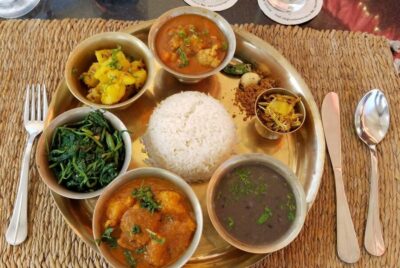
Half Day Cooking Class in Thamel with Local Market Visit
Read our review →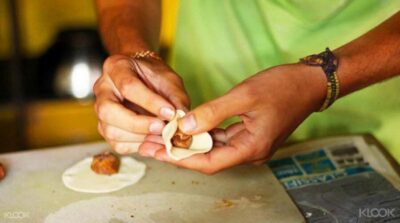
Kathmandu: Nepali Cooking Class with Hotel Pickup
Read our review →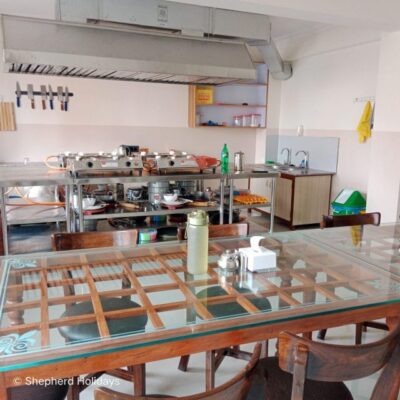
Kathmandu: About 3-hour Cooking Class Experience near Thamel
Read our review →This kitchen also appears in