
Review · KATHMANDU
Kathmandu: Local Lead Nepali Cooking & Momo-Making Class
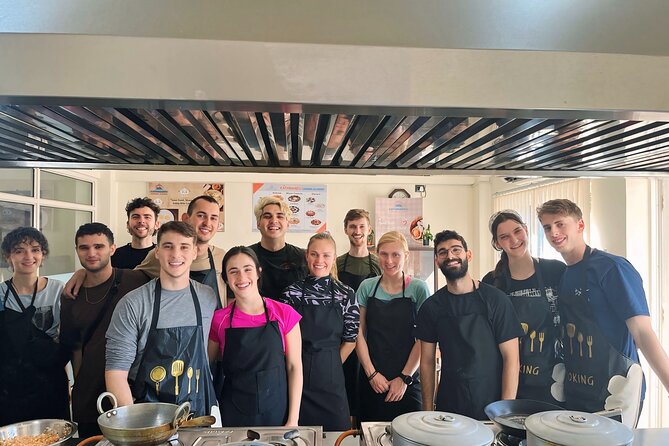
Kathmandu’s best food lesson may begin with a shopping bag and end with a plate of handmade momos. At Kathmandu Cooking Academy, you visit a local market or shop, prepare fresh ingredients, and cook several Nepali dishes with a local chef. I like the hands-on format and the chance to learn why each dish matters, not just how to copy a recipe. I also like the small maximum of 12 people, which gives the chef room to help with tricky dumpling folds.
The price is unusually low at $5 per person, so it offers strong value if that rate is available for your date. The one thing to check carefully is the booking option: hotel pickup and drop-off are included only when you select that option, and the class itself ends back at the academy.
Key things to know before you book
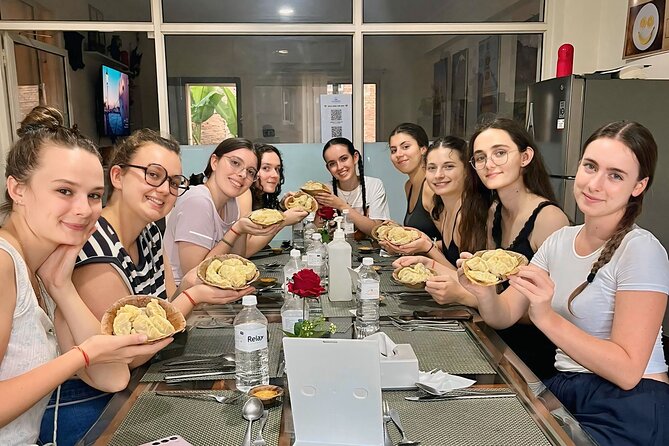
- Momos are the main event: You shape Nepal’s beloved dumplings by hand, with a vegetarian or chicken filling.
- The class starts outside the kitchen: A short market or shop visit helps you identify the ingredients used in the recipes.
- You cook three types of dish: The lesson includes one entrée, one main course, and one dessert chosen from a traditional Nepali menu.
- Masala tea is part of the lesson: You begin with homemade Nepali masala tea rather than rushing straight to the chopping board.
- The group is capped at 12: That is small enough for personal help without making the experience feel like a private lesson.
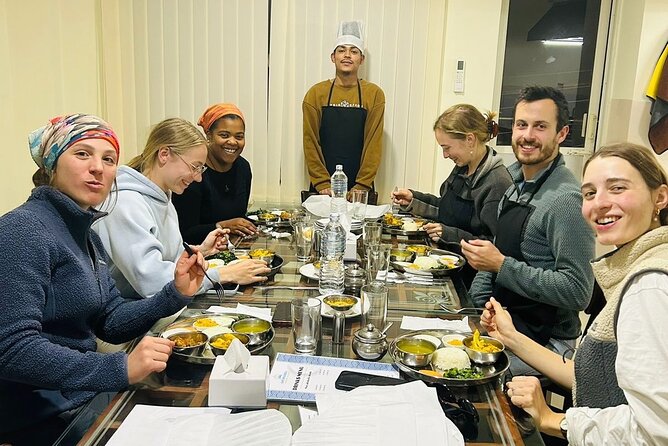
- You eat what you make: The final tasting session turns the class into lunch or dinner, depending on your start time.
Why this Kathmandu cooking class is worth your time
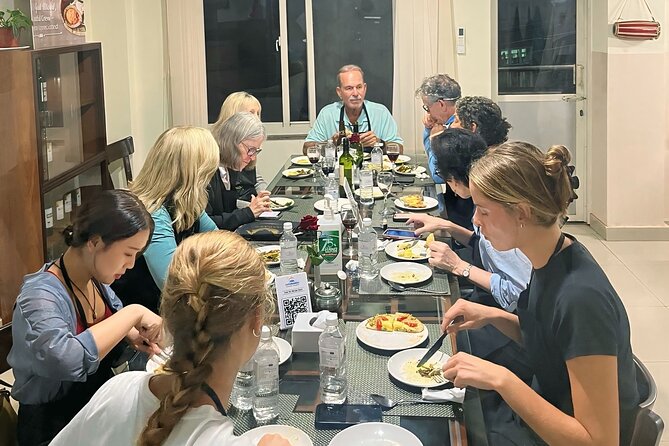
A cooking class can be a pleasant way to fill an afternoon, but this one gives you a useful way to understand Nepal. Food here is tied to home life, festivals, family habits, and regional traditions. By making the dishes yourself, you get more than a plate of food. You see how ingredients are handled, how dough is shaped, and how several dishes come together as a meal.
I especially like the mix of activities. You are not parked at a counter for three hours while somebody else does the skilled work. The class includes a market or shop visit, ingredient preparation, cooking, and a sit-down tasting. That change of pace keeps the lesson lively and gives you a better sense of everyday food shopping in Kathmandu.
The experience lasts about three hours and 30 minutes. That is long enough to learn several dishes without turning the class into a full-day commitment. You can fit it around sightseeing in Thamel, and the academy is described as roughly a 10-minute walk from the Thamel area. If you have hotel pickup, confirm that you selected the correct option when booking.
More cooking classes around Kathmandu:
- Half day cooking class in Thamel kathmandu
★ 5.0 · 607 reviews - Kathmandu: Local Women-Led Nepali Cooking & Momo Class
★ 4.9 · 360 reviews - Local Women Lead Nepali Cooking Class
★ 5.0 · 125 reviews
Starting with Nepali masala tea
The class begins with a welcome and a traditional cup of Nepali masala tea. This small opening matters. It gives you time to settle in, meet the chef and other participants, and get a first taste of the spices used in Nepali cooking.
The tea is also a gentle introduction to the class style. You are not expected to arrive as an expert cook. The instruction is designed for beginners, with recipes and techniques explained in clear, simple steps. More experienced cooks can still enjoy the chance to work with traditional utensils and ingredients that may be new to them.
The teaching style has been praised for being patient, friendly, and easy to follow. English instruction is available, and the class is built around direct help at the work surface. That is useful when you are making dough or folding momos, since written instructions alone do not show you how much pressure to use or how tightly to seal the edges.
The market visit gives the class a local beginning
Before the main cooking starts, you take a short trip to a local market or shop to buy important ingredients. This is one of the most useful parts of the experience for anyone who wants more than a standard demonstration.
You get to see the raw materials before they reach the cooking table. The chef can explain what each ingredient does and how it fits into the dishes you will prepare. Even a short visit helps connect the final meal with the ordinary work of shopping, choosing, and preparing food in Kathmandu.
Keep your expectations practical. This is a short ingredient-shopping visit, not a full market tour or a separate food walk. Its value is in the connection to the cooking lesson. You see what you will use, then return to the academy and put that knowledge to work.
If you prefer to avoid extra walking, pickup may be available when selected. Without pickup, the meeting point is Kathmandu Cooking Academy on Yapikhya Marg, Kathmandu 44600, and the academy is near public transportation.
Making momos, Nepal’s most famous dumplings
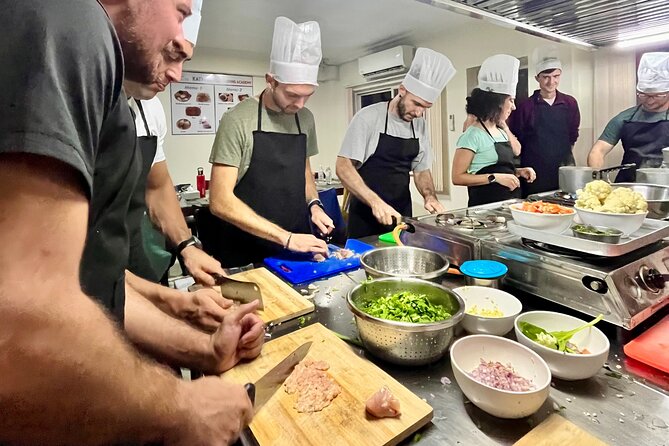
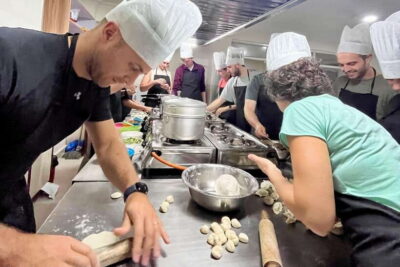
Momo-making is the highlight for many people, and it is easy to see why. These dumplings look simple until you try to make a neat one. The class gives you hands-on practice with the dough, filling, folding, and cooking.
You can make either vegetarian or chicken momos. That choice is useful for different diets, though you should confirm the exact selection and any dietary needs when booking. The class description does not promise a separate allergy-safe preparation area, so anyone with a serious allergy should ask the academy before attending.
The chef shows you the process step by step, then lets you try. The fun comes from comparing your first folds with the instructor’s tidy shapes. Even if your dumplings look a little uneven, the finished food can still taste excellent. That is part of the charm: you learn a skill, laugh at the results, and then eat the evidence.
Momos also give you a technique you can take home. Once you understand the basic dough and folding method, you can adapt the filling to suit what you find in your own kitchen. The recipe material provided after the class, described by participants as a cookbook or PDF, makes it easier to repeat the dishes later.
Same kitchen, a different dish:
- Kathmandu: Local Women-Lead Nepali Cooking & Momo Class
★ 4.9 · 45 reviews - Kathmandu: Local Lead Nepali Cooking & Momo Making Class
★ 4.9 · 40 reviews - Kathmandu: Women-Led Cooking Class & Momo Making-Local Taste
★ 4.8 · 15 reviews - Kathmandu: 3-Hours of Cooking Class with Meals
★ 5.0 · 10 reviews
Three Nepali dishes, not just a dumpling lesson
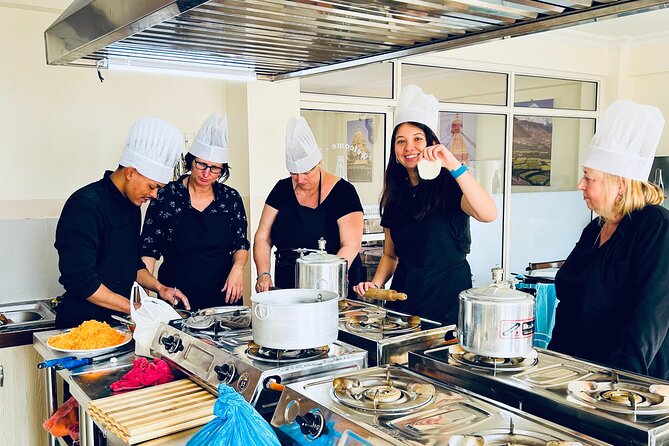
The class includes three authentic Nepali dishes: one entrée, one main course, and one dessert. The menu is selected from a wider traditional range, so the exact combination may vary.
Dal bhat is among the dishes associated with the class, and it is an important one to learn. The combination of lentils, rice, and accompaniments is central to everyday Nepali eating. Preparing it yourself helps you understand how the parts work together rather than treating it as one fixed recipe.
Bara and yomari are also connected with the menu described for this experience. Bara is a savory lentil pancake, while yomari is a traditional sweet dumpling. Since the class menu can be selected from several dishes, you should not assume every item will appear on your date. The appeal is the range: you may get to try a familiar staple alongside a less familiar festive food.
Dessert gives the lesson a pleasant finish. It also shows that Nepali cooking is not only about rice, lentils, and dumplings. Traditional sweets use their own methods and ingredients, and preparing one rounds out the meal.
Traditional tools and a proper tasting session
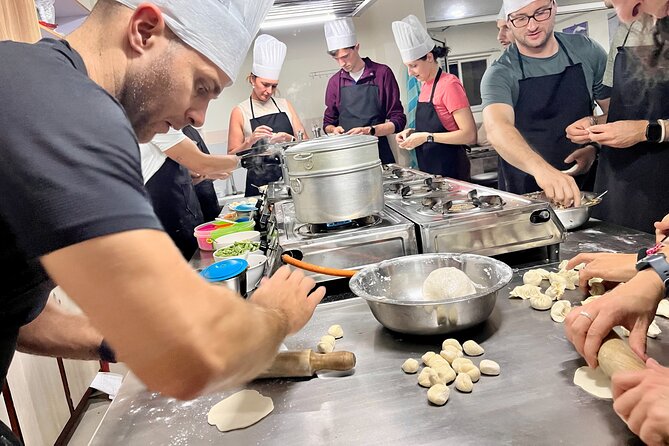
You use cooking equipment and traditional utensils supplied by the academy. That gives the class a more grounded feel than a lesson built around highly specialized modern gear.
The chef explains the techniques as you work. You learn how the ingredients are prepared, how the dishes are cooked, and how they fit into Nepali food culture. The instruction is practical, so you can focus on doing rather than taking pages of notes.
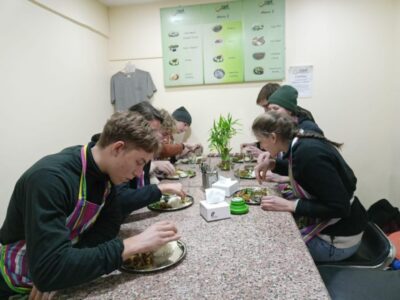
After cooking, everyone sits down for a tasting session. This is not a quick sample at the end. You get to enjoy the food you prepared, which makes the final meal feel earned. It is also a natural time to talk with the chef and other participants.
The social side works well for solo visitors. You are grouped with other participants, and the shared work gives you an easy way to meet people without forced conversation. Couples and families can enjoy it too, but a solo visitor does not need to worry about being left on the sidelines.
What the small group size means
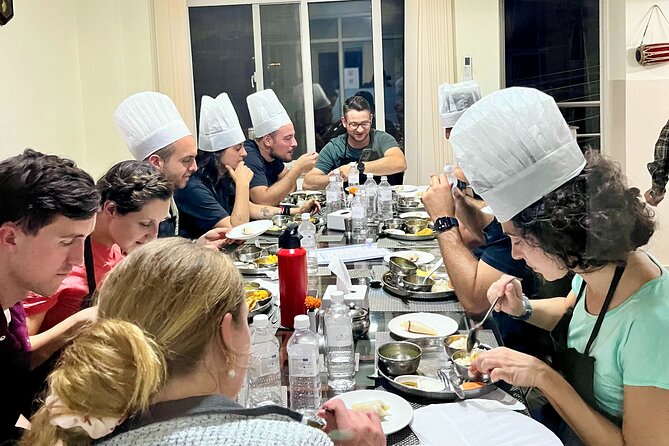
The maximum group size is 12 people. That is not a private class, but it is small enough to keep the chef involved in the room.
For a hands-on lesson, group size matters. Dumpling folding and ingredient preparation require correction at close range. A group of 12 gives you a better chance to ask questions and receive help than a large demonstration class.
The exact atmosphere will depend on the mix of people attending. Some participants may be confident cooks, while others may be holding a rolling pin for the first time. The class is intended for both beginners and experienced cooks, and the emphasis on step-by-step guidance should suit both.
You should expect a social, practical class rather than a quiet private consultation. If you want a fully customized menu or one-on-one training, this may not be the right format. If you want to cook, eat, and meet people, the group setting is a plus.
Price, timing, and what is included
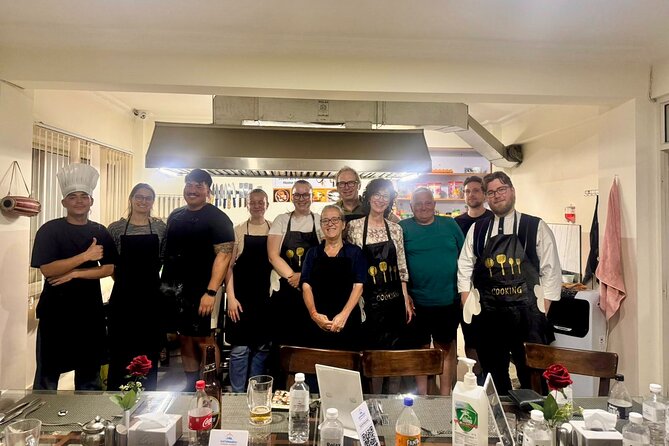
At the listed price of $5 per person, this is excellent value if the rate is still available when you book. You receive about three and a half hours of instruction, a market or shop visit, use of equipment, masala tea, hands-on cooking, and a tasting session.
That price makes the class especially useful on a longer Kathmandu stay. You get a cultural activity, a meal, and practical recipes without paying for a large sightseeing package. Group discounts may also be available, which could help families or friends booking together.
Hotel pickup and drop-off are included only if you choose the pickup option. Otherwise, you make your own way to the academy. Specialty drinks and alcohol are not included, and tips are separate.
Confirmation is provided at booking. Free cancellation is available if you cancel at least 24 hours before the local start time. Inside that 24-hour window, the payment is not refunded, and changes are not accepted. That policy is simple, but it makes checking your schedule before booking important.
Who will get the most from this class
I would recommend this experience to anyone who wants a useful cultural activity between Kathmandu’s temples, streets, and museums. It suits solo visitors because the cooking creates an easy social setting. It also works for couples, families, and small groups who want to share a meal they helped prepare.
It is a good choice for beginners. You do not need advanced knife skills or prior knowledge of Nepali food. The chef provides step-by-step instruction and helps you through the more delicate parts, especially momo-making.
Experienced home cooks can enjoy it too, particularly if Nepali cuisine is new to them. The value is not in learning basic kitchen safety. It is in working with traditional recipes, utensils, and flavor combinations, then taking the methods home.
I would be more cautious if you have strict dietary restrictions, need a private class, or dislike shared cooking spaces. The available information confirms vegetarian or chicken momos, but it does not promise a full range of dietary substitutions. Ask before booking if that affects your decision.
Should you book Kathmandu Cooking Academy?
Yes, if you want a friendly, active introduction to Nepali food and you like the idea of eating what you cook. The strongest reasons to book are the market stop, the small group limit, the patient instruction, and the chance to make momos alongside other traditional dishes.
The main limitation is that the exact menu can vary, and pickup is not automatic unless you select it. Still, at the listed $5 price, this is a remarkably practical way to spend three and a half hours in Kathmandu. Book it if you want more than a restaurant meal and are happy to roll, fold, stir, taste, and occasionally produce a dumpling with a personality of its own.
FAQ
Where does the cooking class begin?
The class begins at Kathmandu Cooking Academy, Nepali Cooking Class, on Yapikhya Marg, Kathmandu 44600, Nepal.
How long does the experience last?
The class lasts approximately three hours and 30 minutes.
Is hotel pickup available?
Hotel pickup and drop-off are included if you select the pickup option when booking.
Where does the experience end?
The activity ends back at the Kathmandu Cooking Academy meeting point.
How many people can join the class?
The activity has a maximum group size of 12 participants.
Are momos included in the cooking lesson?
Yes. You receive hands-on instruction in making momos, with a vegetarian or chicken option.
What else will I cook?
You prepare three Nepali dishes: one entrée, one main course, and one dessert. The exact dishes are selected from a traditional menu and can vary.
Can I cancel for a full refund?
Yes. You can receive a full refund by canceling at least 24 hours before the local start time. Cancellations or changes made within 24 hours are not refunded or accepted.
New cooking classes around Kathmandu
- Kathmandu: 3-Hours of Cooking Class with Meals★ 5.0 · 10 reviews
- Local Women Led Nepali Cooking Class★ 5.0 · 6 reviews
- Kathmandu: Nepali Cooking Class with Hotel Pickup★ 4.1 · 5 reviews
- Kathmandu: Women-Led Cooking Class & Momo Making-Local Taste★ 4.8 · 15 reviews
- Kathmandu: Local Women-Lead Nepali Cooking & Momo Class★ 4.9 · 45 reviews
- Cook with Lisha: Nepali and Newari Cooking Class★ 5.0 · 2 reviews
- Kathmandu: Local Lead Nepali Cooking & Momo Making Class★ 4.9 · 40 reviews
- Kathmandu: About 3-hour Cooking Class Experience near Thamel★ 5.0 · 3 reviews
Kathmandu Cooking Classes, side by side.
Kathmandu: Women-Led Cooking Class & Momo Making-Local Taste
Read our review →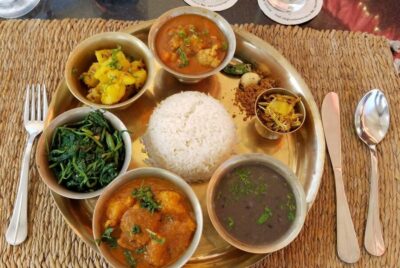
Half Day Cooking Class in Thamel with Local Market Visit
Read our review →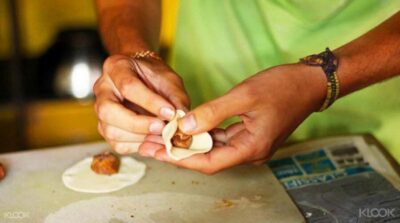
Kathmandu: Nepali Cooking Class with Hotel Pickup
Read our review →This kitchen also appears in