
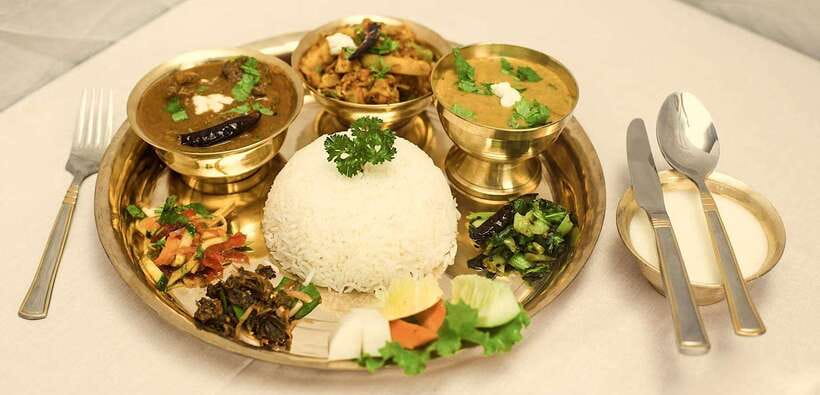
Review · KATHMANDU
Kathmandu: Local Women-Led Nepali Cooking & Momo Class
Kathmandu’s best food lesson may be the one that lets you shop for the ingredients first, then turn them into momos, dal bhat, or another Nepali meal. At the Kathmandu Cooking Academy in Thamel, local instructors including Nish, Nishma, Bikram, Vicky, and Jojo guide you through the work in clear English.
I like the small-group, hands-on format, where you make dough, fillings, sauces, and complete dishes instead of watching a chef do everything. I also like the choice of menus, from vegetarian momos and mushroom choila to chicken curry, bara, yomari, and carrot pudding. The main consideration is access: the class involves stairs, and the experience is not suitable for wheelchair users or people with visual impairments.
Key points to know before you book
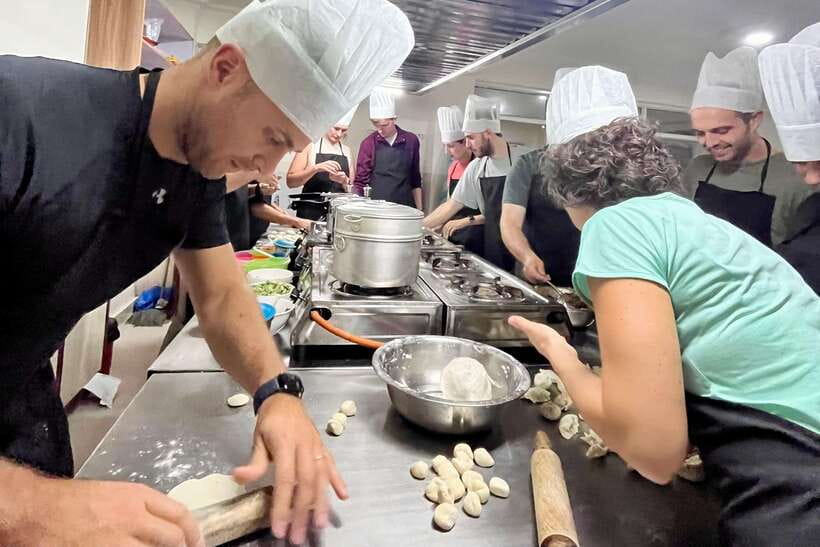
- Market shopping comes first: Walk with the cooking team to choose vegetables, spices, meat, and other ingredients for your menu.
- Momos are the star lesson: You make the dough, filling, folding shapes, and dipping sauce from the ground up.
- You eat a full meal: The class is not just a snack stop. You prepare and taste several Nepali dishes.
- Local women lead the kitchen: Nish and Nishma are frequently named as warm, patient instructors, with Bikram and other team members helping in the kitchen.
- Good value at $4 per person: For about three hours of instruction, food, tea, market time, and equipment, the price is unusually low.
- Plan for stairs and a hungry appetite: Wear comfortable clothing, arrive 15 minutes early, and expect to leave well fed.
A Kathmandu food class that begins at the market
The smart idea here is to begin outside the kitchen. Before you cook, you may walk to a local market or shop with the instructors and choose the vegetables, spices, meat, and other supplies needed for the menu.
That small step gives the food more context. You see the raw ingredients before they are chopped, seasoned, folded, or cooked. It also turns the class into a short neighborhood experience rather than a sealed-off kitchen lesson. One useful improvement would be more explanation at the market, since the shopping portion can be brief. If you want detailed information about every unfamiliar spice or vegetable, ask questions as you go.
The market visit also helps you understand the flexible menu. The focus is on momo and dal bhat, but you can often choose additional dishes. Available choices have included chicken or vegetarian momos, bara, chatamari, chicken curry with roti, thukpa, mushroom choila, yomari, kheer, aloo chop, masala tea, and carrot pudding.
Because the menu can vary, tell the team your preferences before class. This matters if you are vegetarian, vegan, gluten-free, allergic to an ingredient, or simply want to try a particular dish.
More cooking classes around Kathmandu:
- Half day cooking class in Thamel kathmandu
★ 5.0 · 607 reviews - Kathmandu: Local Lead Nepali Cooking & Momo-Making Class
★ 5.0 · 212 reviews - Local Women Lead Nepali Cooking Class
★ 5.0 · 125 reviews
Inside the Thamel kitchen with Nish and Bikram
The cooking takes place in Thamel at the Kathmandu Cooking Academy. The class lasts about three hours, though the activity can be listed as two to four hours depending on the selected option, menu, and arrangements.
The instructors speak English and keep the mood informal. Nish and Nishma receive especially strong praise for patient explanations, clear demonstrations, and an easy way of encouraging beginners. Bikram, Vicky, and Jojo also help with teaching and kitchen preparation.
This is a useful setup for mixed groups. You do not need cooking experience, and you do not need to be an expert with dough. The team gives step-by-step instructions, assigns work across the group, and makes room for questions. If you are shy in a group, the relaxed pace gives you time to watch first and then take your turn.
The kitchen provides the cooking equipment, utensils, and accessories. Aprons are available, but you should still wear comfortable clothes that you do not mind wearing around food and cooking surfaces. Arrive 15 minutes before the scheduled start so the group can begin together.
One practical point: access involves stairs, and at least one person found the final approach confusing because a map directed them up a steep hill. If you are staying in Thamel, the academy may be within walking distance, but check the exact meeting point rather than relying only on a map pin. Hotel pickup and drop-off are available if you select that option and provide your accommodation details.
Making momos from dough to dipping sauce
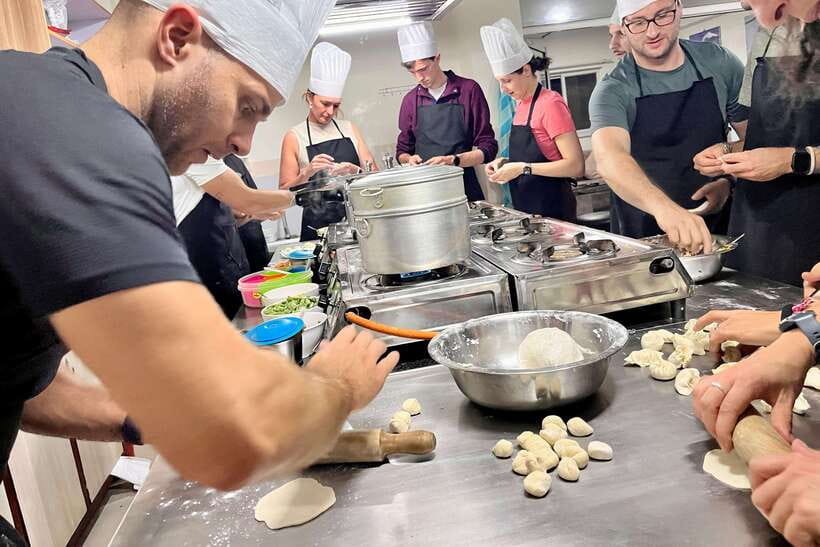
Momo is the heart of the lesson, and this is where the class earns its keep. You start with the filling, which may be chicken, buffalo, or vegetables depending on the menu and dietary choice. You help prepare the mixture, season it, and work out the balance between savory filling and aromatic spices.
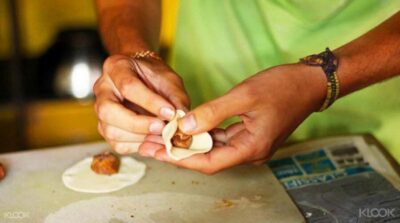
Next comes the dough. You learn how to bring it together, portion it, and roll wrappers of a workable thickness. The instructor then shows you how to place the filling in the center and fold the wrapper into a sealed dumpling.
The folding looks easy when Nish or Nishma demonstrates it. Your first few may come out lopsided, but that is part of the fun. The instruction is practical rather than fussy, and you can repeat the movement until it feels natural. A good class should leave you able to try the recipe at home, not just admire a professional result.
The team also prepares a dipping sauce, giving you another lesson in how Nepali flavors are built. The final cooking method produces hot, freshly made momos for the table. Several menus include both vegetarian and meat versions, so a mixed group can cook side by side.
I would book this class if momos are high on your list but you have never made dumplings before. It gives you the most useful combination: a local technique, direct practice, and a meal at the end. You also receive access to a PDF recipe book by WhatsApp after the class if you request it. A physical recipe book costs extra.
Dal bhat and the shape of a Nepali meal
Dal bhat is another central choice. The basic idea is lentil soup with rice, accompanied by curry and other sides. It is a simple description for a meal with many layers of taste and texture.
Preparing dal bhat helps you understand an everyday part of Nepali dining rather than focusing only on a famous snack. You work with lentils, rice, spices, and curry ingredients, then sit down to eat the complete combination you helped prepare.
The exact menu can be selected from available options, so do not assume every class includes dal bhat plus every dish listed in the activity details. Ask what is planned when you book. The main focus remains momo and dal bhat, with extra dishes added according to the chosen option.
Masala tea is served during the lesson. The tea, scented with spices and black tea, gives the class a pleasant pause while the food cooks. Some menus also include small local tastes such as peanut sadeko, a seasoned peanut dish.
Same kitchen, a different dish:
- Kathmandu: Local Women-Lead Nepali Cooking & Momo Class
★ 4.9 · 45 reviews - Kathmandu: Local Lead Nepali Cooking & Momo Making Class
★ 4.9 · 40 reviews - Kathmandu: Women-Led Cooking Class & Momo Making-Local Taste
★ 4.8 · 15 reviews - Kathmandu: 3-Hours of Cooking Class with Meals
★ 5.0 · 10 reviews
More than momos: chatamari, bara, and local sweets
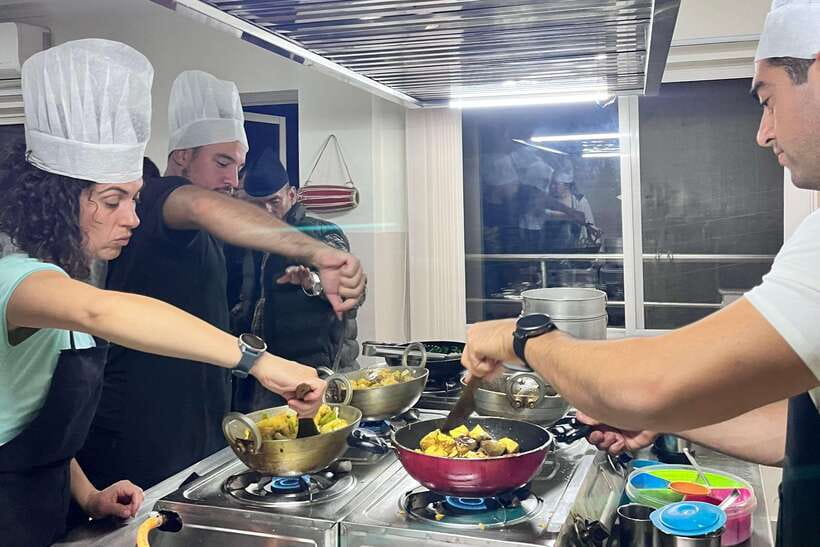
The class can be tailored beyond the two main dishes, and the extra choices are what make a repeat visit worthwhile. Chatamari is often described as a Nepali pizza, though that nickname only goes so far. It is a flatbread topped with ingredients, and its shape gives you a different cooking task from a folded momo.
Bara is a deep-fried lentil patty with a crisp outside and tender center. It shows how lentils appear in Nepali food beyond soup and gives the group a quick lesson in texture and frying.
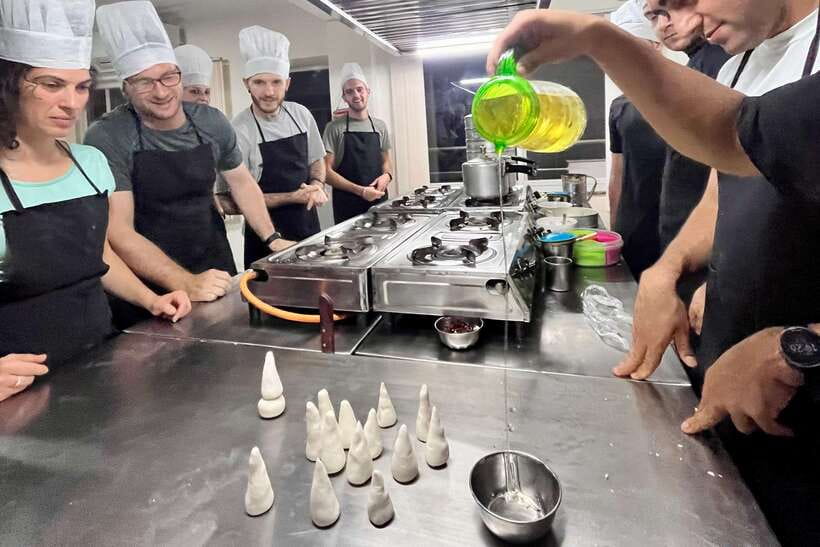
Yomari takes the meal in a sweet direction. This dumpling is filled with jaggery and sesame seeds, so the folding technique returns in dessert form. Carrot pudding and kheer are other possible sweet dishes, each offering a gentler finish after the savory food.
Thukpa brings a noodle soup influenced by Tibetan cooking. Chicken curry with roti gives you a more familiar format, but the spices and preparation keep it tied to the local kitchen. Mushroom choila offers a meat-free option with bold seasoning and a spicy finish.
You should think of the menu as a set of possible routes rather than one fixed feast. The class focuses on making several dishes, but the number and type depend on the option selected. In some sessions, the group prepares three dishes. In others, it cooks enough for a full Nepali lunch or dinner.
How much food do you actually get?
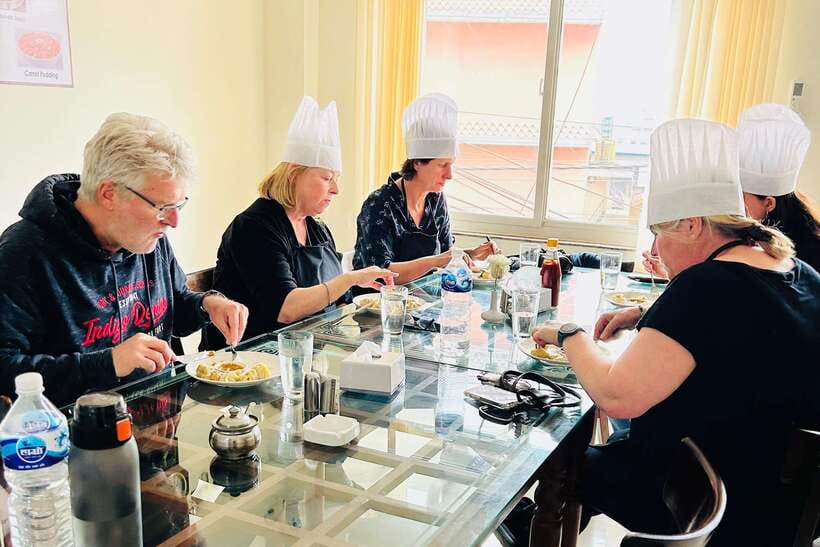
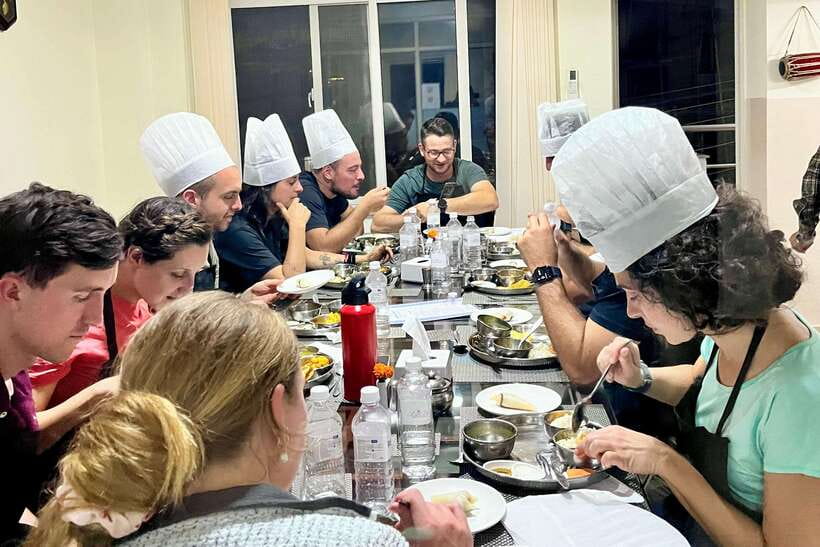
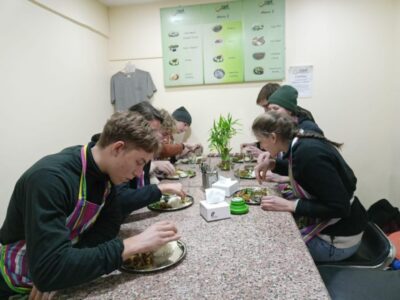
You should arrive hungry. The end of the class is a tasting session, but it is more substantial than a token sample. You sit down with the dishes made by the group and eat what you have prepared.
That makes the $4 price especially striking. For a few dollars, you receive instruction, use of the kitchen and equipment, a market visit, masala tea, multiple dishes, and the meal itself. Hotel transport costs may vary by the option, and specialty or alcoholic drinks are not included.
The value is strongest if you want a lesson you can take home. You are not paying only for lunch. You are learning how to make momo wrappers, shape dumplings, season fillings, prepare Nepali staples, and organize a multi-dish meal.
The one tradeoff is that a very low price can mean a busy kitchen when the group is larger. The class is designed as a small group, and the staff aims to give each person a hands-on task, but you may share preparation work rather than make every dish alone.
What the class does especially well
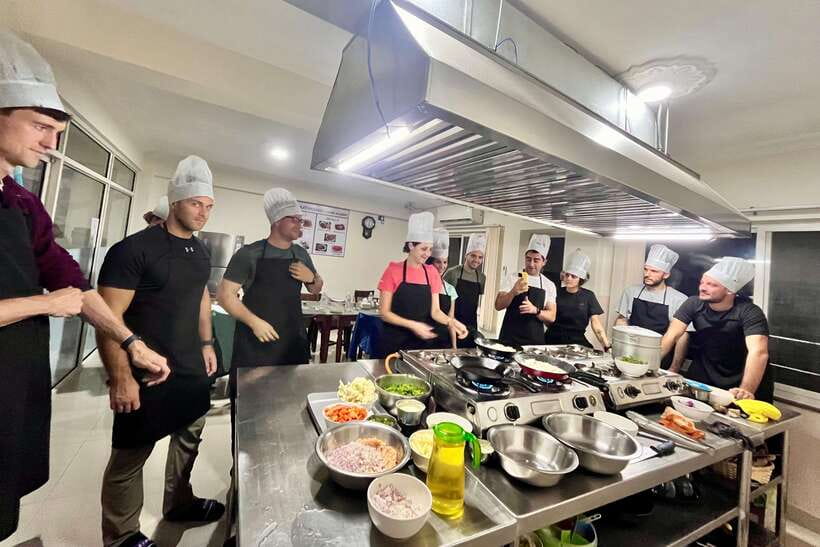
The teaching style is the strongest part. Nish is repeatedly praised for making beginners comfortable, explaining each step without rushing, and keeping the room friendly. Nishma receives similar praise for clear instructions and patience, while Bikram and the other staff help maintain an organized kitchen.
The atmosphere also matters. You have time to talk with the instructors and other people in the group while dough rests, food cooks, or ingredients are prepared. This makes the class a good choice for solo visitors who want a social activity without committing to a full-day group tour.
The food itself is another clear strength. You eat fresh momos, curry, lentils, sweets, or other dishes soon after making them. That direct link between your work and the meal gives the class its sense of reward.
The activity also supports local women instructors, which adds meaning beyond the plate. You are learning from people who can explain the food, the cooking habits, and the small choices that a written recipe cannot easily show.
What to keep in mind before choosing it
Do not book this expecting a quiet demonstration or a polished restaurant meal. You will work with other people, share kitchen tasks, and make food at a practical pace. That is the point, but it may not suit someone who wants a private chef lesson.
The market segment may also be shorter than you expect. It is useful for buying ingredients and seeing where the cooking begins, but ask questions if you want a fuller explanation of local produce and spices.
The class location has stairs. It is not suitable for wheelchair users or people with visual impairments. If stairs, steep streets, or walking from your hotel are concerns, choose the pickup option if available and confirm the meeting details.
Dietary needs should be shared in advance. The kitchen has accommodated unusual requests, including vegan and gluten-free cooking, but you should never assume a change can be made without prior notice. Tell the team about allergies or medical conditions before you arrive.
Cancellation is flexible up to 24 hours before the activity for a full refund, and you can reserve now and pay later. Starting times depend on availability. The activity is offered in English.
Who should book this Kathmandu cooking class?
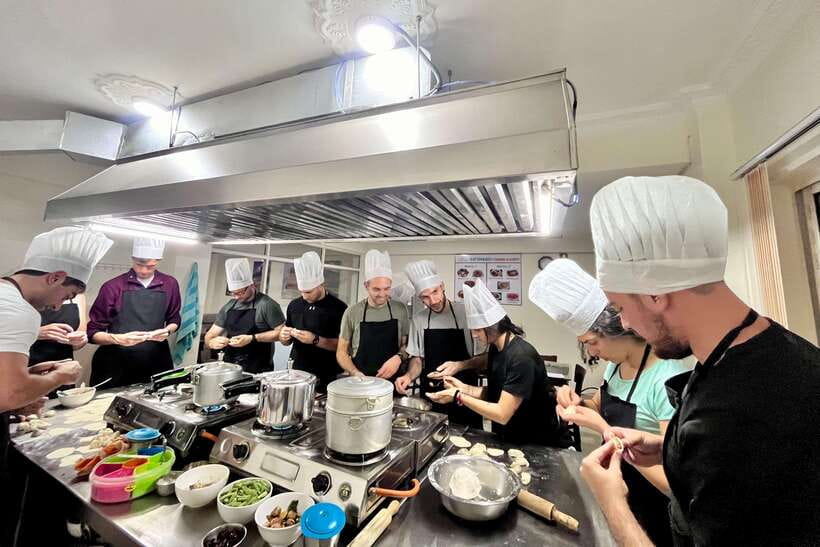
I would recommend it to anyone who wants a short cultural activity with a meal attached. It works particularly well for couples, families, solo visitors, and friends who want something more active than a restaurant dinner.
It is also a strong choice if you love momos but have never learned to make them. The class gives you enough practice to feel confident trying them at home, and the recipe PDF makes that follow-up easier.
Food-focused visitors will get the most from the menu choices. If you want only a quick momo snack, this may feel longer than necessary. If you want to learn several dishes, meet local instructors, and leave with a full stomach, three hours is a sensible use of an afternoon or evening in Thamel.
Should you book it?
Book this class if you value personal instruction, local food, and good value more than a formal culinary school setting. The strongest reasons are the market visit, the chance to make momos from start to finish, the friendly women-led teaching team, and the full meal at the end.
Skip it if stairs are a problem, you need a fully private class, or you want a fixed menu with no shared preparation. For most visitors, though, $4 is a remarkably small price for a hands-on introduction to Nepali cooking, especially when the lesson ends with food you made yourself.
FAQ
How long does the Kathmandu cooking class last?
The class usually lasts around three hours, including the market visit, cooking session, and meal tasting. Depending on the selected option, the listed duration can range from two to four hours.
What dishes can I learn to cook?
The main dishes are momo and dal bhat. Depending on the option, you may also choose chicken or vegetarian momo, bara, yomari, chatamari, chicken curry with roti, thukpa, mushroom choila, kheer, aloo chop, or carrot pudding.
Is the cooking class suitable for beginners?
Yes. The instructors provide step-by-step instructions, and the class is designed as a hands-on experience for different cooking levels. You work with the chefs and can ask questions during the lesson.
Is hotel pickup available?
Hotel pickup and drop-off are available if you select that option. You need to provide your Kathmandu hotel details when booking so the transport can be arranged.
What is included in the price?
The experience includes the cooking lesson, an English-speaking chef and instructor, the market or shop visit, cooking equipment, preparation of different Nepali dishes, tasting of the food you make, and Nepali masala tea. Specialty and alcoholic drinks are not included.
Can the class accommodate dietary restrictions?
You should tell the team about dietary restrictions, food preferences, allergies, or medical conditions in advance. Vegetarian and meat options are available, and special requests may be accommodated.
New cooking classes around Kathmandu
- Kathmandu: 3-Hours of Cooking Class with Meals★ 5.0 · 10 reviews
- Local Women Led Nepali Cooking Class★ 5.0 · 6 reviews
- Kathmandu: Women-Led Cooking Class & Momo Making-Local Taste★ 4.8 · 15 reviews
- Kathmandu: Nepali Cooking Class with Hotel Pickup★ 4.1 · 5 reviews
- Kathmandu: Local Women-Lead Nepali Cooking & Momo Class★ 4.9 · 45 reviews
- Cook with Lisha: Nepali and Newari Cooking Class★ 5.0 · 2 reviews
- Kathmandu: Local Lead Nepali Cooking & Momo Making Class★ 4.9 · 40 reviews
- Kathmandu: About 3-hour Cooking Class Experience near Thamel★ 5.0 · 3 reviews
Kathmandu Cooking Classes, side by side.
Kathmandu: Women-Led Cooking Class & Momo Making-Local Taste
Read our review →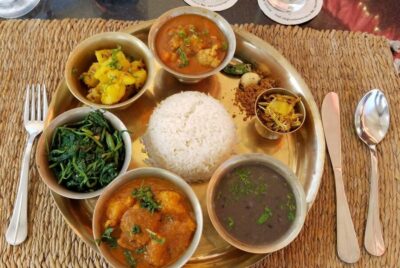
Half Day Cooking Class in Thamel with Local Market Visit
Read our review →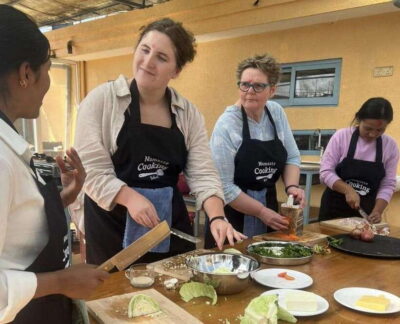
Kathmandu: Nepali Cooking Class with Hotel Pickup
Read our review →This kitchen also appears in