
Review · CATANIA
Cooking class fresh pasta
Fresh pasta is the real star here. In about three hours, Chef Simona guides you from flour and raw ingredients to three pasta styles, including tagliatelle, stuffed pasta, and maltagliati. You also prepare sauces such as ragù, pasta alla Norma, and Sicilian pesto, then sit down to eat what you made.
I like the hands-on format and the chance to learn both egg pasta and the Sicilian durum wheat version. I also like the generous finish: you do not simply taste a sample, but sit down to enjoy the pasta with Sicilian wine. The main consideration is time. This is a cooking lesson and a full meal, so it may feel long if you want a quick activity between sightseeing stops.
Key points to know
- Two pasta doughs: Learn the classic egg dough and a Sicilian durum wheat dough.
- Three pasta styles: Make tagliatelle, stuffed pasta such as ravioli, and maltagliati.
- Three sauces: Prepare ragù, Norma, and Sicilian pesto during the second part of the class.
- Chef Simona leads the lesson: English and Italian instruction are available, with help from her mother.
- A meal at the end: Eat the finished dishes and pair them with Sicilian wine.
- Strong value for a full food experience: The $112.15 price covers the three-hour class and the food you prepare and taste.
From flour to a Sicilian dinner
This class gives you more than a recipe demonstration. You work through the full pasta process, starting with the dough and finishing at the table. That makes the experience useful for cooks who want skills they can repeat at home, not just a pleasant meal in Sicily.
The lesson takes place in a professional cooking laboratory. That matters because the setting is designed for preparation rather than a restaurant show. You can focus on texture, shaping, and cooking methods while the chef walks you through each stage.
Chef Simona leads the instruction, with her mother also involved in the experience. That combination gives the class a personal family touch without losing the structure of a professional lesson. You can expect instruction in English or Italian.
The class lasts about three hours. That is enough time to make several kinds of pasta, prepare sauces, cook the food, and sit down to eat. Plan it as a main activity, not something to squeeze into a short gap before another appointment.
More Pasta Making Classes in Italy:
- Florence: Pasta Cooking Class with Unlimited Wine
★ 4.9 · 10,285 reviews - 3 in 1 Cooking Class near Navona: Fettuccine, Ravioli & Tiramisu
★ 5.0 · 7,376 reviews - Florence: Pasta & Tiramisu Cooking Class with Unlimited Wine
★ 4.9 · 6,708 reviews
The first lesson: two kinds of pasta dough
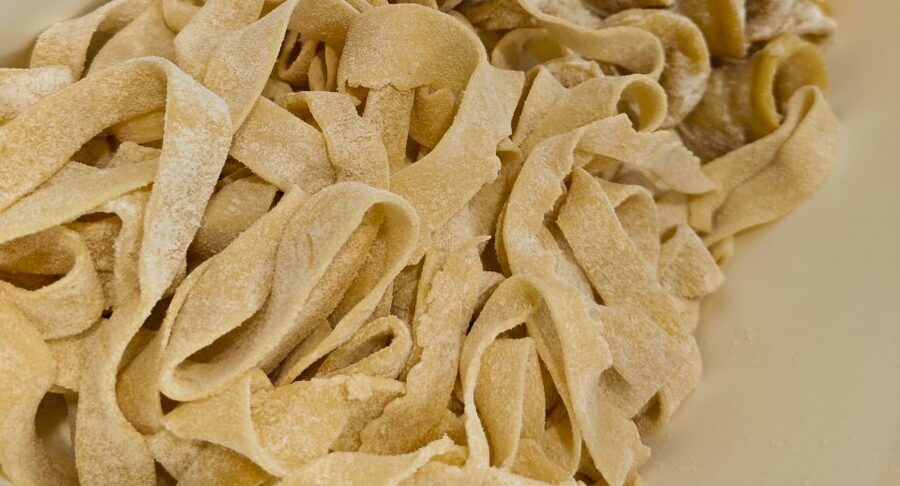
The opening stage focuses on pasta dough. You learn the classic egg-based dough, then work with the typical Sicilian dough made from durum wheat. These are not simply two versions of the same thing. They give you a useful introduction to the difference between soft, egg-based pasta and the firmer style associated with southern Italian cooking.
That contrast is one of the best reasons to take this particular class. Many pasta lessons focus on one dough and a single finished shape. Here, the two doughs help explain why different pastas have different textures and why some sauces work better with one shape than another.
The process starts with the raw ingredients, then moves through mixing and forming the dough. The supplied details do not specify the exact equipment or quantities, so you should expect practical instruction rather than a fixed list of tools to copy at home. Pay attention to the feel of the dough. That is often more useful than memorizing measurements.
If you already make pasta, you should still find something worthwhile in this stage. One experienced cook described learning useful tips despite years of making Italian food at home. That suggests the class is not limited to complete beginners.
Tagliatelle, stuffed pasta, and maltagliati
Once the dough is ready, you make three different pasta styles. Tagliatelle gives you a familiar long shape. It is a good way to practice rolling and cutting pasta into even strands.
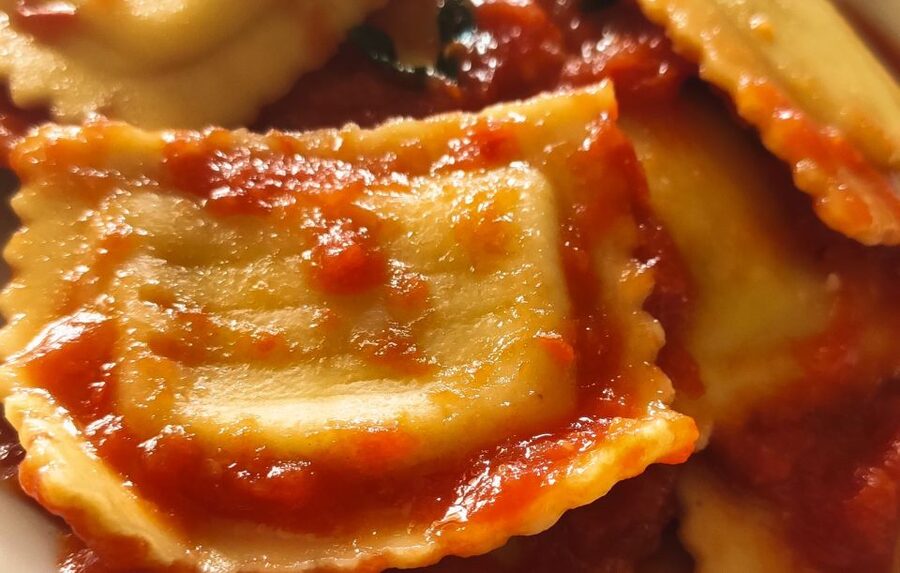
The stuffed pasta section adds another skill. The class includes a filling for ravioli, according to the detailed experience description, and you learn how to form pasta around it. Stuffed pasta takes more care than ordinary noodles. You need enough filling for flavor, but not so much that the pasta opens during cooking.
Maltagliati means roughly badly cut pieces, though the name is part of the charm. The shape is less formal than tagliatelle and gives you a practical way to use irregular scraps or uneven pieces of dough. It is also a reminder that good home cooking does not require every piece to look machine-made.
The program description uses the phrase branch construction, which is not a standard pasta term. The clearer details identify stuffed pasta and ravioli as part of the lesson. If ravioli is especially important to you, confirm the exact shapes included when you book, since the wording may vary.
You should leave with a better sense of how shape affects eating. Long pasta carries sauce differently from stuffed pasta, and rough or irregular pieces can hold a different amount of seasoning. Those are small lessons, but they are the kind you can use in your own kitchen.
Ragù, Norma, and Sicilian pesto
The second half turns to sauces. You prepare ragù, pasta alla Norma, and Sicilian pesto. This is where the class becomes distinctly Sicilian rather than simply a general fresh pasta workshop.
Ragù is the slow, hearty option. One detailed account singled out the ragù as especially successful, and the class includes beef ragù in the preparation. It gives you a chance to see how a substantial sauce is built to match fresh pasta.
Pasta alla Norma is one of Sicily’s best-known pasta preparations. The experience details do not list every ingredient or technique used in this version, so you should treat the class as a lesson in the preparation rather than expect a published recipe in advance. Its place in the menu adds local character to the meal.
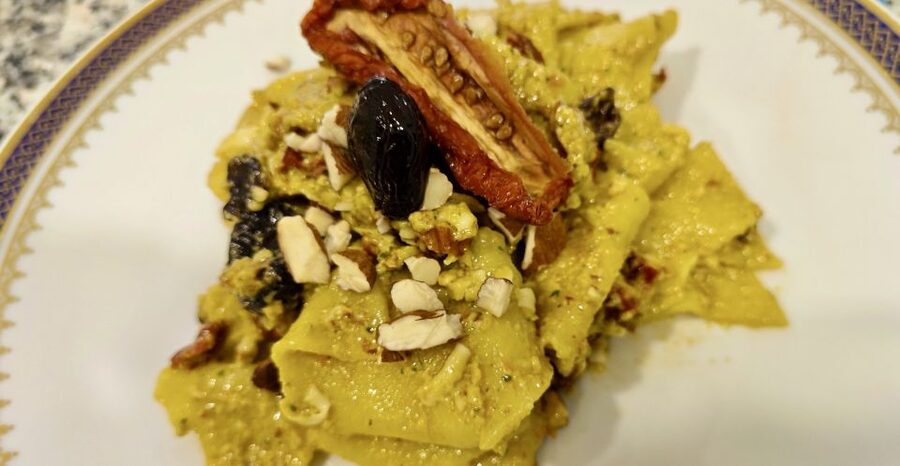
Sicilian pesto gives you a lighter and fresher contrast to ragù. Preparing three different sauces helps prevent the class from feeling repetitive, especially since you are also making three pasta styles. You can compare how each sauce works with the shapes you created.
Several people praised the sauces as much as the pasta itself. One participant described all three as excellent, while another especially enjoyed the ragù. That balance is useful: the class is not just about rolling dough. It also teaches you how to finish and season the pasta.
More cooking classes around Italy:
- Florence: Pasta Cooking Class with Unlimited Wine
★ 5.0 · 6,413 reviews - Cooking Class and Lunch at a Tuscan Farmhouse with Local Market Tour from Florence
★ 5.0 · 4,831 reviews - Rome: Pasta Making Class with Wine, Limoncello, and Dessert
★ 4.9 · 3,177 reviews - Pastamania – Florence Pasta Making Class
★ 5.0 · 3,050 reviews
Sitting down to eat what you made
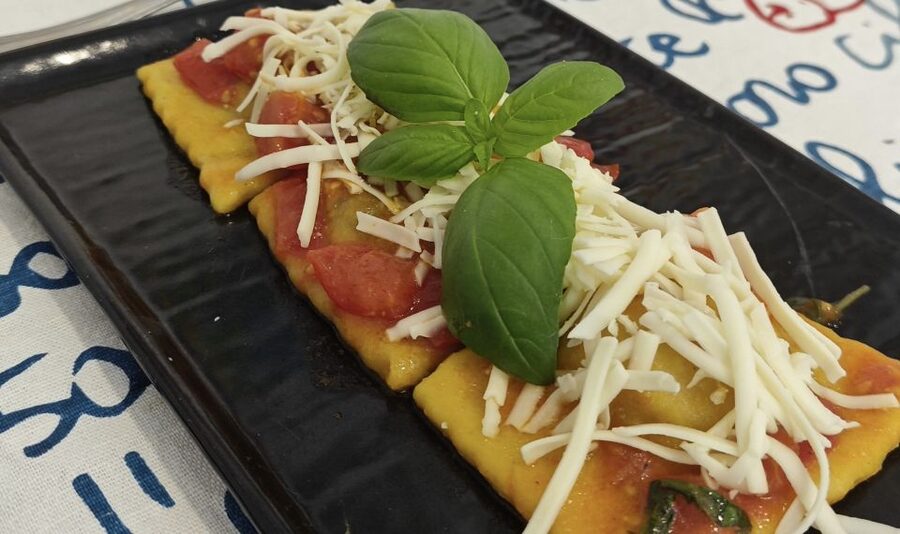
The chef completes the cooking, then you sit at the table for the tasting. This is a practical choice. Fresh pasta must be cooked at the right point, and managing several shapes and sauces while teaching a class could distract from the lesson.
You still get to taste the finished work, which is important. A cooking class that sends you home before the meal can feel unfinished. Here, the food you make becomes the meal, so you can judge the texture and sauces right away.
The portions sound generous. One detailed account described leaving with a full stomach after tasting three types of pasta and sauces. Sicilian wine is served with the food, and one experience included a bottle of wine to take home. The provided activity details do not promise a take-home bottle for every booking, so consider that a possible extra rather than a guaranteed inclusion.
The menu may also include cannoli. One account praised the cannoli, but the formal activity description focuses on pasta, sauces, wine, and tasting. Do not book solely on the assumption that dessert is included. Ask ahead if cannoli matters to your plans.
The meal makes the $112.15 price easier to assess. You are paying for about three hours of instruction, several recipes and techniques, three pasta styles, multiple sauces, and a sit-down tasting. If you value both a lesson and a meal, the price is reasonable. If you only want a quick demonstration or a simple lunch, it may feel high.
What makes the teaching work
The strongest feature is the practical approach. You are not only watching a chef shape pasta. You handle the dough, make the pasta, prepare the sauces, and then taste the results.
Chef Simona is described as patient and professional. That matters in a pasta class, where beginners can easily worry about making the dough too dry, too wet, or uneven. Clear guidance helps you keep moving instead of getting stuck on a small mistake.
Her mother’s involvement adds a warm family element. The class is still held in a professional laboratory, so you get structure and a clean, functional place to work. The combination should suit people who want personal instruction but also care about a proper cooking setup.
English and Italian are available. If you do not speak Italian, the English option makes the class accessible. If you do speak Italian, you may enjoy hearing the food explained in its local language. The supplied information does not state the group size, so do not assume this is a private lesson or a small-group class unless the booking page confirms it.
Recipes are provided, according to one detailed account. That improves the long-term value. You can recreate the dishes at home instead of leaving with only photographs and a pleasant memory.
Who will enjoy this class most
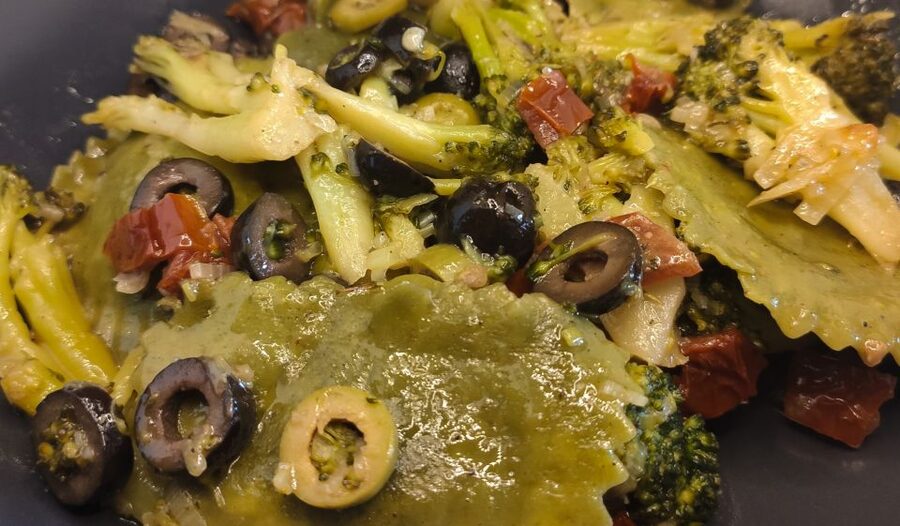
I would recommend this experience to couples, families, and friends who want an activity that combines food and conversation. It also suits independent cooks who already know basic kitchen skills but want better pasta technique and Sicilian recipes.
Beginners should feel comfortable here because the lesson starts with raw ingredients and explains the process step by step. You do not need to arrive as a skilled pasta maker. At the same time, the class appears to offer enough detail for people who already cook Italian food.
It is a good choice for anyone who prefers eating a proper meal at the end of an activity. The wine and tasting turn the lesson into a complete outing rather than a short workshop.
You might choose something else if your main goal is sightseeing, a fast lunch, or a highly specialized class focused on one pasta shape. This experience covers several dishes in one session, so the pace may be full and the attention spread across dough, shaping, sauces, and cooking.
Timing, language, and booking value
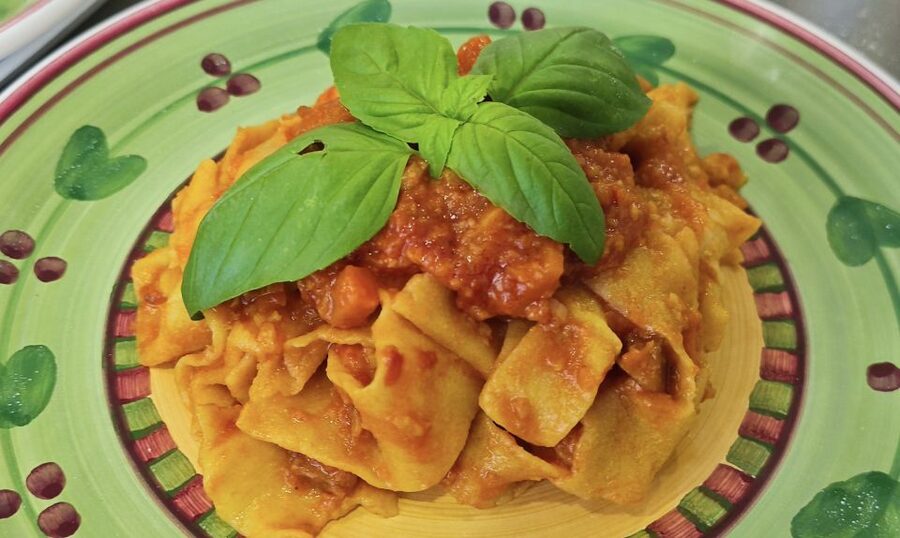
The class runs for about three hours, with starting times available when you check the schedule. Leave enough room around it for the full session. The lesson itself takes most of the time, and the tasting comes afterward.
The activity costs $112.15 per person. The value depends on how you measure a cooking class. Compared with a standard meal, it is expensive. Compared with a three-hour lesson that includes several pasta types, three sauces, wine, and a complete tasting, it is easier to justify.
You can reserve now and pay later, which helps if your Sicily schedule is still changing. You can also cancel up to 24 hours in advance for a full refund. Those terms reduce the risk of booking early, but check the exact conditions shown for your chosen date.
The experience is offered in English and Italian. The provider is Futuro e Lavoro. The listing does not provide transport details, an exact meeting point, group size, or accessibility information, so ask about those points if they affect your plans.
Should you book this pasta class?
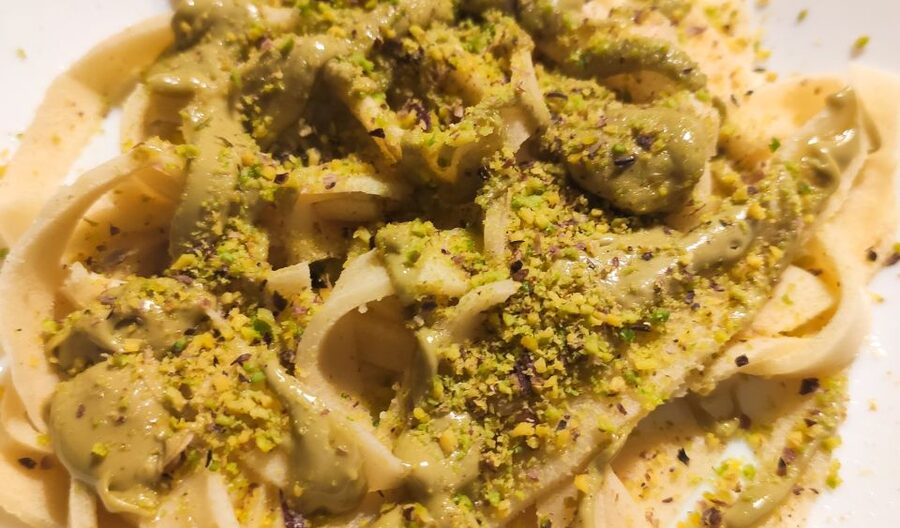
Book it if you want to learn several useful techniques and then eat a generous Sicilian meal made during the lesson. The combination of egg pasta, durum wheat dough, tagliatelle, stuffed pasta, maltagliati, ragù, Norma, and Sicilian pesto gives you more range than a basic pasta demonstration.
I especially like the chance to compare two doughs and take recipes home. Chef Simona’s patient teaching and her mother’s participation also give the experience a personal feel, while the professional kitchen keeps it organized.
Skip it if you have very little time, dislike hands-on cooking, or want a class focused on one narrow specialty. For everyone else, the three-hour format, strong food component, and $112.15 price make this a sensible choice for a food-focused day in Sicily.
FAQ
Where does the cooking class take place?
The class takes place in Sicily, Italy, in a professional cooking laboratory.
How long does the activity last?
The cooking class lasts about three hours. Available starting times are shown when you check the schedule.
What kinds of pasta will I make?
You will make three types of pasta, including tagliatelle, stuffed pasta, and maltagliati. The class uses both classic egg dough and Sicilian durum wheat dough.
Will I make ravioli?
The detailed experience description includes making a filling for ravioli as part of the stuffed pasta lesson. Confirm the exact pasta shapes included when booking if ravioli is essential to you.
Which sauces are included?
The class includes instruction in ragù, pasta alla Norma, and Sicilian pesto.
Who teaches the class?
Chef Simona leads the class, with her mother also involved in the experience.
Is instruction available in English?
Yes. The instructor languages are English and Italian.
Is food included after the lesson?
Yes. The chef completes the cooking, and you sit down to taste the pasta and sauces you made. Sicilian wine is also included with the tasting.
What is the cancellation policy?
You can cancel up to 24 hours in advance for a full refund. The activity also allows you to reserve now and pay later.
New cooking classes around Italy
- Sestri Levante: Pesto & Cooking Classes, Wine Tasting★ 4.9 · 56 reviews
- Sardinia Cooking Class: Fresh Handmade Pasta★ 5.0 · 53 reviews
- San Gimignano: Tuscan Cooking Class★ 5.0 · 2 reviews
- San Gimignano: Truffle Cooking Class with Wine Tasting★ 5.0 · 5 reviews
- San Gimignano: “Hands in dough” Cooking Class with Lunch★ 5.0 · 6 reviews
- Salento: Authentic Cooking Experience with Fresh Pasta and Local Products★ 5.0 · 8 reviews
- ROME:Hands-On Lasagna & Marsala Tiramisu Cooking Experience”★ 5.0 · 3 reviews
- Rome: Private Wine Tour and Pasta Making Class in a Winery★ 5.0 · 6 reviews
Catania Cooking Classes, side by side.
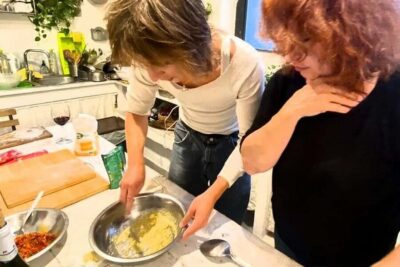
Catania: Pistachio Ravioli, Pasta Home Cooking Class w/ Wine
Read our review →
Cooking lesson in Catania with lunch or dinner
Read our review →
Catania: Market Tour and Cooking Class with Chef Riccardo
Read our review →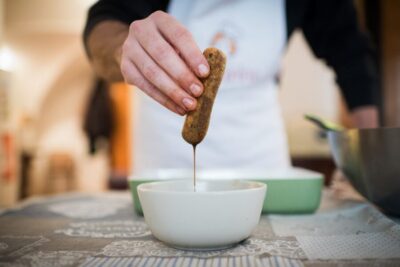
Catania: Pasta & Tiramisu Cooking Class at a Local’s Home
Read our review →
Catania: Private Cooking Class at a Local’s Home
Read our review →
Cooking class, visit to the Catania market and light lunch
Read our review →This kitchen also appears in