
Review · PIZZA MAKING CLASSES
Family-Style Italian Pizza Cooking Class & Dining Experience
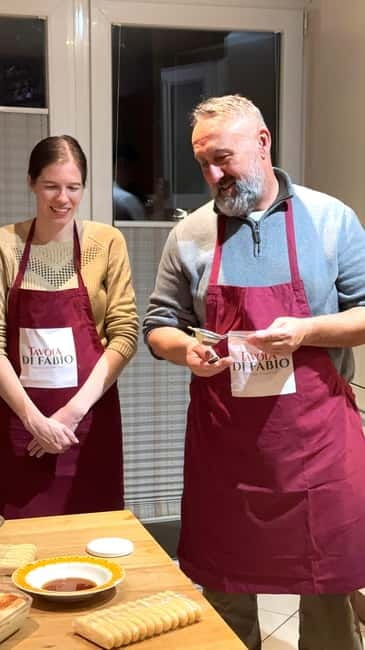
The best part of this Basel-area evening is the seven-year-old sourdough starter, which turns a standard pizza lesson into something you can continue at home. Anita and Fabio lead a small, hands-on class where you make pizza and focaccia, then sit down to eat what you have prepared.
I like the warm opening with Prosecco, organic antipasti, and time to meet the other cooks. I also like the practical gift of sourdough starter, plus the chance to taste wines from Piedmont and Switzerland side by side. The main consideration is the price: at $194 per person, this is a full dinner and social evening rather than a quick cooking lesson.
Key points to know before booking
- A long-lived sourdough starter: You learn with the house starter and take a portion home, though the information describes it as both seven and nine years old.
- A small class of six or fewer: The limited size allows for direct help while you work with the dough.
- An Italian meal from start to finish: Expect Prosecco, antipasti, pizza, focaccia, wine, and grandmother-style tiramisu.
- Two wine regions in one evening: Taste organic wines from Piedmont in northern Italy and regional wines from Switzerland.
- A practical location: Tram 11 toward Aesch stops at Loogstrasse, followed by a walk of about 100 meters.
- Plan for flour on your hands: This is a real working class, not a demonstration where you simply watch.
A home kitchen lesson with an Italian heart
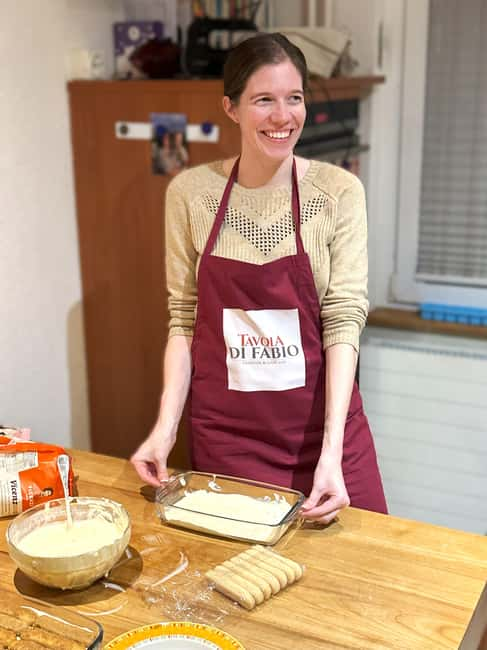
This three-hour class takes place in Basel-Country Canton at the Italian Cooking and Dining Experience hosted by Anita and Fabio. The setting is private and small, with no more than six participants. That matters when you are learning dough, since a crowded class can leave you waiting for help just when the mixture turns sticky or difficult to handle.
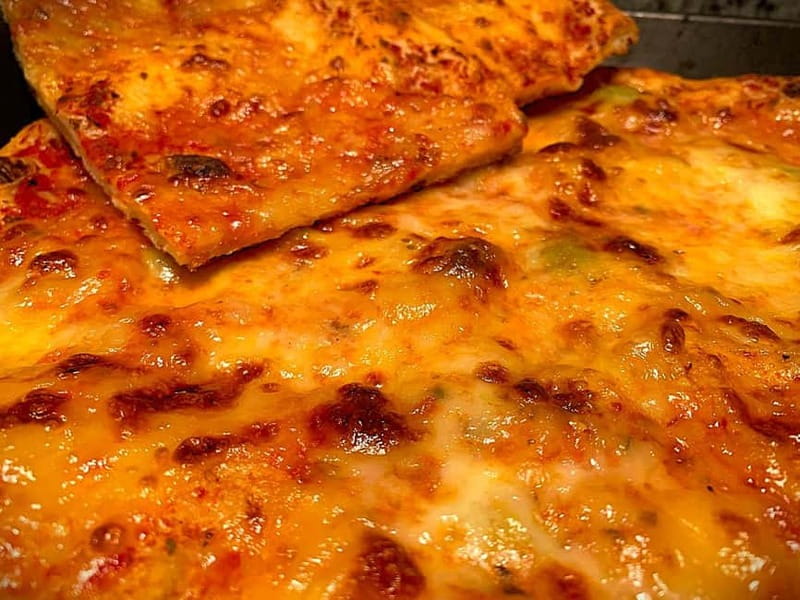
You are not only shown how to make pizza. You work with the dough yourself, learn how sourdough differs from regular yeast, and see how fermentation affects flavor and texture. The stated goal is a golden crust with a good chew and a gentle tang, but the lasting value is that you leave with a starter portion and a better sense of how to bake again at home.
The evening also has the feel of a shared meal. You start with a drink and small plates, cook together, then sit down to eat. It is a good choice if you want food, conversation, and instruction in one booking. If you prefer a quiet, highly technical baking workshop, the social side may feel just as important as the dough.
More Pizza Making Classes in the world:
- Florence Cooking Class The Art of Making Gelato & Authentic Pizza
★ 5.0 · 2,053 reviews - Cooking Class in the Heart of Rome: Pizza and Tiramisu Making
★ 5.0 · 1,330 reviews - Rome: Traditional Pizza Cooking Class near Piazza Navona
★ 4.7 · 1,241 reviews
Starting with Prosecco and Mediterranean antipasti
The class opens with a welcome aperitif. You are served Prosecco and organic antipasti such as artichoke hearts, green olives, and sun-dried tomatoes. This gives the evening an easy beginning, especially if you arrive without knowing the other people in the room.
You can choose between Swiss and Italian wine as the social part gets underway. The welcome spread is not meant to replace dinner, but it gives you something to eat while introductions and cooking instructions begin. It also sets the tone: this is an Italian-style table experience, not a formal cooking school with everyone focused silently on a worksheet.
I like this opening because it uses food for its proper purpose. You get comfortable, taste a few ingredients, and have time to settle in before handling dough. The only point to keep in mind is that wine is part of the class. If you do not drink alcohol, confirm the available alternatives before booking, since the included drinks specifically mention Prosecco and wine.
Working with the sourdough pizza and focaccia
The main lesson centers on pizza and focaccia dough made with the house sourdough starter. You are guided through the process and provided with the equipment needed for the class. Since the session is hands-on, you should arrive ready to mix, shape, and handle dough rather than simply watch a chef work.
The sourdough element gives the lesson a useful point of difference. Regular yeast can produce excellent pizza, but a mature starter brings another set of skills. You learn that sourdough depends on an active culture and requires attention to fermentation, timing, and texture. The lesson explains the basic science in a friendly way, so you can understand why the dough behaves as it does.
The starter is described in different parts of the information as seven years old and nine years old. Either way, it is a long-kept house culture, and the important practical point is that you receive a portion to take home. That gift is more useful than a souvenir that sits on a shelf, but it does require care. You will need to feed and use it after the class if you want to keep it active.
Focaccia adds another useful comparison. You can see how a similar dough becomes a different food through shaping, handling, and baking. For someone who already makes pizza, this gives the session more range. For a beginner, it offers two ways to practice the same core skills.
A participant who had cooked for four decades still found new things to learn, while another person said the class gave them enough confidence to stop buying ready-made pizza dough. Those details point to the lesson’s broad appeal. You do not need to be an expert, and experienced home cooks are not likely to find the material pointless.
Baking, tasting, and learning by doing
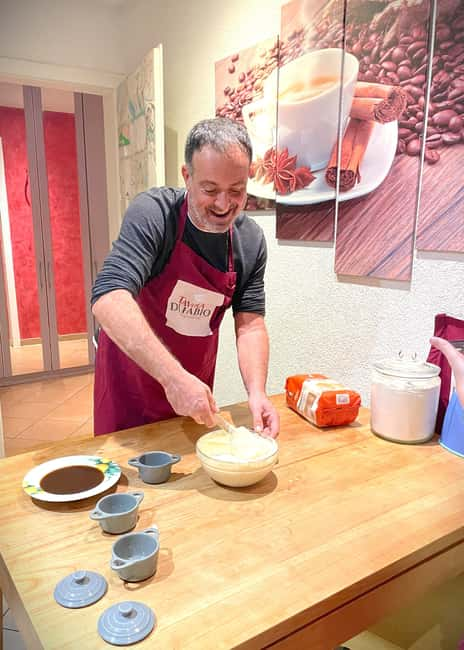
As the pizzas bake, the evening moves from preparation to tasting. This is where the class feels different from a short market workshop. You are not sent away with uncooked dough and a recipe card. The food you make becomes part of the meal.
The baking stage also gives you time to talk with Anita and Fabio and ask questions. The hosts share background about the dishes and the Italian food traditions connected with them. The information available does not give a detailed cooking schedule, so exact pauses and oven timing may vary. You should expect the lesson to follow the pace of the group rather than a rigid minute-by-minute program.
The private atmosphere receives strong praise in the supplied feedback, along with the friendly welcome from Anita and Fabio. The small size helps explain that response. Six people is enough for conversation but small enough that the class can remain personal. It is a good setup for couples, friends, or solo visitors who enjoy meeting people through food.
Do not expect a restaurant-style menu with a long list of choices. The point is to learn a set menu, make it together, and eat it fresh. That keeps the evening focused, but it also means you should check dietary needs before arriving.
More Italian Cooking Classes around the world:
- Cooking Class and Lunch at a Tuscan Farmhouse with Local Market Tour from Florence
★ 5.0 · 4,831 reviews - Tuscan Cooking Class and Dinner in Florence
★ 4.5 · 732 reviews - Rome Pasta Making Class with Italian Sauces and Wine Included
★ 5.0 · 645 reviews - Tuscan Cooking Class
★ 5.0 · 584 reviews
Piedmont wines and regional Swiss bottles
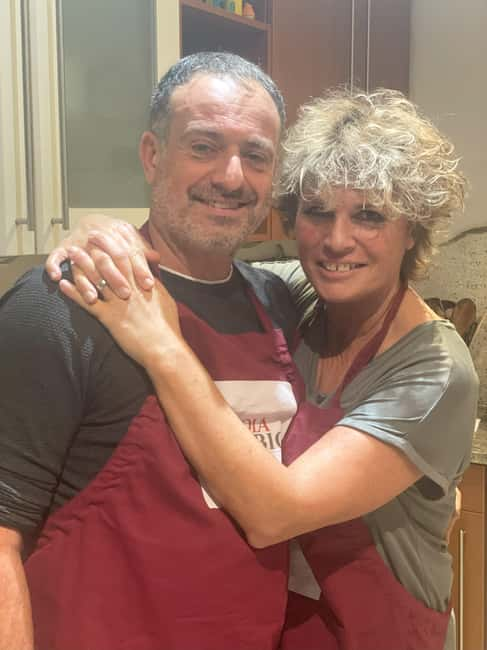
Wine is woven through the experience rather than added as an afterthought. You taste organic wines from Piedmont, a major wine region in northern Italy, along with regional wines from Switzerland. That pairing gives you a small lesson in place as well as flavor.
Piedmont is known for serious red wines and classic Italian grape varieties, while Swiss regional wines can be less familiar to visitors. The class does not promise a formal wine lecture, so I would treat this as a tasting alongside dinner, not as a dedicated wine course. Still, trying both gives you a useful comparison without adding another stop to your schedule.
The wine is also part of the value calculation. If you would normally pay separately for several glasses of quality wine with dinner, the $194 price becomes easier to understand. If you do not drink, the price may feel high because part of the evening’s appeal is built around wine.
Half a liter of water is included as well. That is a small detail, but useful during a meal with wine and salty antipasti. Other drinks or special substitutions are not specified, so ask in advance if you have particular needs.
Tiramisu made with a family recipe
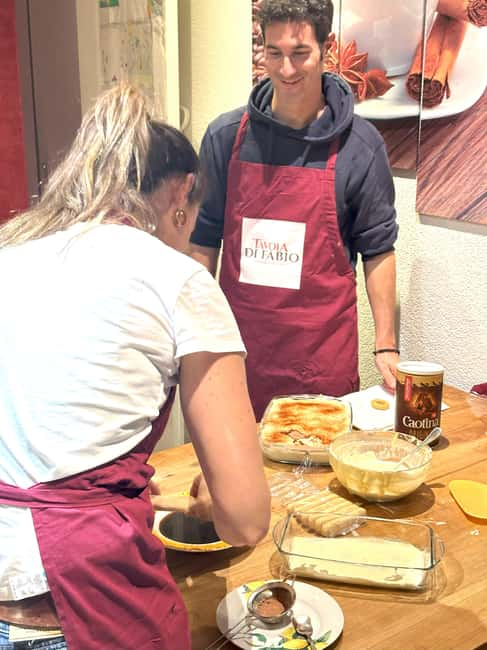
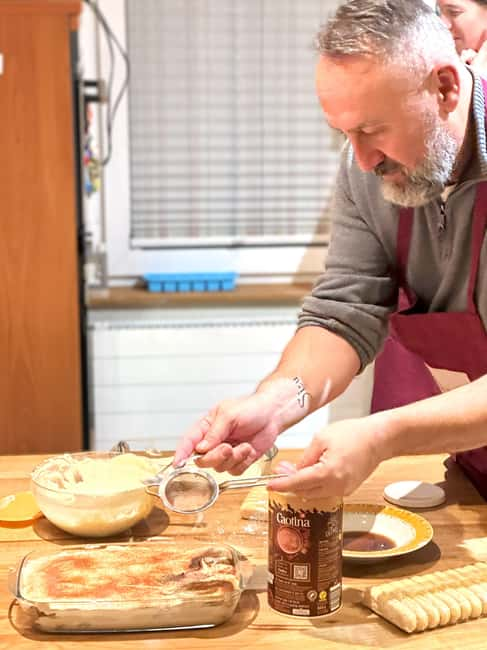
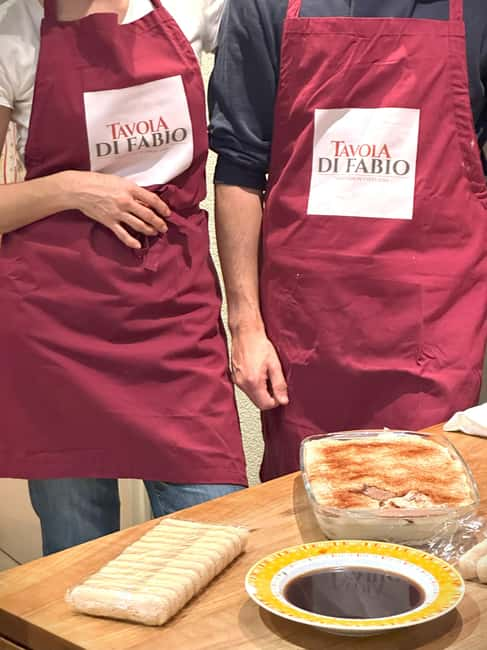
Dessert is classic tiramisu made from a beloved grandmother’s recipe. The ingredients include fresh local eggs and Swiss chocolate, which gives the final course a clear connection to the area while keeping the dish recognizably Italian.
This is not presented as a separate tiramisu workshop. You should expect to eat it rather than make it yourself. That is sensible in a three-hour class already devoted to pizza and focaccia. It also keeps the evening balanced: welcome snack, practical cooking, main meal, wine, and dessert.
The family recipe helps give the dinner a personal touch. Many cooking classes can feel built around generic dishes. A recipe connected to a grandmother suggests that the hosts are sharing part of their own food culture, not simply repeating a tourist menu.
What the $194 price includes
At $194 per person, this is a premium food activity. The price includes the three-hour class, equipment, pizza and focaccia, antipasti, wine, tiramisu, water, and a portion of sourdough starter to take home. You are paying for both the meal and the teaching, along with a small-group setting.
I would compare it with the cost of a good dinner, several glasses of wine, and a private lesson. The value is strongest if you want all three in one evening. The starter also gives you something that can keep producing value after your trip, provided you maintain it.
The price is harder to justify if you only want to eat pizza or if you already have no interest in baking. This is not a budget meal and not a quick food stop between Basel sights. It is a three-hour social activity with hands-on work.
You also need to consider transportation. Private transport is not included, but the meeting point is straightforward by tram. Take tram 11 toward Aesch and get off at Loogstrasse. At the stop, turn right at the corner and walk about 100 meters. Number 10 is displayed at the upper left of the garage.
Who will enjoy this class most
I would recommend this class to you if you like learning through food and prefer a small group to a large commercial workshop. Couples and friends should find the format easy to enjoy, while solo visitors can use the aperitif and shared meal to meet other food lovers.
It also suits people at different cooking levels. Beginners get a guided introduction to sourdough, pizza, and focaccia. More experienced cooks can focus on fermentation, handling, and the differences between pizza and focaccia. One participant with 40 years of cooking experience still learned something useful, which suggests the class does not stop at the basics.
Families with young children may want to ask about the format before booking. The experience includes wine, flour-covered hands, and a three-hour evening schedule. The available information does not set a minimum age, so do not assume that children are automatically suitable.
You should also mention dietary restrictions in advance. The hosts say they can accommodate dietary needs with notice, but people with food allergies are specifically listed as unsuitable. That is an important distinction. A preference or mild restriction may be manageable, while a serious allergy may make this the wrong choice.
Smoking and pets are not allowed.
Practical timing and cancellation advice
The class lasts three hours, but starting times depend on availability when you book. Since the activity includes cooking and a sit-down meal, leave enough time afterward rather than scheduling a tight connection.
Cancellation is free up to 24 hours before the start for a full refund. You can also reserve and pay later, which helps if your Basel plans may change. These policies are useful, but the bigger practical step is contacting the hosts about allergies, dietary restrictions, or nonalcoholic drink needs before you commit.
The hosts can communicate in Italian, German, English, Spanish, and French. That range is helpful in a mixed group and makes the instruction easier to follow for many visitors.
Should you book the Basel pizza evening?
Book it if you want a warm, food-centered night with real participation, quality wine, and a take-home skill. Anita and Fabio combine a small class, family recipes, sourdough practice, and a shared dinner in a way that feels personal rather than rushed.
Skip it if you are looking for a low-cost meal, a short demonstration, or a strictly allergy-safe setting. At $194, you should value the full package: the welcome aperitif, hands-on dough work, wine tasting, dinner, dessert, and starter for home.
For most food-focused visitors staying near Basel, this is a strong choice. The best reason to book is not simply the pizza. It is the chance to learn a repeatable technique, eat in a private setting, and carry a living piece of the class into your own kitchen.
FAQ
How long does the pizza cooking class last?
The experience lasts three hours. Starting times depend on availability when you book.
Where is the meeting point?
The meeting point is in Basel-Country Canton. Take tram 11 toward Aesch and get off at Loogstrasse. Turn right at the corner and walk about 100 meters. Number 10 is shown at the upper left of the garage.
How many people can join the class?
The class is limited to six participants, making it a small-group experience.
What food and drinks are included?
You receive a welcome Prosecco aperitif, organic antipasti, pizza and focaccia, organic wines from Piedmont, regional Swiss wines, tiramisu, and 0.5 liters of water.
Do I take sourdough starter home?
Yes. Each participant receives a portion of the house sourdough starter as a gift. The information describes the starter as seven years old in one place and nine years old in another.
Can dietary restrictions be accommodated?
Dietary restrictions can be accommodated if you provide advance notice. People with food allergies are listed as unsuitable for the experience, so contact the hosts before booking if this applies to you.
New cooking classes around the world
- Shinjuku Tokyo: Authentic Japanese Home-Style Culinary Class★ 4.9 · 125 reviews
- Shibuya Tokyo: Onigiri & Tamagoyaki Cooking Class★ 5.0 · 4 reviews
- M.O.M COOKING CLASS★ 4.8 · 6 reviews
- Seville: Paella-Cooking Experience with Sangria & Full Meal★ 4.9 · 42 reviews
- Shanghai: Authentic Chinese Cooking Class with Master Chef★ 5.0 · 2 reviews
- Sestri Levante: Pesto & Cooking Classes, Wine Tasting★ 4.9 · 56 reviews
- Seville: Paella Cooking Class & 30-Min Local Expert Q&A★ 4.8 · 37 reviews
- Seoul: Korean Kimchi Cooking Class in the Heart of the City★ 5.0 · 3 reviews
Pizza Making Classes, side by side.
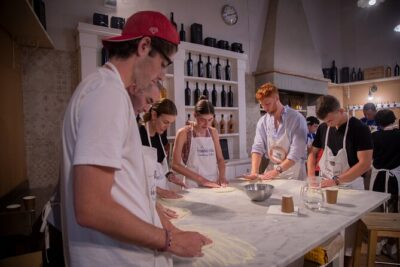
Florence Cooking Class The Art of Making Gelato & Authentic Pizza
Read our review →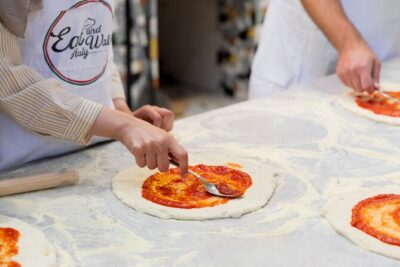
Cooking Class in the Heart of Rome: Pizza and Tiramisu Making
Read our review →
Rome: Traditional Pizza Cooking Class near Piazza Navona
Read our review →
Rome: Combo Pizza and Pasta Cooking Class with Wine
Read our review →
Palermo: Pizza and Gelato Cooking Class with Dinner and Wine
Read our review →
Rome Cooking Class: Make Pizza and Pasta with Wine & Dessert
Read our review →
Milan Cooking Class: Authentic Pizza & Gelato Making
Read our review →
Hands-On Pasta Cooking Class in Florence with optional Pizza
Read our review →This kitchen also appears in