
Review · TOKYO
Shibuya Tokyo: Onigiri & Tamagoyaki Cooking Class
The best part of this Shibuya class is that it turns two everyday Japanese foods into something you can actually make at home. You’ll learn why rice choice matters, how much pressure to use when shaping onigiri, and how nori wrapping changes the final bite. I especially like the small-group format and the chance to try several fillings rather than making one plain rice ball.
I also like that tamagoyaki joins the lesson, giving you a second useful Japanese cooking skill in the same 90 minutes. The main consideration is that the class is short, so this is an introduction rather than a full cooking course. You’ll also need to arrange your own transport to the venue.
Key points at a glance
- Three onigiri per person: Make several rice balls while practicing different shapes and fillings.
- Half a serving of tamagoyaki: Add a classic rolled omelet to the rice lesson.
- English-speaking instruction: Clear guidance is available throughout the class.
- Groups of up to eight: The small class size allows room for personal help.
- Recipes and a souvenir included: You can continue the lesson after returning home.
- $49 for 90 minutes: A reasonable price for food, instruction, equipment, apron use, and a meal-sized tasting.
Why onigiri makes such a good Tokyo cooking class
Onigiri is simple food, but it is not careless food. At its best, it is warm rice shaped by hand, wrapped in nori, and built around a small center of flavor. That simplicity makes the technique matter. Rice that is too dry will not hold together. Rice that is too wet can become heavy and sticky. Too much pressure produces a dense ball instead of a light, pleasant bite.
This class gives you a practical way to understand those small differences. Rather than only eating onigiri from a convenience store, you get to handle the rice and see how the texture changes as you work. I like this kind of lesson because the skill has a long life beyond your Tokyo visit. You can make onigiri for a picnic, a packed lunch, or a quick meal at home.
The session also gives you three rice balls per person. That matters. One attempt can feel like a demonstration, while three gives you room to compare your shaping, fillings, and wrapping. You can work toward the classic triangle shape, then try a more personal design if the instructor has time to guide you.
More cooking classes around Tokyo:
- Ramen & Gyoza Cooking Class in Tokyo with Local Supermarket Visit
★ 5.0 · 823 reviews - Tokyo: Easy Ramen Cooking Experience in Kabukicho, Shinjuku
★ 4.6 · 321 reviews - Ramen and Sushi Cooking Class with Sake Pairing Set in Tokyo
★ 5.0 · 291 reviews
Choosing rice, fillings, and the right texture
The class begins with the foundation: selecting and cooking the rice. The exact rice variety is not specified, so you should not expect a formal tasting of several grains. Still, learning what to look for is useful. The instructor explains how the rice affects flavor and structure, then shows you how to reach the texture needed for shaping.
The filling selection is another strong point. You are introduced to traditional and modern ideas, along with savory and vegetarian options. The available choices can depend on the day and on dietary requests, so it is sensible to share allergies or restrictions before the class. Gluten-free options may be possible if requested in advance, but the class is not suitable for anyone with a severe or life-threatening food allergy.
I like the balance here. Traditional fillings connect the dish to ordinary Japanese home cooking, while newer combinations make the class less rigid. You do not need to approach onigiri as a museum piece. The basic method is traditional, but the inside can reflect your own taste.
The fillings also help make three separate onigiri worthwhile. You can compare how a salty, savory filling works with the rice, or see how a vegetarian choice changes the balance. The point is not simply to stuff rice. You learn how the filling, rice, and nori need to work together.
Shaping onigiri without crushing the rice
Shaping is where many first-time cooks need help. The rice must hold together, but it should not be squeezed into a hard block. The instructor guides you through traditional methods, including the familiar triangle, and may show more creative forms as well.
This hands-on part is more valuable than watching a chef work quickly. You get to feel when the rice is ready and where the shape starts to weaken. The English-speaking host explains each step, and the small group, limited to eight people, leaves more room to ask for help than a large demonstration class.
The nori wrapping is part of the lesson too. Nori adds aroma, salt, and a crisp or slightly softened texture depending on when it is wrapped. You learn the traditional way to use it rather than simply placing a sheet on the side. That is a small detail, but it is exactly the kind of detail that makes homemade onigiri feel more complete.
You should expect a friendly, encouraging teaching style rather than a demanding culinary exam. Previous sessions have been praised for clear instructions, individual attention, and an easy atmosphere. The class has also been held with as few as three people, which shows how personal it can feel when bookings are light.
Tamagoyaki adds a second Japanese staple
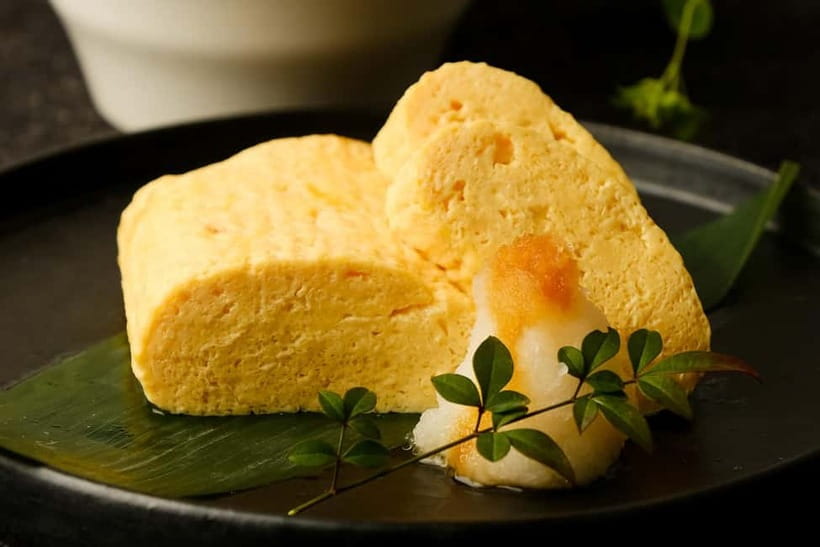
Tamagoyaki is a rolled Japanese omelet with a layered texture. It looks simple on the plate, but rolling it neatly takes practice. Here, each person receives ingredients and utensils for half a portion, so the omelet is an added skill rather than the main event.
That smaller portion makes sense within a 90-minute class. The session can cover the rice, several onigiri, fillings, nori, and the omelet without turning into a long workshop. You get a taste of the technique while keeping the focus on onigiri.
The combination makes the class more useful than an onigiri-only lesson. You leave with two familiar Japanese foods to repeat at home, and the recipes help you remember the steps. If you are choosing between a class that only demonstrates food and one that lets you prepare a complete small meal, this format has a clear advantage.
Do not expect a specialist tamagoyaki course, however. Half a portion per person means the omelet is a supporting part of the lesson. If your main goal is to master many rolling styles or advanced egg presentation, you may need a longer class.
Same kitchen, a different dish:
- Tokyo Tsukiji Fish Market Tour and Sushi Making Lesson
★ 5.0 · 390 reviews - Private Home Cooking in Yanaka – Local Flavors in a Warm Setting
★ 5.0 · 173 reviews - Unique Private Cooking Class with a Tokyo Local Emi
★ 5.0 · 131 reviews - Shinjuku Tokyo: Authentic Japanese Home-Style Culinary Class
★ 4.9 · 125 reviews
The 90-minute rhythm and what you eat
The total duration is 90 minutes. That is enough time for instruction, preparation, shaping, cooking, and eating what you make, but it leaves little room for a slow, open-ended workshop. You should arrive ready to take part rather than expecting a long introduction to Japanese food culture.
A typical session covers:
- Rice selection and preparation
- Traditional and modern filling ideas
- Onigiri shaping, including triangles
- Nori wrapping techniques
- Preparation of three rice balls per person
- Preparation of half a serving of rolled omelet
- Eating the finished food together
The meal at the end is part of the pleasure. You are not just carrying food away in a box. You get to sit with the group and taste the results while the instructions are still fresh. Sharing the food can also make the class feel social without requiring a separate dining event.
Ingredients and utensils are supplied, and an apron is available to use. Recipes and a small souvenir are included. Those extras matter because they turn a pleasant morning or afternoon into something you can repeat. Without written instructions, details such as rice texture and wrapping order are easy to forget after a busy day in Tokyo.
A small kitchen with personal instruction
The class takes place in a small shop with a cozy kitchen setup. That may sound less polished than a large cooking studio, but it has a practical advantage: the group stays close to the work. A previous session had only three participants and enough room to work comfortably, with plenty of individual attention.
You should still keep your expectations realistic. A small shop kitchen is not likely to feel like a restaurant test kitchen with lots of spare counter space. The information available describes a comfortable setup, but not a large venue. If you prefer a grand, highly designed cooking studio, this may feel modest.
For most people, the modest setting is part of the appeal. Onigiri is everyday Japanese food, not a formal banquet dish. Learning it in a compact kitchen suits the subject. The staff speak excellent English, and the class is conducted in English, so you can focus on the cooking instead of worrying about missing key directions.
The instructor’s role is especially important here. The class is designed for beginners, and no previous cooking experience is required. You can ask questions, correct your technique, and get help with shaping as you go. That is more useful than a polished demonstration where you only watch from a distance.
Is $49 a fair price in Shibuya?
At $49 per person, the class is not the cheapest way to eat onigiri in Tokyo. You could buy prepared rice balls for far less. But that comparison misses the point. You are paying for 90 minutes of instruction, ingredients, equipment, apron rental, three onigiri, half a portion of tamagoyaki, recipes, a souvenir, and an English-speaking host.
The strongest value comes from the hands-on format and small group. A class limited to eight people gives you a better chance to receive corrections than a large group session. If the class has only a few participants, the personal attention becomes even better.
I would call the price fair for visitors who want an activity rather than just a meal. It is also a sensible choice for anyone who plans to repeat the recipes at home. If you only want to taste Japanese food, spend the $49 at several casual restaurants instead. If you want a practical memory and a skill, the calculation looks better.
The full cost does not include transport to or from the venue. Plan that separately, especially if you are fitting the class between other Shibuya plans. The duration is fixed at 90 minutes, so it works best as one clearly marked part of your day rather than something you squeeze into a short gap.
Who will enjoy this class most
This is a good match for first-time cooks, food-focused visitors, couples, solo participants, and families with children aged five or older. You do not need to know Japanese cooking techniques before arriving. The format is active but approachable, and the finished food gives the lesson a clear reward.
It is particularly useful for you if:
- You want a Japanese food activity with a practical result.
- You enjoy small groups and direct help.
- You want recipes to use after your trip.
- You like the idea of comparing traditional and modern fillings.
- You need an English-language class.
- You are traveling with someone who prefers doing over sightseeing.
Children under five are not suitable for the class. Older children may enjoy shaping rice, but the information does not specify a separate children’s program, so young participants should be comfortable following cooking instructions.
People with dietary restrictions should contact the host in advance. The class can try to accommodate needs, and gluten-free options may be available on request. Severe or life-threatening food allergies are specifically excluded, so do not treat this as a safe option if cross-contact could create a serious risk.
Timing, cancellation, and planning tips
You can reserve now and pay later, which helps if your Tokyo schedule is still changing. Starting times depend on availability. Cancellation is free up to 24 hours in advance for a full refund, giving you some protection if plans shift.
I would book this class on a day when you have room to linger afterward. You may want to continue eating in Shibuya, browse nearby shops, or simply enjoy the fact that you have made lunch yourself. Avoid placing it immediately before a hard-to-miss train departure or timed attraction, since transport to and from the venue is your responsibility.
Wear something you are comfortable cooking in, although an apron is provided. You should also send dietary information before the session rather than raising it at the last moment. That gives the host the best chance to prepare an appropriate option.
The experience currently carries a 5.0 rating from four verified bookings. The strongest praise centers on the friendly atmosphere, clear English instructions, easy-to-find setting, comfortable small kitchen, individual attention, and recipe booklet. Those points line up with what matters most in a short cooking class: you need to understand the steps, get enough hands-on time, and leave with a way to repeat them.
Should you book the Sorisso onigiri class?
Book it if you want more than a quick Japanese meal and like learning by doing. The three onigiri, filling choices, nori techniques, and tamagoyaki make good use of 90 minutes, while the small group and English instruction keep the lesson approachable.
Skip it if you are looking for a long professional cooking course, a large menu, or a full tamagoyaki workshop. The kitchen is compact, the omelet portion is small, and the class moves at a brisk pace.
For most visitors, this is a well-priced food activity with a useful afterlife. You do not just remember eating onigiri in Tokyo. You take home recipes, a souvenir, and enough practice to try making the food again.
FAQ
Where does the class take place?
The class takes place in Shibuya, Tokyo, on Honshu, Japan.
How long does the cooking class last?
The class lasts 90 minutes.
How much does the class cost?
The listed price is $49 per person.
Is the class taught in English?
Yes. An English-speaking host provides the instruction.
How many people can join the class?
The group is limited to eight participants.
What food will I make?
You will make three rice balls per person and half a portion of rolled omelet, or tamagoyaki, per person.
Are ingredients and cooking tools provided?
Yes. Ingredients and utensils are included.
Is an apron provided?
Yes. Apron rental is included.
Can I get vegetarian or gluten-free options?
The class includes savory and vegetarian filling choices. Gluten-free options may be available by request, and dietary restrictions or allergies should be shared in advance.
Can children join the class?
Children under five are not suitable for the class.
Is transport included?
No. Transportation to and from the experience venue is not included.
Can I cancel for a full refund?
Yes. You can cancel up to 24 hours in advance for a full refund.
Do I have to pay when I book?
No. The reserve-now, pay-later option lets you book without paying immediately.
New cooking classes around Tokyo
- Shinjuku Tokyo: Authentic Japanese Home-Style Culinary Class★ 4.9 · 125 reviews
- Ramen Making from Scratch +Akihabara Tour –Cooking Class★ 5.0 · 25 reviews
- Japanese Knife Skills & Tuna Don/Sushi Workshop in Tokyo★ 5.0 · 3 reviews
- AKEMI’s SUSHiKiTCHEN: A fun sushi cooking lesson in Tokyo★ 5.0 · 5 reviews
- Tokyo: Private Japanese Cooking Class with a Local Chef★ 5.0 · 81 reviews
- Unique Private Cooking Class with a Tokyo Local Emi★ 5.0 · 131 reviews
- Japanese Home Cooking Class & Walk in Todoroki Temple Tokyo★ 5.0 · 88 reviews
- Private Home Cooking in Yanaka – Local Flavors in a Warm Setting★ 5.0 · 173 reviews
Tokyo Cooking Classes, side by side.

Ramen & Gyoza Cooking Class in Tokyo with Local Supermarket Visit
Read our review →
Tokyo Tsukiji Fish Market Tour and Sushi Making Lesson
Read our review →
Tokyo: Easy Ramen Cooking Experience in Kabukicho, Shinjuku
Read our review →
Ramen and Sushi Cooking Class with Sake Pairing Set in Tokyo
Read our review →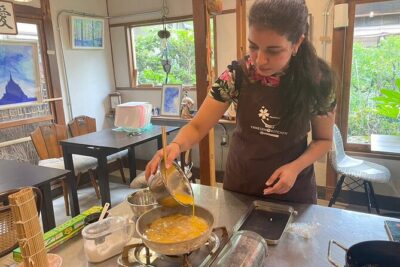
Private Home Cooking in Yanaka – Local Flavors in a Warm Setting
Read our review →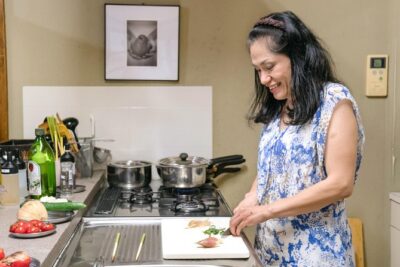
Unique Private Cooking Class with a Tokyo Local Emi
Read our review →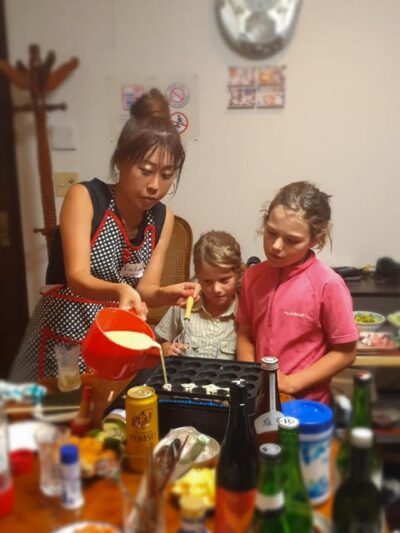
Shinjuku Tokyo: Authentic Japanese Home-Style Culinary Class
Read our review →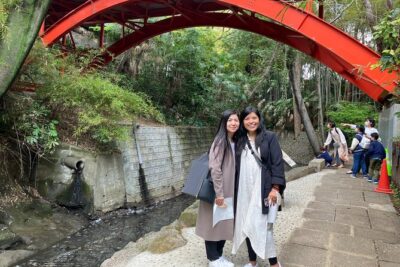
Japanese Home Cooking Class & Walk in Todoroki Temple Tokyo
Read our review →This kitchen also appears in