
Review · TOKYO
Shinjuku Tokyo: Authentic Japanese Home-Style Culinary Class
The best part of this 150-minute Japanese cooking class is that you do not just watch a chef work. You prepare a full meal, then sit down and eat it together. Near Shinjuku, instructors such as Kana, Kayo, Lulu, Chieko, and Miyuki explain everyday cooking methods, ingredients, and food customs in clear English.
I like the choice of menus, especially the chance to make dishes that can be hard to recreate abroad, such as takoyaki and crispy pan-fried gyoza. I also like the practical size of the lesson: enough time to cook several dishes, but not so long that it takes over your day in Tokyo.
The main consideration is the uncertain menu choice. You can select from four menus when your group is the only booking, but a shared class may limit that choice. The exact kitchen address also arrives after booking, so you need to pay attention to the organizer’s message.
Key points to know before booking
- Four main menus: Choose okonomiyaki and yakisoba, gyoza and takoyaki, rolled sushi and teriyaki, or a traditional gozen meal.
- Central Tokyo setting: The studio is in or around Shinjuku, making this easy to pair with sightseeing in central Tokyo.
- Real participation: You chop, shape, roll, pan-fry, and assemble dishes rather than simply watching a demonstration.
- English instruction: The rotating team of instructors explains techniques, ingredients, and cultural context in English.
- Dietary planning: Vegetarian, vegan, and allergy-related requests can be discussed in advance, although you should not wait until class day.
- Generous meal: The menus include several dishes and side items, so plan this as a substantial lunch or dinner.
Cooking a full Japanese meal near Shinjuku
This is a home-style cooking lesson rather than a restaurant demonstration. The idea is simple: you select a menu, work through several dishes with an instructor, and eat what you have prepared at the end.
That format gives the class real value. A tasting menu may show you what Japanese food looks like, but this lesson helps you understand how the dishes come together. You learn the order of preparation, the use of sauces, the feel of a batter or dough, and the small finishing touches that make a plate look inviting.
The kitchen studio is in or around Shinjuku, one of Tokyo’s most useful bases. You will receive the exact address after booking, along with directions. One practical warning is worth noting: an address once led a participant to the wrong part of a building, causing a late arrival and a phone call to the organizer. Read the directions carefully and allow a little extra time.
The central location is useful, but this is not a sightseeing tour with stops around the city. The attraction is the hands-on session itself. You arrive at the studio, settle into the cooking space, and spend the next two and a half hours focused on food.
More cooking classes around Tokyo:
- Ramen & Gyoza Cooking Class in Tokyo with Local Supermarket Visit
★ 5.0 · 823 reviews - Tokyo: Easy Ramen Cooking Experience in Kabukicho, Shinjuku
★ 4.6 · 321 reviews - Ramen and Sushi Cooking Class with Sake Pairing Set in Tokyo
★ 5.0 · 291 reviews
Choosing between four very different menus
The menu choice shapes the whole class, so take a moment before booking. Each option teaches a different side of Japanese food.
Okonomiyaki and yakisoba
The okonomiyaki and yakisoba set is a good choice if you want a casual, filling meal. Okonomiyaki uses a savory batter mixed with chopped cabbage and other ingredients, then cooked on a teppan grill. You finish it with sauces and toppings.
Yakisoba brings another useful technique: stir-frying noodles with vegetables and, depending on the menu, seafood or pork. The sauce is sweet and savory, and the dish pairs naturally with okonomiyaki. A side dish completes the meal.
This menu suits you if you enjoy the kind of food found at Japanese festivals, casual restaurants, and family kitchens. It also gives you dishes that are relatively practical to try again at home.
Gyoza and takoyaki
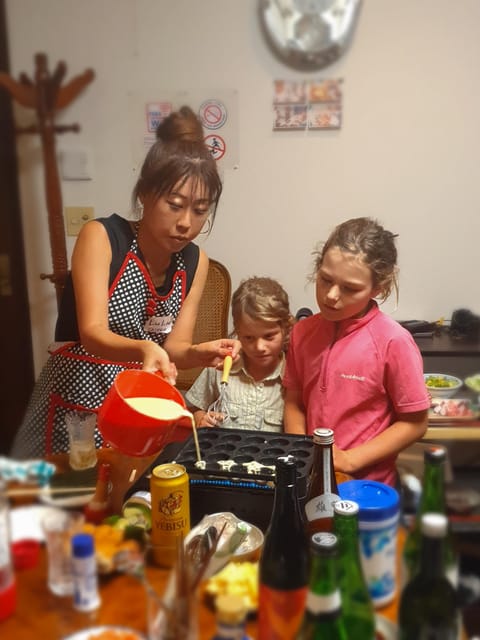
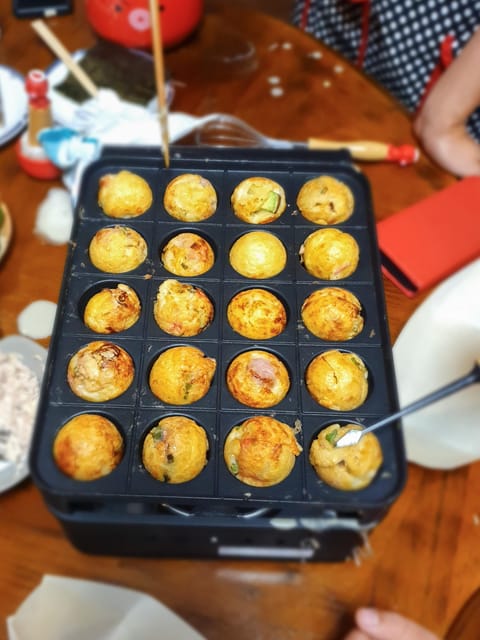
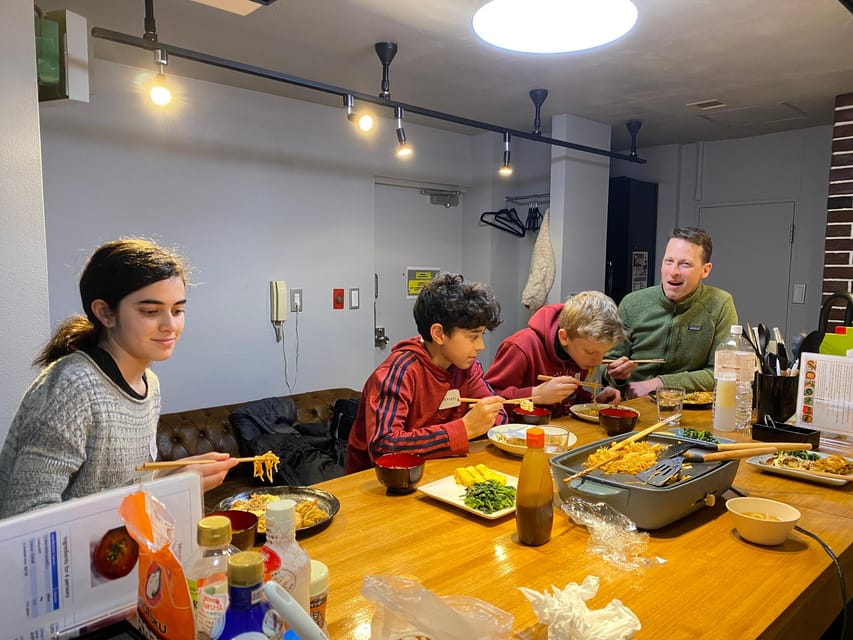
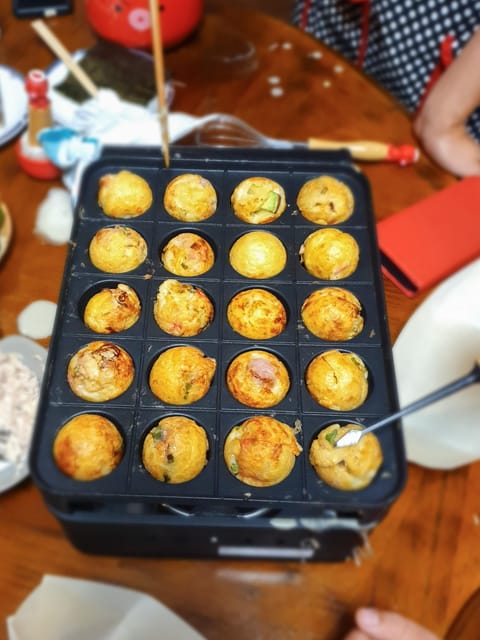
This is the most playful menu. You make Japanese gyoza, usually pan-fried until the bottoms turn crisp, and takoyaki, the small round dumplings associated with Osaka and summer festivals.
Takoyaki takes some practice. The batter is cooked in a special molded pan, and shaping the dumplings neatly can be part of the fun. It is an unusual dish to prepare outside Japan, especially if you have never used the pan before.
Choose this menu if you want the most interactive session. It is also a strong pick for families and younger cooks. Children aged seven to twelve were able to take part in one family class, with the instructors adjusting the lesson so everyone could participate.
Same kitchen, a different dish:
- Tokyo Tsukiji Fish Market Tour and Sushi Making Lesson
★ 5.0 · 390 reviews - Private Home Cooking in Yanaka – Local Flavors in a Warm Setting
★ 5.0 · 173 reviews - Unique Private Cooking Class with a Tokyo Local Emi
★ 5.0 · 131 reviews - Japanese Home Cooking Class & Walk in Todoroki Temple Tokyo
★ 5.0 · 88 reviews
Rolled sushi and teriyaki
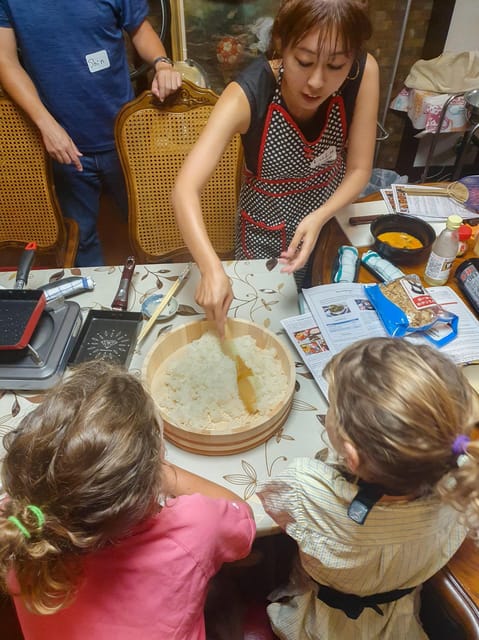
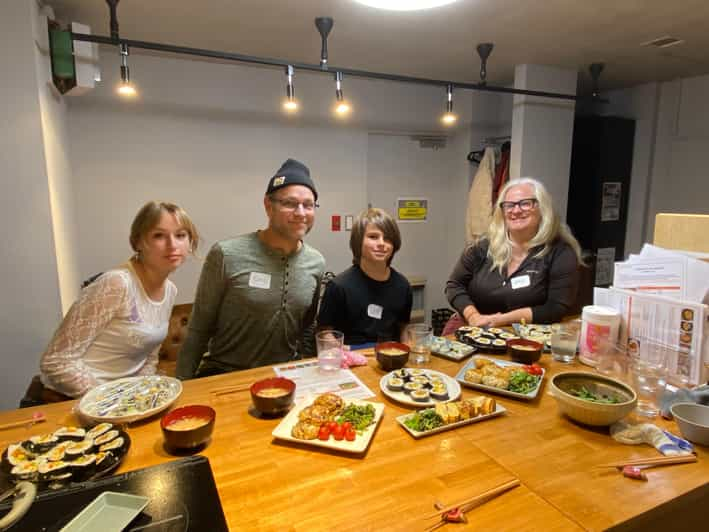
This menu combines careful assembly with a familiar Japanese sauce. You roll and cut your own sushi, then prepare either yellowtail fish or chicken teriyaki, along with miso soup.
The sushi section gives you a chance to work on neat rolling and portioning. It is less about restaurant-level perfection and more about understanding how the pieces are built. Teriyaki adds a cooked main dish, while miso soup rounds out the meal.
This is a sensible option if your group has mixed tastes. Some people enjoy sushi preparation, while others prefer the warm, savory teriyaki. It also makes a useful home lesson because sushi rolls, miso soup, and teriyaki are all dishes you can attempt again after your trip.
Traditional gozen set
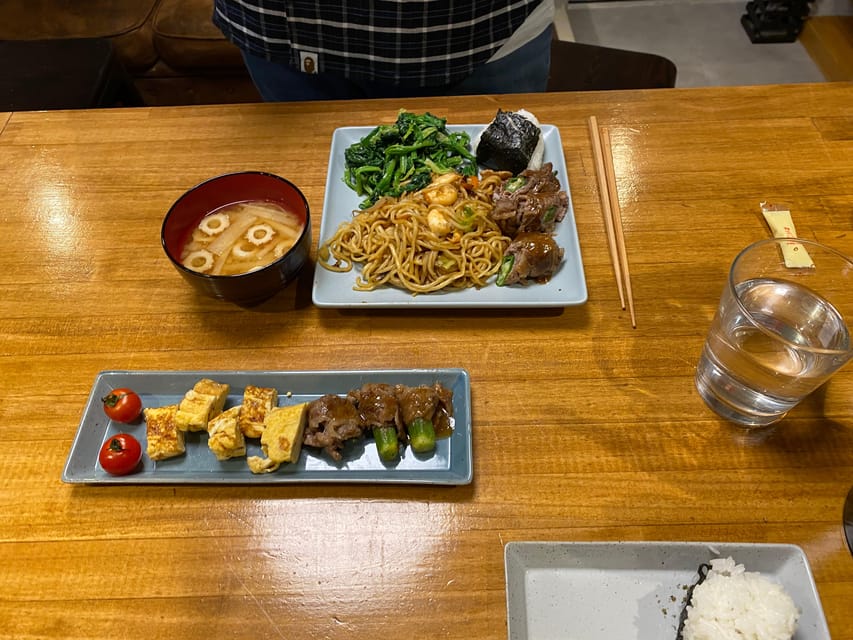
The gozen menu is the most rounded option. It includes a meat plate, fish plate, side dish, miso soup, and an onigiri rice ball.
Instead of focusing on one famous dish, this menu shows how several modest components work together as a Japanese home meal. You get variety in flavor, texture, and presentation. It is a good choice if you want a broader picture of everyday Japanese cooking.
One class adapted the gozen set to include chicken teriyaki at a participant’s request. That shows the menu can sometimes be adjusted, but you should ask in advance rather than count on changes at the last minute.
What the 150 minutes feel like
The class lasts about two hours and thirty minutes. Ingredients are prepared ahead of time, which keeps the lesson moving and leaves more time for actual cooking.
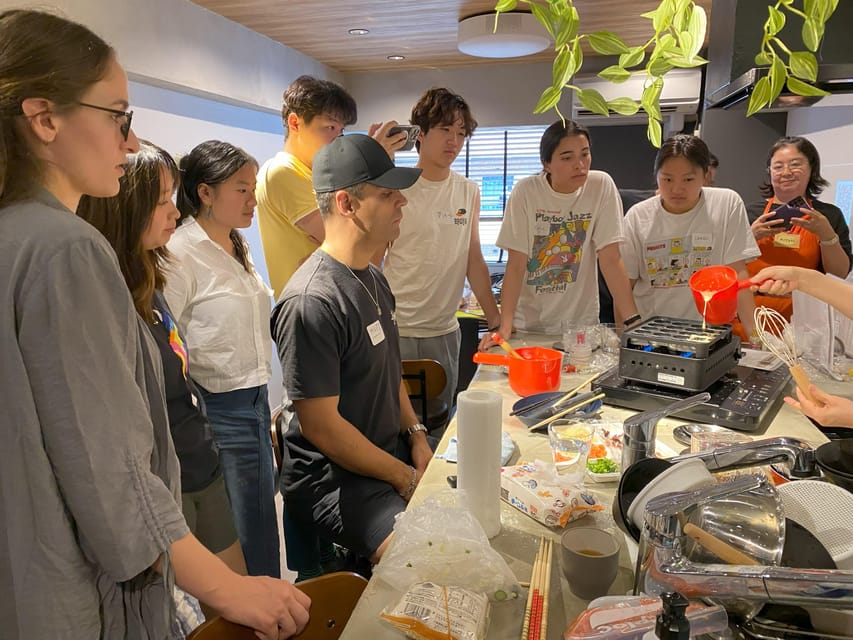
You can expect the instructor to introduce the dishes, explain the ingredients, and lead you through the preparation one step at a time. Depending on the group and the menu, you may chop, mix, shape, roll, grill, pan-fry, or assemble the food. The instructors have been praised for clear instructions and patient help, but the balance between doing and watching may vary.
That point matters if you are an experienced home cook. One participant wanted more time cooking personally instead of watching the instructor demonstrate. If you want to handle every step, say so politely at the start. The class is designed for mixed abilities, so the instructor may demonstrate first or take over a technical step to keep the meal on track.
At the end, you eat the meal together. The portions can be substantial, particularly when the menu includes several dishes and side items. One participant arrived hungry and found the meal large enough to remain filling for much of the day.
The meal is not just a reward. It lets you see how the separate preparations fit together. You can ask final questions, compare techniques, and notice how Japanese meals balance a main dish with soup, rice, vegetables, or small sides.
The instructors make the difference
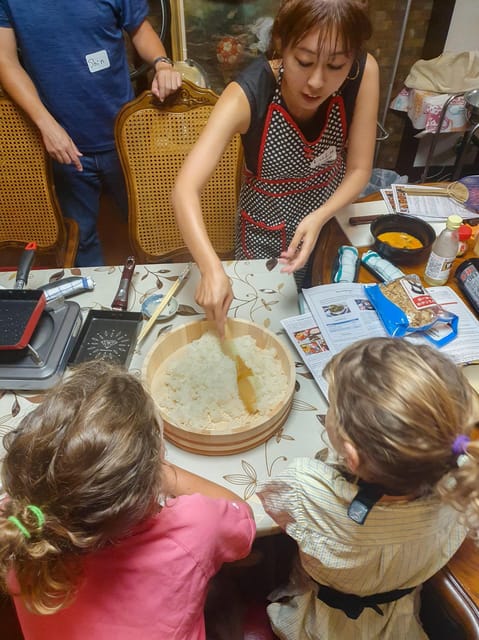
The teaching team changes by session. Names that appear across the classes include Kana, Kayo, Lulu, Chieko, Miyuki, Mika, Aki, Miho, Yuki, and Erica.
That variety means you should not book expecting one specific instructor unless the organizer confirms it. The common thread is English-language guidance and a warm, personal teaching style. Kana has been praised for answering many questions and creating a welcoming class. Kayo has explained both techniques and the dishes being prepared. Mika has focused on Japanese ingredients and how they are used.
Lulu, also identified in one class as Chieko, has helped build menus around food preferences, shared cultural information, assisted with plating, and provided recipes. Chieko has also taught traditional recipes and techniques with help from Yuki. Miyuki has been described as patient, friendly, and entertaining, while Aki and Miyuki have worked well with families and cooks at different skill levels.
The cultural information adds useful context without turning the lesson into a lecture. You may learn why a dish is prepared in a certain way, how an ingredient is used, or where a food fits into Japanese daily life. The best questions come naturally while you are cooking, so do not be shy about asking.
Some classes are very small or private. That gives you more time to ask about ingredients and technique. Other sessions may include another group, which can affect both the menu choice and the amount of direct attention.
Dietary requests and menu changes
The organizers ask you to share food allergies in advance. This is important for more than simple preference, since ingredients and sauces can affect several dishes.
Vegetarian and vegan arrangements are available to discuss. A class also accommodated a vegetarian group, and other participants had allergy-related changes made to their menu. Still, the wording matters: dietary planning is possible, not automatic. Send your requirements before the class and confirm what the revised menu will include.
Menu E is available by request. You can suggest a menu and discuss it with the instructor, but the final plan depends on what can be prepared for the session. If your group has allergies, dislikes, or a particular dish in mind, contact the organizer early.
The four standard menus are not identical in their dietary flexibility. Fish, meat, seafood, egg, wheat, and soy may appear in different combinations, so ask specific questions rather than simply saying you have a restriction.
Is $88 a fair price?
At $88 per person, this is not the cheapest food activity in Tokyo. The price becomes easier to justify when you count what is included: ingredients, cooking tools, drinking water, all fees and taxes, instruction, and a complete meal.
You are also paying for access to a local-style kitchen lesson in central Tokyo, not just for the food on the plate. If you are interested in Japanese cooking, the recipes and techniques can continue to be useful after your holiday. Several participants received recipes or instructions they could use at home, and one person even bought a pan afterward to recreate the dishes.
The value is strongest for small groups, families, and people who want to ask questions. A private or nearly private session can feel more worthwhile because the instructor can adapt the pace and give more direct help.
The value is weaker if you mainly want to eat Japanese food or if you prefer a polished restaurant meal. You will spend time chopping, shaping, and waiting for food to cook. That is the point of the class, but it may not suit someone looking for a passive lunch.
Who will enjoy this class most?
I would recommend it to first-time visitors who want a practical introduction to Japanese food. You get several dishes in one session and leave with more than a list of restaurant names.
Families are a particularly good match. The instructors have worked with children and teenagers, and the hands-on format gives younger participants a real task. The class also works for couples, friends, and solo cooks who like meeting people through food.
Experienced cooks can enjoy it too, especially if they ask for extra technique details. You may find some steps familiar, but the ingredients, seasoning, equipment, and plating still offer useful lessons.
This is less suitable if you need a fully private menu guaranteed in advance. Menu selection may change if another group joins the class. It is also not ideal for anyone who dislikes shared activities or wants to spend the afternoon sightseeing outdoors.
Practical details for a smooth visit
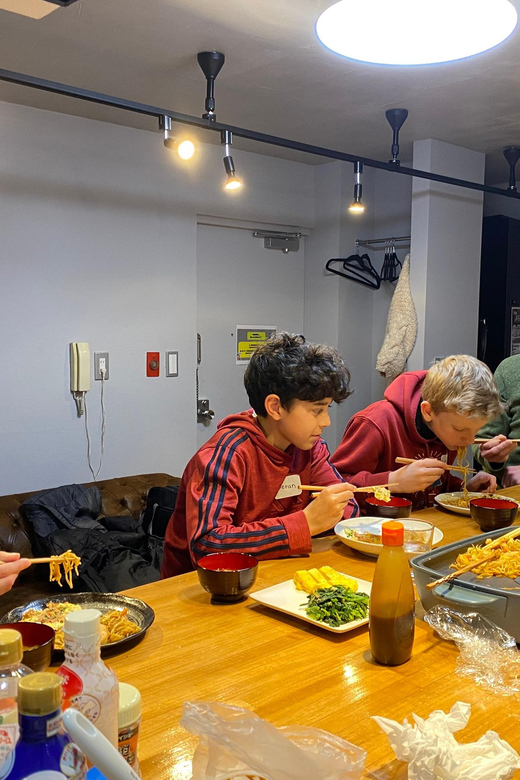
The class is taught in English. The exact meeting address is sent after booking, so check your messages rather than heading straight to a general Shinjuku landmark.
Private transportation is not included. You make your own way to the kitchen studio. Since the address is in or around Shinjuku and the area is large, save the directions and contact details before leaving your hotel.
The activity lasts 150 minutes, but allow extra time for finding the building. One past location change was handled with help for the taxi fare, yet you should still check for any update before setting out.
Cancellation is free up to 24 hours before the class for a full refund. You can also reserve now and pay later, which helps if your Tokyo schedule is still changing.
Should you book the Shinjuku cooking class?
Book it if you want to do something with Japanese food rather than simply order it. The strongest reasons are the choice of menus, the chance to prepare several dishes, the useful English instruction, and the warm attention offered by teachers such as Kana, Lulu, Kayo, Chieko, and Miyuki.
I would choose the gyoza and takoyaki menu for the most hands-on fun, the gozen set for the broadest view of home cooking, and the sushi and teriyaki option if your group wants a mix of raw and cooked dishes. Ask about allergies, dietary needs, and menu availability before you pay.
Skip it if you only want a quick meal or need a fixed private menu with no possibility of change. For everyone else, $88 buys a substantial meal, a memorable activity near Shinjuku, and recipes you can carry into your own kitchen.
FAQ
Where is the cooking class held?
The kitchen studio is in or around Shinjuku, Tokyo. The exact address is provided after booking, so wait for the organizer’s message and follow the directions carefully.
How long does the activity last?
The class lasts 150 minutes, or about two hours and thirty minutes. This includes cooking the dishes and eating the meal you prepare.
Which menus can I choose?
The standard choices are okonomiyaki and yakisoba, gyoza and takoyaki, rolled sushi with teriyaki, and a traditional gozen set. You can also request another menu for discussion with the instructor.
Can I choose my menu after booking?
You can select a menu when booking if your group is the only group attending that day. If another group joins the class, you may not be able to choose the menu, so confirm the arrangement with the organizer.
Is the class taught in English?
Yes. The instructor language is English, and the cooking team provides explanations about techniques, ingredients, and Japanese food customs in English.
Can the class accommodate allergies, vegetarian diets, or vegan diets?
Dietary preferences and allergies can be discussed in advance. Contact the organizer before the class so the menu and available options can be reviewed.
What is included in the $88 price?
The price includes ingredients, cooking tools, drinking water, and all fees and taxes. Private transportation is not included.
New cooking classes around Tokyo
- Shibuya Tokyo: Onigiri & Tamagoyaki Cooking Class★ 5.0 · 4 reviews
- Ramen Making from Scratch +Akihabara Tour –Cooking Class★ 5.0 · 25 reviews
- Japanese Knife Skills & Tuna Don/Sushi Workshop in Tokyo★ 5.0 · 3 reviews
- AKEMI’s SUSHiKiTCHEN: A fun sushi cooking lesson in Tokyo★ 5.0 · 5 reviews
- Tokyo: Private Japanese Cooking Class with a Local Chef★ 5.0 · 81 reviews
- Unique Private Cooking Class with a Tokyo Local Emi★ 5.0 · 131 reviews
- Japanese Home Cooking Class & Walk in Todoroki Temple Tokyo★ 5.0 · 88 reviews
- Private Home Cooking in Yanaka – Local Flavors in a Warm Setting★ 5.0 · 173 reviews
Tokyo Cooking Classes, side by side.
Ramen & Gyoza Cooking Class in Tokyo with Local Supermarket Visit
Read our review →
Tokyo Tsukiji Fish Market Tour and Sushi Making Lesson
Read our review →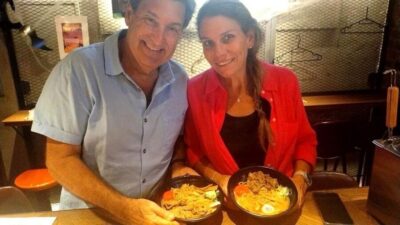
Tokyo: Easy Ramen Cooking Experience in Kabukicho, Shinjuku
Read our review →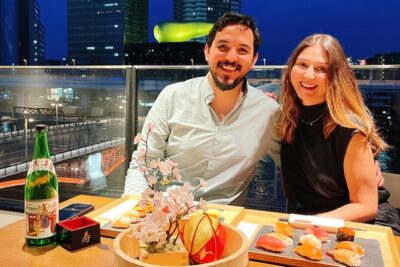
Ramen and Sushi Cooking Class with Sake Pairing Set in Tokyo
Read our review →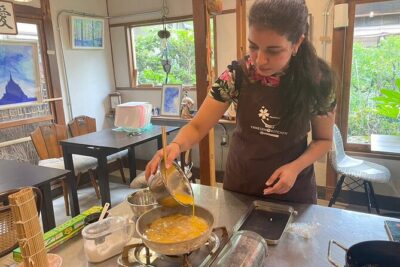
Private Home Cooking in Yanaka – Local Flavors in a Warm Setting
Read our review →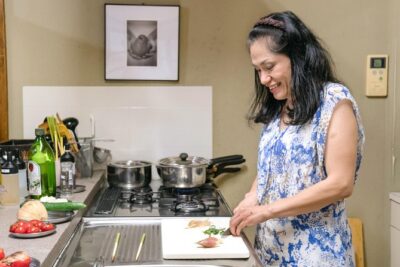
Unique Private Cooking Class with a Tokyo Local Emi
Read our review →
Japanese Home Cooking Class & Walk in Todoroki Temple Tokyo
Read our review →
Tokyo: Private Japanese Cooking Class with a Local Chef
Read our review →This kitchen also appears in