
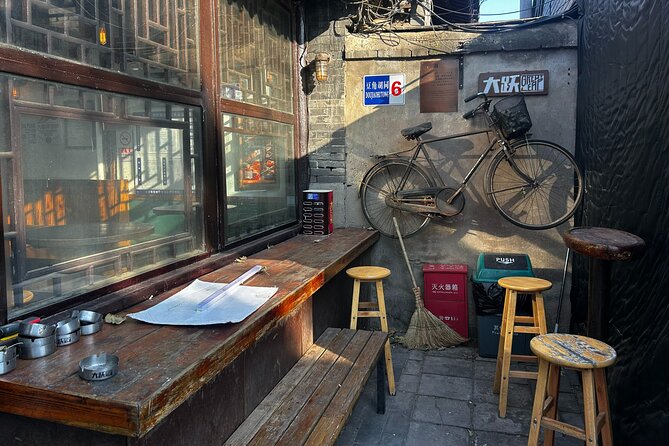
Review · BEIJING
Flavors of Beijing: Eat Like A Real Chinese
The best part of this Beijing experience is the simple chain of events: shop for food in a local market, carry it through a hutong, then cook it in a family home. You do not just eat Chinese food. You see the ingredients, handle the tools, and sit down to eat what you made.
I like the market visit, where Chef Chao explains unfamiliar produce, sauces, spices, and cuts of meat. I also like the practical cooking lessons, especially the work with a wok and large Chinese cleaver. The main drawback is that the published details are not fully consistent: some information describes a three-hour activity, while the cooking program itself is described as lasting about five hours.
- Market shopping comes first: Choose ingredients with an English-speaking chef and learn how they fit into Chinese cooking.
- The menu changes by day: You may prepare dumplings, dim sum, noodles, fish, pork, beef, or a meat-free menu.
- A real hutong setting: Cooking takes place in a local home rather than a polished restaurant classroom.
- Small-group format: The maximum group size is 12, though some sessions have been much smaller.
- Practical skills to take home: Learn sauces, marinades, knife work, wok cooking, dumpling shaping, and recipes.
- Good value for food lovers: At $99, the price includes the market food, ingredients, tasting, equipment, and an English-speaking guide.
From Beijing’s Bell and Drum Towers to the market
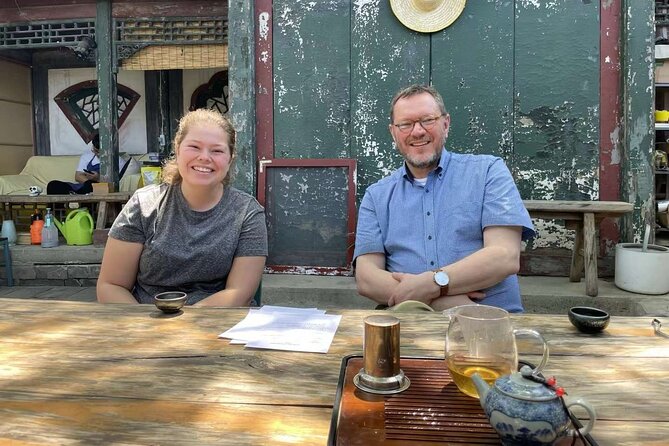
The meeting point is near the Bell and Drum Towers on Jiu Gu Lou Da Jie, close to Subway Line 8. The activity begins at noon, and the end point is the same meeting place.
This is a useful part of northern Beijing to start from. The Bell and Drum Towers are major old-city landmarks, and the surrounding streets lead toward traditional hutongs, small shops, and local food stops. The published route also lists Yandai Xie Street and Yinding Bridge, both near the old Drum Tower area.
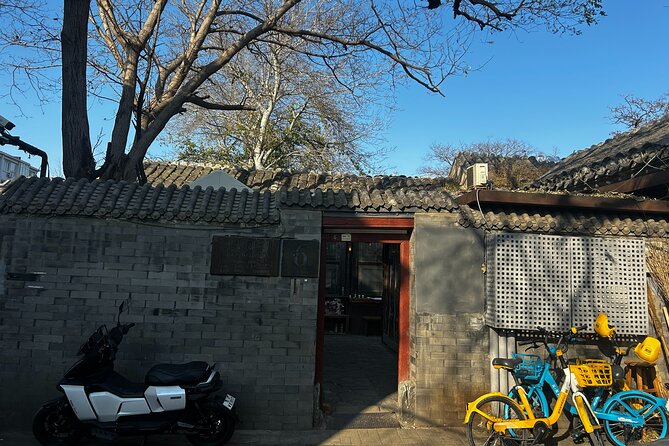
There is one practical wrinkle here. The route lists five stops: the Bell and Drum Towers, Yandai Xie Street, Yinding Bridge, Great Leap Brewing Original #6, and Songzhu Temple and Zhizhu Temple. The detailed cooking description, however, focuses on the food market, a hutong walk, and the cooking home. You should confirm the exact schedule and duration before booking, particularly because the supplied information describes the experience as both roughly three hours and roughly five hours.
I would not plan another fixed appointment immediately afterward. The market visit and cooking session can take time, and the food preparation is hands-on rather than a quick demonstration.
Reading a Beijing market with Chef Chao
The market is the strongest cultural part of the experience. Instead of meeting at a classroom and finding pre-measured ingredients waiting on a table, you walk through a local food market and select what will go into the meal.
Chef Chao explains the produce, seasonings, sauces, and other foods on display. The market may include familiar ingredients such as cherries and kohlrabi alongside items less common in Western shops, including black chicken and a wide range of Chinese vegetables. The market is also a good place to ask questions about how ingredients are used at home.
You may receive breakfast or taste food during the market walk, depending on the session. Food tasting is included, but the exact items are not fixed. That is part of the appeal, since the menu changes with the day and the available ingredients.
The market can be crowded and full of strong smells. This is not a quiet, polished food hall. If you like seeing food in its normal setting, that is a plus. If you prefer a tidy demonstration with no walking or street activity, this may feel less comfortable.
The food itself is not just decoration. It gives you a better sense of why Chinese cooking depends so much on freshness, texture, preparation, and seasoning. You can ask about a vegetable while looking at it, rather than trying to remember a name from a printed recipe.
More Chinese Cooking Classes around China:
- Online Cooking Class Beijing Dumplings and Cuisine by Sunflowerli Renowned Chef
★ 5.0 · 65 reviews - Shanghai-Cooking Dumpling & Meal in Local Family-w/Vegan
★ 4.9 · 36 reviews - Private Cooking Class: Make Your Own Dim Sum In Shanghai
★ 5.0 · 27 reviews
Walking through a hutong to a family kitchen
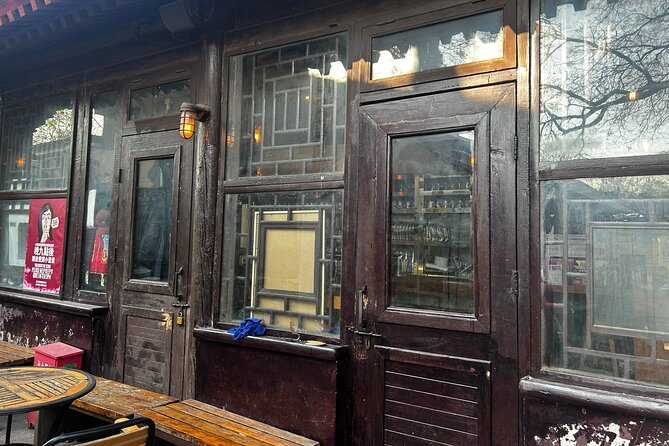
After shopping, you walk through a hutong to the cooking location. The class takes place in a local family home, described as a cozy kitchen in an older building with character.
That setting matters. You see a part of Beijing life that is easy to miss if you spend all your time in major sights and large restaurants. It also makes the class feel more like a meal prepared at home than a staged food show.
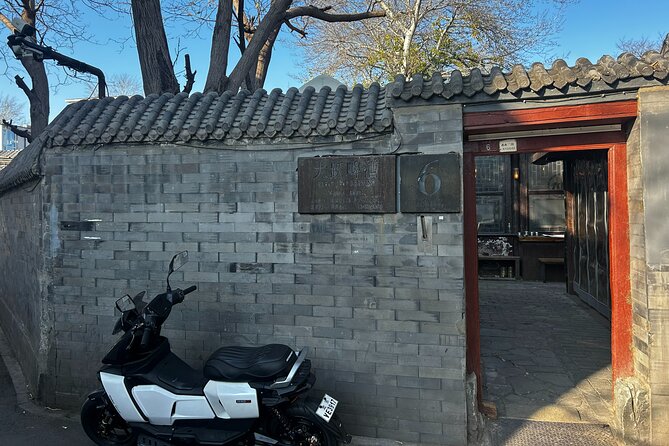
The location may not be immediately obvious. There is no outside sign identifying the cooking school, so pay close attention to the numbered addresses and meeting instructions. The surrounding neighborhood can also be difficult for finding a taxi afterward. Since the activity ends back at the meeting point, you may want to arrange your onward transport before the class begins.
The home kitchen is not described as a large commercial classroom. That means the atmosphere is personal, but the space may feel warm or tight when the group is full. One session had a kitchen that felt especially hot in August. Beijing summers can make a cooking room less comfortable, particularly when several people are working around woks and steamers.
What you may cook: dumplings, dim sum, or main dishes
The menu changes according to the day. This is important when booking, since you cannot assume you will make one particular dish.
On dim sum or dumpling days, you might prepare:
- Steamed dumplings
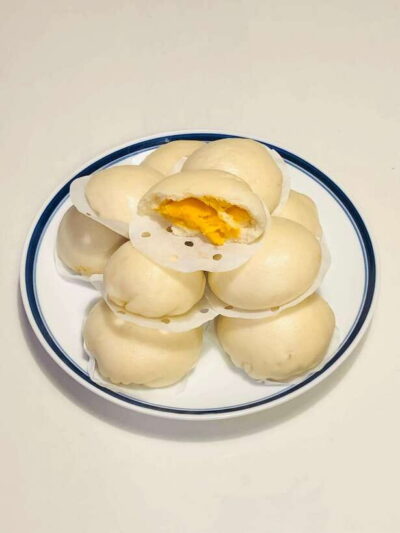
- Barbecued pork buns
- Stir-fried noodles
- Sesame rolls
- Several dumpling fillings
- Boiled, steamed, or fried dumplings
Dumpling sessions can be more involved than they first appear. You may make the dough, prepare fillings, mix sauces, fold the wrappers, and cook the finished dumplings in different ways. Shaping the edges takes practice, and the lesson gives you a new respect for the work behind a plate of dumplings.
One session prepared three fillings, including vegetarian, pork, and beef, then cooked them by steaming, boiling, and frying. That kind of comparison is useful because it shows how one basic food can change with its filling and cooking method.
On a main-dish day, the menu may include steamer ginger fish, sweet and sour pork, and stir-fried chili beef. At least one vegetarian dish is prepared each day. A designated vegetarian day offers an entirely meat-free menu, and vegan requirements have been accommodated in past sessions.
Because the daily menu changes, you should state your dietary needs when booking and confirm that the selected date suits you. The information supports vegetarian and vegan accommodation, but it does not promise that every date uses the same ingredients or provides the same menu.
Sauces, cleavers, and the useful part of the lesson
The class begins with a look at condiments, sauces, marinades, and seasonings. This may be the most useful part for anyone who wants to repeat the food at home.
Chinese cooking can look difficult when you see a long list of ingredients, but sauces often provide the main structure. You learn which seasonings create flavor and how they work with different dishes. The class also helps you recognize ingredients at the market, so the cooking lesson and shopping walk support each other.
Knife work is another practical feature. You learn to use a large Chinese cleaver, not simply as a chopping tool but as part of the preparation process. The instructor also demonstrates wok use and other cooking techniques.
Chef Chao is repeatedly described as patient, friendly, and clear in English. That matters in a hands-on class, where a small mistake in dough, filling, or heat can affect the finished food. The teaching style appears suited to beginners, while people who already cook Chinese food can still ask about sauces, cutting methods, and technique.
The lesson is not only a demonstration. You prepare the food yourself. That means you should expect to work, stand, handle raw ingredients, and repeat techniques rather than sit back for the entire session.
Same kitchen, a different dish:
- Half-Day Chengdu Cooking Class with a Local Market Visit
★ 5.0 · 465 reviews - Chengdu: Cooking Class with Fresh Market Half Day Experience
★ 5.0 · 42 reviews - Half-Day steamed Buns Cooking Class with a Local Market Visit
★ 5.0 · 26 reviews - Half-Day Professional Mapo Tofu Cooking with a Local Market Visit
★ 5.0 · 19 reviews
Eating what you made at the family table
When the cooking is finished, you sit at a family table and eat the meal with the guide and group. This shared meal is the natural payoff, and it gives you time to talk about the food while it is still fresh.
The amount of food can be generous. One solo participant found that the class produced far more food than one person could reasonably eat. That is less of a concern for couples or groups, but solo participants should be ready for a substantial meal.
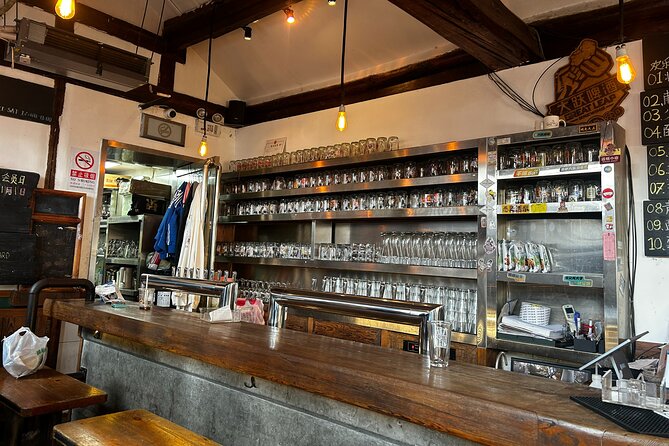
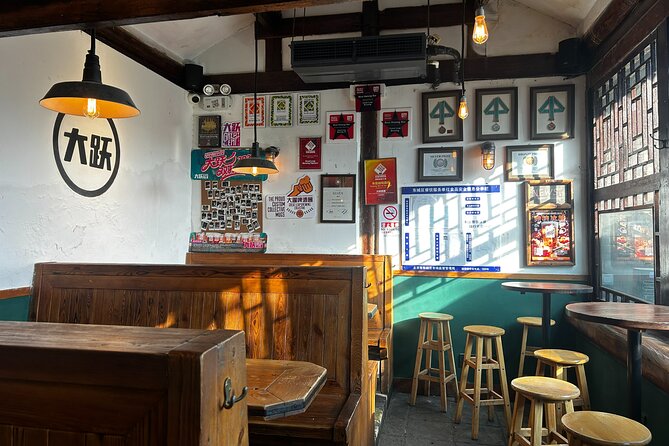
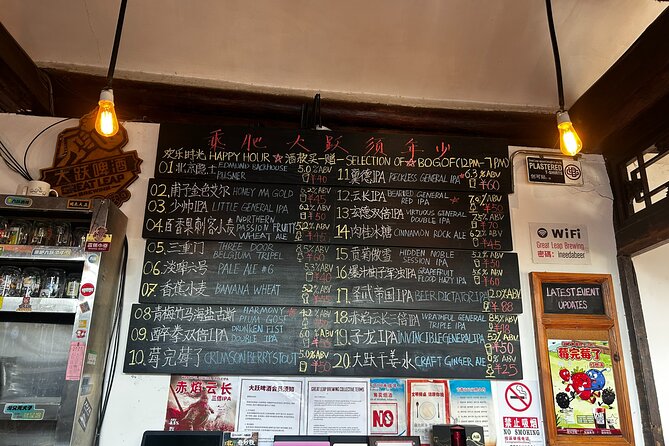
The food is included, along with the market ingredients and equipment. Beer and other drinks at Great Leap Brewing Original #6 are not included, so bring money if that stop is part of your schedule and you want something to drink there.
Recipes and cooking instructions may be provided to take home. This is a real benefit over a meal that disappears as soon as the class ends. You can use the notes to make quick Chinese meals later, though the class cannot replace practice with dumpling folding or wok heat control.
How the group size changes the experience
The maximum group size is 12. That is still small enough for a personal class in theory, but the home kitchen may feel different with twelve people than with two or three.
Some sessions have had only one student, creating a one-on-one lesson with plenty of time for questions. Other sessions had a couple of people or a small handful. A smaller group gives you more direct time with Chef Chao and more room to practice.
The group size is not guaranteed to be tiny. If you want the most personal format, ask about the expected group size before booking. Families should also consider the kitchen setting. Children can take part, but they need to behave well around cleavers, hot woks, steam, and other people’s food preparation.
Solo visitors can find this a good way to share a meal and meet people without committing to a large sightseeing group. Couples who already enjoy cooking classes should also find the format appealing.
Is $99 a fair price?
At $99 per person, this is not the cheapest way to eat in Beijing. You can buy an excellent local meal for much less. The value comes from what is included around the meal: the market walk, ingredient selection, condiments lesson, cooking instruction, equipment, food tasting, and final meal.
The price also covers a different kind of access. You are not just shown a restaurant kitchen or handed a tasting plate. You enter a local home, walk through a hutong, shop for ingredients, and learn techniques you can use again.
I think the price makes sense if you want a full half-day food experience and plan to cook at home afterward. It is less compelling if you only want lunch, if you dislike hands-on activities, or if you already have several food tours planned.
Group discounts may be available. Since the duration and route information are inconsistent, I would check the current details before paying and make sure you understand whether your booking covers the cooking session, the listed old-city stops, or both.
Who should book this Beijing cooking class?
I would recommend it to:
- First-time visitors who want contact with everyday food culture
- People who enjoy cooking rather than only eating
- Couples and small groups looking for a shared activity
- Solo visitors who want a social meal and an English-speaking guide
- Dumpling fans who want to learn the process from dough to finished dish
- Vegetarians and vegans who can confirm the correct menu date
- Cooks who want practical help with sauces, marinades, cleaver work, and woks
I would hesitate if you have limited time in Beijing and need a strictly timed activity. The schedule may run longer than the three-hour figure, and the cooking process naturally moves at the pace of the group.
I would also think twice if you need a fully accessible setting, since the information only says the activity is near public transportation and that most people can participate. It does not give detailed accessibility information for the market, hutong, or private home.
Confirmation is sent when you book. Free cancellation is available up to 24 hours before the start time, based on local time. After that point, the payment is not refunded and changes are not accepted.
Should you book Flavors of Beijing?
Book this if you want to understand Chinese food from the inside out. The market, the hutong walk, Chef Chao’s clear instruction, and the shared meal give the class a stronger local feel than a standard restaurant cooking demonstration.
Before booking, confirm the date’s menu, the expected duration, the group size, and whether the listed Bell and Drum Tower route stops are part of your exact session. If those details suit your plans, $99 is a fair price for a food lesson that can shape how you shop, cook, and order Chinese food long after you leave Beijing.
FAQ
How long does the experience last?
The information gives two different durations. The tour summary says about three hours, while the cooking description calls it a five-hour cooking class. Confirm the current duration with the provider before booking.
Where does the activity begin?
It begins at a meeting point near the Bell and Drum Towers on Jiu Gu Lou Da Jie, close to Subway Line 8 in Beijing.
Where does the activity end?
The experience ends back at the meeting point.
What time does it start?
The listed start time is 12:00 pm.
Is food included?
Yes. Food tasting, market ingredients, and the meal prepared during the class are included.
Are drinks included?
Beer or other drinks at Great Leap Brewing Original #6 are not included.
Can vegetarians take part?
Yes. At least one vegetarian dish is prepared each day, and one day of the weekly menu is entirely vegetarian. Vegan accommodations have also been provided, but you should confirm the menu for your date.
How many people can join the class?
The maximum group size is 12 people. Some sessions may be much smaller.
New cooking classes around China
- Shanghai: Authentic Chinese Cooking Class with Master Chef★ 5.0 · 2 reviews
- Online Cooking Class Hand Pulled Noodles by Sunflower Li★ 5.0 · 3 reviews
- Online Cooking Class Steamed Buns by Chef Sunflower Li★ 5.0 · 2 reviews
- Chengdu Sichuan Cuisine Cooking Class and Savor Local Snacks★ 4.4 · 2 reviews
- Beijing: Vegan Home Cooking & Local Market Tour with Sanxia★ 4.8 · 4 reviews
- 2.5hrs Chinese Kitchen Cooking Class: Xiaolongbao Soup Dumplings★ 5.0 · 12 reviews
- Private Cooking Class: Make Your Own Dim Sum In Shanghai★ 5.0 · 27 reviews
- Private Home Cooking Class with Shanghai Mama★ 5.0 · 14 reviews
Beijing Cooking Classes, side by side.
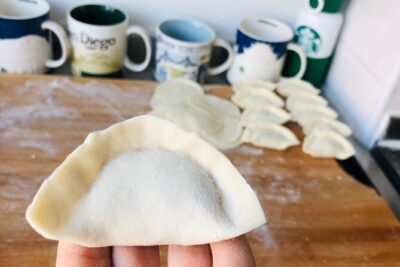
Online Cooking Class Beijing Dumplings and Cuisine by Sunflowerli Renowned Chef
Read our review →
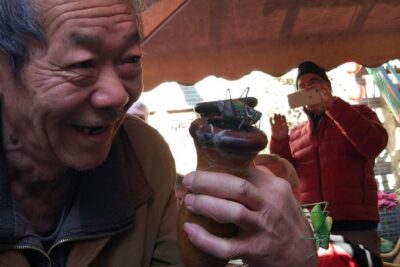
Private Hutong Culture Tour with Dumpling Cooking Class plus Cricket Fighting Game
Read our review →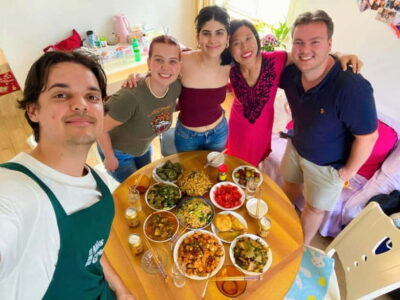
Beijing: Vegan Home Cooking & Local Market Tour with Sanxia
Read our review →
This kitchen also appears in