
Review · OAXACA CITY
Oaxaca: 10 Mexican Salsas Cooking Class with Taco Tasting
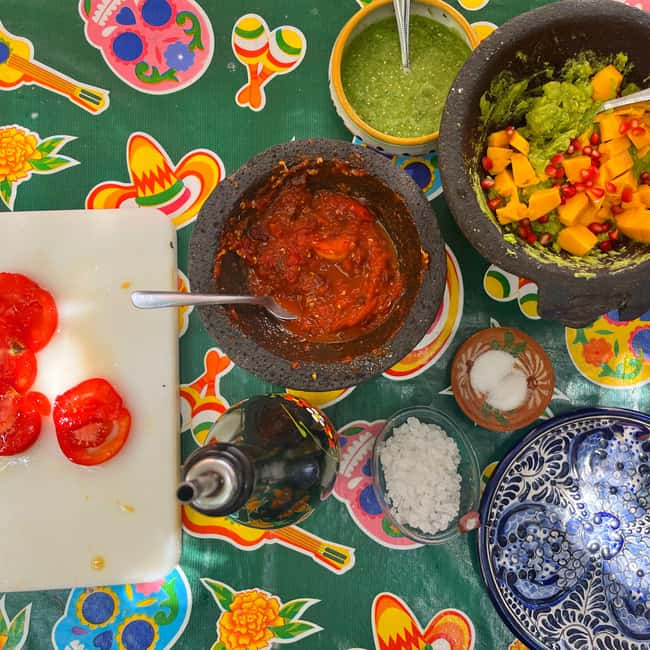
The star of this two-hour Oaxaca class is not the taco at the end. It is the chance to compare 10 very different salsas side by side, from cooling guacamole and salsa verde to fiery habanero and punchy Xnipec. Chef Oscar Carrizosa also explains how each chile changes a recipe, which is the sort of lesson you can use long after your holiday ends.
I like the hands-on range of recipes, especially the chance to make salsa Macha, classic molcajete salsa, salsa borracha, and fruit-seasoned versions with hibiscus and tamarind. I also like that the tasting comes afterward, with tacos matched to what you have made. The main caution is pace: one participant found Chef Oscar rushed and less patient with questions, while others received very warm, attentive instruction, including one private class.
Key points to know
- Ten salsas in two hours: Expect a fast, focused class rather than a leisurely half-day cooking course.
- Chiles take center stage: Learn how chile de árbol, chipotle, jalapeño, and habanero differ in flavor and heat.
- Distinctive regional recipes: Xnipec, Macha, borracha, guacachile, and molcajete salsa go beyond ordinary restaurant condiments.
- Tacos are the final test: Taste the sauces with prepared tacos and compare how each pairing works.
- Beer and mezcal are included: Drinks add to the tasting, but people with food allergies should not book this activity.
- Easy central meeting point: Casa Crespo is at Jacobo Dalevuelta street, across from Jardín Conzatti.
Ten salsas, not one generic cooking lesson
Many Mexican cooking classes spend most of their time on a main dish, with salsa treated as a quick side task. This class reverses that order. You spend the session building a working understanding of Mexican salsas, then use tacos as a way to taste the results.
That makes the experience useful for curious cooks. You are not simply handed a recipe and asked to copy it. You compare chiles, textures, acidity, and heat. The important lesson is that Mexican salsa is not one fixed style. A roasted sauce, a fresh green sauce, a nutty Macha, and a sharp Xnipec each call for different ingredients and methods.
The two-hour limit keeps the class moving. You should expect a compact lesson with plenty to cover, not a slow demonstration with long breaks. If you enjoy an active kitchen session, the pace will help you see a lot in one morning or afternoon. If you prefer detailed explanations at every step, you may find the schedule tight.
More Mexican Cooking Classes around Mexico:
- Cabo San Lucas Mexican Cooking Class Experience and Local Markets
★ 5.0 · 915 reviews - Mexican Cooking from Scratch in a Local Home in Tulum
★ 5.0 · 585 reviews - Authentic Mexican Legacy Cooking Class in Cabo San Lucas
★ 5.0 · 530 reviews
Starting at Casa Crespo across from Jardín Conzatti
The meeting point is Casa Crespo, on the corner of Jacobo Dalevuelta street, directly in front of Jardín Conzatti. That gives you a clear central landmark and avoids a complicated pickup arrangement. You make your own way there, so allow enough time to find the corner and arrive ready to cook.
The class is offered in English and Spanish. Language can make a big difference in a cooking lesson, since small details about roasting, grinding, seasoning, and chile handling matter. If you are comfortable in either language, you can choose the session that feels easiest.
Comfortable clothes are recommended. This is practical advice rather than a dress code. You will be working around ingredients and tools, and a relaxed outfit is more suitable than anything formal.
Casa Crespo is wheelchair accessible, which makes this a useful option for visitors who need an accessible activity. The supplied details do not describe the exact kitchen layout or seating arrangements, so contact the operator if you need a particular accommodation beyond general wheelchair access.
Learning the personalities of Mexican chiles
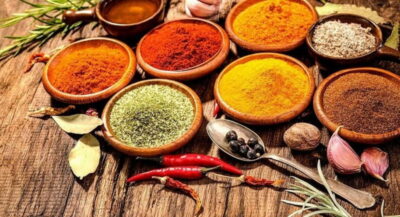
The best part of the class is the focus on how chiles behave. Chile de árbol, chipotle, jalapeño, and habanero are not interchangeable sources of heat. They bring different aromas, textures, and levels of intensity, and Chef Oscar shows you how to use them in separate preparations.
Chile de árbol is associated with a sharp, direct heat. Chipotle brings a smoky character. Jalapeño gives a fresher green flavor, while habanero pushes the heat much higher. The lesson is not just about naming chiles. It is about understanding why one works in a bright fresh salsa and another suits a darker, more forceful mixture.
You also learn to think beyond heat. A salsa needs balance, and the class includes ingredients that change the whole direction of a recipe. Hibiscus flowers can bring tartness and color. Tamarind adds a sweet-sour note. These are useful ideas if you want to recreate Mexican flavors at home without making every sauce taste the same.
Habanero deserves a practical warning. It is described as the hottest chile used in the class, so you should be comfortable with spicy food before booking. The activity is specifically not suitable for people with food allergies. No allergy accommodations are promised, and a salsa class involves several ingredients being prepared and tasted in a short period.
Xnipec, Macha, and the sauces worth remembering
The class includes several names you may not know from a standard Mexican restaurant menu. Xnipec is one of the more distinctive preparations, with a reputation for sharp heat and freshness. Salsa Macha offers a different experience, with a deeper, more textured style than a simple chopped tomato or tomatillo sauce.
You also learn salsa verde, a familiar Mexican classic, and the traditional molcajete salsa. These recipes are valuable because they show two different sides of Mexican cooking: one can be bright and fresh, while the other gains character from the preparation method and the ingredients being worked together.
Salsa borracha adds another point of comparison. Guacamole and guacachile are also placed side by side, helping you see that these names describe different preparations rather than two labels for the same avocado mixture.
I like this selection because it gives you familiar reference points along with less common recipes. Salsa verde and guacamole help you understand basics. Xnipec, Macha, borracha, hibiscus, and tamarind keep the lesson from feeling like a standard dip-making workshop.
More cooking classes around Mexico:
- Puerto Vallarta Cooking Class Experience with Market Tour
★ 5.0 · 698 reviews - Mexican Cooking Class with Food Market Visit in Mexico City
★ 5.0 · 506 reviews - Authentic Mayan Cooking Class in Cozumel
★ 5.0 · 344 reviews - Flavors of Oaxaca: Cooking Class with No Set Menu and Local Market Tour
★ 4.5 · 333 reviews
The cooking tools and ingredient quality
The quality of the ingredients and tools matters in a short class. One participant specifically praised both, and that fits the purpose of the activity. When you are learning how a salsa changes with different chiles and preparation methods, poor ingredients or awkward equipment can muddy the lesson.
The class includes traditional-style preparation, including molcajete salsa. That is more useful than watching every sauce come from a blender, since texture is part of the experience. The information provided does not list every tool used, so you should not expect a complete equipment inventory in advance. You can expect the class to supply what is needed for the ten salsa preparations.
With so many recipes in two hours, you will likely see the instructor demonstrate some steps and guide you through others. The experience is hands-on, but it is not described as a full individual cooking station for every participant. Group size can vary. One class had seven people, while another ran with a single participant, so the amount of personal attention may change from one date to another.
That difference matters. In a group of seven, you get a more social atmosphere and can compare reactions with cooking partners. In a one-person class, Chef Oscar was able to continue the session and give individual instruction despite the small booking. The tradeoff is that the class atmosphere cannot be guaranteed in advance.
Tasting tacos with all ten sauces
The final taco tasting gives the cooking lesson a clear payoff. You taste the ten salsas with tacos and other prepared items, rather than judging each sauce only from a spoon. That matters because a sauce can taste very different with a warm tortilla, meat, vegetables, or another taco filling.
The tasting also turns the class into a comparison exercise. A smoky chipotle sauce may work differently from a clean green salsa. A sharp Xnipec may cut through a rich taco, while a nutty Macha may add a heavier finish. You get to decide which combinations make sense to your palate.
The food at the end has received particularly strong praise. One participant described the tacos as delicious and well prepared, while another enjoyed multiple items with the ten salsas. That suggests the tasting is more than a token snack after the cooking. Still, the exact taco fillings and full menu are not specified, so you should not book based on a promised list of particular meats or vegetarian dishes.
Drinks are included, with beer and mezcal specifically mentioned by one participant. This makes the tasting feel more complete, but it also means you should consider your own comfort with alcohol. The supplied details do not promise nonalcoholic options, so ask ahead if that matters to you.
A look at the teaching style
Chef Oscar Carrizosa is the named instructor, and the class is designed around his explanations of ingredients and preparation. Several participants found the session fun and appreciated the chance to recreate the recipes at home. One person who had already taken a half-day cooking class with Chef Oscar returned for this salsa-focused course, which suggests the format can work well for repeat visitors to Casa Crespo.
The teaching style may not feel identical on every date. One participant felt that Chef Oscar was stressed, moved too quickly, and answered questions in an annoyed way. Other accounts describe him as friendly and generous with his time, including the private session where he taught one person even though no one else had signed up.
I would treat this as a realistic note about a small, fast class. Ten salsas require efficient instruction, and a busy session can feel rushed. If you have detailed questions, ask them early and clearly. If you are joining with friends, expect the shared work and conversation to add to the fun. The experience may be less satisfying if your main goal is a quiet, highly personalized lesson with long technical explanations.
Is the $80 price fair?
At $80 per person, this is not the cheapest way to eat tacos in Oaxaca. You are paying for instruction, ingredients, ten preparations, a taco tasting, and drinks, not just a meal. The value improves if you want practical recipes and a better understanding of Mexican chiles that you can take home.
The price also compares favorably with a longer cooking class if you have limited time. In two hours, you cover a wide selection without committing half a day. The drawback is that the short schedule leaves less room for relaxed conversation or detailed practice.
I would consider it good value for food-focused visitors, especially if you enjoy cooking and plan to use what you learn. It is less convincing for someone who only wants a quick taco meal. Oaxaca has plenty of food experiences, and a class makes sense when the method matters as much as the eating.
Who will enjoy this class most?
This experience suits you if you like bold flavors, want to understand Mexican ingredients, and enjoy tasting several versions of the same broad food category. It is also a good fit for couples, friends, and solo visitors who want a social activity close to central Oaxaca.
Solo booking is possible. The one-person session with Chef Oscar continued as planned, with time spent on each salsa. You may not get that exact format every day, but the class does not depend on a large group to operate.
People with food allergies should not book this activity. The class includes many ingredients and ten different salsas, and no allergy-friendly version is promised. Anyone who dislikes very spicy food should also think carefully before booking, since habanero is part of the lesson.
The class is offered in English and Spanish, and Casa Crespo is wheelchair accessible. Those details make it easier to fit into a mixed-language or accessibility-conscious itinerary, though you should still ask the provider about your particular needs.
Booking details that matter
The activity lasts two hours, with starting times shown according to availability. You can reserve now and pay later, which helps if you are arranging several Oaxaca activities and do not want to pay at once.
Free cancellation is available up to 24 hours before the activity for a full refund. That gives you some flexibility, but check the exact cutoff when you book so you do not assume a same-day change will qualify.
Wear comfortable clothes and arrive at Casa Crespo, at the corner with Jacobo Dalevuelta street in front of Jardín Conzatti. Bring an appetite, but do not count on choosing from a detailed taco menu, since the specific fillings are not provided.
Should you book the salsa class?
I would book this class if you want a compact, practical introduction to Mexican salsas rather than another ordinary taco meal. The range is the strongest reason to go: ten sauces, several different chiles, recipes such as Xnipec and Macha, and a final tasting that lets you compare them properly.
I would skip it if you have food allergies, strongly dislike hot chiles, or want a slow class with guaranteed one-on-one instruction. For everyone else, the $80 cost is reasonable when you value both the meal and the cooking lesson. Just keep your expectations clear: this is a fast, flavor-packed session, not a relaxed half-day culinary course.
FAQ
How long does the salsa cooking class last?
The class lasts two hours.
Where does the activity meet?
Meet at Casa Crespo, at the corner with Jacobo Dalevuelta street, in front of Jardín Conzatti.
Which languages are available?
The instructor offers the class in English and Spanish.
How many salsas will I make?
You will learn to make ten different Mexican salsas.
Are tacos and drinks included?
Yes. The activity includes a taco tasting with the ten salsas and drinks. Beer and mezcal are specifically mentioned as included drinks.
Can people with food allergies join?
No. The activity is not suitable for people with food allergies.
New cooking classes around Mexico
- San Miguel de Allende: Mexican Cooking Class | Mole & Salsas★ 4.8 · 7 reviews
- San José del Cabo:Cooking Class +Margaritas & Mezcal tasting★ 4.8 · 12 reviews
- Puerto Escondido: Mexican Cooking Class, enjoy mexican food★ 5.0 · 9 reviews
- Playa del Carmen: Isa’s Authentic Mexican Cooking Class★ 4.9 · 18 reviews
- Playa del Carmen: Mexican Cooking Class★ 5.0 · 16 reviews
- PDC Traditional Mexican Cooking Experience★ 5.0 · 6 reviews
- Oaxaca: Traditional Oaxacan Cooking Class with Market Visit★ 4.9 · 80 reviews
- Oaxaca: Vegetarian Cooking Class★ 4.8 · 139 reviews
Oaxaca City Cooking Classes, side by side.

Flavors of Oaxaca: Cooking Class with No Set Menu and Local Market Tour
Read our review →
Traditional Oaxaqueña Cooking with Grandma’s Recipes
Read our review →
The Real Traditional Oaxaca culinary Cooking experience
Read our review →
Oaxaca: Traditional Oaxacan Cooking Class with Market Visit
Read our review →
Oaxaca de Juarez: Traditional Oaxacan Cooking Class
Read our review →
This kitchen also appears in