Review · ROME
From Rome: Pasta & Tiramisù Cooking Class near Spanish Steps
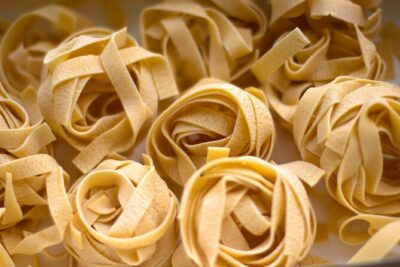
Rome’s best souvenirs are often edible. In this two-hour class near the Spanish Steps, you make fettuccine from flour and fresh ingredients, layer tiramisù, then sit down to eat what you prepared. The pasta is the main event, while dessert gives the lesson a sweet finish.
I like the hands-on format, since you are not just watching a chef work. I also like the relaxed extras: a glass of wine or soft drink, espresso or limoncello, and a certificate at the end. The main consideration is time. Two hours is enough for a focused introduction, but not enough for a long, leisurely pasta workshop with several sauces and dishes.
Key points to know before booking
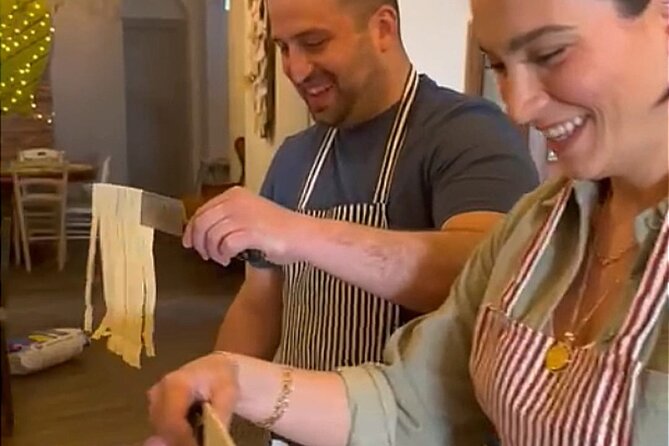
- Fettuccine is made from scratch: You mix and knead the dough, then learn to cut it into thin strands.
- Tiramisù is part of the lesson: You work with mascarpone cream, espresso-soaked ladyfingers, and cocoa powder.
- You eat the pasta you make: The homemade fettuccine becomes your lunch during the class.
- The setting is central Rome: Trattoria Amici is a short walk from the Spanish Steps.
- Several languages are supported: Instruction is offered in English, Spanish, and Italian.
- The class includes small comforts: Wine or a soft drink, espresso or limoncello, and a chef certificate are included.
Making pasta near the Spanish Steps
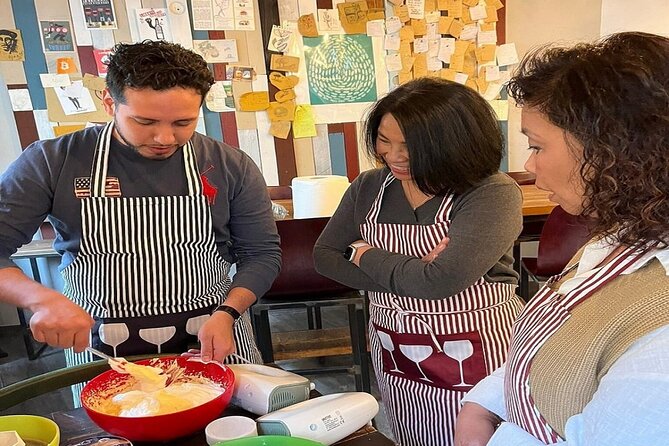
The appeal here is simple: you can pair one of Rome’s most famous sights with a practical food lesson in the same central part of town. Meet your host at Trattoria Amici, using the lead traveler’s name, then settle in for a cooking session built around two Italian staples.
The class focuses on fettuccine and tiramisù rather than trying to cover all of Italian cooking. That is a sensible choice for a two-hour session. You get enough time to understand the basic process without being rushed through a parade of unrelated recipes.
The class takes place near the Spanish Steps, so it fits neatly into a sightseeing day in central Rome. You could schedule it before or after a walk around the Spanish Steps, though you should allow enough time to arrive without hurrying. The experience itself lasts two hours, and the available starting times depend on the date you choose.
The setting is a restaurant rather than a private countryside kitchen. That means the atmosphere is tied to a working dining venue, which can be useful if you want your cooking lesson paired with a proper meal. If your ideal class is held in a farmhouse with a market visit or a large kitchen garden, this is a different sort of experience.
More Pasta Making Classes in Rome
- 3 in 1 Cooking Class near Navona: Fettuccine, Ravioli & Tiramisu
★ 5.0 · 7,376 reviews - Rome: Pasta Making Class with Wine, Limoncello, and Dessert
★ 4.9 · 3,177 reviews - Rome Cooking Class: Make Pasta and 3 Spritz Cocktails
★ 5.0 · 2,937 reviews
Mixing and kneading the fettuccine dough
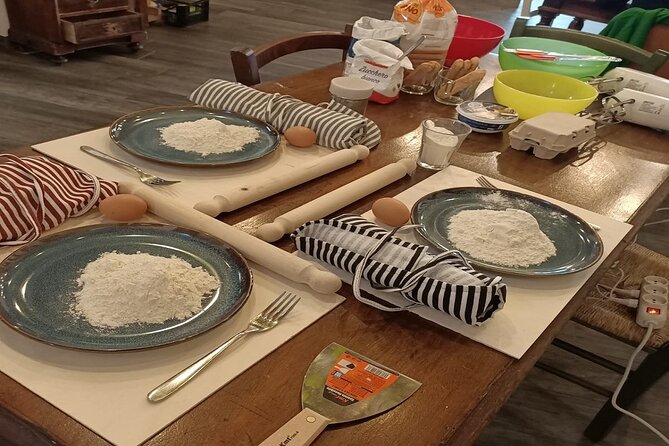
The first major task is making fresh fettuccine. You learn how to choose good ingredients, mix the dough, and knead it until it reaches the right texture. These steps may sound basic, but they are the foundation of nearly every fresh pasta lesson.
I like this part because it gives you a skill you can repeat at home. The class is not only about eating a plate of pasta in Rome. You learn the feel of the dough and the order of the work, which helps when you try to make pasta again in your own kitchen.
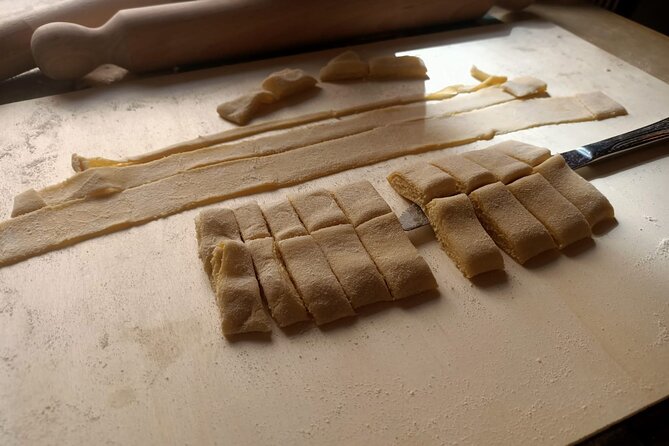
The chef also explains how to cut the dough into delicate strands. Fresh pasta can go wrong when it is cut too thick, too thin, or unevenly, so this is one of the more useful techniques in the class. You will also receive advice on matching the pasta with a suitable sauce.
The supplied information does not name the sauce prepared with the fettuccine, so you should not book this expecting a specific recipe beyond the homemade pasta itself. The important lesson is the pasta-making method and how the finished strands should work with sauce.
A small class is promised, which should make it easier to follow each stage and ask questions. The exact group size is not given, so I would not assume a private lesson. Still, the small-group format is a plus for beginners who want attention during mixing, kneading, and cutting.
Layering tiramisù with mascarpone and espresso
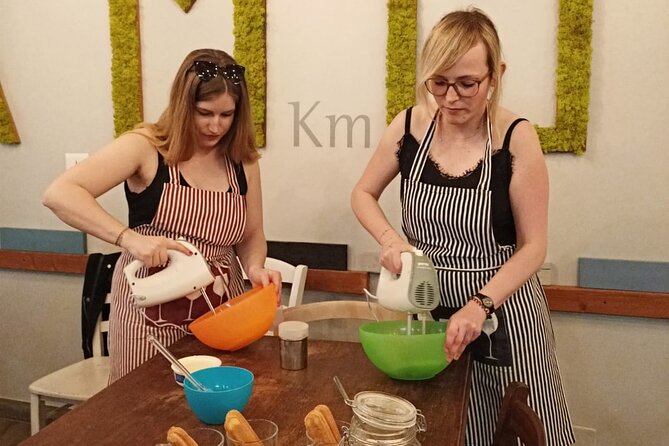
Tiramisù gives the class a second rhythm. Instead of working with dough, you build a chilled dessert from mascarpone cream, ladyfingers soaked in espresso, and cocoa powder.
The value here is in seeing how the layers come together. You learn that tiramisù is not simply a matter of adding coffee and cream to a bowl. The balance of soft ladyfingers, creamy mascarpone, espresso, and cocoa determines the texture and flavor.
This part should appeal to cooks who are more interested in desserts than pasta. It also breaks up the hands-on work nicely. After kneading and cutting dough, you switch to assembling a dish that depends on careful layering rather than physical effort.
The class description says you make the tiramisù, but it does not clearly state how much of it you eat during the final meal or how long it rests before serving. You can expect instruction in the preparation, but you should not count on a long pastry course or a detailed lesson in every variation of tiramisù.
That narrow focus is not a weakness for most people. A short class works better when it gives you two recognizable recipes and enough time to participate. You leave with methods you can remember instead of a blur of half-finished dishes.
Sitting down to eat your homemade lunch
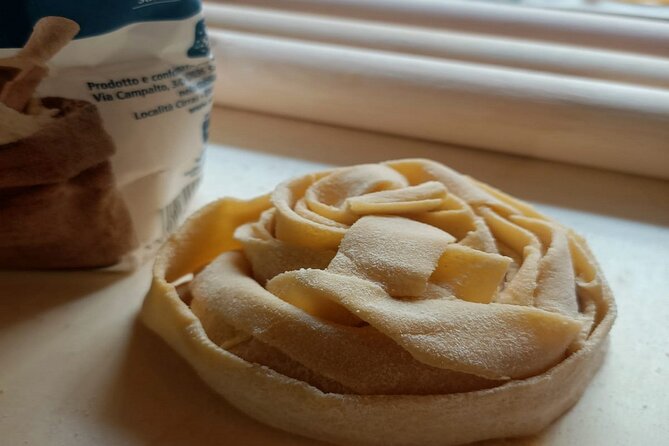
The meal is built around the fettuccine you prepare. This is an important difference from a demonstration class, where the chef may cook while you watch and then serve a separate dish. Here, the pasta you help make becomes part of the lunch.
A meal at the end also gives the class a natural finish. You can stop thinking about dough texture and cutting technique for a moment and enjoy the result. The experience includes a glass of wine or a soft drink, adding a simple drink pairing without requiring an extra purchase.
You can also have espresso or limoncello. Espresso fits the Italian meal tradition, while limoncello gives the ending a brighter, sweeter note. The choice makes the experience feel more like a small restaurant occasion than a purely instructional workshop.
The food is the strongest reason to book this activity. Feedback connected to the class repeatedly praises the meal, the friendly staff, and the fun atmosphere. The dish itself is not described in great technical detail, so I would judge the class mainly by the opportunity to prepare and eat fresh pasta, not by promises of a complex menu.
The personalized limoncello bottle is another detail worth knowing. At the end, you may have the option to buy a bottle with a photo from the class placed on it. This is an extra purchase, not part of the stated price, but it can make a cheerful keepsake for couples, families, or friends.
More Tiramisu and Dessert Classes in Rome
- Rome: 3-in-1 Fettuccine, Ravioli, and Tiramisu Cooking Class
★ 4.9 · 2,704 reviews - Fettuccine & Tiramisù: Cooking Class with Wine & Limoncello
★ 4.9 · 2,103 reviews - Rome: Pasta & Tiramisu Cooking Class near the Spanish Steps
★ 4.8 · 1,395 reviews - Cooking Class in the Heart of Rome: Pizza and Tiramisu Making
★ 5.0 · 1,330 reviews
The chef, languages, and teaching style
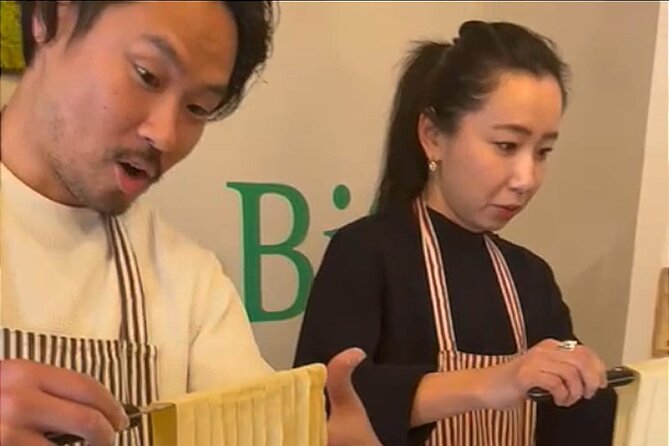
Instruction is available in English, Spanish, and Italian. That makes the class practical for a mixed-language group, though the exact language arrangement depends on the session.
The chef named in the available feedback is Roberto, who is described as friendly and clear during the class. Since several languages may be used in one session, expect a social lesson rather than a private, one-language tutorial. The comment about the class being easy to understand across languages is encouraging for people who do not speak Italian.
You should still be comfortable with some shared instruction. A class that runs in multiple languages may take a little longer to explain each step, and the teaching pace may not be identical to a private English lesson. The tradeoff is that you get a more international and lively setting.
Staff friendliness is one of the strongest positives connected with this experience. That matters in a cooking class because the mood affects how willing you are to try unfamiliar techniques. A patient instructor can make sticky dough and uneven pasta cuts feel like part of the fun rather than a test.
The certificate at the end is a lighthearted extra. It will not turn you into a professional pasta maker, but it gives children and first-time cooks a tangible reminder of the activity. I would treat it as a souvenir rather than a serious qualification.
What the $101 price includes
At $101 per person, this is not a bargain meal, but the price covers more than a plate of pasta. You are paying for a two-hour activity, instruction, the making of tiramisù, homemade fettuccine, lunch, a drink, coffee or limoncello, and a certificate.
The value depends on how you use it. If you only want a quick bowl of pasta near the Spanish Steps, a restaurant meal will usually be a simpler choice. If you want an activity that gives you something to do, teaches repeatable cooking skills, and includes food and drinks afterward, the price is easier to justify.
Location also matters. A central Rome class can save you a separate trip across town, especially if the Spanish Steps are already on your sightseeing plan. You are paying partly for convenience and partly for the guided activity.
I would call the value strongest for first-time visitors who want one organized food experience during a short Rome stay. It is also useful for people who prefer an indoor activity with a clear start and finish. More serious home cooks may find the class too basic if they already make fresh pasta and tiramisù regularly.
The class has a 4.7 rating from 27 reviews, with especially warm praise for the food, staff, and chef. That is a good sign, but the number of ratings is still modest. I would use the score as supporting evidence rather than the only reason to book.
Who should take this cooking class?
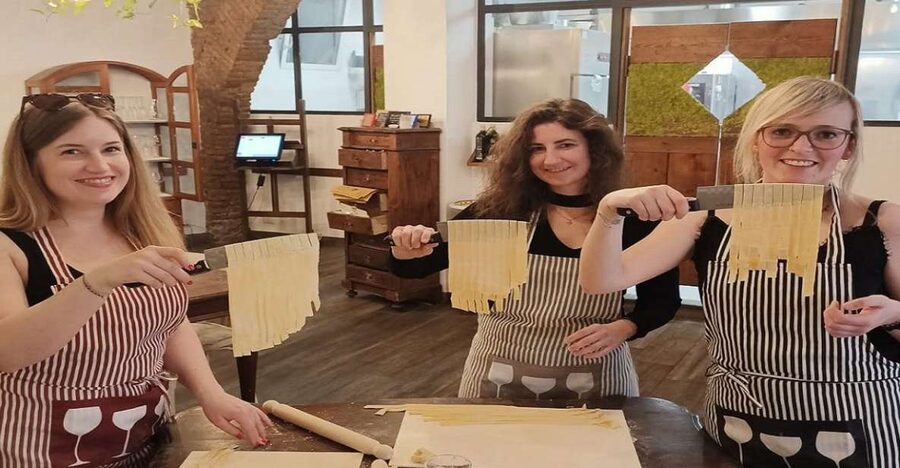
This experience suits couples looking for a shared activity near central Rome. You can work together, eat together, and finish with a photo option on a limoncello bottle if you want a physical memento.
Families may also like it, especially if older children are interested in food. The hands-on steps are more engaging than sitting through a long lecture, and the certificate adds a playful finish. The provided information does not set a minimum age, so check the booking details if you are planning to bring young children.
It is a good match for solo visitors who enjoy meeting people through food. The small-class format and multilingual instruction should make it easier to take part, though the exact group size is not stated.
I would be less enthusiastic for anyone seeking a full-day culinary experience. There is no market visit, wine tour, several-course menu, or extended regional lesson listed here. This is a compact introduction built around two dishes.
You should also consider the pace. Two hours sounds generous for a meal, but cooking, instruction, eating, and dessert preparation all share that time. Expect a focused session, not an afternoon of slow conversation over many courses.
Planning your two hours at Trattoria Amici
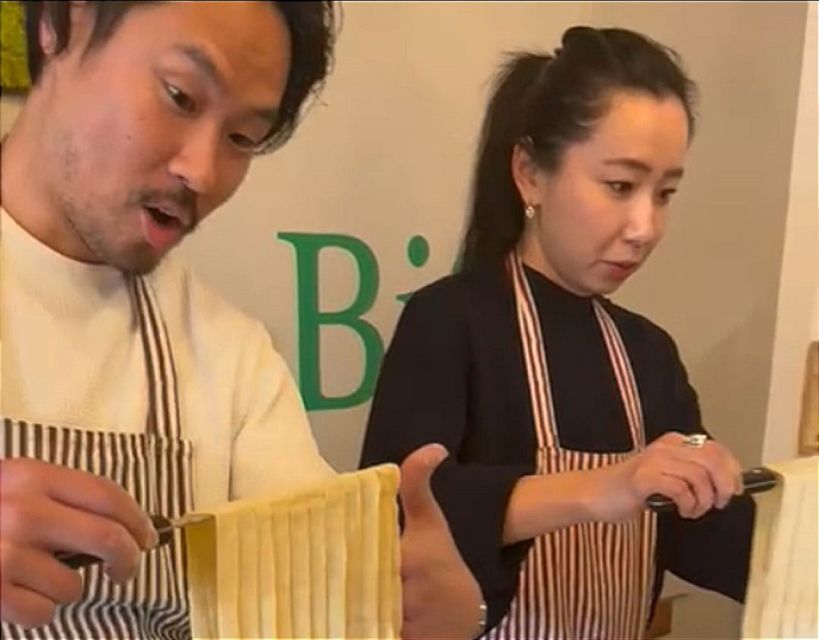
Use the lead traveler’s name when you greet your host at Trattoria Amici. The meeting point is clear, but the information provided does not include a street address or directions from the Spanish Steps, so check the booking confirmation before setting out.
Because the class is near the Spanish Steps, build your day around central Rome rather than treating this as a separate suburban outing. Give yourself time to reach the restaurant and find the entrance. Arriving flustered is a poor way to begin a dough lesson.
Starting times vary, so check availability for your preferred date. The class lasts two hours, and the available languages are English, Spanish, and Italian. The booking terms allow free cancellation up to 24 hours before the activity for a full refund, and you can reserve now and pay later.
Wear something you can cook in comfortably. The supplied details do not specify aprons, ingredient substitutions, or dietary accommodations, so ask before booking if those points matter to you. Do not assume that every dietary need can be handled simply because the class uses fresh ingredients.
Should you book the fettuccine and tiramisù class?
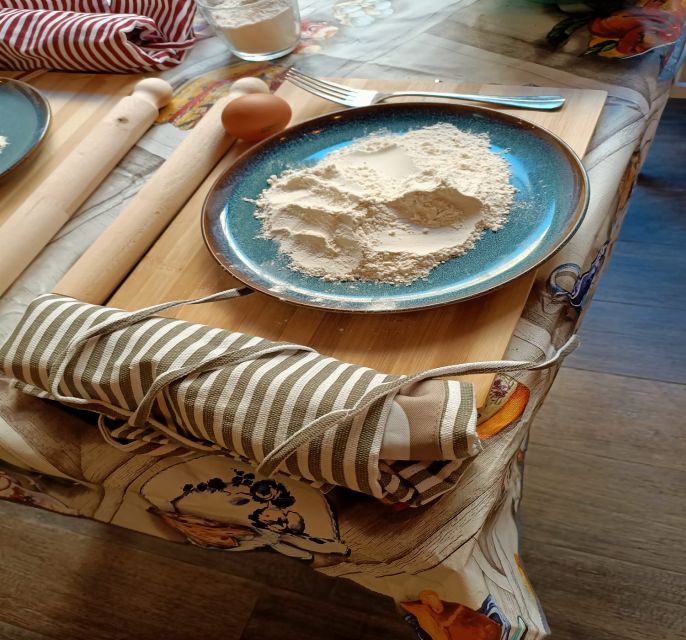
Book it if you want a central Rome food activity that is social, practical, and finished in two hours. The strongest reasons are the chance to make pasta by hand, prepare tiramisù, eat the fettuccine for lunch, and enjoy a drink without arranging several separate stops.
I would especially recommend it to first-time pasta makers, couples, families with food-loving older children, and visitors who want something more active than another sightseeing walk. The friendly staff, multilingual instruction, and chef Roberto’s positive reputation add confidence.
Skip it if you already make fresh pasta and tiramisù often, or if you want a long, highly technical cooking course. At $101, the class makes sense as a combined lesson, meal, and central Rome activity. It makes less sense if you view it only as lunch.
FAQ
Where does the cooking class take place?
The class takes place at Trattoria Amici in central Rome, a short walk from the Spanish Steps.
How long does the experience last?
The cooking class lasts two hours.
What dishes will I make?
You will make homemade fettuccine and tiramisù.
Do I eat the pasta I prepare?
Yes. The experience includes making and eating homemade fettuccine as lunch.
What drinks are included?
You receive a glass of wine or a soft drink. The experience also includes espresso coffee or limoncello.
Which languages are available?
Instruction is available in English, Spanish, and Italian.
Is a certificate included?
Yes. You receive a chef certificate at the end of the class.
Can I cancel the booking for a refund?
You can cancel up to 24 hours in advance for a full refund. You can also reserve now and pay later.
More Spanish Cooking Classes around Rome
- Cooking Class 2 Hour Spanish Steps – Fettucine and Tiramisù
★ 5.0 · 298 reviews - Barcelona: Paella Cooking Experience & Boqueria Market Tour
★ 4.8 · 3,661 reviews - Barcelona Paella Cooking Class with Market Visit, Tapas & Sangria
★ 5.0 · 2,531 reviews - Barcelona Interactive Spanish Cooking Experience
★ 4.5 · 2,155 reviews
New cooking classes around Rome
- ROME:Hands-On Lasagna & Marsala Tiramisu Cooking Experience”★ 5.0 · 3 reviews
- Rome: Vatican Food Tours, Cooking classes & Free Tours★ 4.9 · 11 reviews
- Rome: Traditional Pasta, Spritz & Tiramisu Cooking Class★ 4.9 · 279 reviews
- Rome: Trastevere Pasta Making Class★ 4.9 · 33 reviews
- Rome: Traditional Pasta and Tiramisu Cooking Class★ 5.0 · 4 reviews
- Rome: Small Group Pasta cooking class near Piazza Navona★ 4.9 · 8 reviews
- Rome: Traditional Cooking Class in the Jewish Ghetto★ 4.9 · 75 reviews
- Rome: “Rooftop Pasta and Cocktails Cooking Class”★ 5.0 · 12 reviews
Rome Cooking Classes, side by side.

3 in 1 Cooking Class near Navona: Fettuccine, Ravioli & Tiramisu
Read our review →
Rome: Pasta Making Class with Wine, Limoncello, and Dessert
Read our review →
Rome Cooking Class: Make Pasta and 3 Spritz Cocktails
Read our review →
Rome: 3-in-1 Fettuccine, Ravioli, and Tiramisu Cooking Class
Read our review →
Rome: Fettuccine Pasta Cooking Class in Rome’s City Center
Read our review →
Fettuccine & Tiramisù: Cooking Class with Wine & Limoncello
Read our review →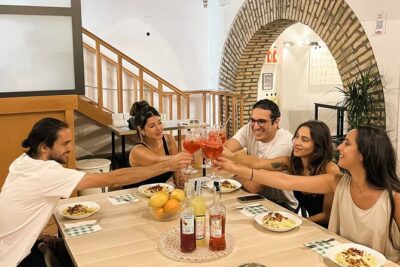
Pasta Cooking Class Near the Colosseum with 3 Spritz Cocktails
Read our review →