
Review · FARM COOKING CLASSES
Maggie Beer’s Farm Hands-on Cooking School and Lunch
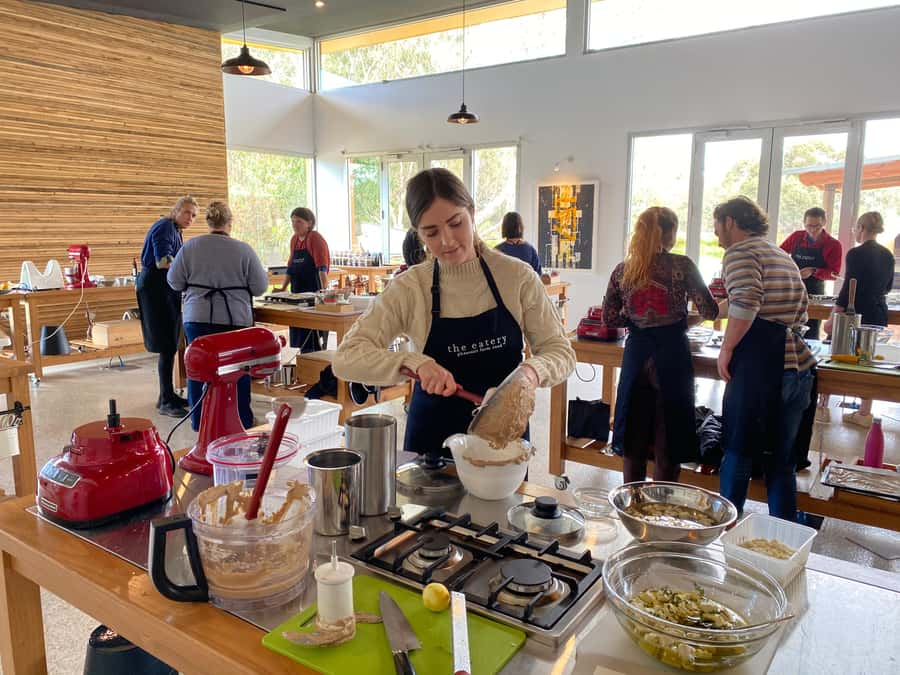
At Maggie Beer’s Farm, you do more than watch a chef work. You learn a seasonal dish, cook part of the meal yourself, then sit at a long table and eat it with the rest of the group. The focus is practical: fresh ingredients, simple recipes, and food made for sharing.
I like the small group of 10, which gives the cooking class a personal feel. I also like the way the meal connects to Maggie and Colin’s story, from the early Pheasant Farm days to the Cook and the Chef era.
The one drawback is that the class is in English and is not suitable for children under 13. At $155 per person, it is also a special-occasion outing rather than a casual lunch stop, though the cooking lesson, meal, wine, and recipe cards help explain the price.
Key points to know before booking
- Cook one course yourself: You do not simply watch the staff prepare everything. You put on an apron and help make a dish that returns to the lunch table.
- A true small-group class: The limit is 10 participants, so the instructor can keep an eye on each person.
- Lynda leads the cooking: She has been trained by Maggie’s team and is praised for making the recipes easy to follow and for helping anyone who feels unsure.
- Lunch is part of the experience: You share a long-table meal made from the dishes prepared during the class.
- A taste of Maggie Beer’s food philosophy: Seasonal produce, accessible methods, and dishes designed for a relaxed lunch at home.
- Plan on 210 minutes: Check in at the Farm Shop 15 minutes before your start time, and remember that extra beverages cost more.
What the 210-minute experience is really like
This is a cooking class with lunch attached, not a quick demonstration followed by a standard restaurant meal. The whole experience lasts 210 minutes, giving you time to hear the story behind Maggie Beer’s Farm, learn the menu, cook a course, and sit down with the group.
You begin by checking in at Maggie Beer’s Farm Shop 15 minutes before the scheduled start. That matters because the class is small, and arriving late could mean missing the introduction or the first part of the demonstration. The meeting point is clear, but transport to the farm is not included in the experience details, so you need to arrange your own way there.
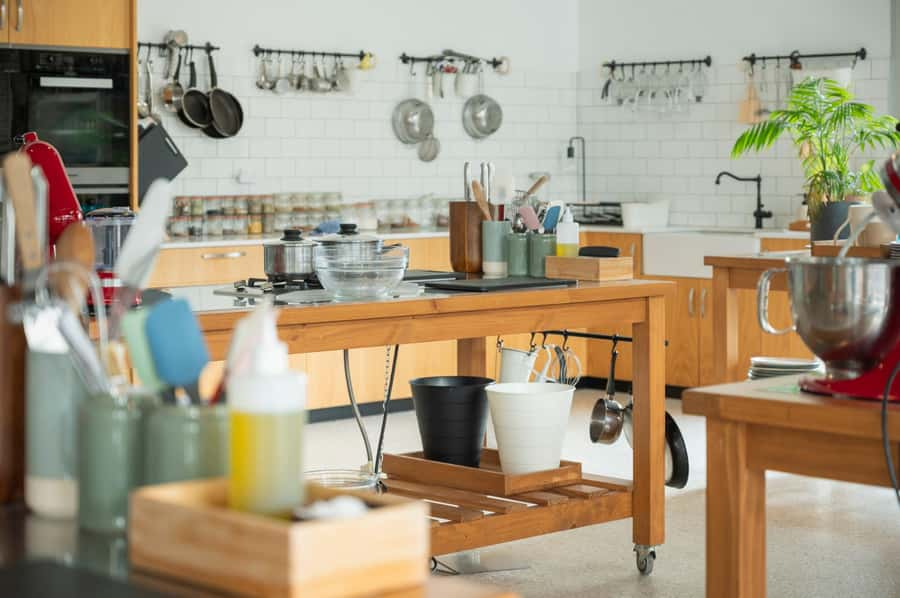
The setting gives the class a sense of place. You are at the property connected with Maggie and Colin Beer, rather than in a generic cookery studio. The introduction covers how they started the Pheasant Farm, how the property changed over time, and the story behind The Cook and the Chef. If you enjoy food with a little background attached, this adds useful context without turning the class into a formal history talk.
More Farm Cooking Classes in the world:
- Half-Day Thai Cooking Class at Organic Farm in Chiang Mai
★ 5.0 · 19,087 reviews - Cooking Class and Lunch at a Tuscan Farmhouse with Local Market Tour from Florence
★ 5.0 · 4,831 reviews - Chiang Mai: Cooking Class, Market & Thai Herbs Garden Tour
★ 4.9 · 4,824 reviews
Starting with Maggie Beer’s seasonal approach
The cooking begins with a demonstration of the menu. You can watch the method, hear how the ingredients work together, and enjoy a glass from the Farm’s range while the team explains what you will later prepare.
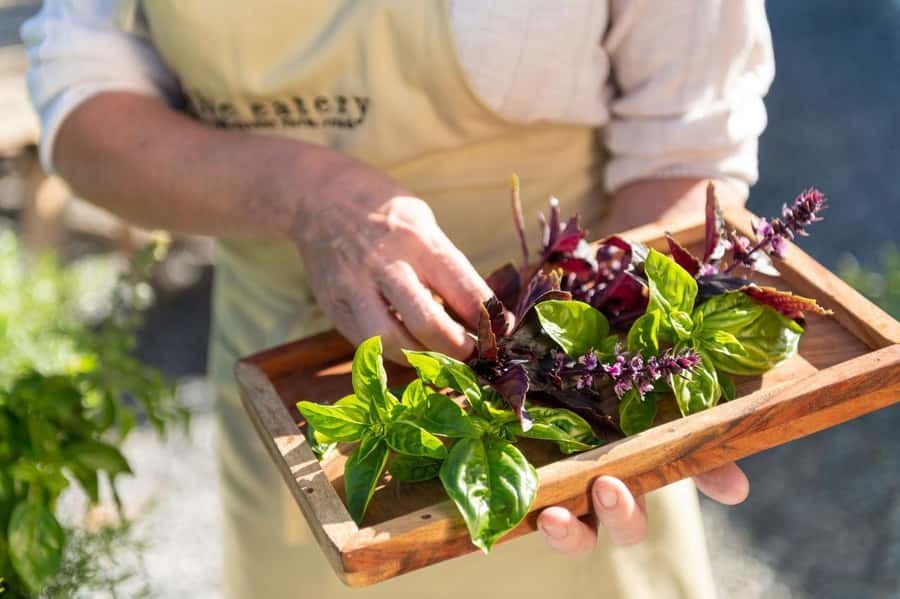
The important idea here is seasonality. Maggie Beer’s style is built around ingredients that are at their best at a particular time of year, then using straightforward cooking methods to bring out their flavour and colour. The recipes come from Maggie’s cookbooks, so you are learning food connected to her established approach rather than a one-off class menu with no wider use.
I like this part because it gives you a plan before you start handling food. Many cooking classes move too quickly from explanation to action. Here, the demonstration lets you see the sequence first, which is especially useful if you are not confident in the kitchen.
The recipes are intended to be manageable at home. That does not mean the meal is plain. It means you are shown how to prepare food that can impress people without requiring restaurant equipment or advanced training. The strongest practical benefit is that you can take the method back to your own table.
Putting on an apron and cooking your course
After the demonstration, you put on an apron and prepare one of the courses. The class is hands-on, but you are not expected to cook an entire multi-course meal alone. The team guides the group through the selected task, then the finished dish becomes part of the shared lunch.
Lynda is the key person to look for during this section. She is one of Maggie Beer’s hand-picked chefs and leads the cooking school. Her approach is attentive, with clear help for people who are not sure what to do next. That is worth noting because a small group only works well if the instructor actually uses the advantage of having fewer people in the room.
The class size is capped at 10. That is small enough for you to ask questions and get help without having to compete with a large crowd. It also creates a more social mood, since everyone is working on food that will later be eaten together.
You should expect participation, not a passive food talk. If you would rather sit back and take photographs, this may not be the best use of your afternoon. If you enjoy learning by doing, the format makes sense. You see the technique, try it yourself, and then taste the result in the setting where it was meant to be served.
The long-table lunch at the end
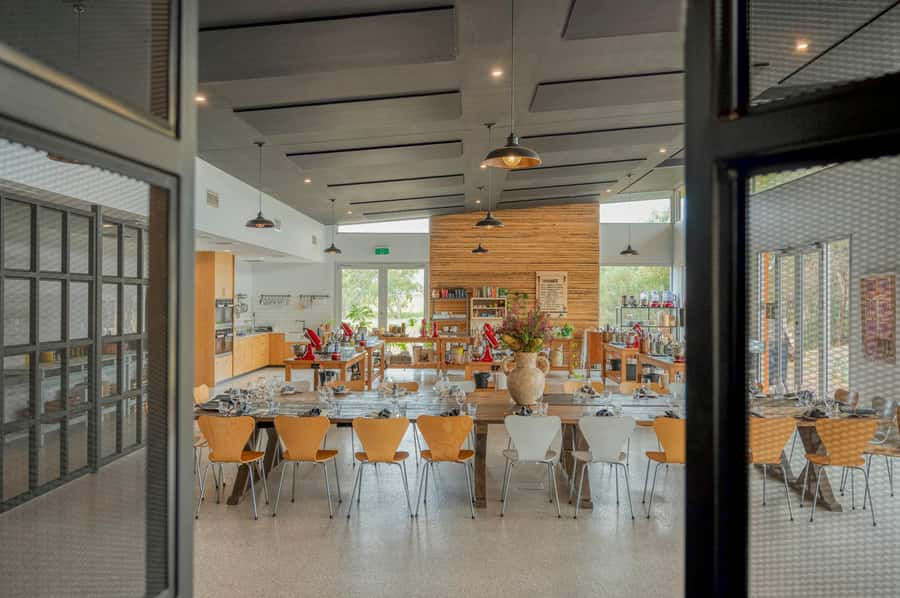
The payoff is lunch at a shared long table. You eat the dishes prepared during the class with the other participants, turning the meal into a communal finish rather than a separate restaurant booking.
This format suits the spirit of Maggie Beer’s cooking. The food is meant for friends and family, and the long table puts that idea into practice. You are not just handed a plate and sent on your way. The lunch gives you time to talk about the cooking, compare notes, and enjoy what the group has made.
A glass from the Farm’s range is included during the demonstration, and wine is part of the lunch experience described by previous participants. Additional beverages are available to purchase, so you should not assume every drink beyond the included serving is covered by the price.
The meal is seasonal Barossa cooking, but the supplied details do not specify the exact menu. That is not necessarily a weakness. A changing menu is part of the point when the class follows the garden and the time of year. If you need to know the precise dishes before booking, check the current menu directly.
More cooking classes around the world:
- Florence: Pasta Cooking Class with Unlimited Wine
★ 4.9 · 10,285 reviews - 3 in 1 Cooking Class near Navona: Fettuccine, Ravioli & Tiramisu
★ 5.0 · 7,376 reviews - Florence: Pasta & Tiramisu Cooking Class with Unlimited Wine
★ 4.9 · 6,708 reviews - Florence: Pasta Cooking Class with Unlimited Wine
★ 5.0 · 6,413 reviews
The people who make the class work

Maggie Beer does not personally lead the class. Maggie’s trained team runs the cooking school, with Lynda identified as the chef leading the practical side. That distinction is important if you are booking because you expect a personal appearance from Maggie herself.
Lynda receives the strongest praise for the teaching. She is described as attentive to everyone and careful that nobody feels neglected or uncertain about the task. That is exactly what you want in a hands-on class. A good recipe is not enough if the instructor leaves you wondering what to do next.
Elli Beer is also part of the experience. You may have a chance to speak with her, ask questions, and hear more about the Beer family’s connection with the property. Her presence adds a family link that a standard commercial cooking class would not have.
The names matter because this is not an anonymous demonstration. You are meeting people who are connected to the Farm and its food story. Still, the exact staff present can change, so treat Lynda and Elli as the named team members associated with the experience rather than guaranteed appearances by every person at every session.
Why the price can make sense
The cost is $155 per person. That is not cheap for lunch, but lunch alone is the wrong comparison.
Your price covers a 2.5-hour cooking school led by Maggie Beer’s team, a demonstration with a glass from the Farm’s range, hands-on preparation, the shared lunch, and recipe cards to take home. The total activity runs for 210 minutes, so you are paying for a substantial part of the day rather than a short tasting.
The value depends on what you want from the outing. If you only want to eat lunch in the Barossa Valley, you can find less expensive options. If you want a meal plus a guided cooking lesson, a small group, staff attention, and a story tied to Maggie Beer’s work, the price is easier to justify.
The recipe cards matter more than they may seem. They give you a practical reminder of what you learned, and the dishes are designed to be repeated at home. The best value comes when you actually use them later for your own long lunch.
Extra drinks are not included. Keep that in mind when you set your budget, especially if you plan to buy more wine with the meal.
Who will enjoy this most
I would recommend this experience to adults who like food, social conversation, and practical instruction. Couples should find it particularly appealing because you can cook together, share a table with new people, and turn the afternoon into a joint activity rather than simply sitting across from each other at lunch.
It also suits home cooks who want reliable ideas for seasonal entertaining. The emphasis is not on technical tricks for professional kitchens. You learn food that can be prepared for friends and family, with methods that aim to be clear rather than showy.
The class is a good fit for visitors already spending time in the Barossa Valley who want more than wine tasting. It gives you a closer connection to one of the region’s best-known food names and makes the meal itself part of the activity.
It is less suitable if you need a child-friendly outing. Children under 13 are not allowed. It may also disappoint anyone expecting Maggie Beer herself to teach the class, since the instruction comes from her trained team.
Practical details that affect your day
The class is delivered in English. You should be comfortable following spoken instructions and asking questions in English, since the cooking depends on understanding the demonstration and the instructor’s directions.
Check in at the Farm Shop 15 minutes before the start. The experience lasts 210 minutes, so allow most of an afternoon. Exact starting times vary, and you need to check availability when booking.
The group is limited to 10 people. That is one of the strongest reasons to book ahead, especially if you want a particular date. The small format also means the class may feel more like a hosted food gathering than a large activity with a strict, impersonal schedule.
Free cancellation is available up to 24 hours before the experience for a full refund. You can also reserve now and pay later, which is useful if your Barossa plans are still taking shape.
Tips for getting the most from the class
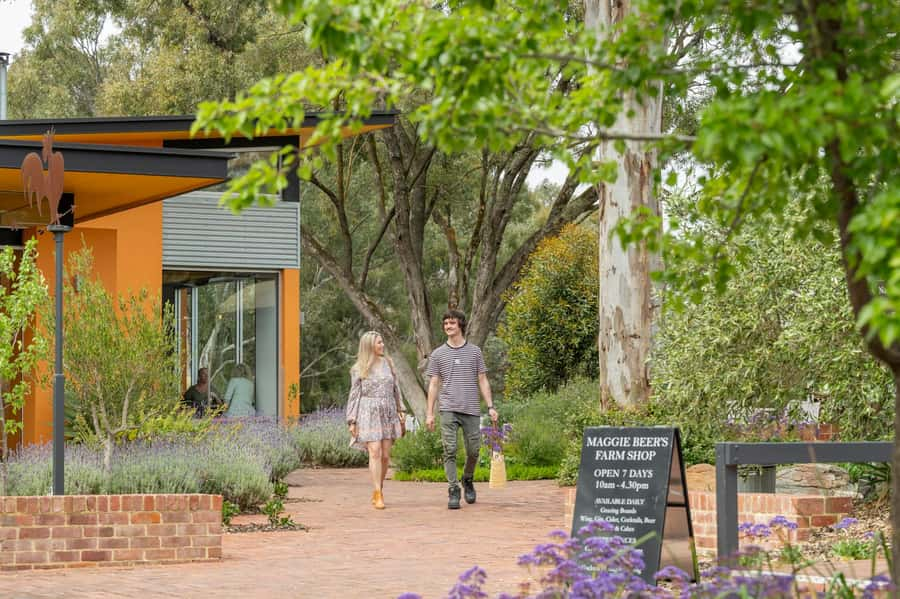
Arrive early enough to check in without rushing. The Farm Shop is the meeting point, and being there 15 minutes before the start gives you time to get oriented.
Come ready to participate. The best part of the class is not the demonstration alone. You will get more from it if you pay attention to the sequence, ask questions, and take an active role when it is your turn to cook.
Listen for the small decisions behind the recipe. Maggie Beer’s approach is about seasonal ingredients and making food suitable for sharing. Those choices are more useful at home than memorizing a single dish.
Keep the recipe cards somewhere you will find them later. Their value is practical, especially if you plan to host your own long lunch after returning home.
Budget for extra drinks if you want more than the included glass or the beverages covered with lunch. The cooking class price does not cover unlimited drinks.
Finally, do not schedule a tight appointment immediately afterward. The total activity lasts three and a half hours, and the lunch is meant to be enjoyed rather than rushed.
Should you book Maggie Beer’s Farm cooking school?
Book it if you want a small, social food experience with real participation. The combination of Lynda’s attentive instruction, seasonal recipes, a long-table lunch, and the Beer family story gives the afternoon more substance than a simple meal.
The price is reasonable for the amount of time and food included, but it is still a premium outing. You are paying for the teaching, the setting, the small group, and the chance to cook as part of the lunch. If your main goal is a low-cost Barossa meal, choose a restaurant instead.
For couples, adult food lovers, and home cooks, I think this is a strong choice. Just remember that Maggie’s team leads the class, the language is English, children under 13 cannot attend, and extra beverages cost more.
FAQ
Where does the cooking experience begin?
Check in at Maggie Beer’s Farm Shop 15 minutes before the experience starts.
How long does the experience last?
The activity lasts 210 minutes, or three and a half hours.
How many people are in the cooking class?
The group is limited to 10 participants.
Is Maggie Beer personally teaching the class?
Maggie Beer’s trained team leads the cooking school. Lynda is identified as the chef leading the practical class.
What food and drink are included?
You receive a cooking demonstration, hands-on cooking, recipe cards, and a shared long-table lunch featuring the dishes prepared by the group. A glass from the Farm’s range is included during the demonstration. Additional beverages can be purchased with lunch.
Are children allowed to attend?
Children under 13 are not suitable for this experience.
What language is the class conducted in?
The instructor and cooking school operate in English.
Can I cancel the booking?
You can cancel up to 24 hours in advance for a full refund. You can also reserve now and pay later.
New cooking classes around the world
- Shinjuku Tokyo: Authentic Japanese Home-Style Culinary Class★ 4.9 · 125 reviews
- Shibuya Tokyo: Onigiri & Tamagoyaki Cooking Class★ 5.0 · 4 reviews
- M.O.M COOKING CLASS★ 4.8 · 6 reviews
- Seville: Paella-Cooking Experience with Sangria & Full Meal★ 4.9 · 42 reviews
- Shanghai: Authentic Chinese Cooking Class with Master Chef★ 5.0 · 2 reviews
- Sestri Levante: Pesto & Cooking Classes, Wine Tasting★ 4.9 · 56 reviews
- Seville: Paella Cooking Class & 30-Min Local Expert Q&A★ 4.8 · 37 reviews
- Seoul: Korean Kimchi Cooking Class in the Heart of the City★ 5.0 · 3 reviews
Farm Cooking Classes, side by side.
Half-Day Thai Cooking Class at Organic Farm in Chiang Mai
Read our review →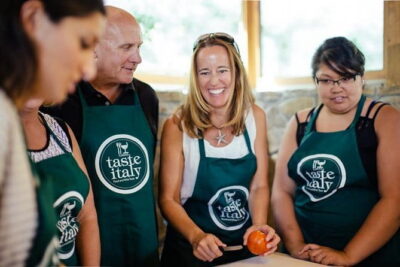
Cooking Class and Lunch at a Tuscan Farmhouse with Local Market Tour from Florence
Read our review →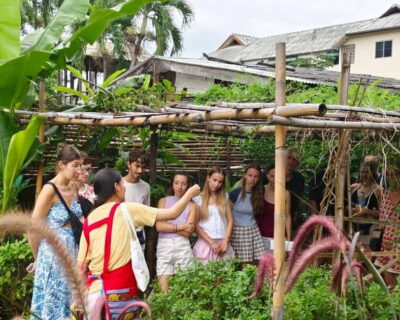
Chiang Mai: Cooking Class, Market & Thai Herbs Garden Tour
Read our review →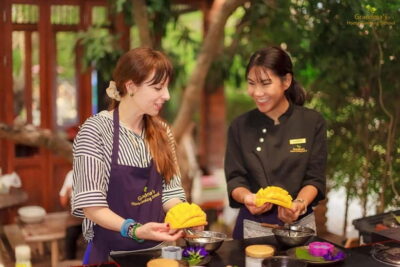
Chiang Mai: Authentic Cooking Class with Market & Farm Visit
Read our review →
Ubud: Balinese Cooking Class at an Organic Farm
Read our review →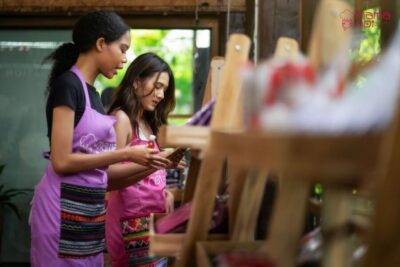
Chiang Mai: Cooking Class with Organic Farm at Mama Noi
Read our review →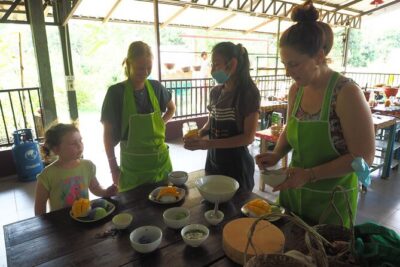
Hands-On Cooking Class & Farmhouse Tour on the Amalfi Coast
Read our review →This kitchen also appears in