
Review · LIMA
Market Tour, Tasting of 35 Fruits, and 4-Course Peruvian Cooking Class in Lima
Lima’s food story begins at Surquillo Market, not in a restaurant. You’ll walk past fruit, fish, meat, potatoes, quinoa, roots, herbs, and Andean seeds, tasting 35 or more fruits before heading to a rooftop cooking space in Miraflores. The market gives the cooking class a useful foundation: you learn what the ingredients are before someone asks you to chop and cook them.
I especially like the small group limit of 12 and the hands-on format. You prepare the meal yourself, stop to eat each course, and finish with a pisco sour. The main drawback is the firm, non-refundable cancellation policy, so this works best when your Lima schedule is settled.
Key points to know before booking
- 35 fruit samples: Small portions let you try an impressive range of Peruvian fruit without spoiling your lunch.
- Surquillo Market first: The 50-minute walk covers produce, fish, meat, legumes, herbs, quinoa, roots, seeds, and other ingredients.
- Four-course lunch: You cook Peruvian dishes yourself, with ingredients, water, juice, and a pisco sour included.
- Small-group teaching: The class accepts no more than 12 people, with a minimum of two required to book.
- Market-to-kitchen transfer: Transportation from Surquillo Market to SkyKitchen in Miraflores is included.
- Dietary needs matter: Vegetarian and vegan versions can be arranged, but you must give notice about restrictions or allergies.
Why the market visit gives the class its flavor
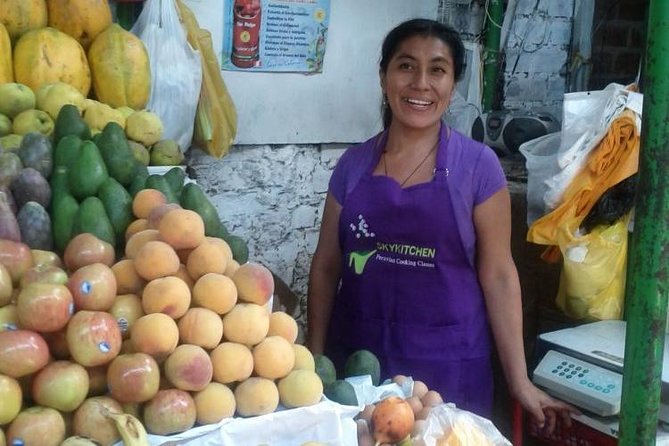
The most useful part of this experience may happen before you enter the kitchen. At Mercado Nº 1 de Surquillo, your guide leads you through the market for about 50 minutes, explaining the ingredients that shape everyday Peruvian cooking.
You’ll see fruit and vegetables, but the tour also covers meat, fish, seafood, legumes, herbs, quinoa varieties, roots, seeds, and lesser-known plants from the Andes. That wider view matters. Peruvian food is not just a collection of famous dishes. It draws on products from the coast, mountains, and other parts of the country, and the market puts those ingredients in one place.
You’ll also learn about the small stalls and vendors used for the cooking ingredients. I like that practical connection. Instead of hearing a list of unfamiliar food names in a classroom, you can see the products where they are sold and learn how they fit into local shopping.
The fruit tasting is a separate highlight. You sample more than 35 fruits, usually in small portions. That is a smart arrangement because a full serving of every fruit would leave little room for lunch. The tasting gives you a chance to compare unfamiliar flavors and textures without turning breakfast into a five-hour fruit buffet.
Bring curiosity, but keep your valuables simple. The dress guidance specifically asks you not to wear expensive jewelry during the market walk. Hotel pickup is not included, so you need to reach the market entrance on your own.
More Cooking Classes with a Market Tour in Peru:
- Cusco: Peruvian Cooking Class, Cocktails & Local Market Tour
★ 4.9 · 512 reviews - Cooking class and market tour with a local chef
★ 5.0 · 186 reviews - #1 Rated Cooking Classes with Local Market Tour & Pickup
★ 5.0 · 69 reviews
Starting at 9:00 a.m. in Surquillo
The meeting point is the entrance to Mercado Nº 1 de Surquillo, at VXJF+MPH, Surquillo 15047. The start time is 9:00 a.m., and getting there on time matters because the market walk begins the experience.
Surquillo is centrally located, but the tour does not include pickup from your hotel. Plan your route in advance and allow enough time to find the correct market entrance. The activity ends back at the meeting point, though transportation is provided between the market and the cooking class.
The market section lasts roughly 50 minutes. That is long enough to cover a good range of ingredients without making the entire morning a market lecture. You should expect a walking tour with frequent explanations and samples rather than a shopping trip with free time to browse.
The group size helps here. With 12 people or fewer, you have a better chance of hearing the guide and asking questions than you would in a large food tour. If Christian is leading your group, expect a personal, food-focused introduction before the cooking begins.
From Andean roots to 35 Peruvian fruits
The fruit tasting is not just a novelty stop. It helps you recognize the ingredients you may encounter later in Peru, including fruit you would be unlikely to identify by sight in a market or on a restaurant menu.
The selection includes more than 35 samples, though the exact fruits can vary. You’ll also taste different potatoes and learn about other produce Peru is known for. The portions are kept small, which I consider a real advantage. You get variety and useful context without filling up before the four-course meal.
This part is particularly good for curious eaters who want to understand a country through its food. It also suits people who feel uncertain when confronted with a long Spanish menu. After learning the names and appearance of local products, you may recognize more of what you see during the rest of your time in South America.
There is a practical limit, though. A fruit tasting of this size can feel like a lot if you prefer a slower, more focused food experience. The pace is designed to introduce many ingredients, not to give you a full lesson on each one. If you enjoy variety, it is a strength. If you prefer one or two foods explored in great depth, it may feel broad.
The ride to SkyKitchen in Miraflores
After the market, transportation takes you to SkyKitchen Peruvian Cooking Classes in Miraflores. This transfer is included, which makes the morning easier since you do not need to arrange a separate ride between the two parts of the experience.
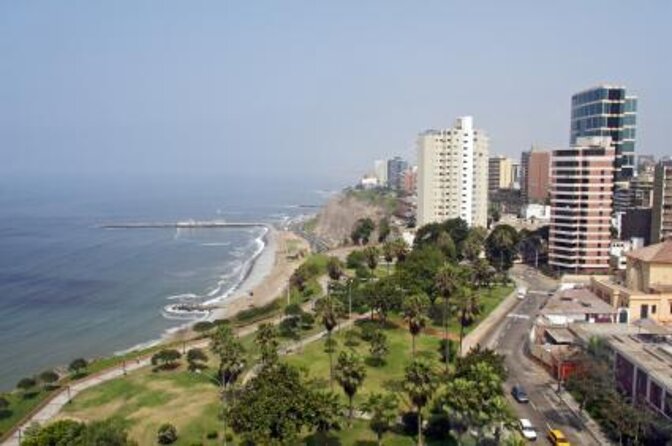
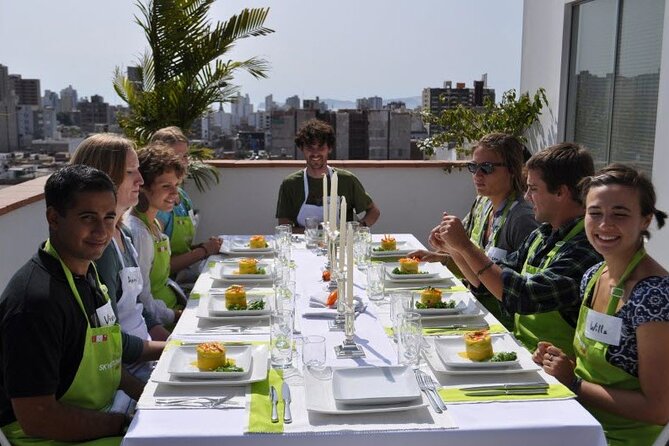
The cooking venue includes a rooftop terrace with views over the city. That setting gives the class a pleasant change of pace after the market. You move from stalls and produce displays to a place where you can sit, cook, and eat at a more relaxed rhythm.
The activity is designed as a progression. First, you see the ingredients in the market. Then you taste the fruit. After that, you cook with Peruvian ingredients and eat what you have made. The sequence helps the food make sense rather than presenting lunch as a disconnected demonstration.
Do not expect to simply watch a chef prepare a meal while you take notes. The class is hands-on. You do the work, while the staff helps with direction and washing up. That format is a good fit if you want practical recipes and a clearer sense of how the dishes come together.
More cooking classes around Peru:
- Miraflores: Amazing Peruvian Cooking Class Ceviche Seafood and Pisco Sour
★ 4.9 · 57 reviews - Cook with Maido’s creative chef and chef de cuisine
★ 5.0 · 53 reviews - Cusco: Peruvian Cooking Class & Market Tour
★ 4.9 · 19 reviews - Lima: Cooking Workshop and Water Circuit Tour
★ 5.0 · 16 reviews
Making a pisco sour before lunch
The class includes an alcoholic pisco sour. It is made before the four-course meal, giving you a classic Peruvian drink to enjoy while the cooking gets under way.
Water and juice are also included. Beer and wine are not, so do not assume the beverage package extends beyond the pisco sour and nonalcoholic drinks. If you do not drink alcohol, the included water and juice still cover the basics, but the experience specifically features the pisco sour as part of the class.
The drink is more than a cocktail break. It adds a familiar Peruvian symbol to a class built around the country’s food. You get to prepare and enjoy it as part of the same hands-on morning.
What the four-course cooking session feels like
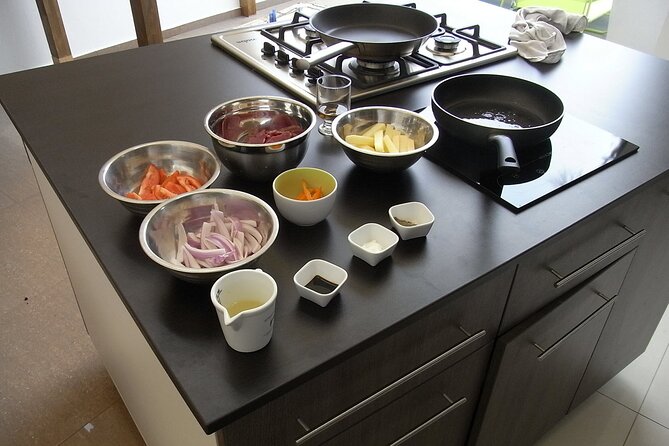
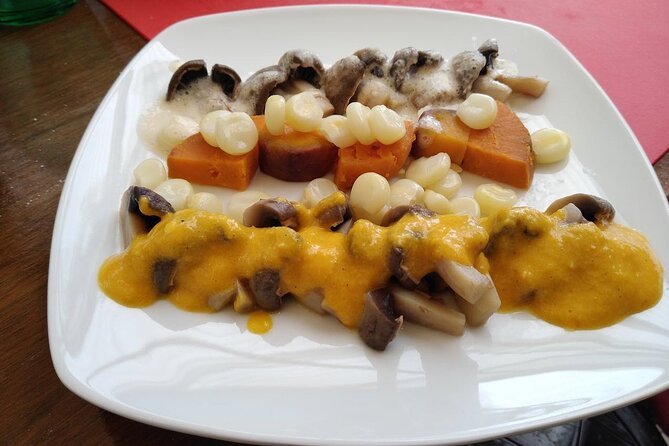
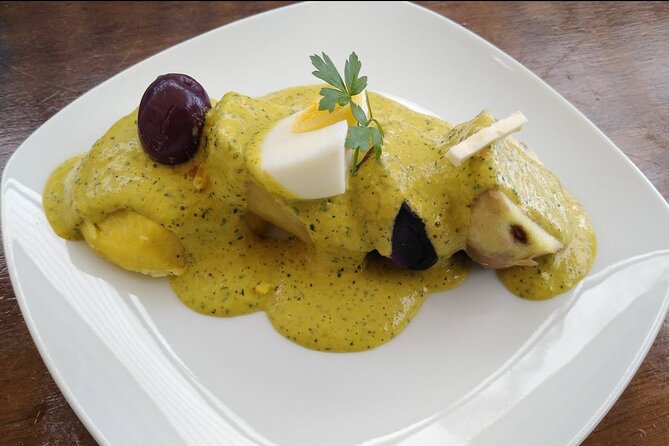
The centerpiece is a four-course Peruvian lunch prepared by you and the rest of the group. The exact menu is not specified in the tour details, so you should not book this expecting particular dishes unless the provider confirms them in advance.
The format is clear, though. You work through Peruvian recipes using Peruvian ingredients, with instruction from the chef team. After each course, you stop and eat before moving on. This pacing keeps the meal from becoming a single long wait at the end and lets you judge each dish while it is fresh.
I like the educational value of this setup. You can ask about ingredients that seemed mysterious at the market, then see how they behave in a recipe. That connection may make restaurant menus easier to understand during the rest of your time in Peru.
The cooking is also described as surprisingly simple. That does not mean the food is plain. It means the recipes are approachable enough for a visitor to prepare with guidance. The staff handles washing up and keeps the process moving, so you can focus on the cooking and eating rather than kitchen chores.
You should still expect some active participation. If you want a meal with no work at all, choose a restaurant instead. If you enjoy learning by doing, the class gives you a better chance of remembering the dishes and trying them at home.
Vegetarian, vegan, and allergy planning
A vegetarian option is available, but you must request it when booking. Vegan versions have also been prepared for participants, so it is worth stating clearly that you need a fully vegan menu rather than assuming a vegetarian option will cover every concern.
You should also report any food restriction or allergy when you book. The tour includes a market tasting with more than 35 fruits and a meal made from many ingredients, so advance notice is important for the staff to plan safely.
The available information does not promise that every allergy can be accommodated. For serious allergies, contact the provider before committing and ask what substitutions are possible. That is especially sensible with a market-based tasting and a shared cooking environment.
Children up to age 10 must be accompanied by an adult. The minimum booking is two people, and the maximum group size is 12.
Is $125 a fair price?
At $125 per person, this is not a cheap lunch. You are paying for a roughly five-hour experience that combines a guided market visit, transportation to the class, more than 35 fruit samples, all cooking ingredients, a four-course meal, water, juice, and a pisco sour.
The value is strongest if you would otherwise pay separately for several food activities. You are not only buying food. You are paying for a guide in the market, instruction in the kitchen, a prepared setting, a small group, and the chance to turn the meal into a practical lesson.
The small group also matters to the price. A class capped at 12 people can offer more direct help than a large demonstration, especially when you are chopping, mixing, and cooking. The staff also takes care of washing up, which keeps the focus on the food.
The value is weaker if you mainly want to eat. In that case, a market visit followed by lunch at a restaurant would likely take less time and cost less. This experience earns its price through participation and context, not through a large quantity of food or an open-ended drinks package.
It is also booked about 39 days ahead on average, so you should not treat it as a last-minute filler. Check availability early, especially if your Lima stay is short.
Timing, clothing, and the cancellation rule
Allow about five hours from the 9:00 a.m. start. Since the activity ends back at the market meeting point, avoid scheduling an important appointment immediately afterward. The cooking pace includes the market visit, fruit tasting, drink preparation, four courses, and the transfer to Miraflores.
Wear comfortable clothes suitable for walking and cooking. The only specific clothing request is to avoid expensive jewelry at the market. That is sensible for a crowded public food market and removes one thing to worry about.
The cancellation terms are strict: the experience is non-refundable and cannot be changed for any reason. If you cancel or request an amendment, the amount paid will not be returned. I would book only after confirming your schedule, meeting point, dietary needs, and transportation plan.
Who will enjoy this Lima food tour most?
I would choose this experience if you want food to explain the country, not just feed you. It suits first-time visitors who want a useful introduction to Peruvian ingredients, home cooks who would like recipes to try later, and anyone who enjoys small-group activities with hands-on work.
It is also a good choice for people who are unsure about unfamiliar market produce. The guide gives you names, examples, and preparation context before you encounter the dishes at lunch.
Vegetarians and vegans should consider it, provided they notify the provider in advance. Families can book too, but children age 10 and younger must have an adult with them.
I would skip it if you dislike organized activities, do not want to cook, or need a flexible cancellation policy. The five-hour schedule is a serious block of time, and the non-refundable booking terms leave little room for a change of plans.
Should you book the Surquillo Market and cooking class?
Book it if you want a full food morning that moves from market stalls to a rooftop kitchen, with plenty of tasting and real participation. The strongest parts are the 35-fruit tasting, the broad look at Peruvian ingredients, the small group, and the chance to eat a four-course meal you helped prepare.
The best way to approach it is as a cultural class with lunch, not as a simple cooking demonstration. Arrive ready to taste unfamiliar fruit, ask questions, work with the ingredients, and give the activity most of your morning. If that sounds like a good use of five hours and your Lima schedule is firm, $125 buys a substantial introduction to Peruvian cuisine.
FAQ
Where does the tour begin?
The tour begins at the entrance to Mercado Nº 1 de Surquillo in Surquillo, Lima. The listed location is VXJF+MPH, Surquillo 15047, Peru.
What time does the experience start?
The start time is 9:00 a.m.
How long does the tour last?
The experience lasts approximately five hours.
Where does the activity end?
The activity ends back at the market meeting point.
How many people can join the tour?
The maximum group size is 12 people.
Is transportation included?
Transportation from Surquillo Market to the cooking class in Miraflores is included. Hotel pickup and drop-off are not included.
Are food and drinks included?
The price includes more than 35 fruit samples, all cooking ingredients, a four-course lunch prepared during the class, water, juice, and a pisco sour. Beer and wine are not included.
Can the class accommodate vegetarian or vegan diets?
A vegetarian option is available, and vegan versions have been prepared. You must advise the provider when booking and report any food restrictions or allergies.
Can I cancel or change my reservation?
No. The experience is non-refundable and cannot be changed for any reason. A canceled or amended booking does not receive a refund.
New cooking classes around Peru
- Lima: Peruvian cooking class and tour of Surquillo market★ 5.0 · 2 reviews
- Lima: Market Tour, 35 Fruits Tasting & Cooking Class★ 5.0 · 3 reviews
- Lima: Market Tour and Cooking Class with Pisco Sour★ 5.0 · 3 reviews
- Lima: 4-Course Peruvian Cooking Class in Miraflores★ 5.0 · 4 reviews
- Lima : Cooking Class – A Peruvian Culinary exploration★ 5.0 · 2 reviews
- Lima: Cooking Workshop and Water Circuit Tour★ 5.0 · 16 reviews
- Lima: Demo Cooking Class with Lunch at Cala Restaurant★ 4.1 · 4 reviews
- Cusco: Peruvian Cooking Class & Market Tour★ 4.9 · 19 reviews
Lima Cooking Classes, side by side.
#1 Rated Cooking Classes with Local Market Tour & Pickup
Read our review →
Miraflores: Amazing Peruvian Cooking Class Ceviche Seafood and Pisco Sour
Read our review →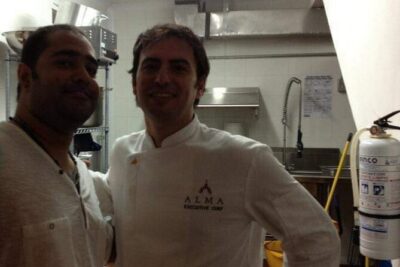
Cook with Maido’s creative chef and chef de cuisine
Read our review →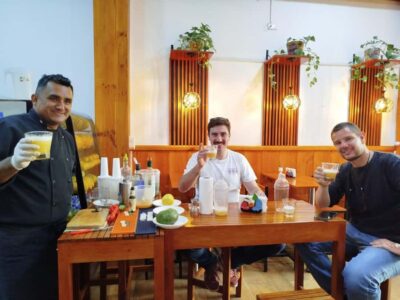
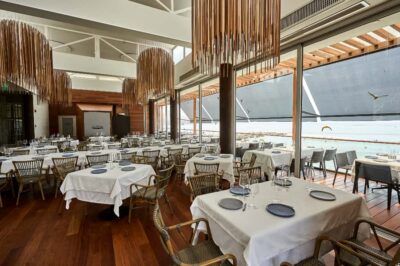
Lima: Demo Cooking Class with Lunch at Cala Restaurant
Read our review →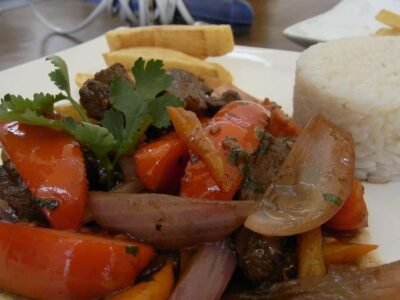
Lima: 4-Course Peruvian Cooking Class in Miraflores
Read our review →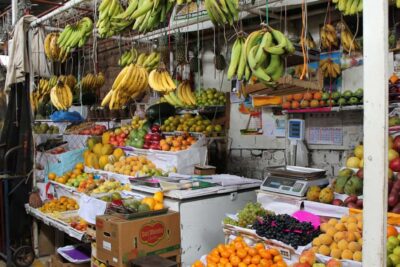
Lima: Market Tour, 35 Fruits Tasting & Cooking Class
Read our review →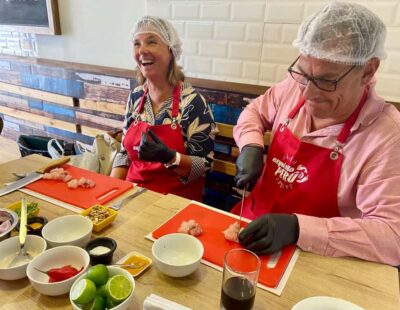
Lima: Market Tour and Cooking Class with Pisco Sour
Read our review →This kitchen also appears in